
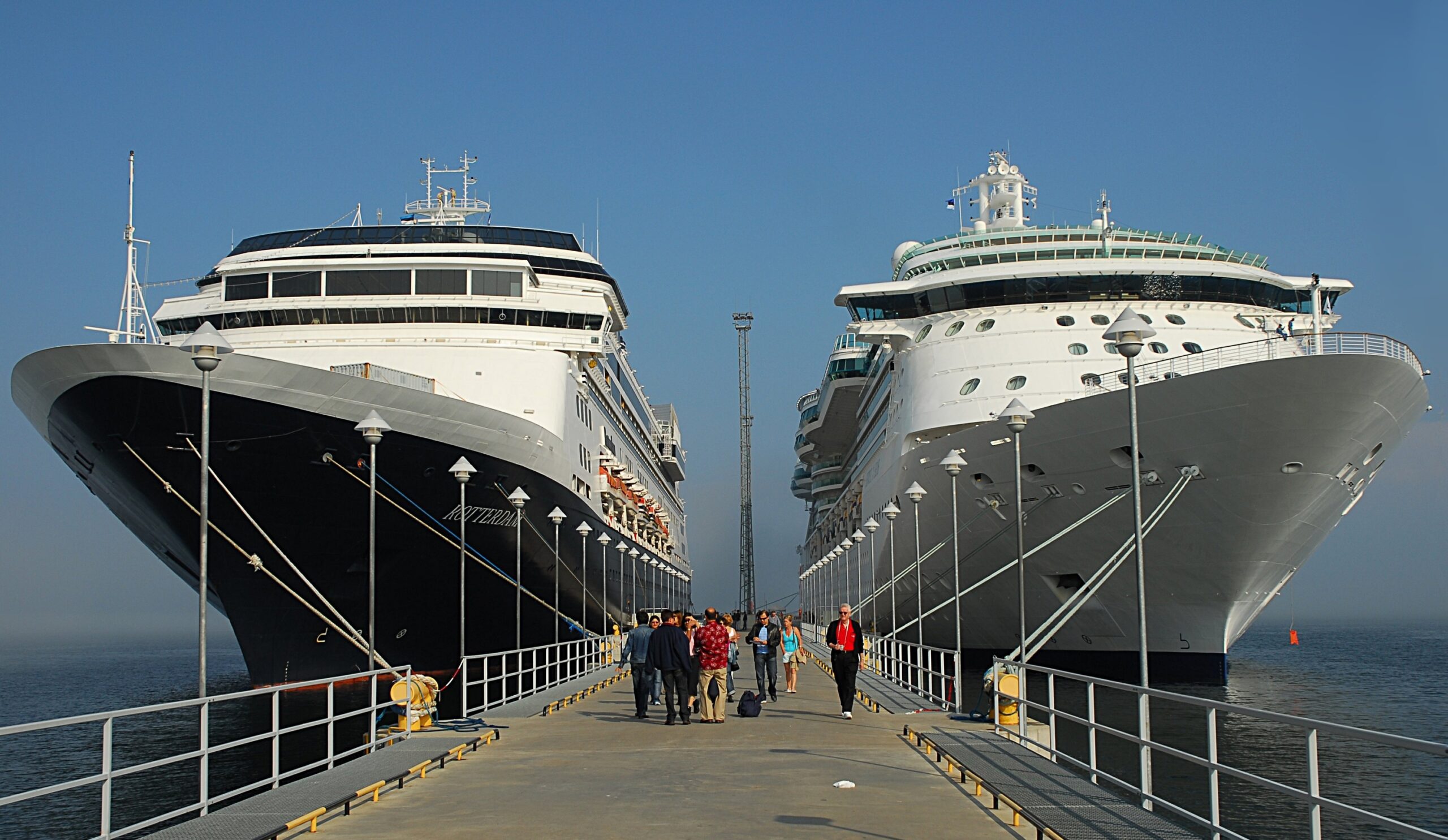

Millions of people book their first cruise every year with a mental image borrowed from travel brochures: calm blue water, a deck chair, a cocktail, and nothing to figure out. The reality is richer, more layered, and occasionally more surprising than any promotional photo lets on.
Nearly a third of all cruise passengers over the past two years were completely new to cruising, which means there’s a vast wave of first-timers discovering the same things at the same time – usually after they’ve already set sail. What follows is everything the booking confirmation doesn’t tell you.
The Price Tag You See Is Just the Beginning
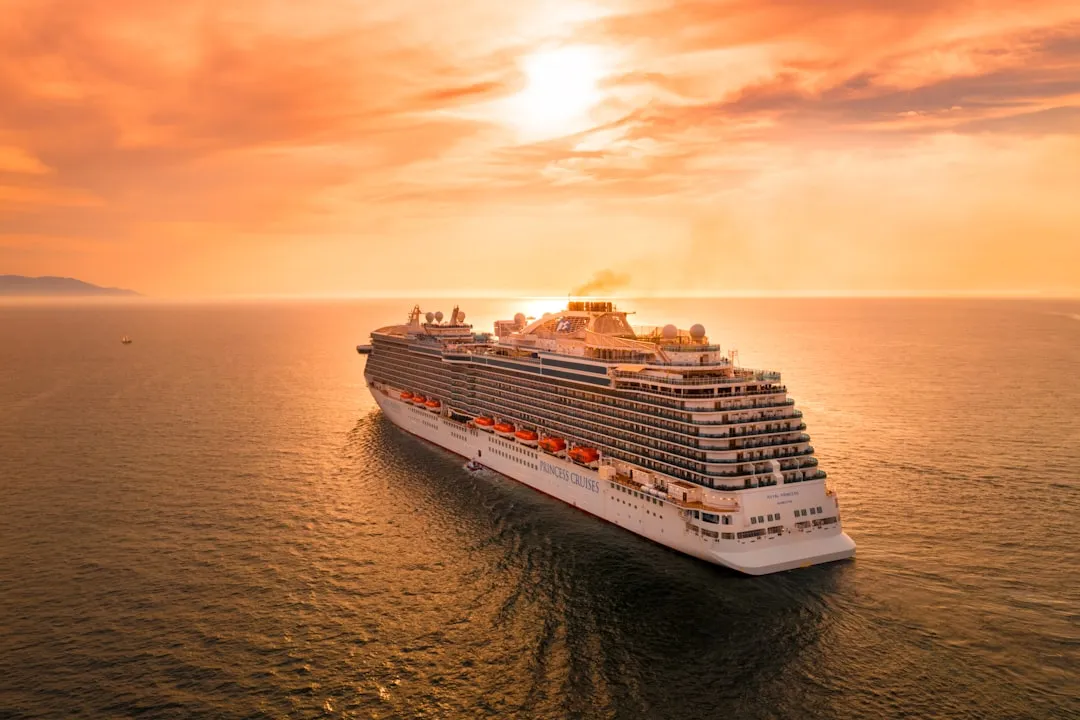
Cruise fares are famously enticing, and that initial number often represents only a portion of what you’ll actually spend. Cruise passengers in 2026 spent an estimated roughly $286 per day on average, with the ticket itself accounting for around $193 of that and onboard purchases making up the remaining $92 or so. That gap between the ticket cost and total daily spend is worth taking seriously before you ever step onboard.
Additional costs you should plan for include gratuities, specialty dining, beverage packages for adults, shore excursions, and onboard activities, which together can add anywhere from several hundred to well over a thousand dollars per person. First-timers frequently treat these as optional extras, then find themselves surprised when the final bill arrives at the end of the voyage.
The Ship Is Much Bigger Than You Expect
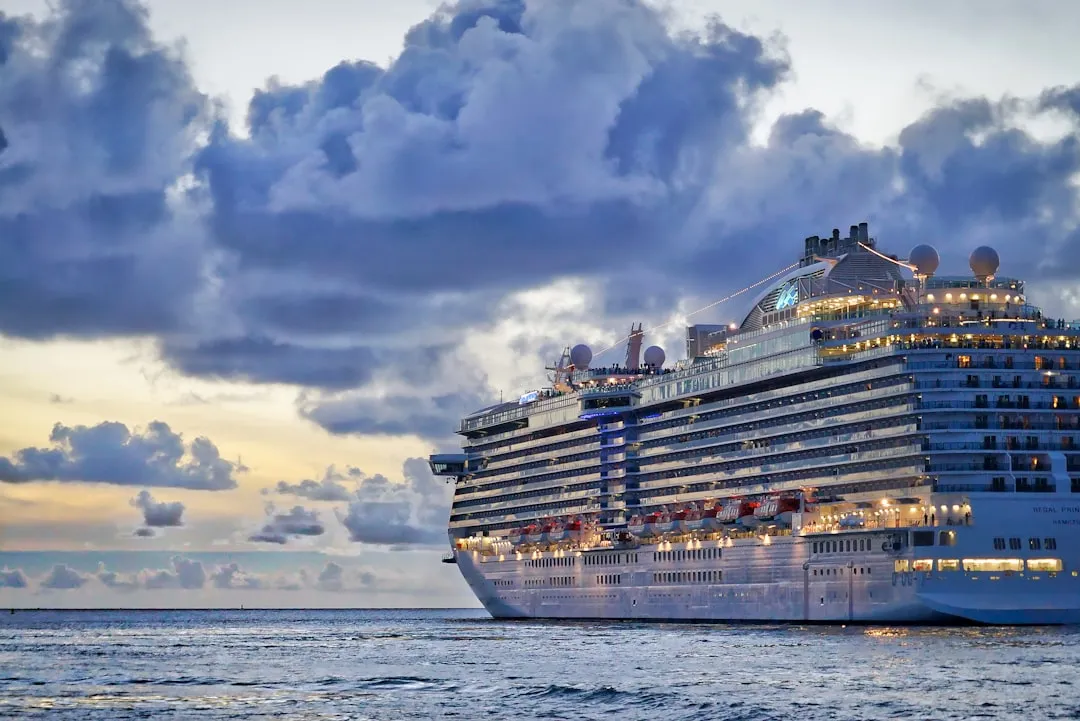
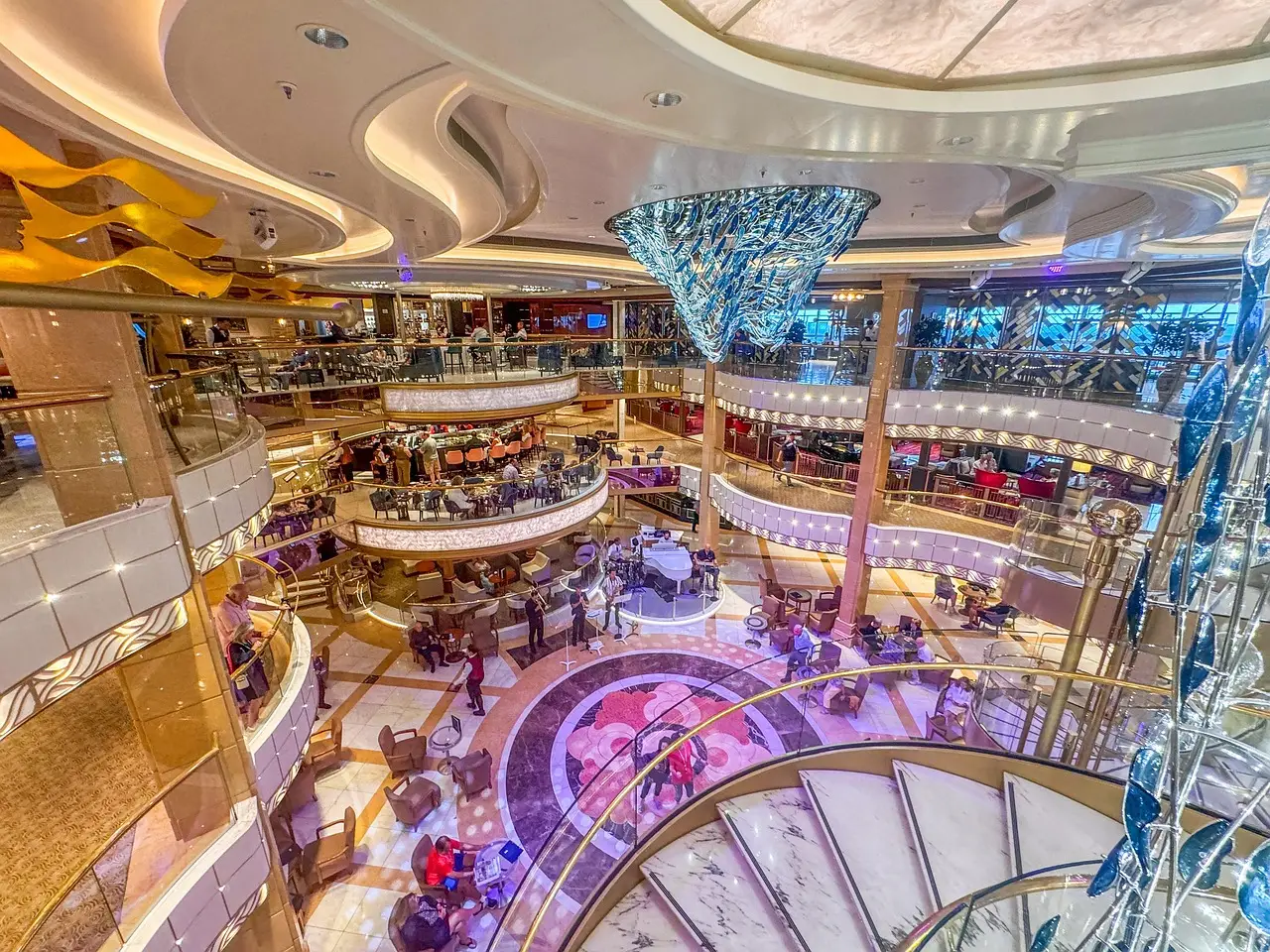
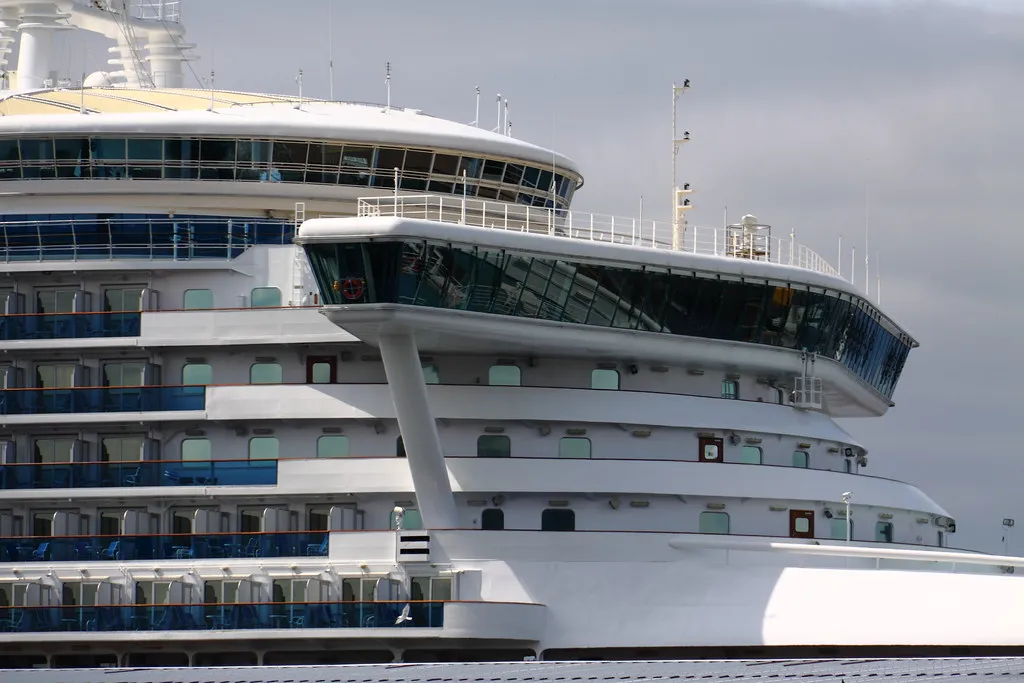
More than 120 mega cruise ships now sail globally, each designed to carry over 3,000 passengers and packed with headline-grabbing amenities. Walking onto one of these vessels for the first time is genuinely disorienting. It doesn’t feel like a ship – it feels like a small city that happens to float.
People often spend the entire first day simply trying to get their bearings. There are multiple dining venues, pools, theatres, shopping arcades, and even dedicated zones for different age groups. Giving yourself a full orientation walk before unpacking is time well spent, not a distraction.
Seasickness Is Real, But It’s Also Manageable
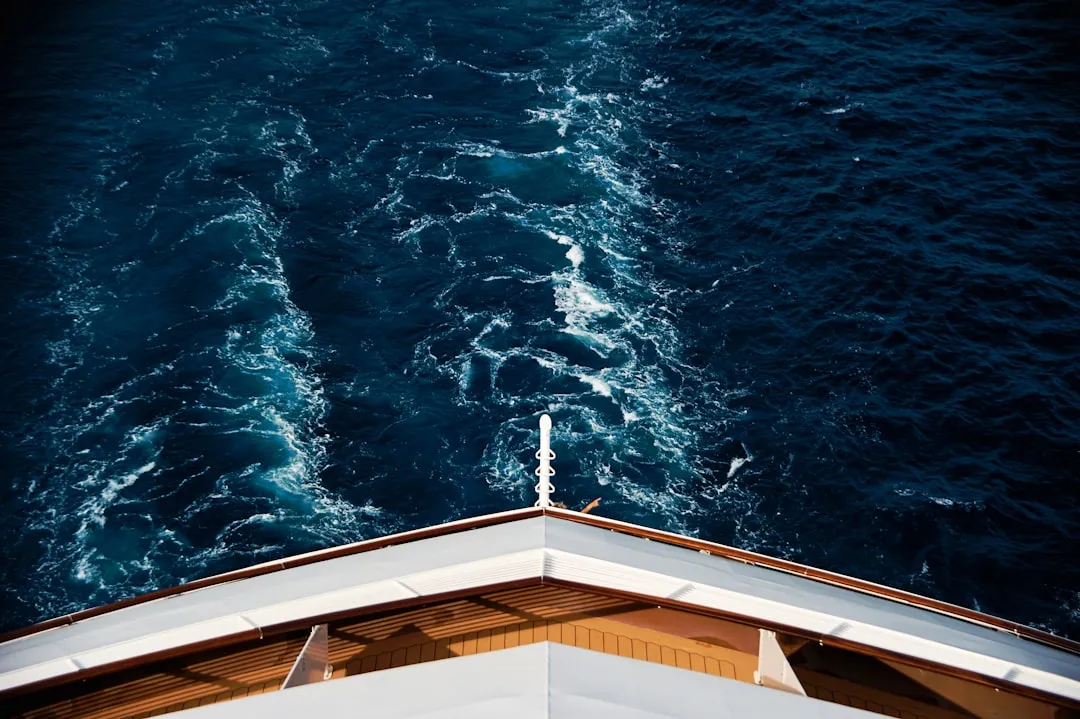
Nobody wants to think about this one before a trip, but being caught off guard is far worse. Avoiding cabins near elevators, laundry stations, and above or below bars or dance floors makes a real difference, and midship cabins experience the least motion, which matters significantly if seasickness is a concern.
Choosing a cabin in the middle of the ship and lower down is where motion is felt the least, and spending time on deck or booking a cabin with a balcony for fresh air helps too. Staying hydrated and focusing on the horizon are also practical ways to keep symptoms at bay. Most ships carry remedies on board, but packing your own medication before departure gives you the most flexibility and saves money at the ship’s medical center.
Onboard Medical Care Can Be Expensive
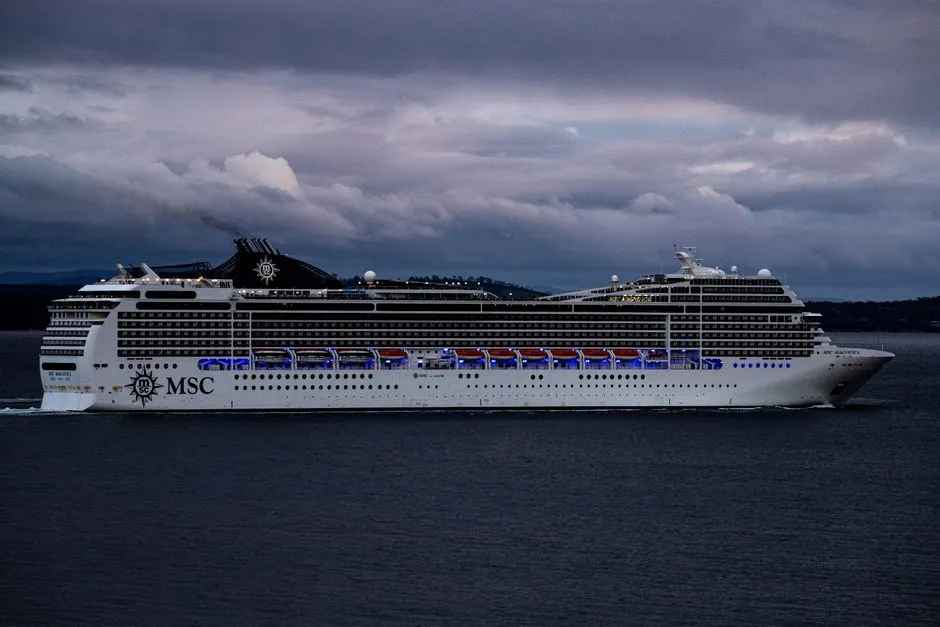
This is one of the least-discussed realities of cruise travel, and it catches first-timers completely off guard. While cruise ships offer a world of entertainment and relaxation, falling ill at sea can lead to unexpectedly high medical expenses. The ship’s medical center operates more like a private clinic than a public emergency room, and costs reflect that.
One documented case involved a passenger who suffered seizures on a Royal Caribbean cruise and, being uninsured, was presented with a $2,500 bill for onboard medical care before he could disembark. Travel insurance specifically designed for cruise travel is not a luxury purchase – for most first-timers, it’s a sensible baseline.
You Won’t See As Much of Each Port As You Think
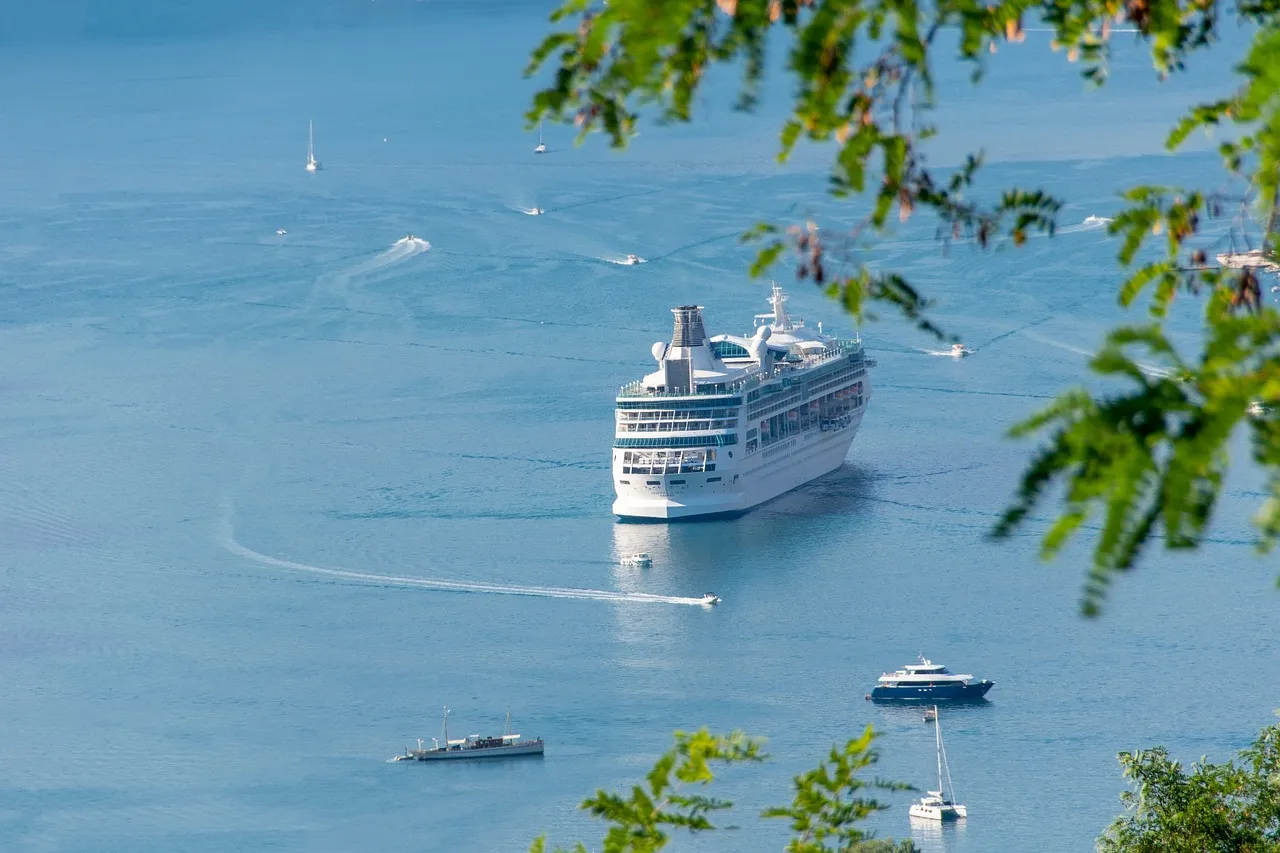
Itineraries that promise six destinations in seven days sound exciting on paper. In practice, a typical port call lasts somewhere between six and ten hours, and a portion of that time disappears in disembarkation queues and transit to the actual town or beach. You’re often left with a compressed window in places that genuinely deserve more time.
Six in ten cruisers return to a destination they first visited by cruise, which is a telling sign – people get a taste on the cruise and come back later to experience it properly. Treating port stops as an introduction rather than a thorough exploration changes expectations in a healthy way and makes the experience much more enjoyable.
The Caribbean Dominates, But There Are Better Choices for Curious Travelers
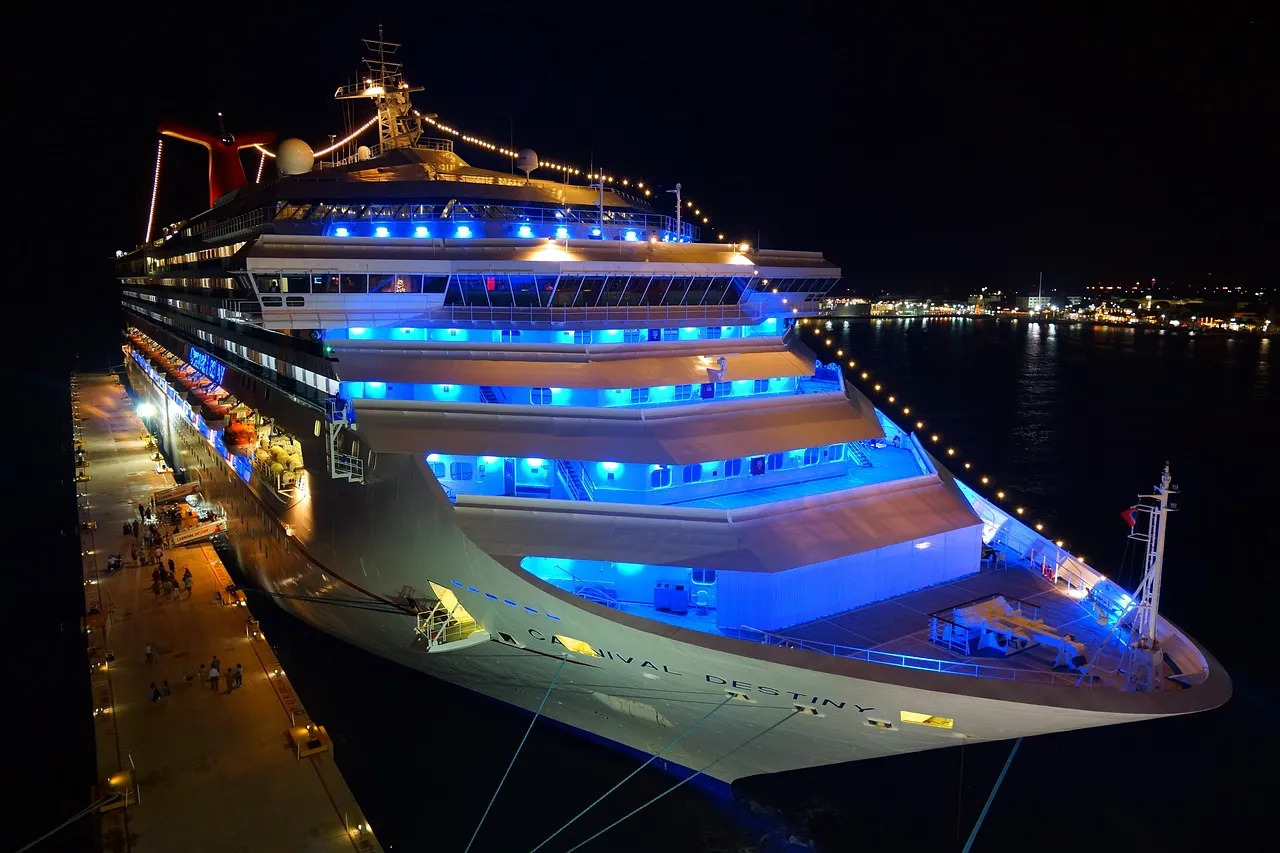
Caribbean, Bahamas, and Bermuda itineraries remained the most popular in 2024, with roughly four in ten of all cruise passengers sailing to that region, followed by the Mediterranean and other European destinations. For first-timers, this is actually useful information. The Caribbean is popular for good reason – calm seas, warm weather, and a relaxed pace.
Expedition and exploration voyages are among the fastest-growing cruise segments, rising sharply from 2023 to 2024, as adventure-seekers look for more immersive travel experiences. If you already travel independently and are drawn to culture, wildlife, or remote landscapes, a standard Caribbean itinerary might feel underwhelming. Knowing the full spectrum of options before booking changes everything.
The Daily Rhythm Onboard Takes Adjustment
Life on a ship runs on a fixed schedule, and it takes a day or two to tune into it. Dinner reservations, entertainment bookings, and shore excursion sign-ups often need to be arranged in advance – sometimes weeks before departure – or they fill up quickly. First-timers who show up expecting a relaxed, walk-in experience often miss the things they most wanted to do.
Most ships offer a wide range of entertainment options, from shows to fitness classes, ensuring there’s genuinely always something to do. The key is engaging with the daily schedule proactively rather than waiting to see what happens. It sounds like an obvious thing to say, but many first-timers arrive without looking at the ship’s daily program at all.
Most First-Timers Become Repeat Cruisers – and the Data Shows Why

A full 82 percent of people who have cruised say they plan to cruise again, and 68 percent of international travelers are considering taking their first cruise. Those numbers speak to something genuine about the format. Once you understand how a cruise actually works, the value proposition becomes much clearer.
The cruise industry has rebounded post-pandemic more strongly than other travel segments, and cruise demand growth has exceeded hotel demand growth for two consecutive years. That’s not just a marketing trend – it reflects real satisfaction among passengers who’ve experienced the format firsthand and appreciated its particular blend of convenience and variety.
Cabin Category Matters More Than People Realize
First-timers often book the cheapest interior cabin to save money, which is entirely reasonable. According to a 2025 survey of nearly 19,000 Consumer Reports members, average cruise prices ranged from roughly $1,316 for an interior cabin to $2,760 for a balcony or veranda cabin, and up to about $7,484 for a full suite. The jump from interior to balcony is a meaningful one, especially on longer voyages.
An interior cabin has no natural light and no sense of the ocean outside. For a short three-night cruise, that’s rarely a problem. On a seven-day voyage, waking up with no reference to the outside world starts to feel isolating for some people. Knowing this in advance helps you make a deliberate choice rather than a regrettable one.
Solo Cruising Is Growing Quietly and Steadily

In 2024, around one in eight cruise travelers sailed solo, which was double the proportion reported just the year before, while the majority still travel with at least one other person. This shift is not accidental. Lines have been responding to demand by adding more solo cabins, solo traveler social events, and adjusted pricing structures.
For solo first-timers in particular, the cruise format offers something genuinely reassuring: a self-contained environment where meeting people is easy, safety is managed, and logistics are handled. It’s a meaningful option for people who want to travel independently but aren’t ready for a fully solo land-based trip to an unfamiliar destination.
The Takeaway
A first cruise is rarely what you imagined – and usually better, once you understand the format. The surprises are real, but none of them are deal-breakers when you see them coming. The global intent to cruise again remains high, with the vast majority of past cruisers indicating they plan to return to sea.
That number isn’t driven by habit alone. It reflects something the brochures don’t quite capture: that cruising, done with open eyes and a little preparation, offers a genuinely singular way to move through the world. The ocean has a way of resetting perspective. Most people who step onboard for the first time find themselves quietly planning the next one before the ship has even docked.
AI Disclaimer: This article was created with the assistance of AI tools and reviewed by a human editor.