

Tipping Is Not a Universal Language

The first thing most travel guides understate is how fundamentally different tipping philosophies are across cultures. There is no single rule for tip etiquette in other countries. Just like regions of the world have their own cultures, governments, and religions, they also have their own tipping structures. That sounds obvious in theory. In practice, it catches first-timers off guard almost every time.
Every country has its own unwritten rules about gratuity, and understanding local tipping etiquette before you arrive is one of the most practical travel skills you can develop. Carrying your home country’s habits into a new cultural context doesn’t just cause awkwardness – it can signal a genuine lack of awareness about how local economies and work cultures actually function.
In Japan, a Tip Can Actually Offend

Tipping is rarely expected in Japan. According to the Japan National Tourism Organization, adding a gratuity is quite uncommon at restaurants, hotels, or when taking a taxi. This isn’t simply about custom – it’s about professional identity. The Japanese value their work ethic as a means of pride, and tipping can be seen as an insult to the quality of service provided.
Restaurant staff may go so far as to refuse any extra cash customers leave behind, and according to travel guide Fodor’s, certain workers may even feel embarrassed upon receiving a tip. This isn’t theatre. It reflects a deeply held cultural value. In Japan, South Korea, and China, tipping can cause genuine confusion or discomfort, because it implies the establishment isn’t paying fair wages – a subtle insult.
Europe Is More Relaxed Than You Think

Tipping culture in Europe is more relaxed than in the United States, with a lot less pressure to know all the rules. Whether you’re tipping in Spain, France, or one of the other European countries, it’s seen as nice but not always necessary. That’s a relief for many visitors, though the nuances still matter.
Many European countries such as France, Switzerland, Greece, and Hungary include service charges in menu prices or restaurant bills. The important detail first-timers miss is that a service charge appearing on your bill doesn’t automatically mean staff receive it. It’s worth tipping in cash and giving the tip directly to the person you intend it for. That small gesture makes a real difference.
Germany, Ireland, Portugal, and the United Kingdom do not have a strong tipping culture, so leaving gratuity is up to you. The rule of thumb is to leave a five to ten percent tip unless a charge is included in the bill or the service is poor. Drivers and bartenders in these countries don’t usually expect gratuity, but rounding up the bill is always appreciated.
East Asia Has a Clear “No Tipping” Zone
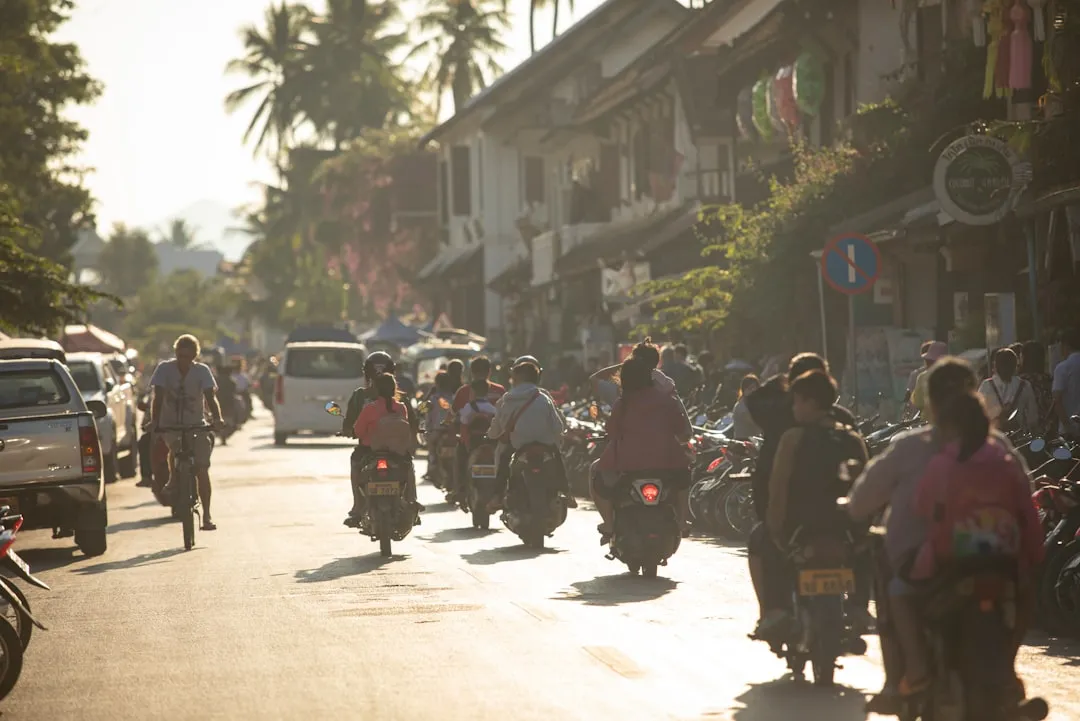
East Asian countries represent the clearest “no tipping” zone globally. South Korea follows a similar pattern to Japan. South Korea has long been a tip-free society, partly because service workers are usually paid a livable wage by their employers. The wage structure itself removes the dependency that makes tipping feel necessary.
China’s no-tipping rule is a relief for travelers, where service staff come without the expectation of extra cash. Restaurant staff find it unusual and might wave off your extra change. There are some early signs of change in certain modern restaurants, but this remains the firmly established norm across the country.
The Service Charge Trap

One of the most common and costly mistakes first-time international travelers make is double tipping. Some restaurants will add a ten percent service charge onto your bill, meaning your tip is already included in the overall cost. If you then leave an additional tip on top of that, you’ve paid twice for the same gesture.
In countries like Jordan, Morocco, and South Africa, wait staff will often expect at least ten to fifteen percent, while nicer restaurants in popular tourism countries like Egypt and Israel may also add a service charge to the bill, so it’s worth keeping an eye out to prevent double tipping. Checking the bill line by line before you leave cash on the table takes about thirty seconds and saves real money over a two-week trip.
Africa and the Middle East: Tipping Is Often Expected

Egypt is similar to the United States in that tipping is a part of everyday life. Egyptians regularly tip the door person at their apartment, the parking attendant who helps them find a space, and the cleaner who comes to their home. First-time visitors who don’t realize this can inadvertently come across as dismissive.
Tipping in Egypt is known as baksheesh and is a basic part of travelling and living there. Keeping small increments of local currency is useful for tipping bathroom attendants, museum guards, and anyone offering services. In restaurants, the tip may already be included in the bill, but it’s common to add five to ten percent for good service. For safari travel further south, the etiquette shifts slightly. If you’re going on a safari, it’s worth asking ahead how the company handles tips. Generally speaking, you tip at the end of the safari in one lump sum.
Latin America: Familiar Logic, Different Numbers
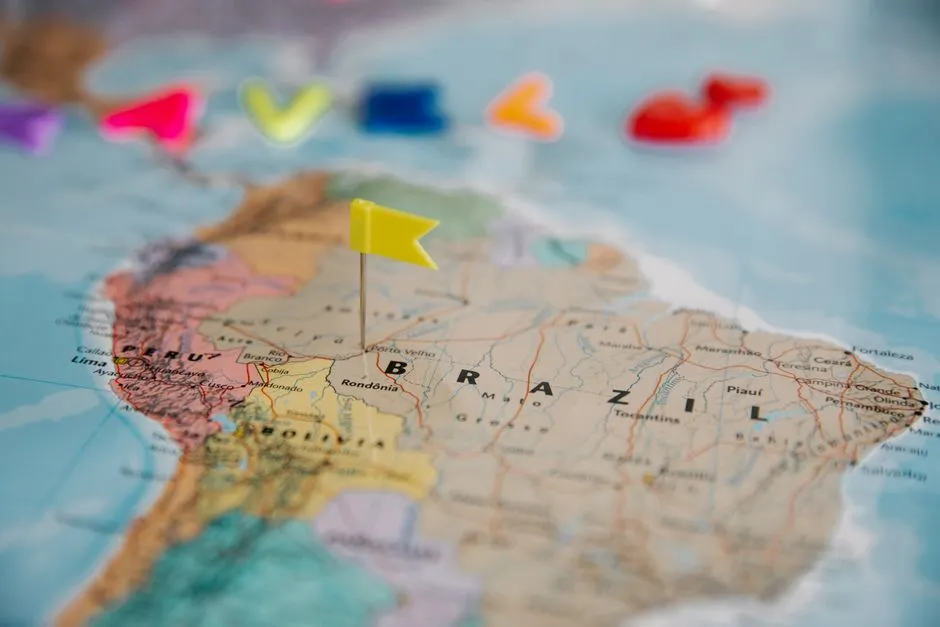
Throughout Latin American countries, tipping is oftentimes standard. Servers in Argentina, Chile, and the Dominican Republic could anticipate tips between ten and fifteen percent of the bill. This feels familiar to North American travelers, though the percentages tend to be more modest than in the United States.
Most restaurants in Brazil, Chile, and Costa Rica include a ten percent sit-down charge to the bill. In these cases, no one expects a tip, but feel free to put down an extra five to ten percent in cash, since the servers might not receive their share of the included charge. That last detail is crucial and rarely mentioned in passing travel guides.
Dubai: Where the Law Steps In

The United Arab Emirates has an approach unlike almost anywhere else. Federal law in Dubai mandates that a ten percent tip be automatically added to every service bill. While you’re technically tipping, you aren’t expected to leave extra money. If you receive excellent service, it’s fine to leave an extra ten to twenty percent on top of the built-in tip.
When giving extra cash to your server, use your right hand. It’s considered rude to exchange money with the left hand in this part of the world. That particular detail about gesture and etiquette is the kind of thing no app or booking platform will warn you about, but locals will absolutely notice.
Southeast Asia: Tourism Is Changing the Rules
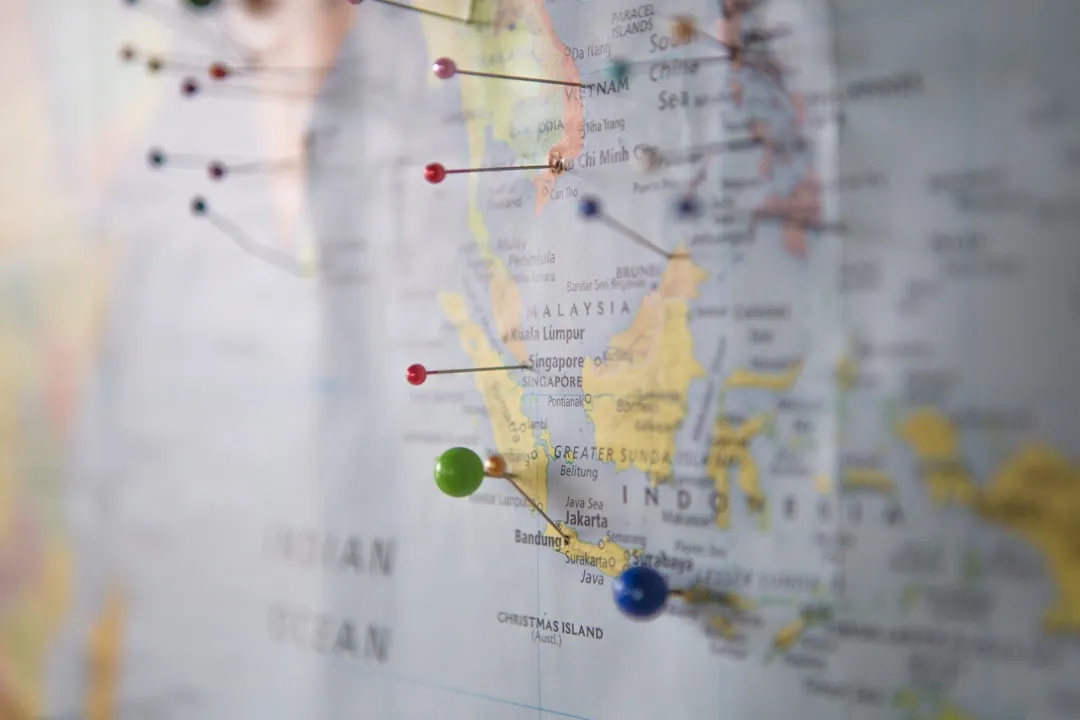
Due to an influx of tourism, countries like Cambodia, Indonesia, Thailand, Vietnam, and parts of Turkey are becoming more open to receiving tips. However, tipping is still not considered customary, so it’s not a faux pas if you don’t leave one. The picture is more fluid here than anywhere else, and it’s shifting year by year.
There’s a split tipping culture in Singapore: locals don’t tip, but tourists and foreigners are not only expected to tip but to tip well, usually fifteen to twenty percent of the total bill. That two-tier expectation is unusual and reflects how deeply tourism has reshaped hospitality norms in one of the region’s most visited cities. Checking in with your hotel or tour operator about local norms is genuinely the most reliable approach in this part of the world.
Why Wages Drive Everything

The real reason tipping norms differ so dramatically across borders comes down to how hospitality workers are paid. Countries with sub-minimum wages for tipped workers, such as the United States at a federal tipped wage of just over two dollars per hour, create tip dependency. Countries with universal minimum wages, like Australia, simply don’t. That structural difference shapes every social expectation around the practice.
The global conversation about tipping culture has intensified in 2025 and 2026, with many travelers, economists, and hospitality workers questioning whether the current system is fair, transparent, or sustainable. Critics of tip-reliant models argue that they create unpredictable income for workers. Understanding this broader context helps travelers make more thoughtful decisions, not just about how much to leave, but about who genuinely depends on it.
The Thoughtful Way to Prepare
The simplest preparation habit is also the most effective: research your specific destinations before you arrive. The best way to address tipping etiquette when traveling abroad is to research the cultural norms and expectations in the places you’ll be visiting. That means going beyond headline summaries and looking at what workers in each sector – restaurants, taxis, hotels, tours – actually expect.
Always carry local currency in small denominations. Even in countries where cards are widely accepted, tips in cash almost always reach the right hands more reliably. Some in the service industry rely on tips to make ends meet, while others consider gratuities rude or disrespectful because their employer already pays them well. Knowing which situation you’re in is the difference between a respectful gesture and an inadvertent slight.
Final Thoughts
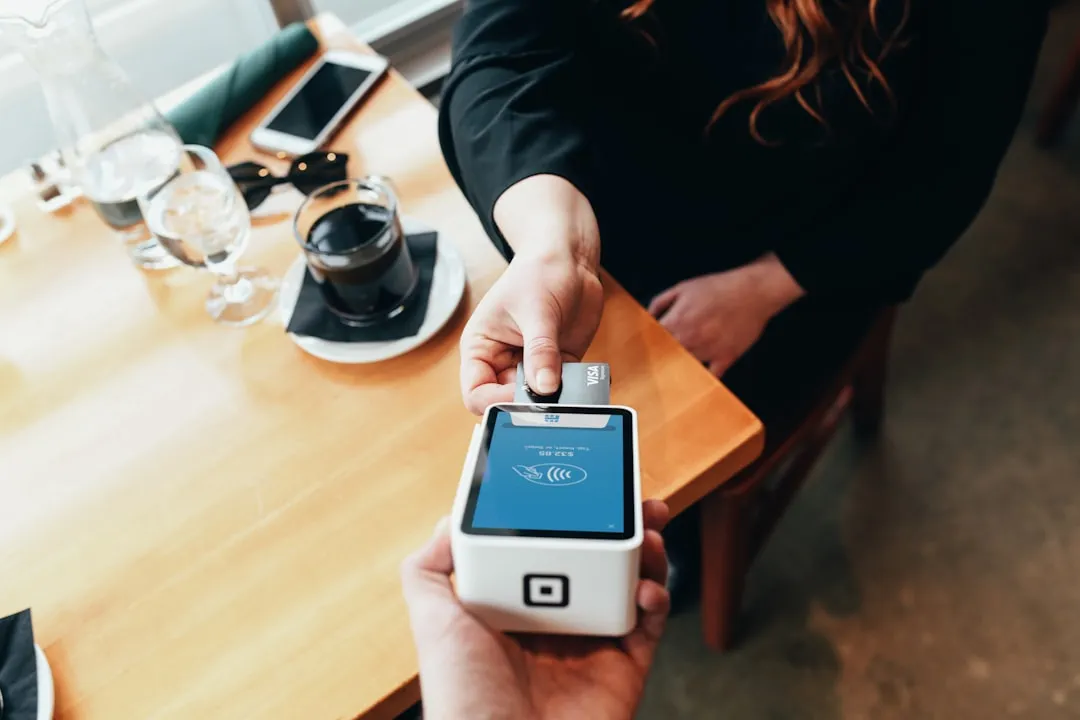
Tipping is one of those travel details that feels minor until it isn’t. Getting it right is less about following a rulebook and more about arriving with genuine curiosity about how local economies and professional cultures actually work. That orientation – toward understanding rather than assumption – is what separates a traveler who leaves a good impression from one who, however kindly, never quite reads the room.
The most respectful thing you can do in any country is to arrive having thought about it at all. A little preparation signals a lot of care, and care is something that translates across every culture and every language, even when the tipping customs don’t.
AI Disclaimer: This article was created with the assistance of AI tools and reviewed by a human editor.