
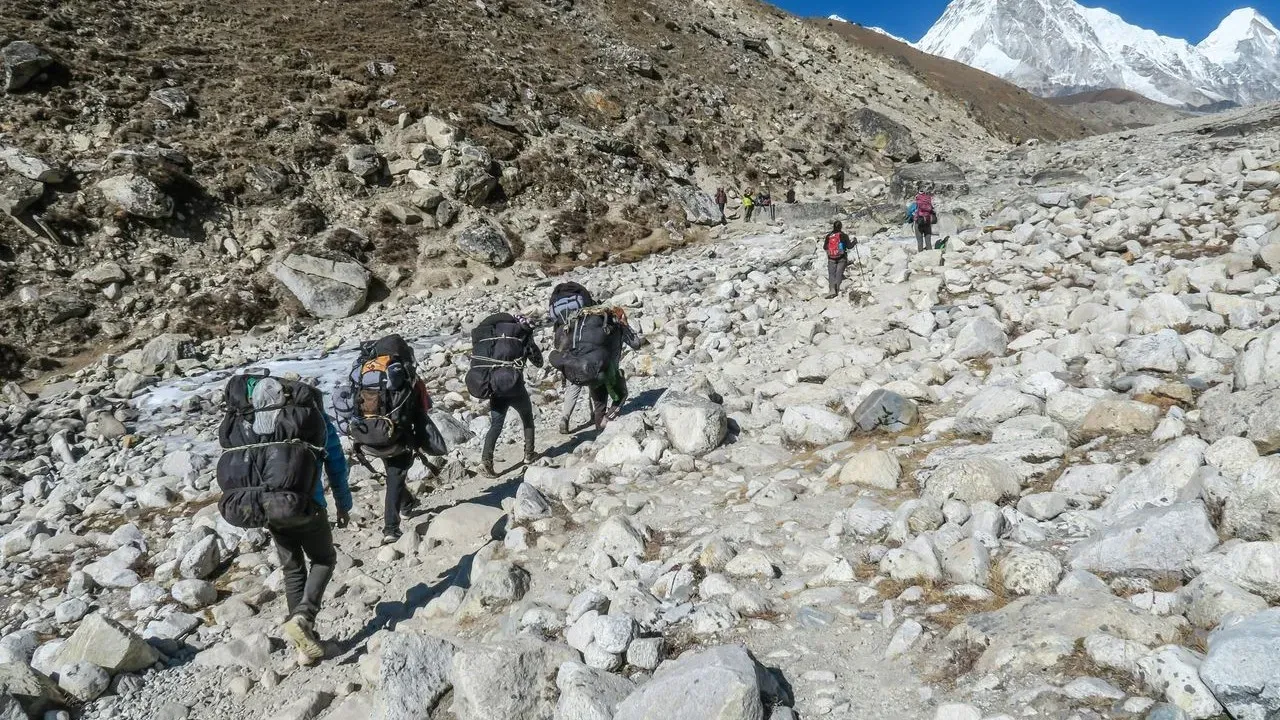

A single question in the BAFTA-nominated documentary Sherpa lingers long after the credits roll. A western climber, frustrated during a tense moment on Everest, refers to the striking Sherpas as if they were property rather than partners. The exchange, captured on film, quietly underscores how easily the relationship between traveler and guide can tilt toward assumption instead of appreciation.
A Moment That Lingers on the Screen
The documentary follows the lives of Sherpas who work on Everest, men whose daily decisions shape the safety and success of expeditions. Their role extends far beyond carrying loads or setting ropes. They read weather patterns, assess avalanche risk, and make split-second calls that protect everyone on the mountain. Viewers see how these choices rest on generations of knowledge passed down through families who have lived at high altitude for centuries. The film does not lecture. It simply shows the weight of responsibility these guides carry and the human cost when that responsibility is overlooked.
Recognizing Leadership on the Slopes
On any serious trek or climb, the guide holds the final word on route, pace, and turnaround times. This authority comes from experience, not hierarchy. Travelers who treat the guide as an equal partner often find the journey smoother and more rewarding. Clear communication helps. Asking thoughtful questions about conditions or sharing personal limits allows the guide to adjust plans with precision. Gratitude expressed in small, consistent ways, such as offering water during a rest or acknowledging a difficult decision, reinforces the sense of shared purpose.
Practical Ways to Show Respect
Thoughtful trekkers build stronger connections through everyday actions that honor the guide’s expertise.
- Listen fully when safety briefings are given and follow instructions without debate in the moment.
- Learn and use correct names and titles rather than generic terms that reduce individuals to roles.
- Share resources fairly, whether snacks, shelter, or encouragement, during long days.
- Express thanks at the end of each stage, recognizing that the guide’s work continues long after the client reaches camp.
These gestures cost little yet signal that the traveler sees the guide as a skilled professional whose judgment protects the entire group.
Carrying the Lesson Forward
The documentary’s quiet power lies in its refusal to sensationalize. It simply records a moment that many viewers recognize as familiar and uncomfortable. That recognition can become an invitation to approach future trips with greater care. When travelers arrive on the mountain already prepared to listen, to defer when needed, and to value the human being leading the way, the entire experience shifts. The summit remains the same, yet the journey feels more grounded in mutual respect.
What matters now: Every traveler who books a guided trek carries the opportunity to treat the guide as the leader the role demands. Small, consistent acts of recognition turn a commercial arrangement into a partnership built on trust. ([1])
The mountains reward those who move through them with humility. Guides like the Sherpas featured in the film make that reward possible. Honoring their skill and humanity is not an extra courtesy. It is the foundation of any worthwhile adventure.
AI Disclaimer: This article was created with the assistance of AI tools and reviewed by a human editor.