

Most people treat packing as a logistical chore, something to get through before the real adventure starts. Zip it up, drag it to the door, done. But psychologists and travel researchers have spent years pointing out something quietly fascinating: the way you fill a suitcase tells a story that has very little to do with what’s actually inside it.
Packing isn’t just a chore. It’s a window into how you think, plan, and organize your life. Whether you’re heading out for a weekend trip or preparing for a long journey, the way you pack can reveal personality traits you might not even realize you have. The patterns are more consistent than most people expect, and they show up whether you’re packing for a weekend in the mountains or a month-long trip across Southeast Asia.
The Overpacker: Anxiety in a Suitcase
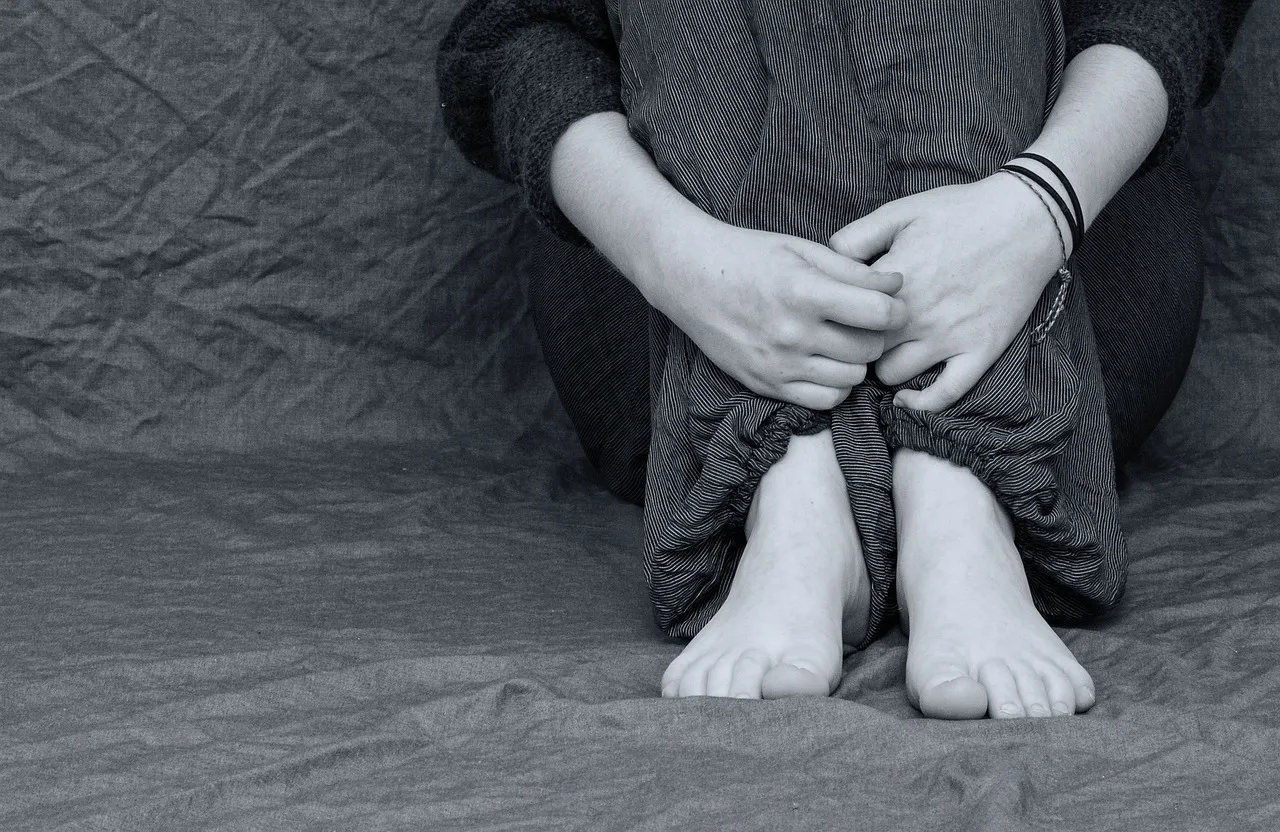
There’s a reason the overpacker exists on every flight, and it goes deeper than indecisiveness about shoes. Many psychologists agree that people who tend to overpack do so because they derive comfort and a sense of security from a “just in case” approach. One personality trait that contributes to packing more than is realistically needed is worry. It can make those who fear venturing into the unknown feel safer and more secure when away from home.
Experts agree the inclination to overpack, driven by an urge to prepare for countless “just in case” scenarios, is rooted in anxiety and the loss of control that comes with leaving one’s personal space. The extent of that anxiety may depend on factors such as the level of familiarity with the destination and the length of the trip.
Nearly one in three travelers, roughly about a third, admits they overpack, a figure that has remained unchanged for years despite travel trends evolving. That’s a strikingly consistent number, and it suggests this isn’t about poor planning. It’s about a very human need to feel ready for anything.
The Minimalist Packer: Confidence or Detachment?

Minimalist packers move through travel with efficiency. Their bags are light, their approach is tidy, and unpacking takes half the time. From the outside, they can look effortlessly in control. In many cases, they genuinely are.
Those who travel light and take only what they need prefer a hassle-free, mobile experience. These are often the spontaneous souls with a life-hacker’s way of living. They trust the destination to provide what they need and trust themselves to adapt when it doesn’t. That kind of self-reliance doesn’t happen by accident.
The efficient light packer has mastered the art of traveling with less. Organized, practical, and minimalistic would be the words that describe them. They tend to own travel-sized everything and are skilled at maximizing space. Beneath the practical skill, though, there’s often a personality that genuinely enjoys constraint as a creative challenge.
The Last-Minute Packer: Spontaneous or Avoidant?
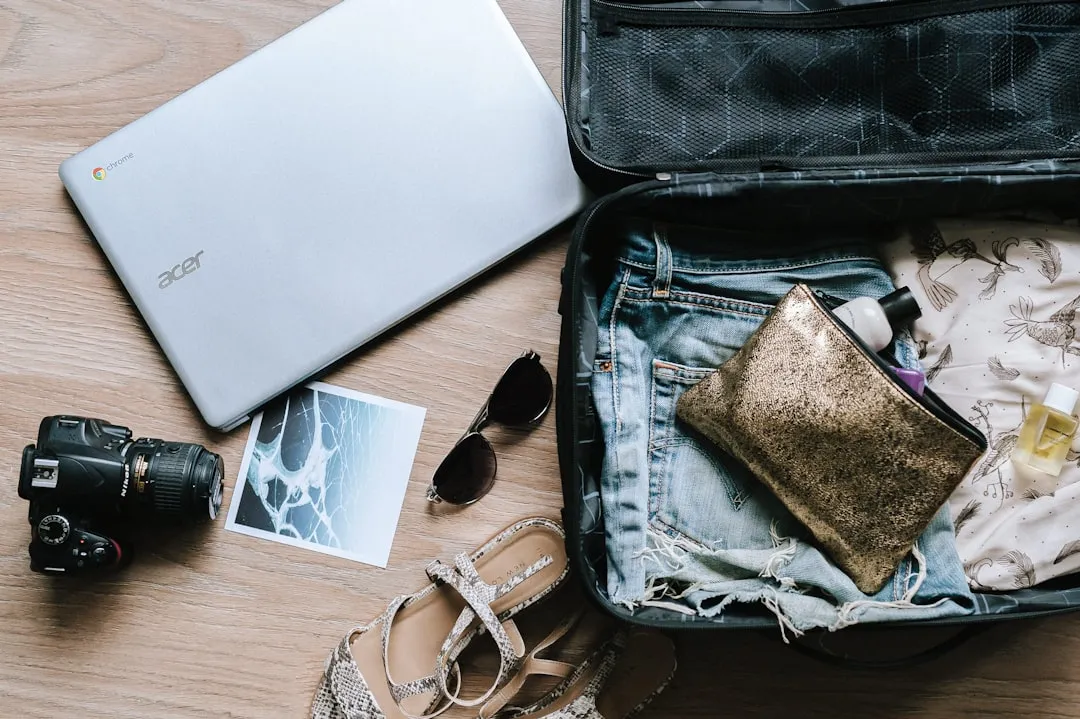
The bags aren’t coming out until the night before, or maybe even the morning of. The last-minute packer operates on a tight timeline and, somehow, usually manages to pull it together. Common last-minute packer traits include spontaneity. Planning feels restrictive, and there’s a certain freedom in figuring things out as they go.
The pressure of a deadline can actually sharpen focus. When time constraints kick in, the brain enters a more decisive state, cutting through the mental clutter that caused procrastination in the first place. This explains why some people perform surprisingly well when the clock is ticking down.
A fifth of travelers wait until the night before they travel before even finding their suitcase. For some, that’s a lifestyle choice they’re entirely comfortable with. For others, it’s avoidance, a way of delaying the psychological reality that a trip is actually about to happen.
The Methodical Planner: Order as a Love Language
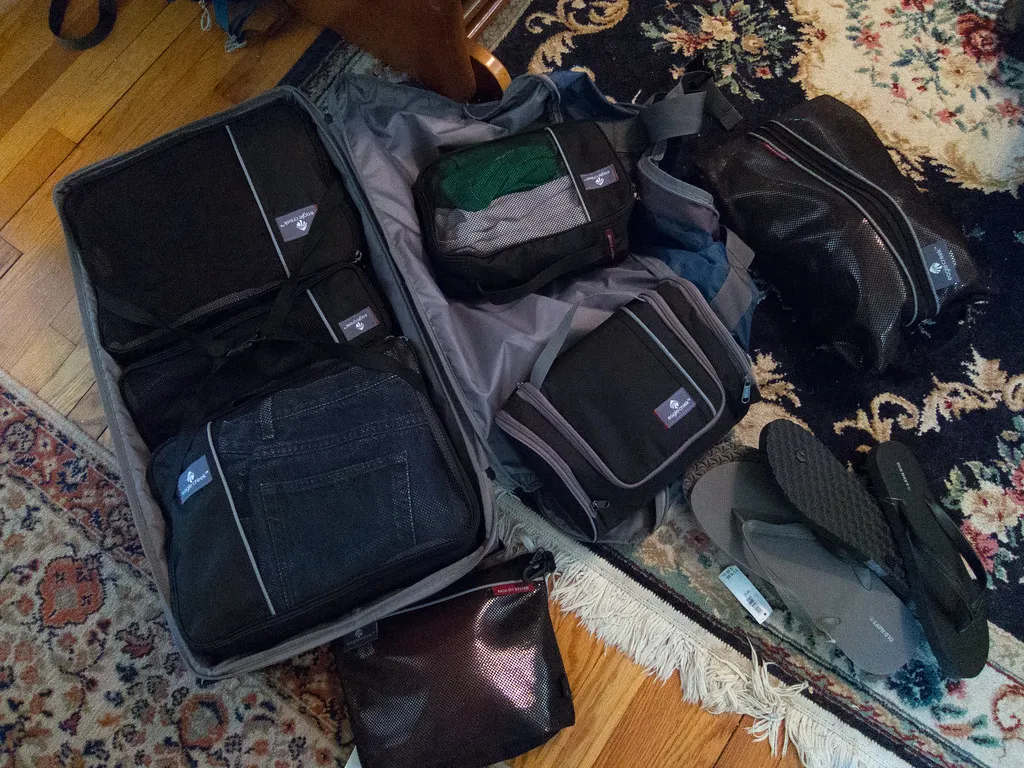
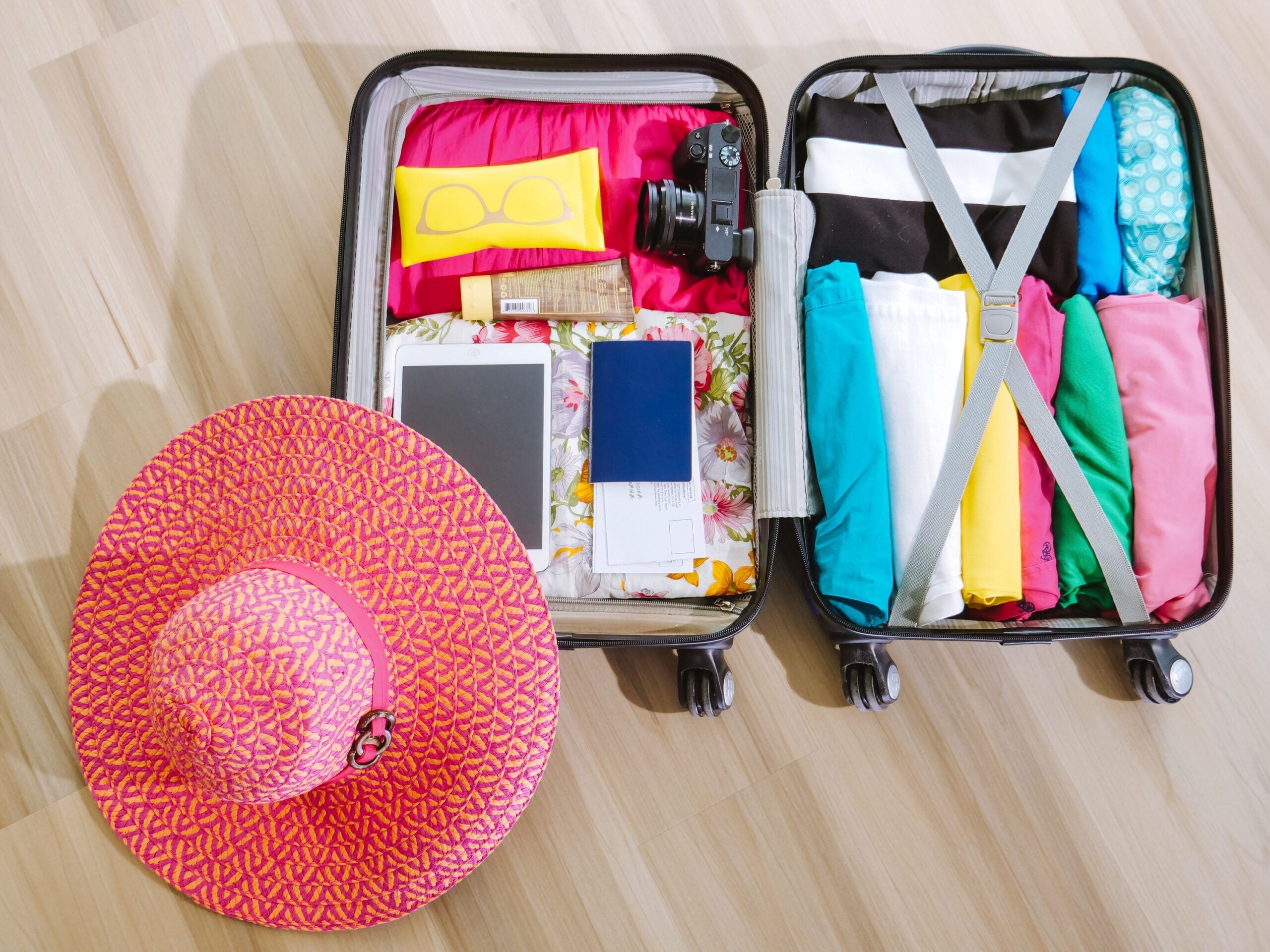
Methodical packers fold clothes carefully, use packing cubes, and categorize items by purpose or season. For this type of packer, the process itself brings a sense of calm and control. For them, the suitcase isn’t just a bag. It’s a system, and the system is the point.
Some travelers are meticulous planners. Everything has its place, neatly folded, categorized, and checked off a list well in advance. For such travelers, control and clarity are non-negotiable. This often mirrors how they approach the rest of life, in their work, their relationships, their finances.
Organizing ideas into a list is how many people feel more in control of their lives. There’s something comforting about seeing everything laid out neatly in one place. Research even suggests that simply making a plan can ease anxiety, which is why putting tasks on a list can feel so reassuring. The packing list, for this traveler, is not a tool. It’s a comfort.
The “What If” Packer: Imagination Running the Show
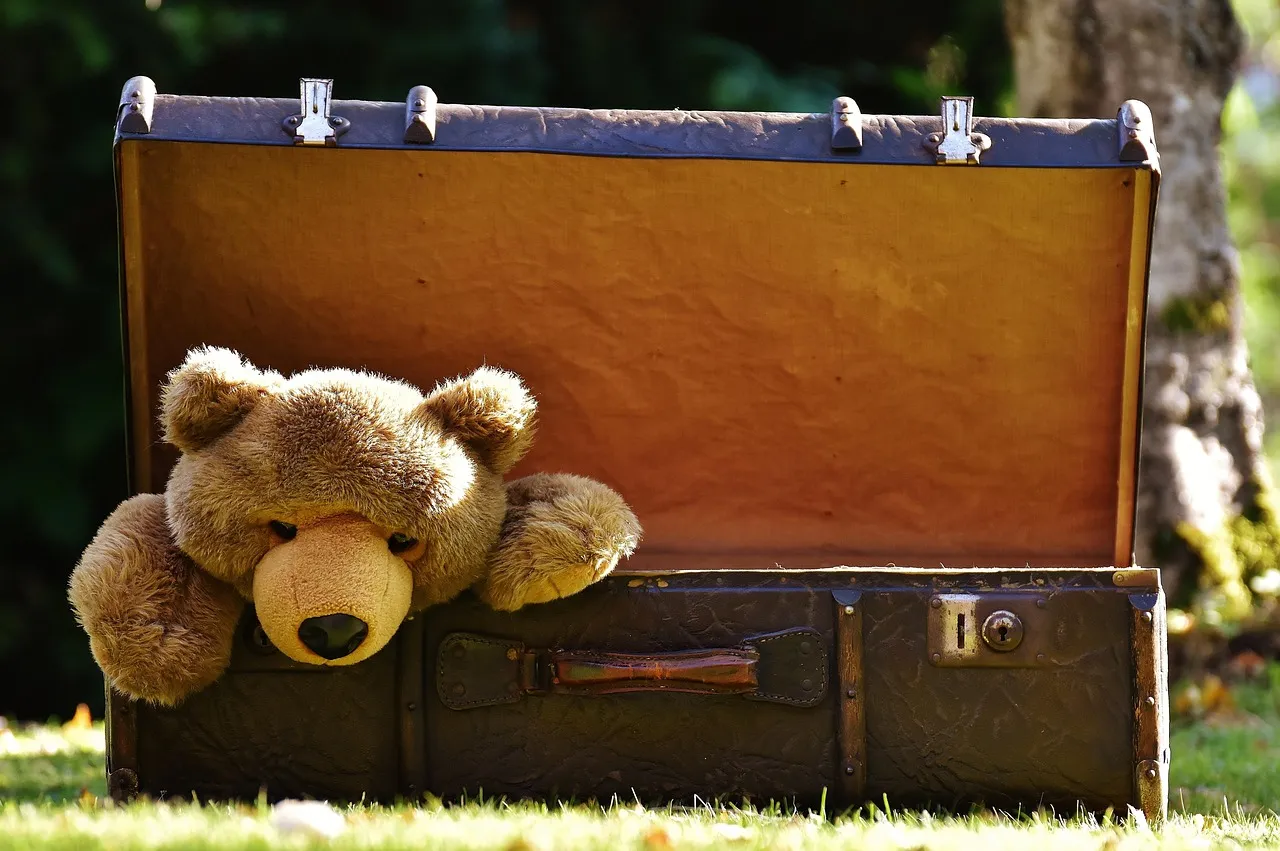
Every suitcase has at least one outfit that was packed for an event that will almost certainly never happen. That’s the signature of the “what if” packer, and it’s more psychologically revealing than it looks. Overpacking reflects a fear of the unknown. The extra blazer, the third pair of sandals, the full first-aid kit for a beach trip. Each item is a tiny hedge against uncertainty.
Psychologist Laura Fielding explains that stress levels tend to increase when we travel, a natural response to separation from familiar environments. Packing becomes one way to deal with this anxiety: the better prepared someone feels, the safer they feel. This can bring out a level of perfectionism as travelers try to set themselves up for success.
Self-doubt about our own resourcefulness can lead to overpacking. Rather than trusting our ability to adapt, we opt for excess to avoid being caught off-guard. It’s not really about the clothes at all. It’s about trust, specifically a temporary lack of it in oneself.
The Roller vs. the Folder: A Small Detail That Reveals a Lot

The rolling-versus-folding debate seems trivial, but the data behind it is genuinely interesting. Roughly seven out of ten travelers choose to fold their clothes rather than use the rolling method, which many believe saves space. More men tend to be folders than women, meaning more women roll their clothes. These differences track loosely with broader tendencies toward convention versus efficiency-seeking behavior.
About three-quarters of Americans plan or lay out their clothing when preparing for a trip. A notably higher proportion of women coordinate outfits in advance, while fewer men admit to doing the same. The planning behavior reflects not just gender norms, but deeper differences in how people mentally map out the experience they want to have.
Rollers tend to be pragmatists who’ve researched the method and adopted it deliberately. Folders are often traditionalists who trust what they know. Neither approach is wrong, but each one is a small, honest signal about how someone makes decisions under mild pressure.
The Outfit Coordinator: Identity Packed Carefully Between Layers
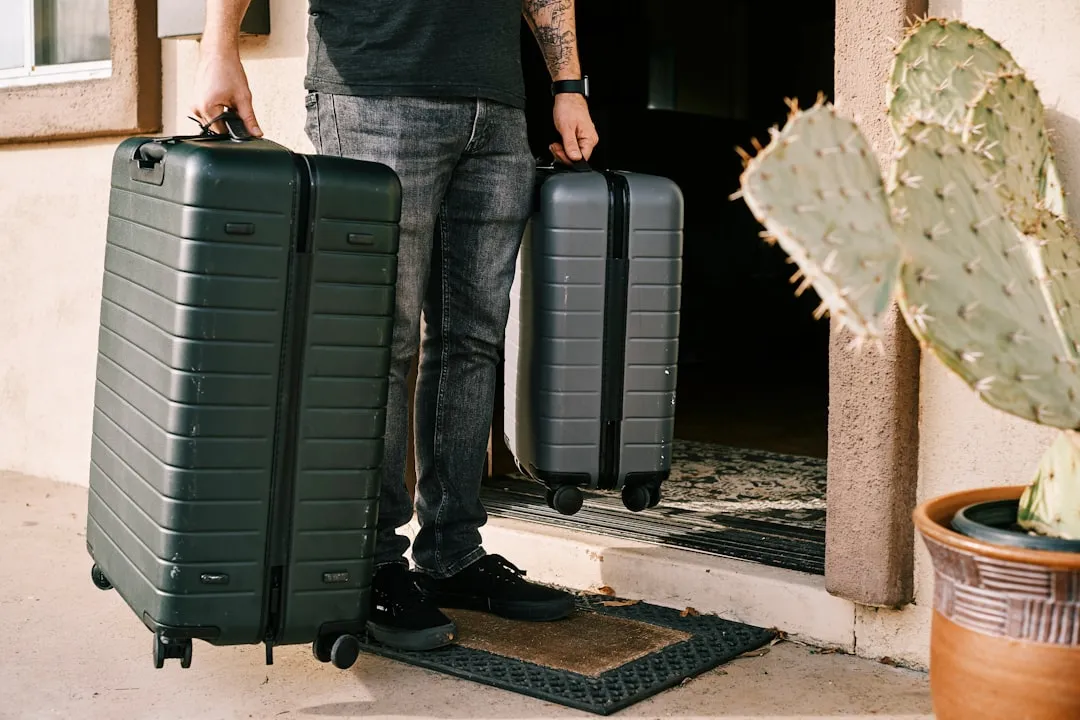
Some travelers pack clothes. Others pack curated versions of themselves. The outfit coordinator doesn’t just think about what to wear on each day. They think about who they want to be perceived as, and they pack accordingly. When selecting luggage, people often choose what suits both their travel needs and their own style and personality. People who travel with a hard-case suitcase typically have strong organizing skills, plan out every detail of their trip, and need their suitcase to look polished and stylish to fit their own identity.
There’s nothing shallow about this. The care someone puts into their travel wardrobe often reflects how seriously they take the experience itself. The person who plans three coordinated outfits for a four-day city break is the same person who researches restaurants in advance, books the good museum slot, and arrives knowing exactly which neighborhood they want to wander through.
The Carry-On Devotee: Control at the Gate
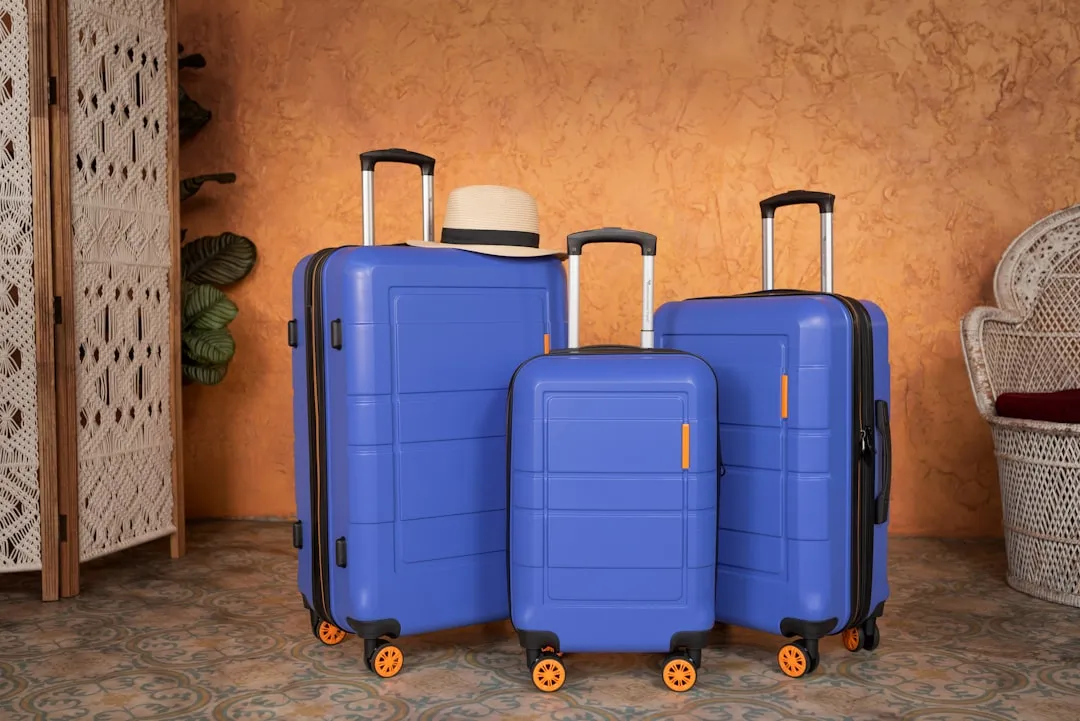
While Americans may be prone to overpacking, they’re also most likely to aim for fitting everything into only one carry-on. Roughly more than half make it their mission to avoid checking a bag. This preference isn’t just about saving money on baggage fees, though that’s part of it. It’s about maintaining control of the journey from start to finish.
Checked bags and their fees are considered unnecessary by the carry-on devotee. This efficient traveler has perfected the art of traveling light and moving through airports with ease. For this traveler, no trip is long enough to require a big bag. Organized, practical, and minimalistic, carry-on travelers know how to make the most of limited space.
Handing over a checked bag means trusting a system you can’t monitor. For a certain type of traveler, that’s genuinely uncomfortable. The carry-on devotee keeps their world close, zipped up, and within arm’s reach. That’s as much a psychological preference as it is a logistical one.
The Forgetter: Packed in Emotion, Not in Logic
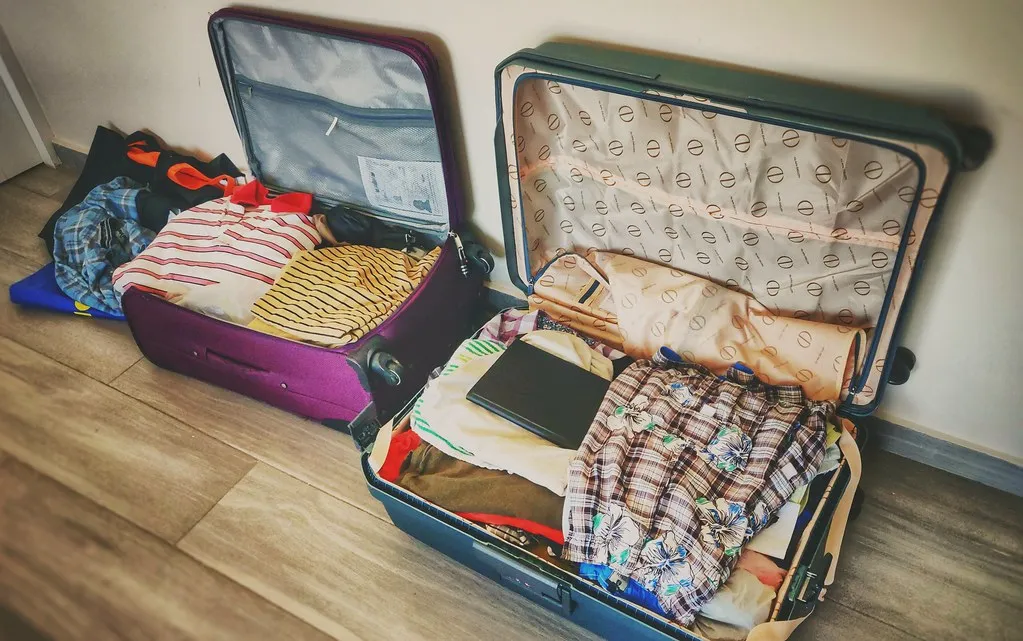
Forgetting things is often chalked up to distraction or a busy life. The reality, according to research, is more nuanced. Data suggests that even as travelers carry extra for comfort, a significant portion still forget essentials, highlighting how packing is less about logic and more about psychology, emotion, and the need to feel prepared.
A traveler may pack with thoughtfully planned outfits but forget their toiletries, because people pack what they feel they need, not necessarily what is actually useful. The emotional value of an item often outweighs its practical value in the moment of packing, which is why the special book makes it in but the phone charger sometimes doesn’t.
While overpacking may be the most common mistake, underpacking can be equally disruptive. Forgetting a key item such as medication, weather-appropriate clothing, or a critical electronic device can derail even the best-laid travel plans. The forgetter isn’t careless. They’re simply packing from a feeling rather than a framework.
The Suitcase as a Mirror: What the Research Really Tells Us
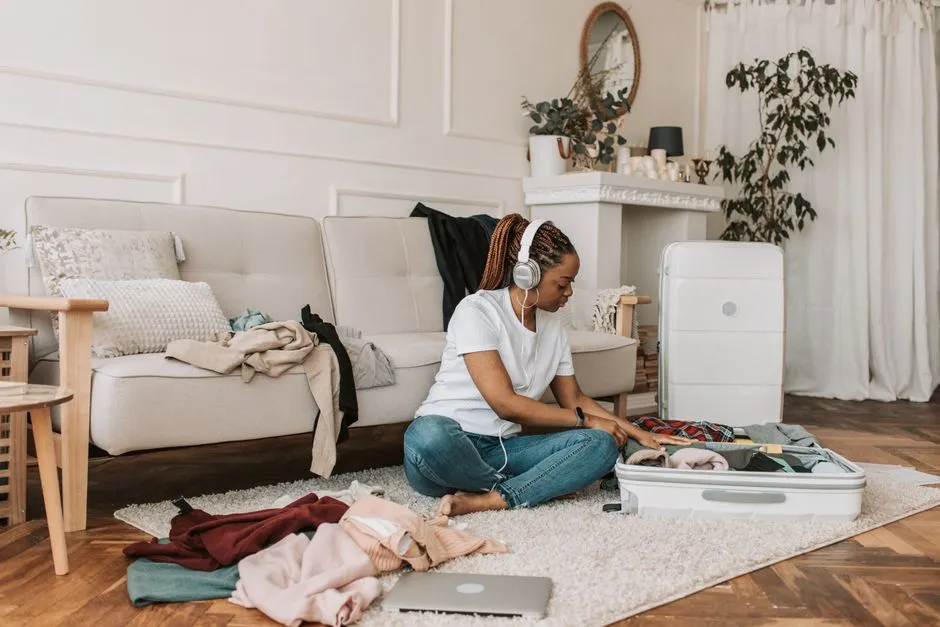
Packing also serves as a personality test of sorts for the traveler. The way someone packs and the items they include illustrate their travel mindset. The contents of a suitcase serve to tell the story of the contents of the traveler’s mind, and embody what the traveler considers necessary for a great trip.
All packing styles are fine. They simply illustrate how we prepare ourselves differently for the unknown, and our travel style usually mirrors our regular mode of being. The planners bring order to uncertainty at home as well. The minimalists travel through life with the same light grip. The worriers carry their caution everywhere they go.
A person’s behavior is influenced consciously or subconsciously by what they’ve encountered before, and packing behavior can indeed be a reflection of personality. The suitcase, in the end, is just a container. What fills it, how it’s arranged, when it gets packed, and what gets left behind, that’s where the real self-portrait is drawn.
The Takeaway
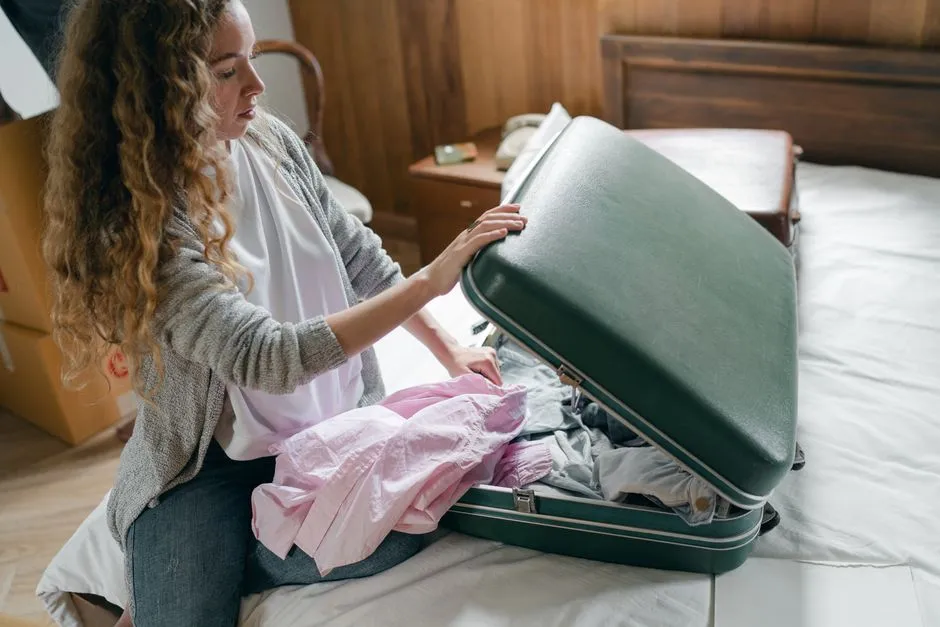
None of this is about judging one packing style as better than another. The overpacker who shows up with three backup outfits isn’t neurotic. The minimalist who boards with a single backpack isn’t arrogant. They’re both, in their own way, trying to meet the same emotional need: to feel ready for wherever the world is about to take them.
The next time you’re standing in front of an open suitcase, deciding whether that fourth pair of shoes is truly necessary, notice what the decision actually feels like. Is it practical reasoning, or is it something older, something about comfort, identity, control, or trust? The suitcase will tell you, if you’re paying attention.
AI Disclaimer: This article was created with the assistance of AI tools and reviewed by a human editor.