
There’s something quietly revealing about what people reach for at 35,000 feet. Ordering habits on a plane are stripped of the usual context of a favorite café, a patient barista, or the luxury of time. What you order, how you order it, and whether you even bother, all of that tells a small but surprisingly coherent story.
Flight coffee sits at an odd crossroads of habit, psychology, and biology. The cabin environment changes how your body perceives what’s in the cup. The context of travel changes why you want it. Put those two things together and your in-flight coffee order becomes something worth looking at more closely.
The Black Coffee Purist: No Frills, No Fuss
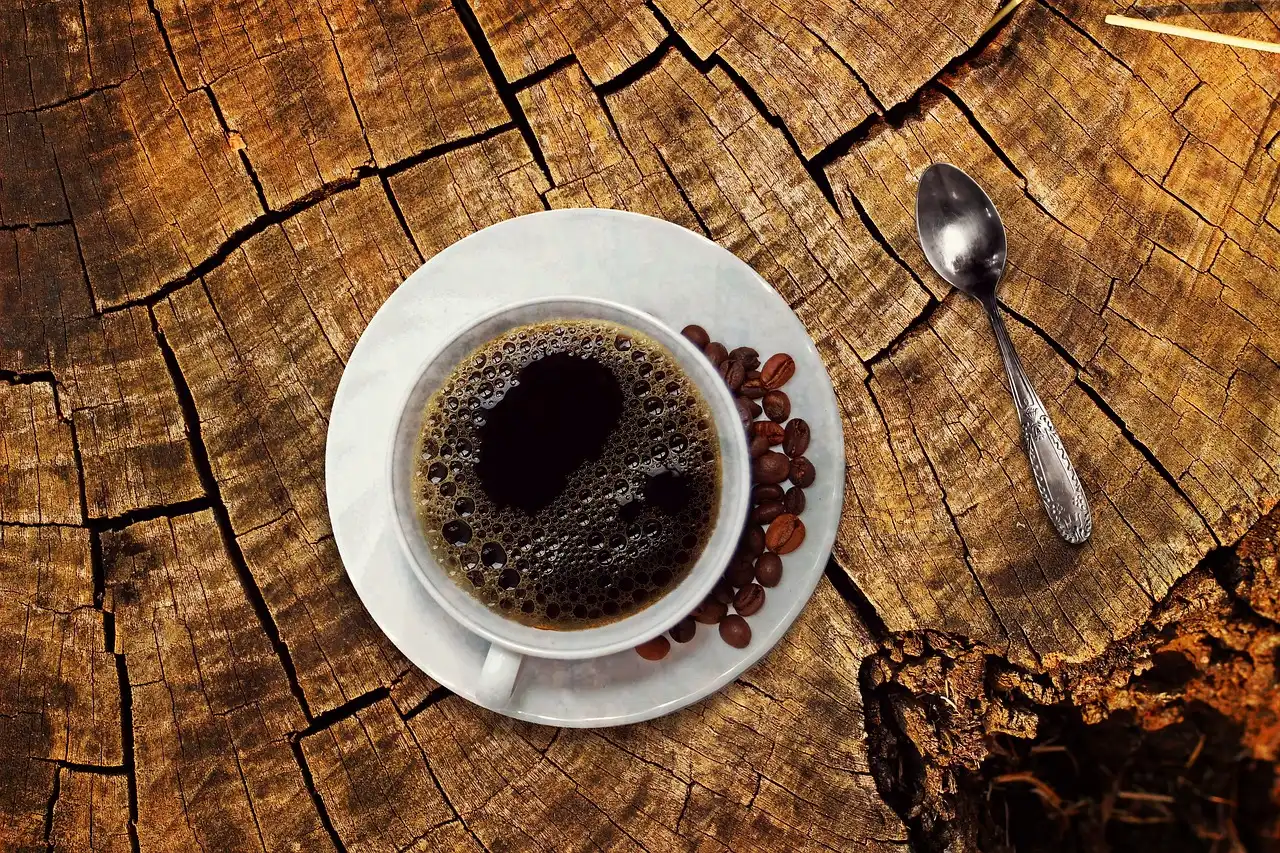
You ask for black coffee, nothing added, and you mean it. Research on coffee and personality, including work by clinical psychologist Dr. Ramani Durvasula, found that individuals opting for black coffee tended to have straightforward personalities, bold and no-nonsense behavioral attitudes. On a plane, that tendency gets amplified. You’re not interested in negotiating cream options with a flight attendant mid-service run.
Research on cognitive style shows that some individuals have what psychologists call a “low need for cognitive elaboration” and prefer direct information and straightforward processes. This tendency does correlate with coffee preference in some studies. On a flight, stripping the order down to its essentials feels like an extension of how you travel in general. You know what you want and you ask for it cleanly.
The same person might choose black coffee for pure pragmatism, driven by cost, speed, or fewer decisions in a constrained environment, while maintaining considerable complexity in other life domains. The assumption that beverage choice mirrors overall life approach misses an important psychological reality: humans compartmentalize. Someone might streamline their morning routine while maintaining elaborate emotional expression, complex social relationships, or intricate professional strategies. So the black coffee order is a signal, but not a verdict.
The Milk and Sugar Regular: Comfort Is the Point
You want your coffee to taste like coffee at home, or at least close enough. Adding milk and sugar on a flight is less about preference and more about reaching for familiarity in an unfamiliar environment. Flying compresses people into a constrained environment for long periods, often when they are tired, anxious, or under time pressure. Comfort drinks are a real and documented response to that kind of low-grade stress.
Agreeableness as a personality trait is linked to cooperativeness and compassion. The social components of coffee intake, including the ritual of preparing it a certain way, may appeal to agreeable people. Asking for milk and two sugars is a small act of self-care, which is not a bad instinct on a long-haul flight at all.
According to a study by the German research institute Fraunhofer Society, some taste buds become altered under certain atmospheric pressure conditions. People perceive the intensity of salty and sweet tastes as roughly 30 percent lower than on the ground. So if you’re loading up the sugar, your instincts are actually compensating for a real physiological shift. You might be more tuned in to your body than you realize.
The One Who Skips It Entirely: The Informed Traveler
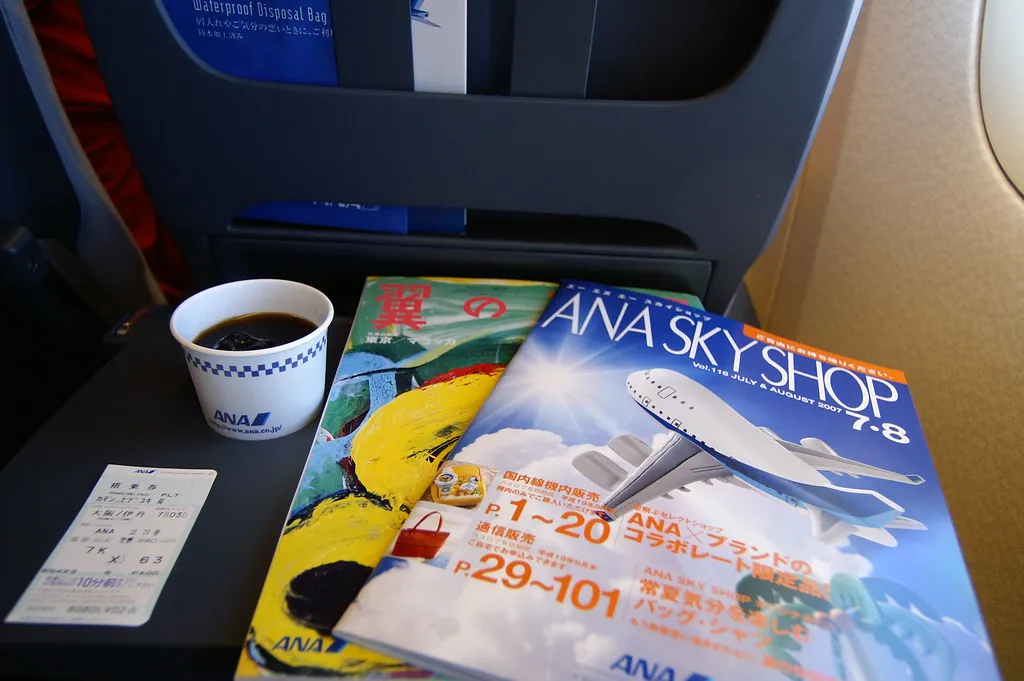
You wave off the coffee cart without much hesitation. Maybe you’ve read the research, or maybe experience has taught you that in-flight coffee just isn’t worth it. It is far more likely that coffee on flights is sub-par because altitude affects factors like brewing temperature, which is essential for a good cup of coffee. That altitude also affects how you sense the coffee. One of the more feasible reasons coffee tastes inferior on airplanes has nothing to do with any individual airline but with how you taste and smell things at great altitudes. High-altitude cabin pressure lowers blood oxygen levels, preventing nerve cells in your nose from working at full force.
Many travelers hope to sleep on a plane, especially during long flights or when adjusting to a new time zone. Caffeine can stay in your system for several hours, making it difficult to fall asleep or stay asleep. Even if you’re not highly sensitive to caffeine, drinking coffee before or during a flight could disrupt your ability to rest, affecting your energy levels when you reach your destination. Skipping the coffee isn’t defeat. It’s strategy.
The Decaf Requester: The Ritual Matters More Than the Buzz
You still want the warmth of a cup in your hands, the familiar ritual of it, without the stimulant hit at altitude. This is a genuinely thoughtful call. The combination of altitude, cabin pressure, and caffeine can exacerbate anxiety and dehydration, potentially making the flight experience more uncomfortable. Choosing decaf is a way of honoring the ritual of coffee while respecting the unusual conditions of the cabin.
While caffeine is often used as a coping mechanism for stress, its effects during air travel can be counterproductive. The combination of altitude, cabin pressure, and caffeine can exacerbate anxiety and dehydration. Experts suggest that travelers with a history of anxiety or panic disorders should be particularly cautious about consuming coffee in-flight, as they may be more susceptible to caffeine-induced stress responses. The decaf requester often knows their own body well enough to act on that knowledge, even in small ways.
The Frequent Flyer Who Brought Their Own: The Pragmatist
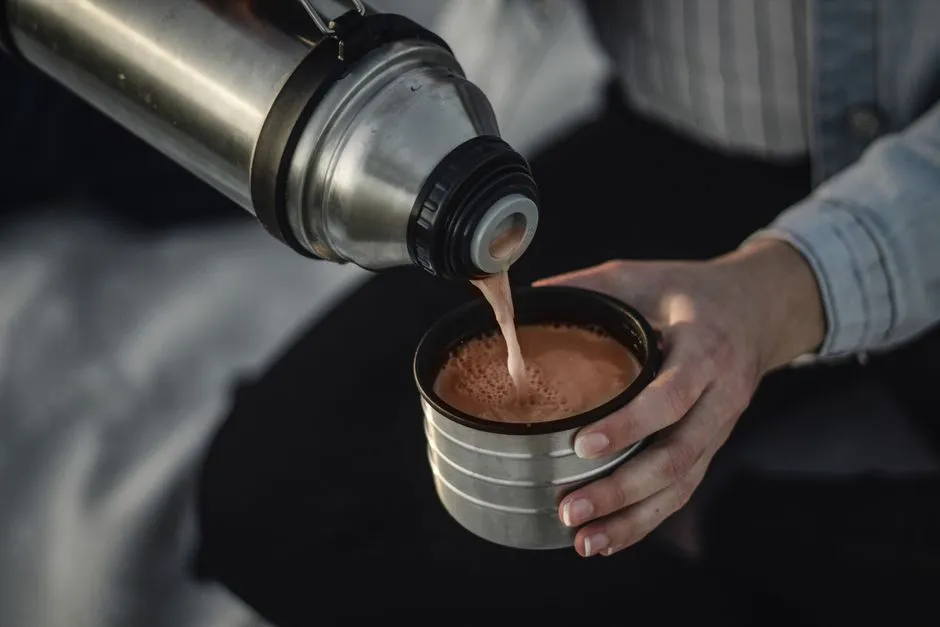
You showed up with a sealed thermos from an airport coffee shop, or a packet of specialty instant tucked into your carry-on. This level of preparation says something real about how you approach travel. Airplane coffee is often perceived as low quality due to several factors impacting taste and aroma. Water quality on planes, including storage and heating, plays a significant role in the final brew. Brew methods on aircraft are typically simple, often using pre-ground coffee and basic drip machines.
In 2023, Alaska Airlines introduced an in-flight coffee specifically designed to taste good at cruising altitude, which shows airlines are slowly acknowledging what frequent travelers already knew for years. The passenger who brings their own got there first. They’re not being fussy. They’ve just done the math on what the cabin environment actually does to flavor.
Odor receptors don’t function as well in flight, and a normally aromatic coffee smells and tastes not much better than hot brown water. Even the noise of the engines dampens passengers’ enjoyment of their coffee, because the 85-decibel drone interrupts the brain’s ability to identify and taste flavor compounds. Knowing all that and still choosing to bring a good cup along? That’s a certain kind of quiet dedication.
The One Who Orders Coffee Right After Takeoff: The Creature of Habit
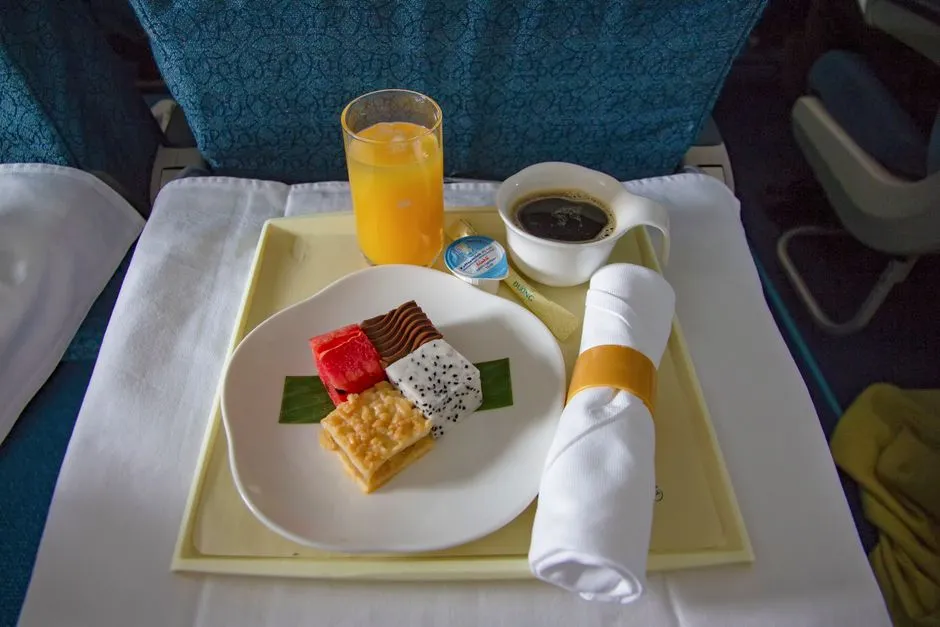
The seat belt sign clicks off and your hand is already raised. Coffee arrives before the person next to you has even opened their window shade. After a long time in the cabin, the body feels sluggish, and many passengers seek coffee to alleviate that fatigue. Ordering early is often less about thirst and more about anchoring the experience. A hot drink signals that things are now underway.
Research has explored the relationship between personality traits like conscientiousness and openness and coffee habits and preferences. Highly conscientious travelers tend to follow predictable routines across all environments, including the sky. Getting your coffee in immediately is part of a broader script you run through on every flight, probably alongside reading material prepared, seat adjusted, and headphones plugged in.
The Latte Seeker in Economy: The Optimistic Passenger
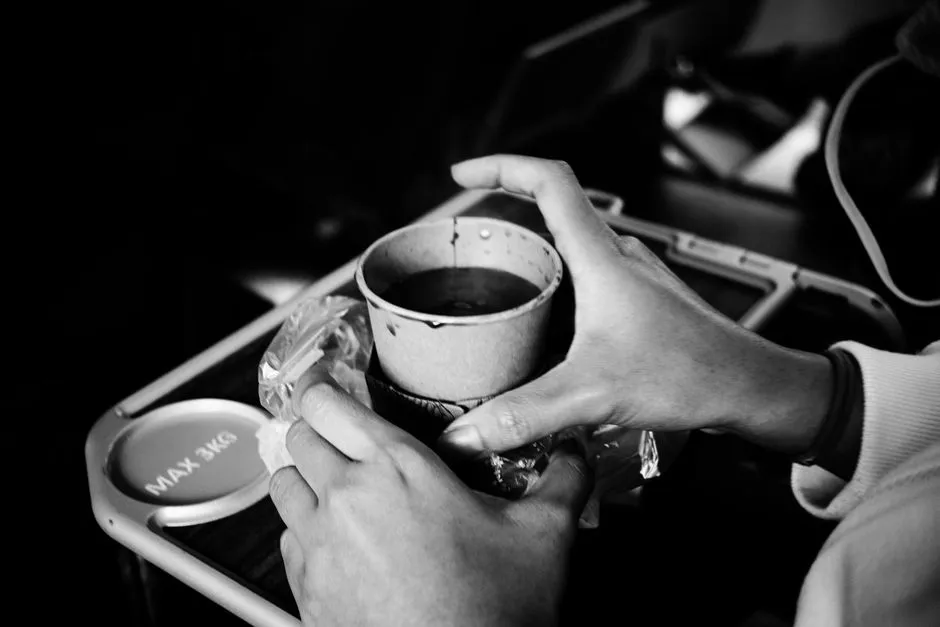
You ask if there’s a latte available, fully knowing there probably isn’t. There’s something genuinely charming about this. New research from London-based brand experience studio NewTerritory found that feeling valued, moments of pleasure, and novelty were the most important overarching motivations influencing passengers’ airline choices and spending. The latte request is, in some ways, a search for that moment of pleasure within a system not built to provide it.
Some airlines are investing in better coffee programs, using higher quality beans or specialized brewing methods to improve the experience. It’s not universally bad. The optimistic latte-seeker is ahead of that curve. They’re quietly pushing the industry in the direction it’s slowly heading. Or they’re just used to getting what they want.
The One Who Adds Everything Available: The Sensory Compensator
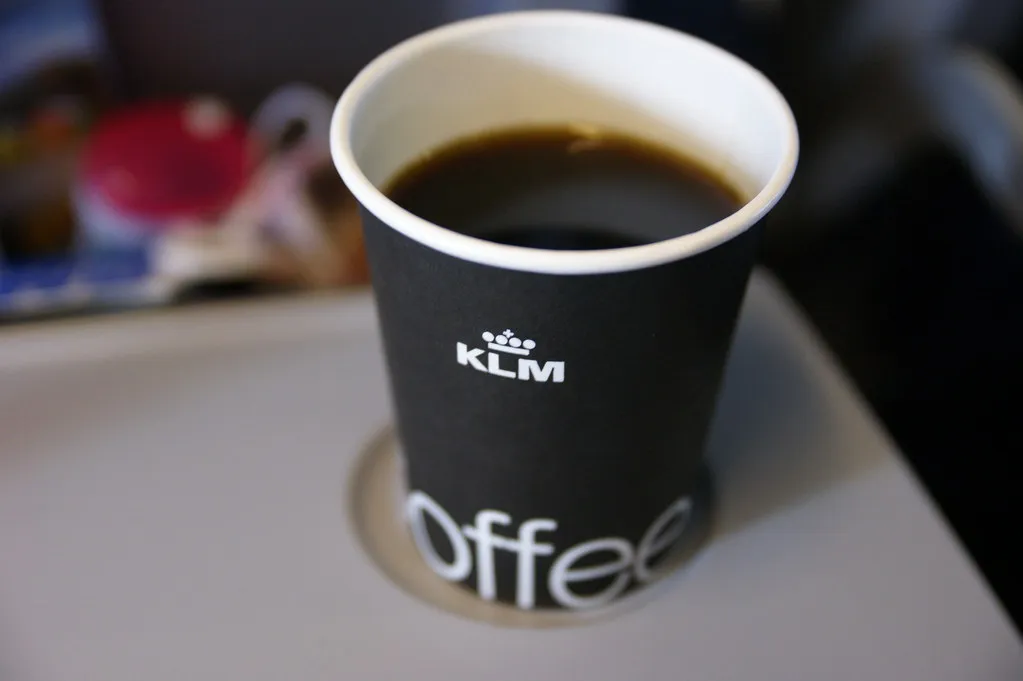
Cream, sugar, another sugar packet, a little stir, a tentative sip, then another sugar. You’re working hard to make this drinkable. When a plane reaches its cruising altitude, you’re going to lose a large part of your ability to taste sweet and salty foods. On average, your perception of these two flavors decreases by around 30 percent compared to what you’d experience on the ground. So what might look like indulgence is actually your palate trying to compensate for altitude-induced dulling.
Lower air pressure at 30,000 feet interferes with the receptors on your tongue, making it harder to pick up on sweet and salty flavors. Your taste buds and smell receptors both take a hit from the pressure change, and since these two systems work together to create what we actually perceive as taste, the whole experience gets dulled down considerably. You’re not being dramatic about the coffee. You’re responding to a real, measurable physiological phenomenon.
The Anxious Flyer Who Still Orders Coffee: The Contradiction in Seat 24B
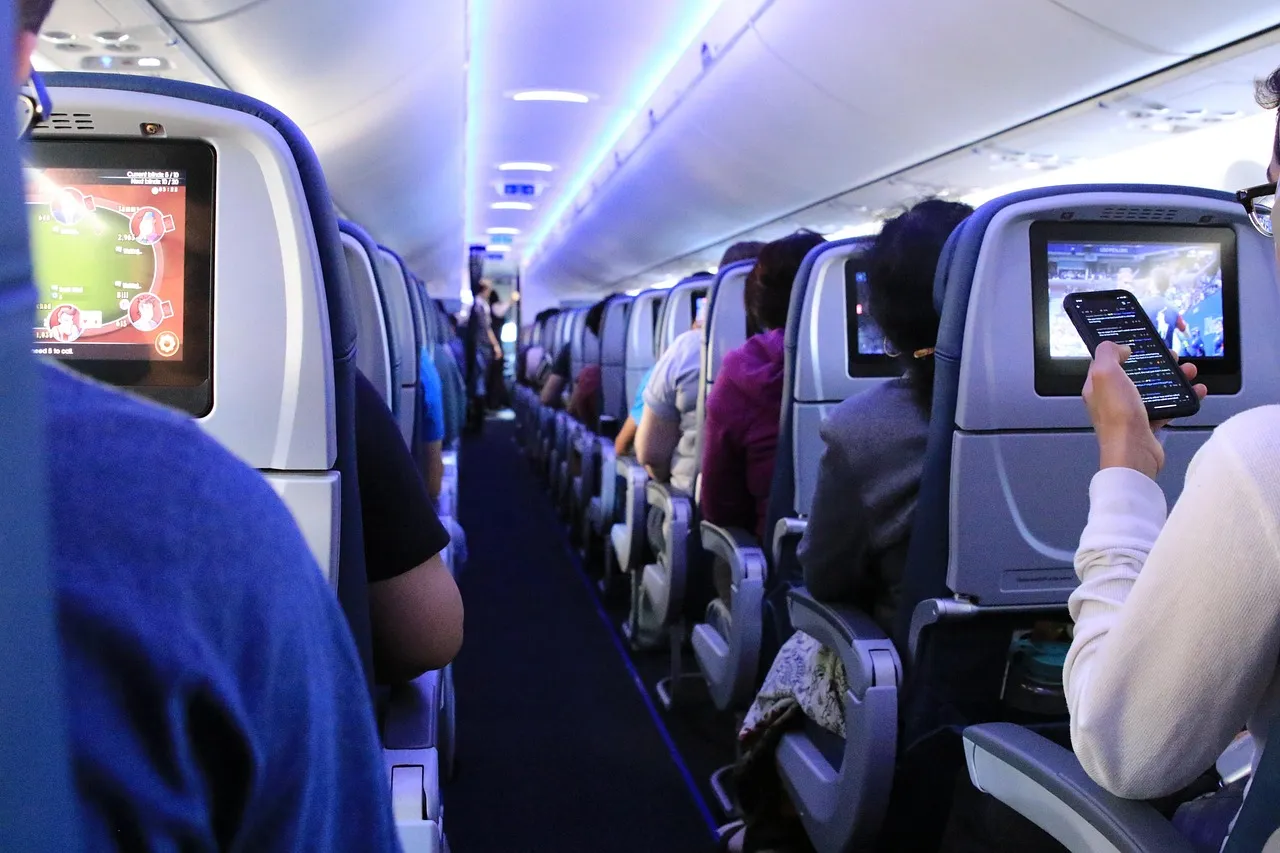
Flying makes you nervous, and yet the coffee appears in your tray table. It feels like a comfort object, something to hold onto. Caffeine stimulates the central nervous system, which can increase heart rate and jitteriness, worsening feelings of stress or nervousness. For those who experience anxiety while flying, the caffeine in coffee can intensify these feelings. If you’re already an anxious flyer, coffee might make it harder to relax, leading to heightened discomfort during the flight.
There’s a real irony here that many nervous flyers discover mid-cup. The combination of altitude, cabin pressure, and caffeine can exacerbate anxiety and dehydration, potentially making the flight experience more uncomfortable. The drink meant to settle you down can quietly amplify exactly what you’re trying to avoid. Knowing this doesn’t always change the order, though. Ritual has its own logic.
The One Who Nurses One Cup for Three Hours: The Slow Traveler
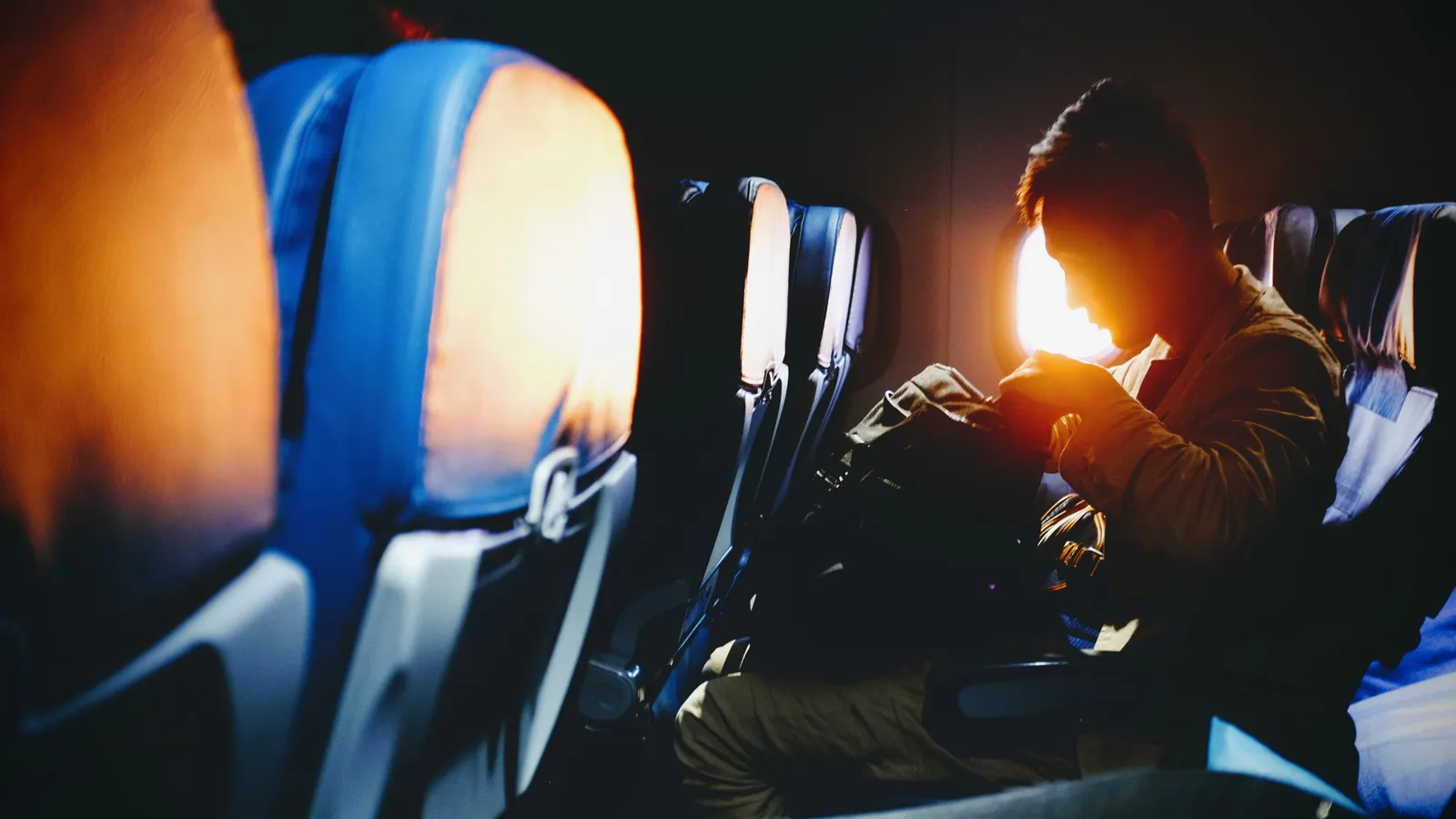
You accepted the coffee early on and you’re still working on it two hours into the flight. It’s probably cold by now. You don’t seem to mind. This is a traveler who treats the journey as part of the destination, not just a gap to push through. Research by NewTerritory found that feeling valued and experiencing genuine moments of pleasure were among the strongest motivations shaping how passengers engage with their in-flight experience.
The slow sipper is often a window-seat traveler, someone who is reasonably comfortable with stillness. The observation that black coffee pairs with quiet moments contains genuine psychological truth. Research on introversion distinguishes between social introversion, meaning a preference for smaller groups, and thinking introversion, meaning a preference for internal reflection. The long, slow cup is often less about caffeine and more about having something to return to, a small anchor in a long stretch of time.
The Takeaway
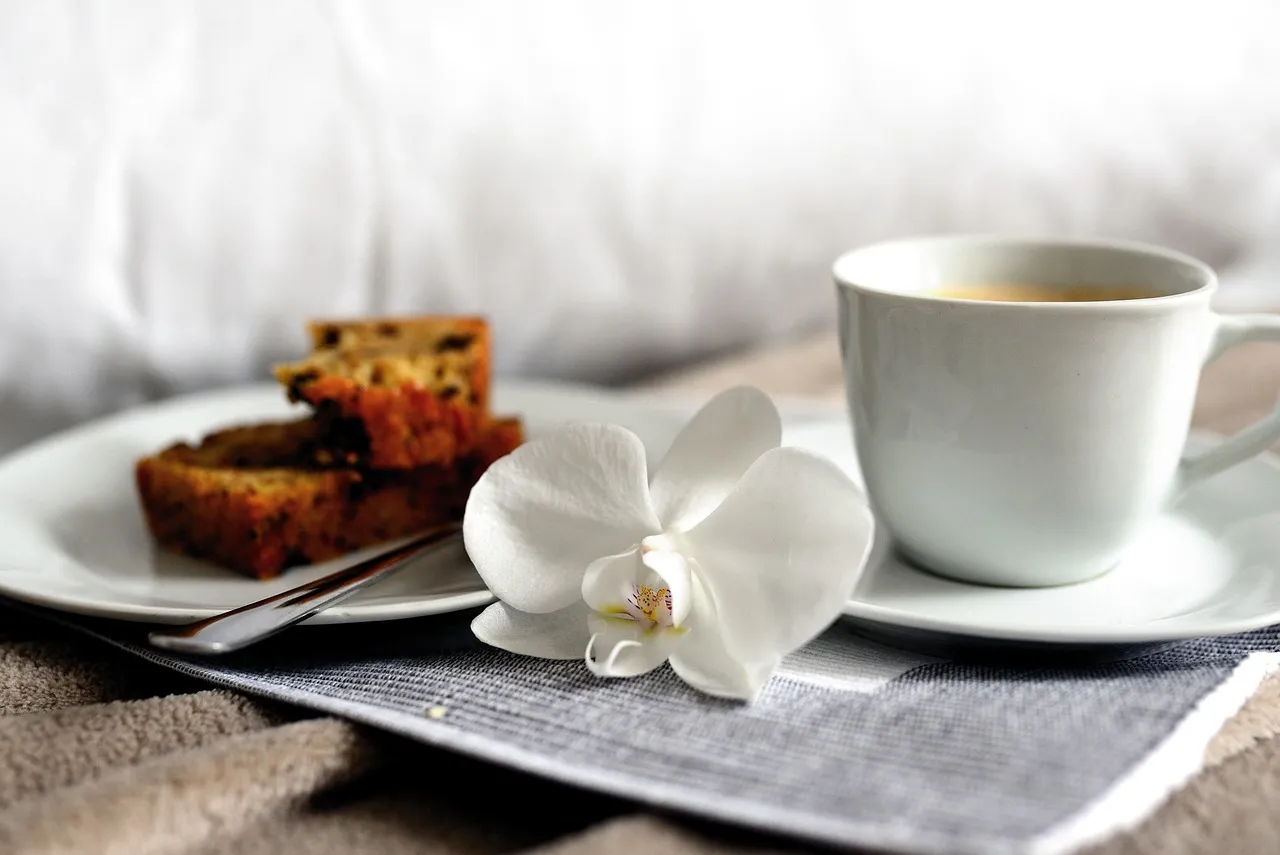
Your in-flight coffee order is, in the end, a small window into how you handle constrained situations. Some people optimize, some people comfort, some people simply reach for habit when the environment offers little else to hold onto. None of it is wrong.
What’s worth knowing is that the cabin genuinely changes what you taste and how you feel. According to a 2017 article in the International Journal of Gastronomy and Food Science, the dry air, engine noise, and low air pressure in the cabin each play a role in suppressing the olfactory system. This is part of the reason why on-board meals and coffee often taste bland. Your instincts about the cup in your hand are responding to real conditions, not just expectation.
The coffee ritual at altitude is a modest one. It doesn’t reveal character the way a decade of choices does. Still, the way you handle a small, imperfect option in an environment you can’t control tells you something. And sometimes, that’s enough to make it interesting.
AI Disclaimer: This article was created with the assistance of AI tools and reviewed by a human editor.