
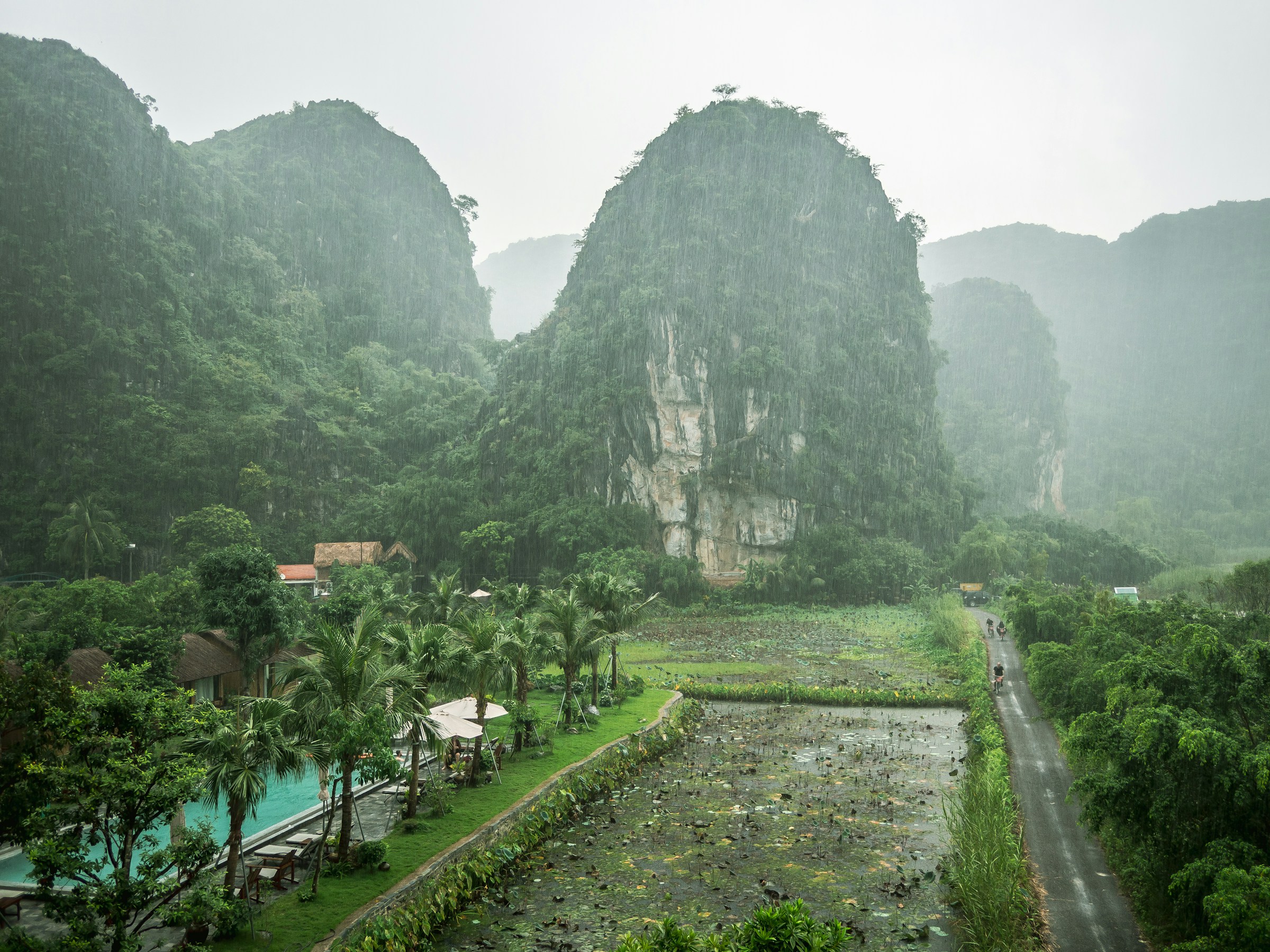

Southeast Asia in the wet season is one of travel’s more rewarding paradoxes. The landscapes are intensely green, the crowds are thinner, accommodation prices drop noticeably, and the rain, more often than not, arrives in short afternoon bursts rather than all-day grey misery. Most people picture being perpetually soaked. The reality is usually far more manageable than that.
What makes the difference, almost entirely, is what you bring. Packing incorrectly for a monsoon trip doesn’t just cause minor discomfort. It can derail full days of plans and leave you hauling a bag of damp, heavy clothes from guesthouse to guesthouse. The good news is that packing smart for the wet season isn’t complicated once you understand the basics.
Know When and Where the Rain Actually Falls
Monsoon precipitation in Southeast Asia follows a pronounced seasonal cycle, with the southwest monsoon delivering the bulk of annual rainfall from May to September and the northeast monsoon providing a secondary wet season from November to March. This means the region rarely has a single, unified rainy season. Where you’re going matters enormously.
In Thailand, Laos, Cambodia, Vietnam, Myanmar, and the Philippines, the monsoon season tends to last around five months from June through October, though some local differences can push it to May or pull it back to September. Malaysia, Indonesia, Singapore, and nearby countries tend to experience a six-month wet season stretching from October to March.
Vietnam adds another layer of complexity, with its rainy season running from May to September in the north and from September to December in the south. Build your packing list around the specific destination, not the region as a whole.
A Packable Rain Jacket Is Non-Negotiable
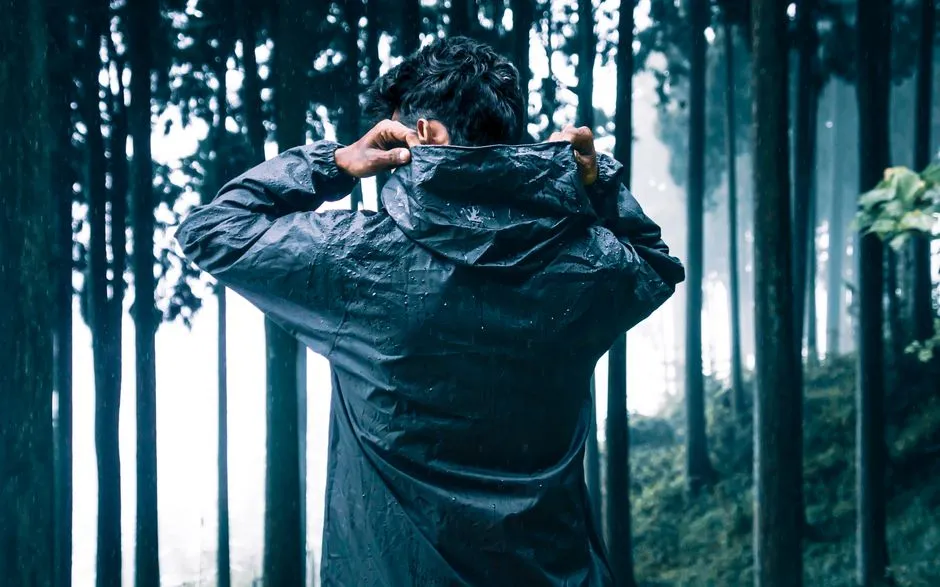
Quality waterproof clothing will make your travels far less stressful, and packable rain jackets are an ideal choice because they compress down small and weigh very little. This single item is probably the most important thing in your bag during rainy season. A jacket you can scrunch into a side pocket means you’re never caught off guard.
Look for a jacket with sealed seams and a hood, not just a water-resistant shell that will soak through after ten minutes. For budget travelers who forget or lose theirs, every 7-Eleven and convenience store in Southeast Asia sells cheap plastic ponchos. They work in a pinch, though they trap heat badly in humid conditions.
Rethink Every Piece of Clothing You Own
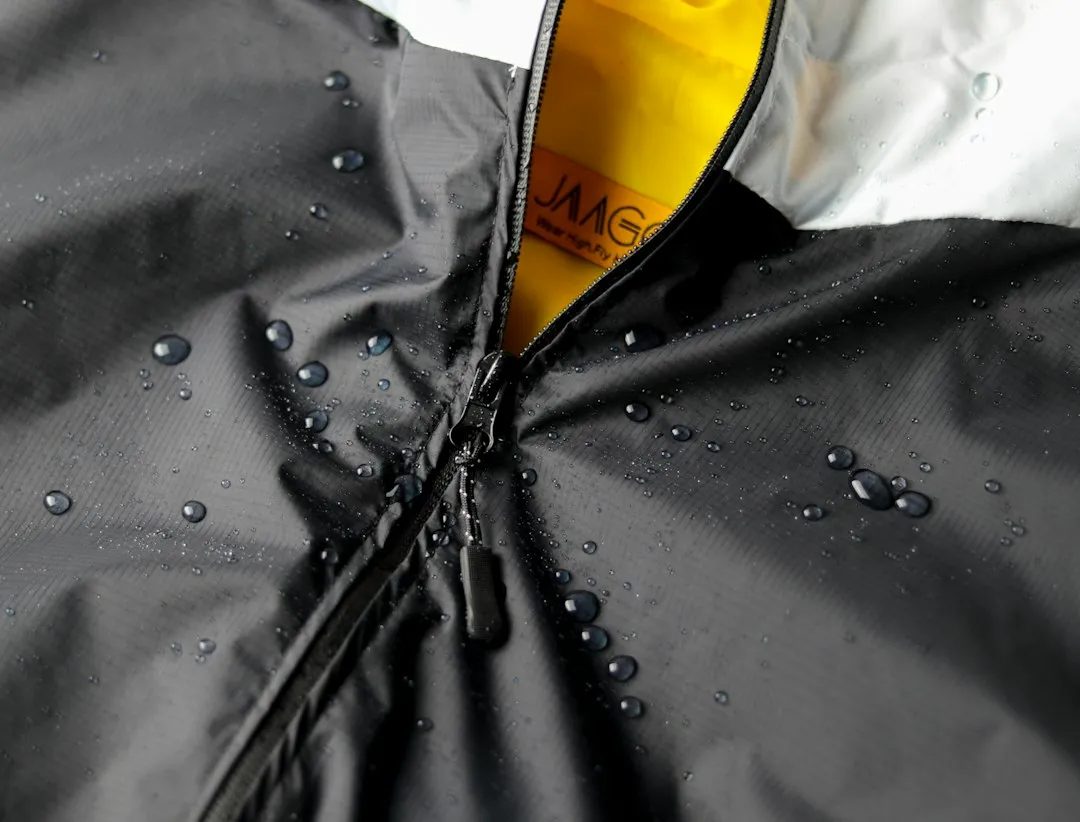
Every monsoon season packing guide calls for clothes that don’t stick to the skin, are lightweight, dry easily, and feel cool when worn. Fabrics like cotton become an absolute no-no, as cotton absorbs moisture and takes a long time to dry. This is the rule that most first-timers break, and they almost always regret it.
Polyester and nylon top the list for fast drying, while polyester specifically dries faster than almost anything else and shrugs off wrinkles. Its moisture-wicking fibers shed sweat quickly, which keeps you cool when the humidity spikes. Aim for loose-fitting cuts. Tight synthetics in 85 percent humidity are their own kind of discomfort.
Merino wool blends, synthetic moisture-wicking fabrics, and linen all outperform cotton in tropical climates because they dry faster and don’t hold sweat. Heavy denim and thick cotton stay damp for hours even in sunshine. Leave the jeans at home. Seriously.
Protect Your Backpack and Luggage from the Inside Out
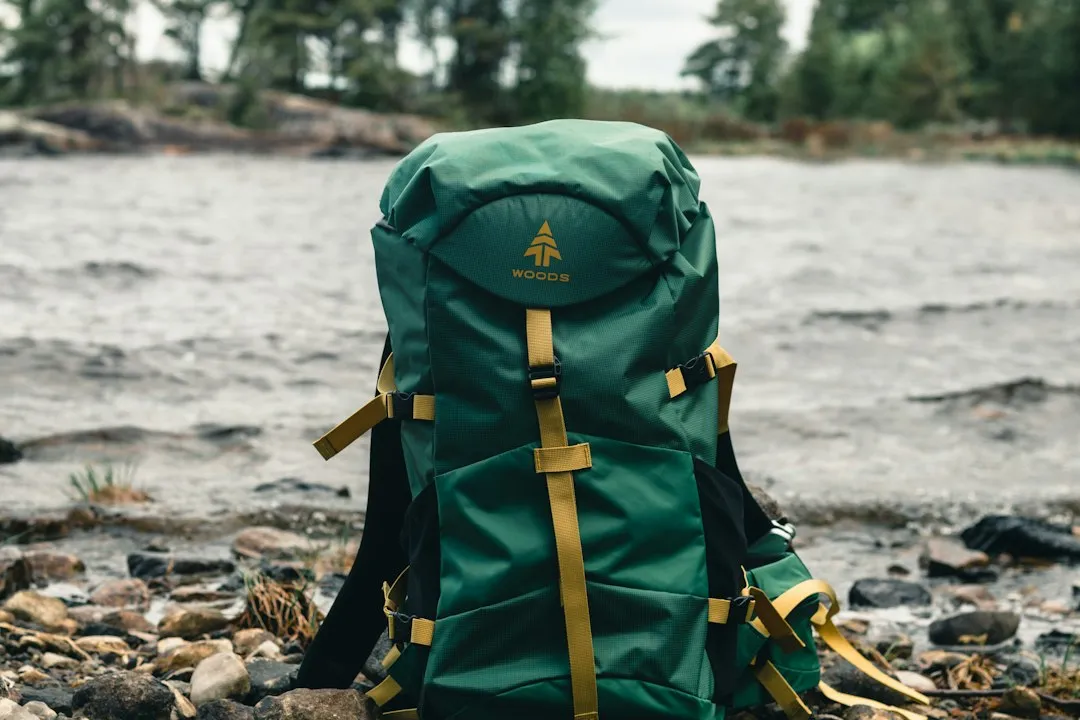
A waterproof rain cover for your backpack is strongly recommended, and covers with clips to secure around your bag are particularly useful because they won’t fly off in wind or slip off when bags are tossed around. A soaked bag that’s drenched your passport, phone, and clothing is not a hypothetical scenario during monsoon season. It happens regularly.
Water-repellent packing cubes are a smart addition, as they allow you to separate wet and dry clothing in your pack while traveling. Even outside rainy season, they’re useful for storing soggy bathing suits or towels so they don’t wet the rest of your luggage. Think of them as internal compartments with built-in damage control.
Waterproof Your Electronics Seriously

Using waterproof bags for electronics and important documents is a key travel tip for the rainy season. A dry bag or a sealed waterproof pouch for your phone, camera, and passport is not optional when you’re in a region where rainfall can be sudden and intense. Regular zip-lock bags can work for short trips, though they’re not reliable under sustained rain.
When out on a hike or any boat trip, using a durable waterproof bag to store your wallet, phone, and electronics provides important additional protection. River crossings, open-air tuk-tuks, and longtail boat rides can all expose your gear to water unexpectedly. Plan for it before it happens rather than scrambling after.
Footwear That Handles Wet Ground
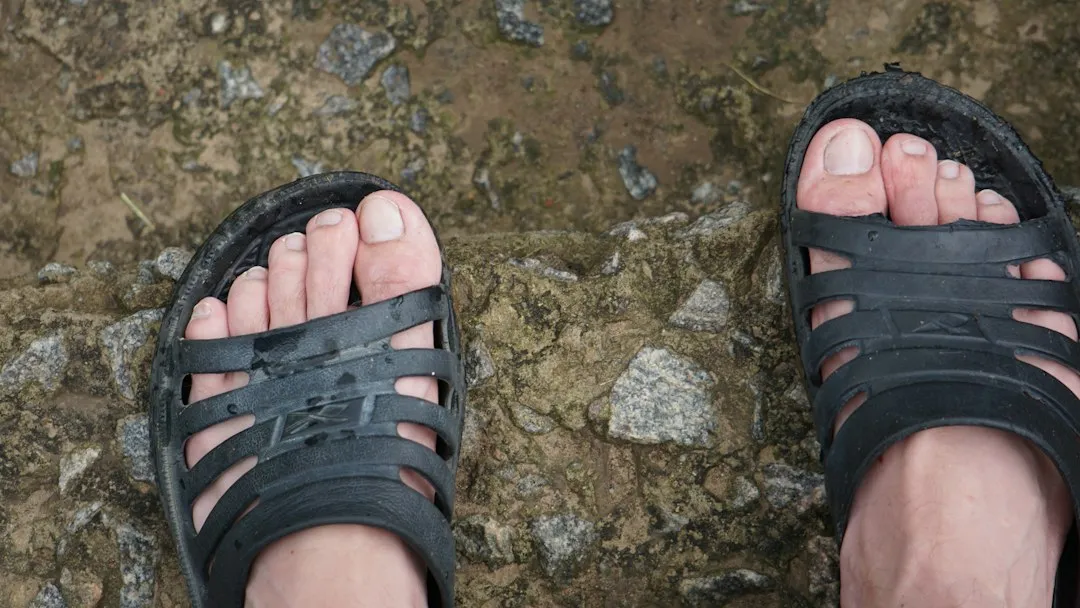
Your shoes deserve as much thought as your clothes. Leather sandals look great and become unwearable when wet for two days straight. Waterproof hiking sandals or rubber-soled sandals that dry quickly are the workhorses of rainy season travel across the region. They grip slippery temple steps and drain fast after a downpour.
If you plan on hiking, a pair of waterproof trail shoes or light trekking boots is worth the extra weight. Waterproof shoes appear on most practical rainy season packing lists for Southeast Asia for good reason. Wet feet all day aren’t just uncomfortable. They’re a direct path to blisters and fungal issues in sustained humidity.
Pack a dedicated shoe bag to keep muddy or wet footwear away from your clothing inside your main pack. Keeping muddy or wet shoes separate from the rest of your gear is a practical habit worth building into your routine from day one.
A Compact, Windproof Umbrella Earns Its Weight
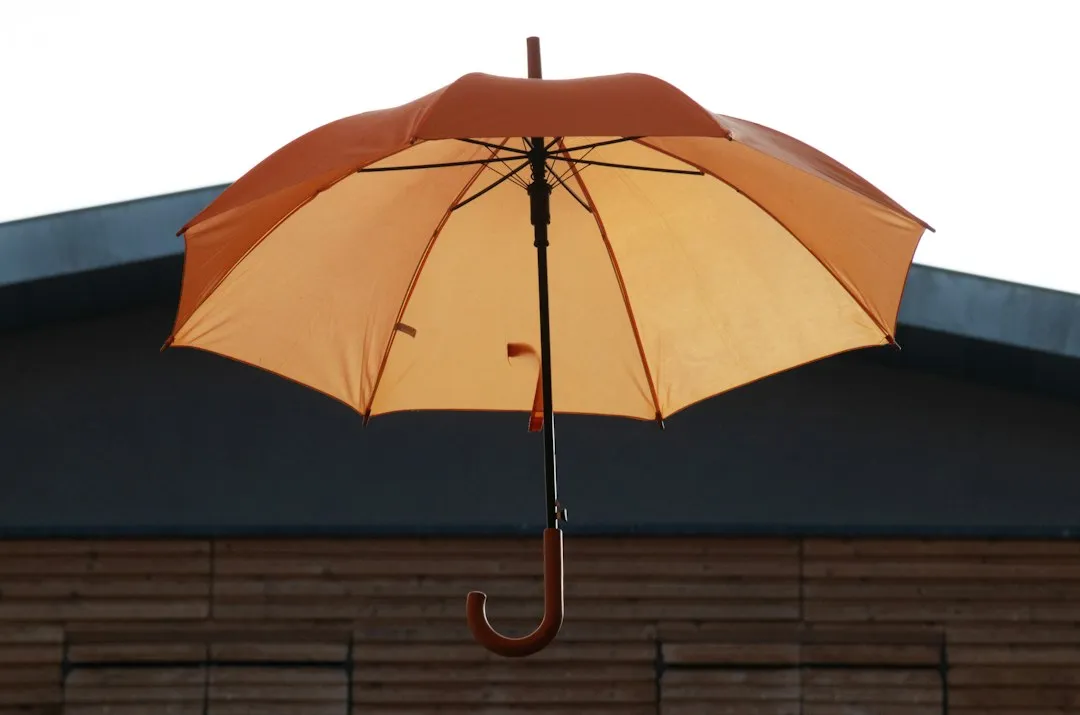
The monsoon-prone weather of Southeast Asia is no joke, and annual rainfall across the region can reach between 60 and 100 inches per year, making a windproof umbrella a genuine necessity. A compact travel umbrella that fits in a daypack is far more practical than a full-sized one when you’re navigating crowded markets or hopping on and off motorbikes.
The key word here is windproof. Standard umbrellas invert and break in the gusts that often accompany heavy tropical rain. A reinforced, windproof model costs a bit more but will outlast three cheap replacements. Pair it with your rain jacket rather than relying on just one or the other.
Medications and a Basic First Aid Kit
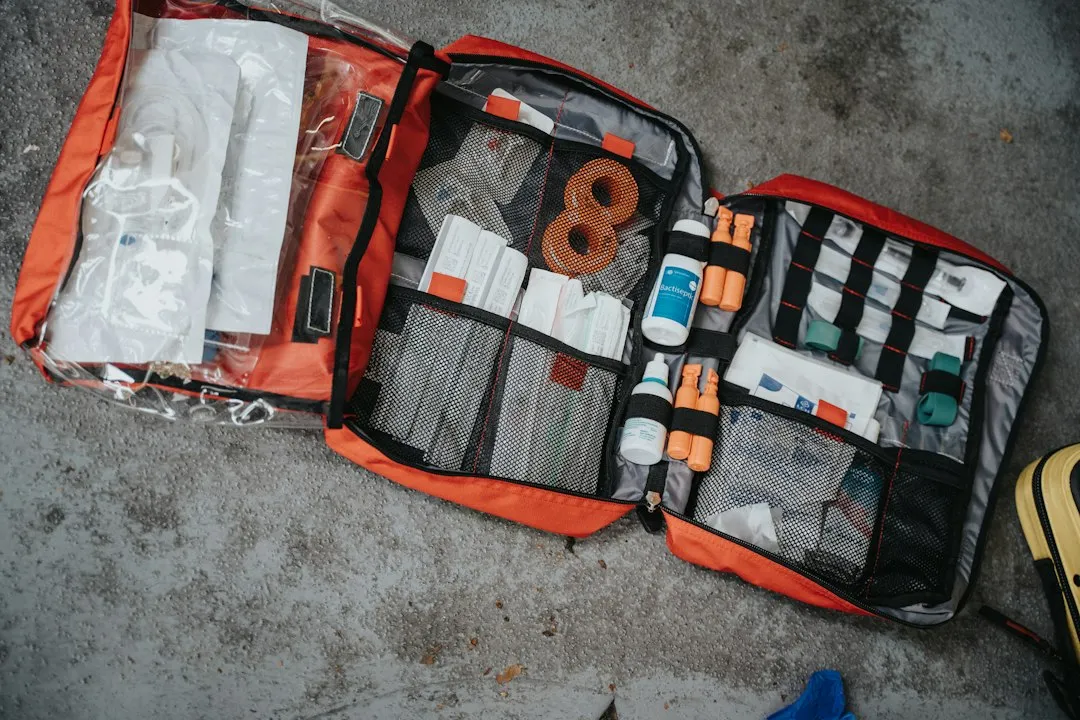
Humidity and heat are a productive environment for minor infections. A small first aid kit with antiseptic wipes, blister treatment, antifungal cream, and rehydration salts covers most of the common wet season ailments. Wet footwear and sweaty gear make skin issues more likely, and they’re worth addressing early rather than letting them sideline a day of travel.
Mosquito repellent with DEET or a plant-based equivalent is essential. Standing water after heavy rain creates ideal breeding conditions for mosquitoes, and dengue fever remains a genuine health concern across much of the region. Pack enough repellent for daily use and apply it consistently, not just on jungle hikes.
A Reusable Water Bottle with Filtration

Most tap water in Southeast Asia is not suitable for drinking, which means travelers who rely on constantly buying plastic water bottles are both overspending and contributing to a significant environmental problem. A reusable filtered bottle solves both issues at once and is a genuinely responsible packing choice.
A filtered, insulated bottle that keeps water cold is particularly welcome in hot weather, and there are now several reliable models that combine UV purification with insulation. Staying well-hydrated matters more than most travelers realize in humid conditions. The body loses fluids quickly even without obvious exertion.
A Lightweight, Versatile Daypack
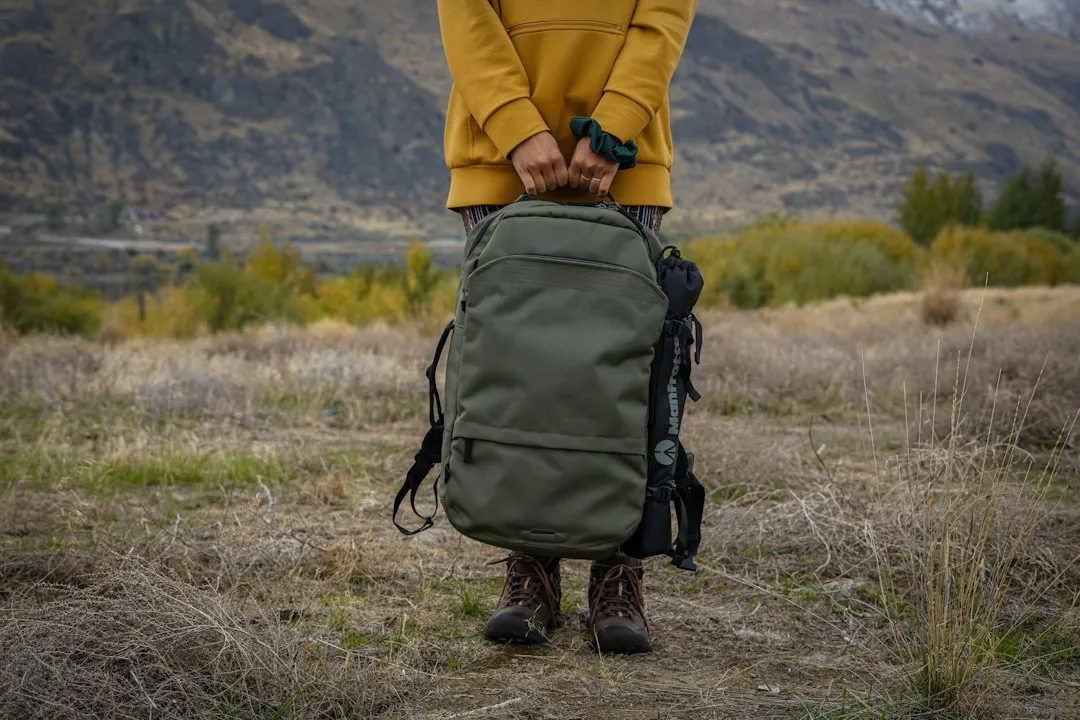
Your main bag stays at the guesthouse most days. What you need is a small, weather-resistant daypack that carries your rain jacket, water bottle, phone, and a change of light clothing. A 15 to 20 liter pack with a waterproof base layer or an integrated rain cover strikes the right balance between capacity and portability.
Planning outdoor activities for the morning is wise during rainy season, as rain often comes in the afternoon. A well-organized daypack means you can head out early, explore through late morning, and be back somewhere comfortable when the skies open up. It’s a simple routine, and it genuinely works.
Final Thoughts
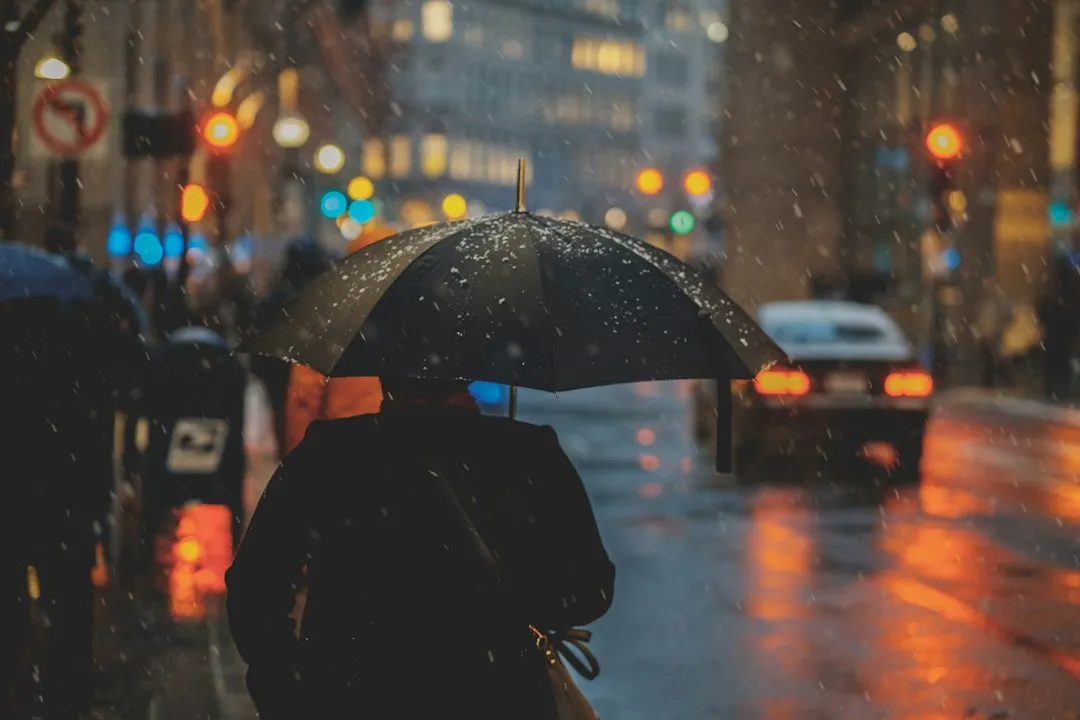
Rainy season travel in Southeast Asia rewards preparation rather than punishing it. The difference between a miserable trip and a memorable one often comes down to a rain jacket, the right fabrics, and a dry bag for your phone. None of it is complicated or expensive to get right.
The region is extraordinary in the wet months. Waterfalls run full and thunderous, rice fields glow an almost unreal shade of green, and the temples and streets feel genuinely unhurried. Pack thoughtfully, check the weather patterns for your specific route, and let the rain be part of the experience rather than something to fight against.
AI Disclaimer: This article was created with the assistance of AI tools and reviewed by a human editor.