
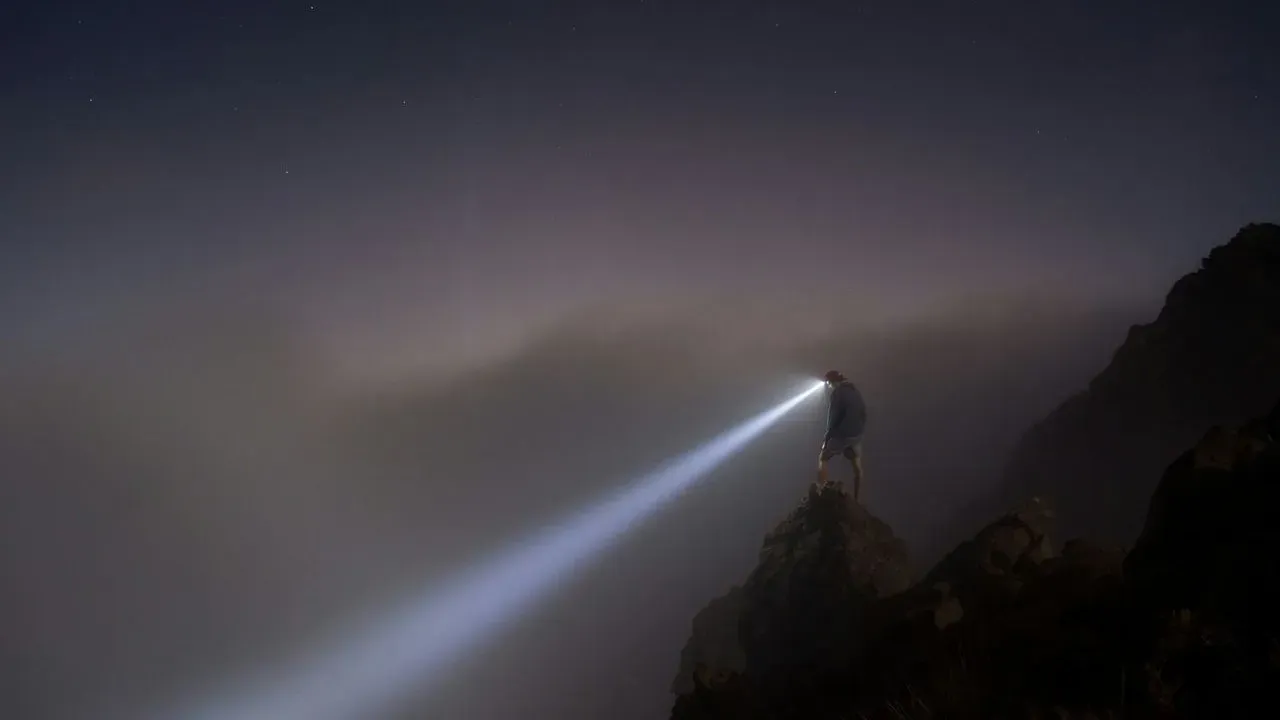

Standing beside a tripod on winter nights in Iceland and Scotland demands patience that stretches for hours. A professional photographer who has done exactly that since around 2000 credits one piece of equipment with turning those long waits into safer, more focused experiences. The same headlamps have also supported high-altitude travel, including a 2014 climb of Kilimanjaro. ([1])
The Quiet Work of Waiting
Northern lights photography rarely rewards haste. Photographers often arrive at a chosen spot well before darkness deepens, set up their tripods, and then settle into the cold while the sky decides whether to perform. Those hours of stillness require steady footing on uneven ground and the ability to check camera settings without disturbing the night vision of fellow observers or wildlife nearby.
Over more than two decades, the same photographer has returned to these northern locations repeatedly. Each season brings different conditions: sharper winds in Iceland, softer snow cover in parts of Scotland. The routine stays consistent because reliable light at hand allows attention to remain on the horizon rather than on fumbling for illumination.
High-Altitude Lessons on Kilimanjaro
The same family of headlamps proved their worth on a different kind of journey. In 2014, two units accompanied a climber on Kilimanjaro, where altitude, changing weather, and early morning starts create their own demands on equipment. The gear handled the transition from base camps to summit attempts without adding weight or complexity to an already demanding trek.
Travel at elevation teaches quick lessons about what earns its place in a pack. Items that perform across cold, wind, and variable light become trusted companions rather than occasional tools. The Kilimanjaro experience reinforced the value of equipment that works the first time, every time, when conditions leave little margin for error.
Light That Supports the Moment
Headlamps designed for serious outdoor use free the hands for camera adjustments, map reading, or simply steadying oneself on slippery terrain. They also allow travelers to move safely between locations after sunset without relying on phone screens that drain quickly in low temperatures. The result is more time spent observing the sky and less time managing logistics in the dark.
Over years of repeated use, small habits form around such tools. Checking batteries before departure, carrying spares, and knowing exactly where the switch sits become second nature. These routines reduce friction during the most rewarding parts of a trip, when the aurora finally appears or when a summit ridge comes into view at first light.
Carrying Experience Forward
Equipment tested across continents and elevations earns its keep through consistency rather than novelty. The photographer’s long relationship with these headlamps reflects a broader approach to travel: choose tools that have already proven themselves in real conditions, then focus on the landscape and the light that draws people outdoors in the first place.
Whether the goal is capturing the northern lights or reaching a high summit, the underlying need remains the same. Travelers benefit when preparation supports presence, allowing the night sky or the mountain air to take center stage. That quiet reliability turns extended waits into moments worth remembering.
AI Disclaimer: This article was created with the assistance of AI tools and reviewed by a human editor.