
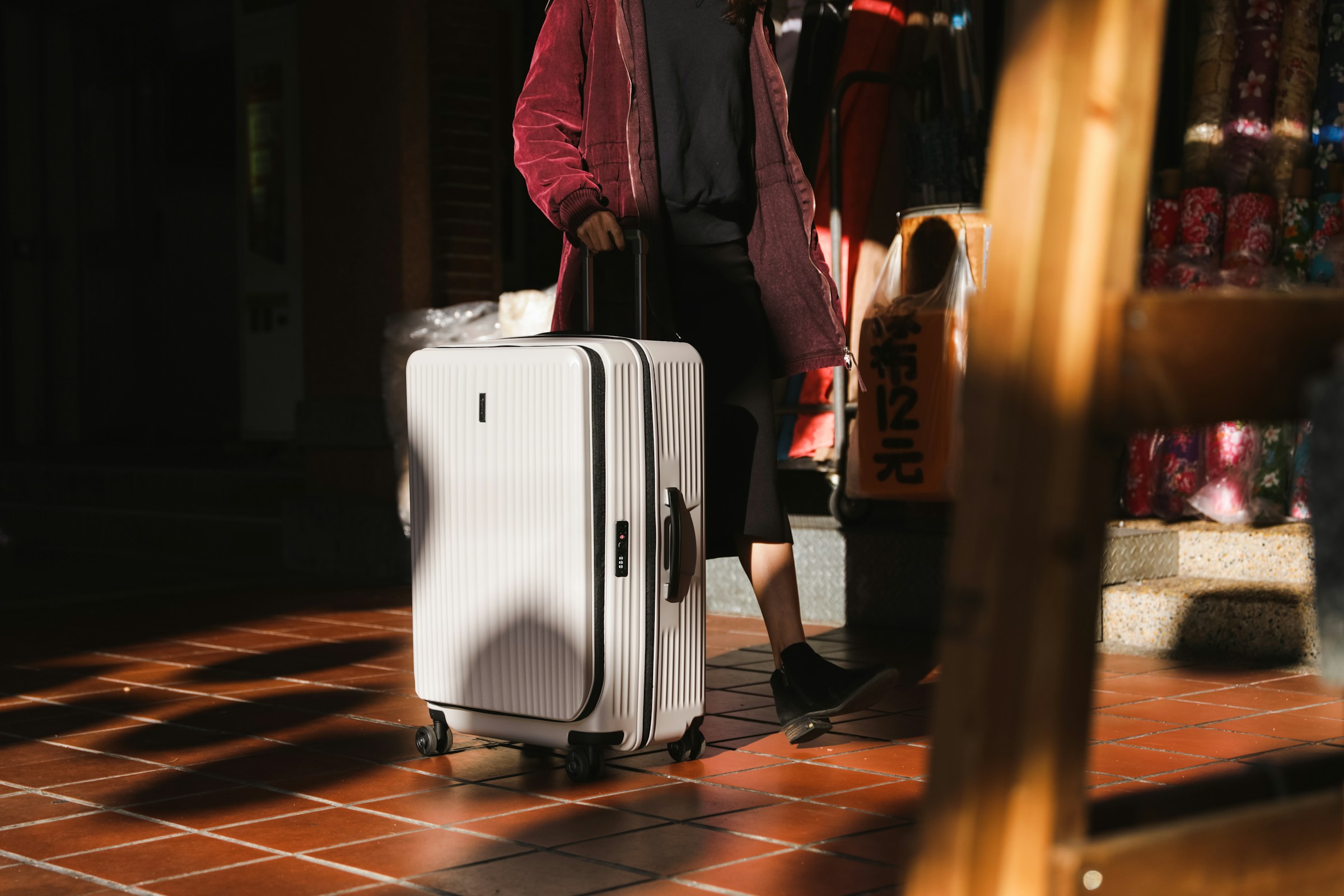

There’s something quietly revealing about the way a person packs. Strip away the destination, the ticket class, and the Instagram moments, and what you’re left with is a small, zipped-up window into someone’s priorities, anxieties, and sense of self. The carry-on bag, in particular, is the ultimate edit. It holds only what you truly trust.
With airline checked baggage fees now at record highs, the carry-on has also become something of a financial statement. The Bureau of Transportation Statistics shows U.S. airlines brought in more than $7.4 billion in passenger baggage fees in 2025, a 162 percent increase over five years. More travelers than ever are choosing to pack into a single overhead-bin bag, and what fills that bag says more about them than they might expect.
The Power Bank: You’re the One Everyone Calls in a Crisis
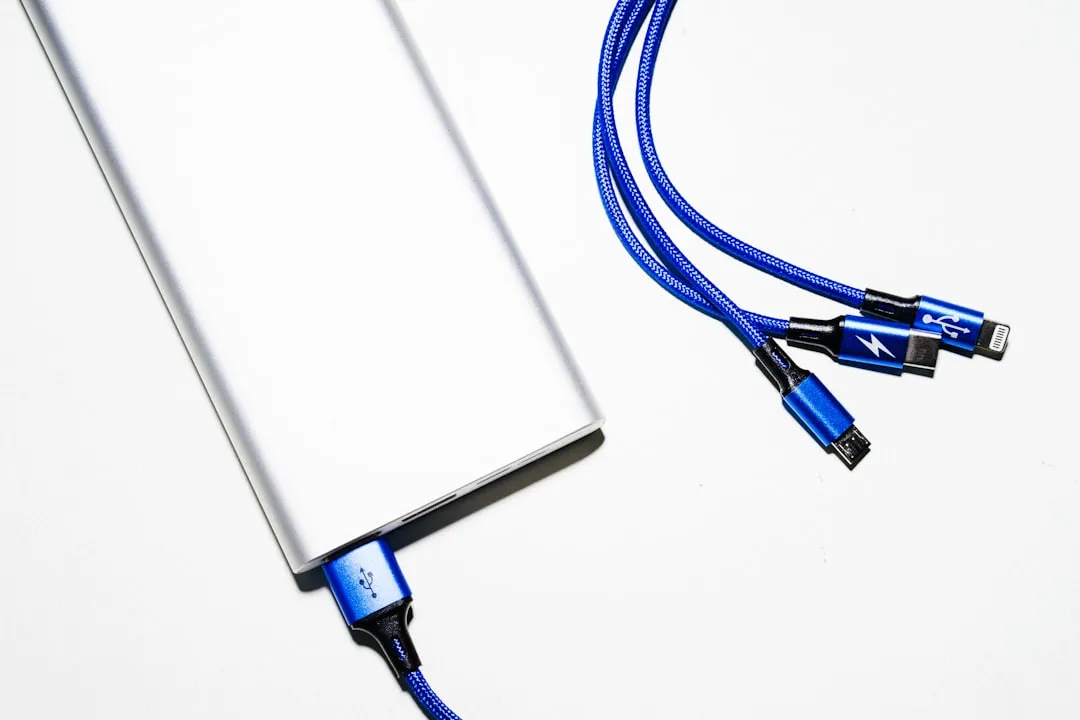
A portable charger isn’t glamorous. It doesn’t get photographed or talked about. Yet it’s quietly one of the most generous items in any carry-on, because the person who carries one almost always ends up sharing it with a stranger at gate C14.
If luggage gets delayed, the most important items remain within reach – and this habit reflects a mindset that quietly considers worst-case scenarios without dwelling on them. The power bank person operates on the same logic. They’re not pessimists. They’re the calm center of the group.
Practically speaking, a dead phone in an unfamiliar city is a genuine problem. The traveler who prepares for that possibility is also, almost certainly, the one who remembers to text when they land.
Noise-Cancelling Headphones: You Guard Your Peace Fiercely
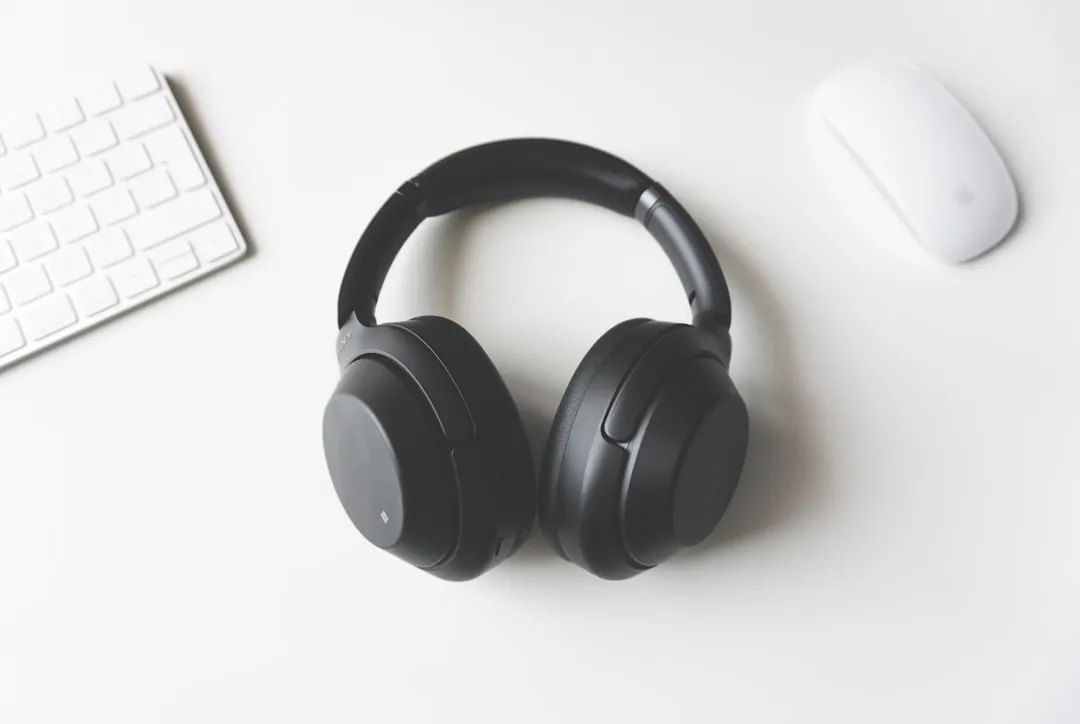
These aren’t just an audio accessory. For many travelers, noise-cancelling headphones are a coping tool, a ritual, and a polite but firm boundary all compressed into one device. According to a 2022 survey by Bose, 76% of travelers reported feeling significantly less stressed while using active noise-cancellation headphones on flights.
Airplane engines, train announcements, and loud conversations can make travel stressful for people prone to anxiety, and noise-cancelling headphones help reduce these auditory stressors, making long flights or commutes more peaceful. The person who owns a quality pair and never forgets to pack them has made a deliberate investment in their own wellbeing.
There’s also something honest about it. Headphones are a universal sign for “do not disturb,” and anyone who packs them intentionally understands the value of controlled space in chaotic environments.
A Reusable Water Bottle: You’ve Done the Math
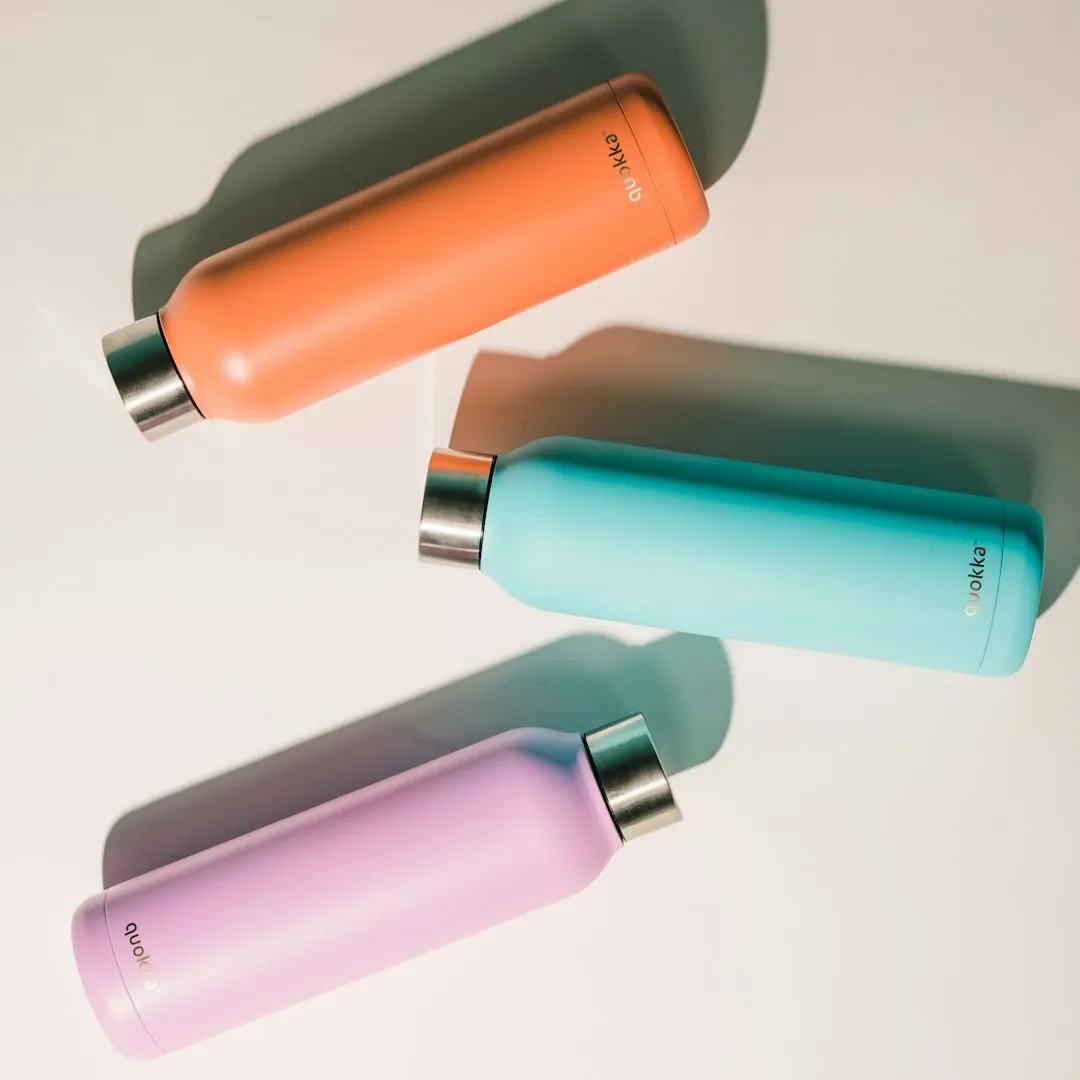
The traveler with a collapsible or insulated water bottle tucked into their carry-on has made a small but deliberate stand. They’ve thought about the cost of airport water, the waste involved in single-use plastic, and the basic fact that staying hydrated at altitude makes the whole journey more bearable.
Travelers’ choices often reflect more than just convenience – for many, packing is also about personal style, and research finds that 43% of today’s travelers prefer “quiet luxury,” choosing subtle elegance instead of flashy branding. The reusable bottle fits neatly into that philosophy. It’s practical, low-waste, and quietly considered.
It also signals something about how this person moves through destinations. They’re not in a hurry. They refill, they pause, they think ahead.
Packing Cubes: You Are Secretly a Control Enthusiast
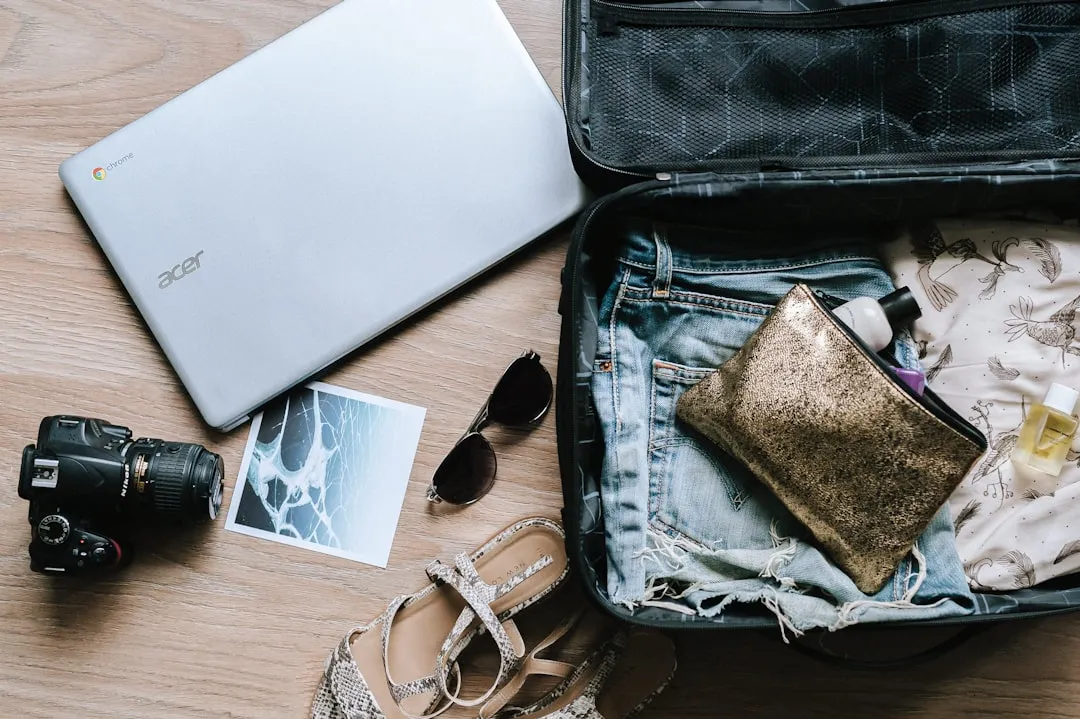
Organized, practical, and minimalistic, the carry-on traveler who uses packing cubes knows how to make the most of a small amount of versatile clothing and is a pro at maximizing suitcase space. What looks like a quirky organizational habit from the outside is, in practice, a deeply considered system.
Some travelers are meticulous planners – everything has its place, neatly folded, categorized, and checked off a list well in advance – and for such travelers, control and clarity is non-negotiable. The packing cube person isn’t rigid, exactly. They simply trust process over improvisation.
They’re also often the most efficient person through airport security. When they get up to the front of the security line, you can bet they have their electronics in an easily accessible pocket and their plastic bag of gels and liquids at the ready.
Snacks from Home: You Don’t Leave Comfort to Chance

A small bag of homemade trail mix, a wrapped piece of fruit, or a familiar protein bar says something warmly human about its carrier. This person has been hungry in an airport before, has paid too much for something disappointing, and decided they’d never do it again.
Overpacking often comes from a specific emotional goal – peace of mind – and people who prepare extensively often feel less anxious once they know they’ve thought through possible complications. Bringing food from home is a low-stakes version of exactly that instinct.
There’s also something culturally interesting here. The traveler who brings food is often the one most deeply rooted in community and home, even as they move through the world. The snacks are, in a small way, portable belonging.
A Physical Book or Journal: You Still Believe in Slow Time

In a world of screens and infinite scroll, the person who takes up carry-on space with a paperback or a hand-written journal is making a quiet statement. They’re not anti-technology. They’ve simply decided that some hours of a journey belong to a different pace.
In many ways, your suitcase isn’t just packed for a trip – it’s packed with your habits, your fears, and a little bit of who you are. A journal suggests someone who processes experience through reflection, not performance. They’re not traveling to post about it. They’re traveling to feel it.
The physical book carries a similar message. It asks nothing of a battery. It doesn’t ping or notify. It simply waits, and that patience mirrors its reader.
Medications and a Mini First-Aid Kit: You Think Three Steps Ahead
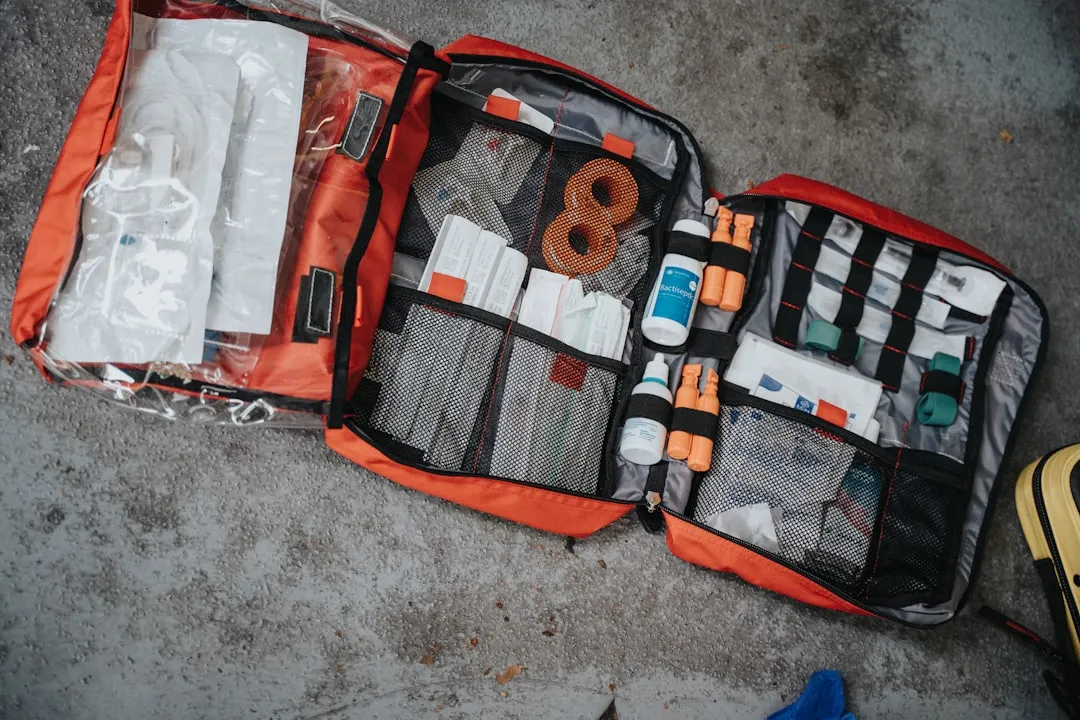
The traveler with a carefully assembled medical kit – pain relief, antacids, antihistamines, blister patches – is not paranoid. They’re experienced. They’ve learned, usually through a miserable trip involving a headache and no pharmacy in sight, that preparation is cheaper than regret.
Research on uncertainty explains that people cope better with unpredictable situations when they feel prepared for multiple outcomes, and packing becomes one way to manage that uncertainty. The first-aid carrier is applying this principle with unusual clarity.
Bringing necessary medications when you travel is a no-brainer, but medications belong as close to your person as possible – experienced travelers know the cost of being separated from their luggage. This person doesn’t leave that to chance, and that says something about how seriously they take care of themselves and others.
A Change of Clothes in the Carry-On: You’ve Had a Rough Connection Before
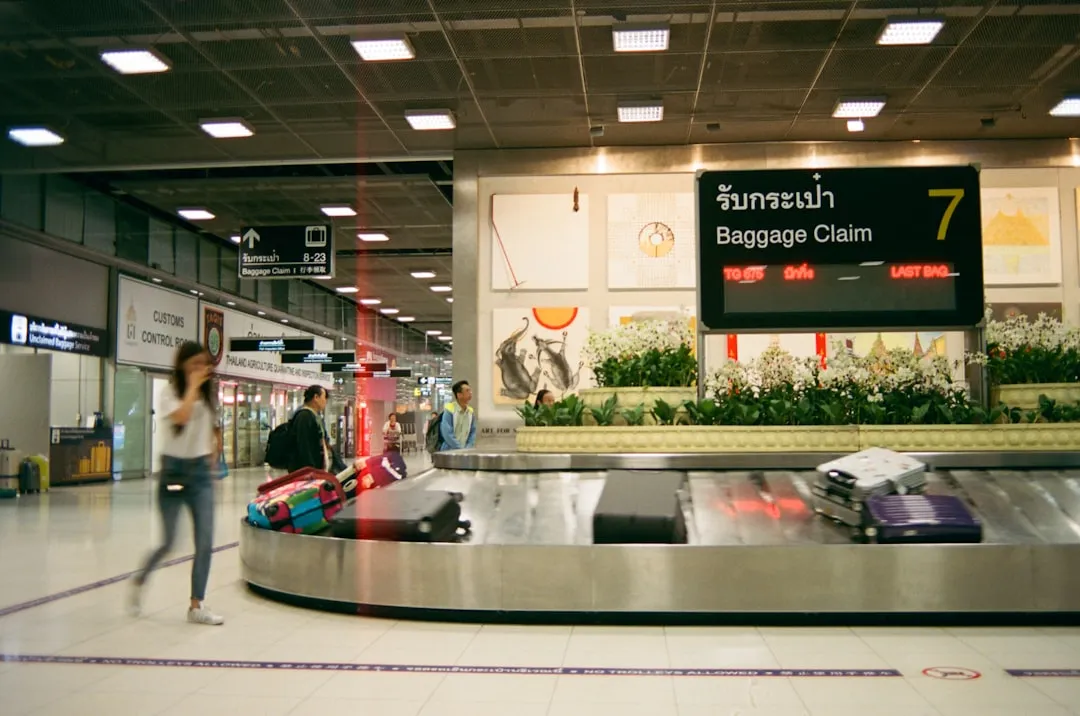
Tucking a clean outfit into the carry-on when the rest of the wardrobe is checked through is one of those moves that immediately separates the experienced traveler from the optimistic one. It’s not overthinking. It’s earned wisdom.
The International Air Transport Association (IATA) estimates that globally, roughly half of all passengers prefer to travel with only carry-on baggage, while just under half check in luggage. For those who do check bags, the extra outfit in the overhead bin is simple insurance against the system’s occasional failures.
The mishandled baggage rate increased exponentially to 7.6 bags per thousand passengers in 2022, and mishandling rates for international flights – where bags are more likely to be transferred from one flight to another – are eight times higher than for domestic flights. The spare-clothes packer is responding rationally to a real and documented risk.
A Minimal, Capsule Wardrobe Approach: You Value Freedom Over Options
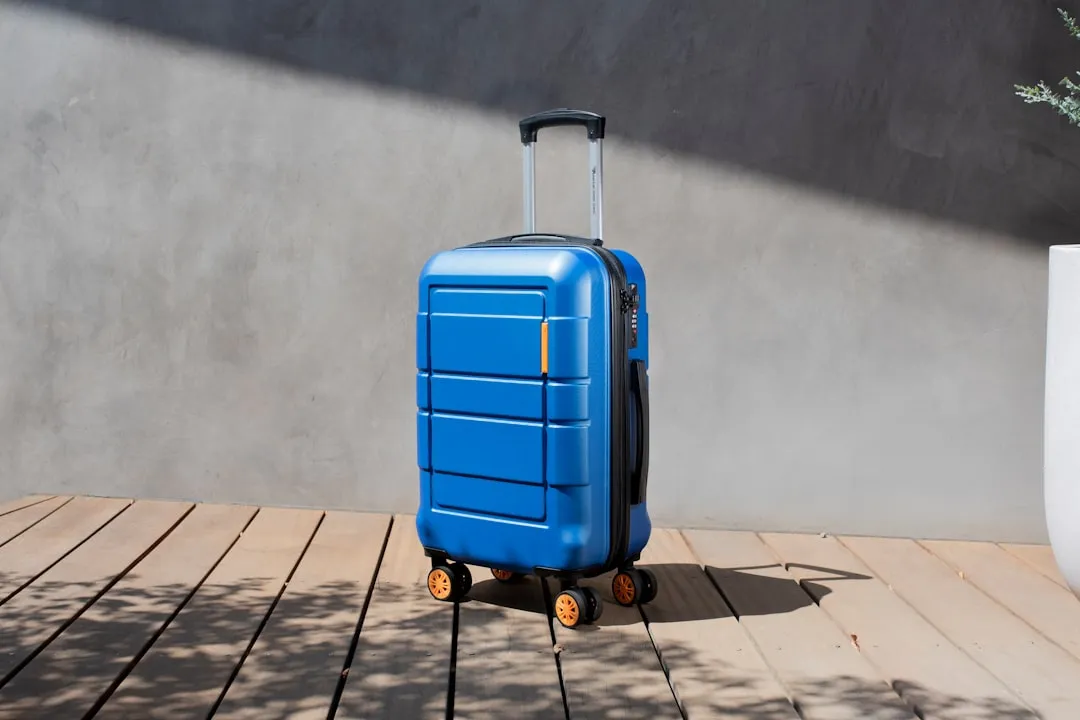
The carry-on spinner suitcase has become one of the most popular sizes and models of luggage in recent years, offering a balance between compactness and packing capacity, and it accounts for approximately 60% of luggage purchases. The traveler who pairs that bag with a tightly edited wardrobe has embraced a philosophy that goes beyond packing.
Those who travel light and take only what they need prefer a hassle-free, mobile experience – these are the spontaneous souls with a life-hacker’s way of living. For this traveler, every item that doesn’t come along is one less thing to manage, track, and carry home.
In 2024, U.S. airlines collected a record $7.27 billion in checked baggage fees, driven by higher fuel costs and investor demands – and Southwest began charging for checked bags for the first time. The carry-on minimalist, intentionally or not, is sidestepping that entire financial structure.
Skincare and a Sleep Mask: You Protect the Journey, Not Just the Destination

The traveler who arrives with a hydrating mist, eye cream, and a silk sleep mask understands something the hurried traveler often misses: the journey itself is part of the experience, and arriving depleted helps no one. This isn’t vanity. It’s maintenance.
A survey identified seven distinct packing personas, each reflecting different priorities, habits and approaches to the modern travel experience. The self-care packer occupies one of the more thoughtful corners of that spectrum. They’re investing in arrival quality, not just departure readiness.
Each piece must earn its keep, serving not just one purpose but several in some instances. A sleep mask that doubles as a signal for rest, paired with a serum that combats cabin dehydration, fits that philosophy well. This person arrives ready to be present, not just to have shown up.
The Takeaway
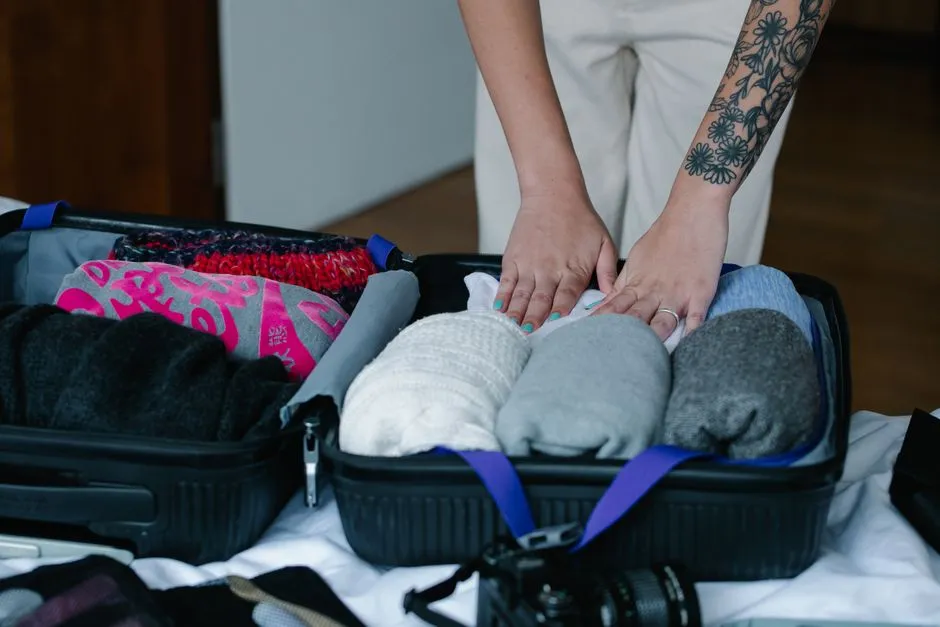
Your carry-on tells a quieter story than your itinerary does. The items you choose without overthinking, the ones that always make the cut, reveal how you relate to comfort, control, generosity, and uncertainty. The way you organize your bag is a reflection of your personality, your priorities, and your unique approach to life – and in a world full of chaos and unpredictability, packing is one small way to assert control.
While there might be objective perks to some packing styles – like saving money on bag check fees – it’s hard to say that any one style is better than another, and each one reflects a set of values and involves certain trade-offs. There’s no right way to pack, only your way.
The most interesting thing isn’t what’s in the bag. It’s what the bag quietly says about what you’re ready for, what you’re afraid of losing, and what kind of traveler you’ve decided to be.
AI Disclaimer: This article was created with the assistance of AI tools and reviewed by a human editor.