
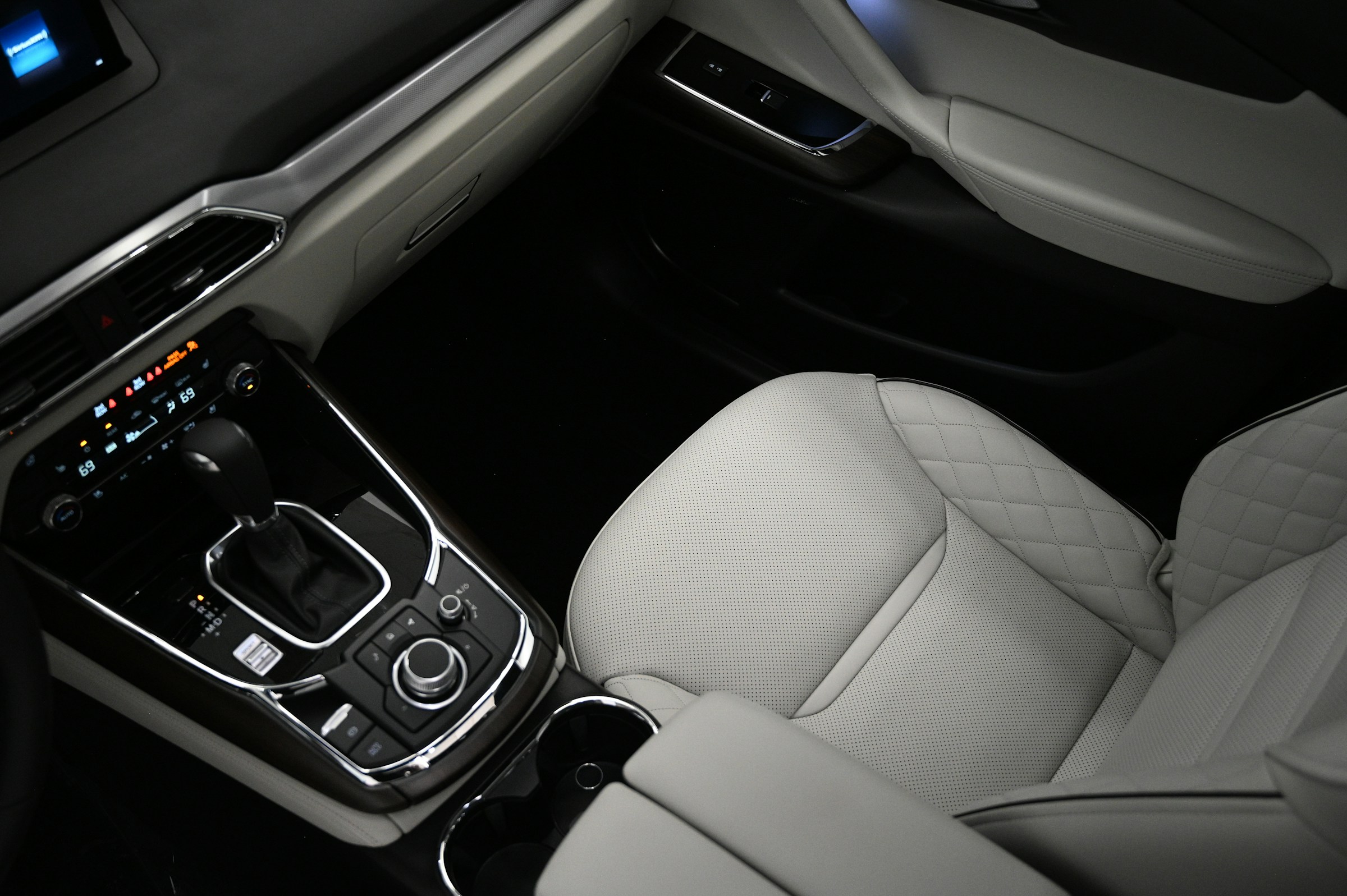

There’s a quiet ritual that plays out every time a group of people pile into a car for a trip. Before a single mile is covered, somebody calls the front passenger seat. Not the driver’s seat – that’s a different conversation entirely – but the co-pilot spot. The one beside the driver, closest to the dashboard, with a full view of the road ahead.
It seems casual, even trivial. Yet the way you settle into that seat – how you adjust it, how you recline it, how much you take ownership of the space versus defer to whoever is driving – turns out to say quite a bit about how you move through the world when you travel. Psychologists have been exploring the connections between seating preferences and personality for some time now, and the picture that emerges is genuinely revealing.
Seat All the Way Back: The Comfort-First Traveler
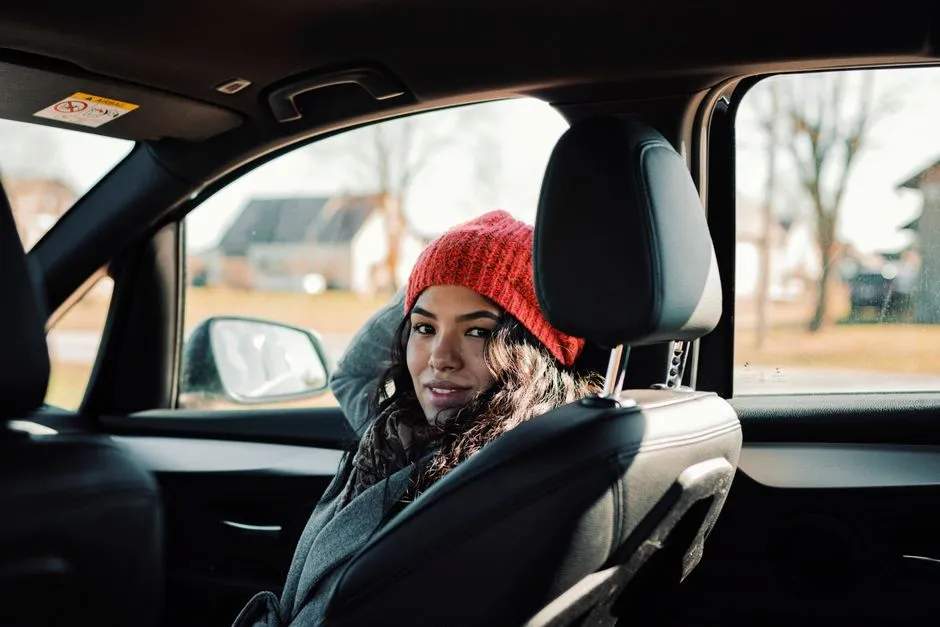
The first thing some people do when they take the co-pilot seat is slide it back as far as it will go. Legs fully extended, reclined just enough for that almost-lounging posture. This traveler is sending a clear, if unconscious, message: comfort is non-negotiable. Research from Motorway and behavioural psychologist Dr. Martha Newson suggests that front-seat passengers tend to prioritize comfort, beauty, and little luxuries over purely practical choices.
For this traveler, the journey is not just a means to an end. It is part of the experience itself. They may arrive at the destination looking refreshed while others are stiff and cramped, because they treated the car as a moving sanctuary rather than a waiting room. There’s no guilt in it. They simply know what they need.
Seat Pushed Forward, Leaning In: The Engaged Navigator
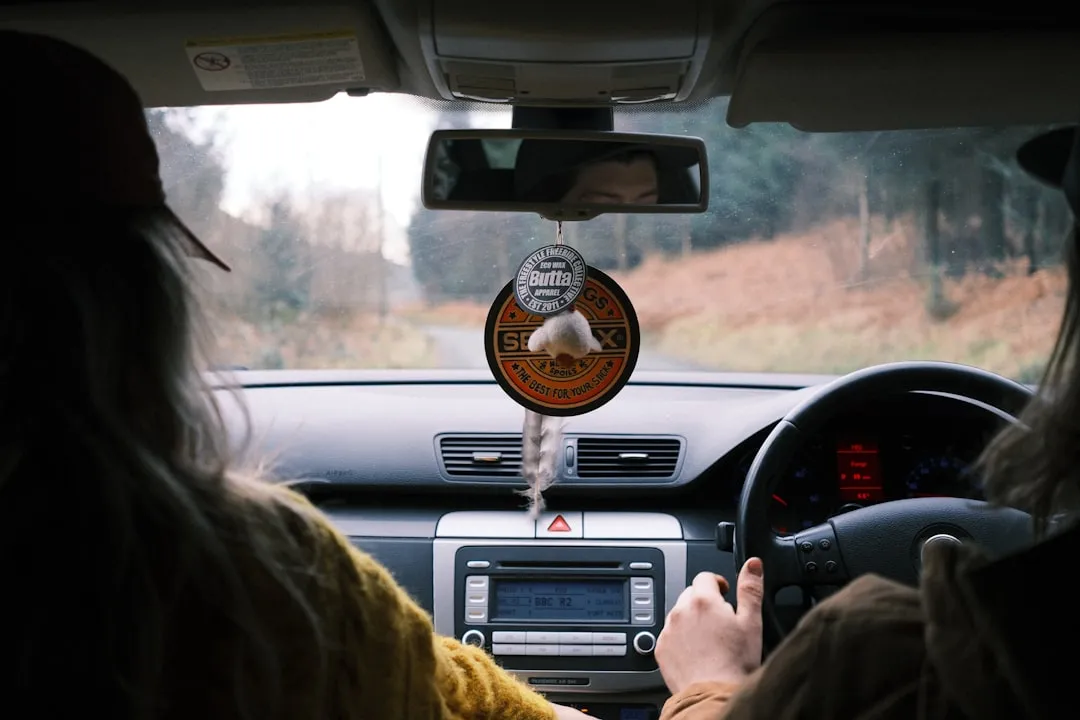
Some co-pilots pull the seat close to the dash, sit upright, and lean slightly forward as if the road demands their personal supervision. These are the navigators, the ones who already have the map app open before the engine starts. According to the Motorway and Dr. Newson research, front-seat passengers are often the first to offer navigation support and make sure everyone has a snack – a detail that sounds small but reflects a genuine orientation toward contribution.
This traveler doesn’t need the wheel to feel involved. They’re tracking the route, calling out upcoming turns, and monitoring arrival times with quiet satisfaction. For people like this, travel is fundamentally about control, responsibility, trust, and how you prefer to engage with the world around you. They’re not anxious – they’re engaged. There’s a meaningful difference.
Seat Upright but Untouched: The Deferential Passenger
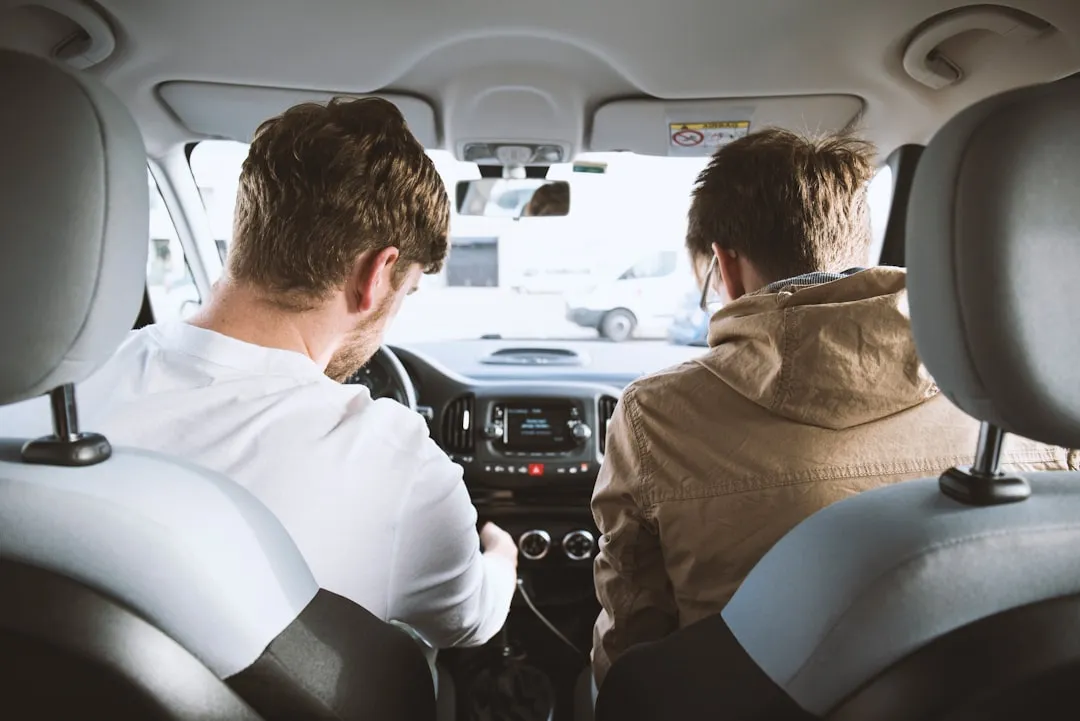
There’s another type who sits in the co-pilot seat exactly as they found it, adjusting nothing, occupying as little of the space as possible. They didn’t recline it. They didn’t move it forward or back. They defer almost entirely to the driver and the car’s default settings. This is the deferential traveler. Psychology research identifies the most recognizable trait of this type as a deep comfort with not being in control.
Far from being passive, this traveler tends to be highly trusting and socially attuned. They’ve made peace with the fact that not every journey needs to be steered by them. In many cases, they’re the ones who make long drives genuinely enjoyable – present, conversational, and unburdened by the need to manage every variable. Psychologists suggest that seating habits mirror subconscious preferences for control, safety, and interaction.
Seat Reclined to the Maximum: The Bold Space-Claimer
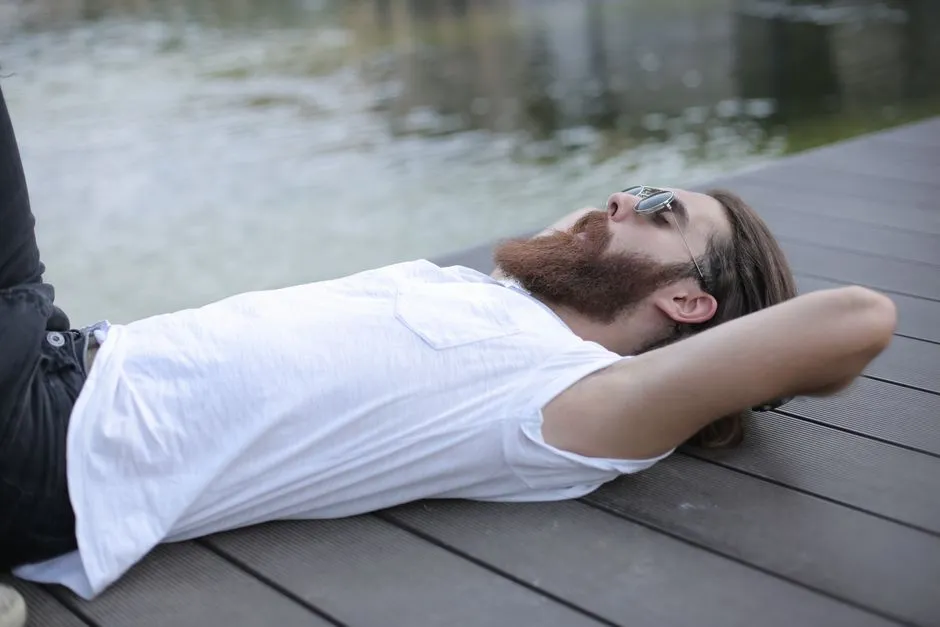
Then there’s the full recline. Not a gentle tilt – the full drop, right back, practically horizontal. This person has decided the journey belongs to them in a way that others might find surprising, even slightly territorial. Social psychologist Chris Lipp at Tulane University, who studies power dynamics, notes that people who feel more powerful are less sensitive to sitting next to someone, comfortable with less interpersonal space.
The full recline in the front seat is a spatial confidence statement. This traveler rarely second-guesses their comfort choices. They are not being rude, at least not intentionally. They simply have a strong intuitive sense of entitlement to their own space, and they act on it without hesitation. It’s worth noting that this trait can translate into vivid, adventurous travel choices when it’s channelled well.
Constantly Adjusting: The Restless Planner
You know this traveler. They adjust the seat twice before leaving the driveway, then again at the first traffic light, then once more on the highway. Nothing is quite right for long. It’s tempting to read this as indecisiveness, but there’s a more useful interpretation. This trait often manifests as over-planning in other areas: backup plans for backup plans, anxiety when meetings don’t have clear agendas, or discomfort when friends suggest “playing it by ear.”
For this traveler, the adjustment ritual is a form of control-seeking in an environment they can’t fully dictate. Once the seat is exactly right, they settle. They tend to be meticulous trip planners, the ones who research restaurants three weeks in advance and have a detailed itinerary saved in two different apps. There’s real value in that kind of preparation, even if the constant seat fiddling tests everyone’s patience.
Facing the Window, Turned Away: The Introspective Wanderer
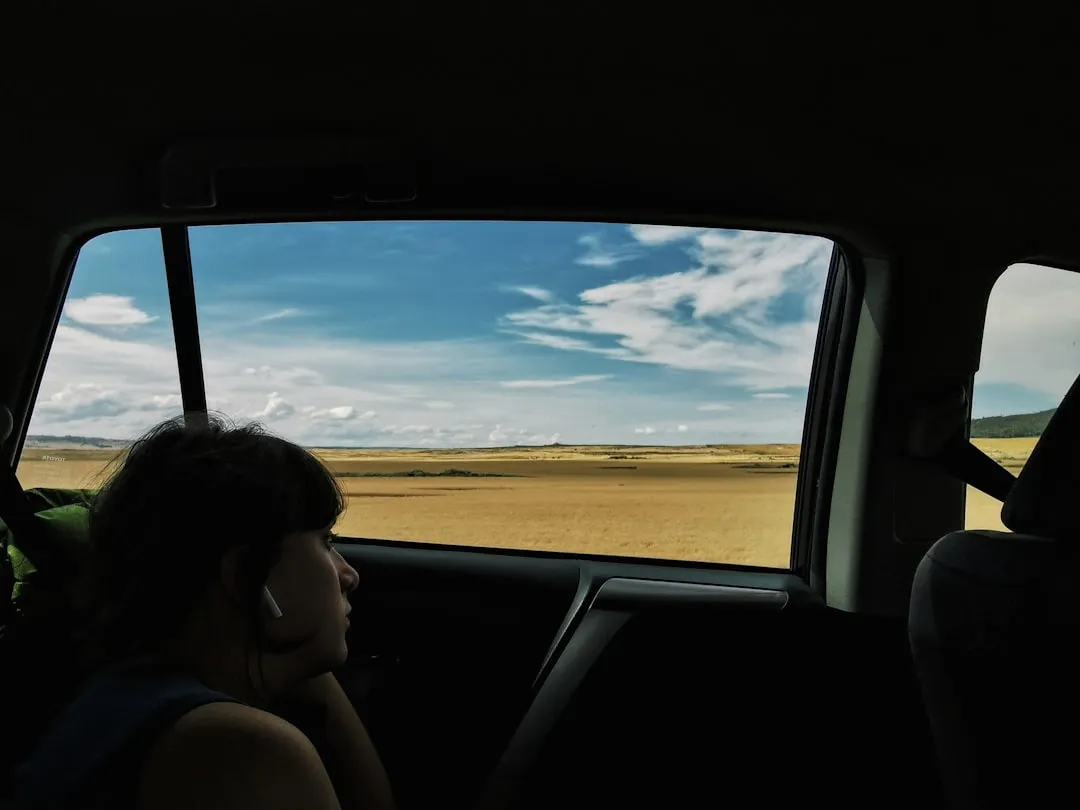
Some co-pilots angle themselves slightly toward the passenger window, watching the landscape scroll past rather than staring straight ahead at the road. They’re in the front seat physically, but mentally they’re already somewhere else. Psychologists describe what might be called the “Loner Window Seat Theory” – introverts instinctively choose positions that create a psychological barrier between themselves and the open social space around them.
This traveler is processing the journey differently. They might say very little for long stretches, then suddenly point out something beautiful on the horizon. Beyond the front-versus-back preference, research published by HuffPost in early 2026 notes that introverts gravitate toward window-adjacent positions for privacy and control, while extroverts prefer orientation toward mobility and easier interaction. The introspective co-pilot is usually the one who returns from a trip with the most vivid memories of the landscape itself.
Phone Out, Headphones In: The Independent Traveler
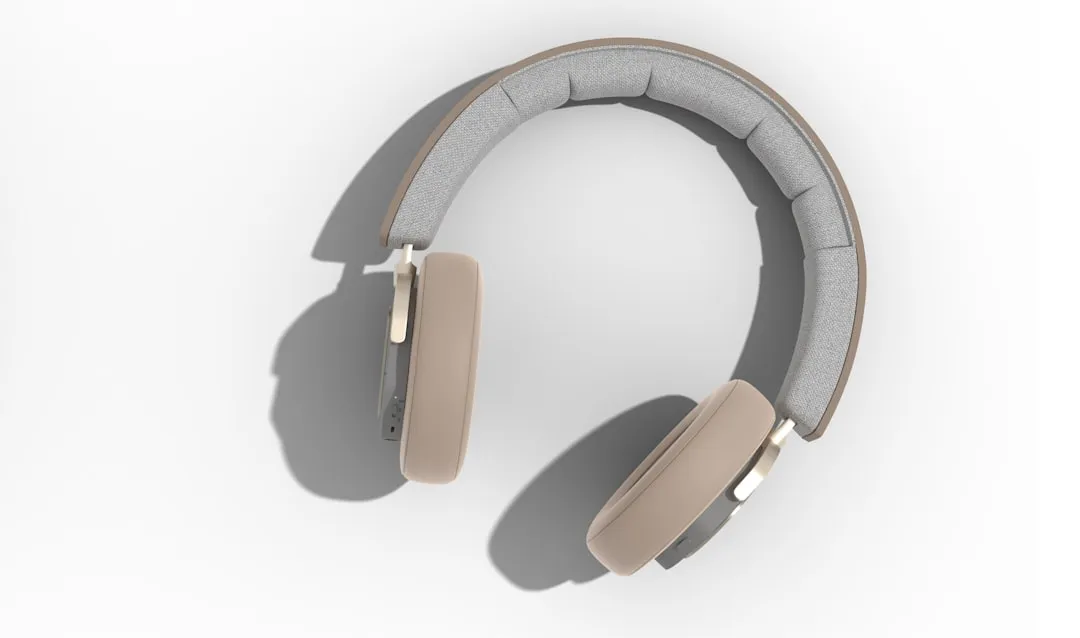
Some people claim the front seat and then immediately disappear into their own world – earbuds in, screen glowing, conversation minimized. They’re physically present but experientially elsewhere. This isn’t antisocial so much as it is self-sufficient. Research into passenger preferences notes that these preferences are dynamic in nature, evolving with continuous upgrades in technology over time.
The independent traveler in the co-pilot seat has found their own rhythm for long journeys. They tend to be seasoned travelers who’ve done enough road trips to know exactly what they need to arrive in good mental shape. They’re not unaware of the social dynamics around them – they’ve simply negotiated their own peace with the journey. On longer trips, this autonomy tends to be infectious in a healthy way.
Seat Set Perfectly, Then Never Touched Again: The Methodical Traveler
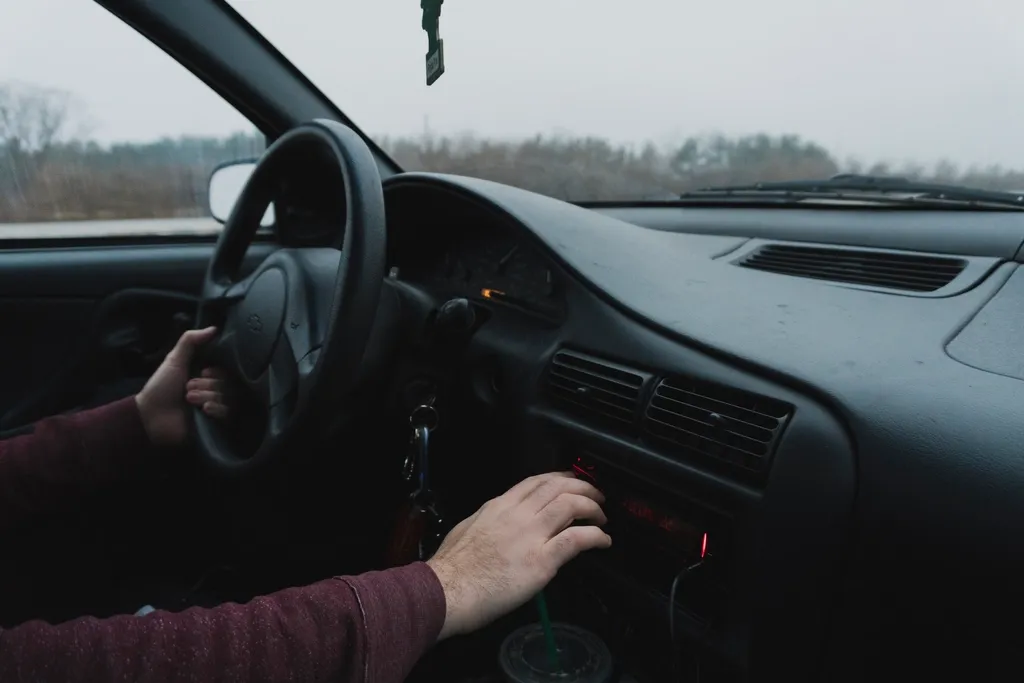
There is a quietly impressive kind of co-pilot who adjusts the seat once, precisely, and then doesn’t touch it again for the entire trip. They’ve thought about it. They know what they need. They set it, and they’re done. Research published in a study on personality traits and transportation preferences found that conscientiousness and extraversion are among the most significant traits shaping how people behave as passengers during travel.
This is the methodical traveler. Orderly, efficient, and unlikely to create unnecessary friction in the vehicle. Strategic planners in a travel context are typically highly conscientious and prefer control – but they exercise that control quietly, through preparation rather than performance. They tend to be reliable travel companions: they won’t complain about the route, and they probably remembered to bring water for everyone.
The Nervous Upright: Anxiety and the Front Seat
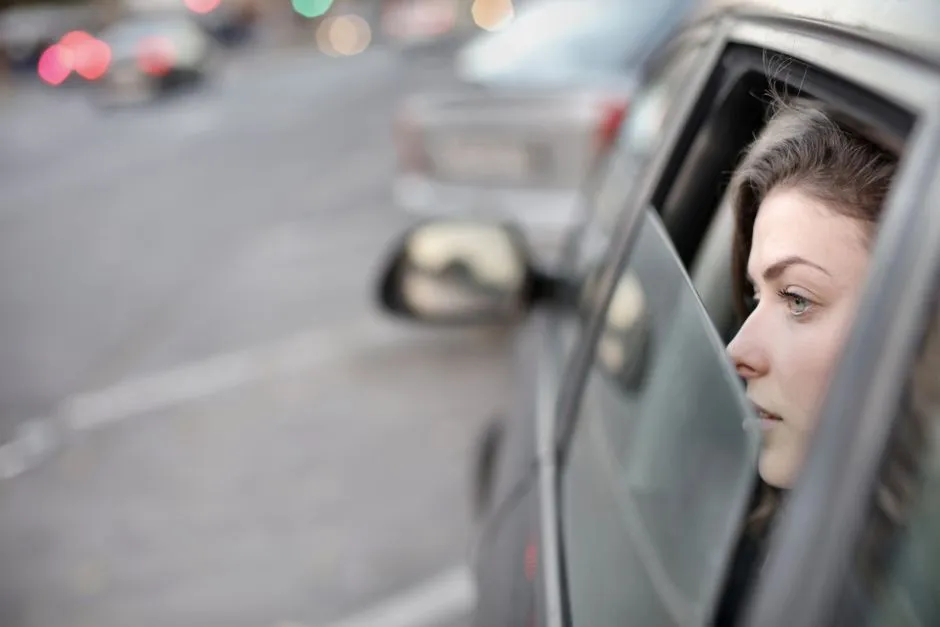
Some co-pilots sit bolt upright, both feet flat on the floor, grip loosely on the door handle or armrest. They’re not doing anything wrong. They might even seem perfectly composed. But the seat angle, the posture, the slightly over-focused gaze at the road ahead – it tells its own story. Researchers note that anxiety manifests in seating preferences: those whose anxiety centers on social interaction prefer window-adjacent positions, while those whose anxiety centers on confinement and loss of control choose positions that give them the clearest view and fastest exit.
Psychology applied to travel behavior has consistently found that a proportion of travelers who go on journeys in order to relax nonetheless find that travel itself exposes them to stress, and that some sources of stress may seem mundane but can still trigger intense emotional reactions. The nervous co-pilot is not a bad traveler. They’re simply more aware of the variables they can’t control, and the front seat – with its full road view – is as close to a sense of agency as they can get without actually driving.
Fully Reclined, Eyes Closed, Asleep in Minutes: The Surrendered Traveler

And then there’s the person who takes the co-pilot seat, reclines it, and is asleep before you’ve reached the highway on-ramp. No phone. No music. No navigation duties. Just complete, immediate surrender to the journey. Research into passenger postures notes that with increasing automation and longer travel times, highly reclined postures are becoming more common as passengers choose to rest or sleep during travel.
This traveler trusts deeply. They trust the driver, the route, the car. Physiological research has shown that passengers have lower levels of anxiety in the human-driven condition, and for the surrendered traveler, that trust is essentially total. They arrive at destinations rested and ready, having outsourced the worry entirely. It’s a kind of travel wisdom, really – knowing that not every mile needs to be witnessed to be meaningful.
The Takeaway
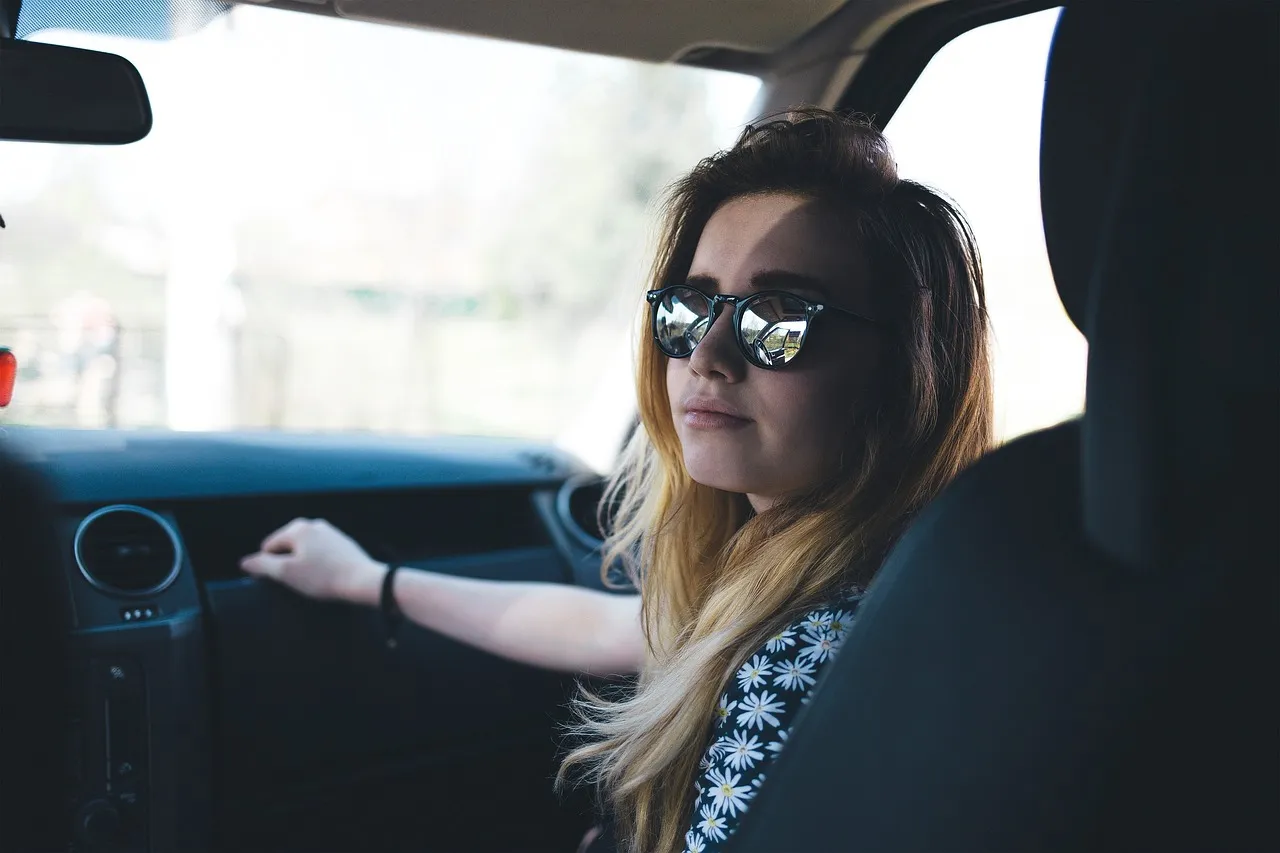
The co-pilot seat is a small stage, but it turns out we perform quite a bit on it. Whether you’re angled toward the window, running the navigation with military precision, or blissfully horizontal before the first junction, your choices reflect something real about how you relate to journeys, control, comfort, and the people you travel with.
None of these tendencies are flaws. The restless adjuster and the surrendered sleeper are both getting from A to B. The difference lies in what each person needs to feel safe, present, and genuinely themselves while traveling. These choices are more than random behavior – they reflect personality traits such as openness to interaction, need for control, and even levels of anxiety in social settings.
Travel reveals character, often in the smallest gestures. The next time you settle into that front passenger seat, it might be worth noticing exactly how you do it.
AI Disclaimer: This article was created with the assistance of AI tools and reviewed by a human editor.