
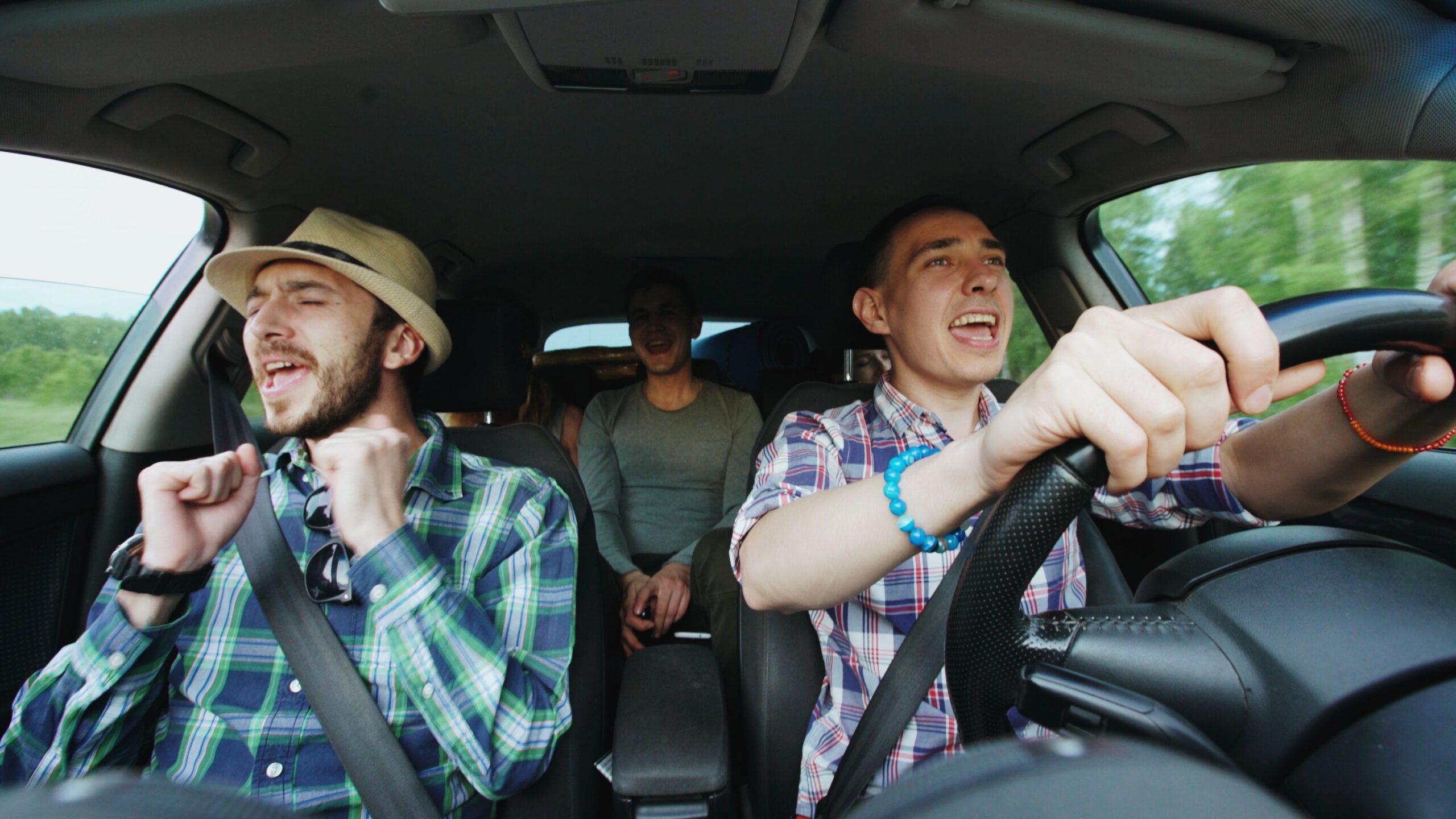

There’s something revealing about the moment you plug your phone into the aux cord and hit play. Before the first song even ends, you’ve told everyone in the car something true about yourself. The playlist you build for a long drive isn’t random. It’s instinctive, shaped by years of listening habits, emotional needs, and a personality you probably didn’t choose.
Music preferences often correlate with the Big Five personality traits, offering insights into traits like Openness and Extraversion. A 2022 study analyzed the musical preferences of over 350,000 people in more than 50 countries and six continents and found the link between musical preference and personality to be universal. So whether you’re a country devotee or an EDM loyalist, the science behind your highway soundtrack is worth exploring.
Pop: The Social Optimist Behind the Wheel

Research consistently demonstrates that extroverted individuals typically favor vibrant, gregarious music genres like pop. If your road trip playlist leans heavily pop, you’re likely the kind of traveler who keeps the energy light and conversational, happy to share the car with a full group and still arrive in a good mood.
Pop listeners tend to be extroverted, honest, and conventional, with high self-esteem but somewhat less creativity than fans of other genres. That’s not a knock. It simply suggests someone who values connection, accessibility, and shared experience over solo introspection. The open road, for you, is best enjoyed with other people singing along.
Classic Rock: The Reliable Road Captain
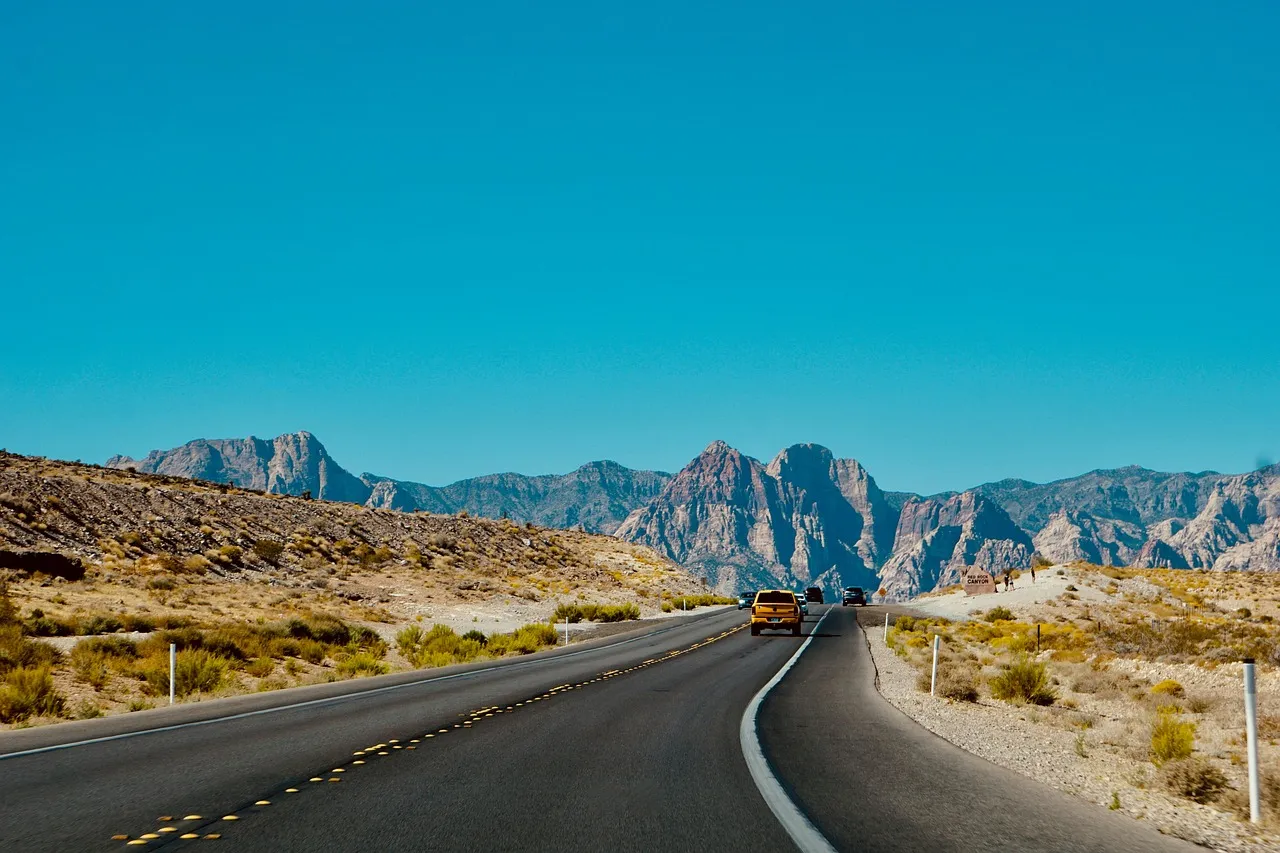
Road trip songs on Spotify tell a consistent story: classics dominate. An analysis of nearly 49,000 driver-built playlists finds familiar classic rock anthems ranking highest, as the vast majority of Americans plan to drive on vacation this summer. This isn’t just nostalgia. It reflects something real about the personality types drawn to the genre.
Music psychology research has long established that familiar songs maintain mood and reduce stress without adding as much mental load while driving. Classic rock listeners tend to be grounded, dependable, and comfortable in their own skin. They’re not chasing novelty. They know what works, and they trust it.
Country: The Honest, Hardworking Traveler

Fans of guitars and the signature country sound are generally hardworking, conventional, honest, and outgoing. They score particularly low on Neuroticism and high on Conscientiousness. On a road trip, these are the people with the snacks organized, the gas tank topped off, and a realistic ETA already shared with the family back home.
Conscientiousness leans towards unpretentious genres like country. Country fans tend to be hard-working, outgoing, emotionally stable, and conservative. There’s nothing flashy about it, and that’s precisely the point. Country road trip listeners tend to value authenticity and community over spectacle.
Hip-Hop and R&B: The Confident, Outward-Facing Driver

Hip-hop fans tend to have high self-esteem and are more outgoing compared to fans of other musical genres. As the most direct genre of all, individuals high in Extraversion and intensity prefer straightforward, hard-hitting rap lyrics. If your road trip playlist is stacked with hip-hop, you’re probably the one setting the itinerary and rallying everyone when energy dips.
Energetic extroverts have been linked to preferences in happy, upbeat, and conventional music, as well as energetic and rhythmic music such as rap, hip-hop, soul, electronic, and dance music. Hip-hop listeners on a road trip tend to move through the world with purpose and self-assurance. The rhythm keeps them moving forward, literally and figuratively.
Jazz: The Thoughtful, Creative Co-Pilot

Complicated rhythms and improvisational solos appeal to jazz fans who tend to be intuitive, creative, and easygoing. High Openness and Neuroticism prominently mark the personalities of jazz enthusiasts. On a road trip, this person is probably the one suggesting the unexpected detour through a small town, genuinely curious about what’s around the next bend.
Classical music enthusiasts and jazz fans share higher levels of Agreeableness and lower levels of Extraversion. Individuals who enjoy jazz music might be more emotionally stable. The jazz road tripper isn’t in a rush. They’re paying attention to the scenery, and they’d rather have a real conversation than fill silence with small talk.
Classical: The Deep Thinker Who Prefers the Scenic Route

People with higher openness were more likely to enjoy sophisticated music such as classical, opera, and jazz, which are complex and dynamic genres. Individuals who enjoy classical music may be more open-minded and creative. They’re also more likely to be found reading trail maps between stops rather than scrolling through social media.
A preference for classical music significantly enhances cognitive emotion regulation, self-esteem, and psychological resilience, with the strongest effect observed on psychological resilience. For the classical listener, a long drive is almost meditative. The complexity of the music matches the complexity of the inner life they’re quietly working through while the miles pass.
Heavy Metal: The Misunderstood Depth Charge

Music psychology scholar Adrian North conducted a three-year study with more than 36,000 participants and found that heavy metal fans are actually quite similar to classical music lovers, just younger. This surprises most people, but the underlying personality traits line up in unexpected ways.
Fans of heavy metal music may lean towards adventurous tendencies. Rock music and heavy metal music is potent for managing negative moods. The metal listener on a road trip isn’t necessarily angry. They’re processing, managing, and pushing through something. The intensity of the genre is a coping tool as much as a soundtrack, and the road gives that space to breathe.
EDM and Electronic: The High-Energy Optimizer
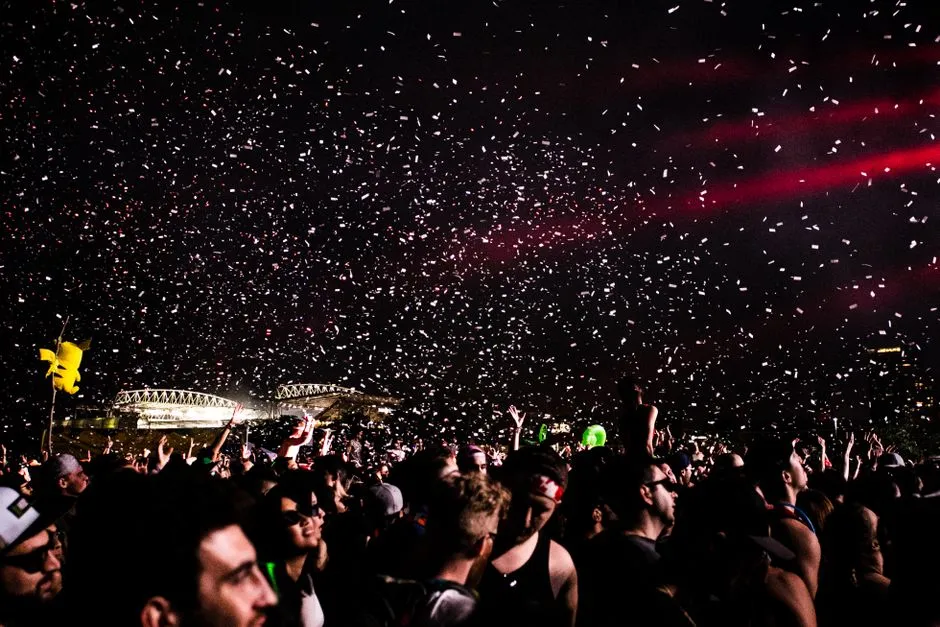
Loud electronic music strongly indicates traits of intensity, high Conscientiousness, and Extraversion. EDM enthusiasts score lower on Agreeableness and generally prioritize goals over relationships. On a road trip, they’ve got a strict schedule and a precise playlist built for maximum energy delivery across the drive’s most demanding stretches.
People with higher extraversion had stronger reactions to upbeat, rhythmic, and electronic music. The electronic music road tripper is less interested in windows-down nostalgia and more invested in the physical sensation of momentum. Every beat drop lines up with the speedometer ticking just slightly over the limit.
Folk and Indie: The Introspective Explorer
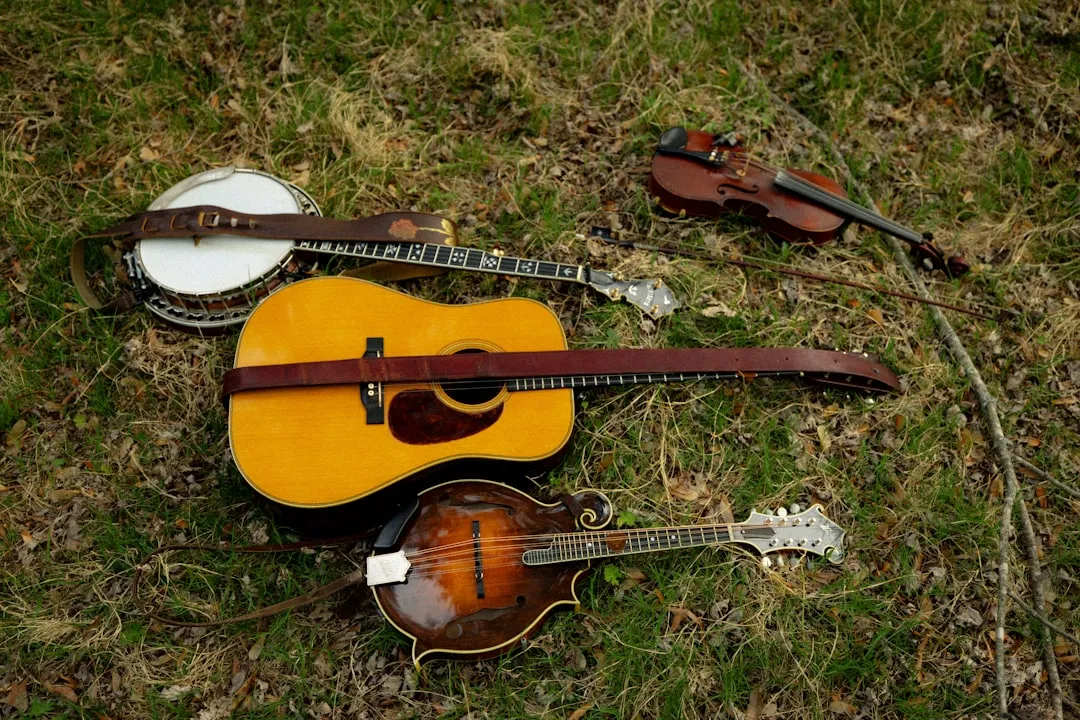
Individuals who prefer artistic obscurity in music score high in Openness and Neuroticism. With emotionally penetrating lyrics and experimental melodies, indie music appeals to the creative intellect. Folk and indie listeners on a road trip tend to choose destinations for their character rather than their convenience. They want to feel something specific when they arrive.
Openness has a positive correlation with atmospheric, reggae, and folk music. Introverts exhibit a pronounced preference for complex and profound music. The folk playlist in the car is often paired with a travel journal on the back seat and a list of off-grid campsites. This listener is traveling inward as much as outward.
Blues: The Emotionally Grounded Wanderer
Fans of blues music are both gentle and at ease with the world, are creative, and outgoing. People who enjoy blues music tend to be more emotionally stable. Blues road trippers have usually been through enough to know that not every stretch of highway needs to be exciting. Sometimes the drive itself is the whole point.
Blues music is potent in both negative and positive mood regulation. There’s a remarkable adaptability to the blues listener’s temperament. They can roll with a flat tire, a closed diner, or an unexpected storm without much complaint. Their playlist reflects a quiet resilience that most travelers quietly envy.
The Bigger Picture: Genre as a Window, Not a Mirror

These trends are not absolute, as individual differences and factors such as culture, education, and experiences can also influence the relationship between music preferences and personality traits. No playlist locks anyone into a fixed identity. People layer genres, shift moods by hour, and curate differently depending on who’s in the car.
Music preferences aren’t just about personality. They’re also influenced by cultural background, emotional needs, and social identity, with music serving as a way to express and connect with social groups. For many people, listening to music is simply part of the driving routine, as ordinary as wearing a seatbelt. We build playlists for road trips, pick songs to stay awake, and turn the volume up when traffic gets stressful. More than four out of five drivers listen to music on most trips.
The Takeaway
Your road trip playlist isn’t just entertainment. It’s a low-stakes self-portrait, assembled in a hurry and played at volume. The genres you reach for in those first quiet miles of an open highway reflect something genuine about how you process the world, manage your emotions, and connect with the people around you.
The research is careful to note these are tendencies, not certainties. But it’s worth paying attention the next time you scroll through your library at the on-ramp. The music you choose says something. The road ahead is long enough to figure out what.
AI Disclaimer: This article was created with the assistance of AI tools and reviewed by a human editor.