
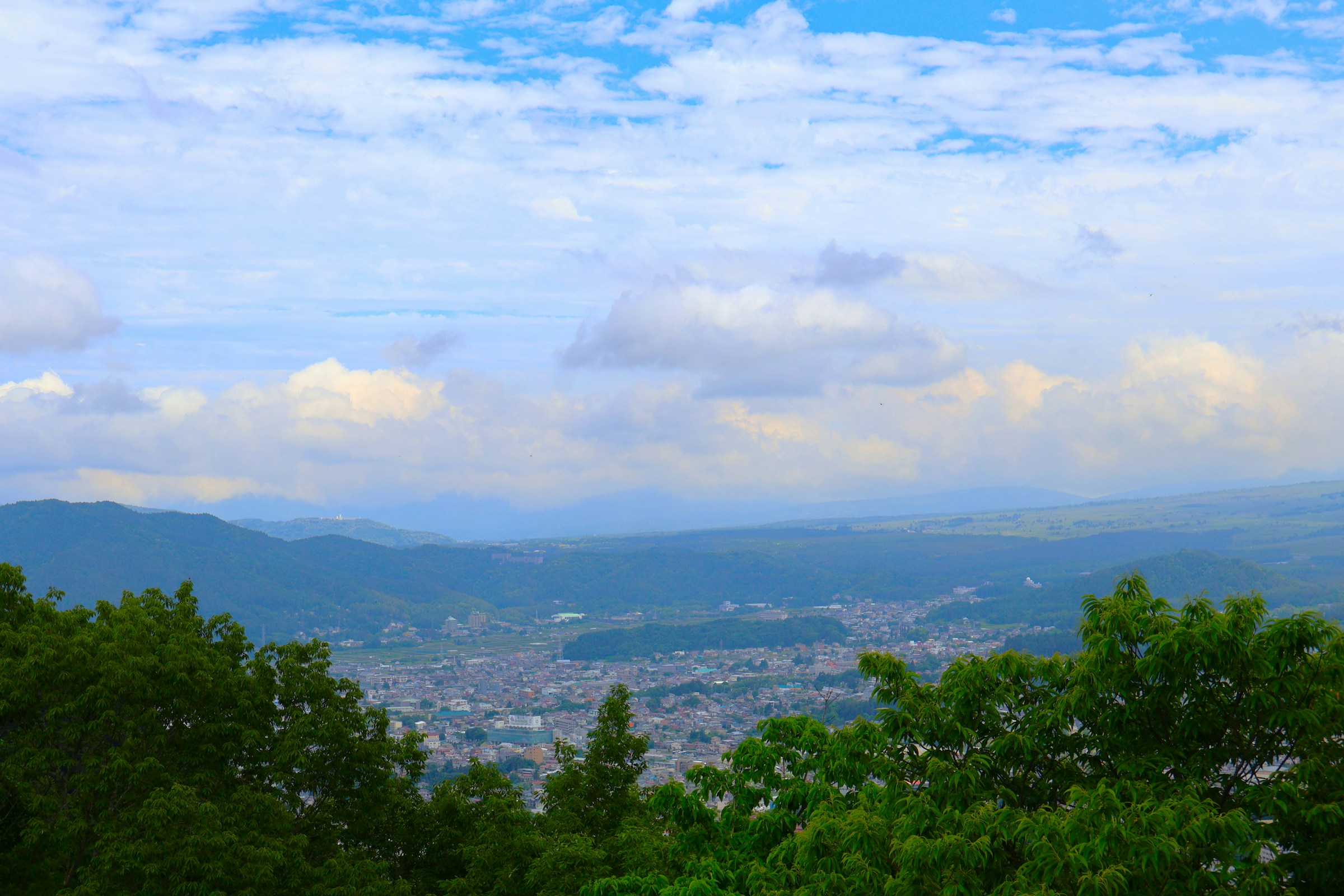

There’s a particular kind of traveler who pulls off the road, steps out of the car, and simply stands there. No phone raised. No caption forming in their head. Just stillness, and a wide view. It’s a small choice, really, but it says something rather interesting about the person making it.
The overlook stop is one of the most underanalyzed rituals in travel. Where you stop, how long you linger, and what you actually do when you get there reflects layers of personality, values, and inner life that go much deeper than route planning.
You Stop at Every Overlook: The Perpetual Wonder Seeker
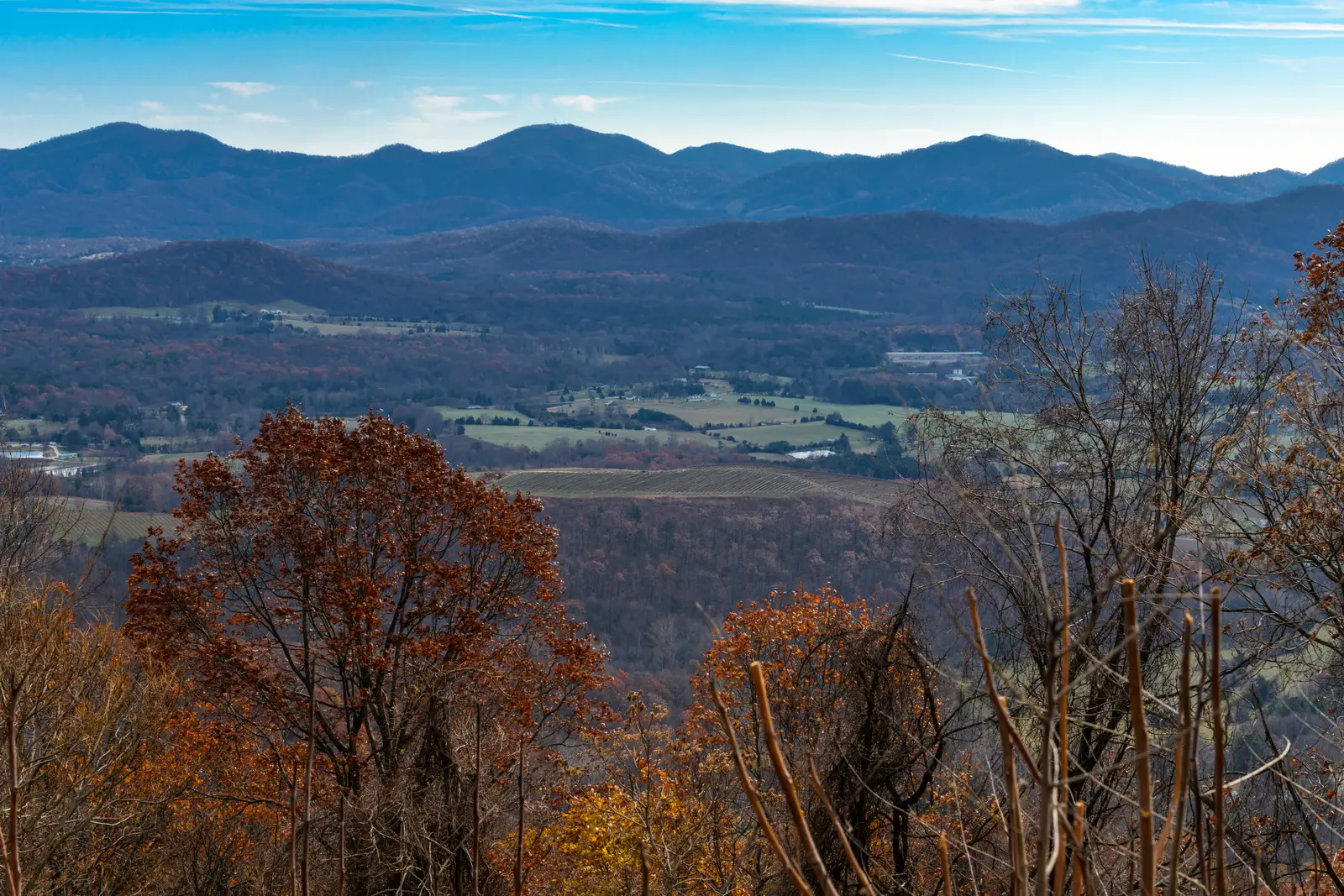
If you’re the type who hits every scenic pullout on the map, there’s a good chance wonder is genuinely hardwired into how you move through the world. Higher levels of nature exposure are associated with greater connectedness to nature and more profound experiences of awe, which in turn are linked to increased subjective well-being. Stopping frequently isn’t just indulgent. It’s psychologically generative.
Awe is an extraordinary emotion felt when encountering exceptional objects, such as vast landscapes, masterpieces in art, or sublime lives. People who actively collect these moments tend to have a more open relationship with uncertainty and novelty. They don’t need to know what’s around the bend to feel comfortable moving toward it.
In a 2012 Psychological Science study, participants who experienced awe felt time expand, which left them less impatient, more generous, and more satisfied with life. That generous, unhurried quality is often exactly what others notice in frequent overlook-stoppers, even back home.
You Only Stop for the “Big” Views: The Achievement Mindset
Some travelers save their pulls for the marquee overlooks: the canyon rim, the summit road, the famous coastal curve. This selectivity is telling. It suggests someone who filters experience through significance and rank, favoring validated highlights over quiet, undiscovered ones.
There’s nothing wrong with this approach, but it does reflect a mindset that tends to measure experience against external standards. The traveler of this type often enjoys a trip more when it aligns with a known reputation, confirming that the detour was “worth it.” Slow travel is more about a mindset than a pace of movement. The achievement-oriented stopper is, in many ways, the opposite of the slow traveler.
The traveler of 2026 seeks connection over consumption. They want to understand the soul of a destination, not just its statistics. The person who only stops at the big views is still catching up to that shift, though the awareness is often already there, quietly nudging.
You Stop, Photograph, and Leave in Under Two Minutes: The Digital Curator

This is perhaps the most recognizable overlook personality of the current era. The car slows, the phone comes out, the shot is taken, and the engine restarts. The stop is real but the presence, arguably, is not. Research from environmental psychology suggests this matters more than it might seem.
Recent studies suggest that even brief exposure to natural environments through windows can mitigate stress and enhance well-being. The catch is that the benefit depends on actual attention. A view experienced entirely through a screen may not confer the same restorative depth as one absorbed with open senses and no mediation.
A key concept driving digital detox travel is the shift from Fear of Missing Out to Joy of Missing Out. Studies like the Digital Detoxification Journey (2024) emphasize how screen-free experiences help travelers embrace the joy of presence. By letting go of digital distractions, you open yourself up to richer experiences, like watching the sunset without needing to capture it. The digital curator has the right instinct in stopping. The deeper invitation is to stay a little longer after the shutter clicks.
You Sit Down and Stay a While: The Restorative Personality

Some people don’t just stop at overlooks. They settle. They find a rock, a bench, or a patch of grass and let the view work on them. This is the traveler most aligned with what environmental psychology has been documenting for decades.
The Attention Restoration Theory, proposed by Rachel and Stephen Kaplan, suggests that nature can help to replenish our mental and attentional capacity. Kaplan believes that nature contains many calming stimuli, which he describes as “soft fascinations,” for example, clouds moving across a sky or leaves rustling in the wind. These aesthetically pleasing natural elements have the ability to attract and hold an individual’s attention effortlessly and, to some extent, involuntarily. His theory suggests that experiencing a natural environment that doesn’t require any direct focus, but effortless reflection, can allow the attention system to recover from depletion.
The person who stays at the overlook long enough for the view to become familiar is, knowingly or not, practicing one of the most effective forms of mental recovery available. They tend to return from trips genuinely rested rather than merely satisfied they ticked the boxes.
You Skip Overlooks Entirely and Prefer Being in the Landscape: The Immersive Thinker
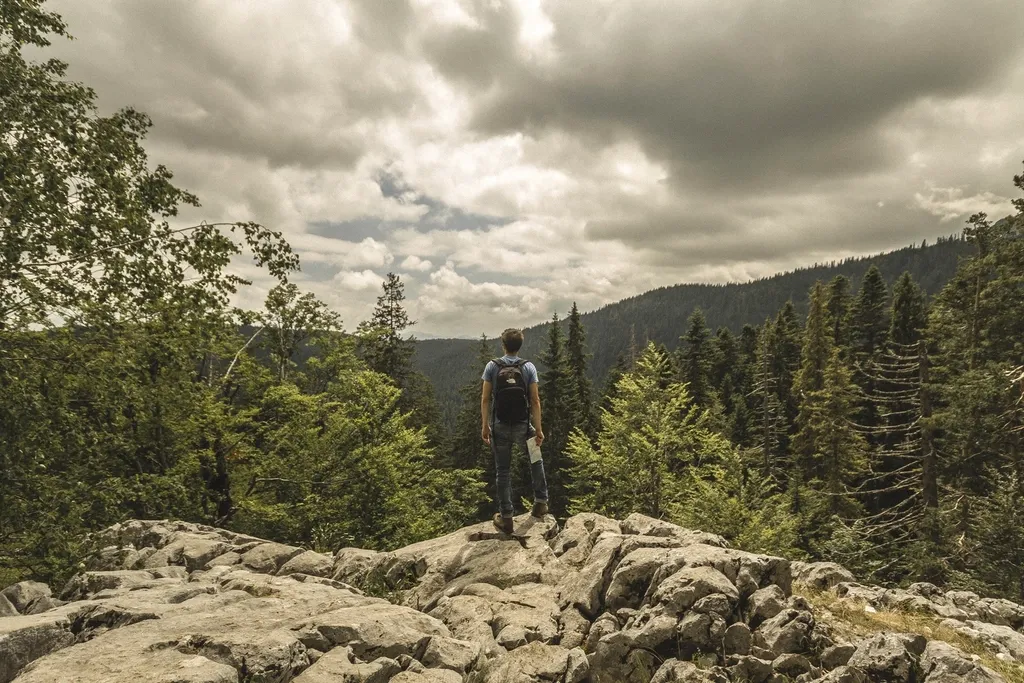
There’s a certain traveler who finds overlooks slightly beside the point. Why observe a forest from above when you can walk through it? This preference for immersion over observation reflects a fundamentally participatory worldview. The experience only feels real when it’s surrounding you, not framed in front of you.
In 2022, researchers found that after a one-hour forest walk, 63 adults showed lower amygdala activity, the brain’s alarm center, during stress tasks than those who walked in a city. The immersive thinker is, without knowing the neuroscience, following exactly the right instinct for their nervous system.
Human exposure to natural settings has been shown to be associated with psychological and psychophysiological positive effects, such as stress reduction, improvement of moods, and mental health. For this traveler, being inside the landscape isn’t stubbornness. It’s a refined understanding of how they personally restore.
You Stop at Overlooks Only When Traveling With Others: The Social Connector

Some people would drive straight past every scenic pullout alone but stop readily when there’s someone else in the car. The overlook becomes a shared moment rather than a solitary one. This behavior points to a deeply relational inner life, one that finds meaning through witness and company.
This isn’t a lesser form of nature appreciation. For psychological health, the ability to pause in fascination or wondering awe, as an indicator of mindful resonance with nature, appears particularly relevant. That resonance can be amplified or even unlocked by the presence of another person who shares the view.
Social connectors often remember the overlook stops of their lives not by the landscape itself, but by who was standing beside them. The view and the relationship become inseparable in memory, which is actually a richer kind of travel experience than it might first appear.
You Research Overlooks in Advance: The Intentional Traveler
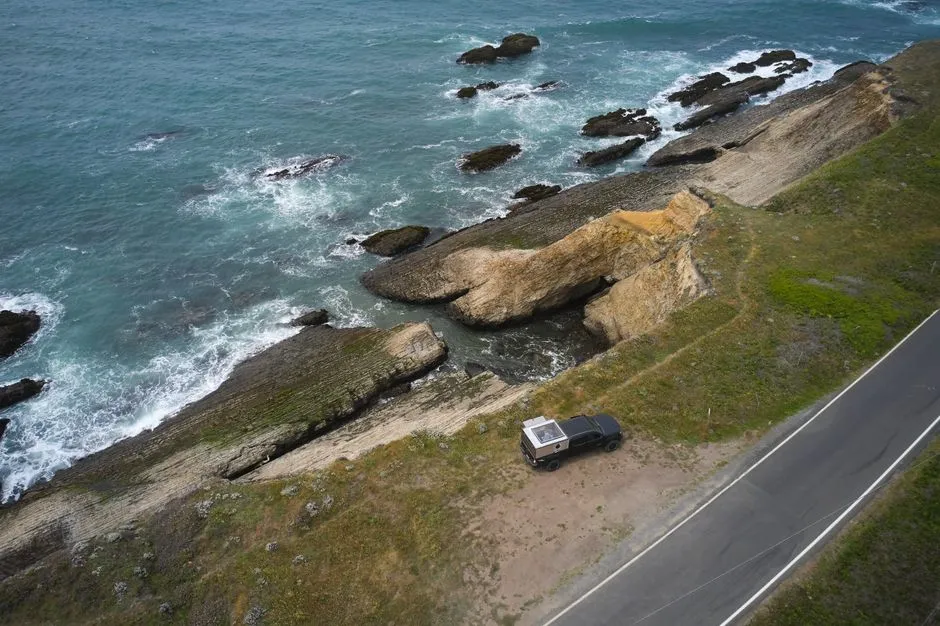
This is the person who looked up the best roadside pullouts before leaving home. The ones with the right light in the afternoon, or the ones that avoid the tour-bus crowds. It might seem like over-planning, but it actually reflects something admirable: a genuine commitment to depth over accident.
Slow travel, which often means staying in fewer places or immersing in a local culture for an extended time, is gaining popularity, according to 2025 trend reports from Hilton and Booking.com. Listed as a top trend in the Hilton 2025 Trends Report, slow travel emphasizes a more mindful and immersive travel experience. The overlook-researcher is a natural extension of this movement.
Hilton’s 2025 trends report found that nearly three-quarters of travelers are seeking out authentic, local experiences. The intentional traveler has simply applied that philosophy to something as spontaneous-seeming as a roadside stop. The preparation is in service of presence, not performance.
You Choose Overlooks Based on How Quiet They Are: The Solitude Seeker
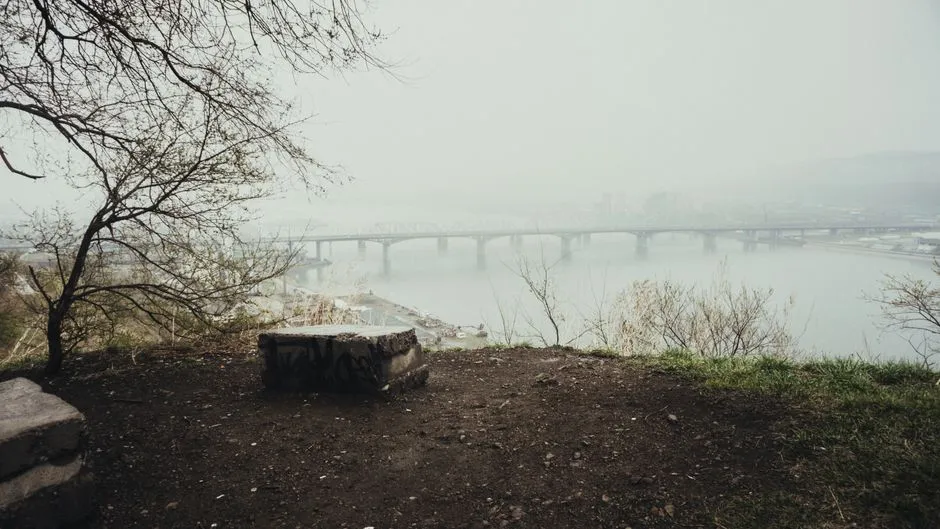
Some travelers would rather skip a famous panorama entirely than share it with a crowd. They instinctively scan for the unmarked pull-off, the overlook without a railing, the spot that requires a short walk to reach. This isn’t misanthropy. It’s a specific form of sensory literacy.
A 2023 diary study tracking 269 adults for 22 days found that on days when people experienced more awe, they reported less stress, fewer physical complaints, and greater well-being. For the solitude seeker, awe requires a certain quality of quiet. Noise and crowds don’t prevent the emotion, but they do dilute it for people wired this way.
Slow travel isn’t just about ecology. It’s also a remedy for modern stress. After years of juggling work and personal obligations, travelers are seeking genuinely restful vacations. Packed schedules are being replaced by longer, gentler stays focused on well-being. The quiet-overlook seeker intuitively grasps this, even if they’ve never read a single travel trend report.
You Always Look for Context Before You Look at the View: The Curious Learner
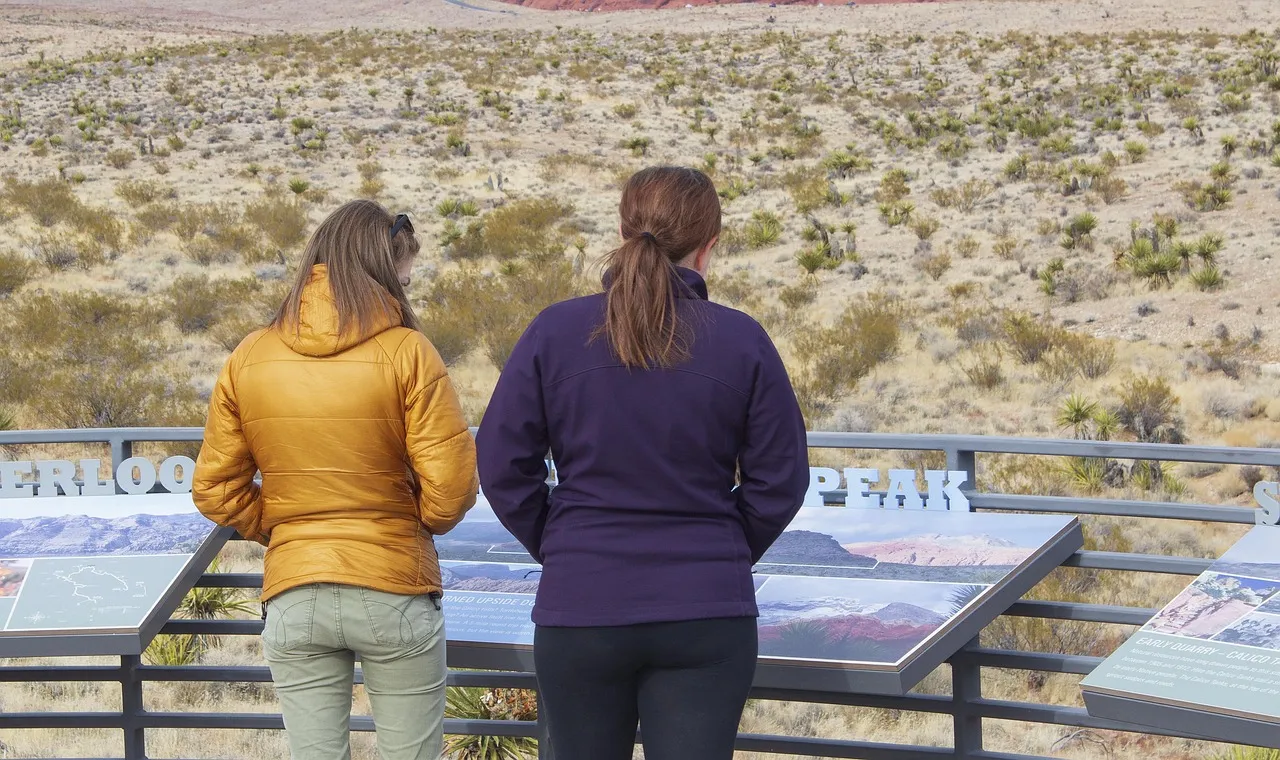
This traveler reads the interpretive sign. Every single one. They want to know the geological age of the rock formation, the name of the river winding below, and which Indigenous communities have called this land home. The view becomes richer once it’s understood, not just seen.
Travel preferences depend a lot on our personalities. The curious learner’s instinct to contextualize is a form of respect, actually, one that turns a passive viewing experience into something more like a conversation with a landscape. They tend to be the travelers who remember what they’ve seen long after others have forgotten.
This mindset also pairs naturally with responsible travel. Understanding a place’s ecology, history, and living culture creates the kind of informed care that leads to better behavior on the land. The interpretive sign reader is often quietly one of the most ethical visitors at any overlook.
You Feel a Pull to Return to the Same Overlook Year After Year: The Roots-Seeker
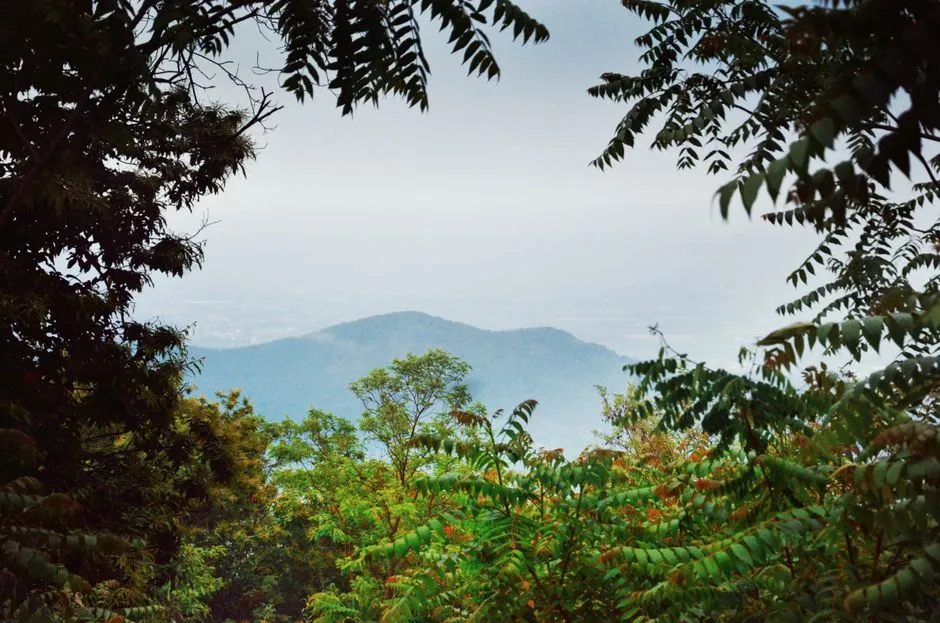
Perhaps the most quietly profound overlook personality is the one who returns. Not to explore something new, but to revisit. There’s a particular roadside ridge, a specific coastal bluff, or a mountain curve they’ve stopped at a dozen times across as many years. The view is familiar. That’s entirely the point.
The more daily awe people experienced, the less stress, less somatic health symptoms, and greater well-being they felt. For the roots-seeker, a known landscape offers a different kind of awe: the awe of continuity, of belonging, of a world that still holds its shape. It’s a quieter feeling than the gasp of a first view, but arguably a deeper one.
These moments might feel fleeting, but scientists say they can leave lasting imprints on the body and mind. The returner knows this intuitively. They come back because the imprint has already been made, and standing there again feels like touching something that matters.
The Larger Truth Behind Every Stop

Whatever type of overlook stopper you are, the research is fairly consistent on one point: the impulse to pause at a wide view is worth honoring. A 2023 Harvard study found that just 15 minutes in nature can improve mental health, underscoring how quickly awe can soothe stress and alter our physiology. The brief stop at the pullout is not a detour. It’s often the most restorative part of the whole trip.
For psychological health, the ability to pause in fascination or wondering awe, as an indicator of mindful resonance with nature, appears particularly relevant. The overlook is essentially a structured invitation to do exactly that, a moment the road builds in for you whether or not you take it up.
How you respond to that invitation, whether you linger or rush, photograph or simply stand, seek solitude or share it, is less a matter of preference than a reflection of something more fundamental about how you inhabit time. That’s worth knowing about yourself. And it might be worth adjusting, just slightly, the next time a scenic pullout appears on the right.
AI Disclaimer: This article was created with the assistance of AI tools and reviewed by a human editor.