


Every time you search for a place to stay, you’re making a quiet statement about yourself. It’s not just about a bed for the night. Where you choose to sleep on vacation often reveals how you handle comfort, risk, routine, and freedom in your everyday life.
From the reliable hotel lobby to a safari tent pitched beneath the stars, the lodging market has never offered more choices. Researchers, travel platforms, and hospitality analysts have paid close attention to the patterns, and what they’ve found is genuinely revealing.
The Classic Hotel Guest: You Trust Structure and Crave Consistency
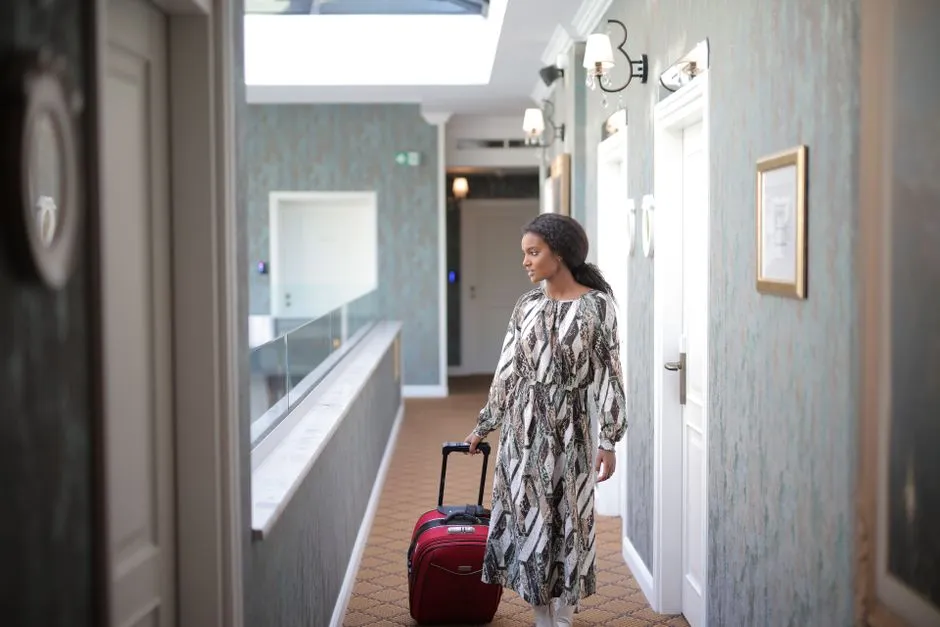
Thanks to their consistent service, convenience, and familiar structure, hotels and motels continue to be the top accommodation choice for vacationers. There’s a reason for that staying power. Hotel loyalists tend to value predictability and don’t see that as a flaw.
Amenities, no cleaning rules or fees, and easy booking and cancellation are the top three reasons Americans prefer hotels to short-term rentals. That preference tells you something real: these travelers budget their mental energy carefully. They want a clean room, a working shower, and no surprises.
Business travelers prefer to book a hotel to ensure their work is not affected by their stay. Hotels have standardized services, amenities, and facilities travelers know will be available. Whether traveling for work or leisure, hotel guests tend to be organized, efficiency-minded, and genuinely appreciative of someone else handling the logistics.
The Airbnb Devotee: You’re Curious, Community-Minded, and Flexible
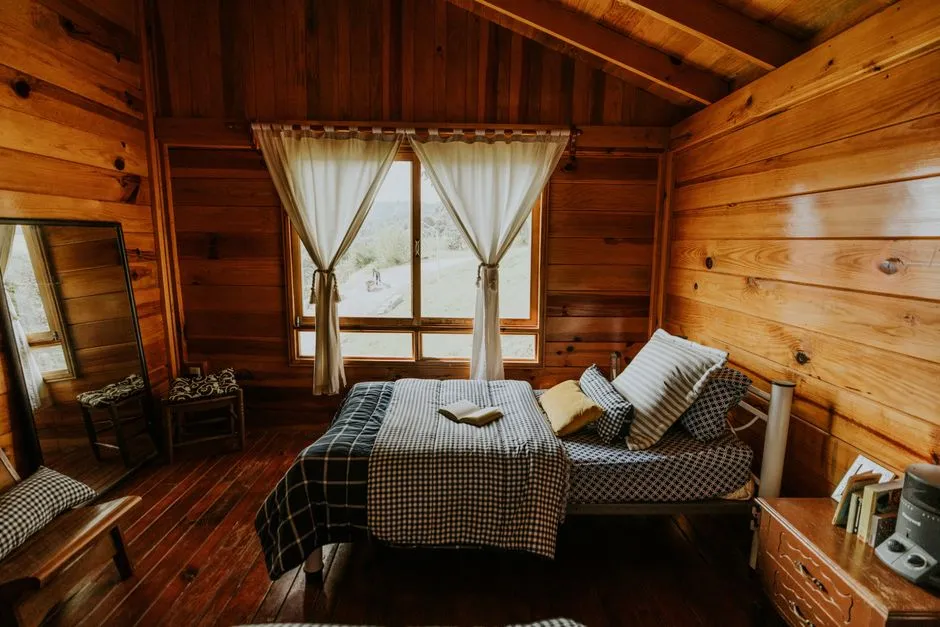
Airbnb tends to attract travelers who are price sensitive, are not invested in hotel loyalty programs, and who seek more intensive interactions with local cultures. These aren’t just budget-conscious choices. They reflect a worldview that says experiencing a place authentically matters more than a minibar.
Thirty-nine percent of guests feel staying in a home within a hometown rather than a tourist area is a better way to experience local culture. Airbnb regulars tend to lean into the texture of a neighborhood, shopping at local markets and eating where the residents eat. It’s travel as immersion, not tourism.
Short-term rentals through platforms like Airbnb and Vrbo are surging among Millennials and Gen Z, with one in four travelers planning to stay in one. These rentals cater to travelers seeking local experiences and unique properties, from mountain cabins to urban lofts. The profile that emerges is someone who is adventurous, socially aware, and unafraid to trade a hotel breakfast buffet for a kitchen full of local ingredients.
The Luxury Hotel Lover: You Value Being Seen, Served, and Celebrated
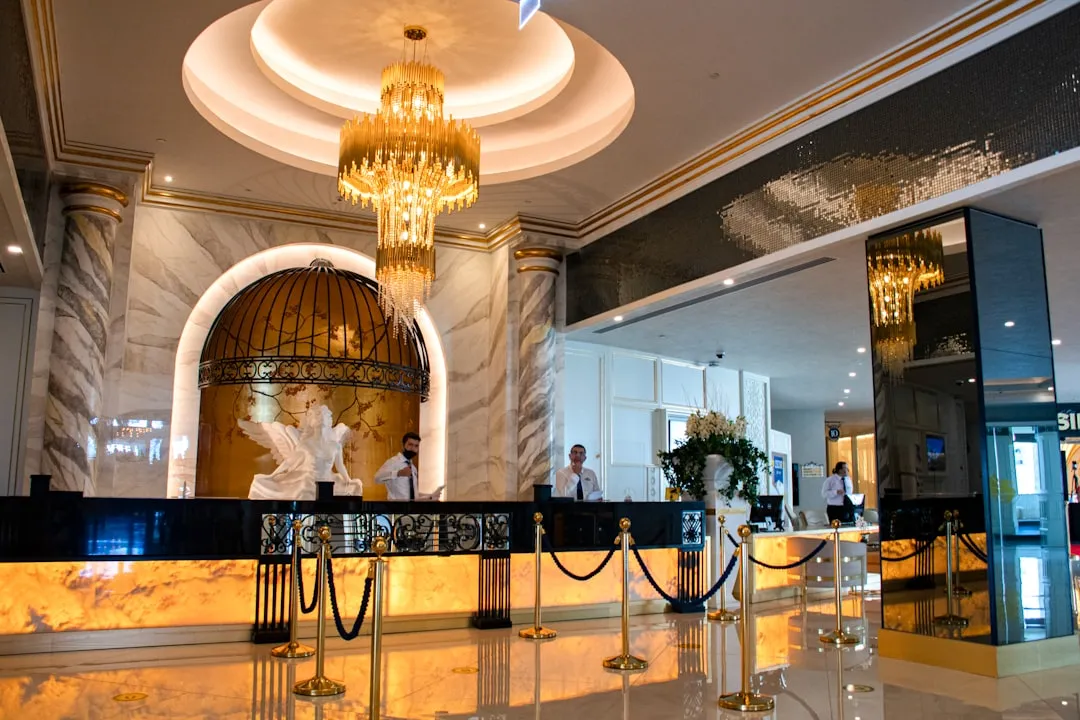
Once synonymous with excess, luxury has now become an expression of intention: the choice to spend time well. Today’s affluent travelers value privacy, space, and emotional connection over status and display. The modern luxury guest is less interested in showing off and more interested in feeling deeply cared for.
Today, personalization has become the heart of luxury. Travelers no longer see personalized aspects of travel and hospitality experiences as an added perk but as a meaningful part of how they feel seen and valued. This speaks to a guest who invests heavily in quality across all areas of life, from food to fashion to how they spend their days off.
The luxury tourism market is on track to hit $1.2 trillion by 2026, driven by Gen X and Millennial demand for exclusivity. Interestingly, McKinsey estimates that around 80 percent of luxury leisure travelers are under 60, with spending peaking between ages 40 and 50. Luxury hotel guests are often people who have worked hard for what they have and want travel to reflect that.
The Glamper: You’re an Idealist Who Refuses to Sacrifice Comfort for Adventure
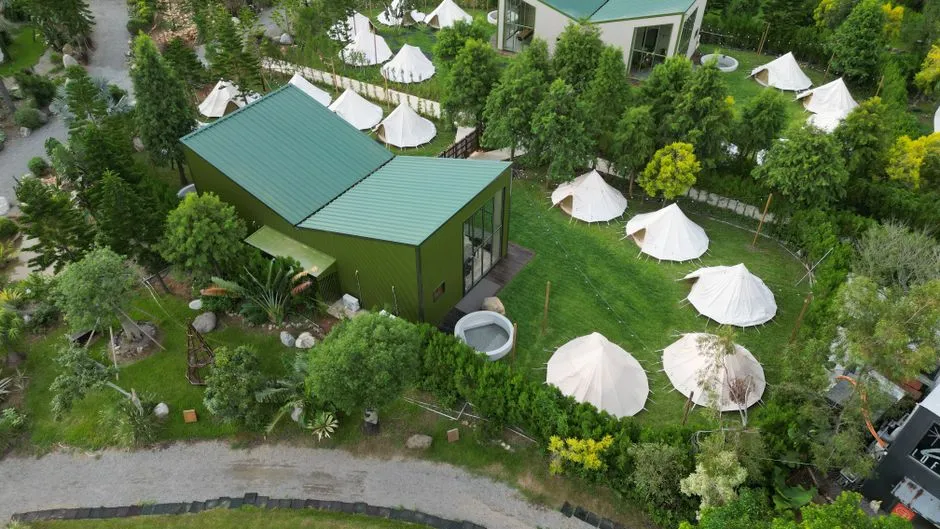
The global glamping market size was valued at $3.8 billion in 2025 and is projected to grow from $4.2 billion in 2026 to $7.9 billion by 2033, at a CAGR of 9.5%. That kind of growth doesn’t happen by accident. Glamping has struck a real nerve with a particular kind of traveler.
In 2024, glampers are more interested in taking trips that include natural events, food tourism, all-inclusive outdoor resorts, agritourism, and wellness travel. Enhancing physical and mental well-being is also a heightened interest of the glamper, many seeking experiences such as water-based experiences, outdoor yoga or meditation, and mindful strolls.
Glamping among the 18 to 32 age group accounted for a revenue share of nearly 44 percent in 2025, which is largely driven by millennials and Gen Z’s inclination toward unique, experience-based travel. These younger generations prioritize adventure, nature, and social media-friendly experiences, which glamping fulfills with its blend of outdoor settings and luxury accommodations. The glamper, in short, wants it all – and is willing to plan for it.
The Traditional Camper: You’re Self-Reliant, Grounded, and Deliberate
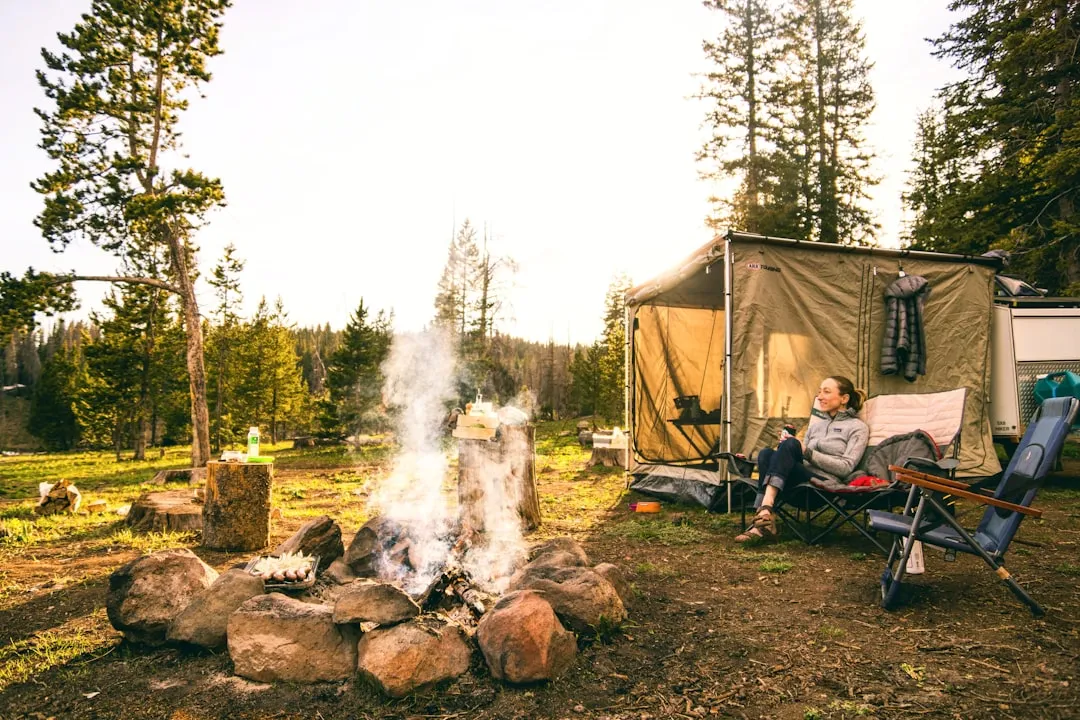
Over 11 million new households camped in 2024 compared to 2019, creating a very noticeable evolution in camping participation. Traditional camping has seen a sustained resurgence that goes beyond trend. For many families, it represents a genuine lifestyle value – slowing down and stepping away from the noise.
Camping and outdoor hospitality remain affordable for both campers and leisure travelers, making it a popular choice for vacations even in uncertain times. Still, affordability isn’t the whole story. Campers and leisure travelers alike are focusing on experiences that enhance their overall well-being, expressing a desire to slow down and be fully present in the moment.
Eight in ten campers say rising travel costs have impacted their trips, but instead of canceling plans, they choose to prioritize low-cost activities like campfires, hiking, and nature walks. That kind of resilience and adaptability is a reliable marker of the camping personality type: creative, resourceful, and deeply connected to what actually matters.
The Vacation Rental Family Planner: You Prioritize Space, Privacy, and Value

Of those choosing vacation rentals, most cite superior value for their money as their primary motivation, while private amenities and expanded living space follow closely behind. This lodging preference is strongly tied to a family-first mindset. The kitchen, the extra bedrooms, the shared living room – these things transform a trip from a stay into a home.
Among Airbnb and Vrbo loyalists, 75 percent say having more room and privacy is their top reason for choosing a rental, while 68 percent appreciate access to kitchens and home-style amenities. Another 56 percent say vacation rentals are better suited for larger groups or families.
The market in North America is driven by a combination of factors, including the increasing demand for unique and personalized travel experiences, the growth of digital platforms like Airbnb and Vrbo, and the shift in traveler preferences towards home-like amenities and flexible accommodation options. Economic factors such as rising disposable incomes and the proliferation of remote work have also contributed to this trend, enabling more frequent and extended travel. The vacation rental family planner is practical and strategic, balancing everyone’s needs without cutting corners on quality.
The Resort Seeker: You’re Social, Fun-Loving, and Deeply Committed to Enjoyment
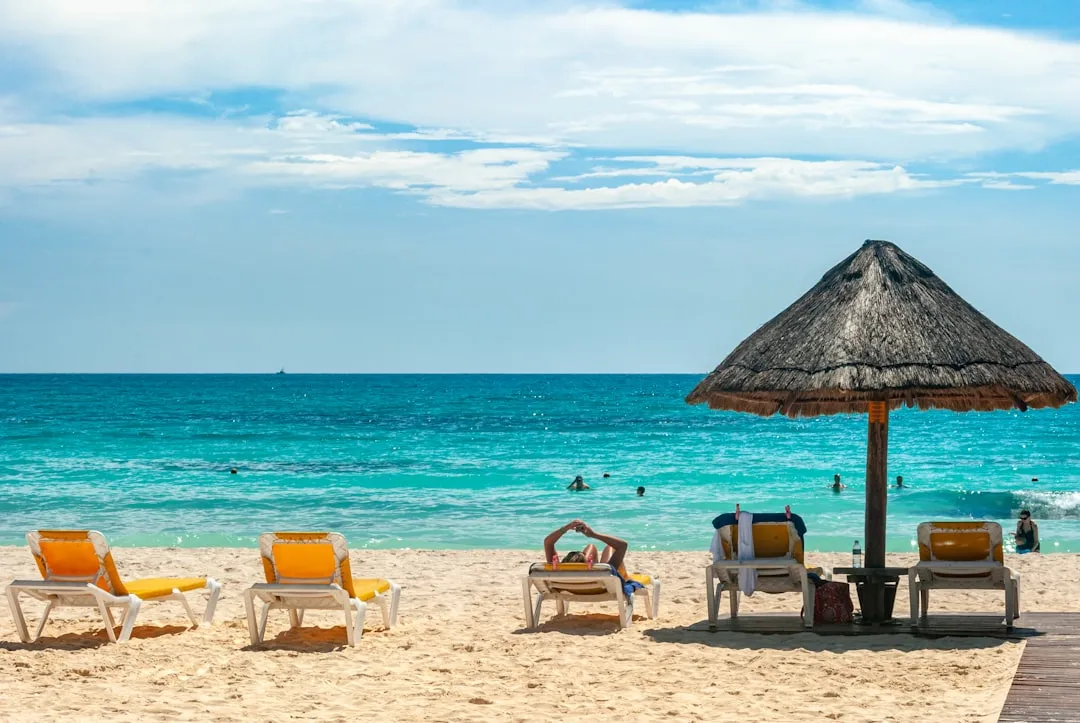
Resort guests want the full package, and they’re unapologetic about it. The swim-up bar, the evening entertainment, the organized activities – none of that is considered excessive. It’s the point of the trip. This is a traveler who genuinely knows how to switch off.
When travelers chose where to vacation in 2024, the factors that held the most importance were the destination itself, cost, and the experiences or activities available. Resort travelers tend to weight the activity factor especially heavily. They want a schedule packed with options, even if they ultimately choose to do nothing at all.
Fun and adventure tops the list among this year’s travelers, followed by rest and relaxation and visiting family and friends. Consumers taking a summer vacation are more than twice as likely as those not taking one to say that traveling for pleasure is important to them. Resort loyalists embody this philosophy most completely. For them, vacation is not a luxury – it’s a necessity they protect and plan for all year.
The Boutique and Unique Stay Enthusiast: You’re Creative, Curious, and Quietly Unconventional
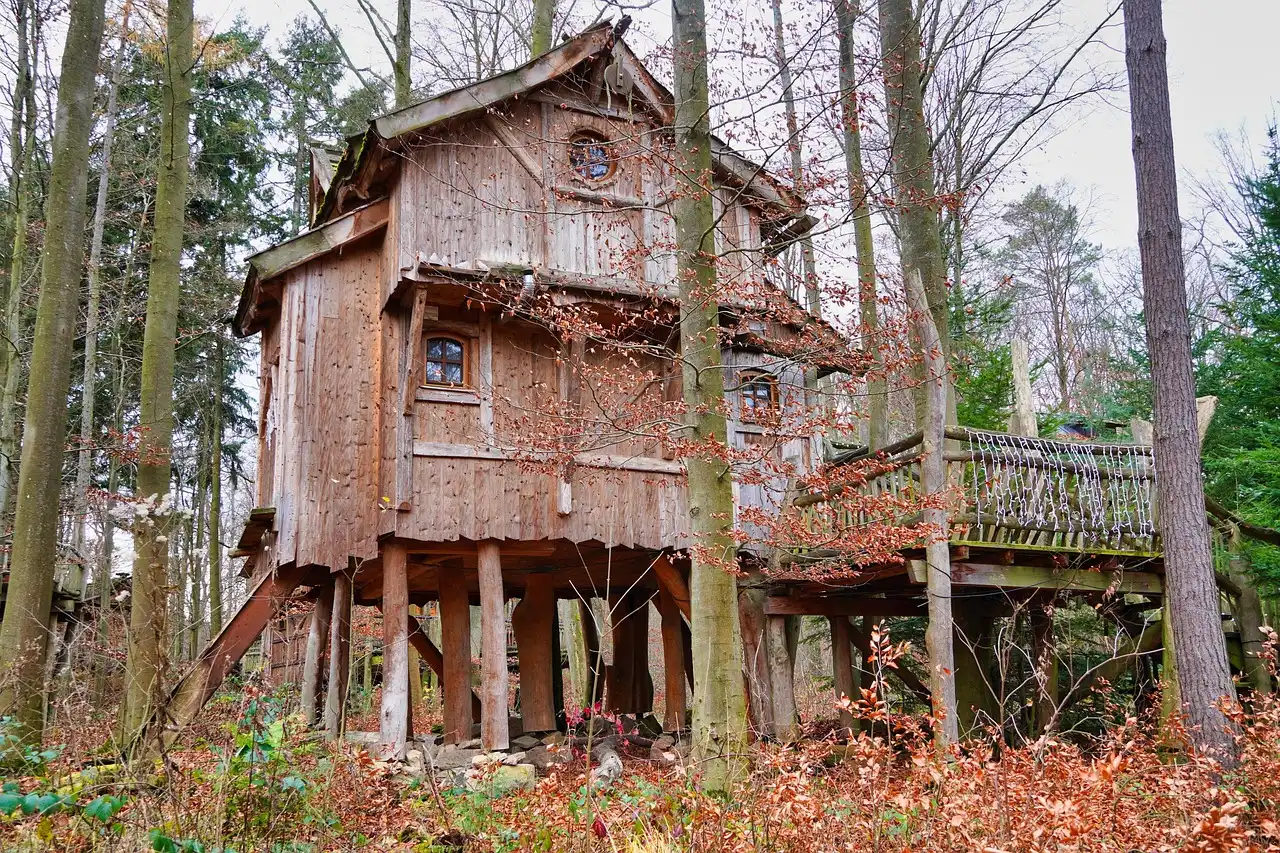
Demand is rising for unique and themed properties, including eco-friendly homes, luxury villas, boutique-style apartments, and culturally immersive stays, positioning holiday rentals as experience-driven alternatives rather than places to stay. The traveler drawn to treehouses, converted barns, and design-forward boutique hotels is telling you something about who they are on a Tuesday afternoon, too.
Travelers don’t want the same old thing anymore when they travel. Their tastes, needs, and desires have evolved in some very unique directions. Booking.com’s research echoes this shift, noting that there is a growing focus on personal growth and meaningful experiences. From baby boomers taking on thrill-seeking adventures to men prioritizing mental wellbeing, travel is becoming more about self-discovery and deep connections.
The boutique lodging guest tends to research deeply, share photos thoughtfully, and remember stays for years. They choose lodging the way a reader chooses a book: deliberately and with high expectations for what the experience will open up in them.
The Road Tripper Who Stays Wherever Fits: You’re Spontaneous, Independent, and Deeply Self-Directed
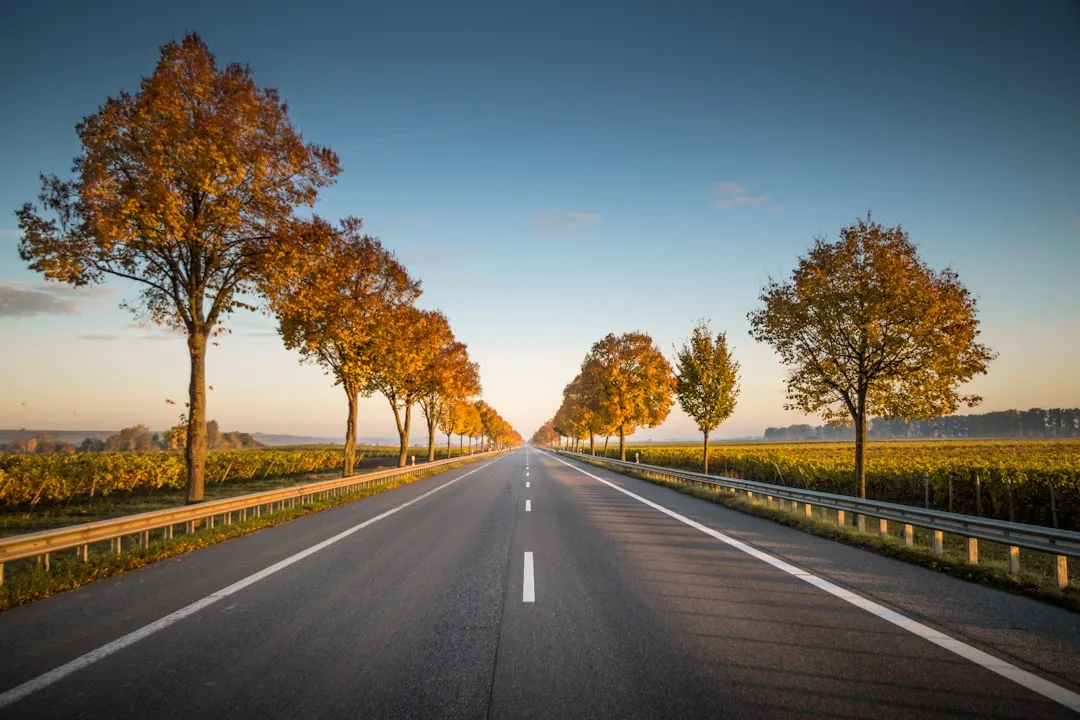
Road trips were the most popular form of travel in 2024, along with slow travel and multi-generational family trips. In fact, road trips are still topping the charts and are set to be among the hottest travel trends for 2025, with roughly a third of travelers planning to take one. These travelers mix motels, campgrounds, quirky inns, and friends’ couches without much stress about it.
The short-term rental market continues to grow exponentially with both supply and demand at an all-time high. Domestic travel, especially in drive-to markets, remains steady even in the current economic climate. The road tripper’s accommodation choices shift with the moment. A roadside cabin one night, a quirky motel the next.
What defines this traveler isn’t a lodging type but a refusal to over-plan. They’re comfortable with not knowing exactly where they’ll end up, which says quite a lot about their relationship with control and certainty in everyday life. Freedom is the real amenity they’re booking.
The Wellness Retreat Guest: You’re Intentional, Health-Conscious, and Inwardly Focused

Wellness has become central to luxury, expanding beyond spas to encompass rest, mindfulness, and longevity-focused living. The traveler who seeks out a wellness retreat isn’t necessarily wealthy. They’re purposeful. They’ve decided that rest is productive and that investing in inner health is as valid as any other priority.
Modern luxury emphasizes experiential and wellness-focused travel, with trends like quiet luxury prioritizing substance and sustainability. This aligns with a broader cultural shift away from performative travel. The wellness retreat guest isn’t posting much on social media. They’re breathing.
Rather than focusing solely on exclusivity, the new affluent traveler seeks value in meaningful experiences, emotional connections, and environmental responsibility. Wellness retreat guests embody this shift. They spend deliberately, choose places that align with their values, and return home feeling genuinely restored rather than simply rested.
What Your Lodging Preference Really Tells the World

There’s no lodging type that’s superior to another. Lodging preferences reveal what travelers value most, whether that’s affordability, flexibility, comfort, or a full-service experience. That’s precisely what makes these choices so honest.
The market itself reflects the full spectrum of human personality. In 2025, travelers are throwing the rulebook out the window, rejecting traditional expectations around age, gender, and what a typical vacation should look like. The lines between categories are softening. A luxury traveler might glamp. A budget camper might splurge on one boutique night.
Your favorite kind of place to stay is a window into how you navigate the world when no one is watching. It’s where your instincts take over, and your values show up on a reservation confirmation. That, perhaps, is the most telling travel statistic of all.
AI Disclaimer: This article was created with the assistance of AI tools and reviewed by a human editor.