


There’s something quietly revealing about what you order before you’ve even had your first cup of coffee. The local diner is one of those rare social spaces where people are completely themselves: no one’s performing, no one’s trying to impress. You sit down, you scan the laminated menu you already have memorized, and you order the same thing you almost always order.
That pattern is worth paying attention to. Research into breakfast habits and personality, including work overseen by Dr. Sandi Mann, a Senior Lecturer in Psychology at the University of Central Lancashire, suggests that our breakfast choices are influenced by a mix of subconscious motives, learned preferences, innate behavior, and conditioned learning. What follows is a grounded look at ten common diner orders and what the science of personality and food behavior suggests they might say about who you are.
The Bacon and Eggs Classic: You’re a Traditionalist Who Trusts What Works
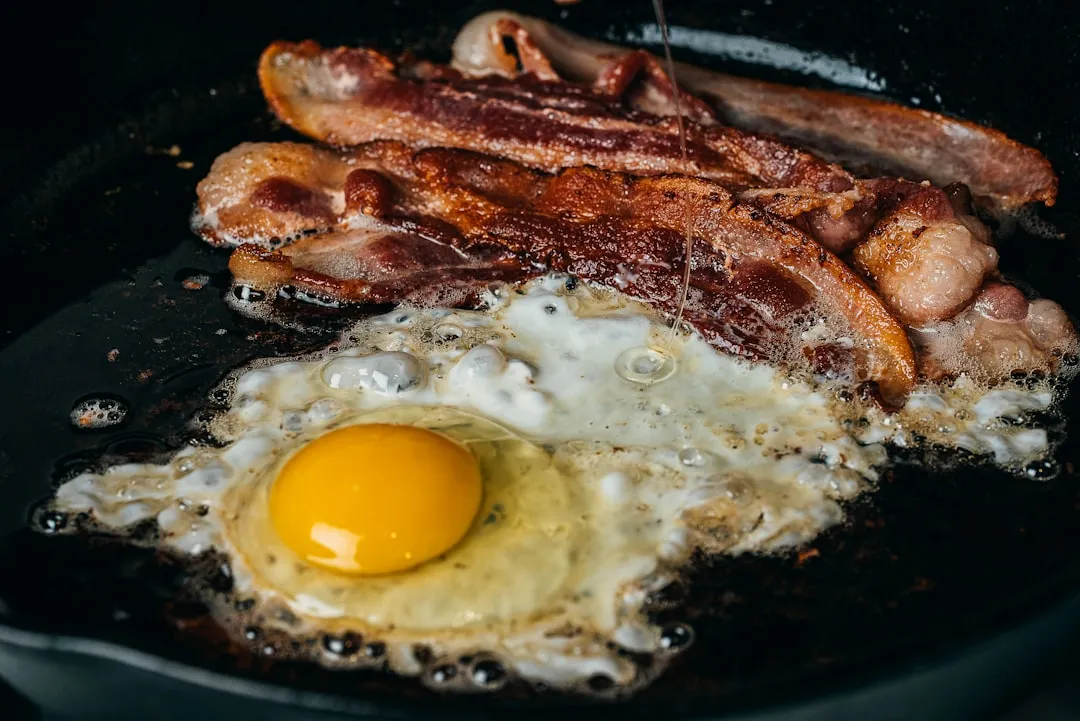
There’s a reason this plate has anchored diner menus for generations. If you always come back to it, you’re likely someone who values reliability over novelty. You don’t need to reinvent the wheel every morning, and you find comfort in things that are tried and true.
Research published in the personality and eating space found that conscientiousness, extraversion, and agreeableness predicted healthy breakfast attitudes and behaviors, while neuroticism predicted unhealthier ones. The bacon-and-eggs devotee tends to score well on conscientiousness: they’ve found their system and they stick with it.
Conscientious people gravitate toward orderly routines, and a 2022 study in Frontiers in Psychology found conscientiousness was the Big Five trait most strongly associated with regularly eating recommended foods and sticking to consistent meal patterns. Choosing the same hearty plate day after day isn’t a lack of imagination. It’s a personality signature.
Pancakes with Syrup: You’re Warm, Nostalgic, and Emotionally Generous
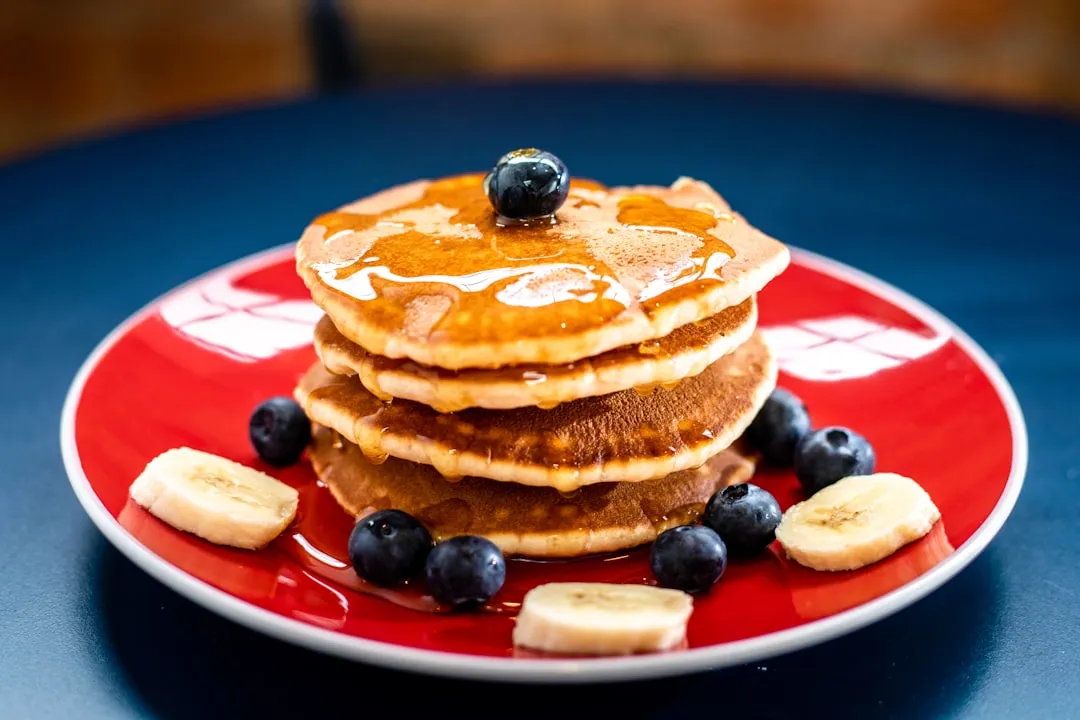
Pancakes are seldom about hunger alone. They carry memory: Saturday mornings, childhood kitchens, someone who made them just for you. If this is your go-to diner order, you probably hold onto the past with some fondness and you’re the kind of person others feel immediately comfortable around.
People who enjoy traditional breakfast foods like pancakes tend to have comforting, warm personalities, often reminiscing about childhood memories that involve family breakfasts and a sense of nostalgia. That emotional orientation isn’t weakness. It’s a form of social intelligence.
Breakfast is increasingly understood as emotionally framed, not just nutritionally defined. According to Mintel research, a large majority of daily breakfast eaters say eating a healthy breakfast gives them a sense of satisfaction, signaling that breakfast functions as a psychological anchor and a moment of routine and self-regulation. For the pancake person, that anchor is warmth itself.
The Veggie Omelette: You’re Health-Conscious and Quietly Goal-Oriented
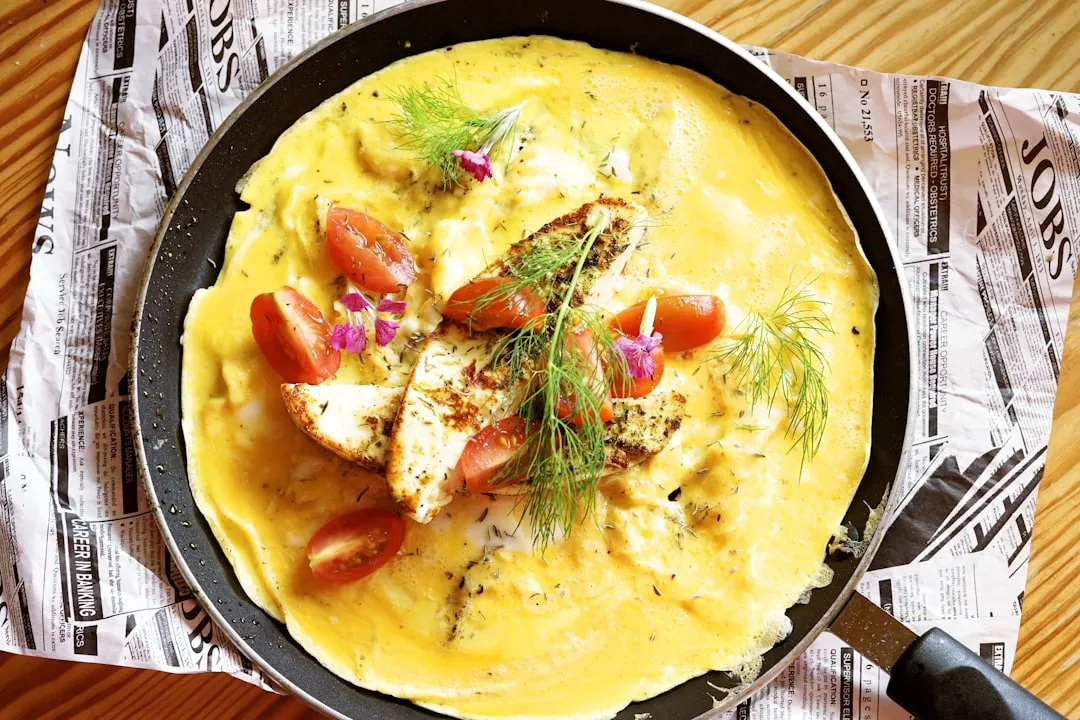
You didn’t come to the diner to indulge. You came because it’s convenient and you still want a good meal on your terms. The veggie omelette order signals someone who plans ahead, reads labels at the grocery store, and probably has a workout scheduled later.
Research using path models found that high openness to experience was associated with higher fruit, vegetable, and salad consumption and lower meat and soft drink consumption. The customized omelette loaded with spinach, mushrooms, and bell pepper fits squarely in that pattern.
Researchers have explored how the Big Five Personality Traits, a widely accepted model encompassing basic dimensions of personality, influence food consumption and healthy eating habits. The five traits are Openness, Conscientiousness, Extraversion, Agreeableness, and Neuroticism. Openness in particular shows up consistently in people who seek variety and nutritional intention in their meals, even at a classic greasy-spoon counter.
Oatmeal: You’re Disciplined, Future-Focused, and Quietly Confident
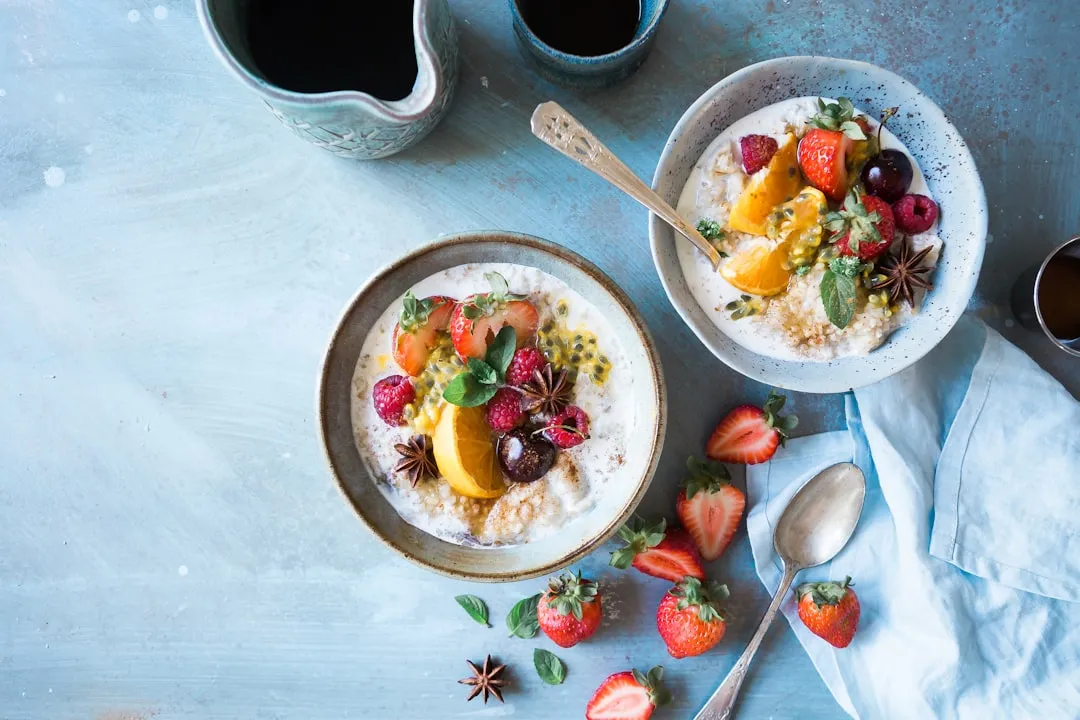
Ordering oatmeal at a diner is a minor act of willpower. The French toast is right there on the menu, glistening. You order oatmeal anyway. That says something real about your relationship with delayed gratification and long-term thinking.
Compared to consumers of other breakfast types, oatmeal consumers consistently show higher overall diet quality, higher whole grain intake, and higher fiber and magnesium intakes. The person who chooses it isn’t just being cautious. They’ve internalized a value system around how they fuel themselves.
Breakfasting frequency was found to correlate with conscientiousness, wellbeing, and general health, and multivariate analysis identified conscientiousness, cognitive restraint, and age as making unique contributions to predicting breakfast frequency. Oatmeal eaters tend to score high on all three. They’re playing the long game, and they know it.
The Full Stack with Sides: You’re Extroverted, Abundant, and Fully Present
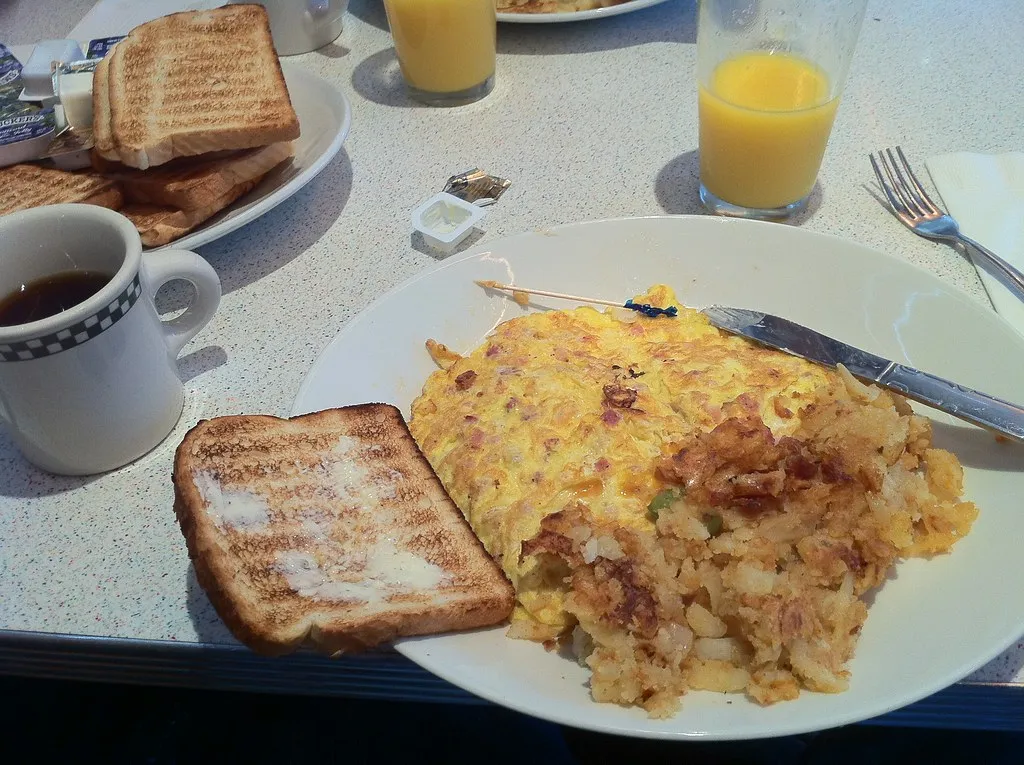
You didn’t come here to nibble. A full diner spread, eggs, pancakes, bacon, hash browns, toast, signals someone who shows up to life with both hands open. You’re likely the one at the table who talks the most, laughs the loudest, and insists on splitting everything.
Extraversion relates to how people interact with others and how much they enjoy socializing. People high in this trait are typically social, talkative, and energetic, thriving in social settings and seeking fun. The big breakfast order mirrors that energy directly.
Research has linked extraversion to the consumption of sweet and salty foods, meat, and soda. A full diner spread hits nearly every one of those notes. It’s worth noting this doesn’t imply recklessness. It reflects an appetite for experience that extends well beyond the plate.
Avocado Toast (Yes, Some Diners Have It Now): You’re Trend-Aware and Identity-Conscious
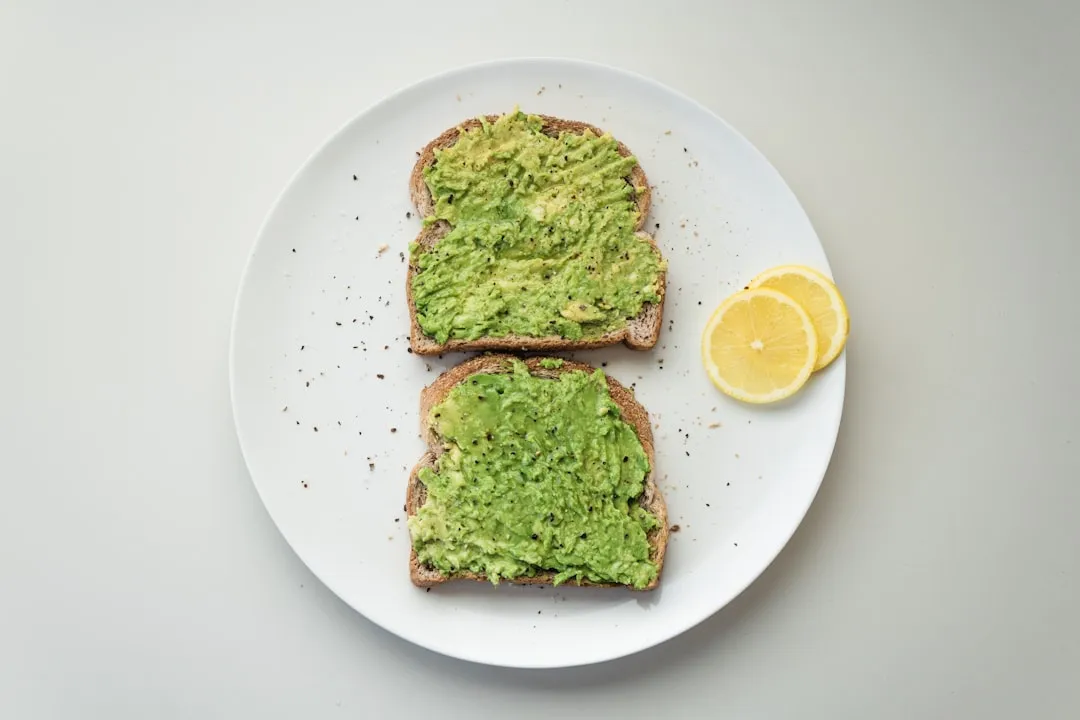
If your neighborhood diner added avocado toast and that’s what you order, you’re someone who stays current. You care about how things look as much as how they taste, and you’re probably thoughtful about where your food comes from. There’s nothing shallow about that. It reflects genuine values around health and modernity.
People who prefer modern options like avocado toast tend to be in tune with health trends and enjoy trying new things, with an adventurous spirit that leads them to explore different flavors and foods. That openness to novelty is a documented personality dimension with real predictive power in food research.
Research discussed at the Center for Nutritional Psychology highlights the connection between personality traits, taste perception, and food behavior, noting that several personality characteristics have already been linked with various aspects of taste and smell. Preferring the newer, brighter thing on the menu isn’t a trend. It’s a consistent trait.
Just Coffee and Toast: You’re an Introvert Running on Minimum Input
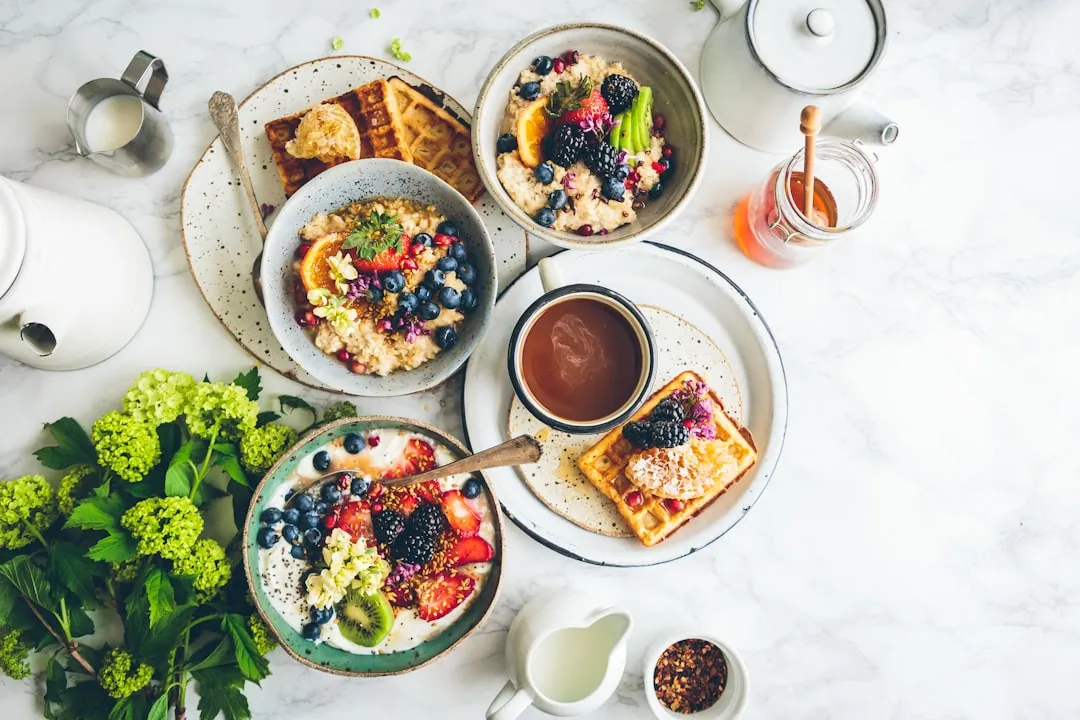
This is the order of someone who came to the diner for the ritual, not the food. A corner booth, a newspaper or a phone, a warm mug, and enough quiet to gather themselves before the day begins. This person is often deeply thoughtful and functions best when they control the pace of their mornings.
According to Mintel, a large share of daily breakfast eaters say eating a healthy breakfast gives them a sense of satisfaction, framing the meal as a psychological anchor and a moment of control, routine, and self-regulation rather than simply calorie intake. For the coffee-and-toast person, the ritual is the point. The food is almost secondary.
For people who settle into a minimal, predictable order, the decision is already solved before they sit down, reflecting a deeper psychological preference for stability. They thrive when life has structure. Routine grounds them. Choosing the simplest thing on the menu is not indifference. It’s economy of attention.
The Skipped Breakfast (Just Coffee): You May Be Running From Something
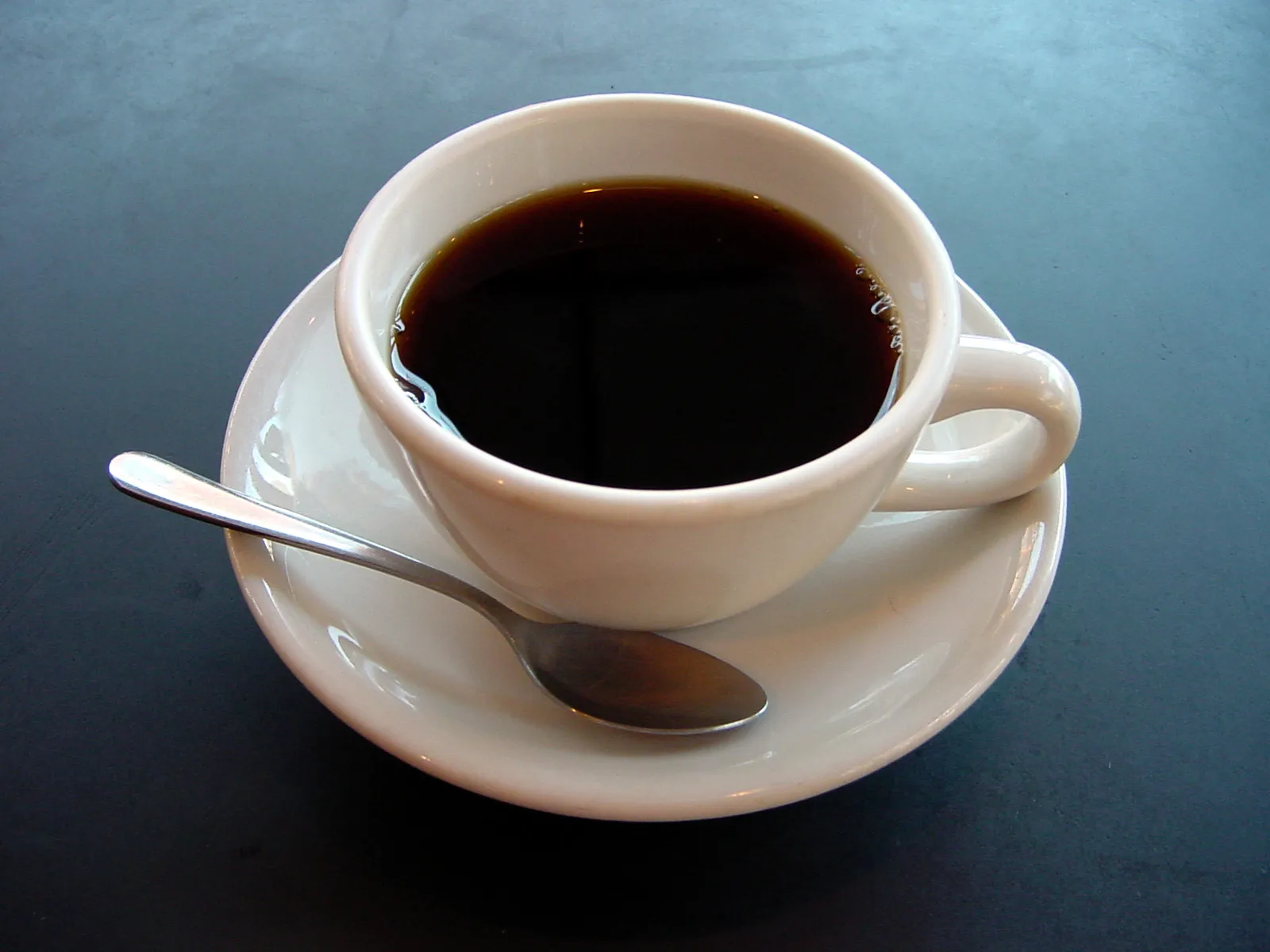
Some people sit down, order a black coffee, and wave off the menu entirely. This might feel efficient, but the research paints a more complicated picture. Skipping food at the diner often reflects a broader pattern worth examining.
Research shows that skipping breakfast of any type significantly increased the probability of depression, stress, and psychological distress in all age groups. Frequent breakfast skipping was also associated with lower happiness, loneliness, and short sleeping. That’s a meaningful cluster of outcomes tied to a single morning habit.
A meta-analysis including 14 studies and nearly 400,000 participants found that skipping breakfast was related to a higher risk of stress, depression, and psychological distress in all age groups, as well as anxiety in adolescents. None of this is a judgment. It’s a gentle flag worth noticing, especially if skipping has become your default.
The Rotating Order (Something Different Every Visit): You’re High in Openness and Resist Routine
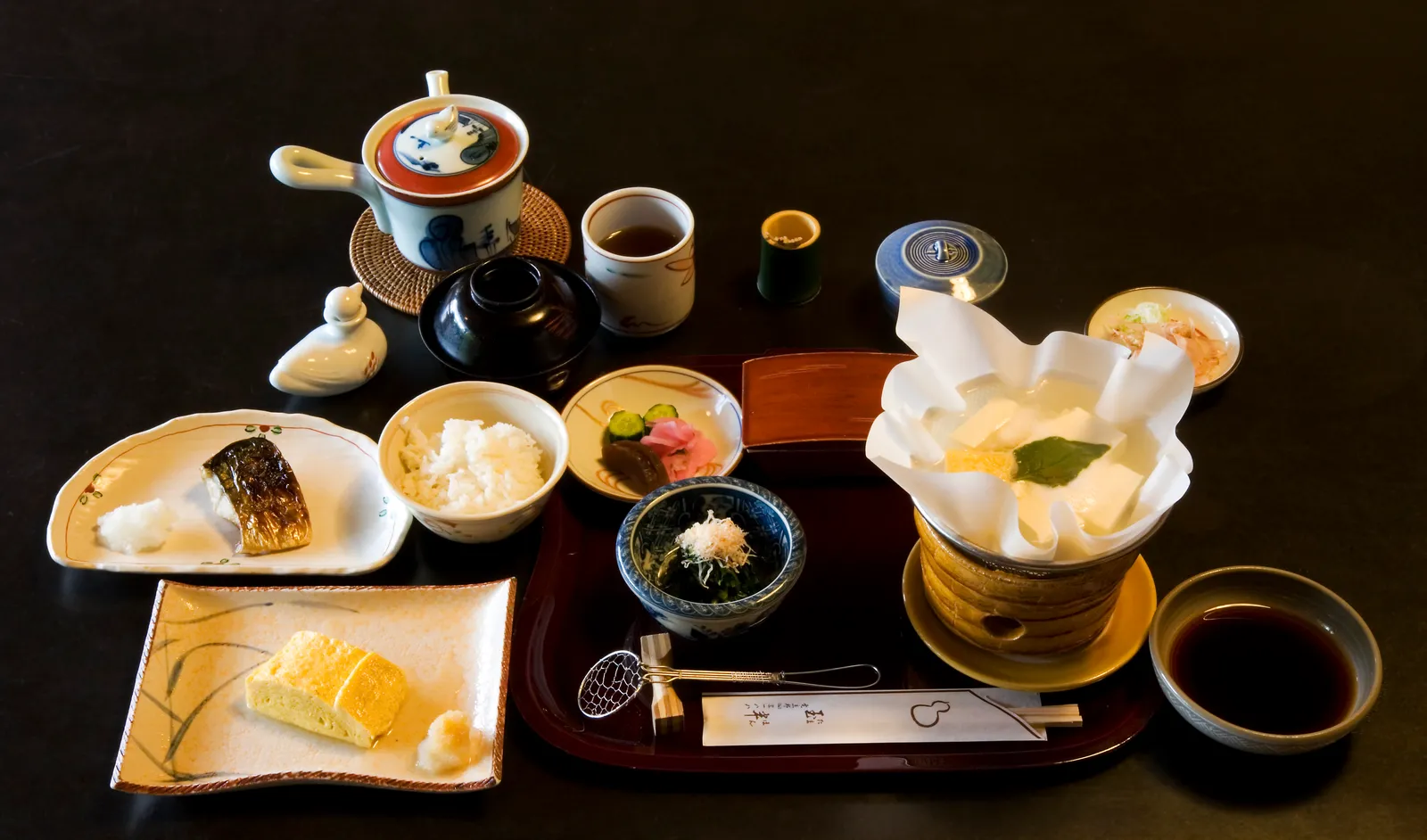
You study the menu like it’s new every time. You ask the server what’s good today. You’ve ordered the corned beef hash, the huevos rancheros, the biscuits and gravy, and the Greek omelette on separate visits. This is not indecision. It’s curiosity with a fork.
Research found that extraversion was positively associated with food neophilia and food interest, while openness was also associated with higher food interest. People who constantly rotate their orders tend to score high on both. They’re drawn to novelty and experience, and a diner menu is just one expression of that.
The idea that food choices reveal personality is well-established in food psychology, with researchers identifying distinct types ranging from optimists and realists to eccentrics and free spirits based on their culinary preferences. The rotating orderer almost always lands in the free-spirit or eccentric column, which is generally a good place to be.
The Exact Same Order Every Single Time, No Exceptions: You Value Clarity Over Novelty
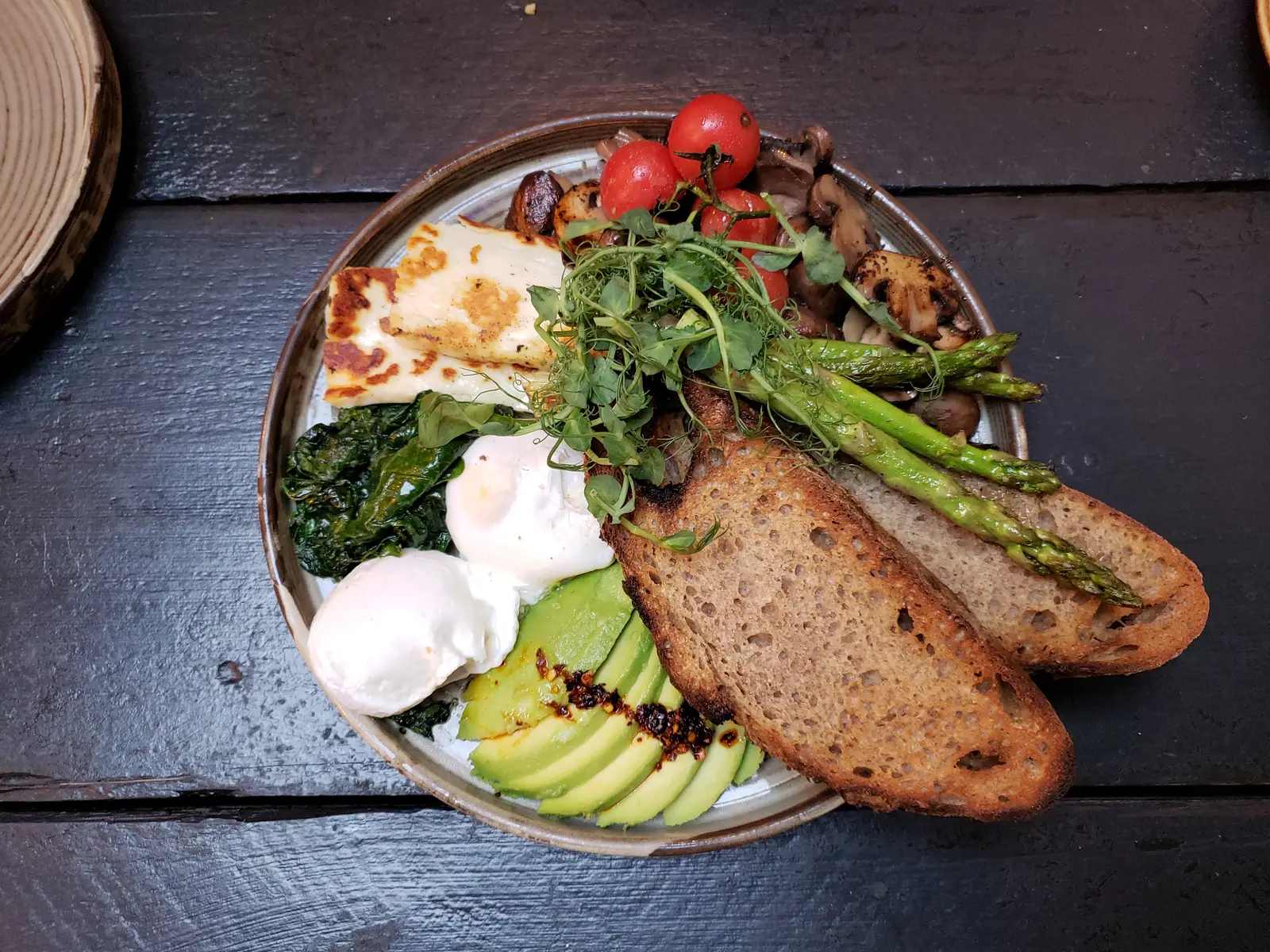
You don’t even look at the menu. You sit down, the server sometimes already knows, and within thirty seconds your order is placed. This is one of the most psychologically interesting patterns of all, because it’s so deliberate. You’ve done the research. You’ve made your call. You’re not revisiting it.
A 2022 study in Frontiers in Psychology found conscientiousness was the Big Five trait most strongly associated with regularly eating recommended foods and sticking to consistent meal patterns. Breakfast is particularly sticky: once you’ve formed a reliable morning sequence, it runs on autopilot. The person who orders identically every visit has eliminated an entire category of daily friction.
Studies on decision fatigue show that people who minimize daily decisions often have more mental energy for important tasks. This behavior reflects subconscious motives, learned preferences, innate behavior, and conditioned learning all working in alignment. There’s something almost philosophical about it: you’ve answered the breakfast question permanently, so you can spend your mental energy on everything else.
Your Order Is a Small Window Into a Larger Self

None of this is meant to reduce anyone to a plate of food. Personality is layered, context-dependent, and always more complex than any single habit can capture. Personality is complex and multifaceted, and it can’t be summed up by a single breakfast habit. That caveat matters.
Still, the research is consistent on one broader point. Personality traits can influence eating habits, particularly emotional eating. The personality of an individual is a strong behavioral determinant that can have a profound impact on consumption-related decisions, and understanding consumers’ personality traits can enhance the predictability of their behaviors.
The local diner is just a diner. But the choices made there, quietly, habitually, week after week, are anything but random. Your usual order has a logic to it, even if you’ve never consciously thought about why you always get the same thing. Next time you sit down, take a second before the server comes over. What you reach for first says more than you might expect.
AI Disclaimer: This article was created with the assistance of AI tools and reviewed by a human editor.