
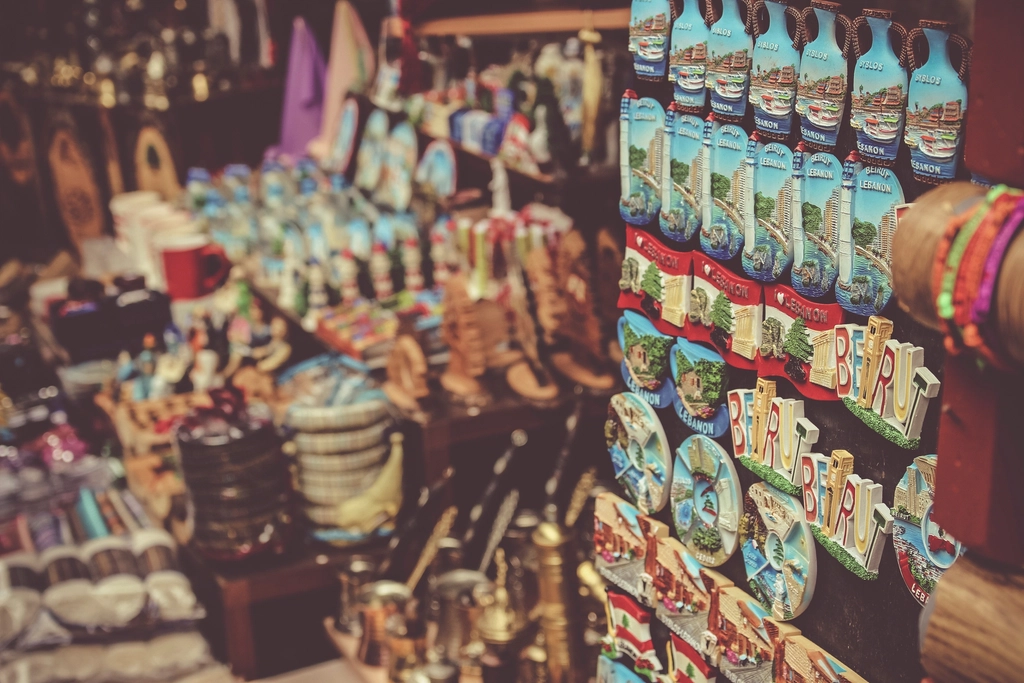

Most of us have a shelf, a drawer, or a cabinet somewhere that quietly tells the story of everywhere we’ve been. A hand-painted tile from Lisbon. A tiny snow globe from New York. A jar of local honey with a hand-written label. These things don’t just collect dust – they reveal something about who we are as travelers, what we value, and how deeply we actually connect with the places we visit.
The souvenir is, in its own humble way, a mirror. And as travel culture evolves rapidly through 2025 and 2026, so does what we choose to bring home. The modern souvenir isn’t just a trinket – it’s a tangible memory, an experience encapsulated. There’s a significant shift underway toward sustainability and personalization, with travelers increasingly wanting souvenirs that reflect their values and tell a story. What you pick up at the market says more about you than you might think.
The Fridge Magnet Collector: The Nostalgic Connector
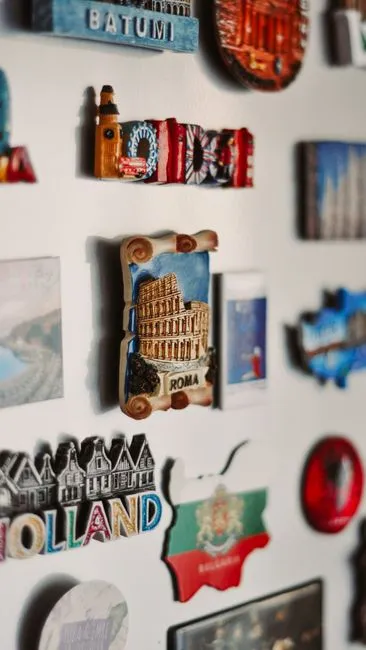
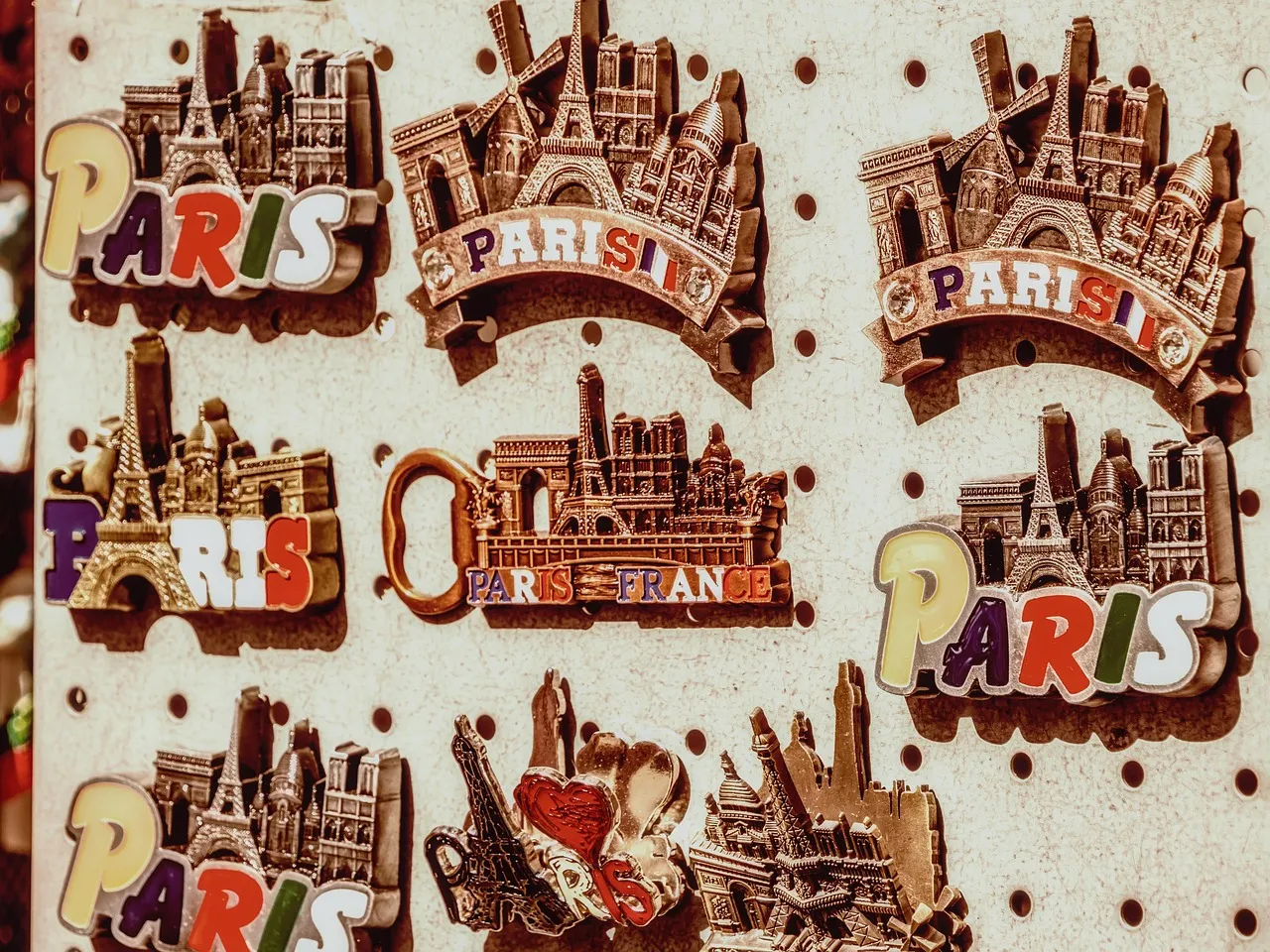
Fridge magnets remain one of the most enduring souvenir categories in the world, and the people who collect them tend to be deeply sentimental travelers. For them, the magnet isn’t kitsch – it’s a daily ritual. Every morning coffee involves a quiet scan of the kitchen door, each little rectangle a prompt to recall a specific moment, smell, or laugh.
While postcards have been a staple souvenir for decades, today’s travelers are seeking designs that feel more unique and collectible, with vintage-style prints and artistic illustrations seeing a resurgence in popularity. The same is true of magnets, which have moved well beyond the generic airport variety. Research published in the journal Tourist Studies found that quality and having the name or design of the place visited were among the souvenir attributes most valued by tourists – something magnet collectors intuitively understand. They want specificity, not a logo slapped on plastic.
The Handmade Craft Buyer: The Culture-First Traveler

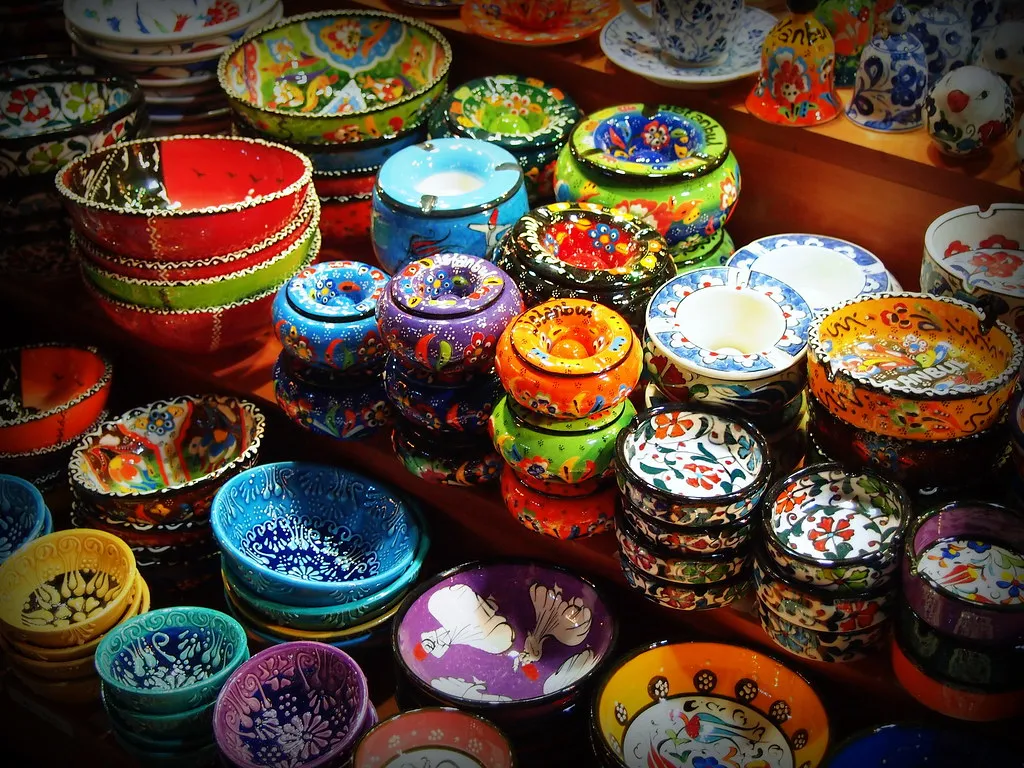
Travelers who seek out handmade crafts are increasingly looking for souvenirs that reflect genuine local culture, artistry, and craftsmanship – they want to feel a connection to the place and its people through the items they purchase. This kind of traveler tends to spend more time off the main drag, wandering side streets, asking questions, and lingering at market stalls long after everyone else has moved on.
According to American Express’s 2025 Global Travel Trends Report, 82 percent of Millennials and Gen Z respondents look for one-of-a-kind goods to remind them of their trip. This appetite for the authentic is reshaping what gets stocked in local shops. Items such as handwoven textiles, pottery, and indigenous art are not just beautiful keepsakes but also embody the stories of their creators and the heritage of their regions. Choosing these over mass-produced alternatives is a quiet but deliberate act of cultural respect.
The Local Food and Drink Shopper: The Sensory Traveler
For some people, the best souvenir is one you can eat. Local honey, regional olive oil, a bag of unusual spice from a market stall – these are the choices of someone whose travel is rooted in flavor and culinary curiosity. Edible souvenirs are thriving due to increased interest in culinary experiences, with gourmet treats, regional spices, and locally sourced food products giving travelers a tangible way to relive their trip’s flavors at home.
The Specialty Food Association notes that culinary souvenirs have become a six-billion-dollar market in the United States alone. That’s not a niche hobby – that’s a mainstream movement. Specialty packaging, sustainable sourcing, and organic ingredients are now key factors that consumers prioritize when choosing food-based souvenirs. The food traveler doesn’t just want to remember a place – they want to recreate it at the dinner table.
The Designer and Fashion Item Buyer: The Style-Led Explorer

A certain kind of traveler walks into a city and immediately wants to dress like it. They’re scanning boutiques, local labels, and artisan leather workshops rather than landmark vistas. According to the Amex 2025 Global Travel Trends Report, roughly three in five travelers surveyed purchased designer goods like handbags, clothing, and leather items as souvenirs. That’s a striking number, and it signals how deeply fashion and travel identity have become intertwined.
For this type of traveler, wearing something from a trip is a form of storytelling. The bag from Florence or the linen shirt from Oaxaca becomes a conversation piece with a real provenance. Businesses offering personalized or locally sourced goods are in a favorable position, as travelers increasingly prioritize meaningful purchases that resonate with their experiences. The style-led traveler is essentially voting with their wallet for craft, place, and story over convenience.
The Local Artwork Collector: The Immersive Adventurer
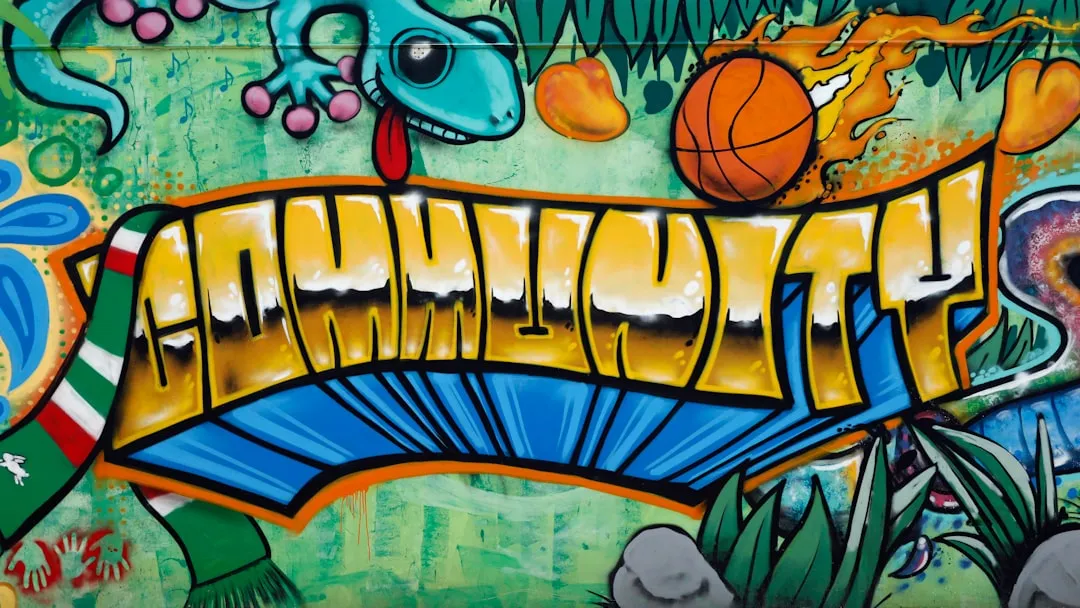
Travelers who seek out original local artwork tend to be the ones who stay longest, look hardest, and feel most changed by where they’ve been. They’re not satisfied with a reproduction – they want the real thing, something a specific person made in a specific place. Consumers are moving away from mass-produced prints and increasingly favor original art that reflects a destination’s culture, with research showing travelers prefer purchasing pieces that feature traditional methods or indigenous materials.
A report by the Cultural Heritage Tourism Initiative found that more than half of travelers are more likely to buy artwork that showcases local artistry and cultural storytelling. This is a traveler who does research before arriving and leaves knowing an artist’s name. They’re not consuming a destination – they’re genuinely engaging with it. The piece on their wall at home becomes a lasting relationship with a place, not just a memory of one.
The Jewelry Buyer: The Meaning-Seeker
![The Jewelry Buyer: The Meaning-Seeker (EraPhernalia Vintage . . . [''playin' hook-y''] ;o, Flickr, CC BY-SA 2.0)](https://nvmwebsites-budwg5g9avh3epea.z03.azurefd.net/tripjaunt/9c248701569522acc4812d24abff917d.webp)
There’s something quietly powerful about returning from a trip with a piece of jewelry you’ll actually wear every day. Jewelry with symbolic or cultural significance has gained real momentum as travelers increasingly prioritize meaningful purchases, with pieces featuring locally sourced materials, traditional craftsmanship, or spiritual symbols resonating with buyers seeking wearable mementos.
This isn’t about luxury – it’s about permanence. The jewelry buyer wants something they can carry on their body, something that holds a place or a feeling close. Trends show that gemstone jewelry, minimalist designs, and ethical sourcing are driving consumer choices in this category. The meaning-seeker also tends to shop intentionally, asking about the maker, the material, and the tradition behind a piece before buying. The transaction is almost secondary to the connection.
The Postcard Sender: The Thoughtful Sharer
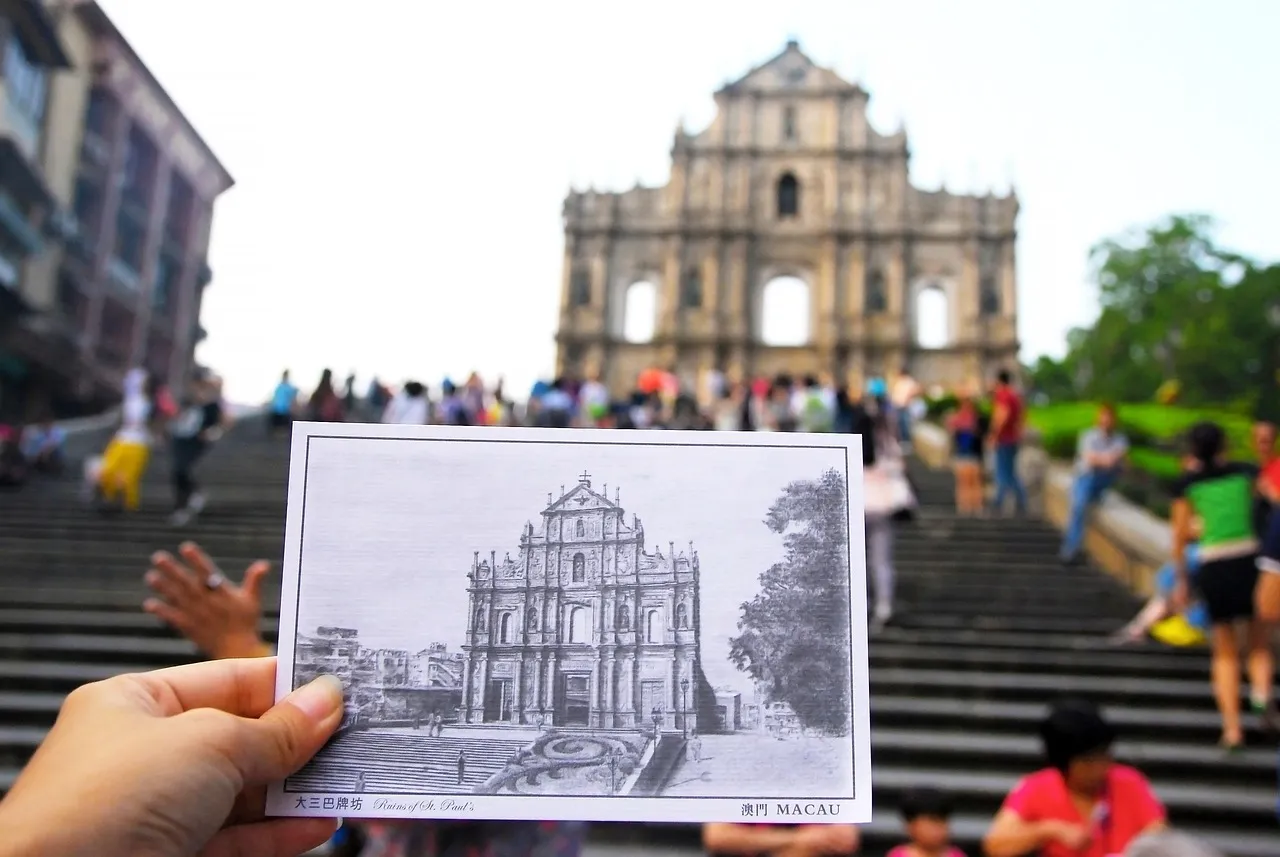
The postcard buyer is a rare and genuinely warm kind of traveler. In an age when a photo can be shared globally in seconds, they still find time to stand at a rack, choose an image carefully, write something real, and find a post box. That takes effort, and it says something generous about how they experience travel – as something worth sharing deliberately, not just broadcasting.
According to a TravelPulse report, roughly a third of travelers still collect postcards specifically to display in their homes. That suggests the postcard holds dual purpose: it’s a gift to someone else and a memento for oneself. Today’s travelers are seeking postcard designs that feel more unique and collectible, with vintage-style prints and artistic illustrations making a clear comeback. The postcard traveler values connection – with the destination, and with the people they’re missing while they’re there.
The Eco-Conscious Souvenir Buyer: The Responsible Wanderer
A growing number of travelers are thinking carefully about what their purchases actually leave behind. Plastic trinkets and mass-manufactured keychains are increasingly being passed over in favor of something made with intention. According to 2025 Canadian Tourism Commission research, nearly three quarters of Canadian travelers actively prefer purchasing eco-friendly souvenirs, and nearly two thirds of international tourists visiting Canada say environmental considerations influence their souvenir choices.
Sustainability and ethical sourcing are increasingly becoming central themes within the souvenir market, with consumers more conscious of the environmental impact of their purchases and actively seeking products that align with their values. This isn’t a fringe preference anymore – it’s mainstream. Businesses and artisans are responding by offering sustainable alternatives, including biodegradable souvenirs and gifts from responsibly sourced materials, which attract environmentally conscious buyers and strengthen brand loyalty. The responsible wanderer shops like their choices matter, because they believe they do.
The “Nothing” Traveler: The Experience Purist

Then there’s the traveler who brings back almost nothing physical at all – and is entirely at peace with that. New data from ABTA Travel Money, released in August 2024, found that 58 percent of people are buying fewer souvenirs when going on holiday abroad than they used to. The reasons are varied, but they point to a real cultural shift.
When asked why they buy fewer souvenirs, about a third cited tighter holiday budgets, an equal number said they are conscious of the environment, and the most commonly cited reason was that people simply find traditional souvenir shopping a bit old-fashioned and out of step with how they now travel. For the experience purist, the trip itself is the souvenir. Their memories live in photographs, journal entries, and dinner conversations – not on a shelf. There’s real philosophical coherence to that position, even if it does make gift-giving a little harder.
The Bespoke and Personalized Item Seeker: The Detail-Oriented Discoverer
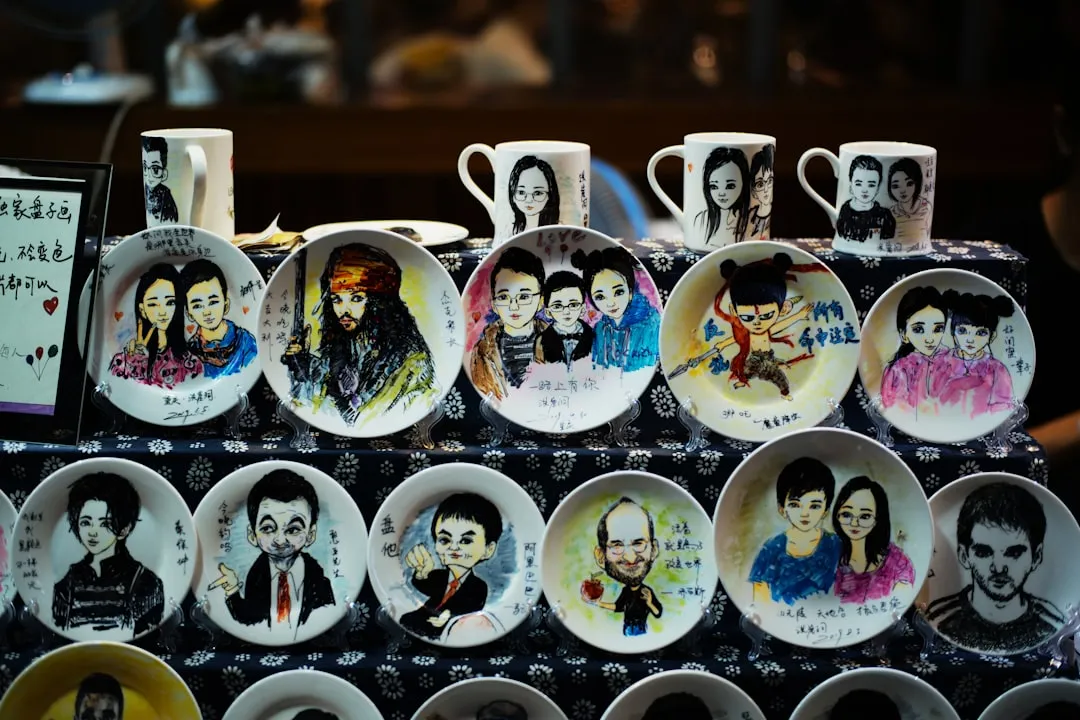
This traveler knows exactly what they want before they find it. They’re not browsing – they’re searching. They want their name engraved, their initials stamped, or a date worked into the design. In 2024, souvenirs and novelty items held a dominant market position, capturing significant consumer interest due to their diverse range of products, with personalization emerging as a key driver as consumers seek bespoke and culturally relevant options.
This trend is particularly strong among millennials and Gen Z consumers, who value experiences and personalization over traditional mass-produced gifts. The bespoke buyer also tends to spend more. Research shows that quality and authentic design attributes are most valued by tourists, and that dedicated souvenir collectors buy more frequently and spend higher amounts per souvenir. For this traveler, the item has to be exactly right – because it’s going to last a very long time.
The Takeaway
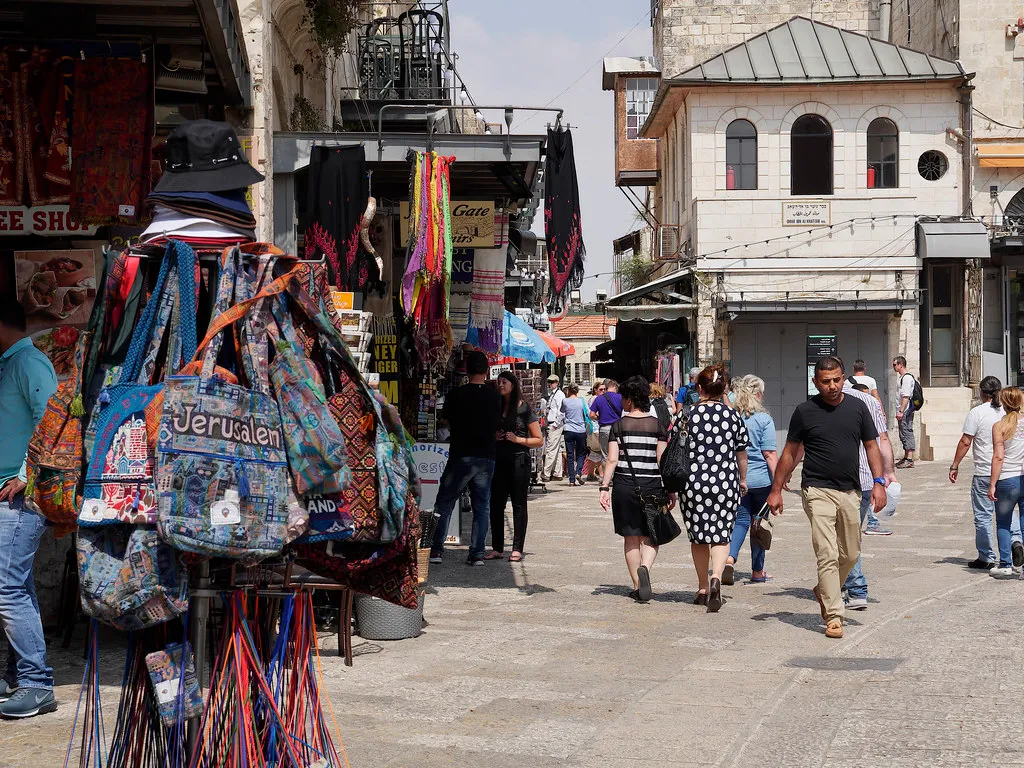
Your souvenir choice is never really just about the object. It’s about the kind of traveler you are and the kind of experience you’re looking for. Whether you fill your home with handmade ceramics or return with nothing but memories and a full camera roll, modern travelers are becoming more conscious of their purchasing decisions, with a growing majority favoring souvenirs that tell a story or carry cultural significance over mass-produced items.
The global souvenir market reflects these shifting values clearly. The global tourism souvenir market is estimated at around 30 billion dollars in 2025 and projected to reach 45 billion dollars by 2033 – a figure driven not just by volume, but by deeper, more considered purchasing. The most honest souvenir is one that genuinely reflects why you travel. Everything else is just something to pack.
AI Disclaimer: This article was created with the assistance of AI tools and reviewed by a human editor.