
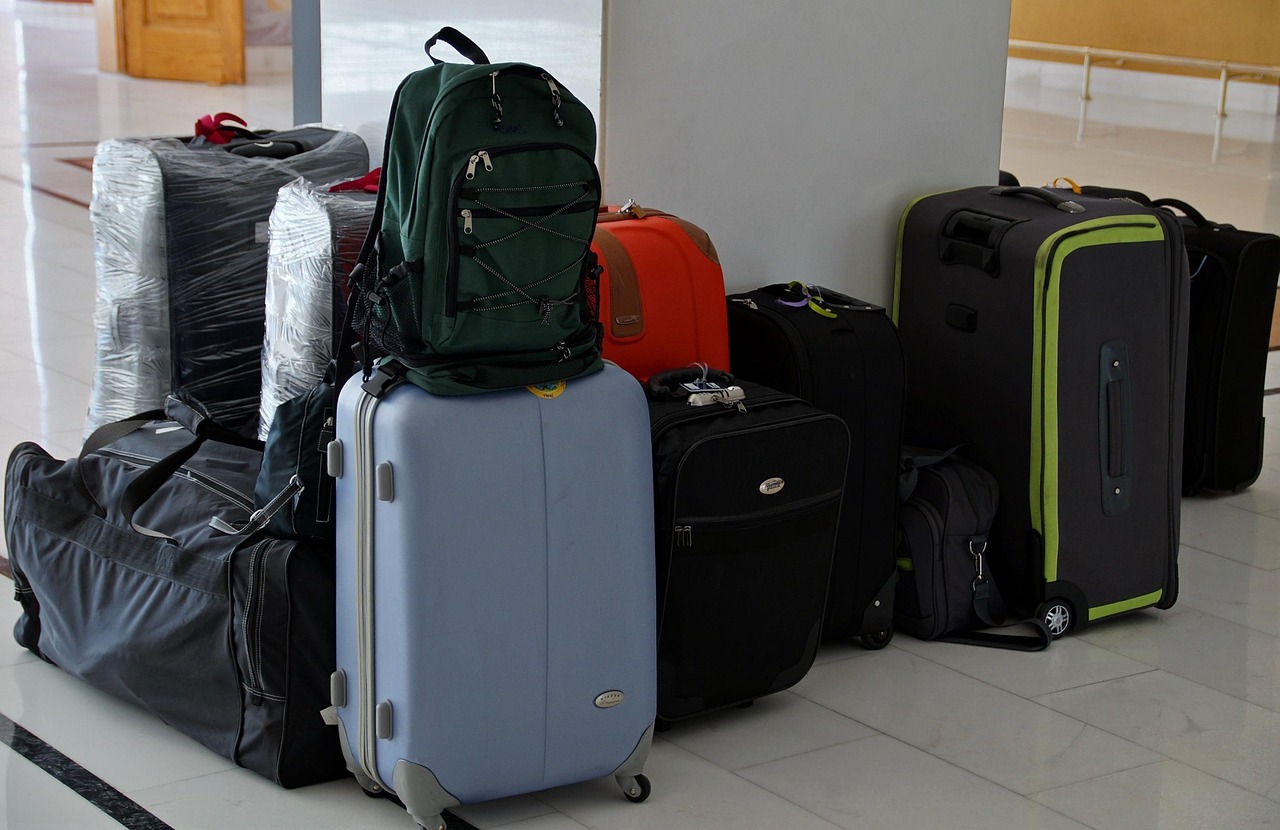
Open a suitcase, and you open something far more personal than a collection of clothes and toiletries. The way people pack for a trip, how much they bring, how early they start, how neatly things are folded, has a quiet but direct relationship with how they respond when plans fall apart. It’s one of the more honest windows into temperament, precisely because nobody thinks anyone is watching.
Personality psychologists have spent decades mapping these connections. Research has consistently shown that baseline personality can predict many everyday behaviors, and the Big Five framework – openness to experience, conscientiousness, extraversion, agreeableness, and neuroticism – is the most widely used lens for understanding those differences. What follows is a closer look at ten packing patterns and what each one tends to say about how a person navigates the unexpected.
The Overpacker: Security Packed in Layers
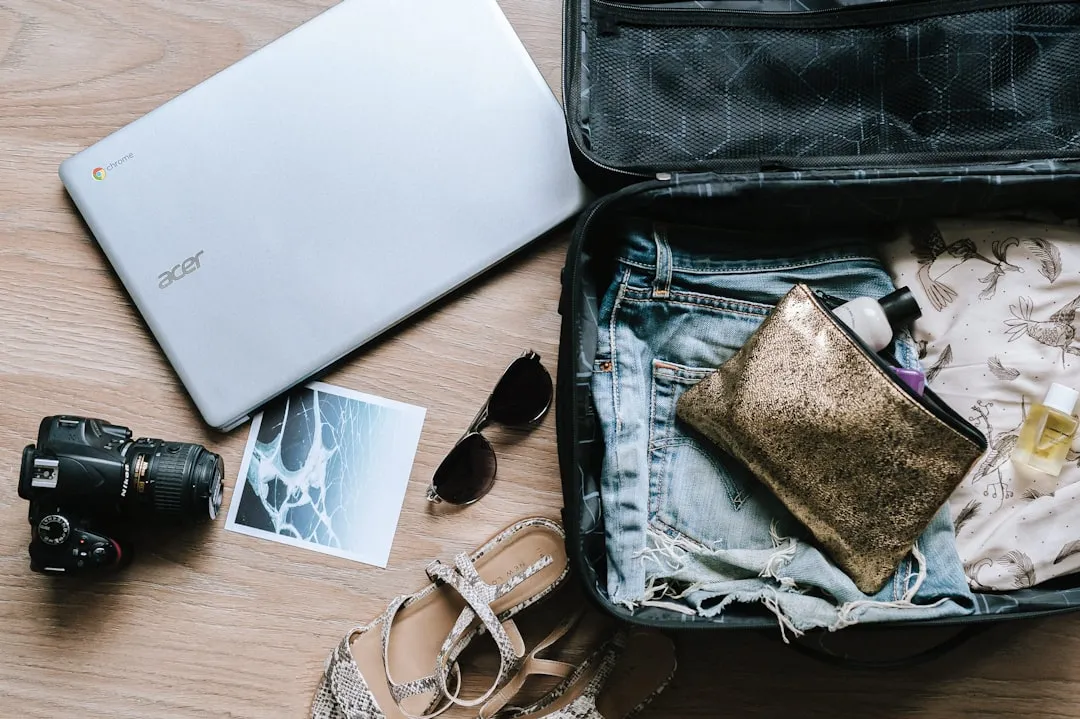
Experts agree that the inclination to overpack, driven by an urge to prepare for countless “just in case” scenarios, is rooted in anxiety and the loss of control that comes with leaving one’s personal space. This isn’t a character flaw – it’s a coping strategy. When someone fills a bag with three extra outfit options for a four-day trip, they are quite literally trying to manage uncertainty before it arrives.
Many psychologists agree that people who tend to overpack do so because they derive comfort and a sense of security from a covering-all-the-bases approach. One personality trait that contributes to packing more than is realistically needed is worry: people who are born worriers tend to focus on, and ruminate about, everything that could possibly happen in the future or in any given situation. In real life, this same pattern shows up when surprises hit – their first instinct is to plan out every possible response rather than simply adapt.
The irony is that overpacking, meant to reduce anxiety, often creates the very stress travelers are trying to avoid. Heavier luggage, extra fees, more to track through airports – the safety net becomes its own burden. Still, understanding why it happens matters more than judging it.
The Minimalist Packer: Trust in the Moment
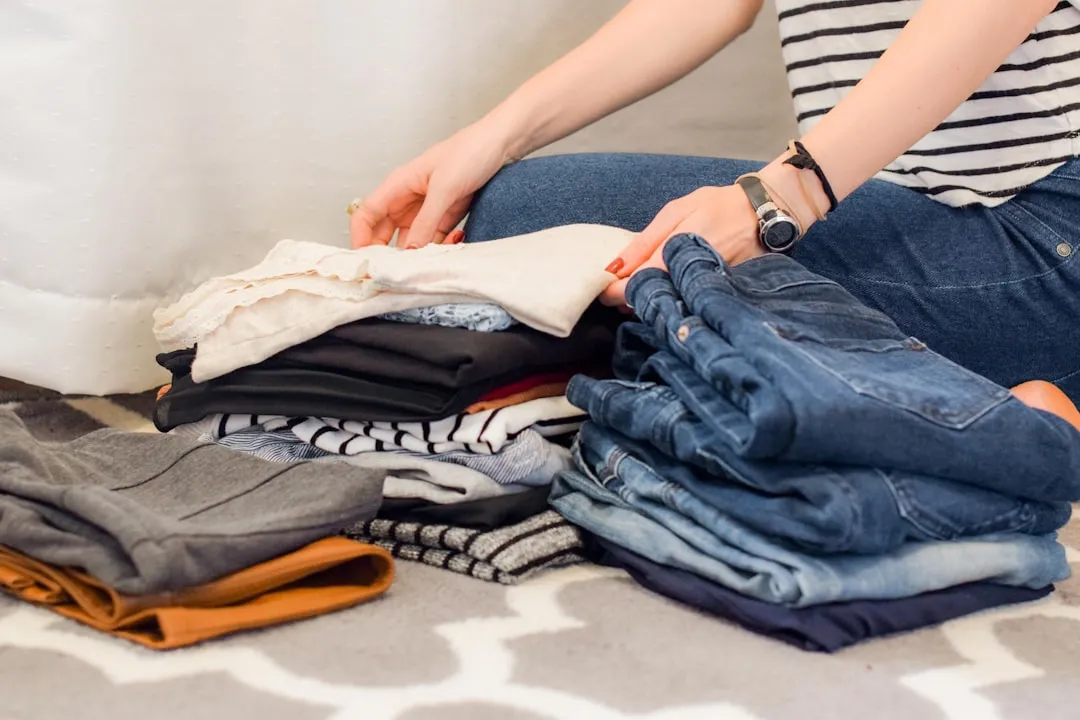
Minimalist packers move through travel, moves, and storage with efficiency. Their bags are light, their boxes are tidy, and unpacking takes half the time. This ease isn’t accidental. It reflects a genuine comfort with uncertainty, a willingness to figure things out on the ground rather than anticipating every possible need in advance.
Research published in the International Journal of Tourism Research in 2026 indicates that minimalism in travel strengthens both the direct and indirect effects of slower, more intentional travel on psychological growth outcomes. In other words, traveling light isn’t just practical – it correlates with genuine adaptability and the capacity for positive growth when things go sideways. People high in openness enjoy travel and unconventional problem-solving, and minimalist packing tends to align naturally with that disposition.
The Last-Minute Packer: Flexibility as a Feature
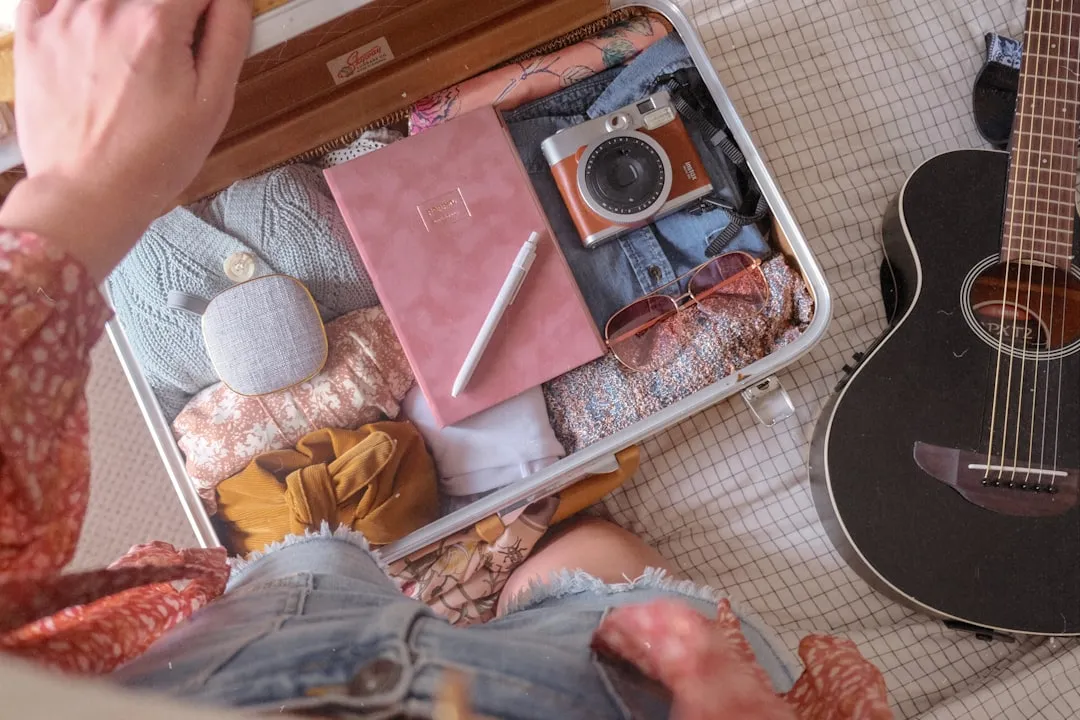
The bags aren’t coming out until the night before, or maybe even the morning of. The last-minute packer operates on a tight timeline and somehow, against all odds, usually manages to pull it together. Planning feels restrictive, and there’s a certain freedom in figuring things out as they go. This is less about carelessness and more about a genuine orientation toward spontaneity.
More conscientious people tend to be goal-oriented and self-disciplined, but may have trouble unwinding and being spontaneous. People who are less conscientious tend to be flexible and more comfortable living in the moment. The last-minute packer usually lands on the lower end of that scale, which means they’re often genuinely less rattled when a flight gets delayed or a plan collapses. Chaos feels familiar, even comfortable.
The Methodical Planner: Lists, Cubes, and Control
People high in conscientiousness tend to be organized planners who complete tasks thoroughly, while those lower prefer flexibility and spontaneity over structure. The methodical packer is almost always highly conscientious. Their packing list starts two weeks out, their clothing is rolled with care, and their toiletry bag is categorized by use. Every item earns its place.
Conscientiousness was associated with the challenge-flexibility-enhancement pathway, with a stress-is-a-challenge mindset and coping flexibility mediating the relation of conscientiousness to less psychological distress. That’s a meaningful finding. When surprises arrive, highly conscientious people don’t collapse – they regroup. They may need a moment to grieve the lost plan, but their structured thinking becomes a tool for building a new one.
Conscientious people prefer to deliberate over the options available to them rather than making impulsive decisions. A conscientious person may be slower at making choices, but will be more confident that the decision made was correct. In a travel disruption, that deliberateness is actually an asset.
The “What If” Packer: Anxiety as Architecture
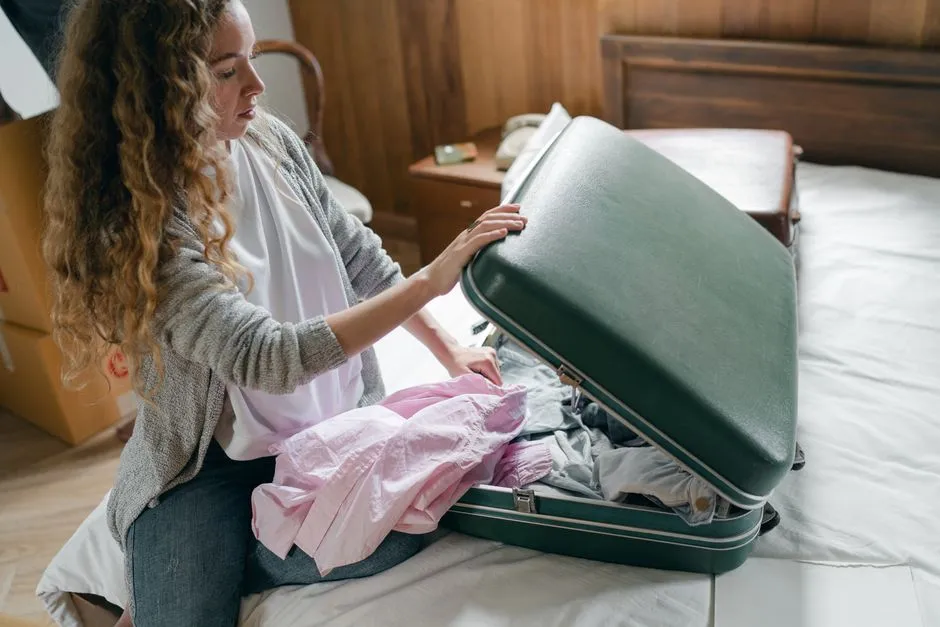
The extent of overpacking anxiety may depend on factors such as the level of familiarity with the destination and the length of the trip. Some people don’t overpack for every trip – only the unfamiliar ones. This is the “what if” packer, whose bag balloons specifically when the unknown grows. The more foreign the destination or the more open-ended the itinerary, the more items find their way in.
Research examining travel preferences found that neuroticism led to a preference for safe, stress-free locations. The “what if” packer carries that same instinct into the bag itself. Their extra items are emotional armor. When a surprise does arrive, they’re often the ones already reaching for a backup solution – sometimes it works, and sometimes the backup plan just adds another layer of complexity to manage.
The Color-Coded Organizer: Personality in Packing Cubes
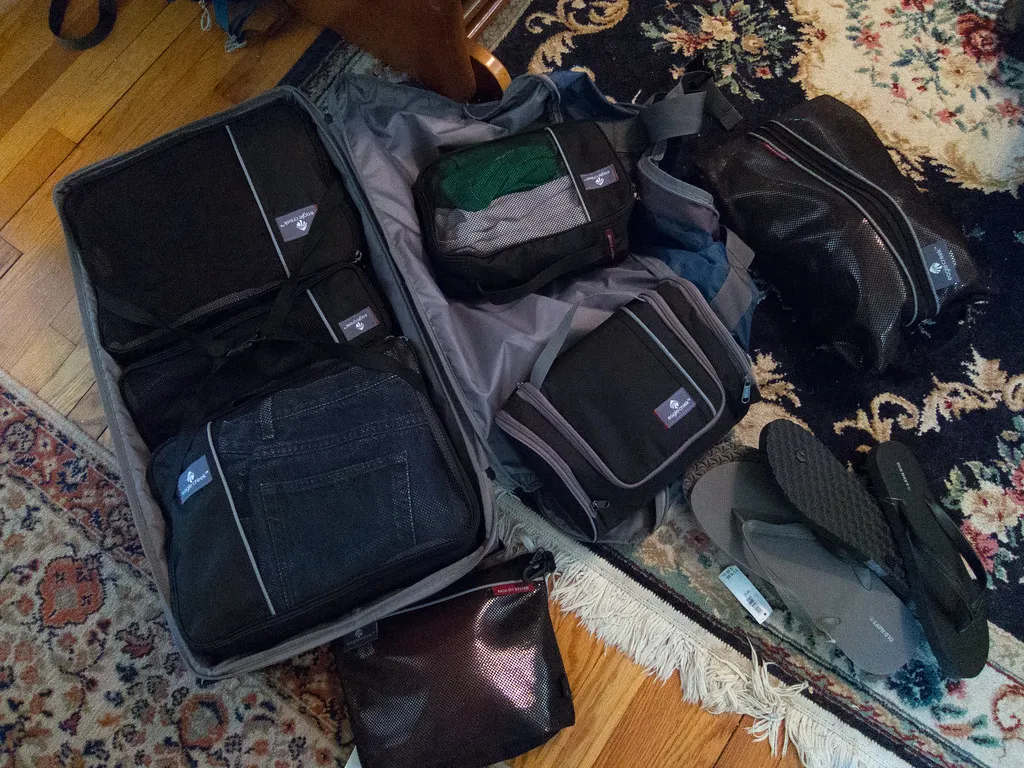
There is a subset of travelers whose packing is almost architectural. Compression cubes by category, a separate pouch for charging cables, a laminated emergency card tucked into the side pocket. People can express conscientiousness in various ways, such as being neat and punctual, setting and achieving goals, or maintaining strong personal standards. The color-coded organizer expresses all of it through luggage.
High conscientiousness looks like organization, discipline, and attention to detail. These individuals are also thoughtful and careful, with the impulse control to complete tasks and achieve their goals. When surprises hit, they usually have a contingency. They may not love the disruption, but they’ve mentally pre-mapped an alternative before they’ve even boarded. Structure, for them, is not rigidity – it’s readiness.
The Spontaneous Underpacker: Living on Improvisation
The spontaneous underpacker is the person who lands somewhere warm with one light jacket and figures out the rest on arrival. Traveling alone or with minimal preparation forces you to dance with the unexpected. You learn to reframe: “This is a disaster” becomes “This is a pivot.” Adaptability isn’t pretending you’re thrilled when you’re not; it’s acknowledging the gap between plan and reality and moving anyway.
Openness to experience is associated with creativity, cognitive flexibility, and emotional insight, and these qualities can support psychological growth and resilience. The underpacker who thrives typically scores high on openness. Surprises don’t feel like failures – they feel like material. The missing umbrella becomes a story worth telling. That mindset is genuinely protective when real disruptions arise.
The Sentimental Packer: Objects as Anchors
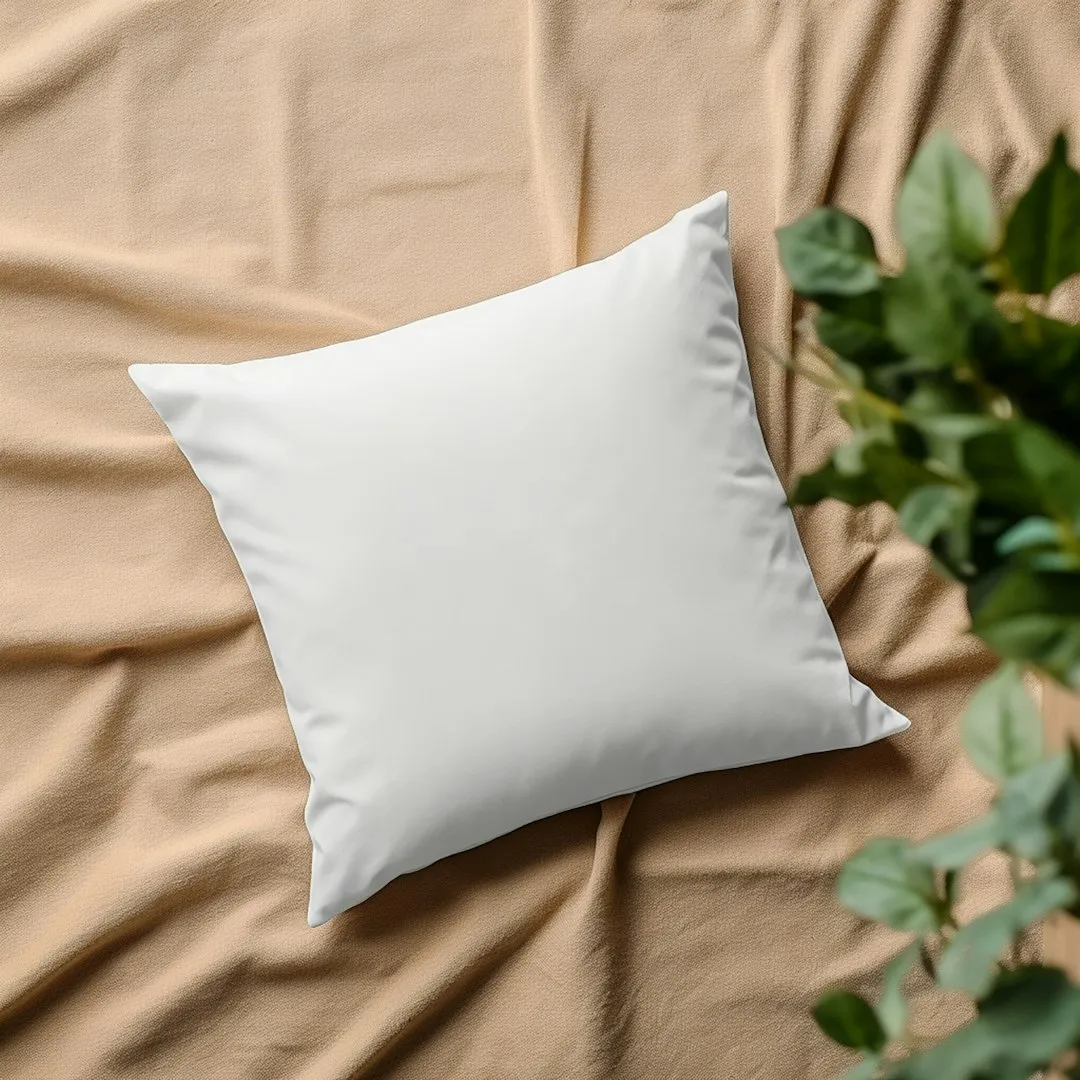
Some people bring things on trips that have no logical purpose. A specific pillow, a photograph, a particular book they’ve already read. Psychologically, this is well-understood. Travelers may cope by packing what psychologists describe as “self-soothing items,” objects that provide emotional comfort in unfamiliar settings. These aren’t signs of weakness – they’re portable versions of home.
Holidays and travelling away from home for any other purpose can really trigger and increase anxiety levels for people who are sensitive to disruption and environmental change. The sentimental packer responds to that anxiety by building a small, familiar world inside their bag. When surprises arrive, these items become stabilizing. Having one anchor in a chaotic moment can make all the difference in emotional regulation.
The Procrastinating Packer: Pressure as Fuel
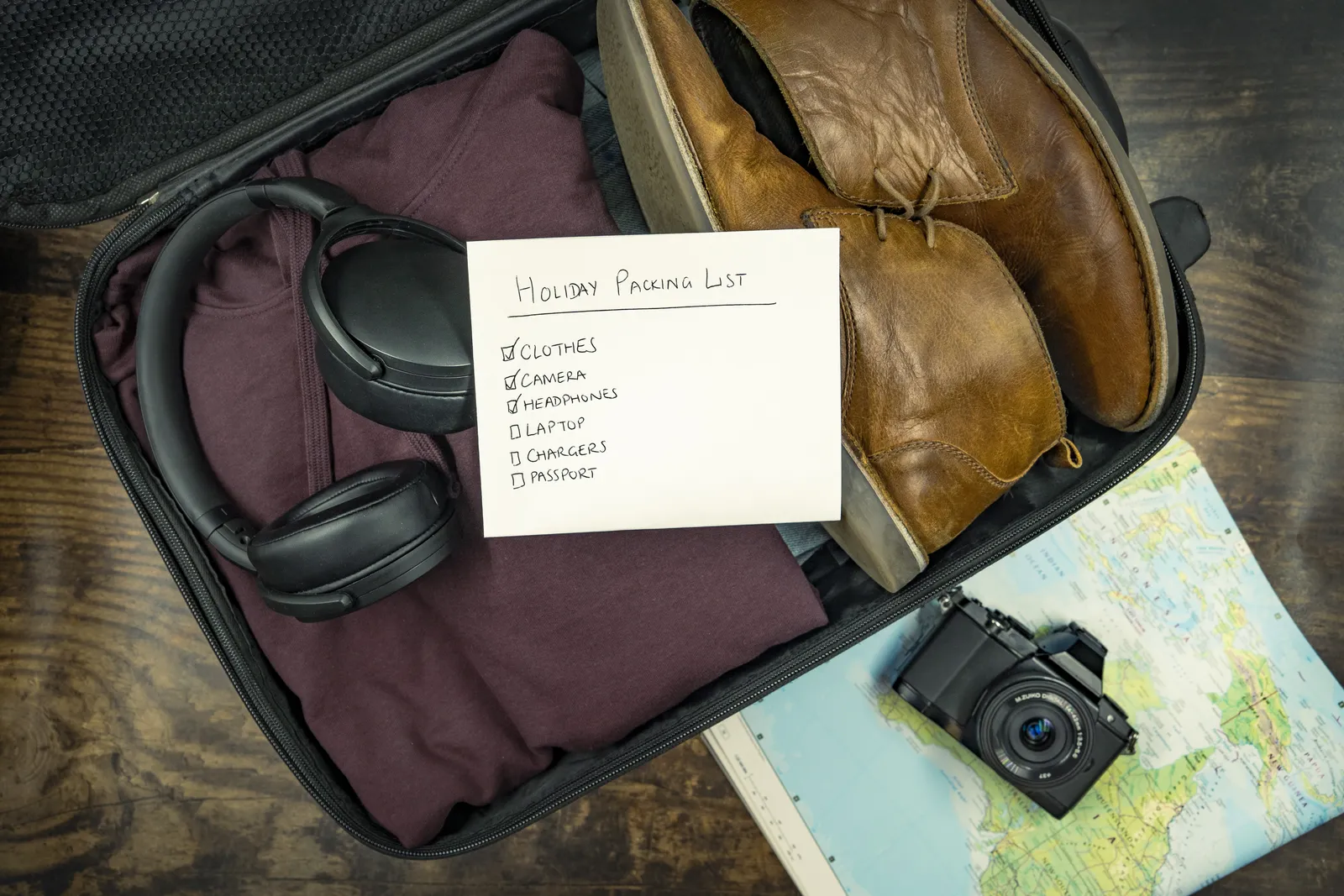
There’s a meaningful difference between the spontaneous underpacker and the procrastinating packer. The latter doesn’t pack light by philosophy – they pack light by default because time ran out. According to a survey conducted by OnePoll, roughly three out of five people admit to having real difficulty when it comes to packing for a trip, and respondents said getting through airport security is the only thing more stressful than deciding what to include in luggage.
Procrastinating packers often handle surprises with the same energy they bring to the last-minute bag. They’re resourceful, not rattled, because they’ve already practiced operating without ideal conditions. While overpacking may be the most common mistake, underpacking can be equally disruptive – forgetting a key item such as medication, weather-appropriate clothing, or a critical device can derail even the best-laid travel plans. The risk is real. Resourcefulness only goes so far when the missing item is non-negotiable.
The Resilient Balanced Packer: Prepared Without Being Paralyzed
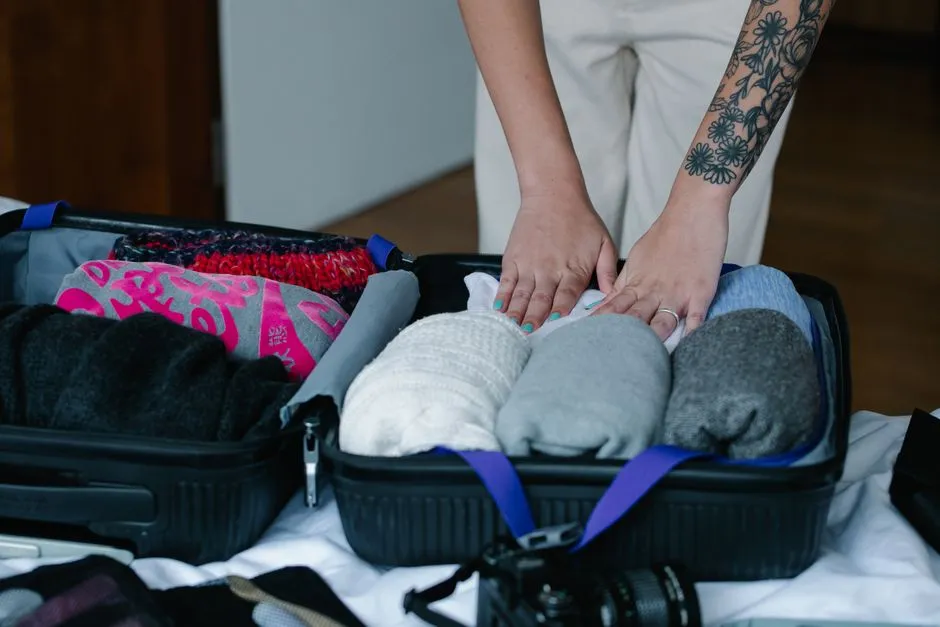
Resilient individuals tend to have high levels of openness, conscientiousness, agreeableness, and extraversion, and low levels of neuroticism. The balanced packer, practically speaking, reflects exactly this profile. They bring what they need, leave room for what they discover, and resist the urge to pack for every hypothetical scenario. Their bag is organized but not obsessive.
Travelers should prioritize intentional packing, focusing on versatile items, carefully considering their destination, and allowing room only for the “just in case” extras that genuinely add value. This describes not just good packing strategy, but a healthy relationship with uncertainty. The balanced packer knows they can’t control everything, and they’ve made peace with that.
Packing behavior can indeed be a reflection of personality. The balanced packer doesn’t need the bag to carry all their anxiety. They trust themselves enough to handle what comes.
The Takeaway
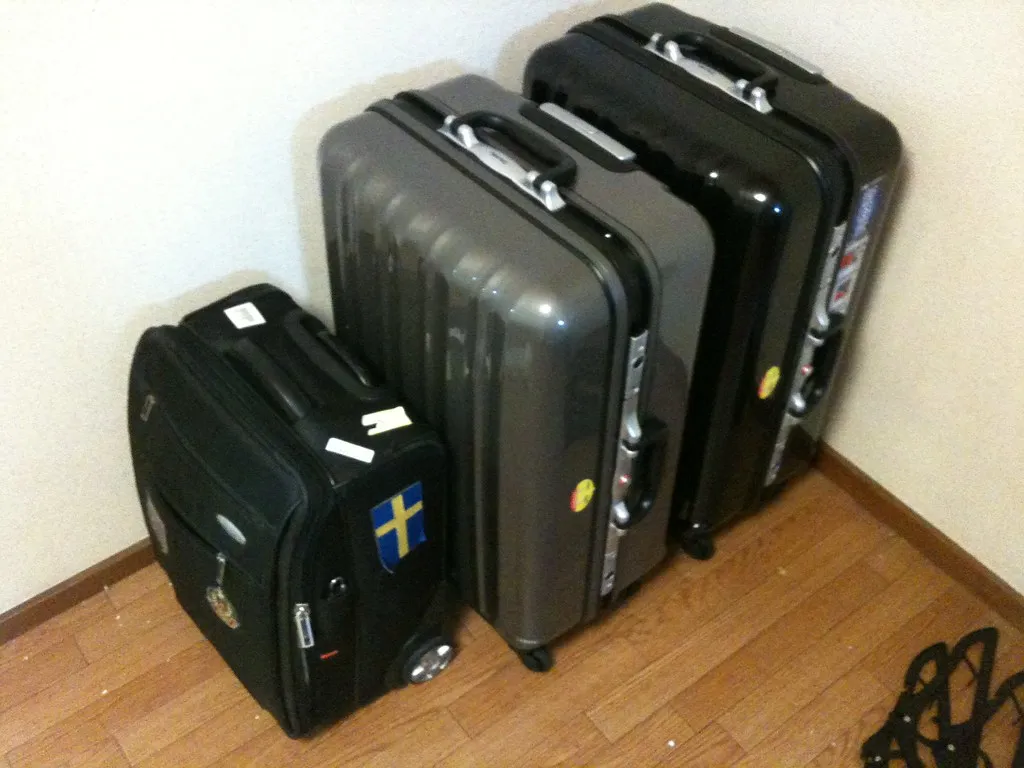
The bag you pack before a trip is, in a modest but real sense, a practice run for how you handle life when it moves off-script. The research connecting personality traits to travel behavior – from conscientiousness to openness to neuroticism – consistently points to a deeper truth: the science of personality-based travel has shown that the Big Five traits quietly shape not only what we seek on the road, but how deeply we experience it.
None of these packing profiles is better than another. The overpacker who softens their grip and the minimalist who learns to carry one thoughtful extra are both moving toward something useful. Awareness is the first step. The next time you stand over an open suitcase, it’s worth pausing to notice what you’re actually deciding – because it probably reflects more than just tomorrow’s weather forecast.
AI Disclaimer: This article was created with the assistance of AI tools and reviewed by a human editor.