
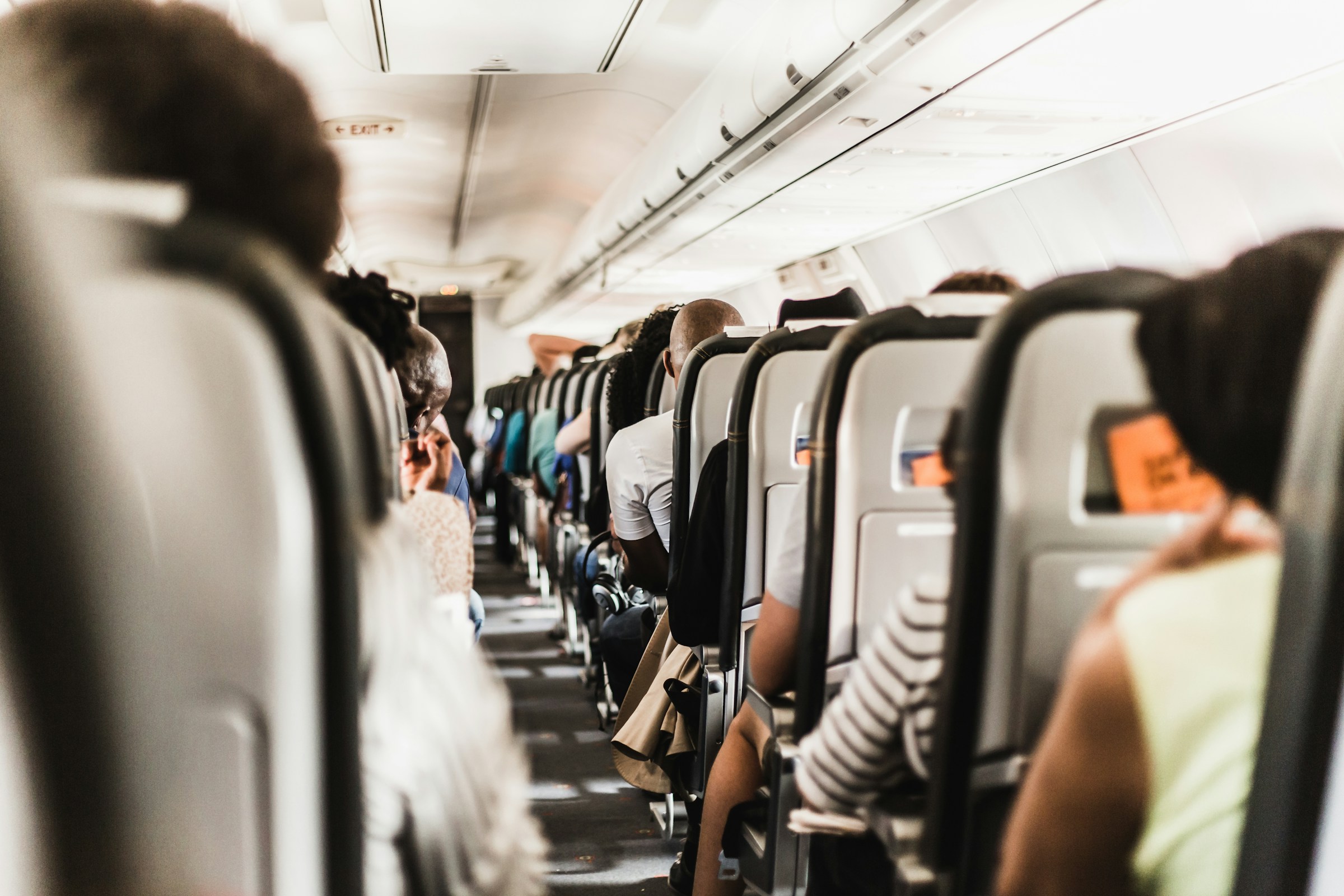

Few things on a flight feel as minor as a window shade, and yet few things seem to generate more quiet resentment between strangers sharing a cabin. It’s a small rectangle of plastic or fabric that you can raise or lower in a second. So why does it spark such surprisingly consistent disagreement at thirty-five thousand feet?
The answer has a lot to do with competing needs in a shared space, real safety considerations most passengers don’t know about, and the way small decisions signal something larger about how we relate to the people around us.
The Window Seat Comes With a Responsibility, Not Just a Privilege
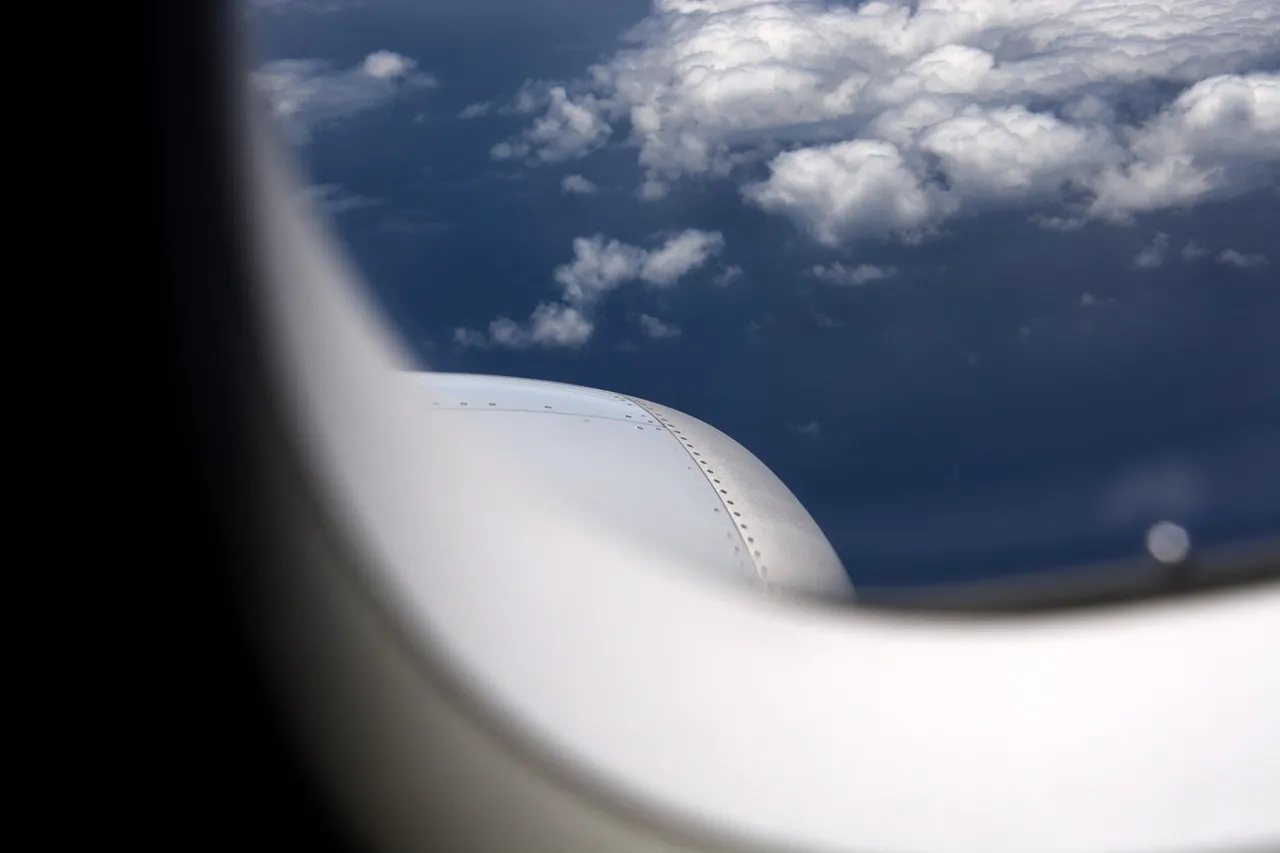
On the most basic level, the person in the window seat has control over the window shades, and shouldn’t need permission from others as to how the shades are kept. That passenger can, within reason, decide whether they want the shade up or down during the flight.
While most etiquette observers agree the window-seat passenger controls the shade, there are limits: you should be considerate of others, and if the sun is blinding someone because your shade is open, it’s worth lowering it. If a neighbor asks politely and has a legitimate reason, consider compromising.
The general experience of frequent flyers is that the person at the window seat is in control, and if they want the shade open, it stays open, although they may be expected to lower it partially as a gesture of consideration.
Raising the Shade at Takeoff and Landing Is Actually a Safety Matter
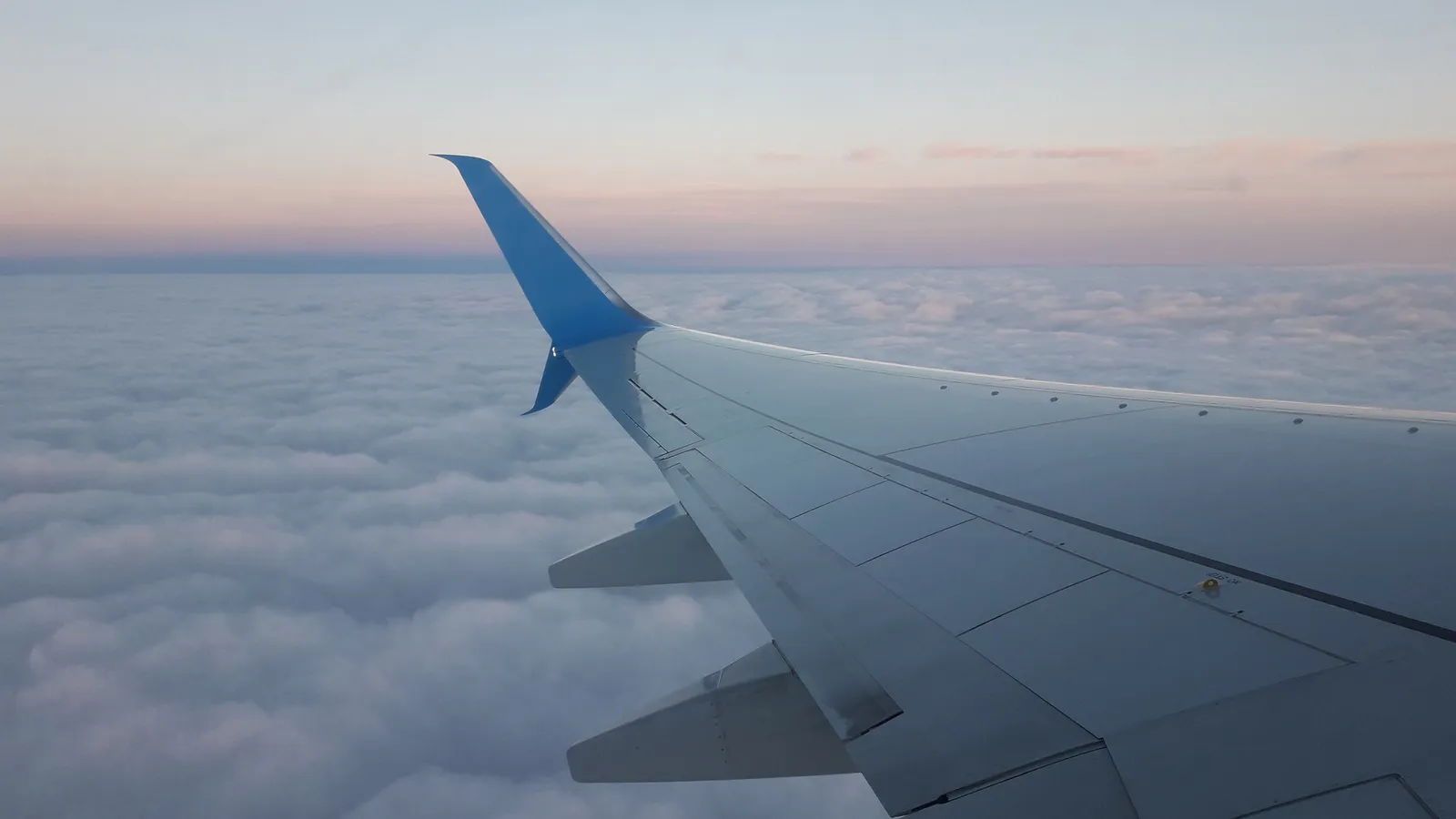
There is a logical reason for keeping window shades open during takeoff and landing: safety. These are the phases of flight when incidents are most likely to occur, and visibility can make a meaningful difference in how quickly and safely a situation is handled.
According to Boeing’s 2024 Statistical Summary, while cruising at altitude makes up the majority of time in the air, that phase accounts for roughly ten percent of all fatal accidents. Conversely, the landing phase accounts for only one percent of flight time but thirty-seven percent of all fatal accidents.
An open window shade helps passengers’ eyes become better acclimated to outside light, which is important in the event of an emergency. If shades are open, emergency staff on the ground can also see whether there is fire or smoke inside the cabin during an emergency landing.
There Is No Single Global Rule, and That Creates Confusion
Unlike seat belts or tray tables, there’s no single global policy governing what passengers should do with their window shades. Instead, the decision is shaped by a mix of international safety recommendations, airline-specific procedures, and, in some cases, crew discretion.
In practice, airlines like Delta, American, Alaska, and Southwest typically leave the decision up to passengers, though flight attendants may still encourage open shades. United Airlines, which briefly required open shades before rescinding the policy to align with other carriers, now frames it as a recommendation rather than a rule, confirming they “encourage, but do not require window shades to be open.”
If you’ve flown internationally, you may have noticed that open shades are enforced more consistently. Many airlines based in Europe, Asia, and the Middle East treat open window shades as standard operating procedure during takeoff and landing, aligning more closely with international safety recommendations.
Closing the Shade Mid-Flight Is Becoming the New Normal, for Better or Worse
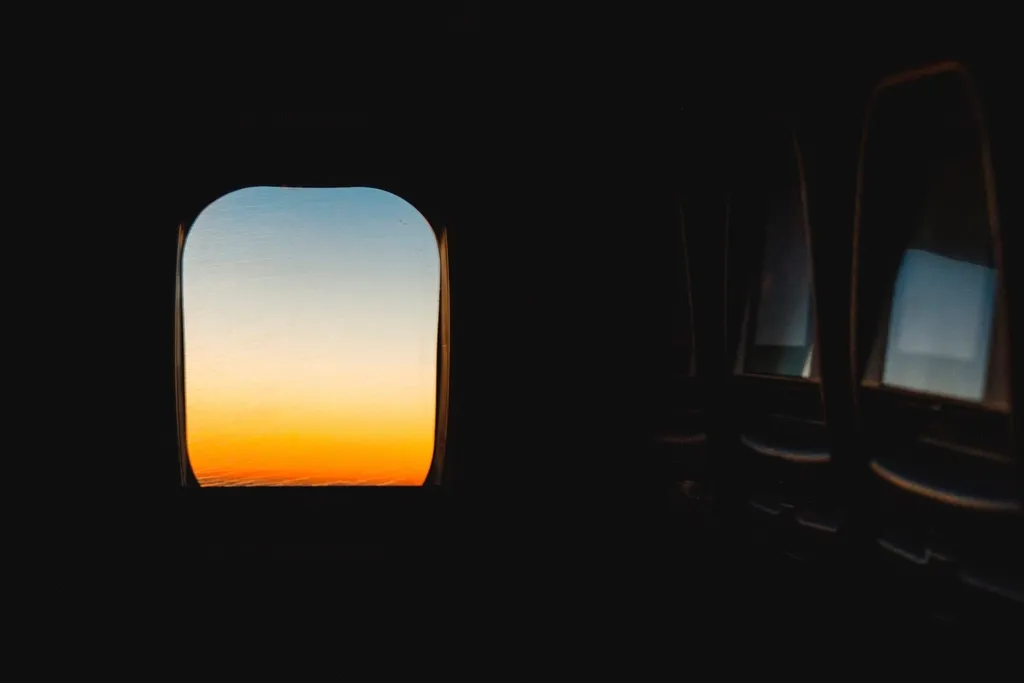
A growing trend toward in-flight darkness has led to a clash between passengers who prefer to keep their window shades open and those who want them closed. This shift has been building for years, and it’s worth understanding what’s actually driving it.
After a flight is in the air, the likelihood of having an open window shade drops minute by minute. On longer trips, some flight crews request passengers close the shades so others may sleep. On newer planes, crews can enforce a dark cabin through electronic window tints that can be darkened plane-wide.
These developments come alongside a new generation of seatback entertainment screens with solid picture quality and a wide film selection. Those who open the shade for an up-close view of the clouds may find themselves in disputes with the passengers around them, as if looking outside were somehow as disrespectful as reclining a seat.
The Exit Row Is a Special Case You Should Take Seriously
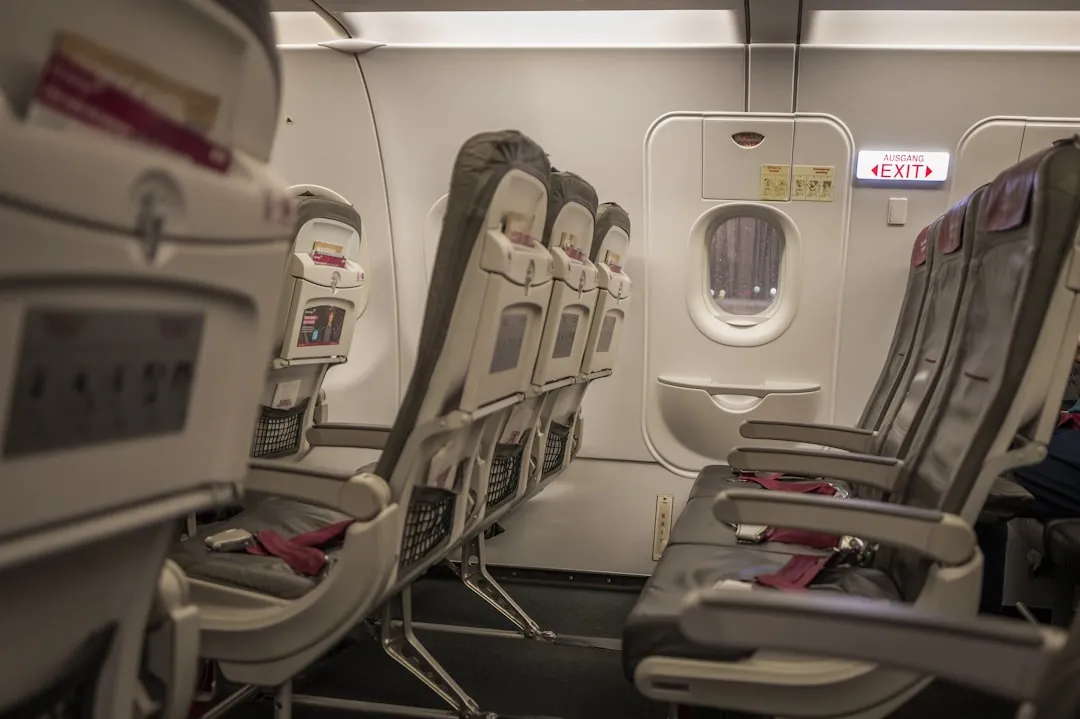
Keeping window shades open at emergency exits is why most airlines ensure exit-row windows are raised during takeoff and landing regardless of their general policy. According to KLM, flight attendants must ensure shades are open at emergency exits during takeoff, specifically to allow checking of outside conditions in the event of emergencies. Passengers may have to help with this safety check, since there could be times when a flight attendant won’t be near an exit door.
Reaction time is essential in an evacuation, with crew members having just ninety seconds to evacuate an aircraft. While keeping shades open during taxiing, takeoff, and landing is not mandated by law, and the FAA allows individual airlines to enforce this practice, exit rows are treated as a bare minimum where shades must be open.
If you’re seated in an exit row, your window is not just your personal view. It is part of the crew’s safety infrastructure. Keeping the shade down there is not a gray-area etiquette call – it’s a clear breach of expected conduct.
The Technology Has Changed, but the Tension Hasn’t
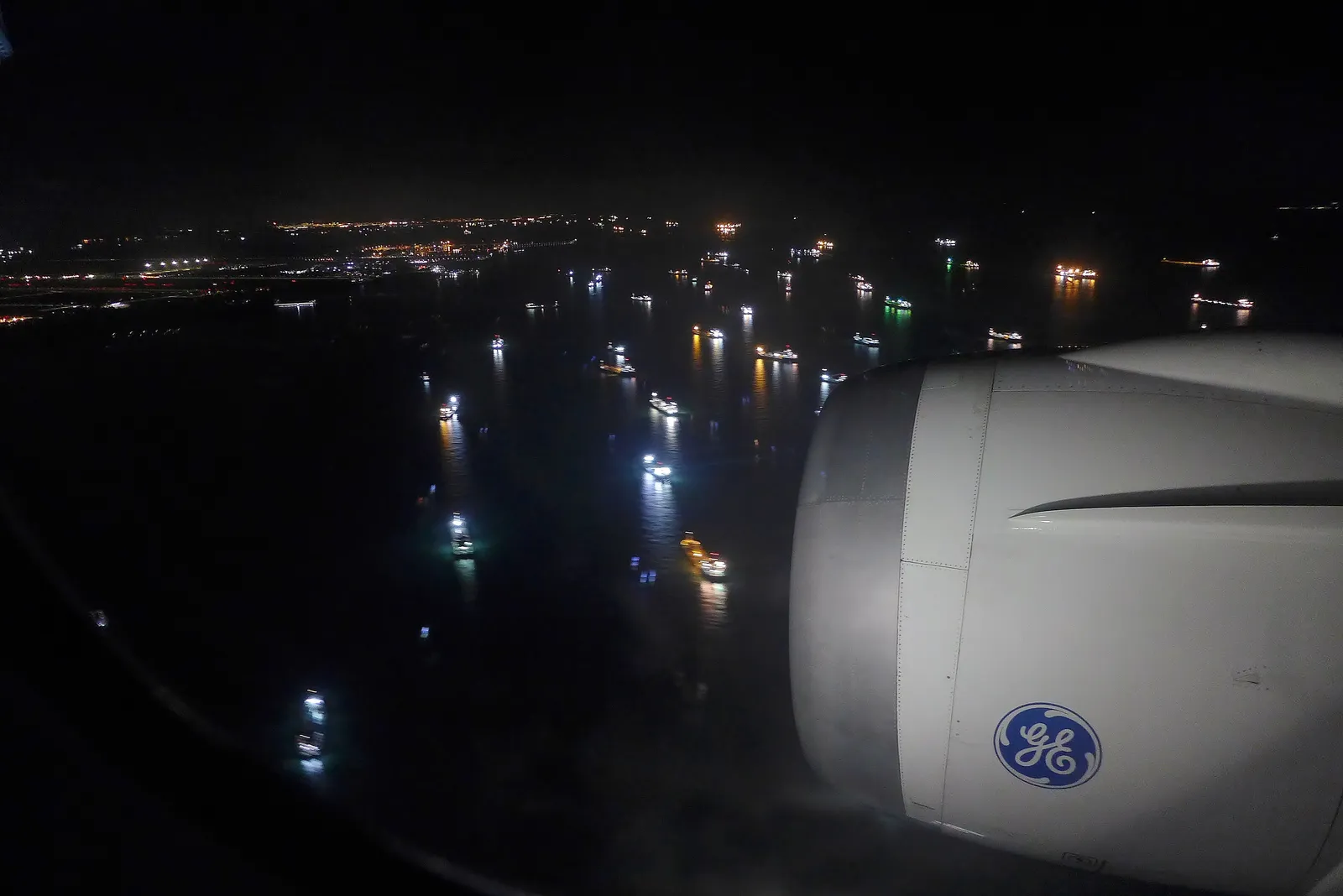
The Boeing 787 Dreamliner has the largest windows of any passenger jet, measuring a full 10.7 by 18.4 inches. Instead of traditional pull-down shades, it features electronically dimmable windows, with buttons beneath each window allowing passengers to regulate the amount of light entering the cabin.
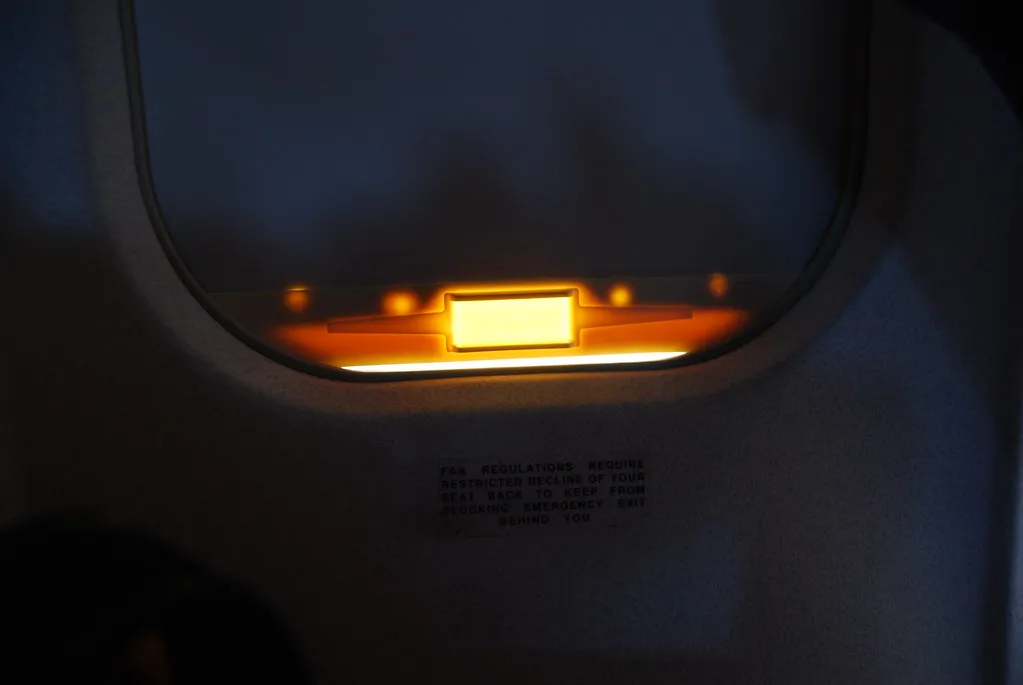
A Boeing 787 window can take up to one hundred seconds to fully darken, which leads many passengers to repeatedly press the dimmer switch. Boeing’s electronically dimmable window system has become one of the most frequently replaced cabin components on the aircraft, with the push button reportedly generating steady aftermarket demand because repeated passenger use causes the switches to wear out much faster than expected.
Even in the fully dimmed mode on a 787, the window never gets quite as dark as a traditional shade; if the sun is on your side of the aircraft, expect to feel some heat from it. Crews can control the window dimmers centrally and can put them to their maximum setting and lock them. American Airlines has specifically instructed its crews not to do this, noting that each window-seat customer deserves control over their own experience.
Sunlight Blasting a Sleeping Cabin Is a Real Problem With a Simple Fix
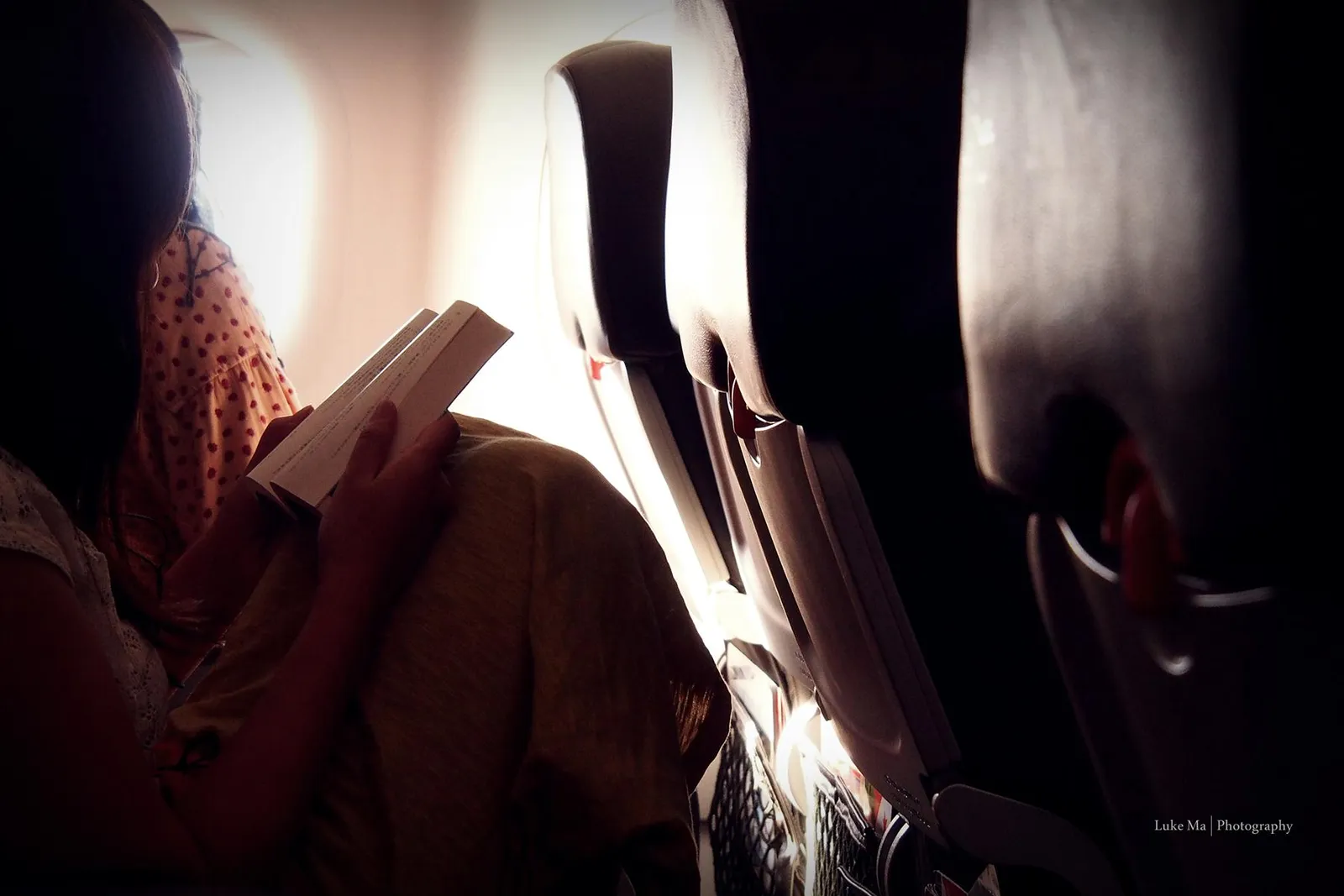
If you’re on a long night flight and sunrise comes, with one early riser who has their window shade open, that’s simply poor passenger etiquette. In that situation, the shade should be closed. This is one of the cleaner, less contested examples in the whole window-shade debate.
On a long-haul flight where every other passenger has their shade closed, the considerate move is to close yours as well. When just one shade is open, the glare can be extremely unpleasant for others, whether they’re trying to sleep or watch seatback entertainment.
Research on sleep environments notes that complete darkness is optimal for sleep, and while a cabin will never replicate ideal bedroom conditions, one bright window on an overnight flight can genuinely disrupt the rest of passengers several rows away. Recognizing that is part of being a thoughtful traveler.
Keeping It Open During the Day Isn’t Rude, It’s Actually Reasonable
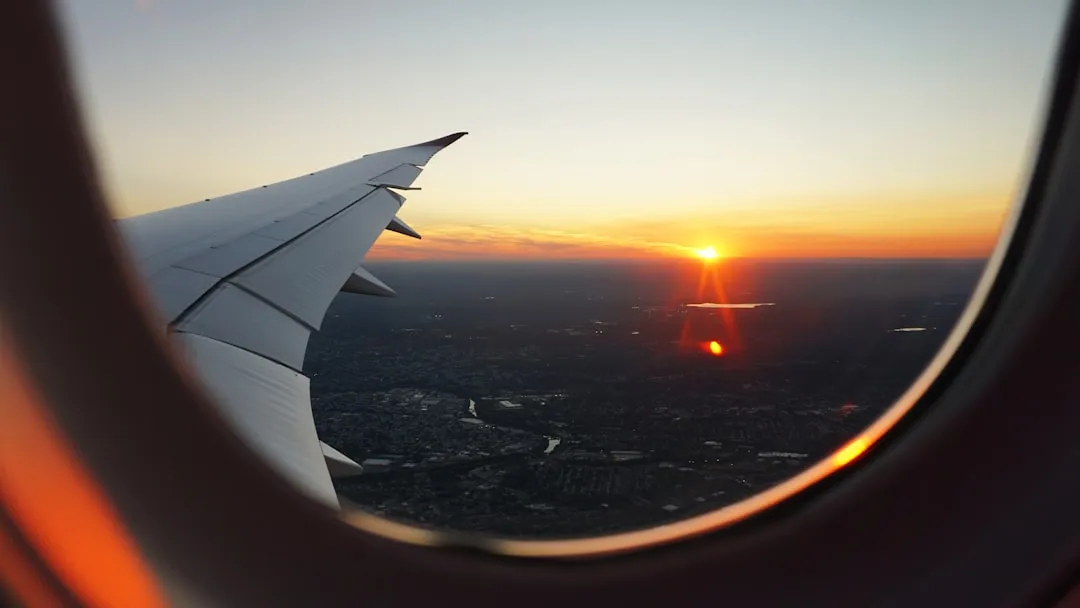
A growing and widely criticized trend is crew members on daytime flights demanding everyone closes their shades just minutes after takeoff, effectively sealing the cabin in darkness for hours on end. Many passengers and aviation observers find this difficult to justify when the sun is simply shining and nobody is trying to sleep.
The irony is that the same digital media revolution that has made it attractive to fly with the blinds closed has also made it more interesting to fly with them open. Sophisticated in-flight maps can show you exactly what you’re flying over.
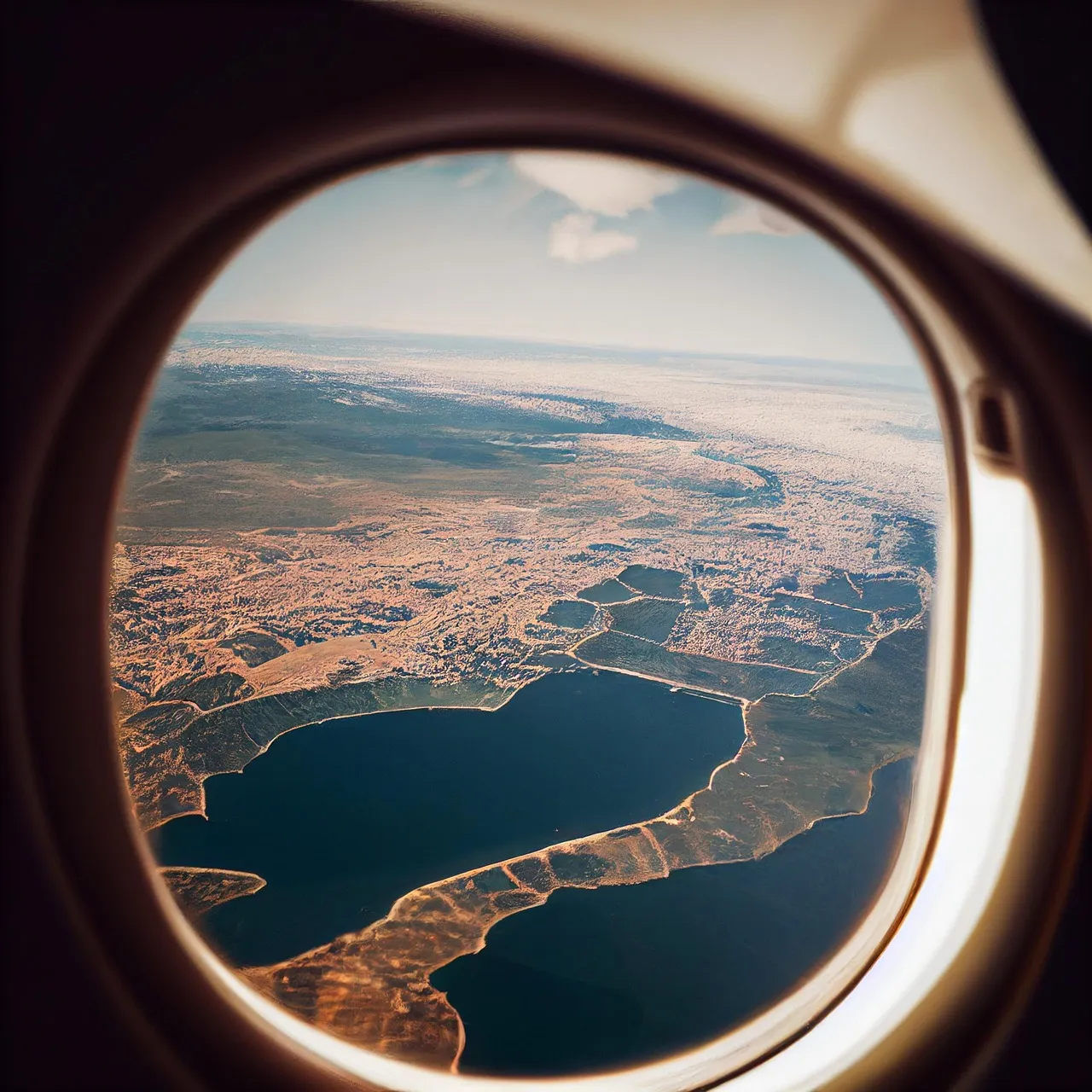
A daytime flight over Greenland, the Scottish Highlands, or the Canadian Rockies offers views that no seatback screen can replicate. Keeping the shade up in those moments isn’t inconsiderate – it’s exactly what windows are designed for. The key is reading the room, or in this case, the cabin.
What Crew Members Can and Cannot Actually Force You to Do
No federal rules govern the use of window shades during a flight. For safety reasons, airlines require that windows be open during takeoff and landing. Beyond those brief periods, each airline sets its own policy, and because no airline contract of carriage actually mentions window shades, establishing the “policy” often devolves to individual flight attendants.
Most etiquette experts would say the person in the window seat paid for the right to control the shade, though there is an important exception: passengers must always listen to flight attendants and cabin crew. According to the Department of Transportation, failure to follow crew member instructions may violate FAA regulations by interfering with the crew member’s ability to perform duties on the aircraft.
The practical takeaway here is clear. During cruise, you have genuine discretion. During takeoff and landing, compliance with crew requests is not just polite – it carries legal weight. Knowing the difference between the two puts you well ahead of most passengers.
What Your Shade Habit Actually Signals to the People Around You
If you slam the shade down at the boarding gate and never lift it again, you’re telling the cabin you’re entirely in your own world – which is fine in moderation, but it can make compromise harder when circumstances change. If you insist on keeping it fully open on a night flight over a sleeping cabin, you’re prioritizing your experience over everyone else’s rest without much justification.
The travelers who tend to navigate this well are those who check the context before defaulting to habit. Is it day or night? Is the cabin mostly asleep? Is anyone visibly uncomfortable because of glare? The golden rule here is situational awareness: if the sun is blinding someone else, consider lowering the shade. And taking cues from other passengers around you is a reasonable part of that process.
There have been real instances where passengers have noticed unusual events through their windows and notified the crew, which can matter greatly in a critical moment. Open windows play a meaningful role in helping crews and passengers spot problems early and make faster decisions when seconds can make a difference. That alone is worth remembering next time the instinct is to lower the shade before the wheels leave the ground.
The Takeaway
The window-shade debate will probably never be fully resolved, because it lives at the intersection of personal comfort, shared space, and genuine safety protocol – three things that rarely align perfectly on a full flight. What the research and guidelines do make clear is that the most defensible position isn’t always shade-up or shade-down by default. It’s paying attention to where you are in the flight, what the people around you need, and what the crew is asking.
A little awareness goes further than any fixed rule. And honestly, given the views that exist above the clouds, it’s worth opening the shade at least for takeoff. You might be surprised what you’ve been missing.
AI Disclaimer: This article was created with the assistance of AI tools and reviewed by a human editor.