


Most travelers buy a policy, tuck the confirmation email away, and assume they’re covered. That assumption feels reasonable until it isn’t. The fine print on a travel insurance policy can run dozens of pages, and the gaps between what you expect and what’s actually protected are often where the real financial risk lives.
The travel insurance industry is larger than many people realize. Travelers spent $5.56 billion on travel insurance in 2024, according to the U.S. Travel Insurance Association. With that much money flowing in, it’s worth knowing exactly what you’re paying for before you need it.
Your Pre-Existing Condition Is Probably Excluded by Default

Most travel insurance plans exclude pre-existing conditions by default, which means related cancellations, interruptions, or medical events may not be covered unless you qualify for a waiver. This catches people off guard because the word “excluded” rarely appears in the marketing language of a policy.
A pre-existing condition for travel insurance refers to an injury, illness, or medical condition that prompted you to seek treatment, experience symptoms, or take medication before buying the policy. To determine what qualifies, a travel insurance company typically looks back 60 to 180 days before the day the policy was purchased.
If you had any changes in your medical status during that period, such as a new diagnosis, a decline in health, or the addition of new prescription medication, the condition will be considered pre-existing. Notably, you don’t always need an official diagnosis from a healthcare professional for something to be designated as pre-existing for insurance purposes. That last part surprises a lot of people.
The Waiver That Could Save You Exists, but the Window Is Narrow
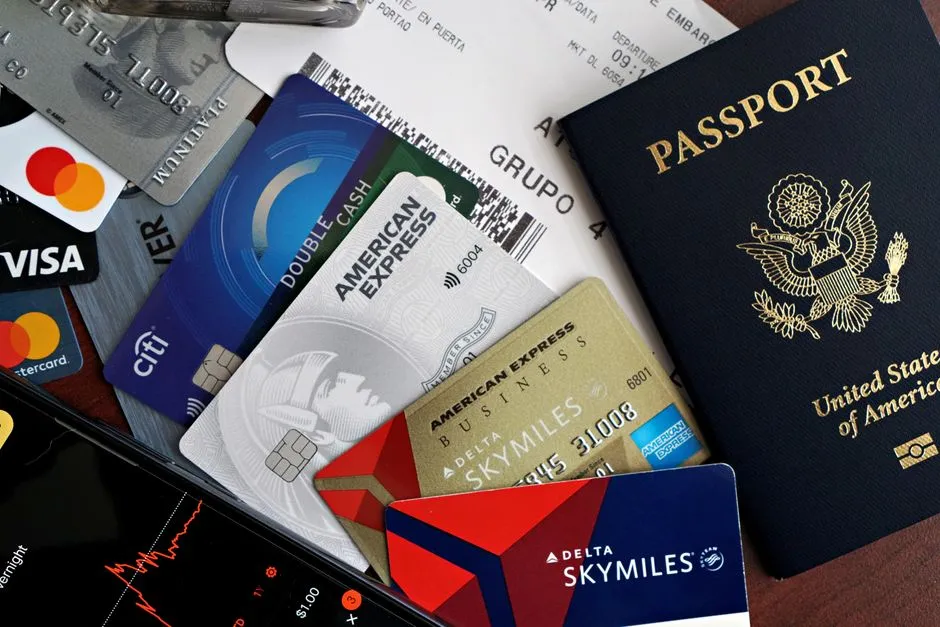
A pre-existing medical condition exclusion waiver lifts the exclusion of pre-existing conditions for travel insurance medical claims. With this waiver, you can be covered for problems related to pre-existing conditions during your trip. The catch is that qualifying is time-sensitive.
To be eligible for pre-existing condition coverage, you must meet the travel insurance policy’s waiver criteria, which typically means buying within the policy’s time-sensitive window, insuring your total trip cost, and having an existing primary health insurance plan. Miss that window, and the waiver option disappears entirely.
You can get pre-existing condition exclusions waived only if you purchase the insurance within a specific date range of the initial trip deposit. With some plans you must purchase the insurance on the same date as the initial trip deposit, while others allow you to purchase it within 7 to 30 days. Reading the fine print on timing alone could be the difference between a covered claim and a denied one.
Medical Evacuation Costs Can Reach a Quarter of a Million Dollars

A medical evacuation due to a serious illness or injury can cost anywhere from $25,000 to over $250,000, especially if you’re traveling abroad or in a remote area. That number tends to stop people cold when they hear it for the first time.
Both the CDC and the State Department recommend U.S. travelers secure international travel health insurance for trips abroad, citing that emergency medical evacuations to the United States can cost upwards of $200,000, depending on location and the severity of condition. Standard domestic health insurance typically won’t touch those costs.
Most medical evacuation insurance coverage starts at $100,000 per year, but even that might not be enough. The national average for an emergency helicopter ride is about $40,000, according to medical travel service Flying Angels. That’s just an average, so flights to remote places could easily be more expensive. If your policy has a low evacuation ceiling, the remainder comes out of your pocket.
Your Domestic Health Insurance Is Largely Useless Abroad
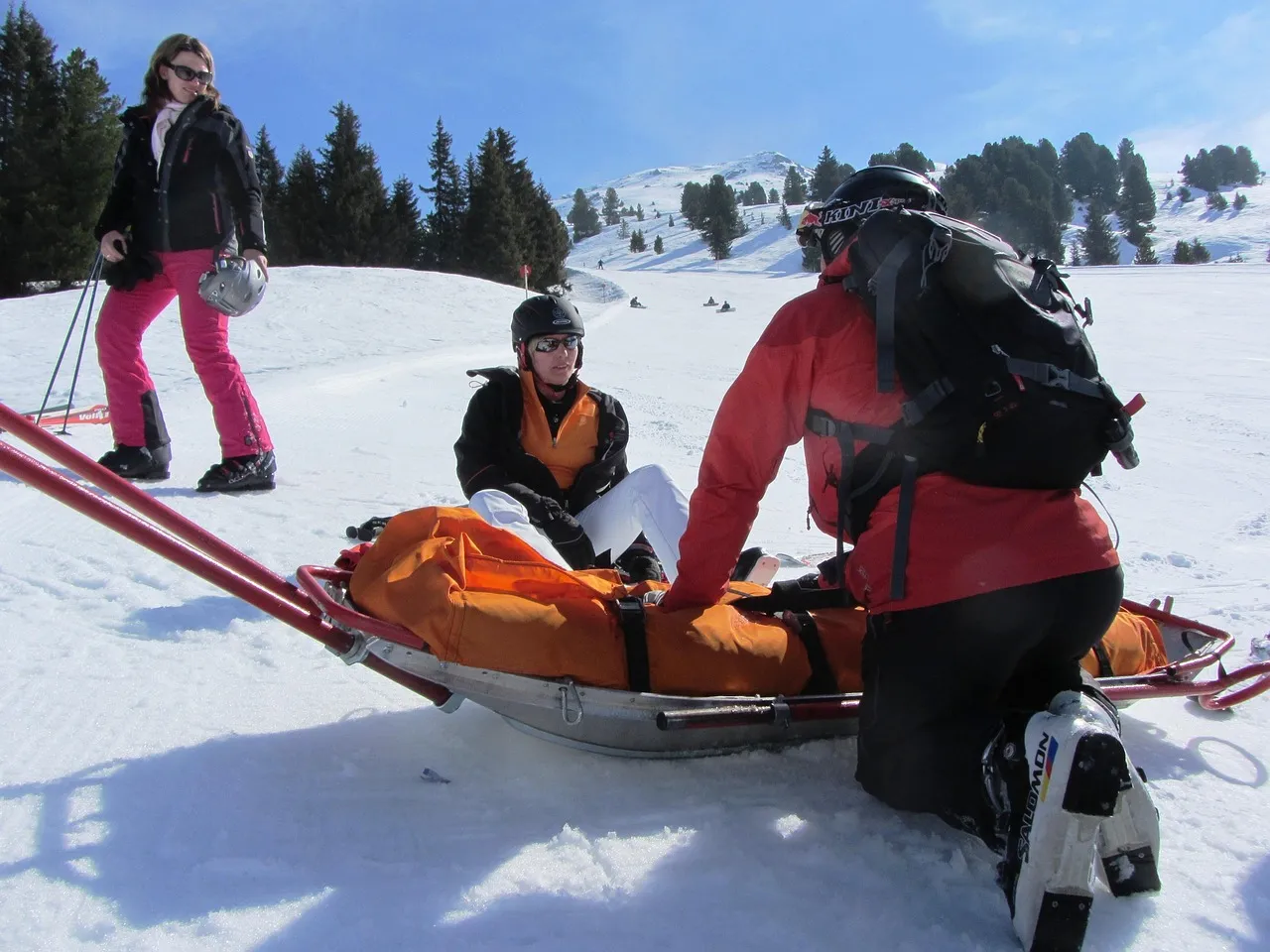
Most U.S.-based healthcare insurance policies do not extend coverage to illness or injury overseas. This is one of the most misunderstood aspects of international travel, and it’s one that can create a genuinely dangerous situation when someone is injured or ill far from home.
Since most countries don’t accept U.S. health insurance, everyone traveling abroad should consider having basic travel medical protection. This ensures you can access high-quality, Western medical facilities and avoid large out-of-pocket expenses.
This kind of coverage is absolutely vital for the over 100 million Americans who travel abroad each year, many of whom don’t realize their domestic plans like Medicare are basically useless outside the U.S. Medicare’s international coverage is effectively zero in most situations, a fact that is genuinely unknown to a significant portion of older travelers who rely on it at home.
Documentation Failures Are Quietly Driving a Large Share of Denials

Insurers need proof: medical bills, police reports for theft, airline delay confirmations, or doctor notes. Without itemized receipts or timely submissions, claims get rejected fast. This sounds straightforward, but in the middle of a travel emergency, gathering documentation is rarely anyone’s first instinct.
Travelers often submit vague emails or forget originals, leading to an estimated 30 to 40 percent of delays and denials based on industry statistics. That’s a significant proportion of claims that fail not because of policy exclusions but because of paperwork.
Most travel insurance policies require you to submit a claim no longer than 90 days after the incident, or it will be denied. The clock starts immediately, so understanding the submission timeline before you travel, not after an incident, is genuinely important.
Adventure Sports Are a Standard Exclusion in Most Policies

Under most sports travel insurance policies, exclusions can apply to organized amateur or professional sports, extreme sports such as bungee jumping, skydiving, hang gliding, caving, heli-skiing, and parachuting. Most adventure sports and activities are typically excluded from standard travel insurance policies.
If you plan to do higher-risk activities, you’ll need to book an adventure sports upgrade. This add-on covers bungee jumping, skydiving, snow skiing, mountain climbing, parasailing, cliff diving, and other extreme sports. Without that add-on, an injury during any of those activities is almost certainly going to be denied.
Since the definition of a hazardous sport can vary by provider, always refer to your policy certificate to confirm exactly what activities, scenarios, and expenses are excluded. “Hiking” might be covered under one policy while a steep-altitude trail falls under the exclusion of another. The specifics genuinely matter here.
Cancel for Any Reason Coverage Is Not Standard, and It Has Real Limits

Fear-based cancellations aren’t covered under standard travel insurance. If you want the option to cancel for reasons not listed in your policy, such as simply changing your mind, you need to add cancel for any reason coverage.
With this optional upgrade, you can cancel for any reason, as long as you do so at least 48 hours before your scheduled departure. Depending on the policy, you can get up to 50 or 75 percent of your prepaid, nonrefundable expenses reimbursed with this type of coverage. That means at best, you’re still absorbing a quarter of your losses.
Cancel for Any Reason add-ons are typically available if purchased within 21 days of your initial trip deposit. Again, early action is the key. Waiting until geopolitical tensions rise, a weather system develops, or a personal concern emerges means the window has likely already closed.
Trip Cancellation Claims Are the Largest Category, and Many People Misunderstand What Qualifies
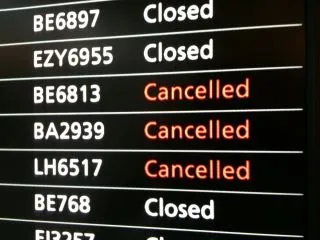
Trip cancellation and disruption claims accounted for roughly 40 percent of paid claims last year, with average cancellation payouts around $5,511, and some claims exceeding $50,000. These are real numbers with real stakes, but the payout depends entirely on whether the reason for cancellation is listed in the policy.
Strikes announced before you buy a travel insurance policy are not covered. This is a specific example of a broader rule: if the event was already known or foreseeable when you purchased your policy, it almost certainly won’t qualify for a claim. Buying insurance after a hurricane is already named and heading toward your destination won’t protect you from that storm.
Gradual issues or known risks that existed before the policy start date aren’t covered. Documentation of sudden onset is typically required as proof. The word “unforeseen” appears in nearly every policy for a reason, and insurers interpret it strictly.
Baggage Loss Payouts Are Often Far Lower Than You’d Expect

Lost and delayed baggage claims rose by an extraordinary 107 percent from 2024 to 2025, though average payouts for missing luggage were around $256 in 2025. That figure reflects how small the actual reimbursements can be relative to what travelers assumed they’d receive.
Most baggage coverage has per-item limits buried in the policy details, and high-value items like cameras, laptops, and jewelry are routinely sub-limited or excluded entirely. A traveler who loses a camera bag worth several thousand dollars may receive only a small fraction of that amount, if anything at all.
Some plans may cover sporting equipment as an add-on if you plan to bring your own. Specialized gear requires intentional, specific coverage selection, not an assumption that a general baggage clause will stretch to cover it.
Emergency Medical Is Now the Single Largest Claim Category
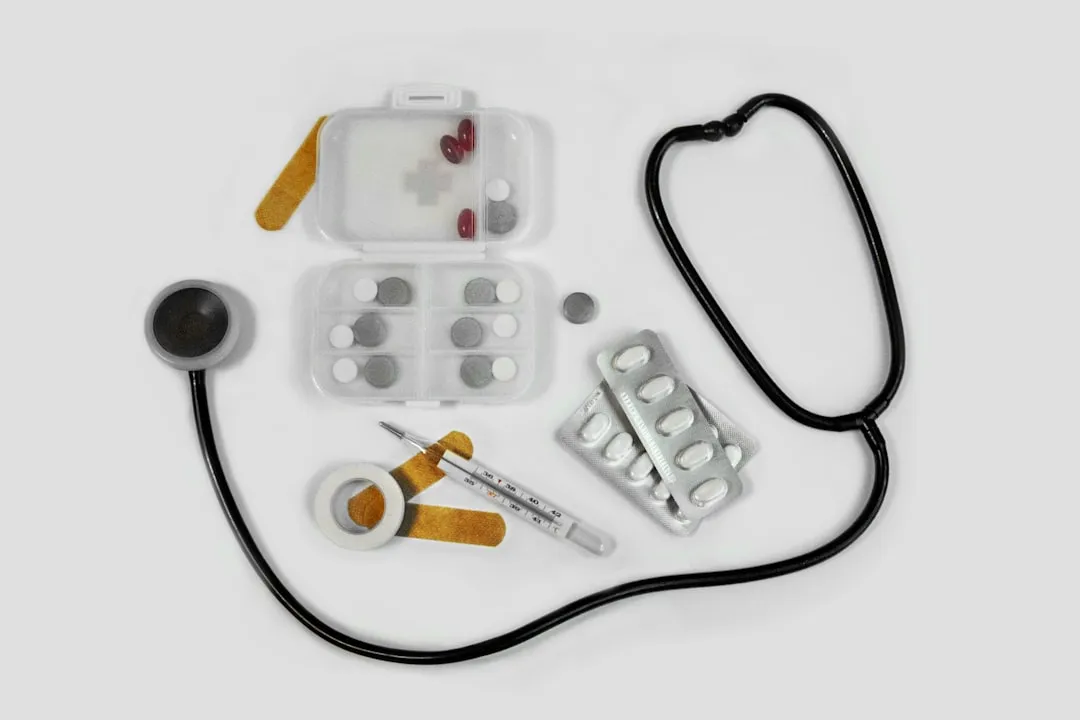
For the first time in more than 10 years, emergency medical became the single highest-paid and most frequently claimed benefit, accounting for 27 percent of all paid claims in 2024. This shift reflects both rising travel volumes and the growing awareness that medical costs abroad can be catastrophic without coverage.
As travel costs surged in 2024, more travelers sought protection through travel insurance, leading to an 18 percent increase in paid claims over the previous year. This rise coincided with a dramatic 37 percent spike in payout amounts, which grew from an average of $1,900 to $2,609. The data suggests that travelers are not just filing more claims but that the severity of those claims is climbing too.
Over 27 percent of all travel insurance claims stem from a medical emergency. Travelers receive an average payout of $1,816 per medical claim, but having a policy could save thousands more in medical expenses in a serious situation. That average payout also underscores why choosing a policy with meaningful medical limits, rather than the cheapest available option, is worth the extra thought.
The Takeaway: Read the Policy Before You Need It

Travel insurance is genuinely useful. The data consistently shows that claims are paid, that payouts are rising, and that the protection matters most in moments when travelers are least able to manage the financial fallout alone. The problem is rarely the product itself. It’s the gap between what travelers assume is covered and what the policy actually says.
Pre-existing condition windows, adventure sports riders, documentation requirements, cancellation definitions, and baggage sub-limits are not hidden traps set by insurers. They’re printed clearly in documents that most people never open. The policies that seem like fine print are, in fact, the policy.
Buying early, reading carefully, and matching coverage to your specific trip and health situation will close most of those gaps before they cost you anything. The travelers who discover what wasn’t covered are almost always the ones who never looked until it was already too late.
AI Disclaimer: This article was created with the assistance of AI tools and reviewed by a human editor.