
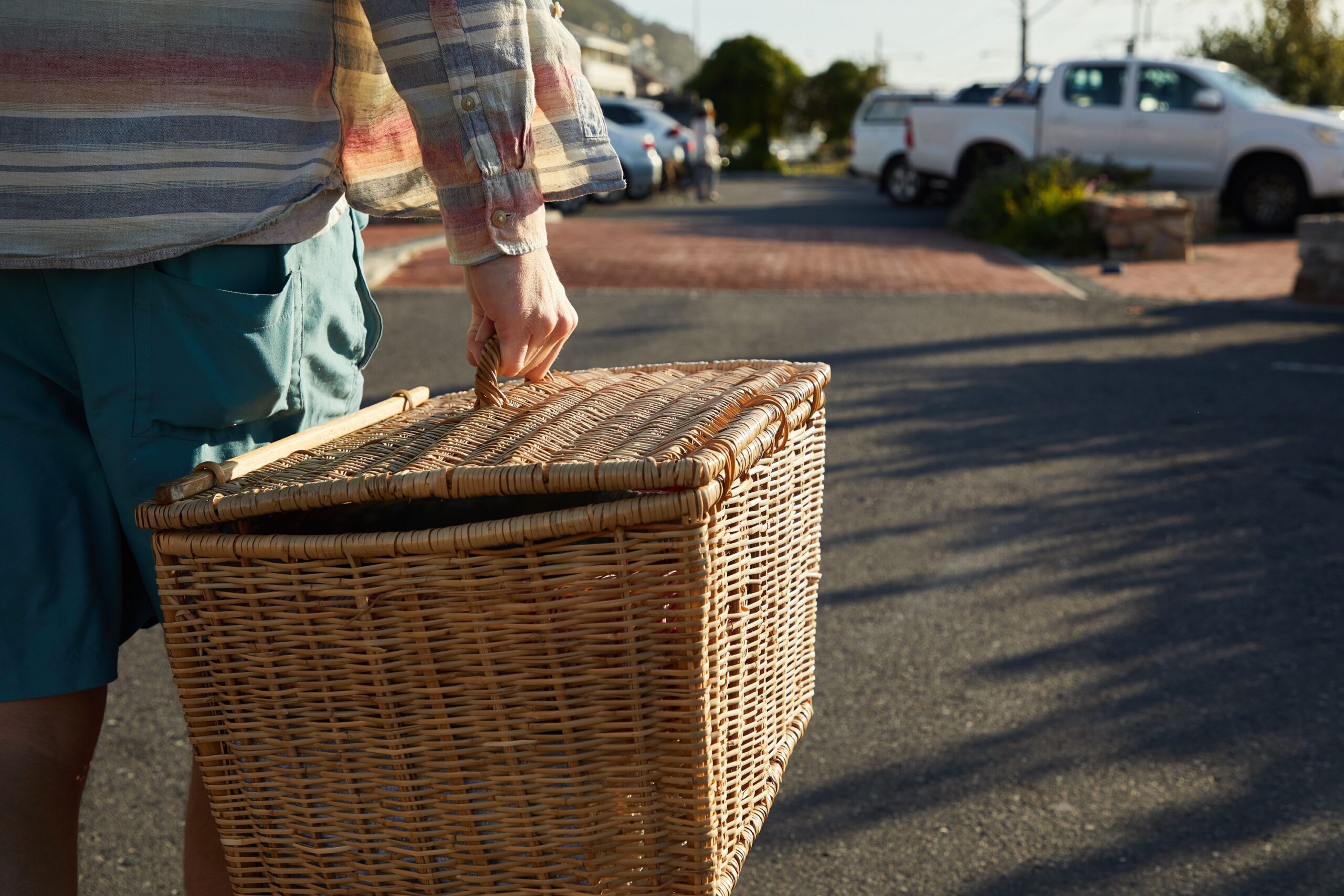

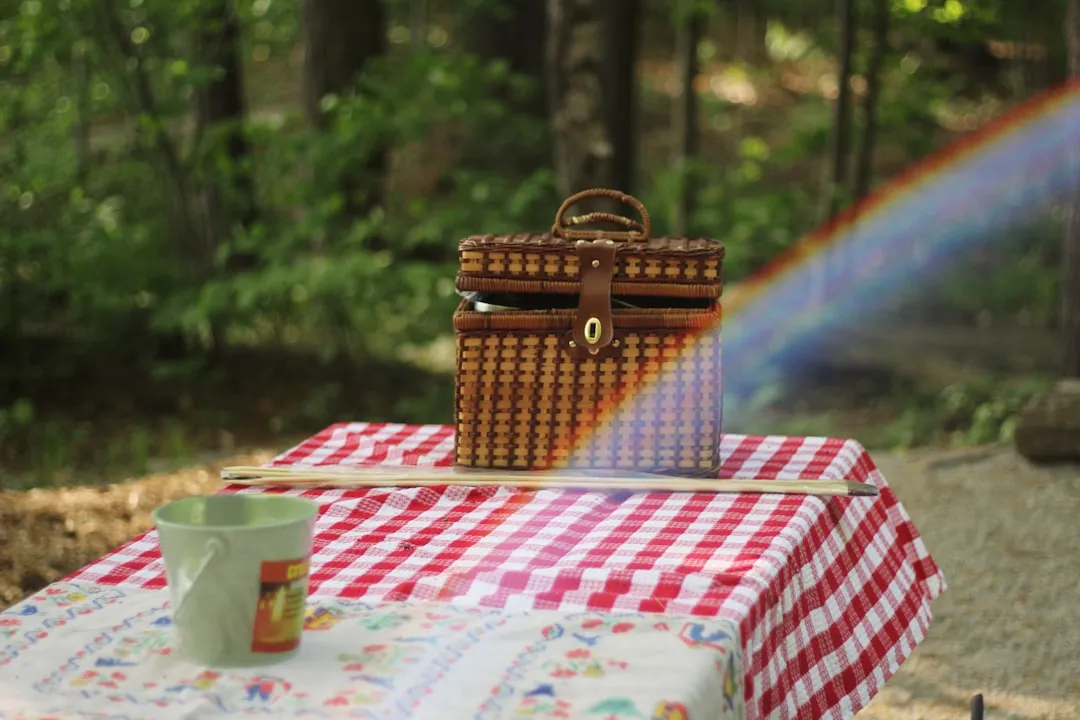
There’s a particular kind of memory that belongs almost entirely to a certain generation of American traveler: the car pulled off at a concrete table under a crooked oak tree, a cooler cracked open, sandwiches wrapped in wax paper, and the distant hum of passing traffic. It wasn’t fancy. It wasn’t Instagram-ready. It was, by most measures, one of the finest ways to eat on the road.
That tradition has quietly faded. Drive-thrus replaced rest stops as the default road meal. Delivery apps replaced the packed lunch. Yet something interesting is stirring in the data and in the culture. More Americans are heading out on road trips than ever before, and many are starting to ask whether convenience really has been worth the trade-off.
When the Road Itself Was the Point
The American road trip has roots stretching back to the earliest days of the republic, and historians note that the culture of the United States has long been shaped by people pushing into new territory. The rapid growth of the interstate system in the 1960s brought with it not just faster travel but an entirely new roadside economy of fast-food chains, motels, and drive-thrus. The picnic pullout was part of an older, slower rhythm that predated all of that.
Between 1901 and 1908, transcontinental drivers loaded their vehicles with tools, camp stoves, sleeping gear, and navigational instruments. Early auto-touring writer Mary C. Bedell published her full gear list in 1924, which included a gasoline stove, cooking grate, aluminum kettles, coffee pot, and enamel cups, all of which added several hundred pounds to her loaded automobile. Stopping to cook and eat was simply part of how you traveled.
By the mid-1920s, an estimated two thousand to six thousand municipal campgrounds operated across the United States, many offering free or low-cost camping specifically to attract traveling motorists and their spending. Roadside eating wasn’t a loophole or a budget trick. It was the culture of the road.
The Interstate Takeover and What It Swept Away
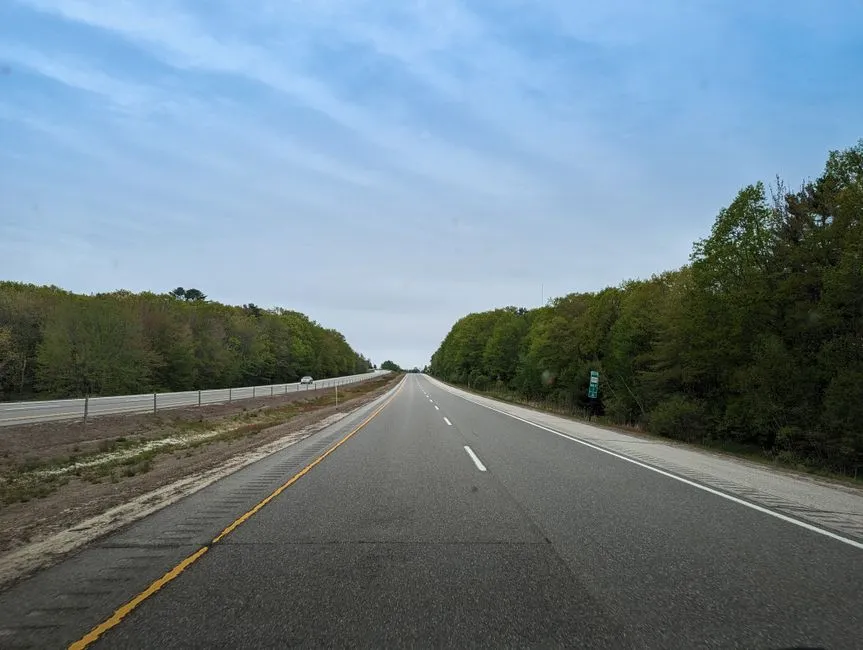
The Federal Aid Highway Act of 1956 authorized 41,000 miles of interstate highways, fundamentally transforming American road travel by enabling faster, safer cross-country journeys. Before the interstate system, cross-country travel often took weeks on narrow, winding roads. The new highways reduced travel times dramatically but also bypassed many small towns and classic roadside attractions, contributing to the decline of historic routes like Route 66 and the communities that depended on them.
Speed became the new value. The interstate didn’t reward lingering. It rewarded throughput. The roadside picnic table was, in a very real sense, an artifact of a time when the trip itself had inherent value, not just the destination. Once the highway was designed for velocity, everything else followed.
The Rise of Fast Food and the Drive-Thru Default
According to Renub Research, the United States fast food and quick service restaurant market was valued at nearly $249 billion in 2024 and is expected to reach close to $346 billion by 2033. That is a staggering infrastructure built almost entirely on the premise that stopping to prepare your own food is an inconvenience worth paying to avoid.
Drive-thru windows once represented the ultimate American compromise between time and money. Families could feed everyone in the car with the loose change from the cupholder. Those golden days of dollar menus and instant gratification have largely vanished. Consumers now face steep receipts for basic combinations that rival the tabs at sit-down restaurants.
Between January 2024 and September 2025, the cost of food away from home surged by roughly six percent. The value that supposedly made the drive-thru a no-brainer has eroded considerably, and that erosion is beginning to change behavior in measurable ways.
Drive-Thru Culture Is Quietly Slipping
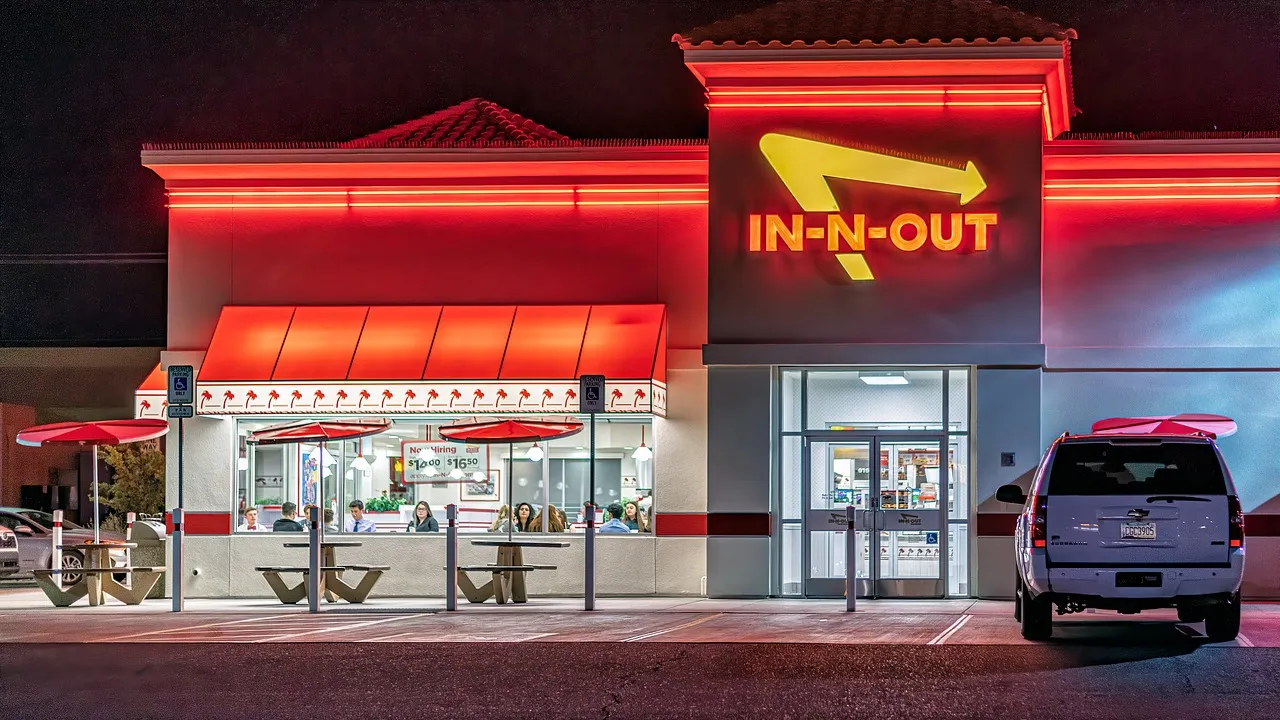
Once the star of pandemic dining, the drive-thru is now facing a steady traffic decline. Revenue Management Solutions data shows drive-thru visits are down between five and eight percent year-over-year in 2025. The percentage of total quick-service orders coming through the drive-thru has decreased from roughly 83 percent in 2020 to around 65 percent in 2025.
According to one survey, nearly eight in ten Americans now view fast food as a “luxury.” That shift in perception is significant. When the thing marketed as affordable starts to feel expensive, people start looking for other options. The packed cooler is starting to look rational again.
Families are rediscovering the simple satisfaction of preparing meals together without the corporate markup. This shift represents a fundamental change in how Americans approach their daily feeding routines on and off the road.
Road Trips Are Booming Anyway
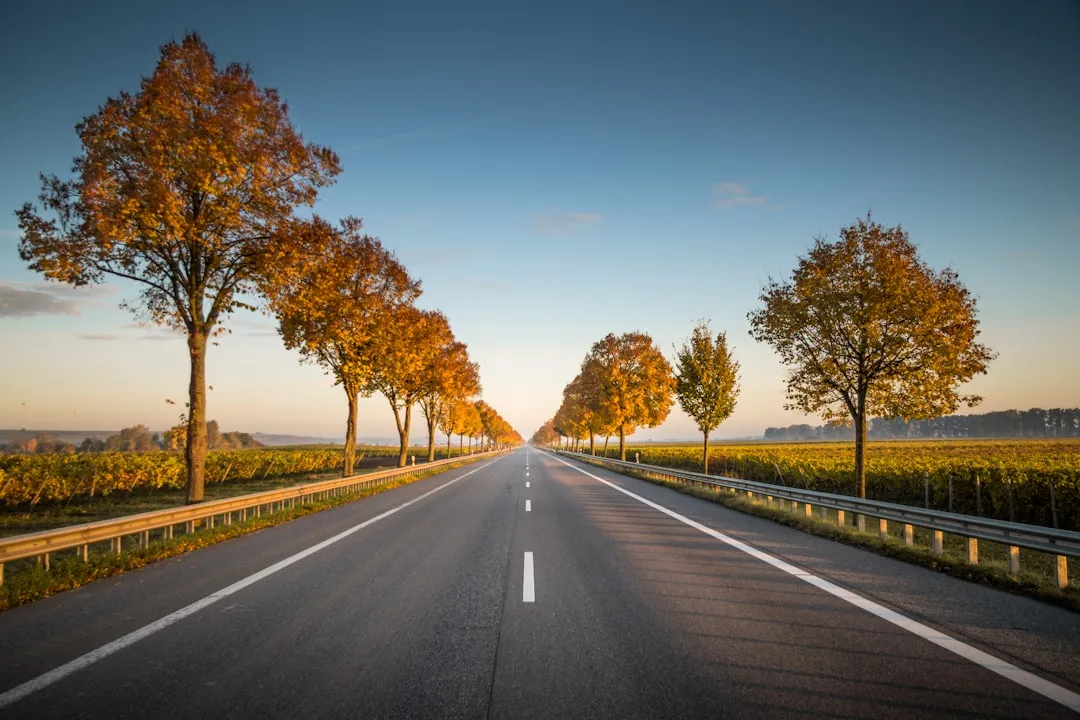
Road trips are one of the most popular travel choices in the country, with an estimated 1.95 billion road trips taken in 2024, surpassing previous records and indicating continued growth in road tourism. The appetite for the open road has not diminished at all. What has changed is how people eat along the way.
Deloitte’s 2025 summer travel research found that more than half of Americans planned leisure vacations, up from 2024, with a more frugal overall approach. Enterprise Mobility reported that six in ten surveyed Americans planned to reach their next summer destination by personal or rental vehicle. Cost consciousness is one of the defining characteristics of the current wave of road travel.
When U.S. travelers were asked what types of trips they had planned in 2024, more than 30 percent said they were going to take a road trip, making it the third most popular type of vacation overall. That is an enormous pool of people who are on the road, spending hours between destinations, needing to eat.
Outdoor Recreation Is at a Record High
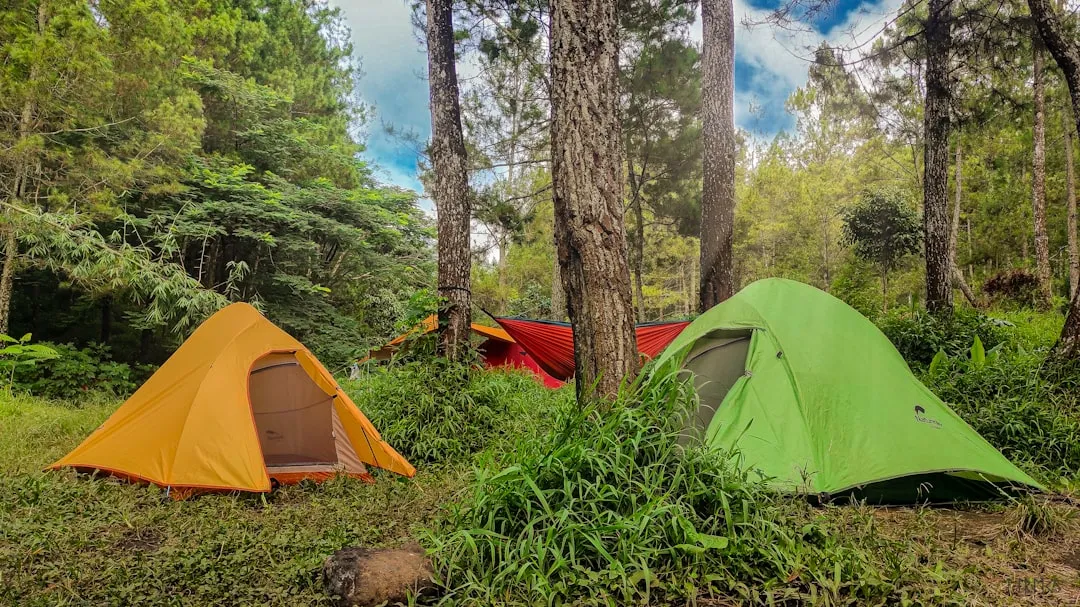
According to the Outdoor Industry Association, outdoor participation in the United States grew by three percent in 2024, reaching a record-breaking 181.1 million people. That represents nearly 60 percent of all Americans aged six and older being active and enjoying the outdoors. The cultural lean toward being outside is genuine and growing.
Participants in 2024 were most attracted to walking, hiking, fishing, camping, bicycling, and running, with each of those major activities gaining an average of 2.1 million participants. These are exactly the kinds of activities that go naturally alongside a properly packed cooler, a blanket on the grass, and a meal eaten somewhere away from a menu board.
Outdoor recreation spending supports five million U.S. jobs as part of a $1.2 trillion economy, and the Bureau of Economic Analysis data shows the outdoor economy has grown 36 percent since 2012. The outdoors is not a niche interest. It is a central part of American life, and eating in it can be too.
What the Picnic Offered That We Gave Away
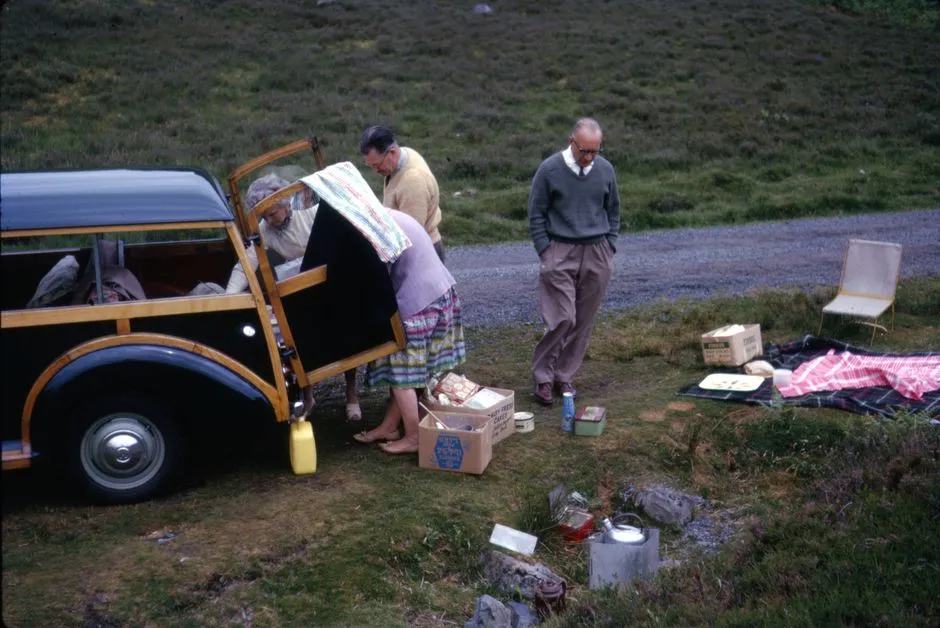
There is something worth naming directly. The roadside picnic was never just about food. It was a pause, a reason to stop the car and feel the ground under your feet. It gave children a place to run between long stretches of sitting. It gave families a shared task, even if the task was only unwrapping sandwiches and finding the bottle opener.
The drive-thru replaced that with a transaction. You pull in, you pay, you pull out, you eat with one hand on the wheel. Efficient, certainly. But it removes the part of travel that makes the journey memorable rather than merely completed. A certain American kind of getaway was always built around overlooks, picnic pullouts, mountain tunnels, lake cabins, and long stretches of windshield scenery.
The cooler, the folding chairs, the imperfectly ripe peach eaten over a trash can because no one packed napkins: those are the textures that stay with you. A Styrofoam cup of fast food coffee on the interstate does not.
The Economics Are Starting to Favor the Cooler Again
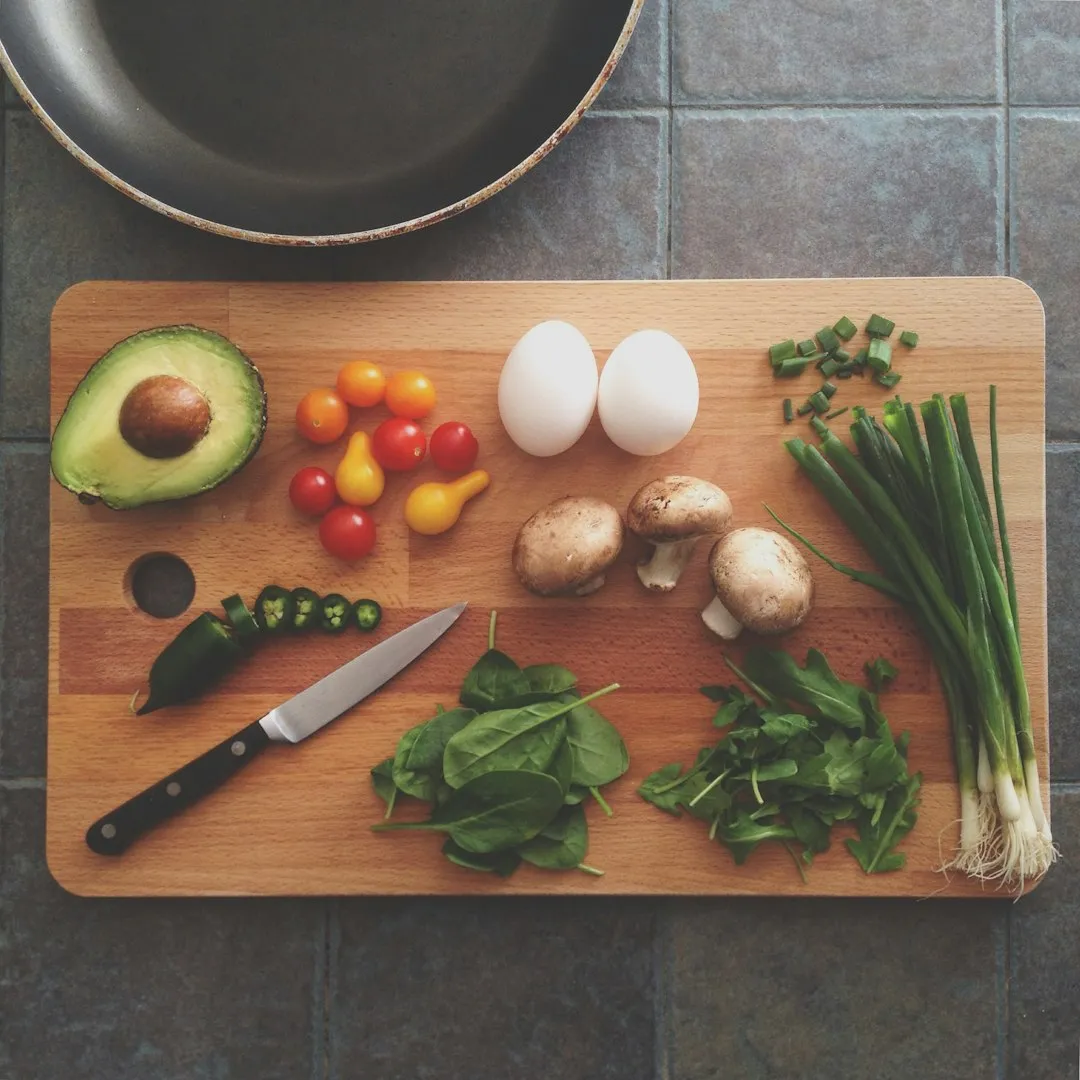
By 2024, Americans were still allocating roughly 55 percent of their food budget to dining out. In inflation-adjusted terms, spending on food away from home has grown more than twice as fast as grocery spending since 2019. That gap is precisely the kind of pressure that historically nudges behavior back toward home-prepared food.
Social media is now populated with content showing how to recreate famous restaurant items at home, and many people have realized that making a meal from scratch often takes less time than waiting in a backed-up drive-thru. The financial savings accumulate significantly over even a single month. Applied to a road trip, those savings can be substantial.
Packing your own food for a two-day drive is not a radical act of self-sufficiency. It is simply what travelers did for most of automotive history, and the math in 2026 makes it look very sensible again.
Who Is Actually Bringing It Back
Road trips in 2024 are most popular among people aged 25 to 44, who represent about 40 percent of all road trippers. The second-largest group is adults aged 45 to 64, accounting for roughly 35 percent of road travelers. These are not demographics that grew up without smartphones or delivery apps. They are choosing the road deliberately.
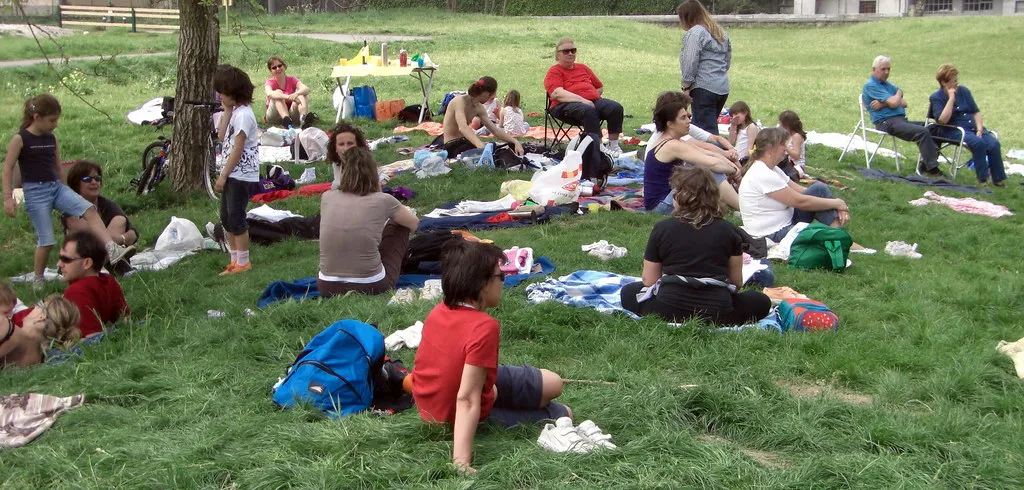
The growing consumer engagement in outdoor recreational activities is driving a broader interest in picnic culture, with heightened awareness of the health benefits associated with outdoor pursuits playing a notable role. The picnic is being rediscovered not out of nostalgia alone, but because it aligns with values around wellness, cost awareness, and time spent in natural settings.
According to the Outdoor Industry Association, nearly half of Americans participate in outdoor recreation, indicating a substantial market potential for experiences that enhance time spent outside. A well-packed cooler and a grassy pullout are about as low a barrier to entry as outdoor recreation gets.
Bringing It Back Thoughtfully

If the roadside picnic is going to find its way back into the road trip experience, it works best when it’s done with some intention. That means packing food that travels well, choosing rest areas or public green spaces that welcome visitors, and leaving the spot in better condition than you found it. The ethos of responsible outdoor recreation applies here too.
The rise of social media has contributed to renewed picnic culture as people share outdoor dining moments, and there is a growing consumer demand for eco-friendly and sustainable products associated with outdoor gatherings. There is an opportunity here to make the roadside meal something more than just a budget substitution. It can be a genuine part of how you experience a place.
Choosing a spot with a view instead of a parking lot with a speaker box, eating food you made yourself instead of food assembled by algorithm, taking twenty minutes to sit rather than five minutes to eat while merging back onto the highway: none of that requires special gear or extensive planning. It just requires the decision to stop.
The Road Still Has Room for This
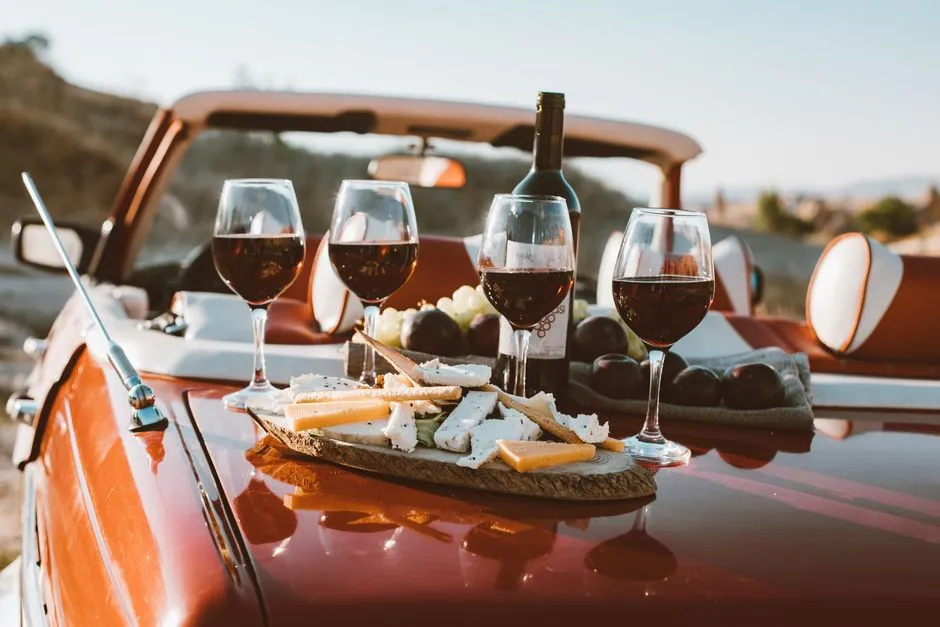
The American road trip remains a powerful expression of freedom, curiosity, and the human desire to see what lies beyond the horizon. The routes traveled were pioneered by adventurers, families, and dreamers who saw the open road as a path to something worth experiencing. The roadside picnic belongs in that same spirit.
The cooler in the back seat doesn’t represent deprivation or inconvenience. It represents a choice to slow down and be where you actually are. In a travel landscape increasingly shaped by apps, loyalty points, and optimized routing, that choice is starting to feel quietly radical, and perhaps quietly necessary.
The rest stop picnic table is still out there. It’s waiting under the same oak tree it always was. Whether we pull over is up to us.
AI Disclaimer: This article was created with the assistance of AI tools and reviewed by a human editor.