
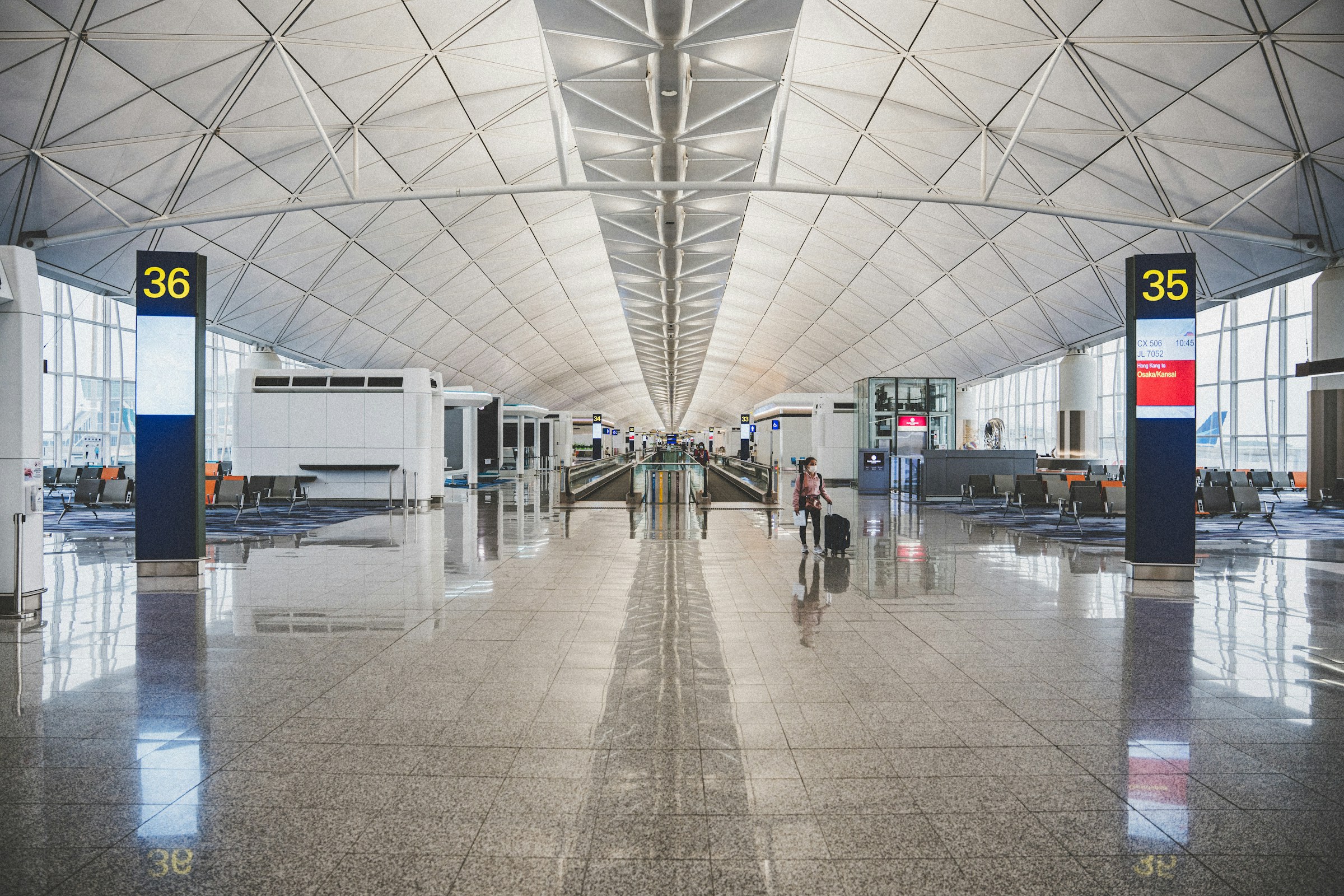

There’s a particular kind of airport memory that people describe with a softness in their voice. A grandmother waiting at the gate, eyes scanning every face stepping off the jet bridge. A father watching his daughter disappear down the boarding tunnel, waving until the door closed. Those scenes weren’t rare. They were simply how airports worked.
For most of the twentieth century, the American airport was a shared space, open and relatively informal. Then, in the space of a single morning in September 2001, that changed completely. What followed was more than a security overhaul. It was a quiet reshaping of how Americans say hello and goodbye.
How Open the Airports Once Were
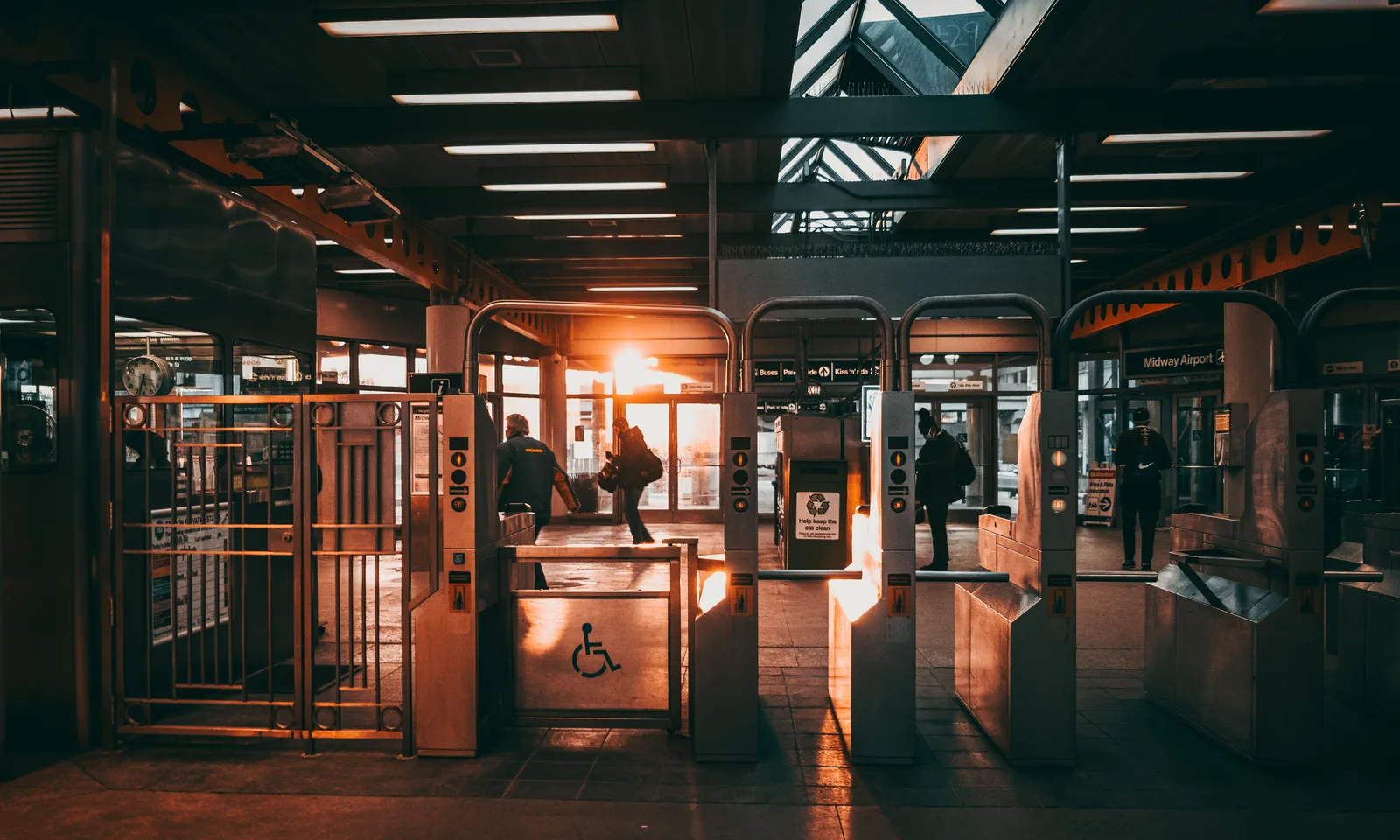
Before 2001, U.S. airports generally allowed almost anyone, even those without a boarding pass, to pass through security and wait at the gate. That wasn’t a loophole or an oversight. It was simply the norm, built into the physical and cultural design of terminals across the country.
Loved ones without tickets could walk travelers to their gates and say goodbye as they boarded, and IDs weren’t required to enter the concourse. The airport functioned more like a train station than a fortress. Families lingered. Children pressed their faces against windows. There was no clock counting down the moment you had to leave someone behind.
A Security System Built for Convenience, Not Threat
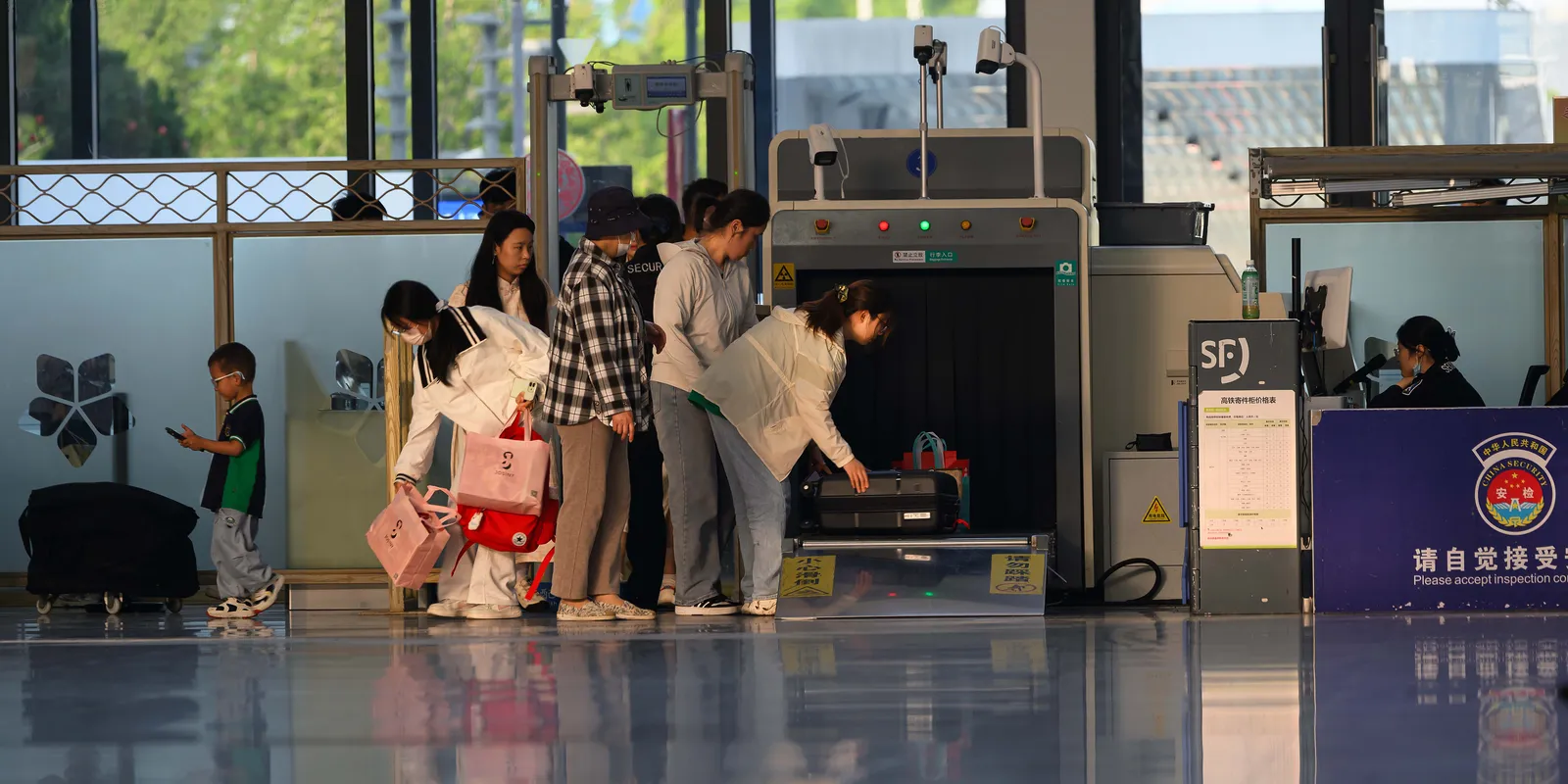
“Before 9/11, security was almost invisible, and it was really designed to be that way,” said aviation security expert Jeff Price. “It was designed to be something in the background that really wasn’t that noticeable and definitely did not interfere with aircraft or airport operations.”
People went through a screening process run by private companies that employed minimally trained individuals instead of a qualified federal workforce. Airport security at that time was carried out by private contractors, usually hired by the airlines, with few federal standards. Those security contracts usually went to the lowest bidder. The result was a patchwork system where standards differed from city to city and terminal to terminal.
What You Could Actually Bring Through
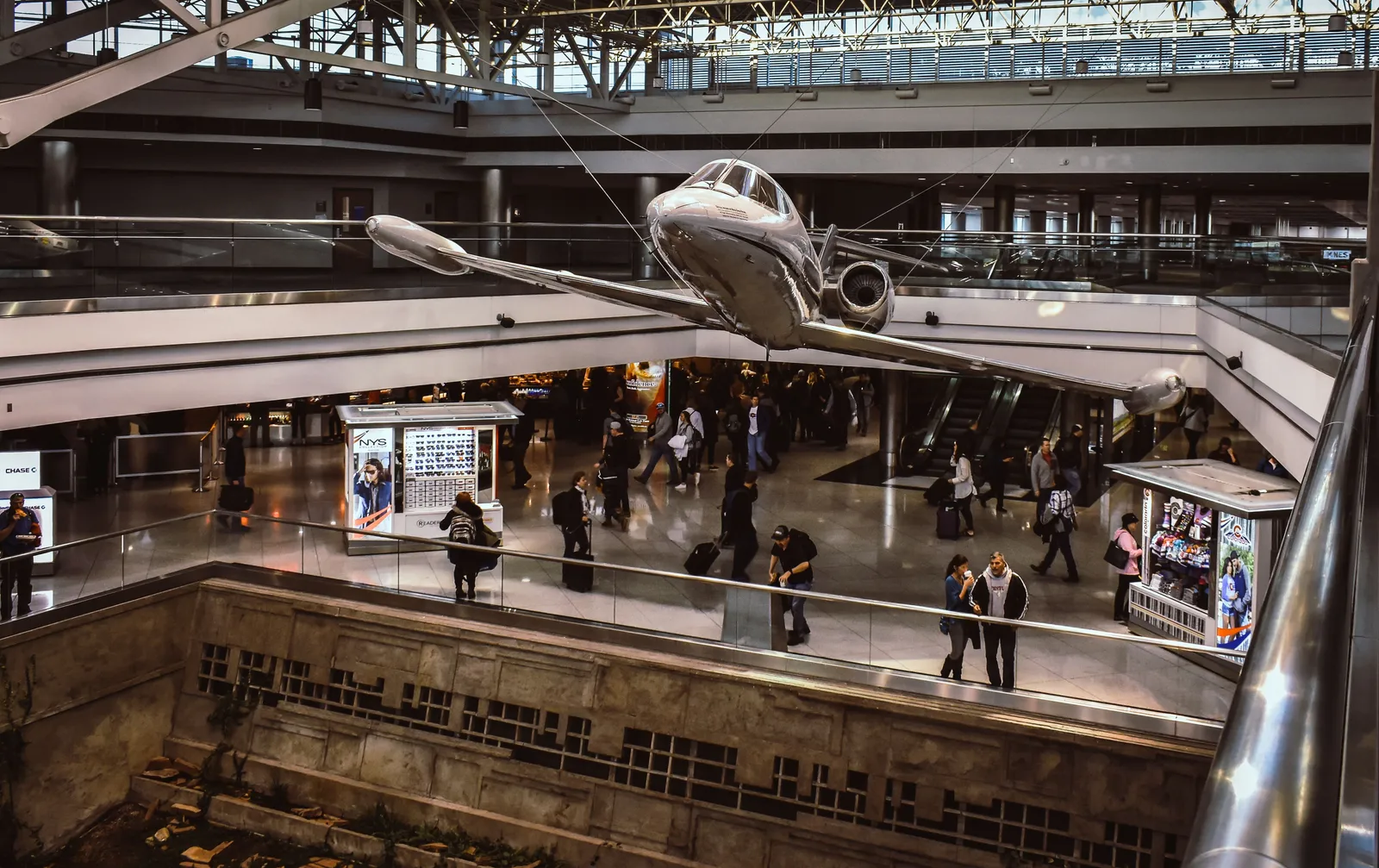
Universal screening of passengers and carry-on baggage had been required since January 1973, so the claim that U.S. passengers were not screened before 9/11 is historically inaccurate, according to the National Commission on Terrorist Attacks Upon the United States, 2004. Screening existed. It was just far less intensive and far less standardized than what came after.
The prohibited-items regime was narrower than it later became. Federal rules did not categorically prohibit knives with blades shorter than four inches, and airline checkpoint guidance permitted some small utility knives. The most an individual had to do was remove the coin change in their pockets or maybe even take off belts that had particularly large buckles and walk through a metal detector.
The Day That Closed the Gate to Everyone
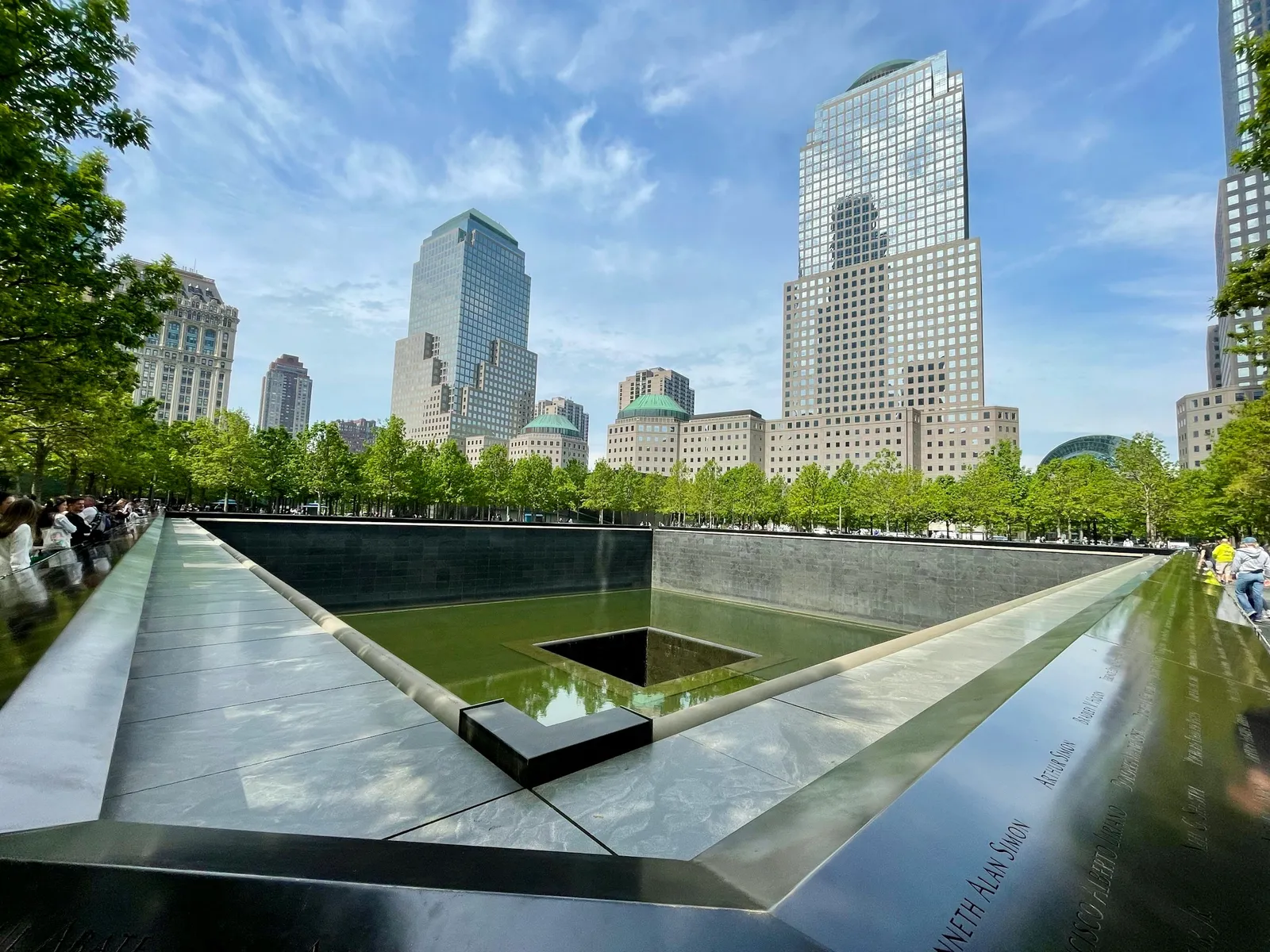
Al-Qaeda terrorists who went through security struck the Pentagon and the Twin Towers on September 11, 2001, killing 2,977 people and leaving a gaping hole in the Lower Manhattan skyline. The attacks exposed in painful and irreversible terms what had been ignored: the openness of airports was also their greatest vulnerability.
The post-9/11 era of air travel officially began on November 19, 2001, when then-President George W. Bush signed the Aviation and Transportation Security Act. The law created the Transportation Security Administration, federalizing a decentralized and often disorganized airport security system and setting a slew of other airport updates into motion.
How the TSA Rewrote the Rules
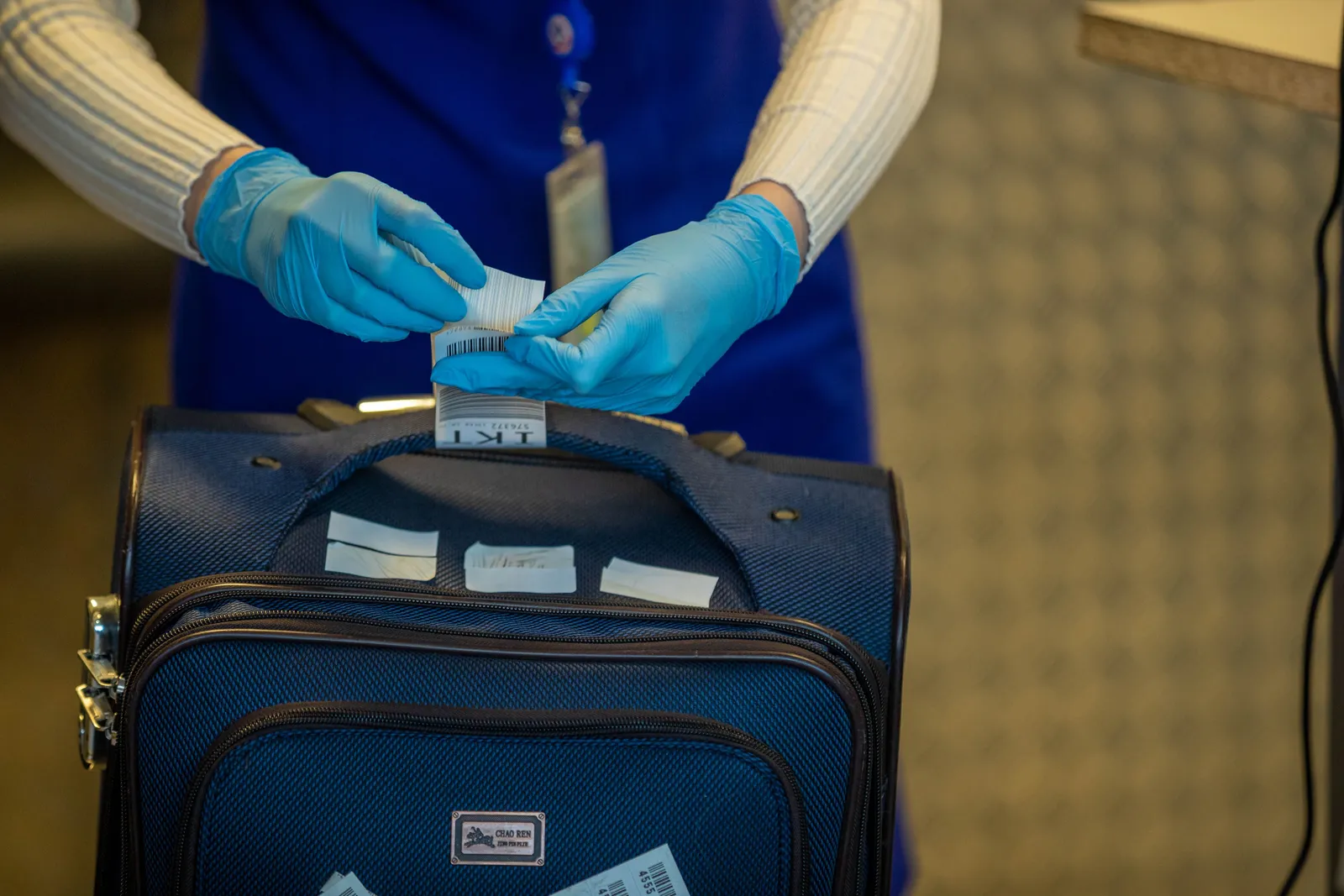
The two primary changes in airport security visible to passengers were the federalization of passenger security screening at all U.S. commercial airports by November 19, 2002, and the requirement to begin screening all checked baggage by December 31, 2002. These weren’t suggestions. They were binding federal mandates applied across every commercial airport in the country.
The TSA is now a 50,000-member workforce that screens more than 2 million passengers each day. Over the past quarter century, TSA has introduced new X-ray systems, computed tomography scanners, upgraded metal detectors, and advanced body-imaging technology. The agency that didn’t exist before late 2001 now touches virtually every American who flies.
What Airport Design Had to Become
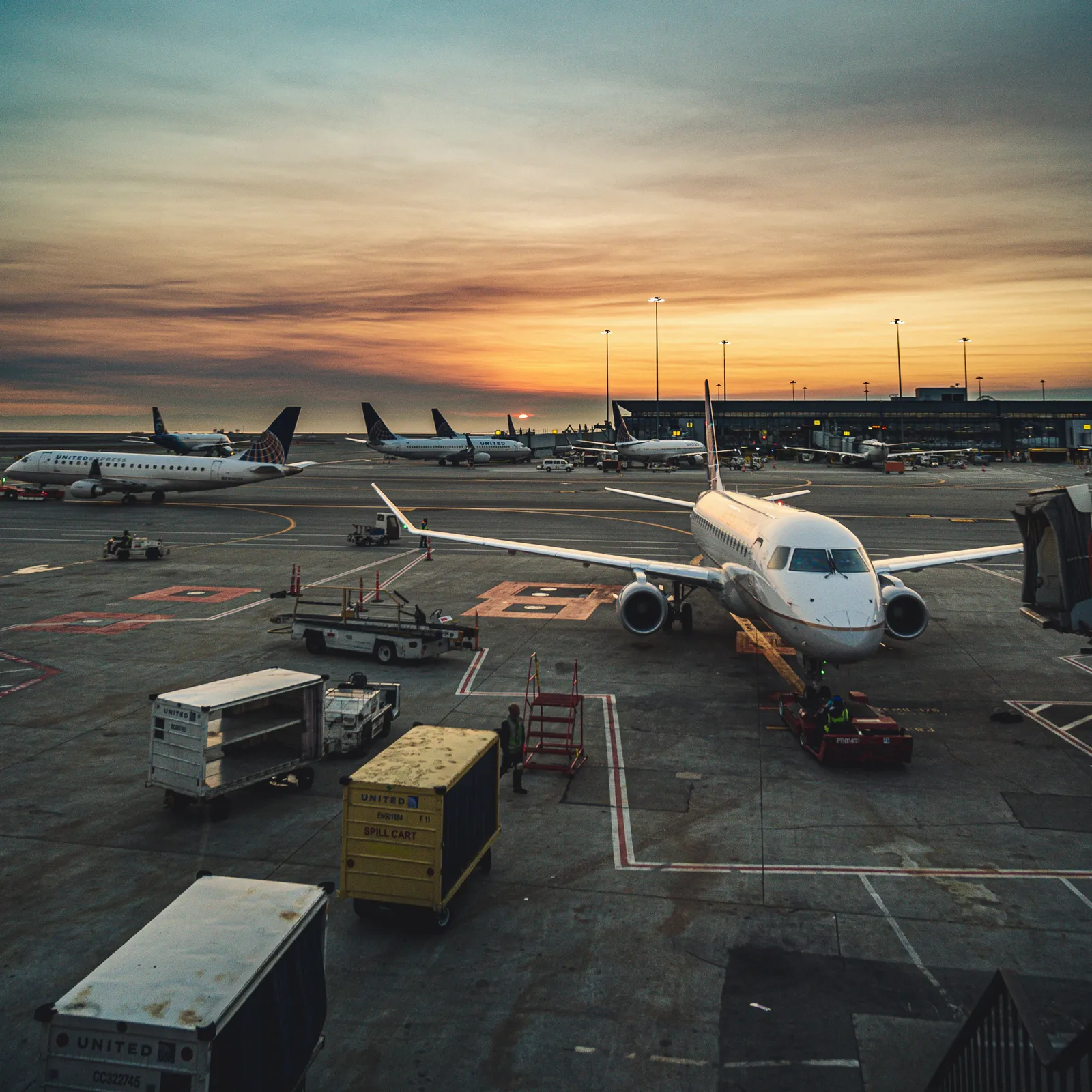
Gone are the days of having your family members wait with you at your gate until you board, or having them pick you up straight from the gate as soon as you arrive. This shift changed more than security lines. It changed how terminals were designed, where restaurants and shops were placed, and how long travelers expected to spend alone on the airside.
Two decades later, airline passengers now move through American airports slowly, snaking through queues, routinely removing multiple items of clothing, and facing considerable restrictions on carry-on items. Airports adapted. More retail, more dining, more services specifically for passengers with time to fill beyond the checkpoint, because that was now the only population with access.
The Airports That Started Letting People Back In
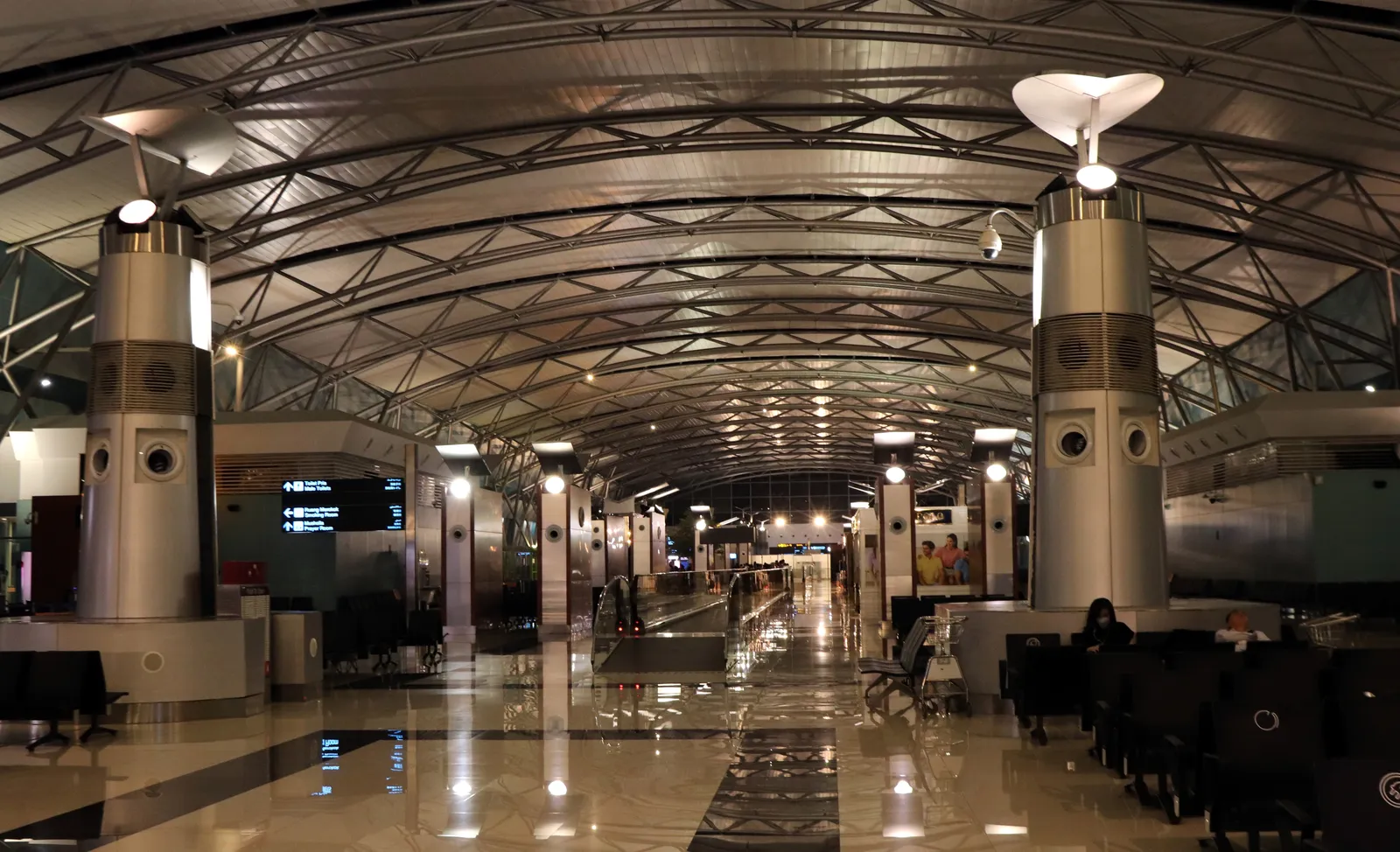
Something has been quietly shifting since the late 2010s. Since 2017, over a dozen airports have added their own guest pass programs. Pittsburgh International Airport was among the first in 2017, followed by Seattle-Tacoma in 2018, Detroit Metropolitan and New Orleans in 2019, and a growing number of others through 2023 and 2024.
As of late 2025, at least 26 airports in the U.S. had introduced visitor pass programs of various kinds. Cleveland Hopkins International Airport offers a “hangout pass,” while San Antonio International provides a “SAT Pass.” Kansas City International has introduced its own “guest pass” program, and Philadelphia International offers a “wingmate pass” for non-traveling visitors.
Oakland’s Guest Pass and a Quiet Cultural Moment
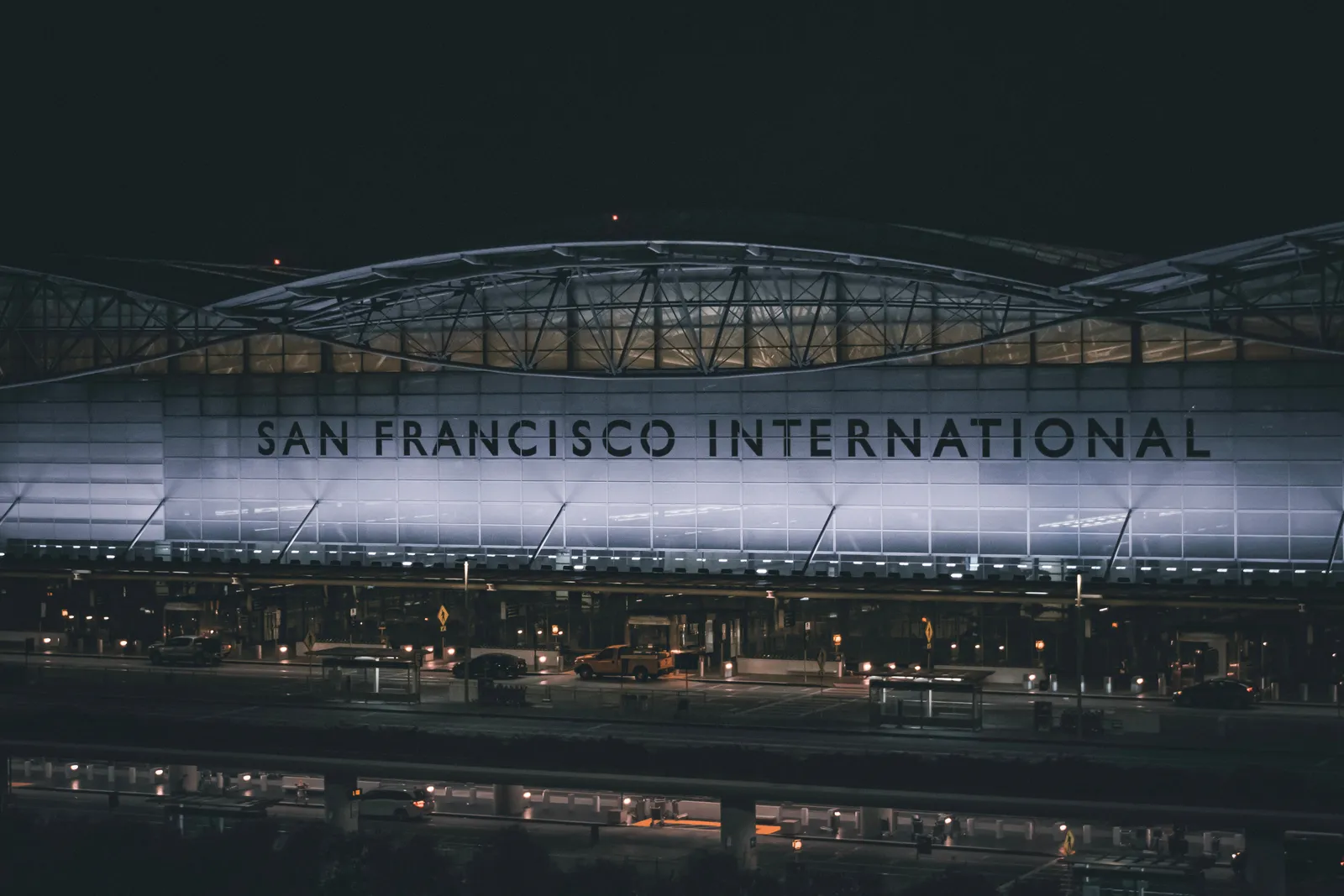
On December 15, 2025, Oakland San Francisco Bay Airport launched its new Guest Pass Program, allowing non-flying guests to apply online for advance security clearance so they can follow their loved ones to the gate. It was the kind of news that, in another era, wouldn’t have been news at all.
OAK’s Guest Pass program allows non-passengers to apply online for security clearance up to seven days in advance. If approved by TSA, visitors receive a digital pass via email, which they present at the security checkpoint just like a boarding pass, with the same rules applying. Oakland Airport has noted that the program is not permanent and reserves the right to cancel approved passes or modify program rules at any time without prior notice in response to security concerns or operational needs.
The Security Standards That Stay in Place
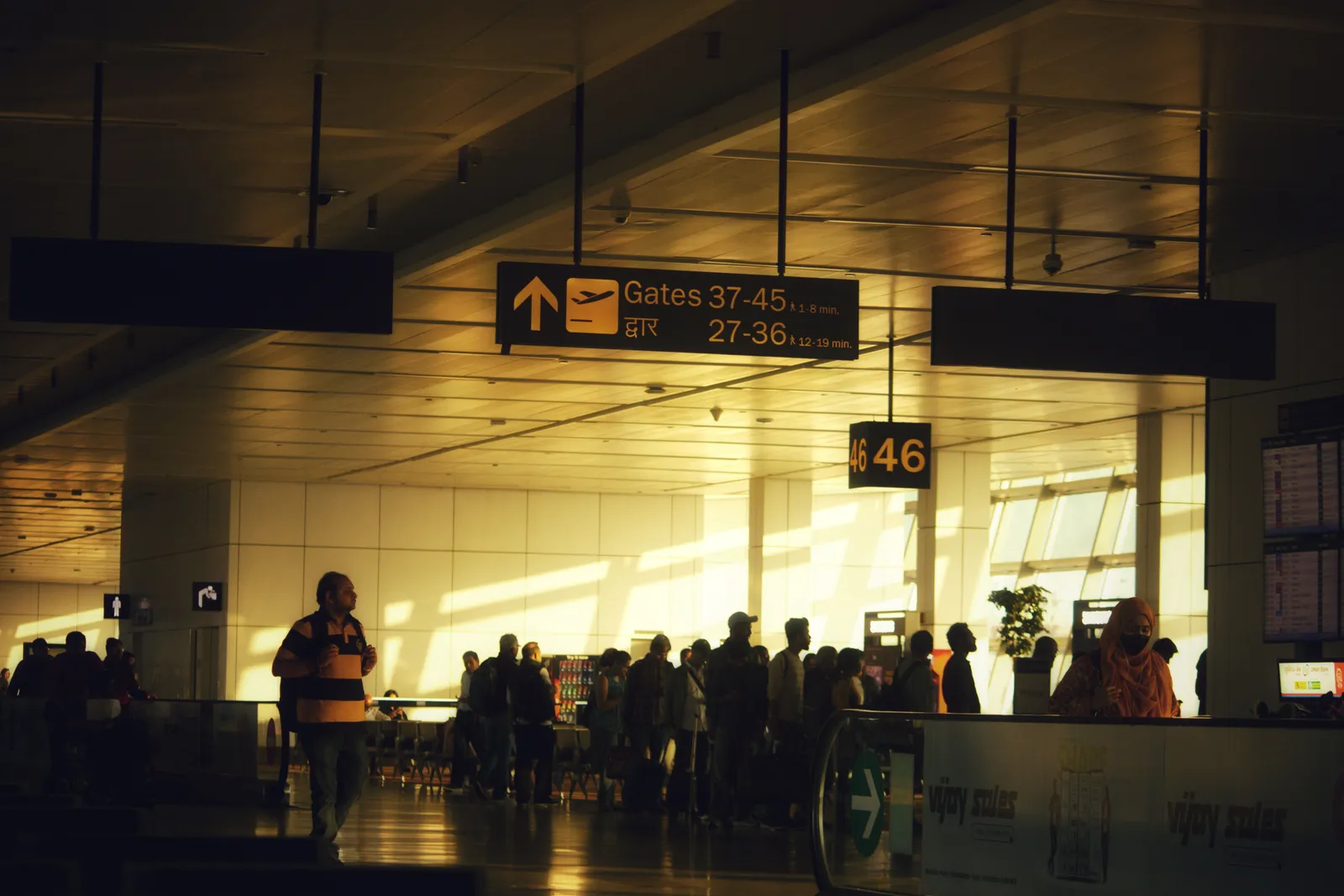
The return of gate access doesn’t mean a return to the pre-2001 era. The infrastructure and standards are entirely different now. Despite this return to pre-9/11 access, airports maintain rigorous security procedures for non-traveling visitors. At Oakland Airport, potential visitors must apply online for security clearance up to seven days before their planned visit, and the TSA reviews and approves each request individually before sending approved guests a pass.
Upon arrival, non-passengers must present both the pass and a TSA-approved photo identification document, such as a passport or Real ID. These measures ensure that while access has expanded, security standards remain high. Over the past quarter century, TSA has introduced computed tomography scanners, better metal detectors, and advanced body-imaging technology. Facial-recognition tools are increasingly being integrated into passenger-identification processes.
A Generation That Never Knew the Old Goodbye
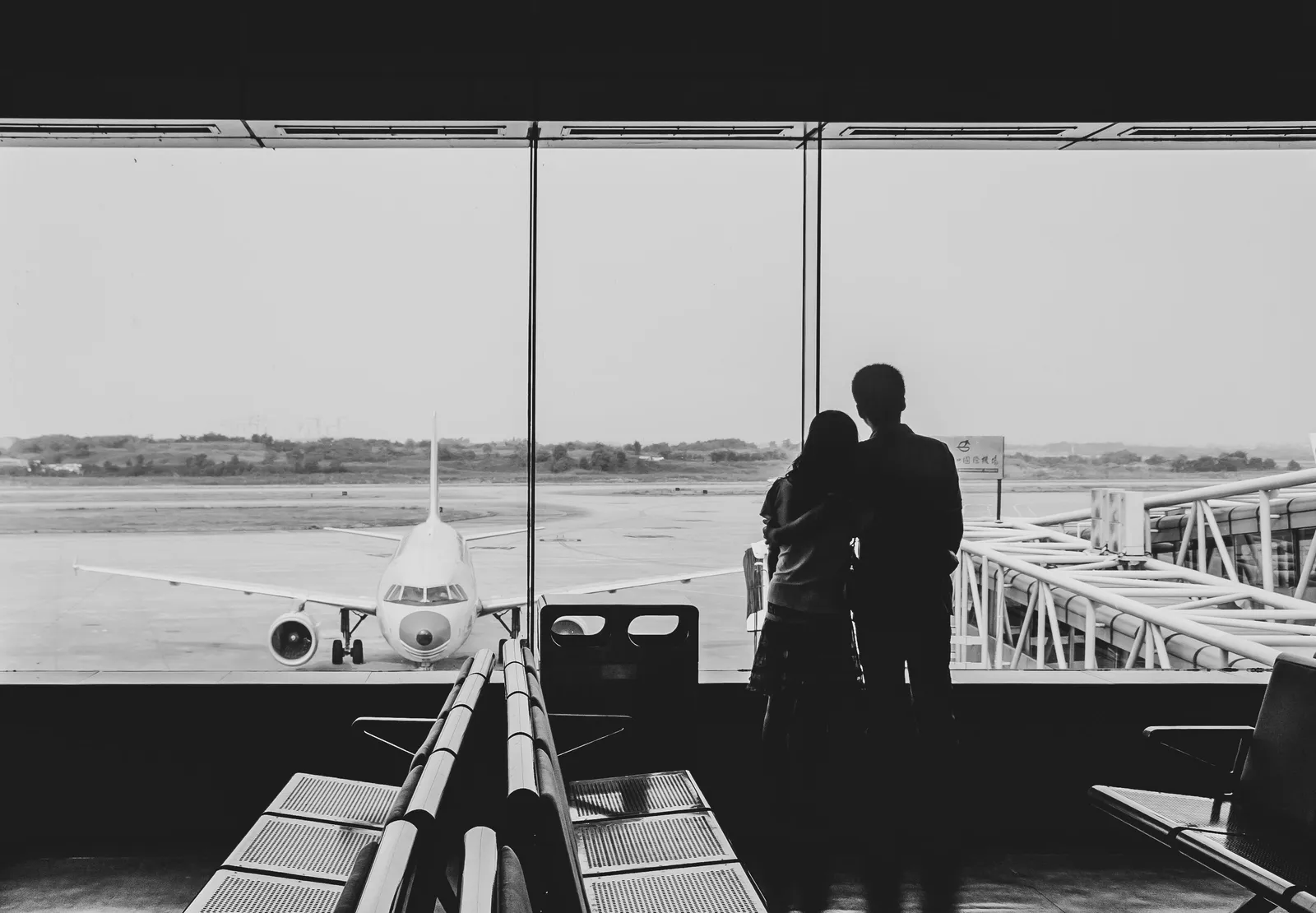
There’s already a significant portion of the population that simply don’t know air travel as anything else besides long lines, removed shoes, and curbside farewells. For anyone under roughly 30 years old, the idea of walking a friend all the way to the gate is entirely theoretical.
The goodbye hug before boarding became a thing of the past. The welcome-home sign was moved to baggage claim. For a generation of travelers, gate-side hellos and farewells became a pre-9/11 relic. That’s a cultural shift as much as a logistical one, and it happened faster than anyone quite noticed.
The Takeaway
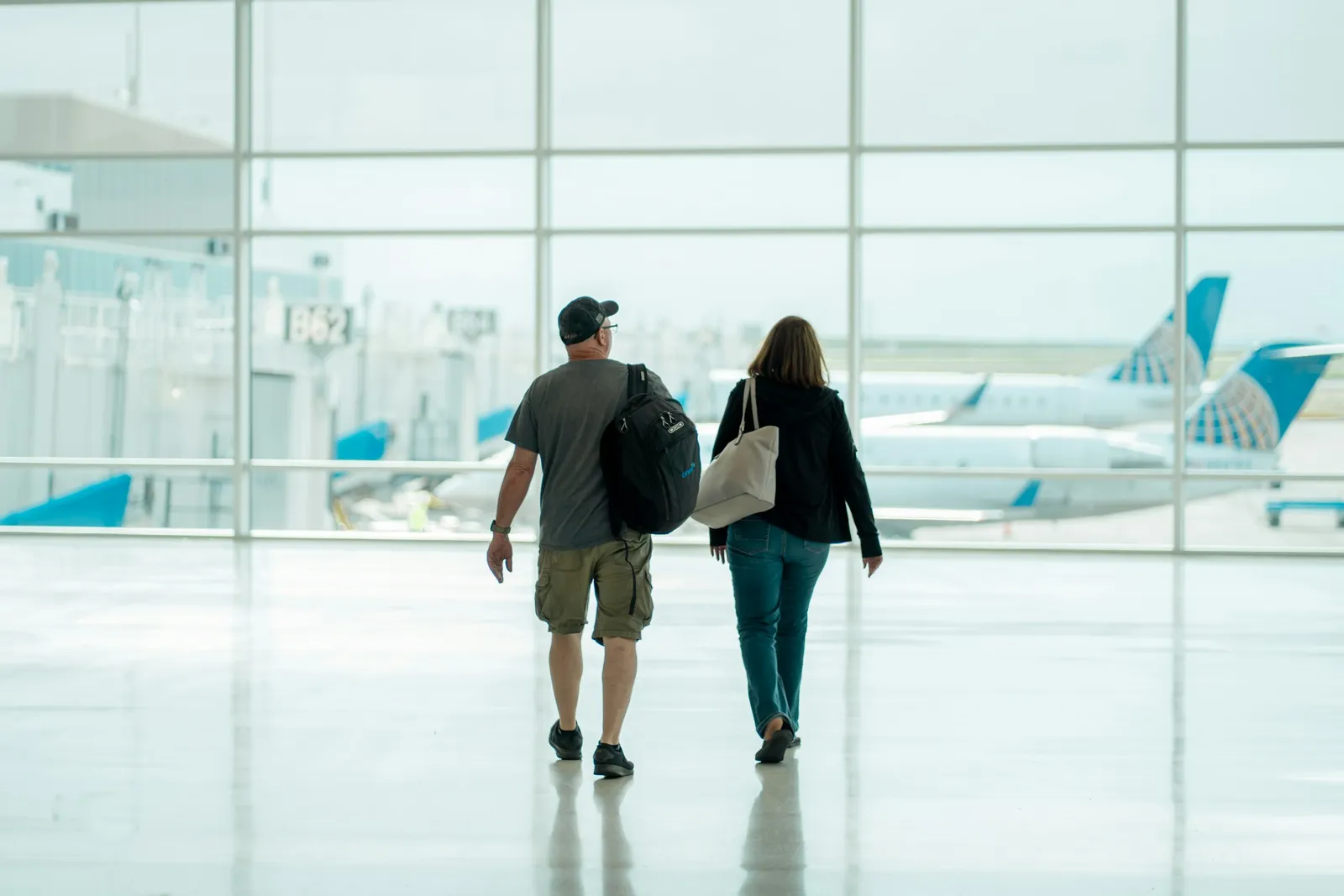
What those old gate-side moments represent isn’t really about security or architecture. It’s about how a society organizes its partings. The ease with which you could once walk someone all the way to the door of a plane reflected something about trust, and about what air travel felt like before it became something to get through.
The slow return of guest pass programs at airports across the country suggests that airports themselves understand something is missing. The scene once common at American airports, families lingering for one more hug at the gate, friends waving until a jet bridge door closed, is returning to Oakland and others, at least for travelers willing to plan ahead. It won’t ever be quite the same. The procedures are different, the architecture is different, and the world is different. Still, there’s something quietly meaningful about an airport choosing to let people back in, even just a few at a time.
AI Disclaimer: This article was created with the assistance of AI tools and reviewed by a human editor.