
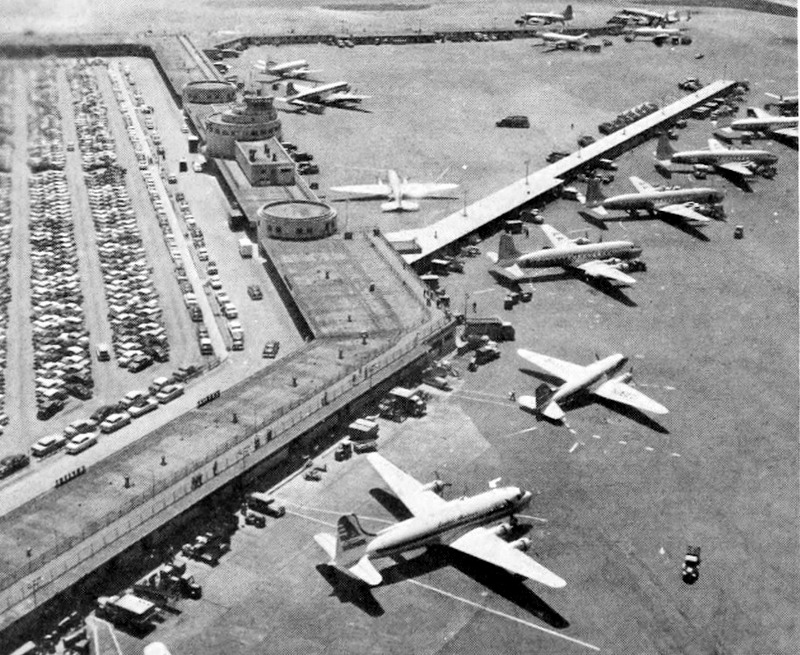

A Common Fixture at Almost Every Major Airport
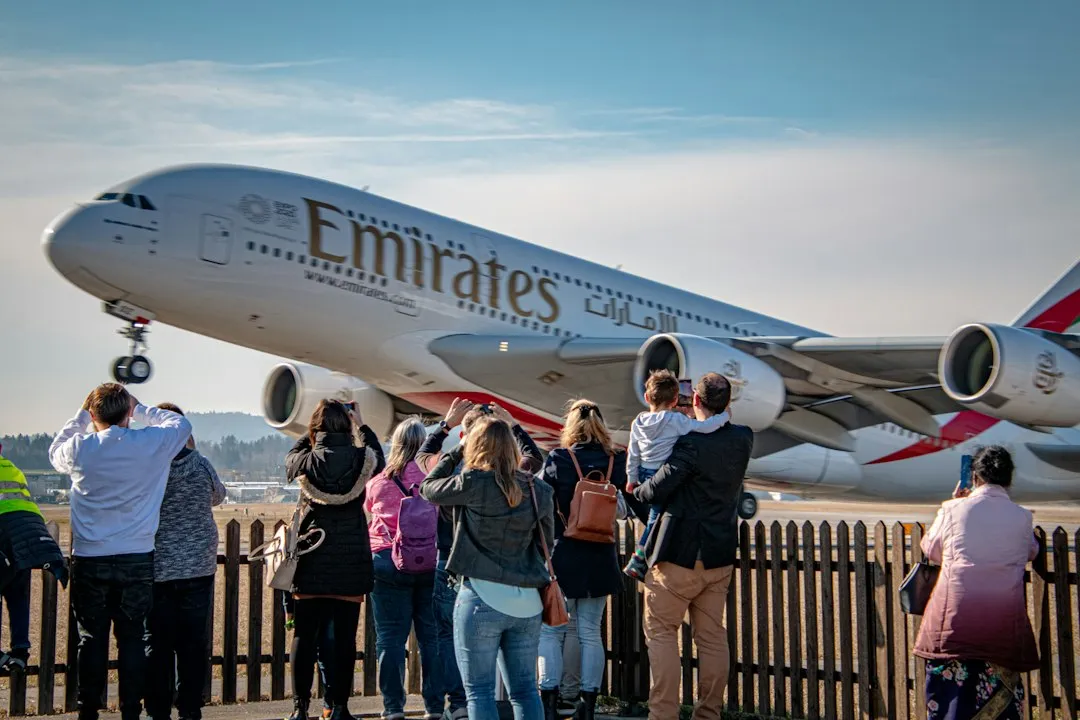
Even though flying has become a very common phenomenon, people of all ages still love to come to the airport to watch aircraft and enjoy the airport atmosphere – and there was a time when most major airports offered an outdoor viewing terrace or observation deck. These weren’t specialty attractions or novelties. They were considered standard infrastructure, as expected as a waiting lounge or a coffee counter.
Airports were destinations for entertainment where families would spend Sunday afternoons just watching planes take off and land, and most airports featured dedicated observation decks with coin-operated binoculars where aviation enthusiasts and curious visitors could marvel at the miracle of flight up close. The idea of the airport as a purely functional transit hub simply didn’t exist yet.
The Early Days: LaGuardia and the Skywalk
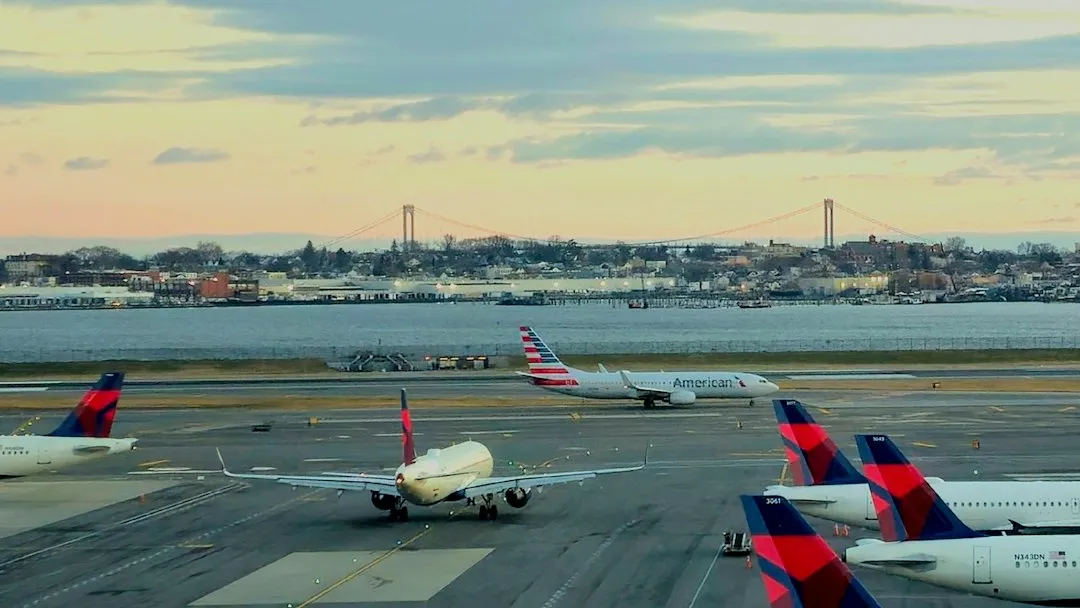
By 1939, the newly built LaGuardia Airport in New York City featured the open-air Skywalk balcony where spectators would gather to watch planes arrive and depart. For as little as 10 cents, a family could visit the observation deck to see planes from across the country. That ten-cent admission was barely more than the price of a newspaper, making it genuinely accessible to almost anyone.
Entry to observation decks was often free, though some airports charged a small fee. In the 1970s, for example, visitors to the observation deck at the Baltimore/Washington International Airport – then called Friendship Airport – paid 25 cents for admission. A quarter for a front-row seat to one of the great spectacles of the modern world. It was, by any measure, an extraordinary deal.
What These Spaces Actually Looked Like
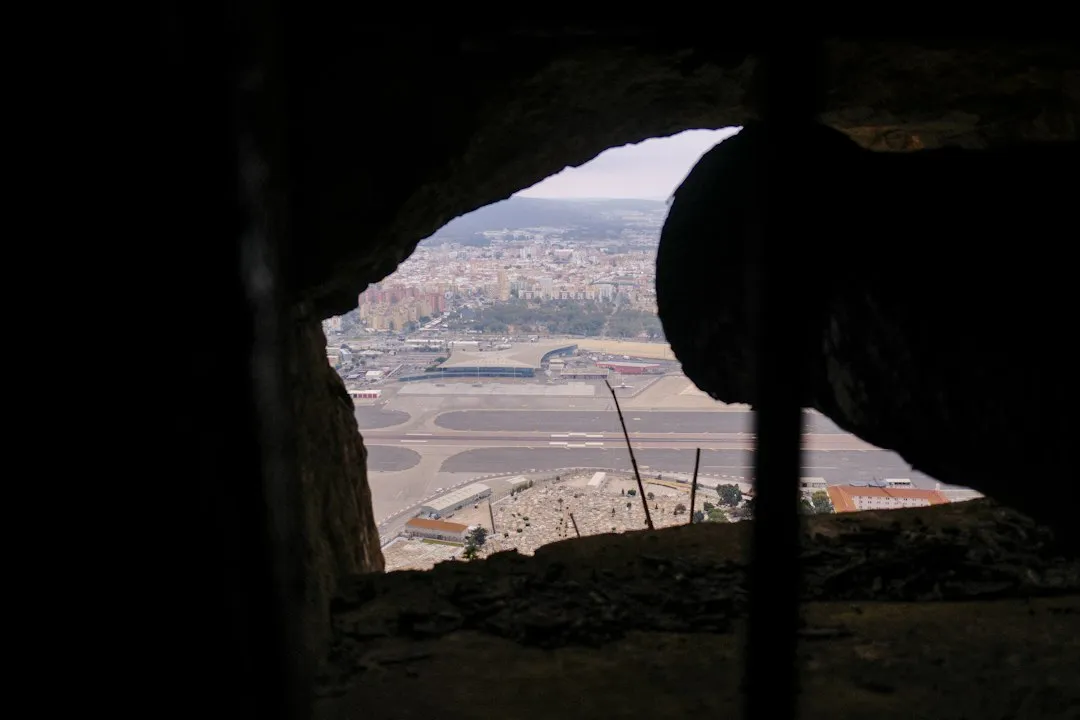
Some of the airport observation decks, patios, and outdoor terraces were massive, with green spaces, potted plants, benches, picnic tables, and even restaurants. These weren’t bare concrete platforms with a guardrail. They were designed as places where people might genuinely want to linger for hours.
Many airports even had restaurants with runway views where you could enjoy a meal while watching the ballet of arrivals and departures, making the airport a legitimate destination for a night out. The observation experience was woven into the broader social fabric of the place, not bolted on as an afterthought.
Iconic Examples: LAX, Frankfurt, and Zurich
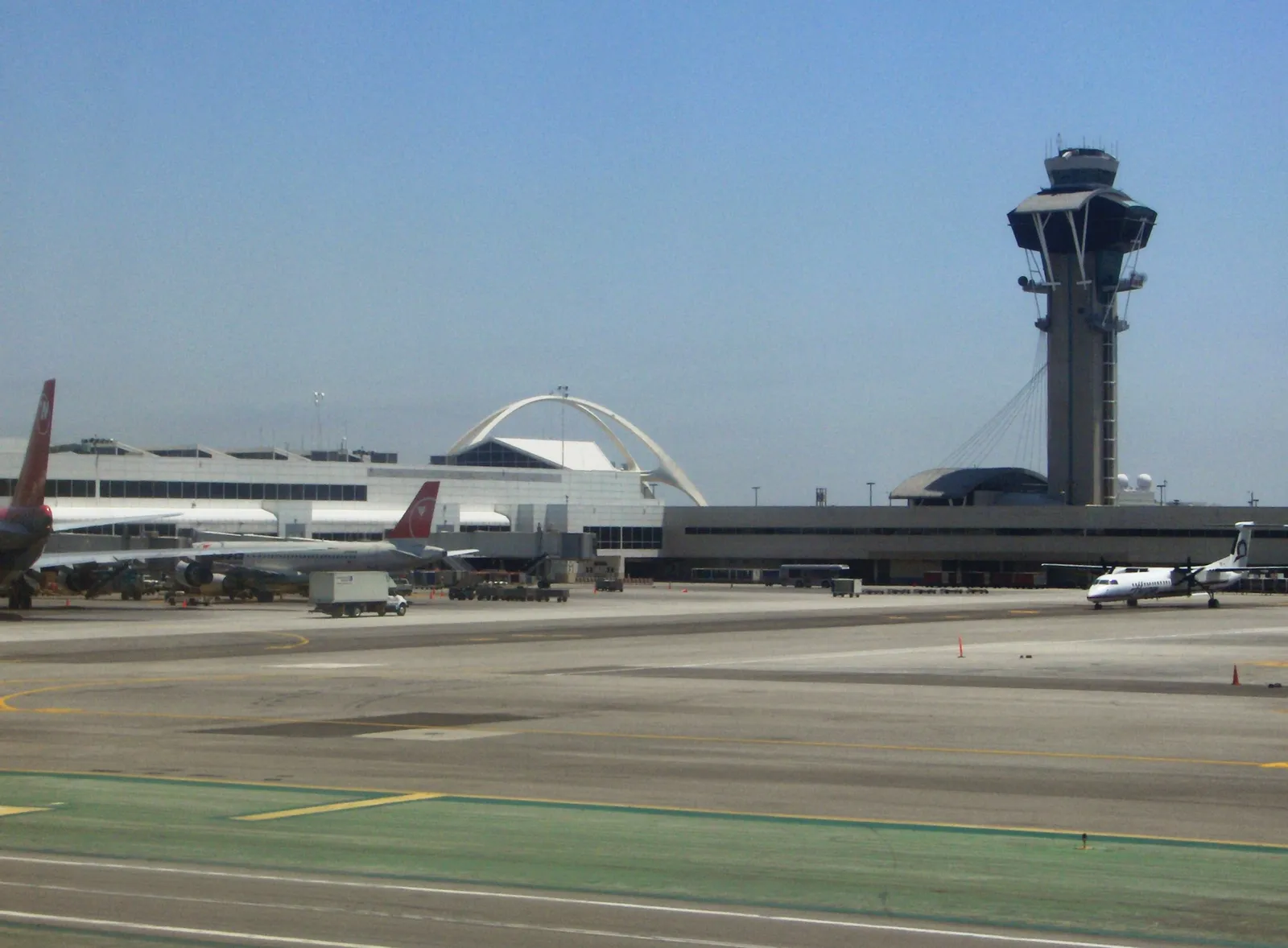
Los Angeles International Airport’s Theme Building was the symbol of LAX’s new Jet-Age terminal complex. Opened in 1961, it featured a restaurant and an observation deck with sweeping, unobstructed views of the airport and its surroundings. Its futuristic architecture became inseparable from the romance of commercial aviation itself.
Completed in 1975, Zurich Airport’s Pier B featured an excellent observation deck. Frankfurt Airport, similarly, operated a beloved viewing terrace throughout the 1950s and into later decades, drawing visitors who came not to fly but purely to watch. Many airports in Germany and Japan also offered excellent viewing facilities, and in Europe particularly, the observation terrace remained a point of civic pride well into the 1980s.
Japan’s Observation Deck Culture: A Different Path
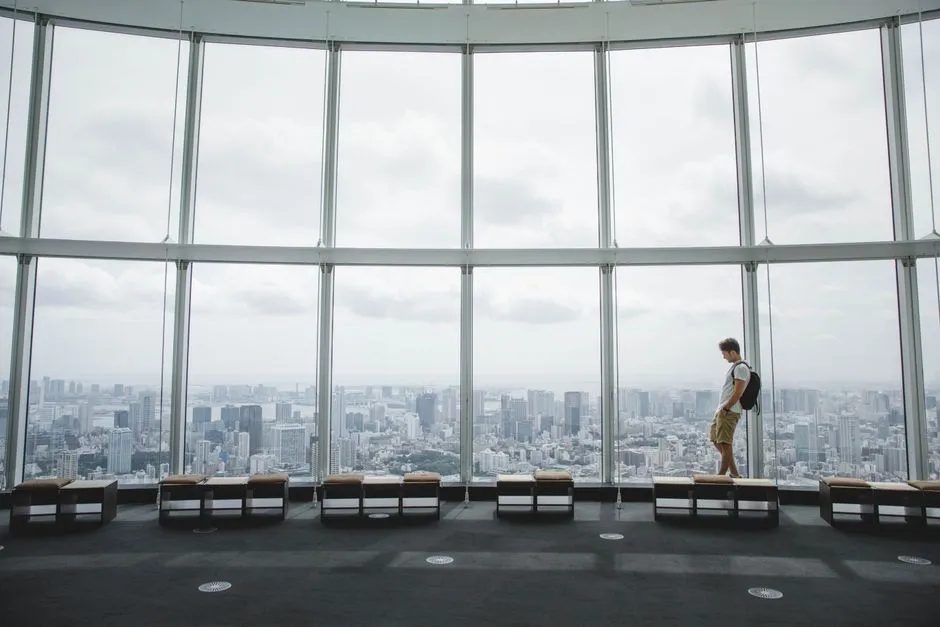
Japan’s first airport observation deck was opened at Tokyo Haneda Airport in 1955 by the Japanese Transport Ministry. This initiative aimed to allow people to safely enjoy airport activities and foster a greater interest in aviation. From the very beginning, there was an explicit social philosophy behind the space.
The success of this terrace led to the opening of a second observation deck at Osaka-Itami Airport in 1958, and since then, observation decks have become a staple at Japanese airports, offering families a place to watch planes and say goodbye to loved ones. Japan never abandoned the tradition. The Osaka-Itami Airport observation deck, opened in 1958, covers almost the entire fourth floor, providing around 4,400 square meters of space for plane-watching. That scale speaks to how seriously Japan has always taken the public’s relationship with aviation.
What It Felt Like to Be There
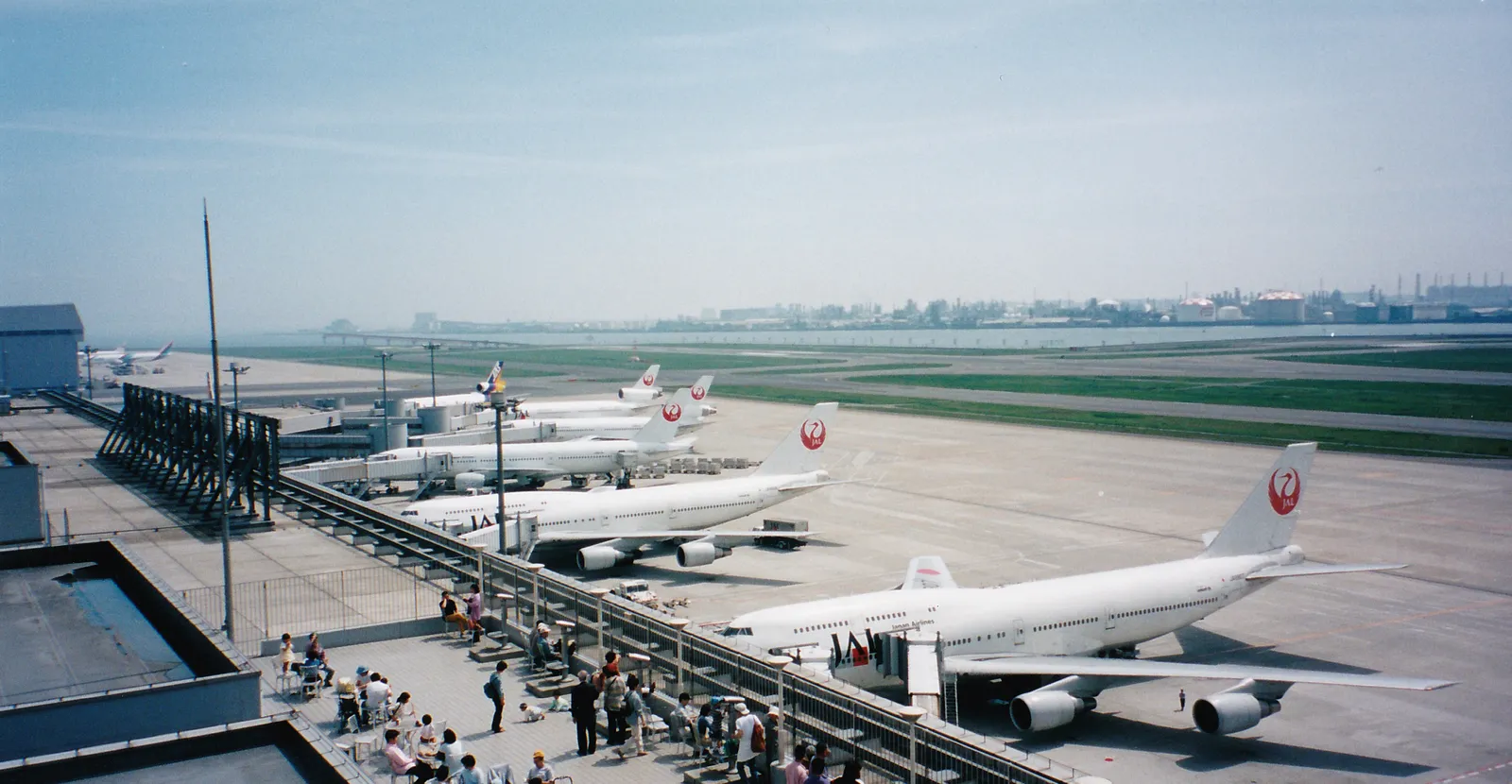
The observation deck culture created a sense that airports belonged to everyone, not just travelers. Children would press their faces against the glass, tracking massive jets as they thundered down runways, while aviation buffs identified each aircraft by silhouette alone. There was a communal energy to these spaces that’s hard to replicate in any modern airport setting.
Observation decks were typically positioned next to the runways, providing a front-row seat for aviation fans or anyone curious to witness the miracle of flight firsthand. The sensory experience was immediate and visceral. Wind, noise, the smell of jet fuel, the sheer physical enormity of aircraft moving at close range – it was nothing like watching aviation on a screen.
The Security Shift That Changed Everything

By the 1960s, airports and airplanes had attracted the attention of hijackers, bombers, and criminals bent on using the modern system of aviation to achieve their nefarious ambitions. In response, security was tightened, and the divide between where the public could congregate and where only screened passengers could go widened. The observation deck sat on the wrong side of that growing divide.
From the 1970s onward, most observation decks were closed due to security concerns or to make way for terminal expansion. Airports also saw an opportunity to use those areas to generate more revenue. The deck that once welcomed families became retail square footage. The trade was efficient, but something genuinely irreplaceable went with it.
LaGuardia’s Skywalk: The End of a Symbol
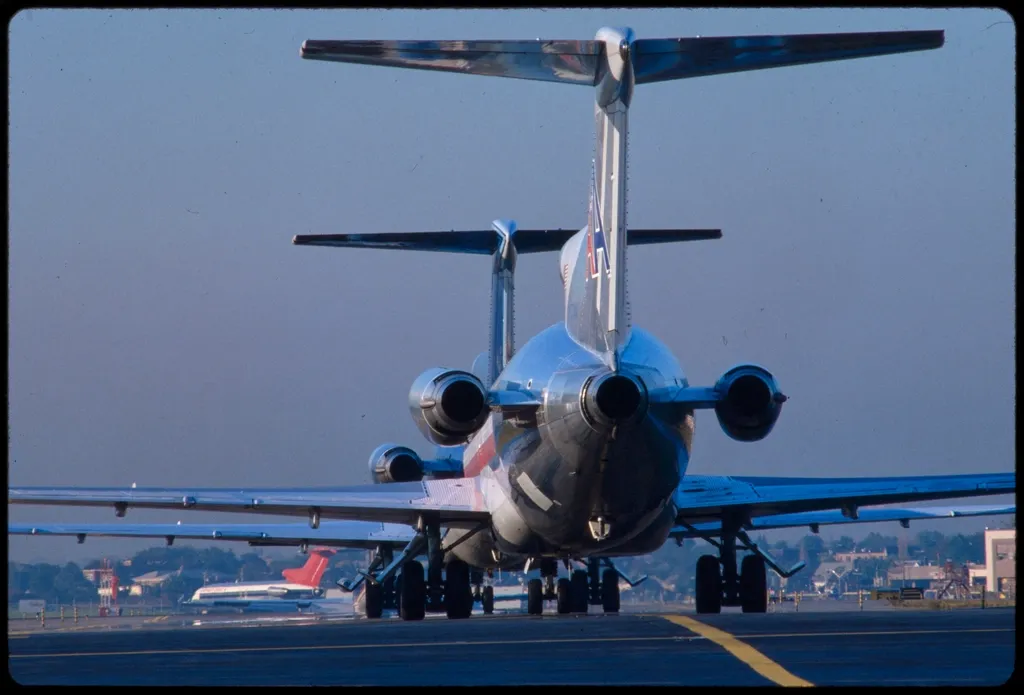
In a sign of the times, the once-popular Skywalk observation deck at LaGuardia Airport was demolished in the mid-1960s, along with the original art-deco terminal. In its place rose a modern glass-and-concrete replacement. The physical loss was also a cultural one. The Skywalk had been where New York families brought their children to dream about flight.
While outdoor observation decks remained in airports abroad and in some small regional airports in the U.S., they largely vanished from most major American airports for decades. What followed was a long period in which the airport became purely transactional – a place you passed through rather than visited. As the curator at the Cradle of Aviation Museum in Garden City, New York, put it, “People don’t go to the airports for entertainment anymore.”
The Quiet Comeback
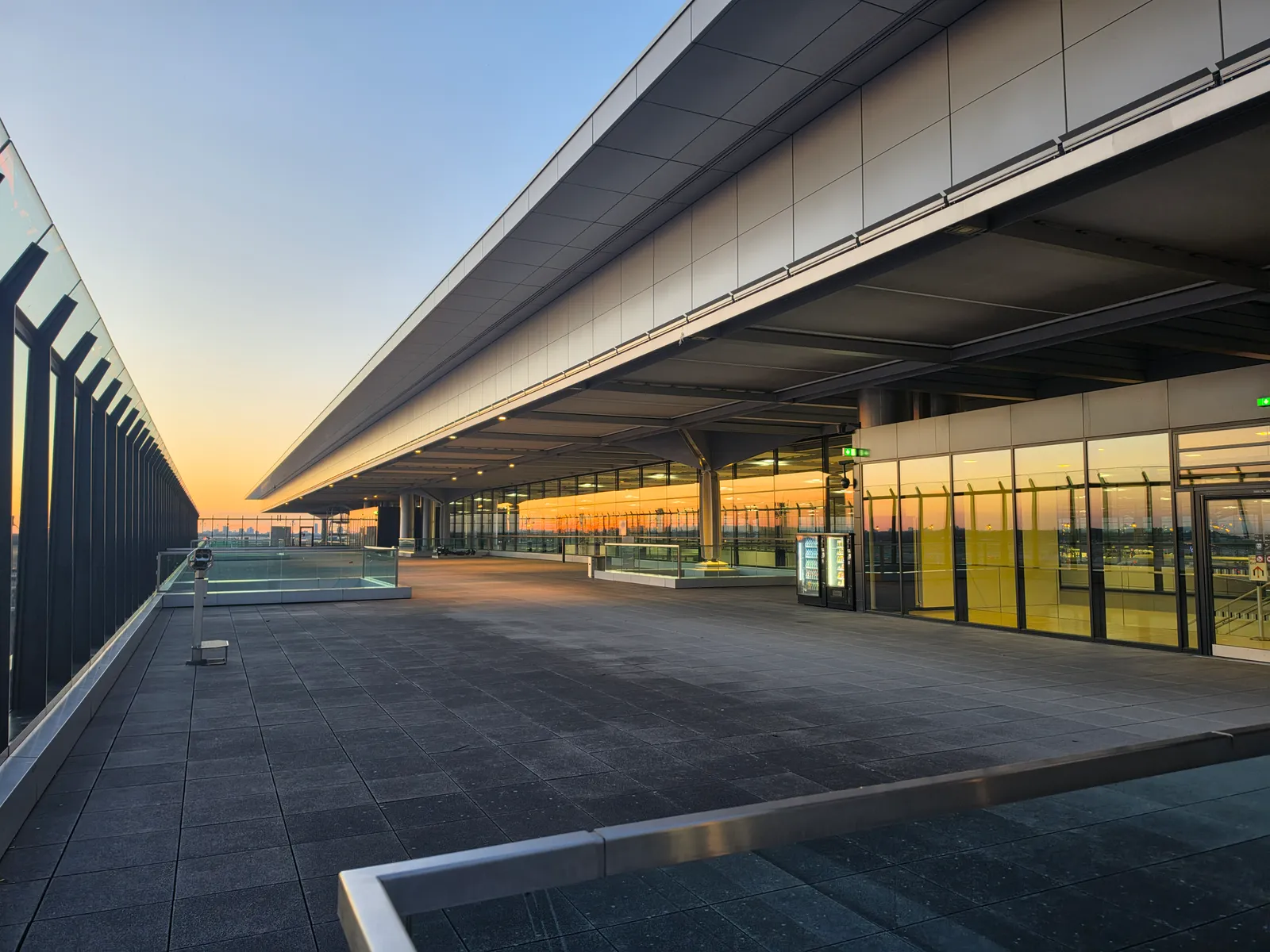
The airport observation deck is making a comeback. Once a favorite pastime in a bygone era, public observation decks are showing up in modernization plans at U.S. airports around the nation, including Pittsburgh International. The momentum is real, if gradual.
An outdoor observation deck is included in the concept design for Pittsburgh International’s Terminal Modernization Program, and in a survey of two thousand residents conducted by the project, nearly two-thirds identified connecting to nature and incorporating outdoor observation decks as important attributes for the new terminal. That number reflects something more than nostalgia. It reflects a genuine public appetite for a different kind of airport experience. Other terminal upgrades to offer observation decks as an amenity include Will Rogers Airport in Oklahoma City and San Francisco International.
San Francisco’s New Terrace: A Modern Interpretation
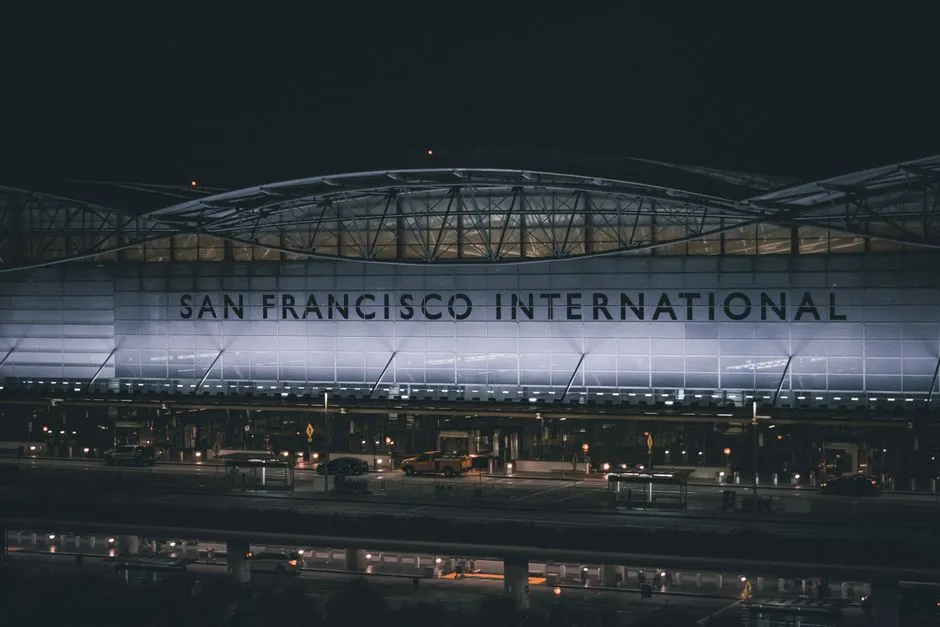
As part of San Francisco International Airport’s fifty-five million dollar upgrade to the International Terminal, a new outdoor terrace observation deck was revealed to the public in 2019. The nearly three-thousand square foot open-air space affords 180-degree views of the airfield, including some of the largest aircraft serving SFO.
The space features ten-foot tall bird-safe glass panels with ultraviolet reflective patterns that are visible to birds but highly transparent to the human eye, keeping birds protected from collisions while offering travelers clear views of the area. It’s a thoughtful design, one that balances the original spirit of the observation deck with contemporary concerns – environmental and otherwise. The instinct that drove families to those concrete terraces decades ago hasn’t disappeared. It simply needed somewhere new to land.
What We Actually Lost, and What We Might Still Recover
These areas were typically free to access and offered unobstructed views of the runways, creating a community space where people developed genuine connections to aviation. That connection mattered more than it might seem. Generations of engineers, pilots, and aerospace workers traced their fascination back to a childhood afternoon spent on a viewing terrace, watching something massive and silver lift itself into the sky.
Once a favorite pastime in a bygone era, public observation decks are showing up in modernization plans at U.S. airports around the nation. The survey results from Pittsburgh and the investments made at San Francisco suggest airports are beginning to understand what was lost. In a time when there is a growing resistance to aviation, it makes sense to take good care of the people who still support it – and gain a few more enthusiasts in the process.
The Takeaway
The observation deck was never really about planes. It was about wonder – accessible, unhurried, and shared across generations. The fact that it’s returning, in pieces and in new forms, suggests that airports are slowly remembering something important: they were once places that sparked lifelong curiosity, not just connections between cities.
Some experiences don’t need to be recreated exactly as they were. They just need to be honored with the same spirit. A child pressing their face toward the glass to watch a wide-body aircraft turn onto the runway is having the same essential experience as the child who did the same thing in 1963. The setting has changed. The feeling hasn’t.
AI Disclaimer: This article was created with the assistance of AI tools and reviewed by a human editor.