

Where It All Started: Hampers and Handley Page
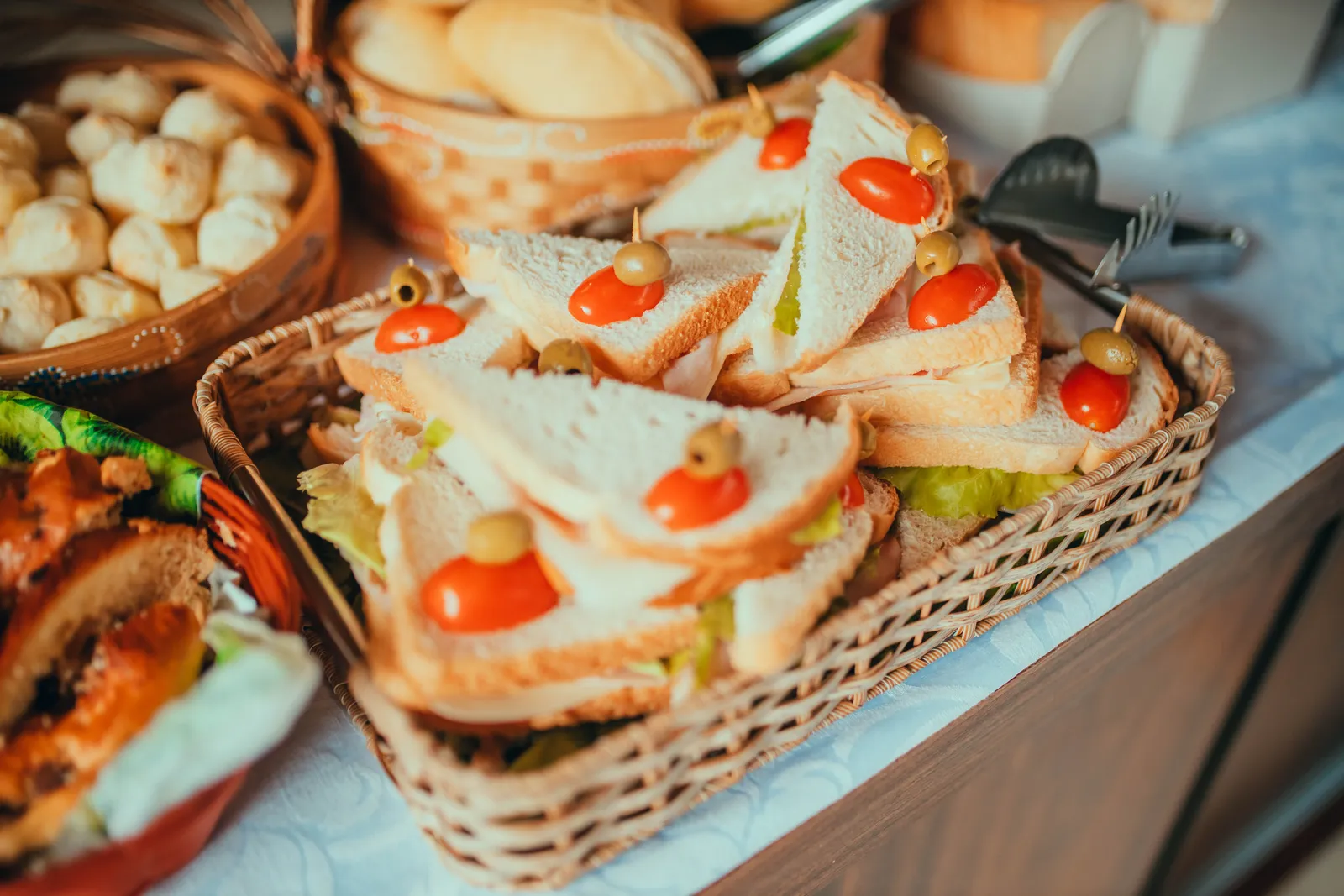
The first meals ever served on a passenger aircraft appeared in 1919, courtesy of the Handley Page Transport Company on a flight between London and Paris. Cabin boys distributed hampers of sandwiches and fruit among passengers. There was no galley, no hot food, and certainly no trolley service. It was, by any reasonable measure, a picnic at altitude.
The first inflight meal was actually sold, not given away, on those Handley-Page Transport flights between London and Paris. The idea of complimentary meals as a standard feature of flying came later, shaped by competing airlines eager to attract a small but wealthy early market. From those modest beginnings, the trajectory upward was surprisingly fast.
The 1930s: When Pan Am Built a Dining Room in the Sky
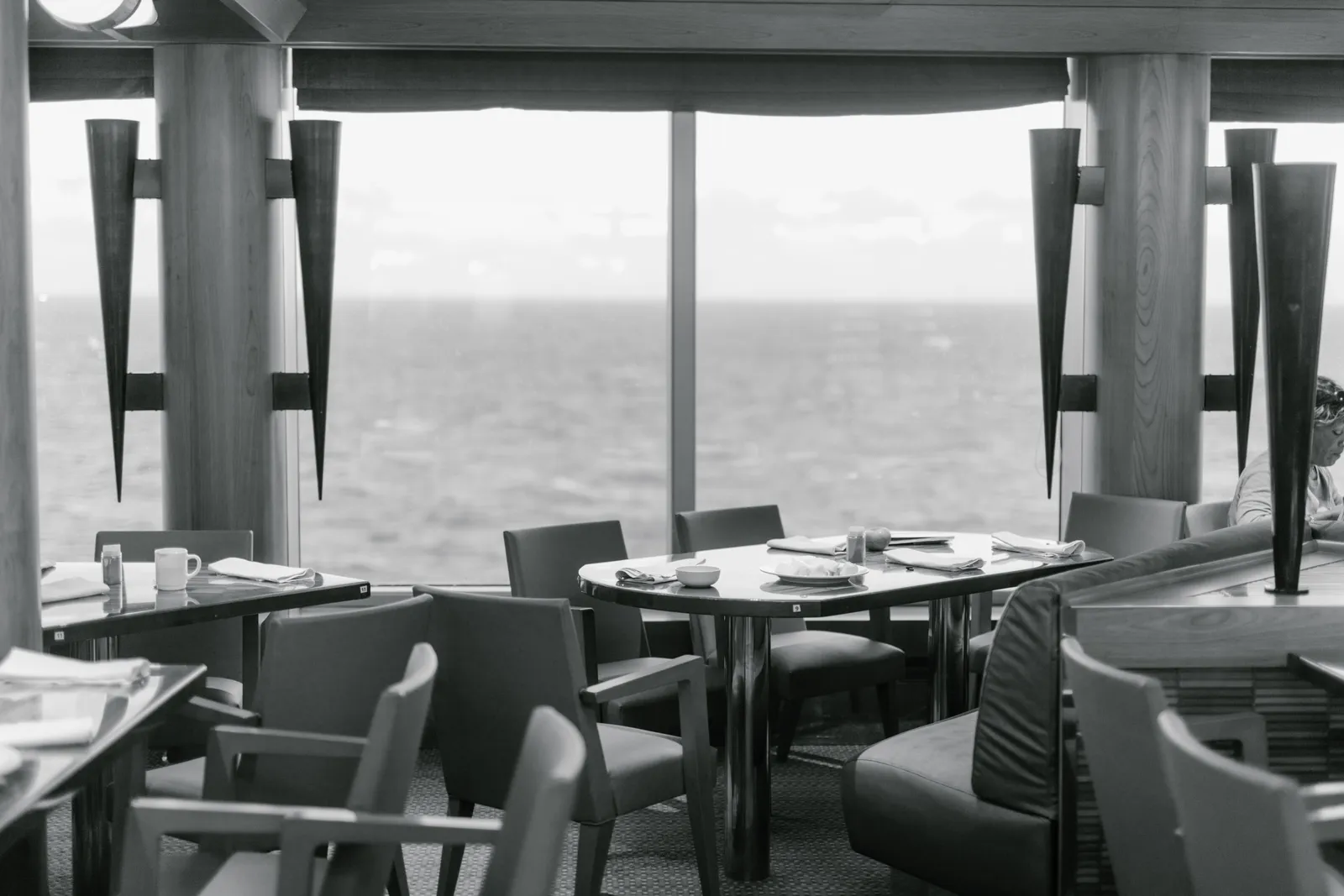
The Pan American Airways Martin M-130 Clipper, designed in 1935, was equipped with ovens that could roast meat while in flight and included a separate dining area with tables draped in white cloths and a buffet. This was not a clever marketing phrase. There was a physical dining room inside the aircraft, separated from the seating area, where passengers sat at proper tables.
From the late 1930s through the 1950s, in the era of the Flying Boats, the Clipper carried out early trans-oceanic flights for Pan Am. The onboard dining service was just as romantic as the journey itself. Uniformed attendants served refined meals in a dining room with tables adorned with fine china and formal place settings.
The Golden Age Begins: Competing on Food, Not Fares
Because the U.S. government strictly regulated airfares and routes, airlines could not compete on price. Instead, they competed on service quality, leading to lavish dining experiences even in economy class. The logic was simple: if every airline charges the same fare for the same route, the one with the better lobster wins.
International flights in the 1950s were expensive, and menus increasingly reflected the opulence of this glamorous mode of travel. Cocktail service coupled with elaborate French meals or thematic cuisines based on flight destinations characterized in-flight catering in first class. Larger airplanes featured galley kitchens where meals were cooked in “five-minute ovens,” then served on tablecloth-draped dining trays with silver cutlery and bone-china plates.
TWA’s Roast Beef Trolley: The Definitive Symbol
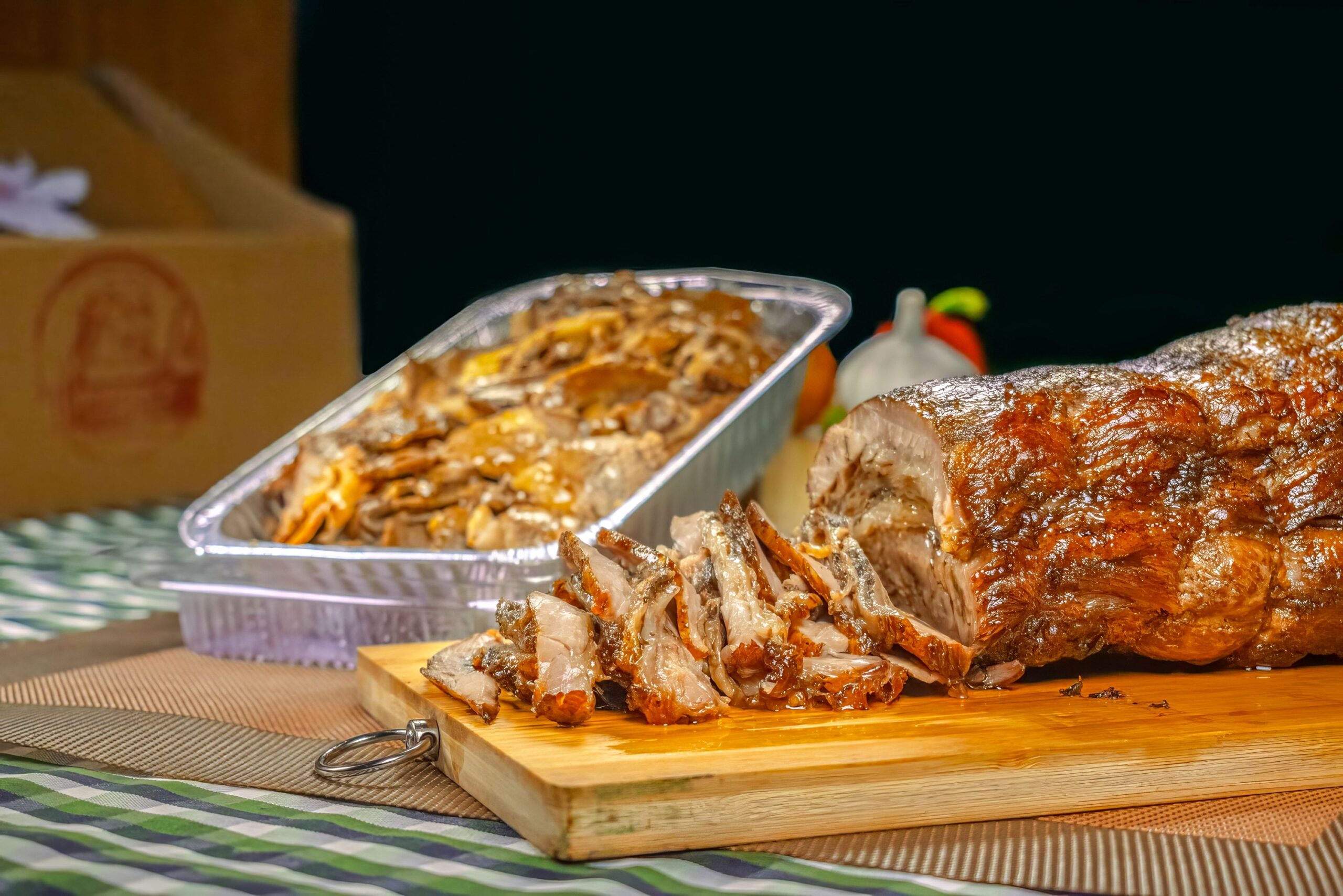
Passengers on Trans World Airlines once dined on roast beef au jus, carved from a trolley in the aisle. This became perhaps the single most evocative image of the entire golden era. It was not a pre-plated entree slid out of a cart. The beef arrived whole, carved at your seat, with the juices pooling on the plate.
In the 1950s, TWA advertised its meals with the question, “What does a man like for dinner 20,000 feet up?” “It’s planned,” they claimed, “prepared to order, and served with grace.” Passengers could feast on a roast beef au jus carved at the table from a trolley that rolled down the aisle. That kind of tableside theater was the airline’s deliberate answer to the fine-dining restaurants it wanted to rival.
TWA’s Royal Ambassador service, which was its international first class, plated dishes that would not have been out of place at a fine-dining restaurant, including Chateaubriand carved and served from a cart in the aisle, veal piccata, and lobster thermidor.
Pan Am and Maxim’s: A Parisian Partnership at 35,000 Feet
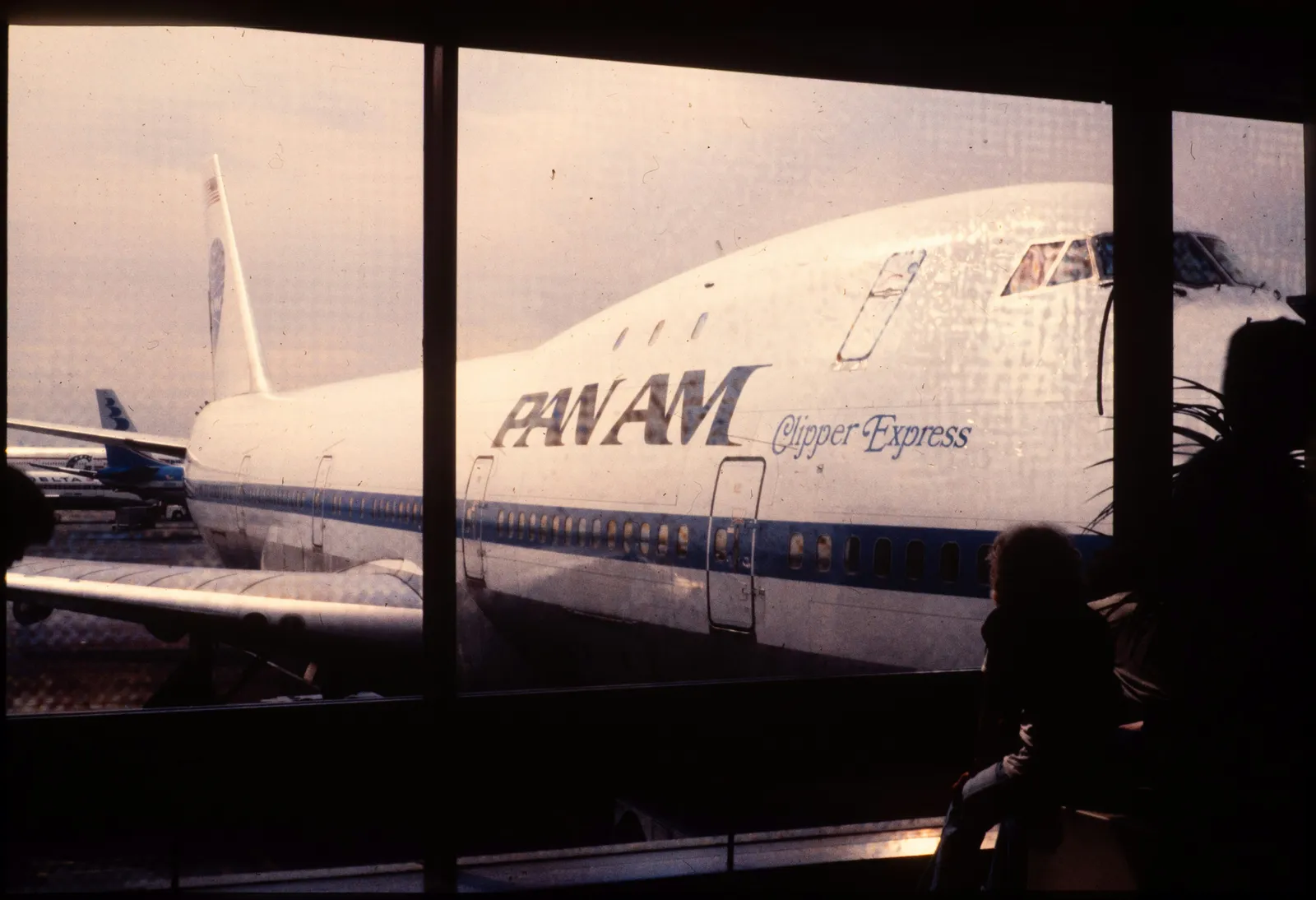
Pan Am was the epitome of luxury in air travel. From the 1950s through the 1960s, the airline had a culinary partnership with Maxim’s, the renowned restaurant in Paris. Not only did this French bistro develop the menus for all Pan Am flights, but they also cultivated a Presidential Special service given to first-class passengers. Few airlines before or since have handed the keys of their in-flight kitchen to one of Europe’s most celebrated restaurants.
Maxim’s of Paris was contracted to prepare special menus for Pan American’s first-class service. Dinner included hors d’oeuvres and drink carts followed by a carving station offering roast beef for a main course, a dessert selection, and after-dinner cheese platters and liqueurs. The consistency of that offer, flight after flight across the Atlantic, was what set Pan Am apart from nearly everyone else.
Pan Am’s Clippers: Steaks Cooked to Order in Seven Minutes
In the 1960s, flight attendants on Pan Am’s Clipper planes could cook steaks to order in seven minutes using a quartz grill in the galley. Roast beef was also prepared daily on the ground before being completed in the galley’s infrared oven. The cabin crew then wheeled the beef out on a trolley and carved it seat-side for the enjoyment of passengers.
Pan Am flight attendant Anne Sweeney, who worked flights from 1964 to 1975, revealed the surprising lengths airlines went to in order to elevate their meal service, noting that eggs were cooked to order for breakfast, including in coach. Other dishes served to Pan Am economy-class passengers during Sweeney’s time onboard included chicken vol-au-vent, beef bourguignon, Cornish hen, and beef stroganoff. What was being served in economy would qualify as a serious restaurant dish today.
Lufthansa’s Senator Service: Thirty-Two Passengers, Full A-la-Carte
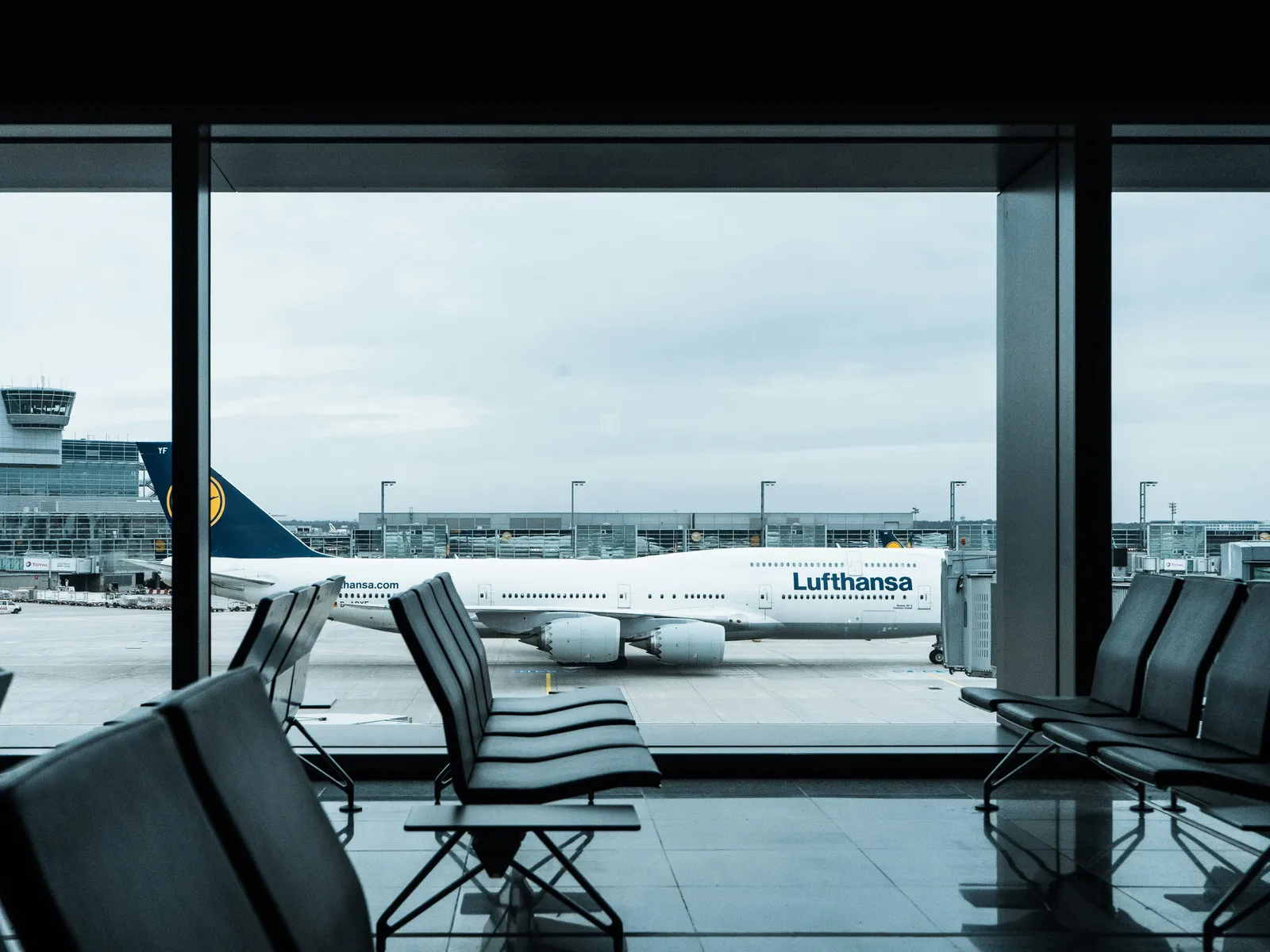
In the late 1950s, Lufthansa began offering its Senator Service. The airline transformed planes that usually seated 95 people into first-class carriages for just 32 wealthy passengers. The menu was one of the main attractions, with everything available being a la carte. Options included steaks cooked to order by the sky chef, fresh lobster salad, and caviar.
Reducing a standard aircraft to thirty-two seats was a bold commercial calculation. The Senator Service was not simply about the food. It was a statement that the cabin itself could be redesigned around the idea of dining, rather than the other way around. That philosophy influenced how airlines across the world would think about their premium product for years to come.
The 1970s Boeing 747 and the Upper-Deck Dining Room
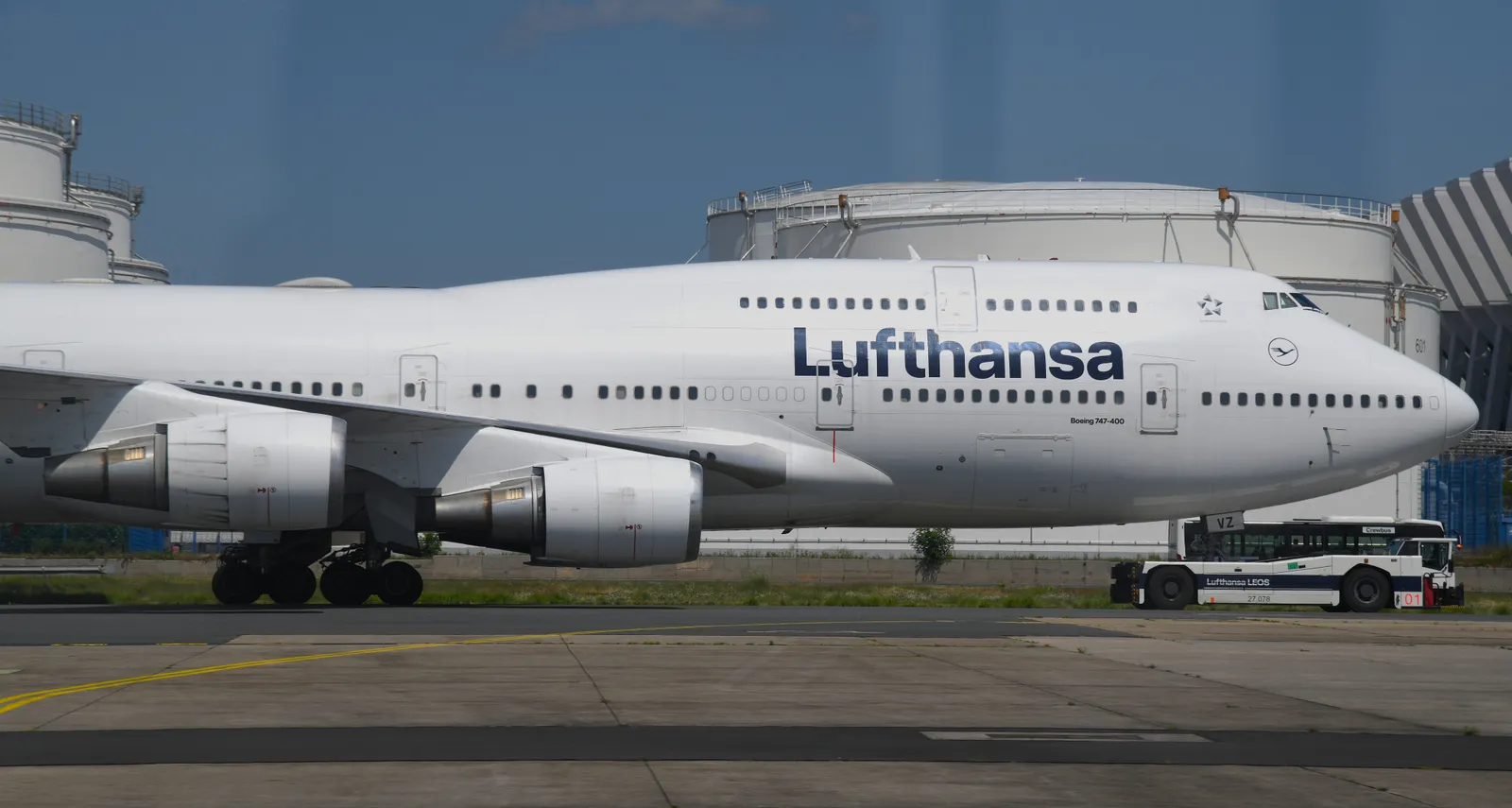
Pan Am’s upper-deck dining room, reserved for first class and requiring reservations, accommodated 14 passengers and had two dedicated crew members assigned to the cabin. A former Pan Am galley attendant recalled that the dining service launched in 1973 and was a fabulous hit with passengers. The 747 gave airlines the physical space to go further than any aircraft before it.
The meal cart in 1985 was theater. Two attendants worked it in tandem, carving prime rib to order in the aisle, plating whipped potatoes with a piped rosette, and ladling gravy from a small silver boat. Everyone in first class ate at the same time. That synchrony, a whole cabin of passengers engaged in the same ritual simultaneously, gave those meals a communal quality that modern dine-on-demand service cannot quite replicate.
The Olive That Changed Everything: Deregulation and the End of an Era
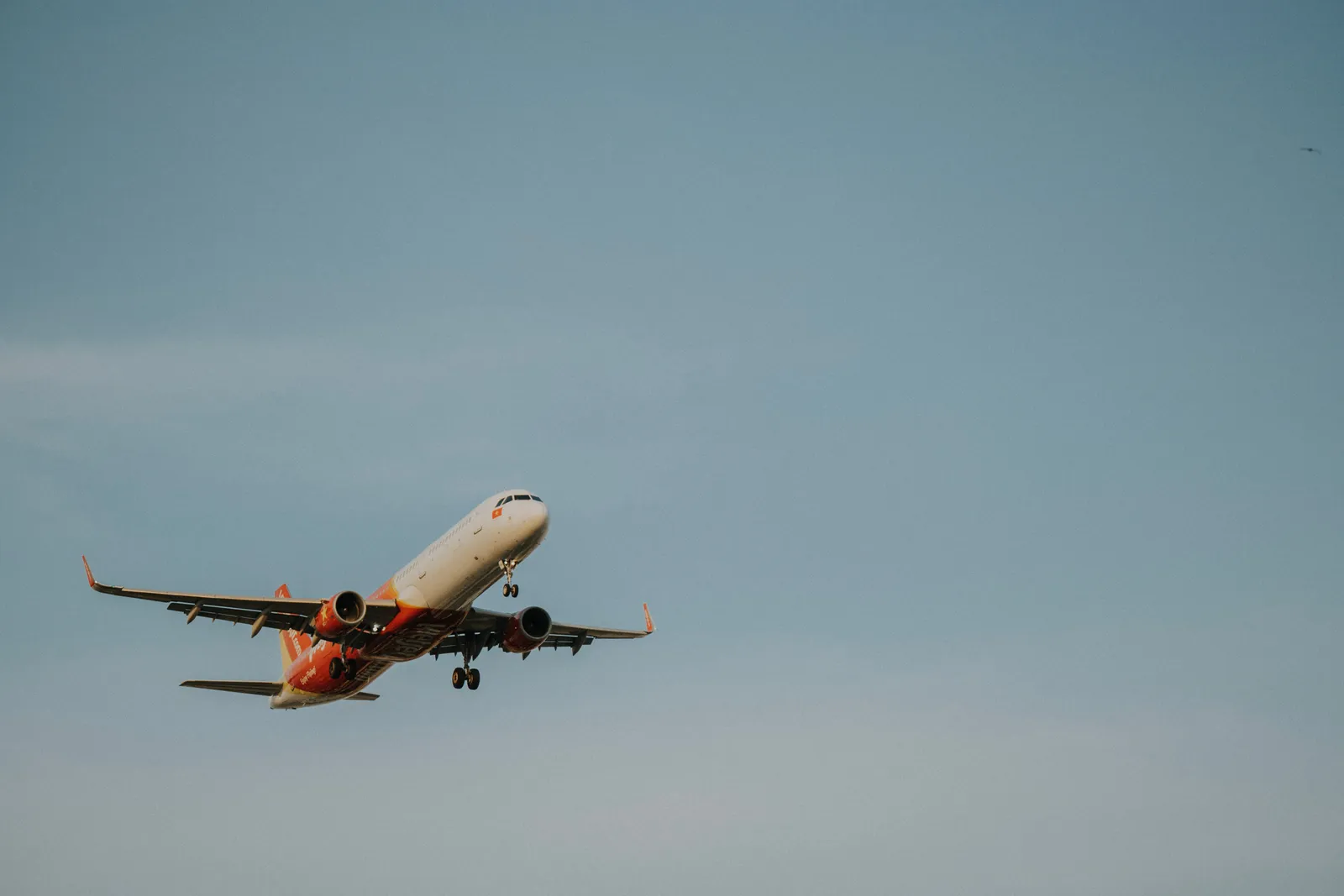
Until 1978, when the airline industry was deregulated, the law required that every passenger got an entree, two vegetables, a salad, dessert, and a drink as part of their ticket price, according to the Smithsonian. That regulatory framework was the quiet engine behind the golden age. When it disappeared, so did much of what it had produced.
To offer lower ticket prices, carriers began aggressive cost-cutting. In one of the most famous examples of aviation efficiency, American Airlines CEO Robert Crandall discovered that removing a single olive from every salad served in first class would save the company $40,000 annually. This ushered in a decades-long trend of unbundling services. The olive story has become something of a legend in aviation circles, and rightly so. It captured the moment the industry’s logic reversed entirely.
The moment deregulation hit and price competition became legal, the gourmet meals and gold cutlery disappeared almost overnight, not because airlines suddenly got cheap, but because the rules that had forced them to spend on service no longer existed.
What Replaced the Carving Trolley: The Modern Premium Cabin
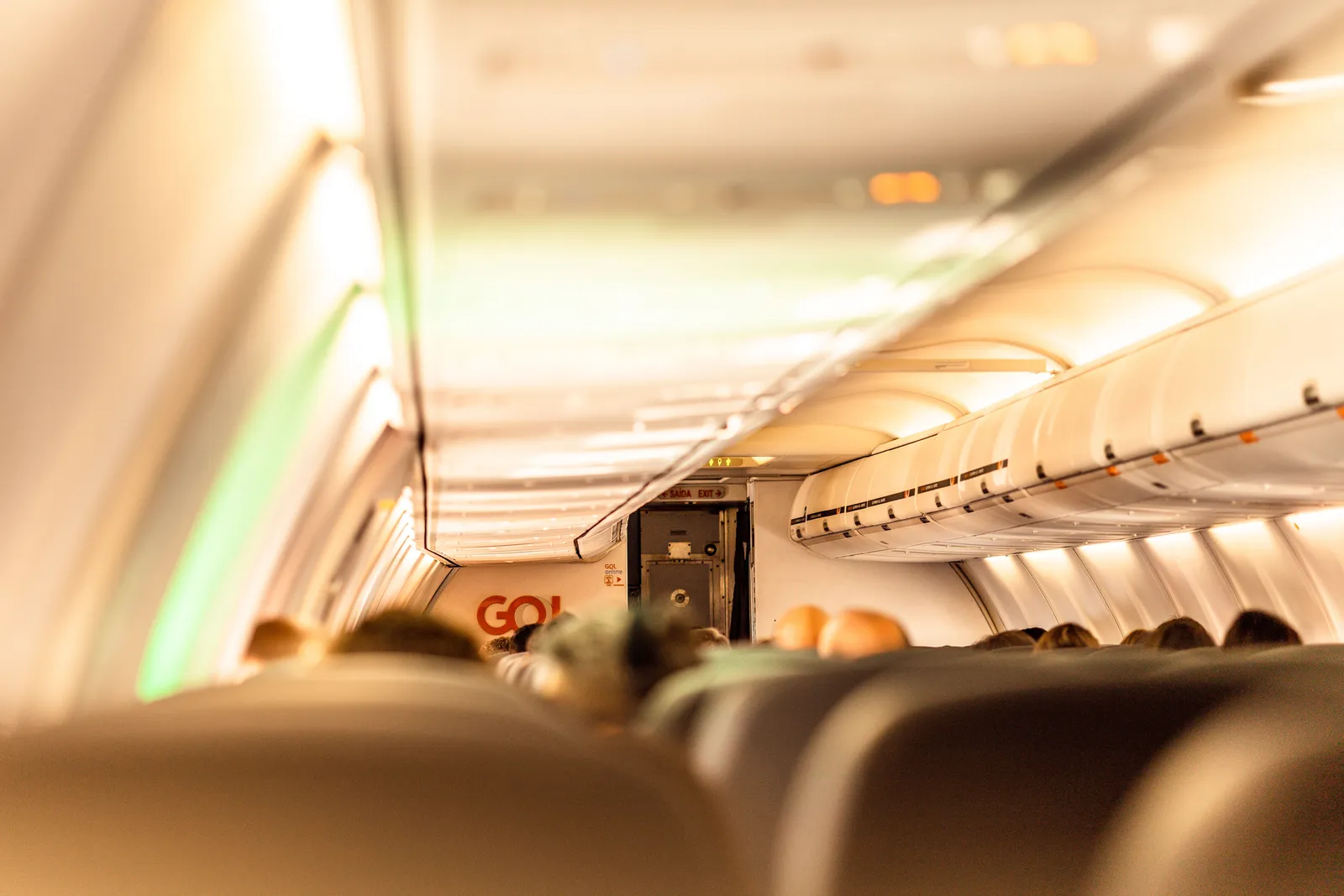
The executive chef of culinary innovation for North America at in-flight catering company Gategroup has said that the “golden age for airline food is here.” It just depends on which airline you’re flying and which category you’re in. It’s broken down by cabin class. The democratization of flying brought lower fares and broader access, but the experience became radically stratified in the process.
The September 11 attacks accelerated the decline of free airline meals. Airlines faced a deep reduction in demand and slashed in-flight meal service in response. United, American Airlines, Delta, and others announced sharp reductions in in-flight meal service shortly after the attacks. The last holdout, Continental Airlines, became the final major airline to end free domestic meals in economy class in 2010.
Today, carriers like Singapore Airlines and Qantas still invest seriously in their premium cabin food, and some international first-class products genuinely rival high-end restaurants on the ground. The intention, at least, has survived. The carving trolley, however, has not.
The Takeaway
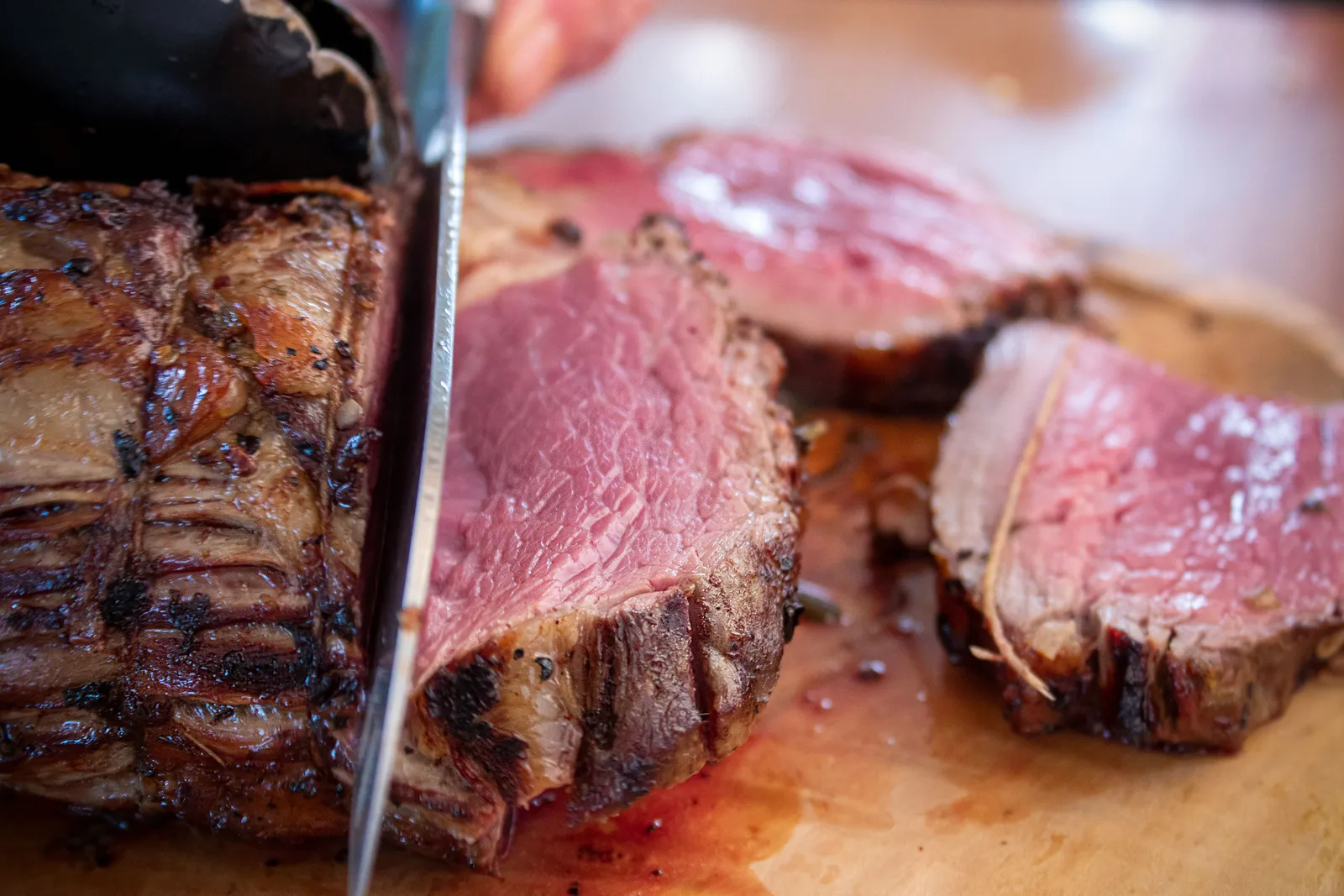
The roast beef carved in the aisle was never just about the food. It was a performance, an assertion that flying was a worthy occasion, that the journey mattered as much as the destination. That philosophy shaped an entire era of commercial aviation, and it left behind a remarkably detailed record: vintage menus archived at Northwestern University’s Transportation Library, china sets displayed at the SFO Museum, first-hand accounts from crew members who still recall the weight of a carving knife on a silver trolley.
What disappeared in 1978 was not simply a meal. It was a set of rules, and the hospitality culture that grew up around those rules. The economics of mass air travel demanded something different, and the trade-off was real on both sides. More people could fly. Fewer of them would ever eat like that while doing so.
The image of someone in a pressed uniform, carving beef at your seat somewhere over the ocean, remains one of the most specific and quietly astonishing things that commercial aviation ever produced. It lasted about thirty years. It still gets talked about.
AI Disclaimer: This article was created with the assistance of AI tools and reviewed by a human editor.