
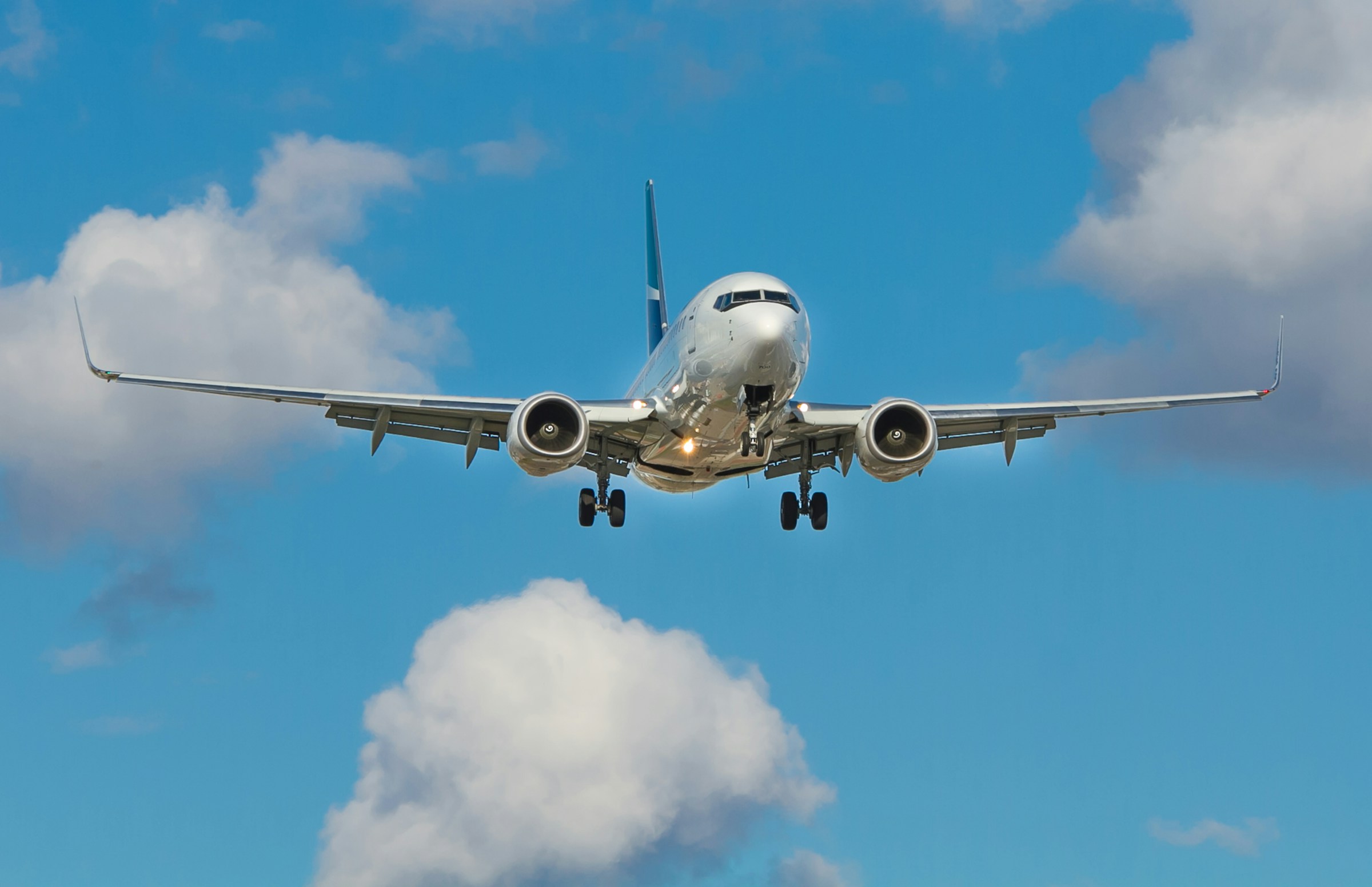

There was a time when crossing the United States by air meant surrendering days of your life, not hours. The sky was vast, the aircraft were fragile, and the continent felt genuinely enormous in a way that modern travelers simply can’t imagine.
Today you board a plane in New York, watch a movie, take a nap, and land in Los Angeles with the afternoon still ahead of you. The journey that once defined the outer edge of human ambition now fits comfortably between breakfast and dinner. But getting here took more than engineering. It took decades of stubborn, sometimes fatal effort.
The Man Who Needed 49 Days
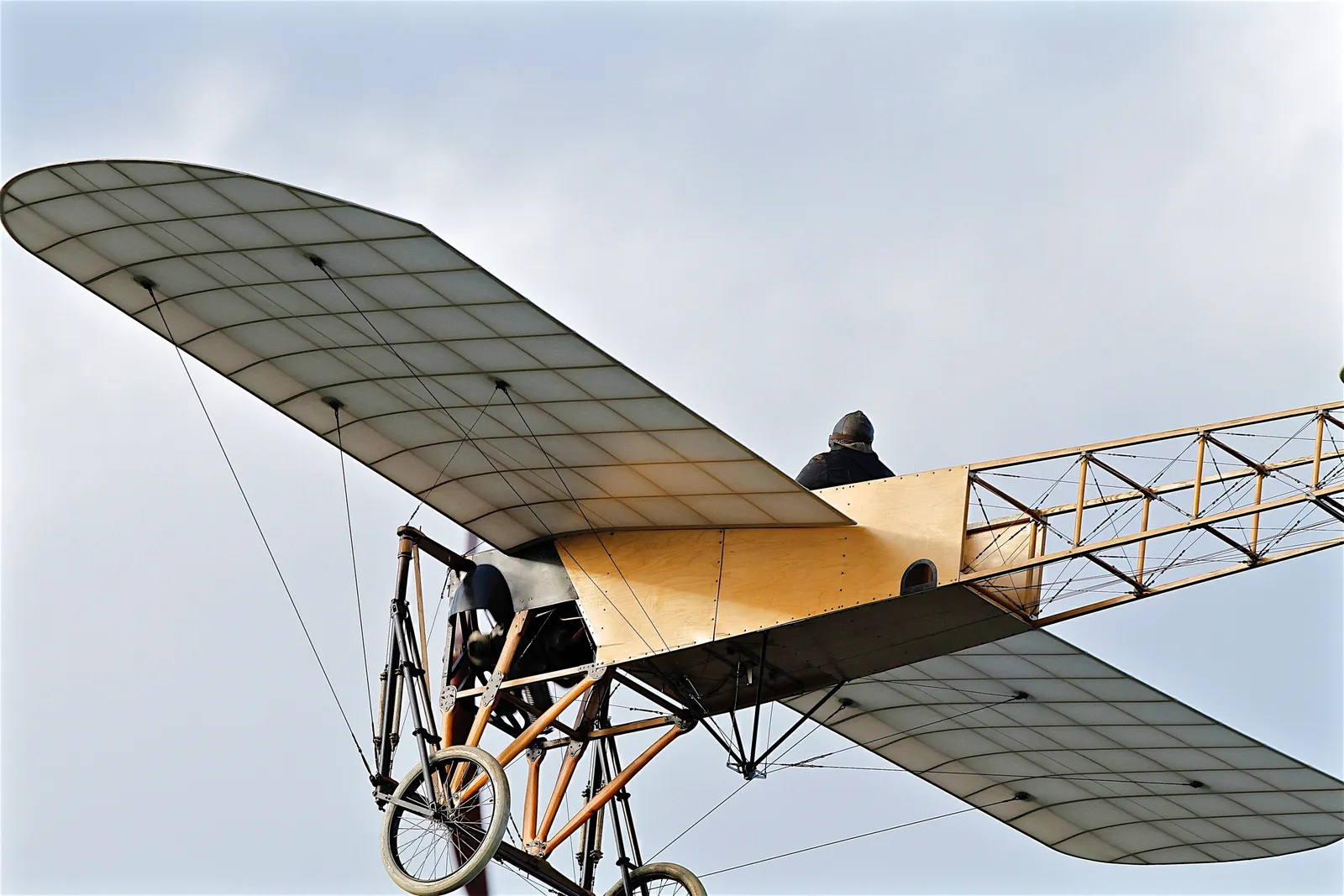
The first transcontinental multi-stop flight across the United States was made in 1911 by Calbraith Perry Rodgers in an attempt to win the Hearst prize offered by publisher William Randolph Hearst. Hearst offered a $50,000 prize to the first aviator to fly coast to coast, in either direction, in fewer than 30 days from start to finish.
It took Calbraith “Cal” Perry Rodgers, who took off from Sheepshead Bay, New York on September 17, 1911, a total of 49 days to reach Long Beach, Pasadena, California on November 5, 1911. Over the course of those 49 days, he made 69 stops, including refueling and repair breaks. He made 16 crash landings, and his trip was sponsored by the Armour Meat Packing Company to promote “Vin Fiz,” a soft drink.
The Vin Fiz was repaired so extensively during the trip that by the time Rodgers reached Pasadena, only a small portion of the original aircraft – reportedly the rudder and wing struts – remained. He missed the prize deadline by nearly three weeks, yet the journey itself was the real statement.
The Race the Army Ran

In October 1919, Belvin Maynard completed an east-to-west crossing in 3 days, 3 hours, and 5 minutes as part of the “Transcontinental Air Race of 1919,” which saw 33 planes cross the U.S. with 8 completing the round-trip out of 67 which began the trip. Nine deaths occurred during what was officially the U.S. Army’s “Transcontinental Reliability and Endurance Test.”
It was a sobering demonstration of just how dangerous the endeavor really was. The continent wasn’t simply wide. It was hostile, weather-dependent, and largely uncharted from the air. Progress, when it came, arrived slowly and at real cost.
One Stop, 21 Hours: Doolittle’s Dash
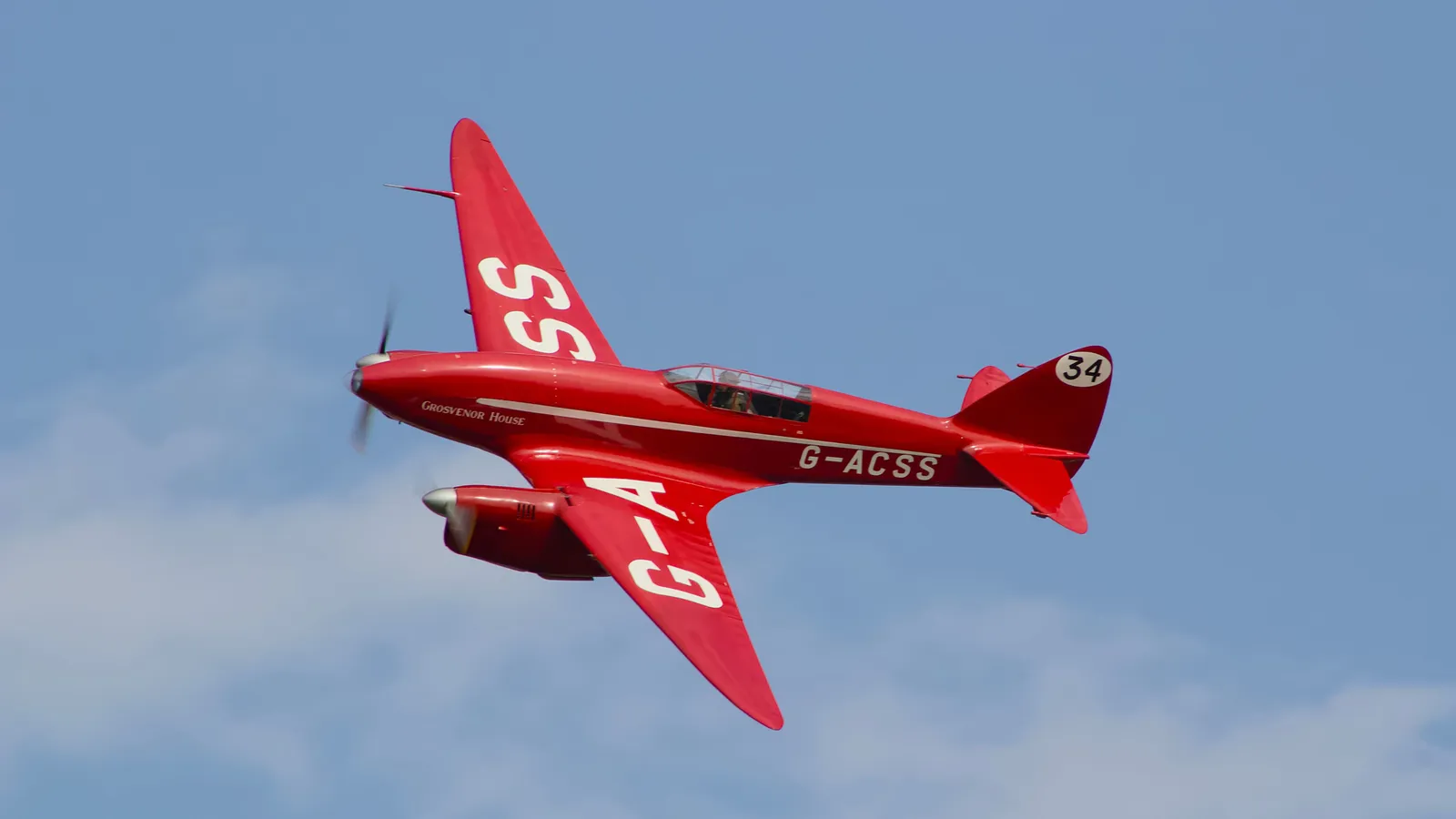
In 1922, Jimmy Doolittle flew from Pablo Beach, Florida, to San Diego, California, in 21 hours and 19 minutes with only one refueling stop, flying a DH-4. That was a military record run rather than a commercial service, but it showed what a determined pilot and a capable aircraft could do when conditions cooperated.
Doolittle’s flight was less about passengers and more about possibility. It planted a seed for what commercial aviation might eventually become, even if the technology to make it routine was still years away. The machine was outrunning the infrastructure needed to support it.
The First Nonstop, and Three Attempts to Get There
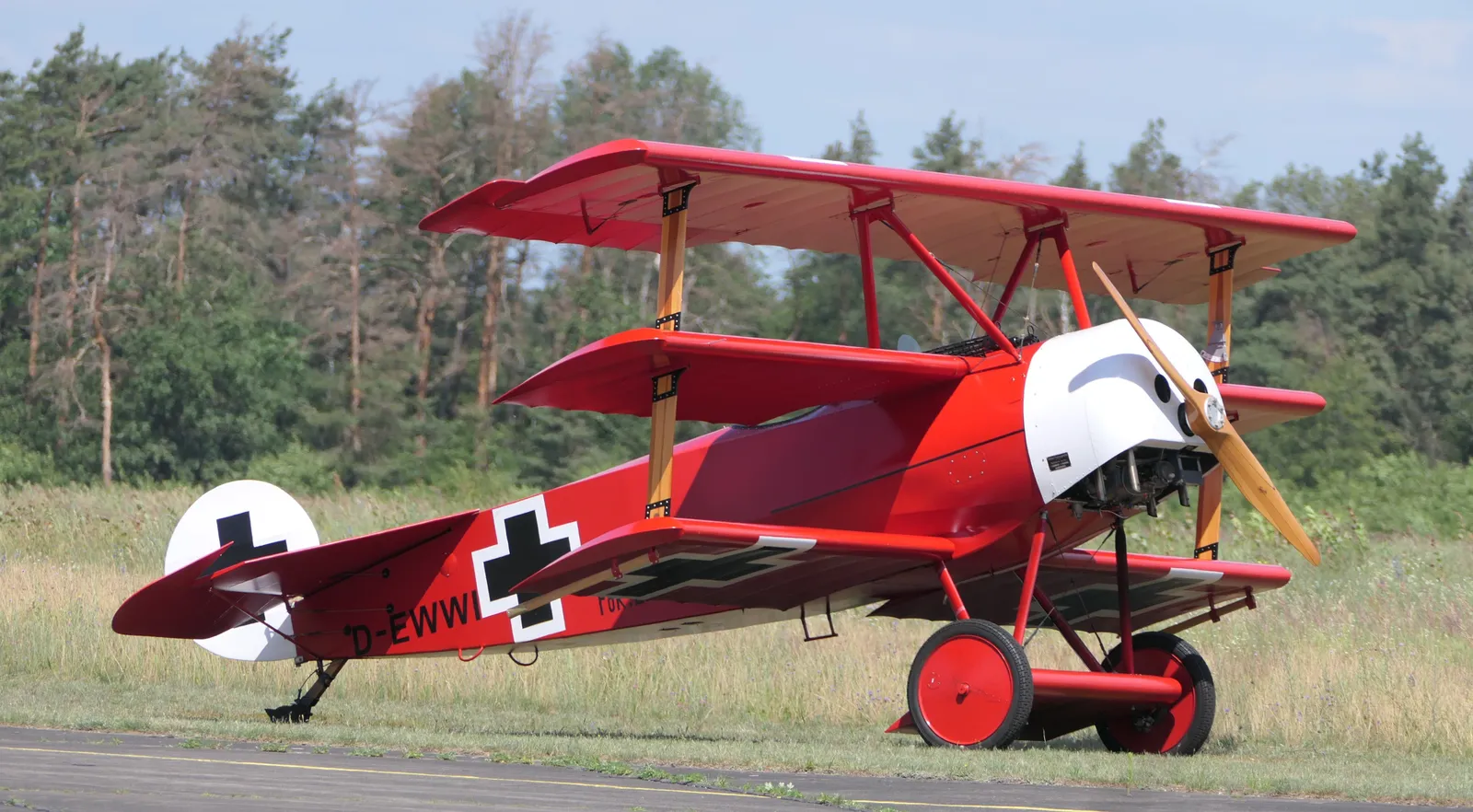
It was not until 1923 that Lieutenants Oakley G. Kelly and John A. Macready were finally successful in flying nonstop across the United States, and it took three attempts before they succeeded. On May 2 to 3, 1923, they completed the first nonstop transcontinental flight from Roosevelt Field, Long Island, to Rockwell Field, North Island, San Diego, in a Fokker T-2, covering it in 26 hours, 50 minutes, and 38.4 seconds.
The trip took 26 hours, 50 minutes, and 38 seconds to be exact – a remarkable feat, considering that the aircraft averaged only 92 mph, and that a compass and assorted highway maps were the pilots’ only navigational aids. No GPS, no radar, no air traffic control. Just two lieutenants, a sturdy Dutch-built aircraft, and an enormous amount of courage.
Airmail, Trains, and the 78-Hour Compromise
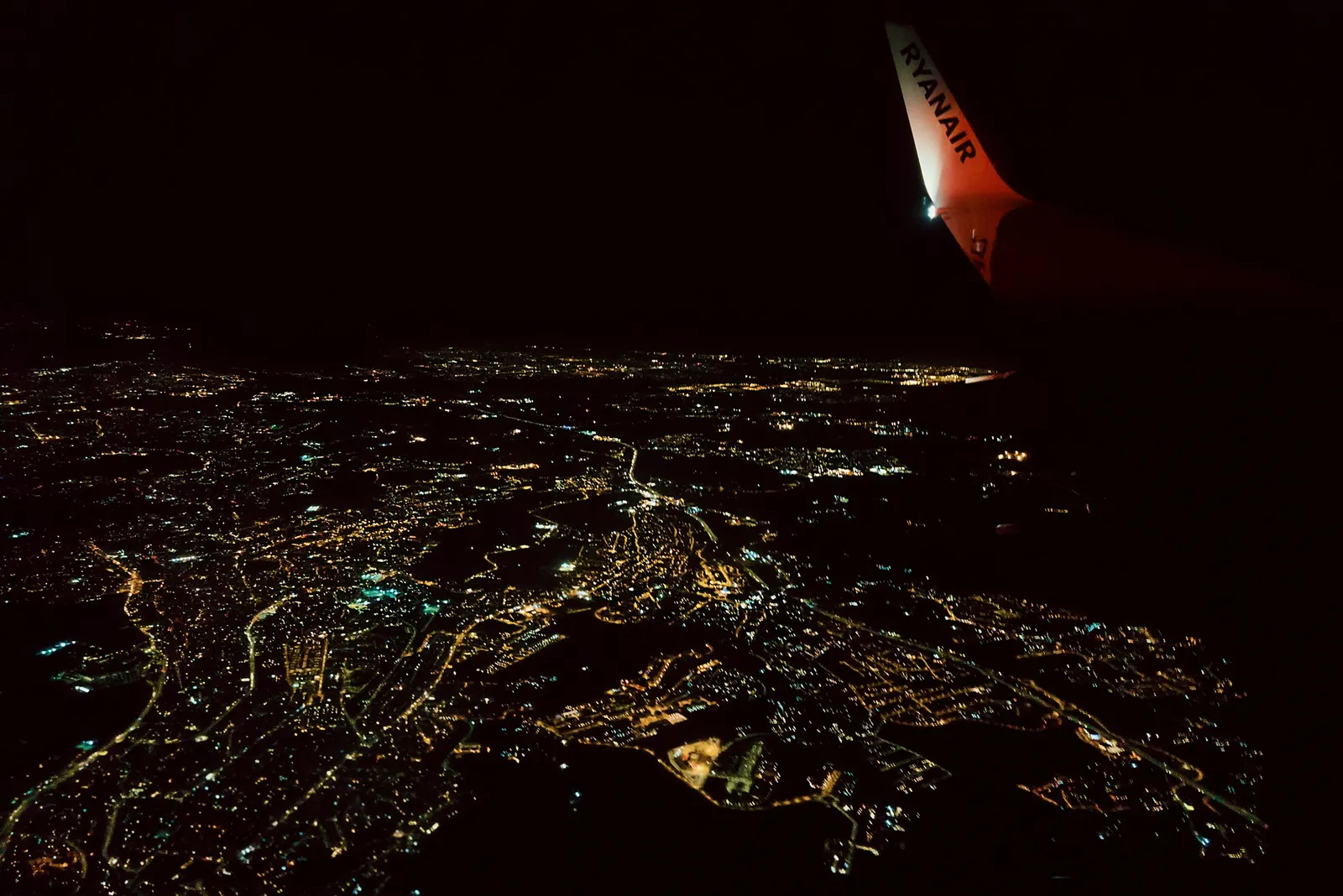
Because flying at night was dangerous, mail was carried along the transcontinental route by train during the hours of darkness. This mix of air and rail significantly reduced coast-to-coast mail transit time: a train alone needed 108 hours to cross the continental United States, but the combination of air and rail decreased the time to 78 hours.
The first nighttime airmail flights started on July 1, 1924, and by eliminating the transfer of mail to rail cars at night, the coast-to-coast delivery time for airmail was reduced by two business days. With a June 1925 deadline, the 2,665-mile lighted airway was completed from New York City to San Francisco, California. The infrastructure was slowly catching up to the ambition.
Passengers by Day, Train by Night
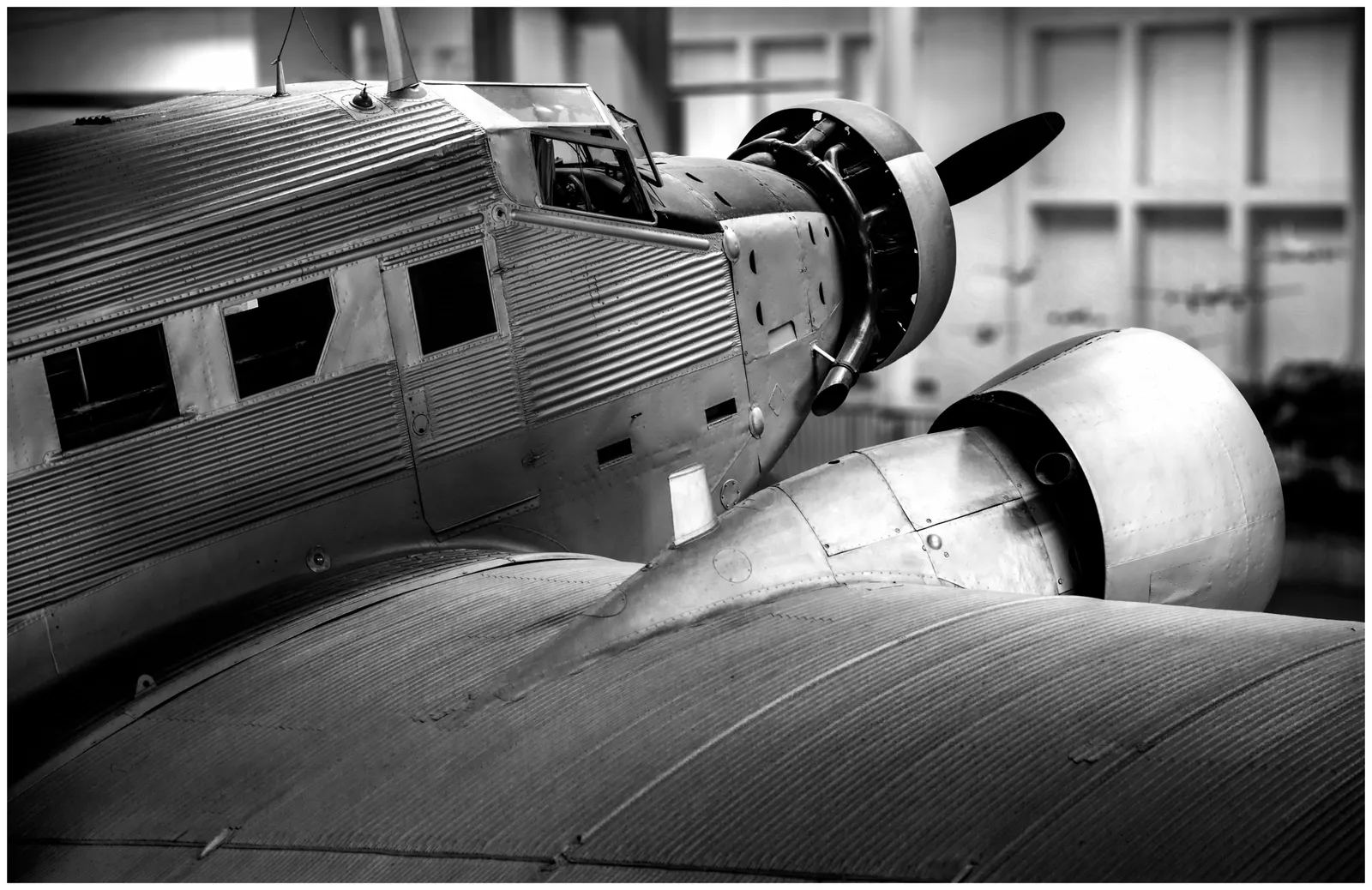
On July 7, 1929, Transcontinental Air Transport inaugurated a 48-hour coast-to-coast passenger transportation service, with air travel by day and rail travel by night. Charles A. Lindbergh flew the first plane over the route. The service cut travel time between the East and West coasts in half, to only 46 hours eastbound and 50 hours going west against the wind.
It initially offered a 48-hour coast-to-coast trip using trains by night and planes by day across nine flights, with the first leg on the Pennsylvania Railroad overnight from New York City to Columbus, Ohio. The fear of flying after dark was entirely rational given the era’s limited navigation tools. Passengers essentially commuted across the country in carefully choreographed shifts.
The First All-Air Service: 39 Hours and 11 Stops

On October 25, 1930, the first all-air transcontinental through passenger service to link coastal cities began. When Transcontinental and Western Air launched that first coast-to-coast passenger service, the multi-leg journey required 39 hours westbound and 34 hours eastbound, punctuated by 11 separate runway stops.
The coast-to-coast network was completed with the launch of CAM-34 between New York City and Los Angeles on October 25, 1930, marking the consolidation of transcontinental airmail service under contract carriers and signaling the maturity of U.S. commercial mail routes. For passengers, it was still an endurance event. But it was finally all in the air.
The Boeing 247 Changes the Math
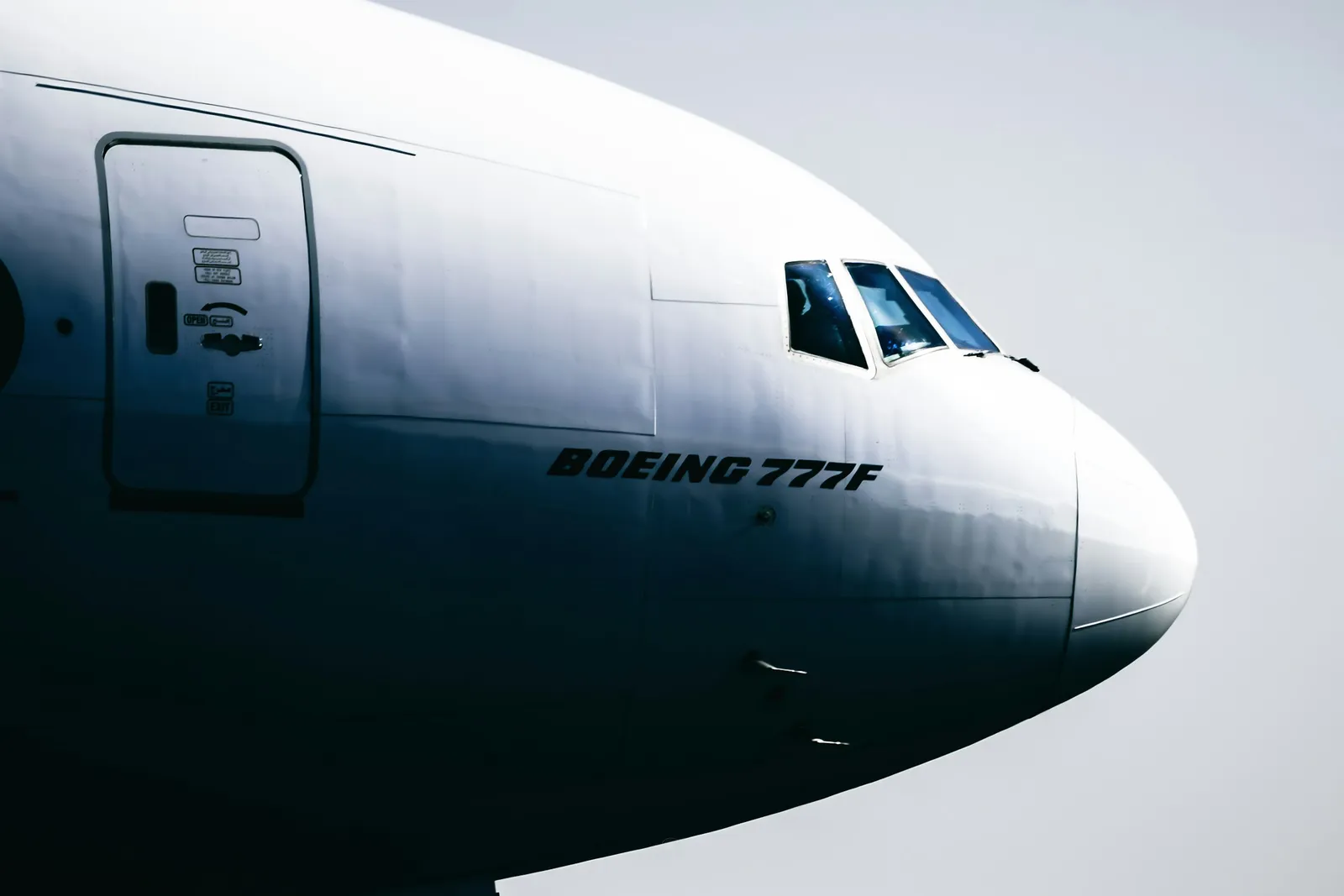
The Boeing Model 247 was an early United States airliner, considered the first such aircraft to fully incorporate advances such as all-metal semimonocoque construction, a fully cantilevered wing, and retractable landing gear. The 247 was capable of crossing the United States from east to west eight hours faster than its predecessors, such as the Ford Trimotor and Curtiss Condor, and a Boeing Air Transport 247 set a cross-country record pace of 19 and a half hours on its San Francisco to New York inaugural flight.
For the first time, airline passengers could fly across the country without changing planes or stopping overnight. The 247 had twin engines, retractable landing gear, and carried 10 passengers in a heated, sound-proof cabin, and it was able to cross the country in 20 hours, cruising at 155 mph. That was genuinely revolutionary for 1933.
The DC-3 Makes It Almost Normal
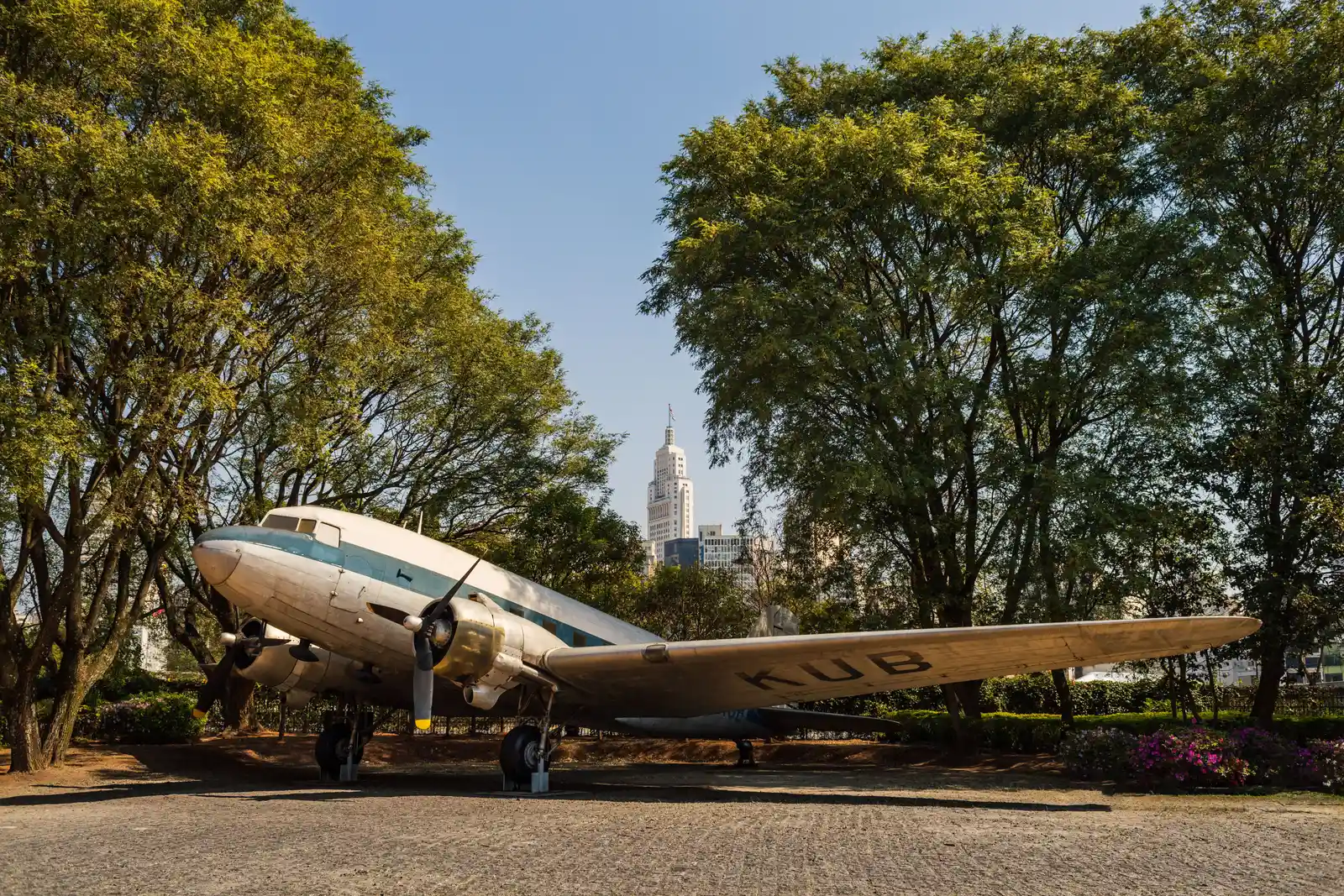
The DC-3 was engineered by a team led by chief engineer Arthur E. Raymond, and first flew on December 17, 1935, the 32nd anniversary of the Wright Brothers’ flight at Kitty Hawk. The amenities of the DC-3, including sleeping berths on early models and an in-flight kitchen, popularized air travel in the United States, and with only three refueling stops, eastbound transcontinental flights across America taking approximately 15 hours became possible. Westbound trips took 17 hours and 30 minutes.
The DC-3 was the first airliner to make commercial air travel profitable, and by 1942, roughly nine out of ten airliners in use were DC-3s. Based upon design direction given by American Airlines, the wider, 21-passenger DC-3 became the most-produced aircraft of its time and the first that was able to generate a profit solely by carrying passengers. The journey was still long by modern standards, but it was finally reliable enough to sell tickets on.
The Jet Age Collapses the Continent
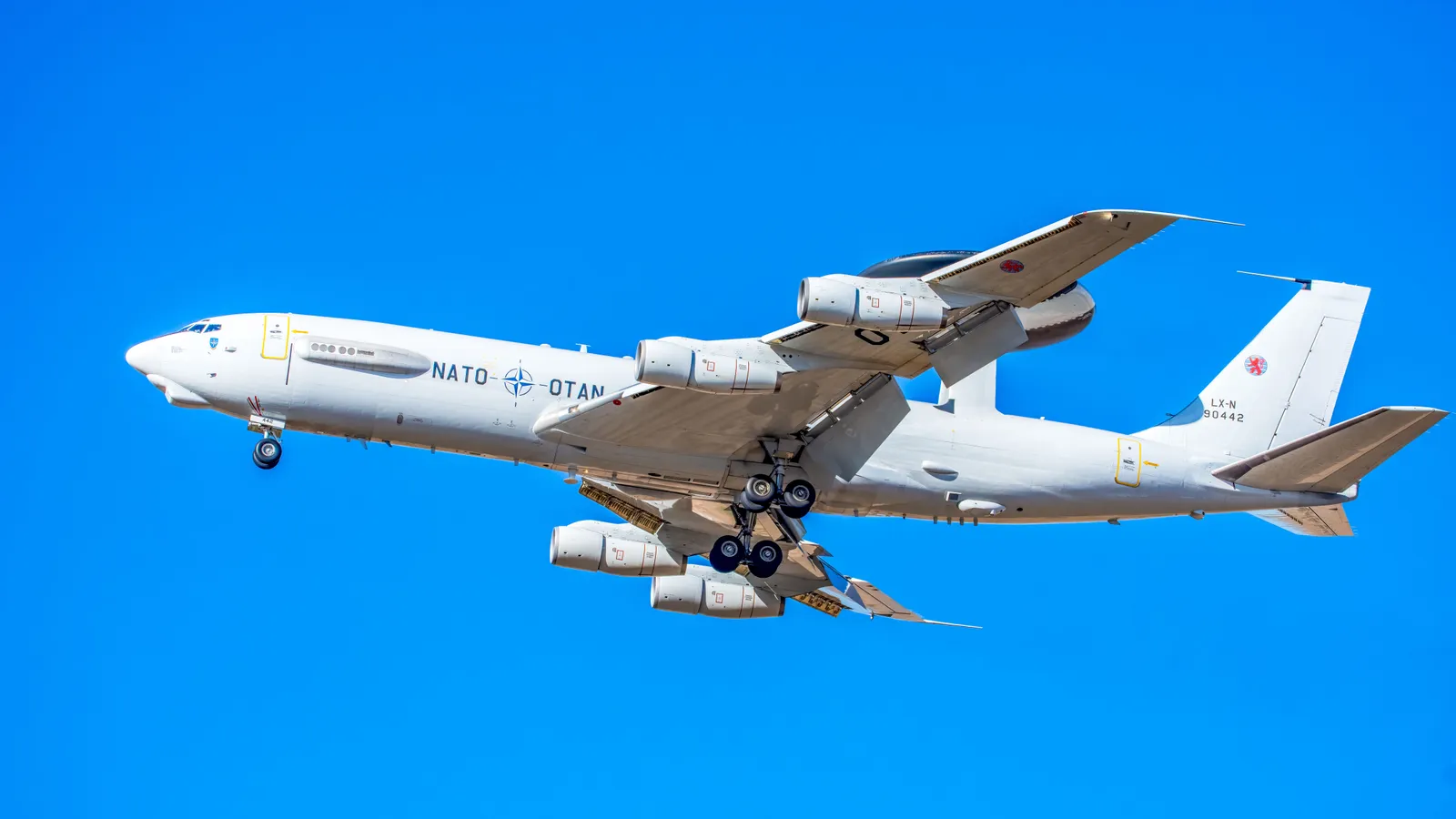
The early production 707-121 variant had a maximum unrefueled range of 2,800 nautical miles that vastly overshadowed its prop-powered predecessors, and that performance envelope allowed American to fly its transcontinental route entirely nonstop from coast to coast. Its inaugural Flight 2, piloted by Captain Charles Macatee, carried seven other crew members and 112 passengers on its record-setting continental crossing, completing it in four hours and three minutes.
Speed progressively shrank the continent, and distance could now be measured in terms of the flying time it took to cover it – initially from 48 hours to a final five. What had taken Cal Rodgers 49 days in 1911 now fit inside a single afternoon. The continent didn’t shrink, of course. The machines just finally caught up with the distance.
The Weight of What Was Crossed
It’s easy to take the five-hour coast-to-coast flight for granted. We complain about legroom and Wi-Fi, which is a reasonable enough human response to mild discomfort. Still, the distance between New York and Los Angeles is the same distance it always was. Only the time has changed.
The story of transcontinental air travel is ultimately a story about iteration. Each decade shaved off hours, removed stops, and made the improbable feel ordinary. From 49 days down to four hours in less than half a century – that compression of time and effort is one of the more quietly astonishing things aviation ever accomplished.
AI Disclaimer: This article was created with the assistance of AI tools and reviewed by a human editor.