
The First Menus Were Born from a Simple Competitive Pressure
During the golden age of air travel, roughly the 1950s through the 1970s, ticket prices were heavily regulated by government. Airlines couldn’t undercut each other on price, so instead they competed on experience. Elaborate meals became an important part of airlines’ marketing strategies.
Carriers like Pan Am, often considered the most glamorous airline, partnered with top restaurants to create elevated menus worthy of a first-class dining room. The printed menu wasn’t just a list of dishes. It was proof that the airline had thought carefully about the experience.
Those menus preserved a glimpse of the golden age of air travel in which fine dining, fine wines, and thoughtful design created a passenger experience of mystique and allure. Menus, flight attendant uniforms, silverware, and timetables were all components of airlines’ visual identities through which they represented adventure, excitement, and optimism about the future.
The First Full In-Flight Meal Set the Tone Early
The first recorded in-flight full-meal service was served by the crew of a French Air Union flight on July 30, 1927. The menu featured hors d’oeuvres, lobster salad, cold chicken and ham, niçoise salad, ice cream, and cheese with fruit. Beverages included champagne, wine, whiskey, mineral water, and coffee.
The way passengers ate, facing each other across a table, suggests early aviation designers relied on precedents such as restaurants, railway dining cars, and cruise-ship or Zeppelin dining rooms. Menus from this period reflected that same borrowed elegance, printed with the formality of a hotel card.
Pan Am and the Art of the Menu Cover
Pan Am became the gold standard, partnering with the legendary Parisian restaurant Maxim’s to curate menus for its “Clipper” flights. The menus that accompanied those flights were designed with the same care as the food itself. They were objects passengers actually kept.
A meal could arrive with its own printed menu, sometimes with covers created by artists and designers. Those menus later became collectibles. Pan Am’s covers ranged from watercolor paintings of harbor cities to richly illustrated maps of the routes being flown. The cover art was rarely incidental.
On platforms like eBay today, the evidence of that care is still trading hands. In May 2026, Islands reported that a 1990 Pan Am first-class menu was listed on eBay for $123. That a paper menu, decades old, still commands real money says something about how people remember what it felt like to receive one.
Air France and the French Tradition of Commissioned Art
Vintage Air France menus featuring artwork by Pierre Pages became some of the most recognizable printed objects in aviation history. Air France consistently commissioned original illustrations for its menu covers, treating each route as a canvas of sorts. The French influence on culinary presentation extended naturally to how the menu itself looked.
A vintage Air France menu featuring a “Les Chateaux de France” cover by Pierre Pages, dated April 1960, is the kind of object that now sits framed in collectors’ homes. Air France understood that handing a passenger a beautifully printed menu communicated something about the airline’s character before anyone had taken a single bite.
Complete collections of Air France menus by artists like Florent Margaritis now circulate in the secondary market. A complete collection of sixteen Air France menus by Florent Margaritis has been listed for sale as a set, suggesting that even the archive-minded collector community treats these as cohesive visual works rather than loose ephemera.
The Role of Northwestern University’s Menu Collection
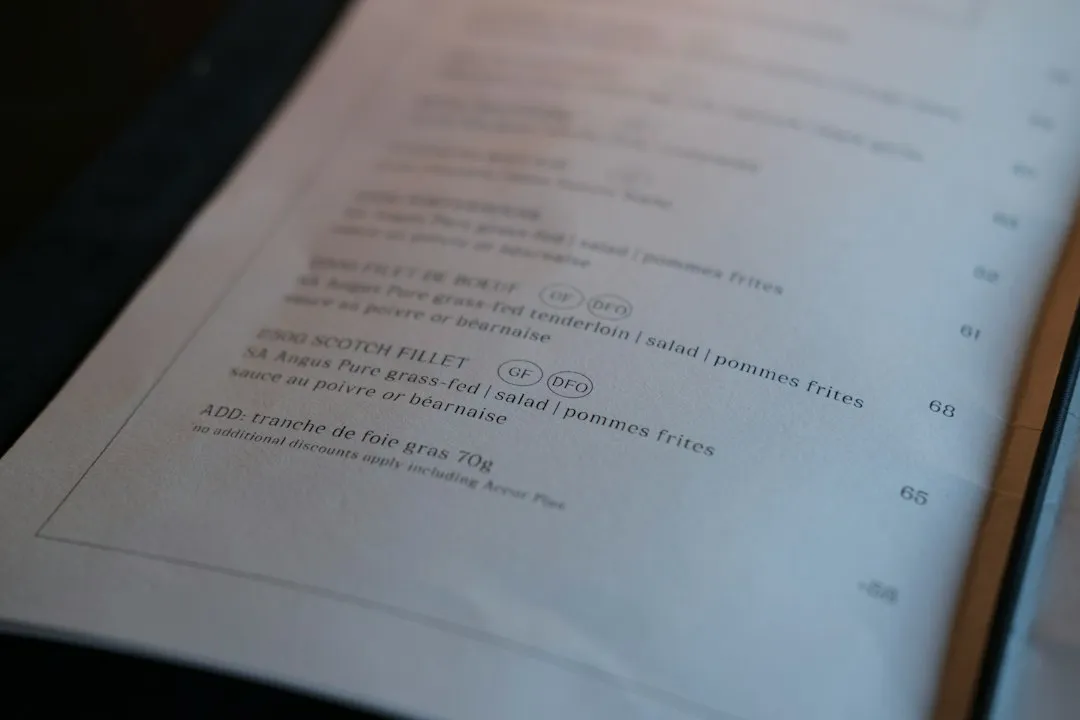
The Transportation Menu Collection at Northwestern University comprises over 900 menus from 54 national and international airline carriers, cruise ships, and railroad companies, dating from 1929 to the present, with a particular focus on mid-to-late twentieth century air transportation.
The collection is multi-disciplinary in scope, touching art, history, economics, sociology, culinary, and transportation topics. That range matters. A printed in-flight menu from 1965 isn’t just a food artifact. It’s also a design document, a record of brand strategy, and a quiet social artifact about who was flying and what they expected.
The Science Behind Why Menus Had to Be Written So Carefully
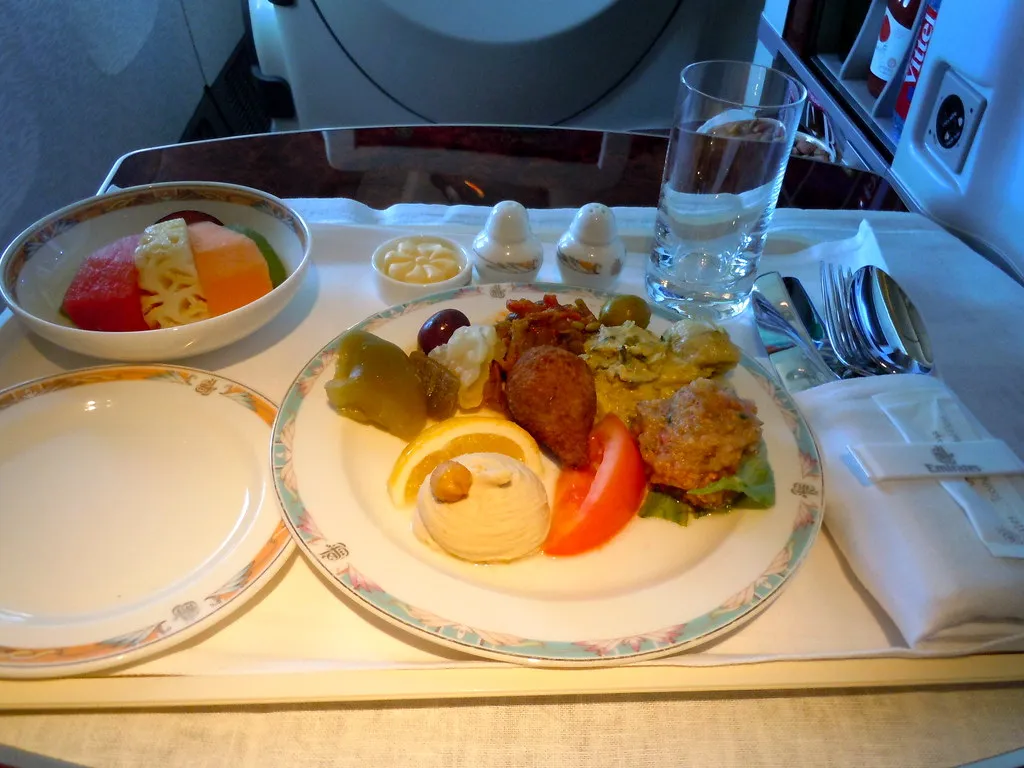
United Airlines began hiring Swiss-trained chefs to study the effects of altitude on flavor. They discovered that low humidity and cabin pressure dull the senses of taste and smell by up to 30%, leading to the early use of more salt and sugar in aviation recipes.
During the 1970s, airlines realized that passengers’ senses of smell and taste were significantly diminished, and they began tweaking their menus to compensate. The first airline to do this formally was the French airline Union de Transports Aeriens in 1973, when they hired Raymond Oliver, the chef-owner of Le Grand Véfour restaurant in Paris, to overhaul their in-flight menus. Oliver did this by increasing the amount of salt, sugar, and oil used in their recipes.
That level of scientific consideration shaped not only the food but also the language on the printed menus. Descriptions needed to manage expectation honestly without underselling a meal that faced real physiological headwinds. Writing a menu at altitude, it turns out, is its own minor art form.
What Those Menus Actually Offered Passengers
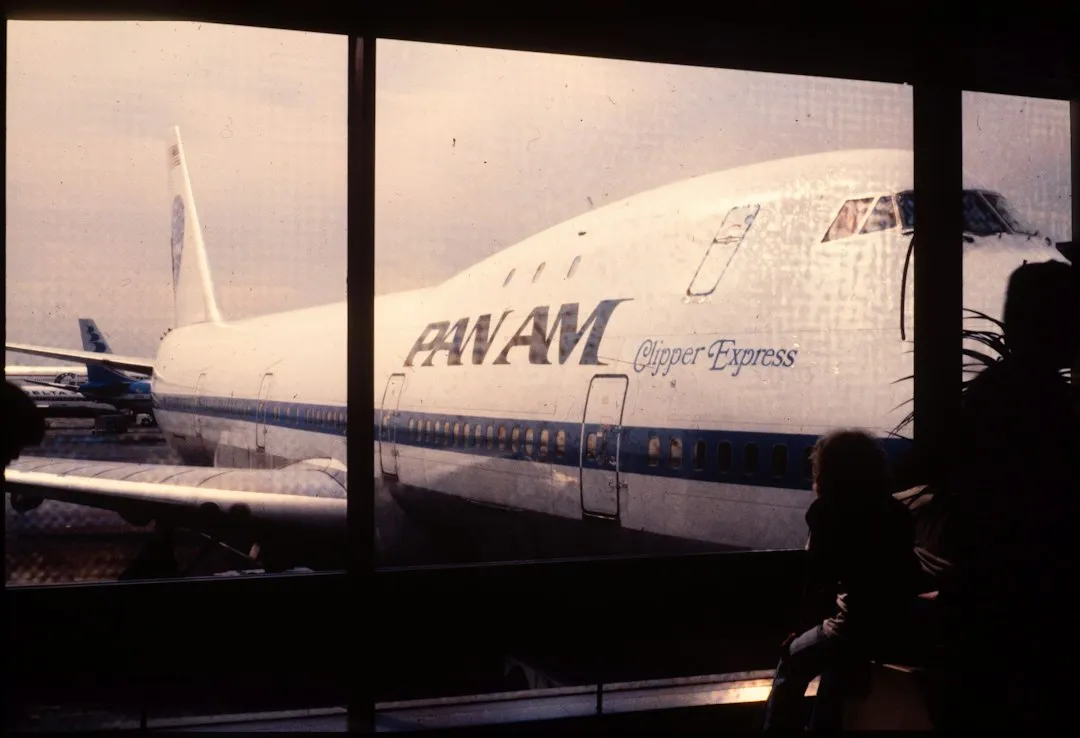
By the late 1950s, airlines like Pan Am were flying jets across the Atlantic from New York to Europe, offering passengers in all cabins complimentary gourmet meals served on white tablecloths and fine china. The printed menus reflected that ambition faithfully.
Dishes served to Pan Am economy-class passengers included chicken vol-au-vent, beef bourguignon, Cornish hen, and beef stroganoff. These weren’t first-class exclusives. The expectation across the cabin was genuine quality. On a 1966 Pan Am flight from Tokyo to San Francisco, passengers awoke to a breakfast menu titled “The President Special: Petit Déjeuner,” printed in both English and Japanese.
The Menu as a Visual Identity Tool
For much of the jet age, flying could mean hot meals, branded tableware, printed menus, and service that looked closer to a restaurant than a snack cart. Airlines used food and presentation to make a flight feel special. The menu was central to that presentation.
Scandinavian Airlines, BOAC, TWA, and Qantas each developed recognizable visual languages for their menus. Vintage Olympic Airways menus from the 1970s, featuring distinctive artwork, now circulate as Greek travel collectibles and mid-century aviation decor. Each carrier’s printed material was immediately identifiable, even before you read a word.
TWA, for its part, commissioned some of the most celebrated illustrators working in mid-century America. The artist Bob Peak created covers for TWA menus that belong comfortably in any serious collection of American commercial illustration. The menu was never just a list of food.
Deregulation and the Slow Disappearance of the Printed Menu
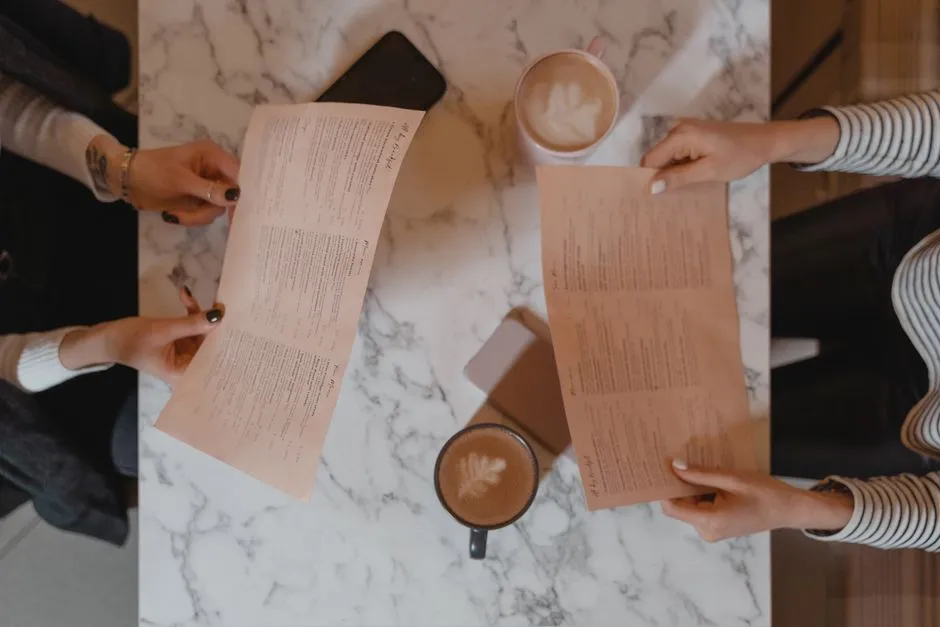
After the introduction of Freddie Laker’s low-cost transatlantic Skytrain DC-10s, other airlines began realizing that passengers were not interested in quality meals but in getting a seat for the lowest price. That shift changed everything, including what happened to the menus.
While modern travelers often associate airplane food with vacuum-sealed trays and Biscoff cookies, the industry has undergone several golden ages and steep declines influenced by global events and government policy. The printed fine-dining menu was a casualty of the post-deregulation era, when price competition replaced the competition of experience.
The logic was straightforward. If passengers were choosing based on fare rather than food, there was no return on the investment of commissioning an illustrator, selecting a fine paper stock, and printing a card that would sit in someone’s jacket pocket for a week. The menu got thinner, then disappeared from many cabins entirely.
The Collector Market That Keeps These Menus Alive
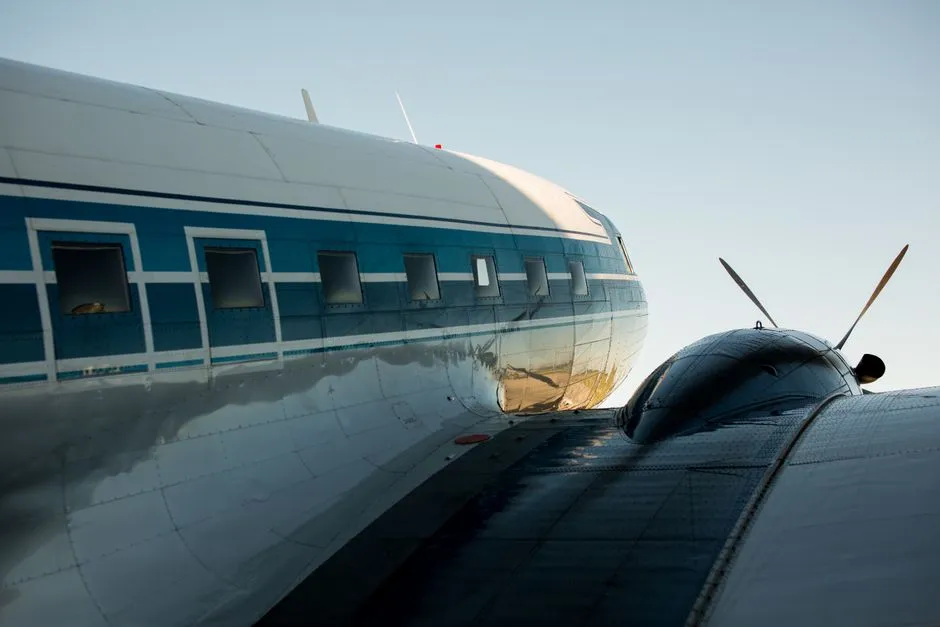
Over recent years, airline collectibles have experienced an exciting renaissance thanks to nostalgia, social media, and online marketplaces like eBay, Etsy, and dedicated aviation collector websites. The printed in-flight menu sits at the heart of this revival.
Airline dinnerware, especially from the 1930s to 1970s, has become highly desirable to collectors of airline memorabilia. The menus that accompanied those meals are equally pursued. On Etsy alone, hundreds of vintage airline menus are listed at any given time, from a handful of dollars for common examples to considerably more for rare or particularly beautiful covers.
American Airlines celebrated its 100th anniversary with collectible retro-inspired trading cards, and the carrier introduced a retro-inspired in-flight menu tied to its centennial celebration. The nostalgia is real enough that airlines themselves are leaning into it, recognizing that passengers still carry some memory of when the printed menu meant something.
A Return to the Printed Menu in Premium Cabins
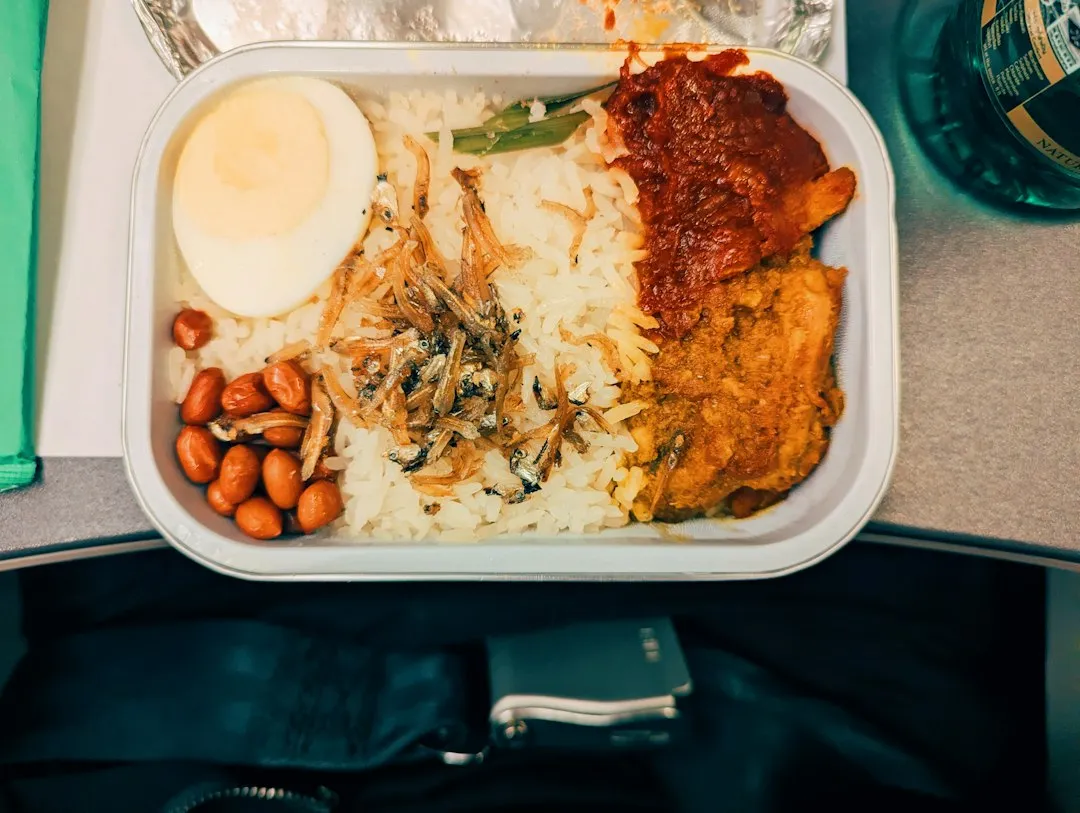
Many airlines go out of their way to design delectable in-flight meals, contracting high-profile chefs to help design their menus. Some airlines are generous with their premium cabin meals, offering caviar and other treats for refined palates.
Several long-haul carriers today do issue printed menus in business and first class, though typically without the commissioned cover art of the earlier era. The gesture survives even if the production values have shifted. Singapore Airlines, Qatar Airways, and Emirates have all maintained printed menus in their premium cabins as a mark of intentional hospitality.
Whether these current iterations will one day be traded in collector markets the way a 1960s Pan Am card is now, that remains to be seen. The printing is more restrained, the paper often lighter. Still, the intention is recognizable: to make the passenger feel, before the food arrives, that someone thought carefully about this moment.
The Quiet Legacy of a Small Printed Object
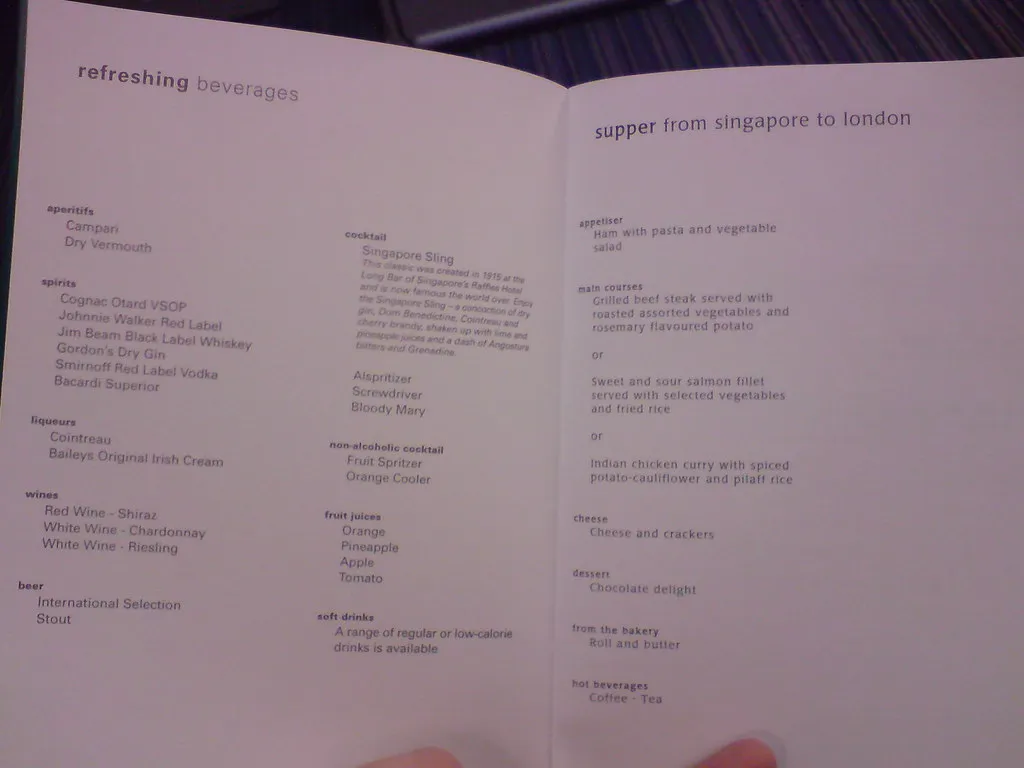
It’s worth sitting with what exactly the printed in-flight menu accomplished. It was never a practical necessity. A flight attendant could simply announce what was available. The menu existed for another reason: it told passengers they were somewhere worth being attentive to.
Once upon a time, airline tickets were issued by hand and were often several pages thick, while boarding passes came in the form of cardstock keepsakes. The in-flight menu belonged to this same culture of tangible, considered objects that made air travel feel like a formal occasion rather than a transaction.
The menus preserved in Northwestern’s collection, traded on Etsy, or framed in aviation enthusiasts’ homes aren’t really about food. They’re about the assumption that the person holding this card deserved a certain quality of attention. That assumption, when it existed, produced something worth keeping.
AI Disclaimer: This article was created with the assistance of AI tools and reviewed by a human editor.