

Flying Was Not for Everyone
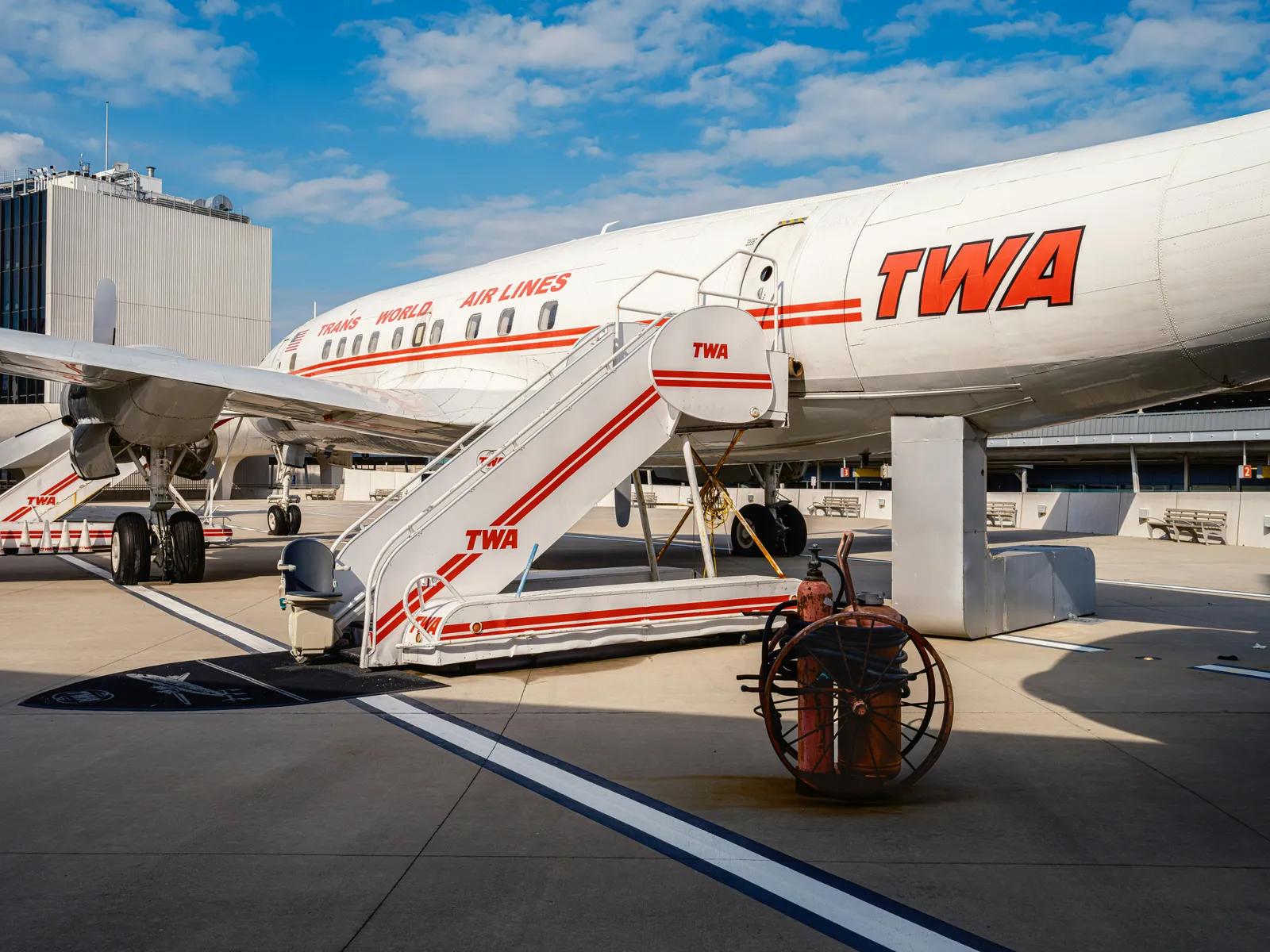
Flying was an exclusive privilege reserved for the wealthy and business travelers. In the 1950s and 1960s, a domestic round-trip ticket could easily cost the equivalent of $1,000 to $4,000 or more in today’s dollars. This wasn’t a casual expense. It was a significant financial commitment, and passengers dressed accordingly.
The 1950s and 1960s are often referred to as the “Golden Age” of air travel. Commercial aviation had existed before the Second World War, but it really came into its stride in the 1950s. It was new, exciting, and for some years, an exclusive way to travel. Aircraft designs were developing fast, destinations were exotic, and the passengers were often glamorous.
The Social Ritual of the Airport
Air travel was such a spectacle that a flight would sometimes appear on the front page of the local newspaper. Flying at that time was an event, almost a social event. People would go to the airport just to watch airplanes come in and then leave. The gate area was a place to see and be seen, much like a hotel lobby in a grand old city.
In the fifties and sixties, getting on a plane was an occasion, and people dressed for it the way they would for the theatre. Suits, hats, gloves, a good coat folded over the arm. You did not board a flight to Paris in anything you might also sleep in. That sensibility wasn’t enforced by any airline rule. It was simply understood.
What Men and Women Actually Wore
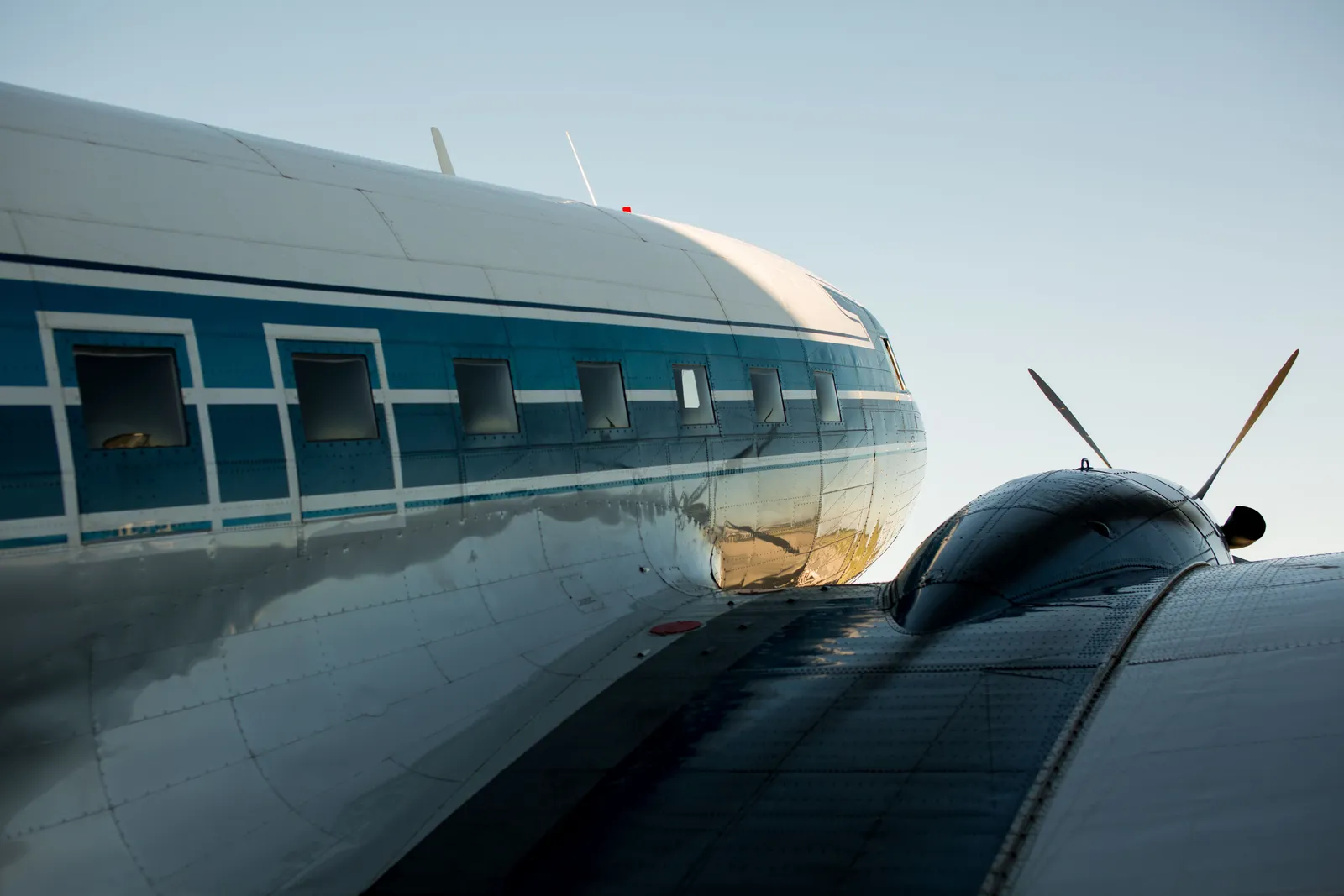
Almost everyone wore their finest clothes to travel. In the 1950s, men wore three-piece suits and sombre ties, and women wore dresses, high heels, and pearls. The formality was essentially mirroring the social codes of the era itself, not just the flight.
Though it may seem that airfares are exorbitant now, flying in the 1950s and 1960s was, adjusting for inflation, significantly more expensive than it is today. The outfits worn by those affluent enough to step on board reflected this, as passengers typically dressed to impress. For men, a suit and tie was expected, while women often accessorized a formal dress with a hat and gloves.
Things relaxed a bit in the 1960s, when a man could get away with a polo-neck shirt or a flowery tie, and a woman could wear hippy beads and a fashionable scarf. Even that loosening, though, still felt intentional and curated.
The Cabin as a Stage for Luxury
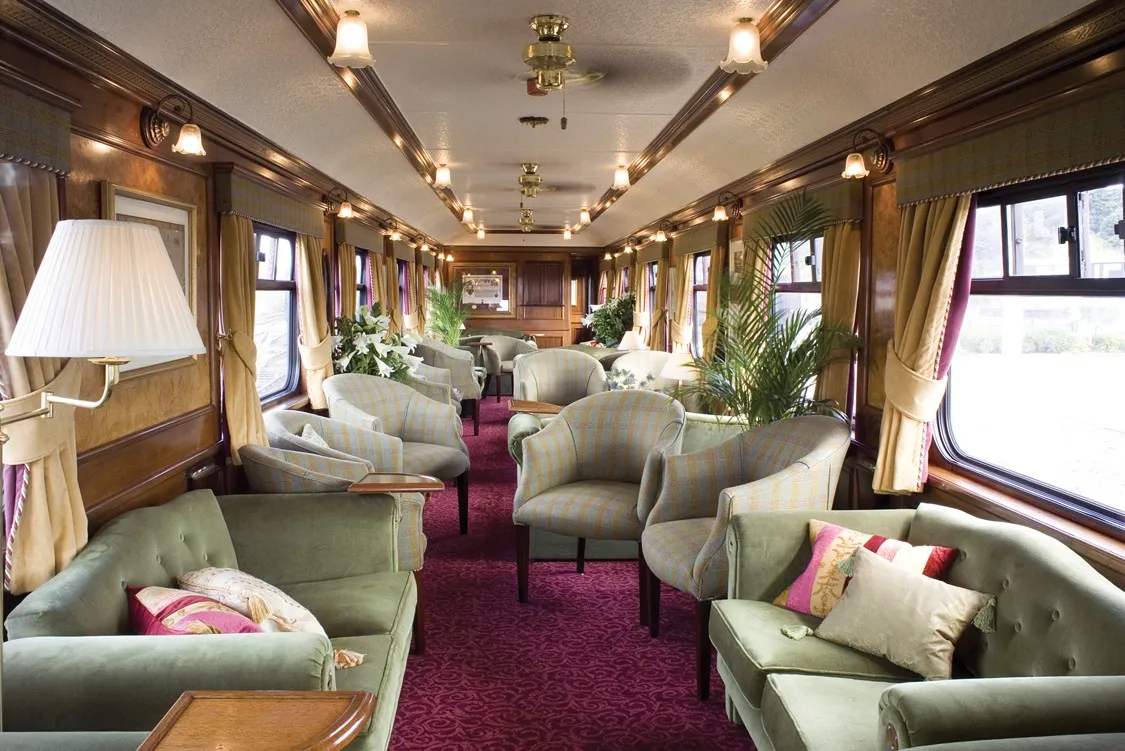
Cocktail lounges, five-course meals, caviar served from ice sculptures, and an endless flow of champagne defined life on board airplanes during the “golden age of travel,” the period from the 1950s to the 1970s fondly remembered for its glamour and luxury. The interior of a plane felt less like a pressurized tube and more like a dining club at altitude.
With passenger numbers just a fraction of what they are today and fares too expensive for anyone but the wealthy, airlines weren’t worried about installing more seats, but more amenities. The airlines were marketing their flights as luxurious means of transport, because in the early 1950s they were up against the cruise liners. Winning that comparison required the full package: food, space, and elegance.
Seat pitch, the distance between the seats on the aircraft, was probably 36 to 40 inches during that era. Now it’s down to 28, as airlines cram more and more people on board. The physical generosity of the cabin reinforced why passengers dressed up. There was room to look good.
The Crew Set the Tone
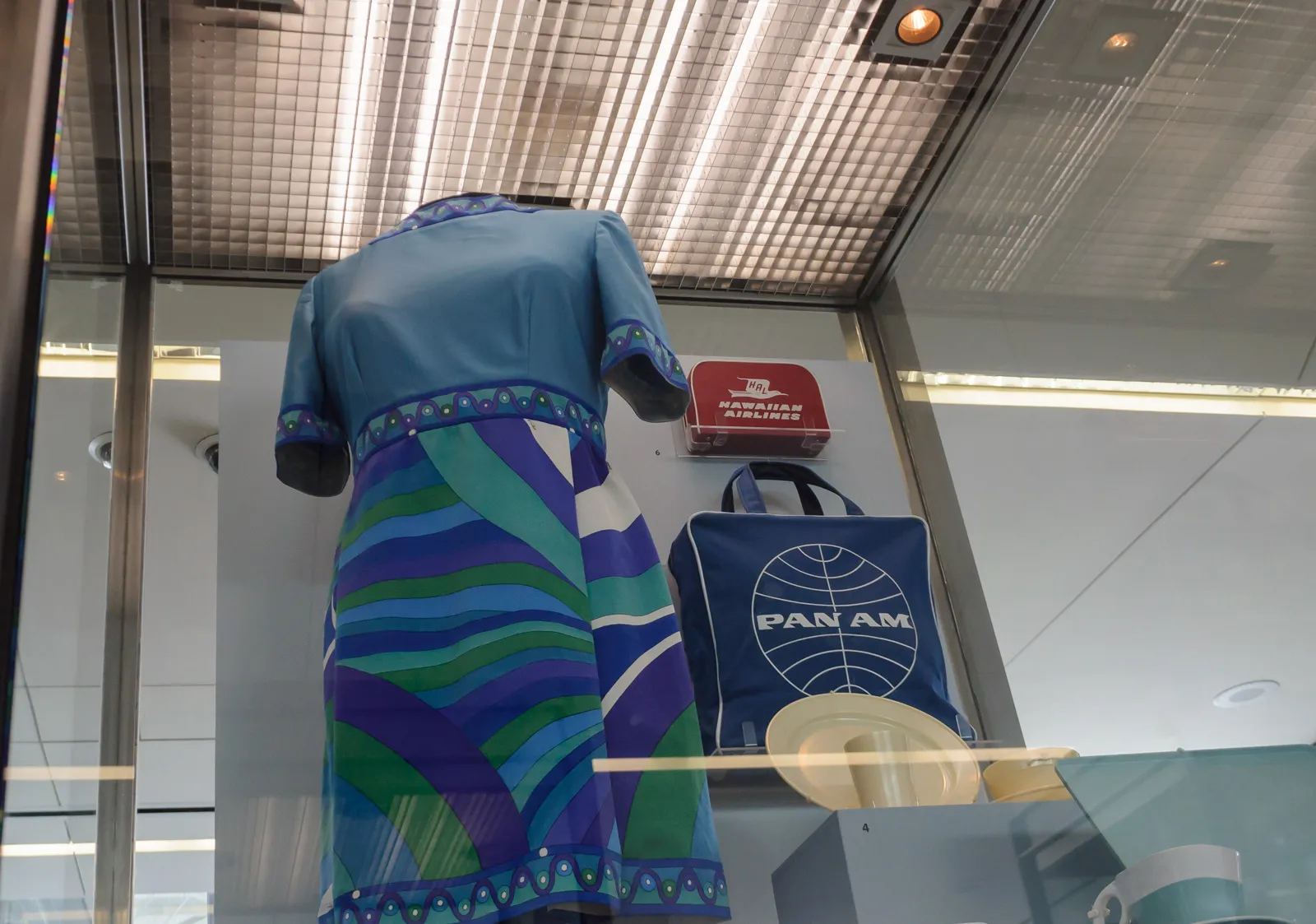
In the 1950s, air hostesses were like movie stars. They were selected for their looks, and there were regulations on how much they could weigh. They had to be single, too. They wore body-sculpted uniforms, corsets, and sometimes white gloves. Always a hat. The crew’s appearance wasn’t accidental. It was choreographed to match the elevated atmosphere airlines wanted to project.
The airlines dressed up too. In 1965, Braniff International hired Emilio Pucci to design its hostess uniforms, part of a campaign gloriously titled “The End of the Plain Plane.” Kaleidoscopic prints, layers designed to come off one by one over the course of a flight, go-go boots by Beth Levine. Fashion wasn’t an afterthought. It was the marketing strategy.
Safety Was an Afterthought in Those Glamorous Interiors
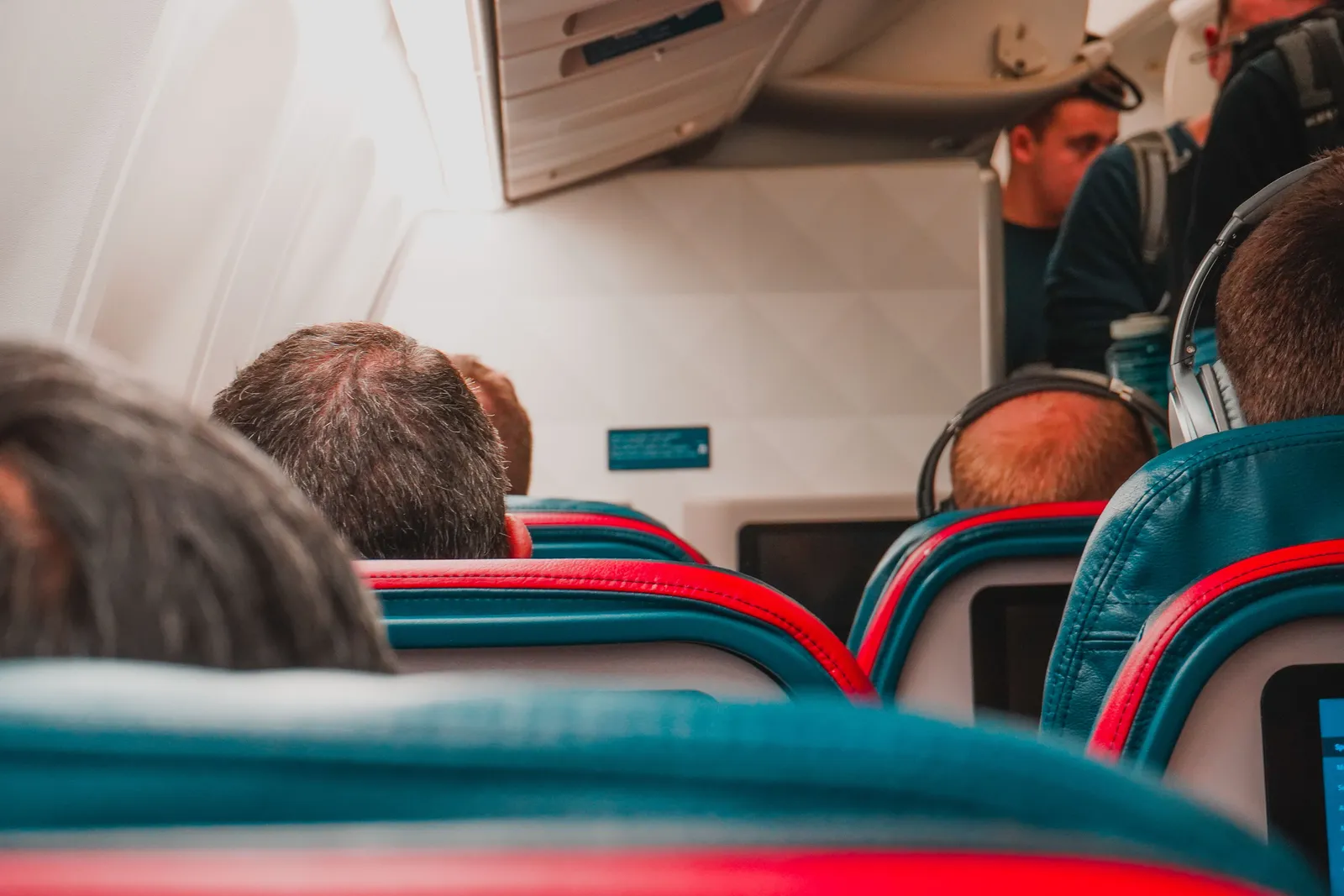
Learning from the bitter lessons of past accidents, cabins have since been redesigned with safety in mind. In the 1950s and 1960s, luxury and style were the priority; there were hard, sharp edges, flammable seats and furnishings, and even glass dividing screens. Modern cabins have improved seating standards, seatbelts, overhead lockers, and lighting. Looking elegant came with real hidden costs.
In the mid-1960s, at the peak of that glamorous age of travel, there were four fatal accidents per million flights, according to statistics compiled by Boeing. By the mid-2010s, that figure had fallen to just above zero. The trade-off between glamour and safety wasn’t visible to passengers at the time, but it was very real.
The Turning Point: Deregulation Changed Everything
Before the Airline Deregulation Act in 1978, passengers in the United States paid top dollar for airline tickets and dressed the part, donning three-piece suits, dresses, and high heels. The relationship between cost and dress code was direct. When the price went down, so did the formality.
Between 1978 and 2019, the annual number of enplaned passengers more than tripled, growing five times faster than population growth. Flying had transformed from a luxury event into routine transportation. By the 1970s, commercial air travel had become much more common. According to the National Air and Space Museum, the number of passengers increased fourfold between 1955 and 1972, and flying was no longer exclusive.
Fashion Itself Was Changing Too
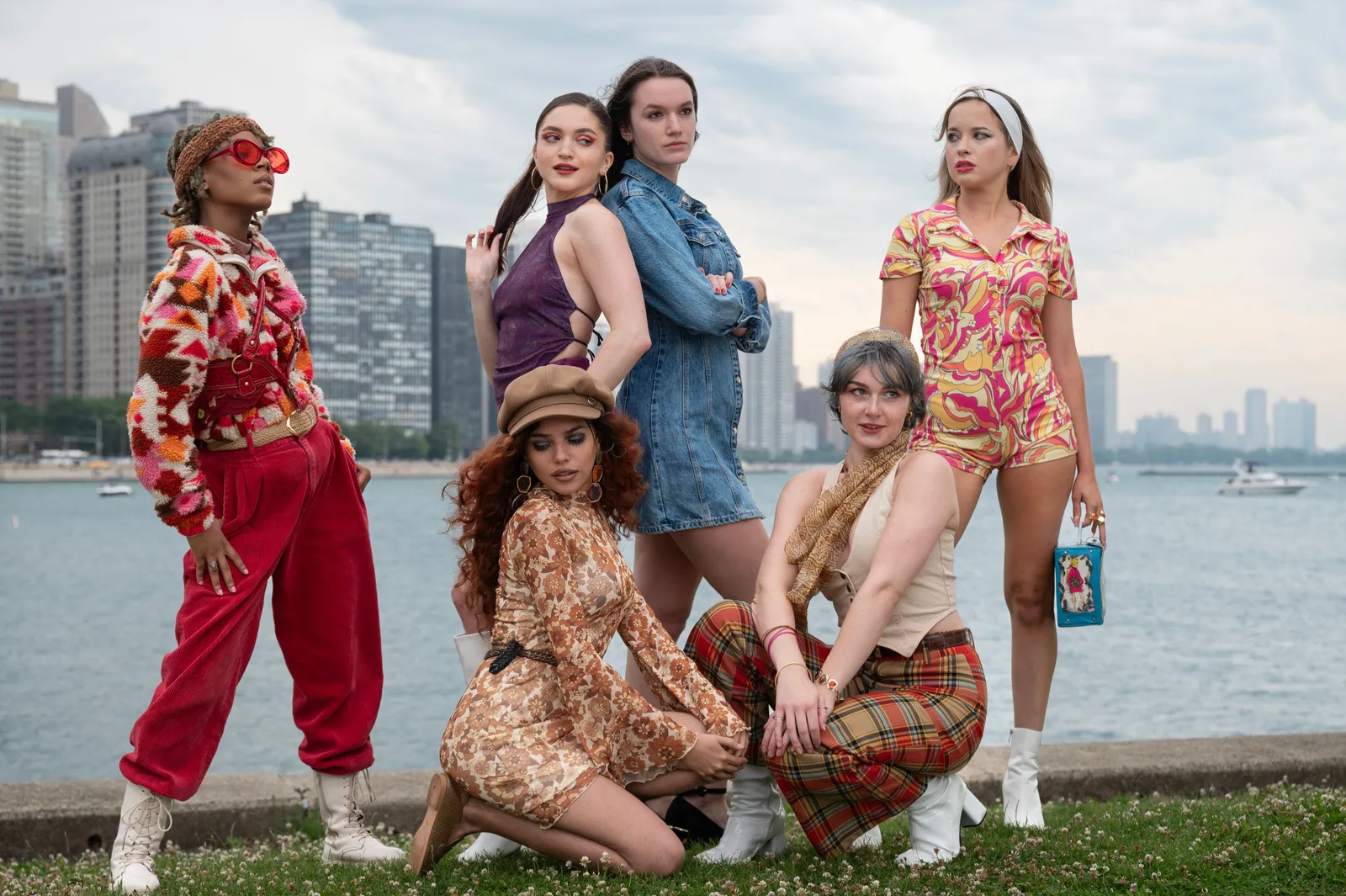
As wide-body jets made flying accessible to broader audiences, cabin attire began to relax slightly, replacing formal suits with vibrant 1970s leisurewear and casual tailoring. The shift wasn’t just in who was flying. It reflected wider social changes in how people thought about dress and public presentation.
Over time, air travel became more affordable and normalized. At the same time, everyday fashion became increasingly more casual, starting especially in the early 2000s and 2010s with the growth of athleisure. These two forces, the democratization of flying and the casualization of everyday life, accelerated together.
Today’s Dress Code: A Loose Suggestion
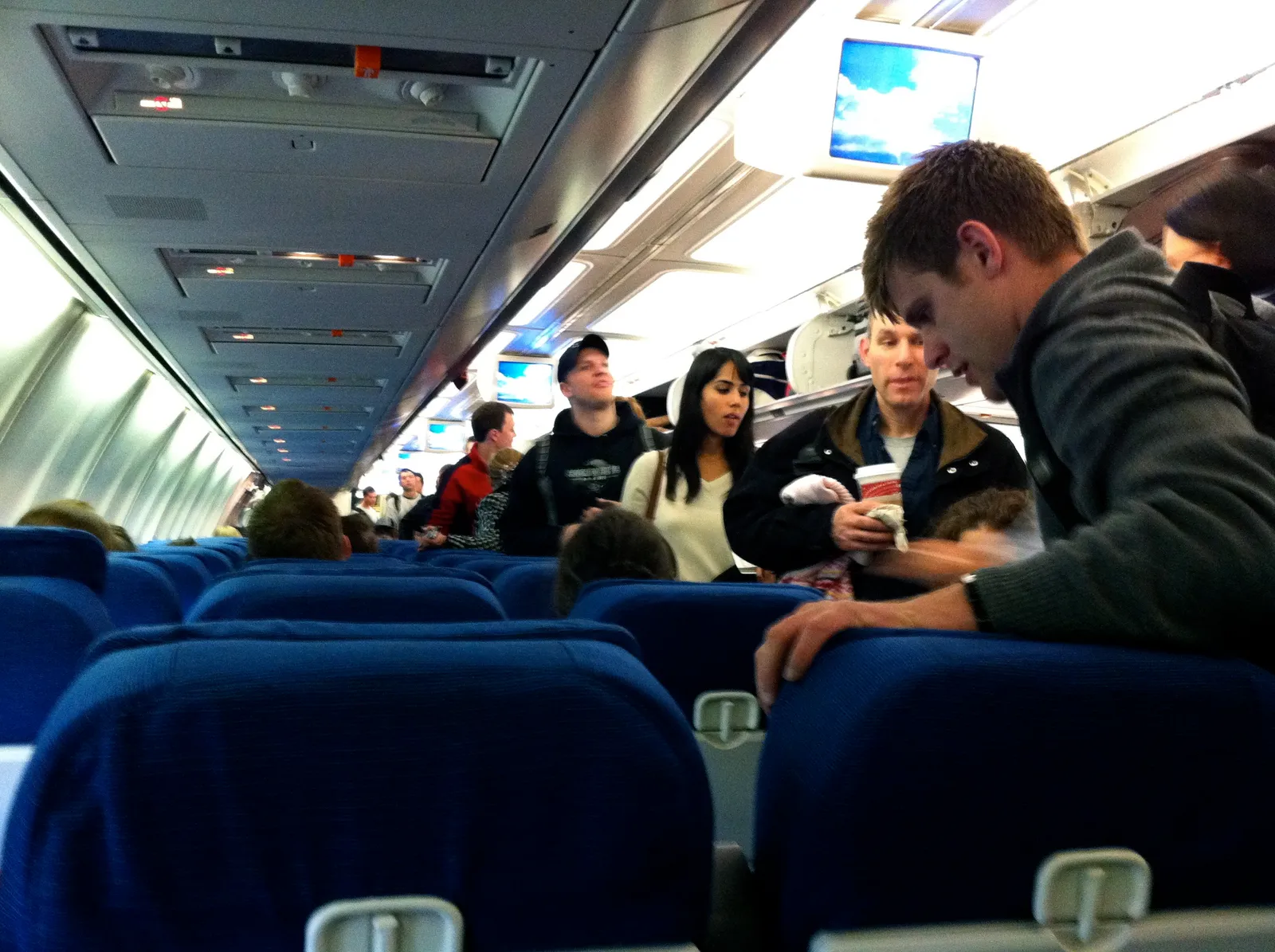
Most airlines today do not have a strict, enforced dress code for economy or business class passengers. The days of mandatory suits and ties for all air travelers are long gone. Airlines reserve the right to refuse boarding only to passengers whose attire is deemed offensive, indecent, or a safety risk.
As recently as 2025, U.S. Transportation Secretary Sean Duffy made a campaign pitch to restore “courtesy and class” to flying, evoking a bygone era when flight was a luxury, not a commodity. In the 1940s, 1950s, and 1960s, Americans did dress up to fly. Men wore suits; women wore dresses, hats, and gloves. However, flying at the time was more of a luxury, not the commodity it has become today. Whether such appeals can actually shift behavior in a mass-market industry remains doubtful.
Who the Dressed-Up Passenger Actually Was
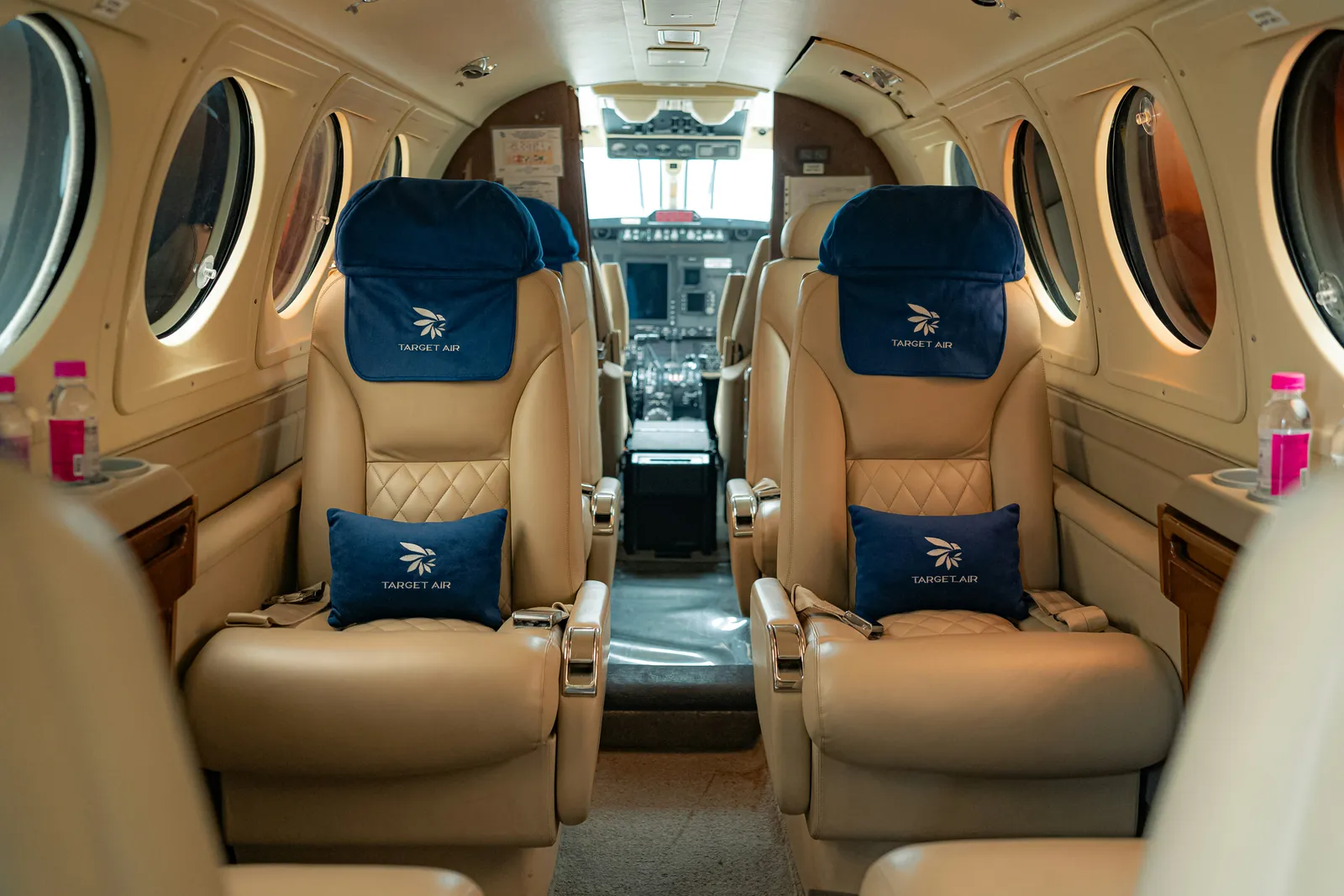
Not many could afford to sample the luxury on board. The most likely frequent flier was a white, male businessman traveling on his company’s expense account. The glamorous imagery of the era often smoothed over a much narrower social reality. The golden age was genuinely golden for a fairly specific slice of society.
Through the 1930s and into the 1940s, almost everyone flew first class. Airlines did encourage more people to fly in the 1950s and 1960s by introducing coach or tourist fares, but the savings were relative: less expensive than first class, but still pricey. The hat and suit, in many ways, were the visible markers of economic access, not just personal taste.
The Quiet Legacy of That Dressed-Up Era
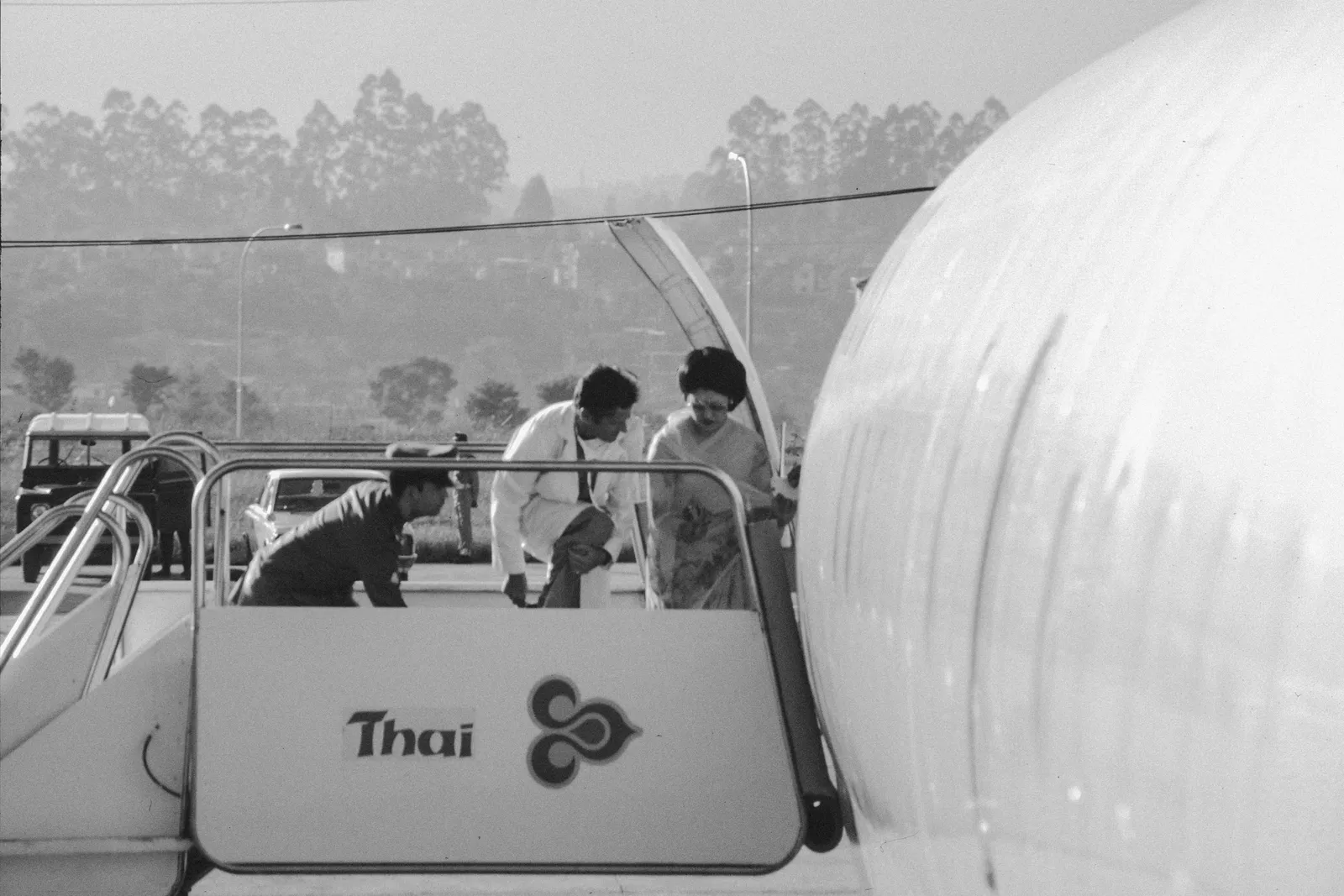
There’s something genuinely worth pausing on in those old photographs: the care people put into a journey. Not because an airline required it, but because the act of traveling felt worth honoring. People dressed up in their finest clothes because taking a flight was often a once-in-a-lifetime or major milestone event.
There was more time, more attention, more space, and more glamour than today. That’s not an argument to go back. It’s just a reminder of what the experience once signified. Flying today reaches far more people, connects far more places, and costs far less in real terms. That’s a genuinely good thing. Still, there’s a quiet dignity in those old images of passengers in pressed suits walking toward a propeller plane, treating the act of going somewhere as something worth dressing up for.
AI Disclaimer: This article was created with the assistance of AI tools and reviewed by a human editor.