
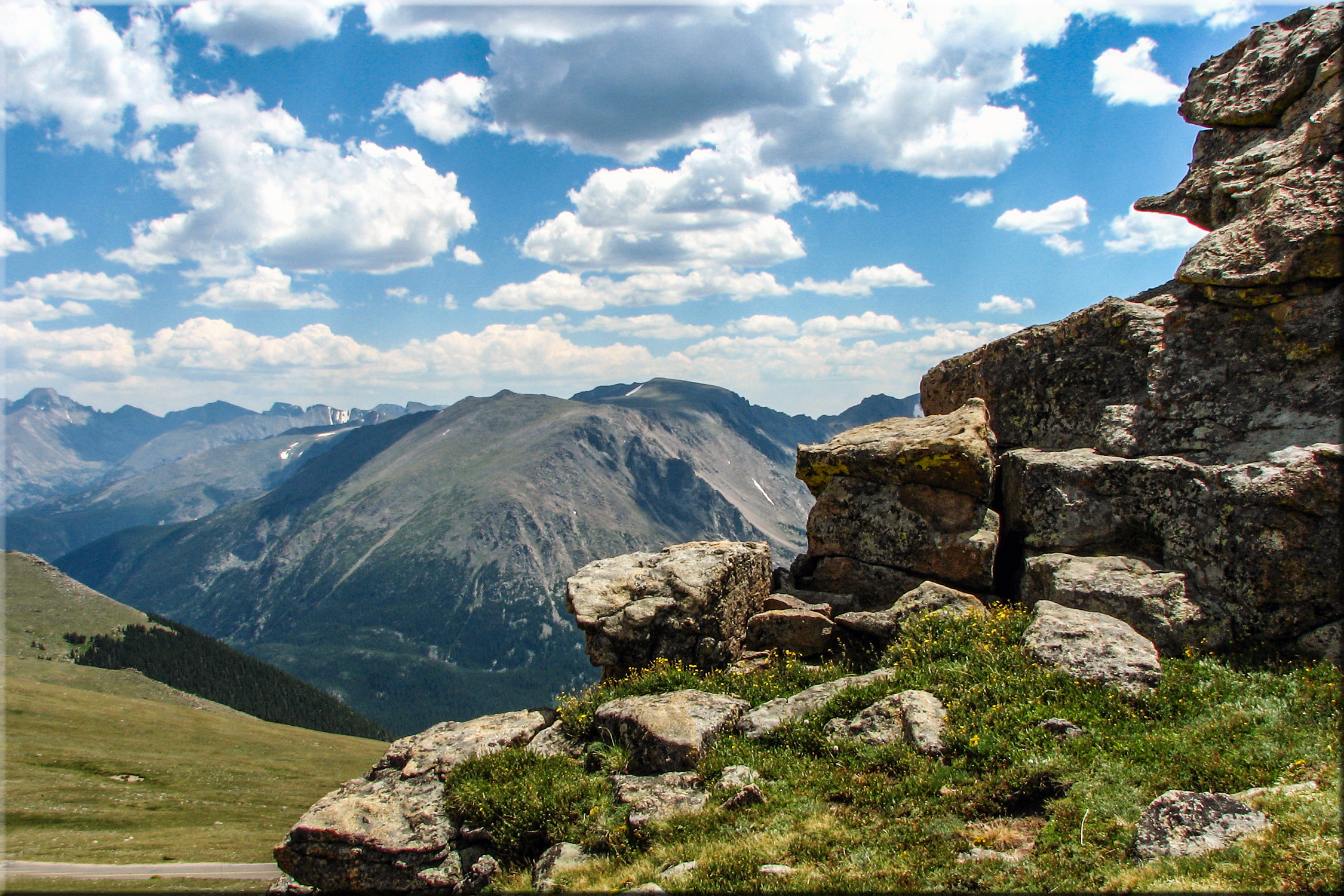

There’s something almost counterintuitive about Colorado winters drawing people deeper into the mountains rather than pushing them toward warmer climates. Yet every year, as the first serious snow settles across the Rockies, a steady stream of Coloradans heads not to the airport but to a handful of steaming, mineral-rich pools tucked into mountain towns. The pull is real and deeply rooted.
This is not just a modern wellness trend. It’s a seasonal rhythm practiced by generations of Colorado families, weekend road-trippers, and worn-out Front Range workers who know that certain towns simply do winter differently. Glenwood Springs is the one that keeps coming up first, followed closely by Pagosa Springs in the state’s southwest corner. Both have an uncommon ability to slow things down right when winter feels most relentless.
A Place That Has Been Healing People Since 1888
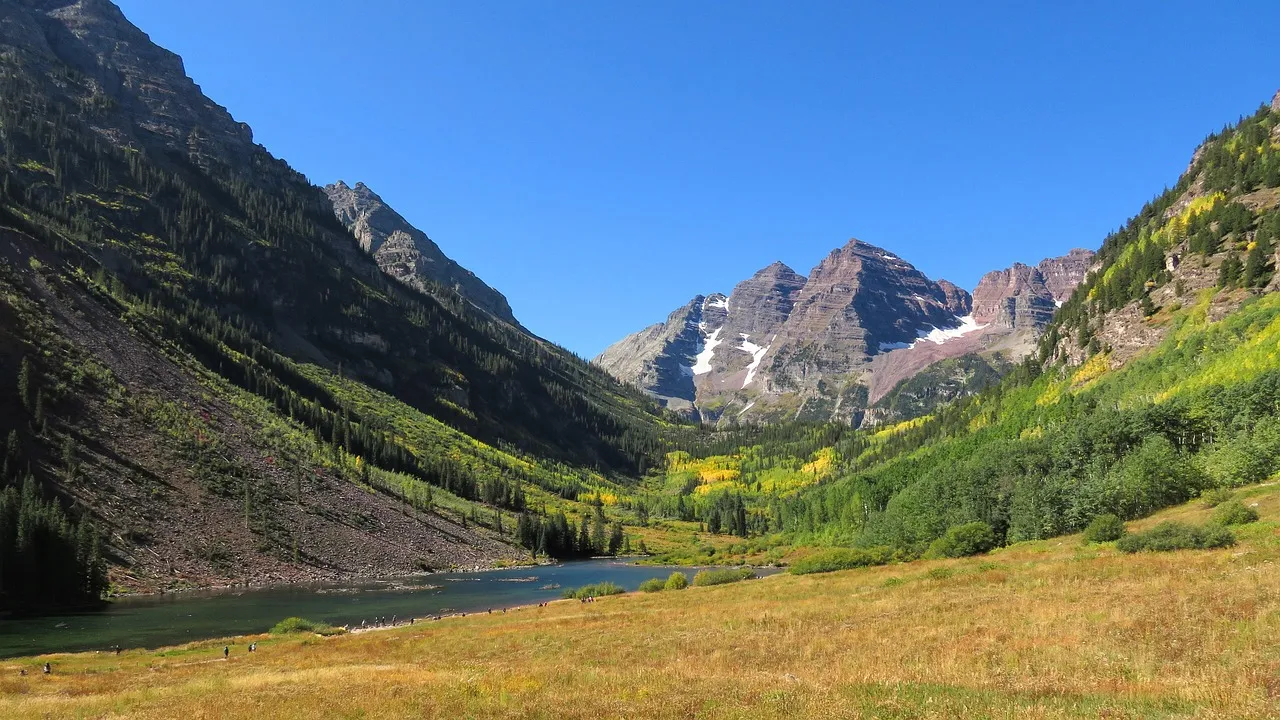
Glenwood Springs has welcomed travelers seeking the healing power of hot springs since Glenwood Hot Springs Resort first opened on July 4, 1888. That’s not a marketing line so much as a simple historical fact. Very few wellness destinations in the American West can point to that kind of longevity.
The Ute Native Americans, who considered the springs sacred, originally used the geothermal waters for relaxation and healing. What is known today as Glenwood Springs was once their summer hunting grounds, where the tribe lived, hunted, and healed in the valley, enjoying the springs and vapor caves for curative benefits as well as for tribal rituals. That history deserves acknowledgment before anything else. These waters carry meaning that predates the resort by centuries.
Glenwood Springs has a long and authentic history as a Rocky Mountain town historically called “Colorado’s Spa in the Mountains.” The name still fits.
The World’s Largest Hot Springs Pool – Right Off I-70
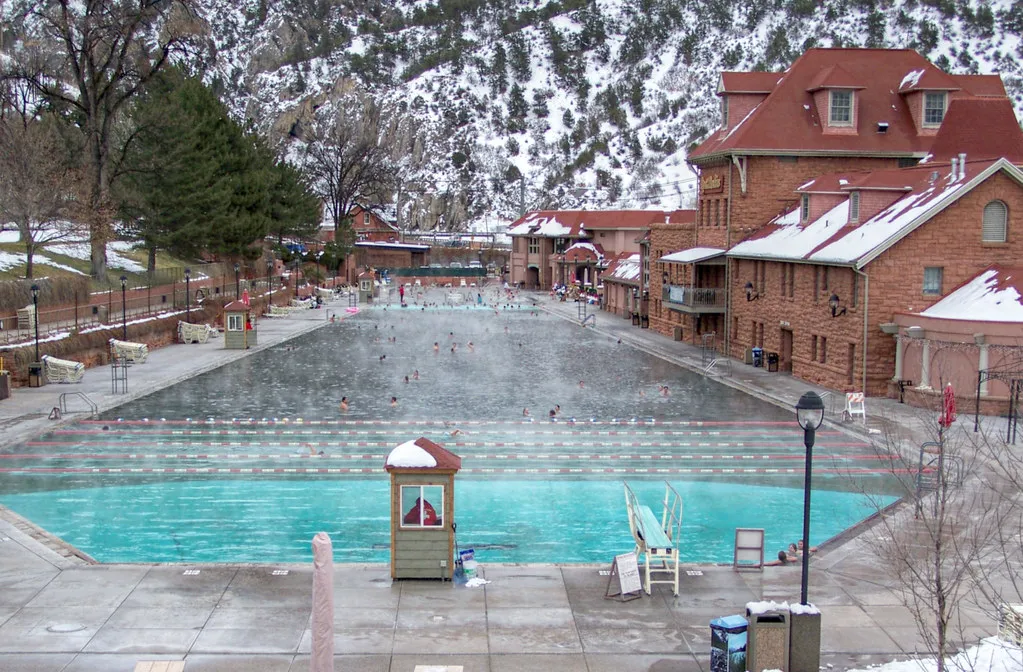
Easy to access right off of Interstate 70, Glenwood Hot Springs may be Colorado’s best-known hot springs resort, and it has been operating between Vail and Aspen since 1888. That location matters enormously. Denver residents can be soaking in mineral water in roughly two and a half hours.
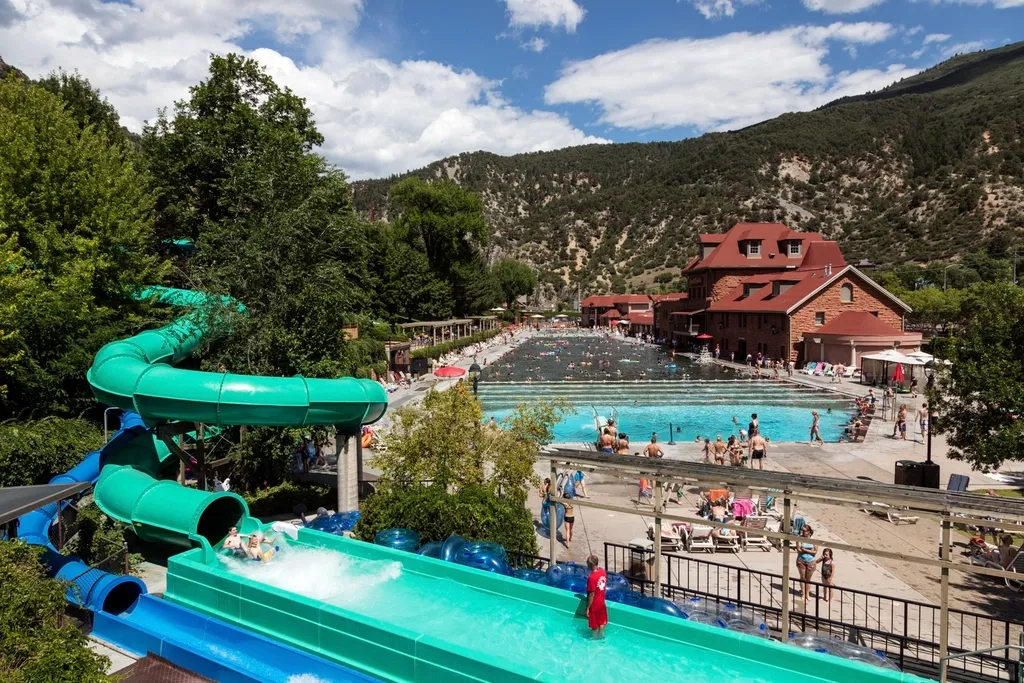
For decades, the Glenwood Springs hot springs pool has been the world’s largest hot springs pool. The main pool stretches more than a city block and could easily hold several Olympic-sized pools within it, making it one of the best family hot springs in Colorado. The scale of it surprises people who arrive expecting something boutique.
Glenwood Hot Springs Resort has not only seven mineral hot springs pools but also a full-service, award-winning Athletic Club located alongside the Grand Pool and within the historic Stone Bath House. For winter visitors, that combination of soaking and fitness under one roof makes a full recovery day genuinely possible.
What the Mineral Water Actually Does for You
The mineral-rich waters of Glenwood Hot Springs have gained a reputation for their abundance of over 15 different minerals, which include sulfate, sodium, potassium, calcium, and chloride. That’s not a vague wellness claim. It’s a measurable mineral profile that has attracted visitors for well over a century.
It is widely believed that minerals from hot springs have health benefits, such as alleviating muscle discomfort through the soothing warmth and support of the water, enhancing blood circulation by boosting the delivery of oxygen and nutrients to body tissues, and alleviating stress by soothing the mind and fostering a feeling of overall wellness.
Soaking in naturally heated, mineral-rich water is a time-honored wellness tradition. Gentle hydrotherapy can help relax muscles, ease tension, and support a sense of calm, making hot springs getaways ideal for reconnecting with friends and family. For anyone who has spent a week hunched over a desk in Denver, that’s a fairly compelling case for a Friday afternoon departure.
The Yampah Vapor Caves: A Winter Experience Unlike Any Other
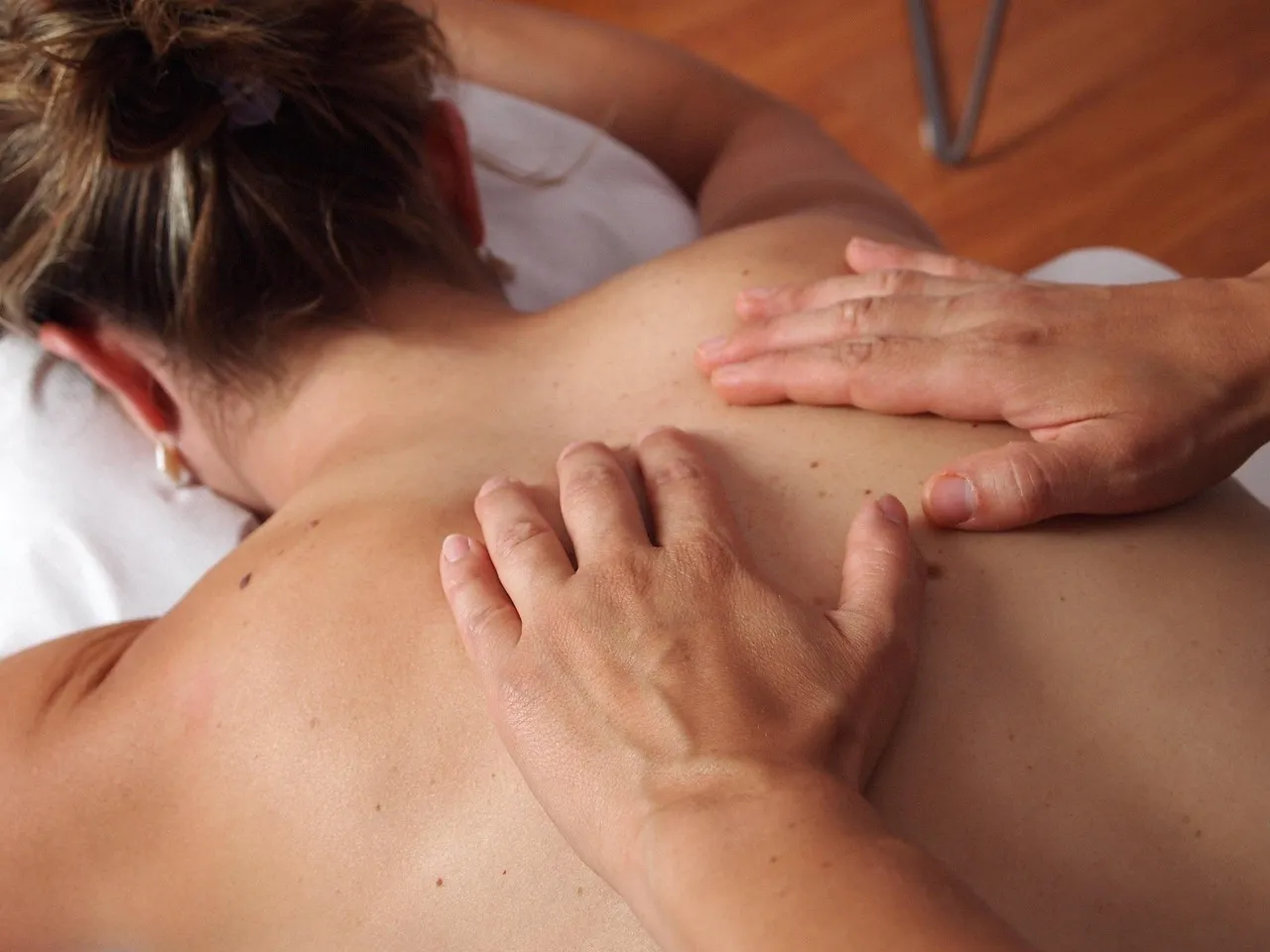
Over at Yampah Hot Springs, the underground vapor caves are like a secret sauna, complete with natural steam that feels amazing after a chilly day. They sit beneath the streets of downtown Glenwood Springs, which makes the whole experience feel slightly surreal in the best way.
Inside the naturally steamy caves, temperatures hover around 110°F. Visitors can sweat out toxins in the mineral-rich air, then follow up with a brisk rinse in cold showers or step outside on the veranda for a dose of fresh winter air. That contrast between intense heat and cold mountain air is something people tend to remember long after the trip.
Also known as contrast hydrotherapy, the practice of alternating between heat and cold can stimulate circulation, reduce inflammation, and boost energy. The geothermal hot springs and cold plunges in Glenwood Springs provide the perfect setting for this time-honored wellness practice.
Iron Mountain Hot Springs and the River View That Stops You Cold
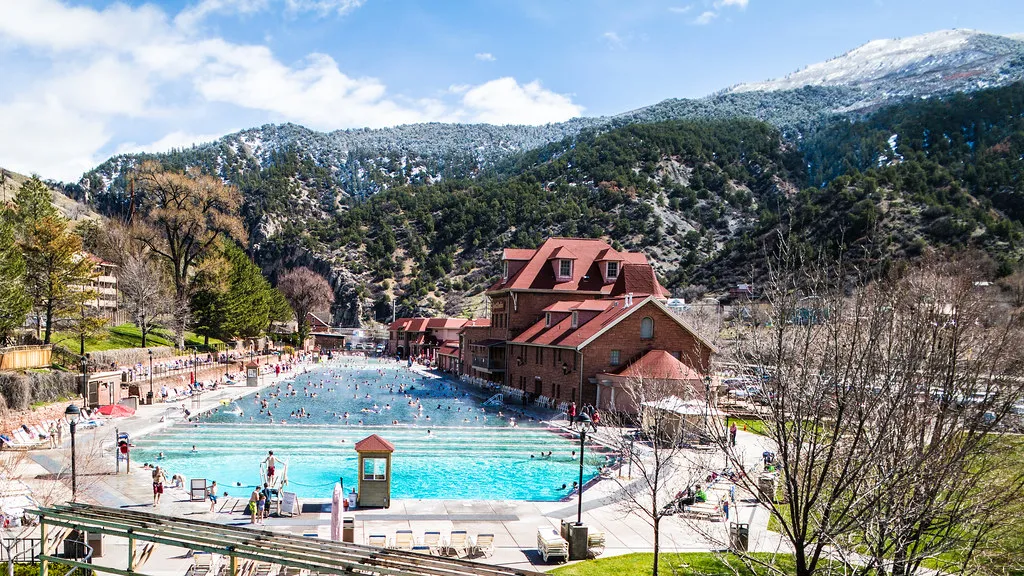
Glenwood Springs is home to the Glenwood Hot Springs, considered the world’s largest mineral hot springs pool, Iron Mountain Hot Springs, and the Yampah Vapor Caves, a naturally occurring underground steam bath. Three distinct hot springs experiences in a single small town is genuinely unusual.
Soaking pools range in temperature from a mild 93°F to a toasty 108°F. Whether you’re taking the waters at the historic Glenwood Hot Springs Pool or riverside pools at Iron Mountain Hot Springs, the warm water envelops you in therapeutic bliss. The riverside pools at Iron Mountain sit right along the Colorado River, which in winter runs dark and fast past snow-covered banks.
Glenwood Springs is the perfect winter escape, offering something for everyone. Whether you’re soaking in the relaxing winter hot springs, exploring the local hiking trails, or indulging in the delicious food scene, there’s never a dull moment.
Pagosa Springs: Colorado’s Quieter Answer in the Southwest
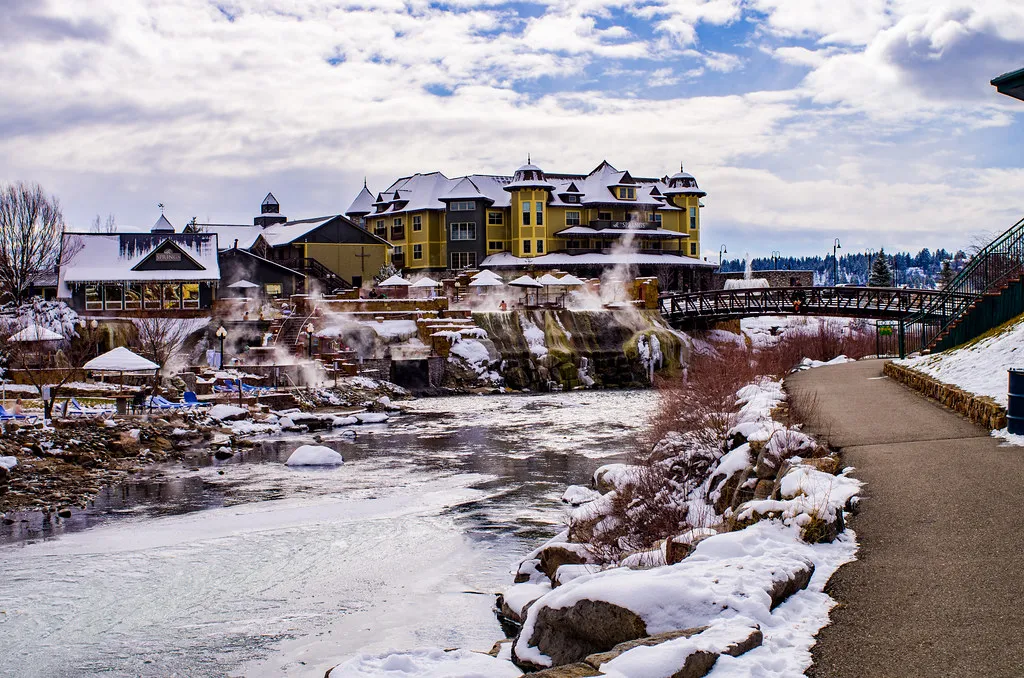
Pagosa Springs is a quaint mountain town filled with plenty of resort and natural hot springs. The centerpiece – the Mother Spring – holds the Guinness World Record for the world’s deepest geothermal hot spring, measuring at least 1,002 feet deep, which was simply as far as recording instruments could go before giving out. Its true depth remains unknown.
The Springs Resort and Spa in Pagosa Springs offers a luxurious experience with 25 geothermal soaking pools with temperatures ranging from 83°F to 114°F. The mineral-rich waters provide therapeutic benefits, promoting relaxation and wellness, and the resort also offers a full-service spa, various lodging options, on-site dining, and easy access to outdoor adventures like hiking and skiing.
The real fun starts in Pagosa Springs in winter with backcountry snowshoeing and cross-country skiing, or skiing and snowboarding on fresh powder – and ending the day with a dip in the hot springs. Stiff joints and chilly bones can be cured with a single dip in Pagosa Springs’ mineral-rich waters, making winter the best season for a hot springs soak.
Coloradans Are Pagosa Springs’ Biggest Fans – The Data Proves It
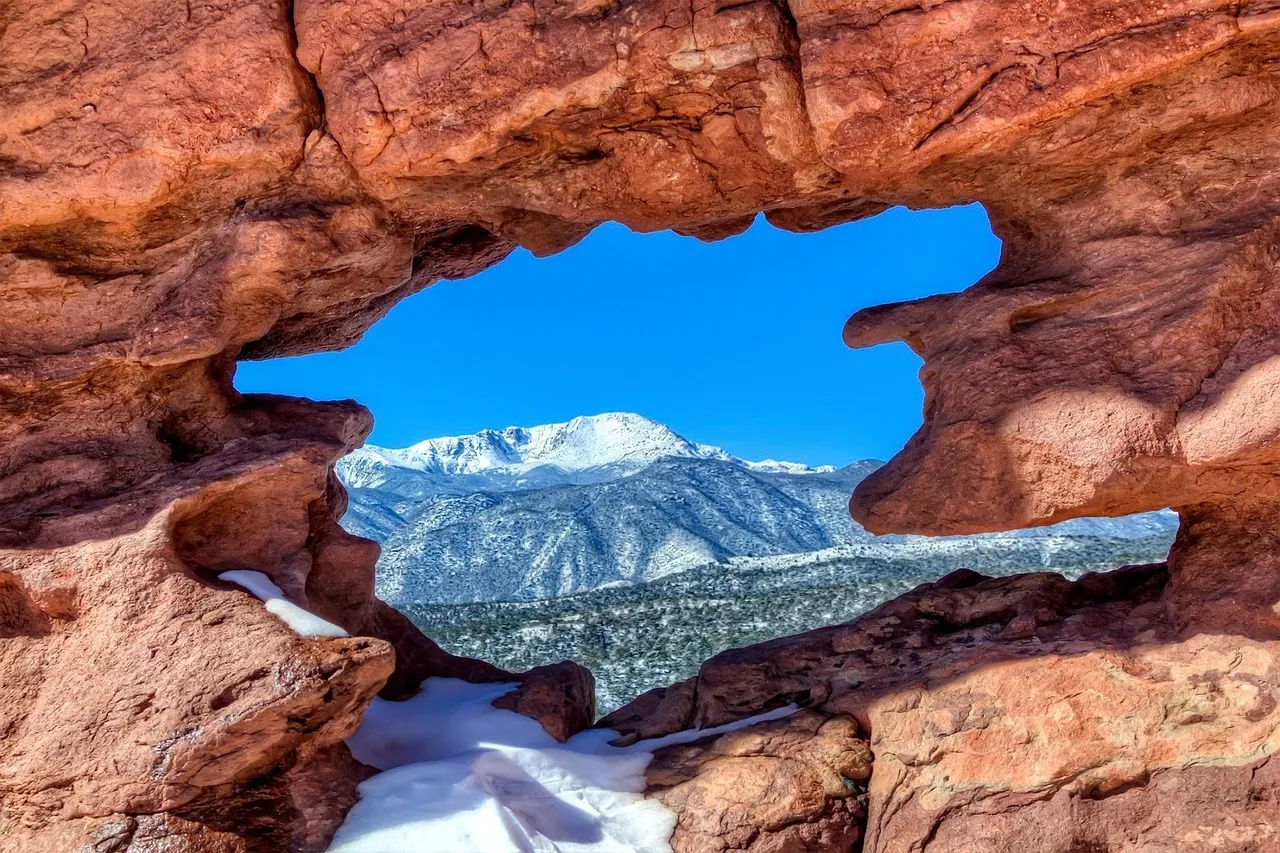
Colorado was ranked number one in annual visitors to Pagosa Springs in 2025, moving past New Mexico and Texas from its rank of number three in 2023 and 2024. That shift is meaningful. It suggests Colorado residents discovered or rediscovered the town in a significant way over recent years.
Visitor center traffic has been increasing over the last three years in Pagosa Springs, with data reporting 51,000 visitors in the last 12 months, with only 15 percent being locals. The remaining visitors are coming from somewhere, and Coloradans now lead the pack.
The data found that Colorado’s visitors average a two-night stay in Pagosa Springs. That’s a weekend trip – a Friday drive down, two long soaking days, and a Sunday return. For Denver and Colorado Springs residents, it’s genuinely manageable.
The Colorado Historic Hot Springs Loop: A Broader Winter Circuit
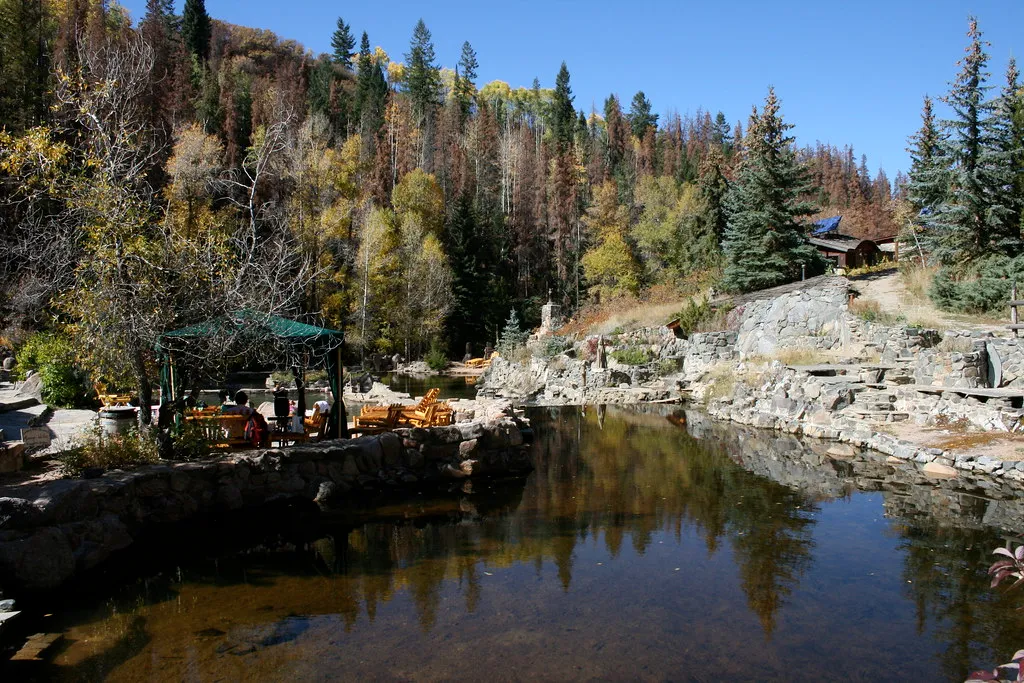
Five destinations anchor the Colorado Historic Hot Springs Loop: Glenwood Springs, Ouray, Pagosa Springs, Chaffee County, and Steamboat Springs, offering everything from historic vapor caves to terraced riverside pools. Some Coloradans make a point of visiting all five over the course of a winter season. It becomes a quiet tradition.
Thermal hot springs flow abundantly throughout the Colorado Rocky Mountains. Soaking in natural mineral water is a time-honored tradition to enhance wellness, and Steamboat Springs is proud to be a part of the Colorado Historic Hot Springs Loop, where four premier hot springs destinations in the western part of the state have formed a 720-mile loop.
In winter, from November through March, snow-draped scenery and serene soaks define the experience, though visitors should check mountain pass conditions and venue hours before departing. That’s practical advice worth following, especially during January and February.
Steamboat Springs: Where Skiing and Soaking Share Equal Billing
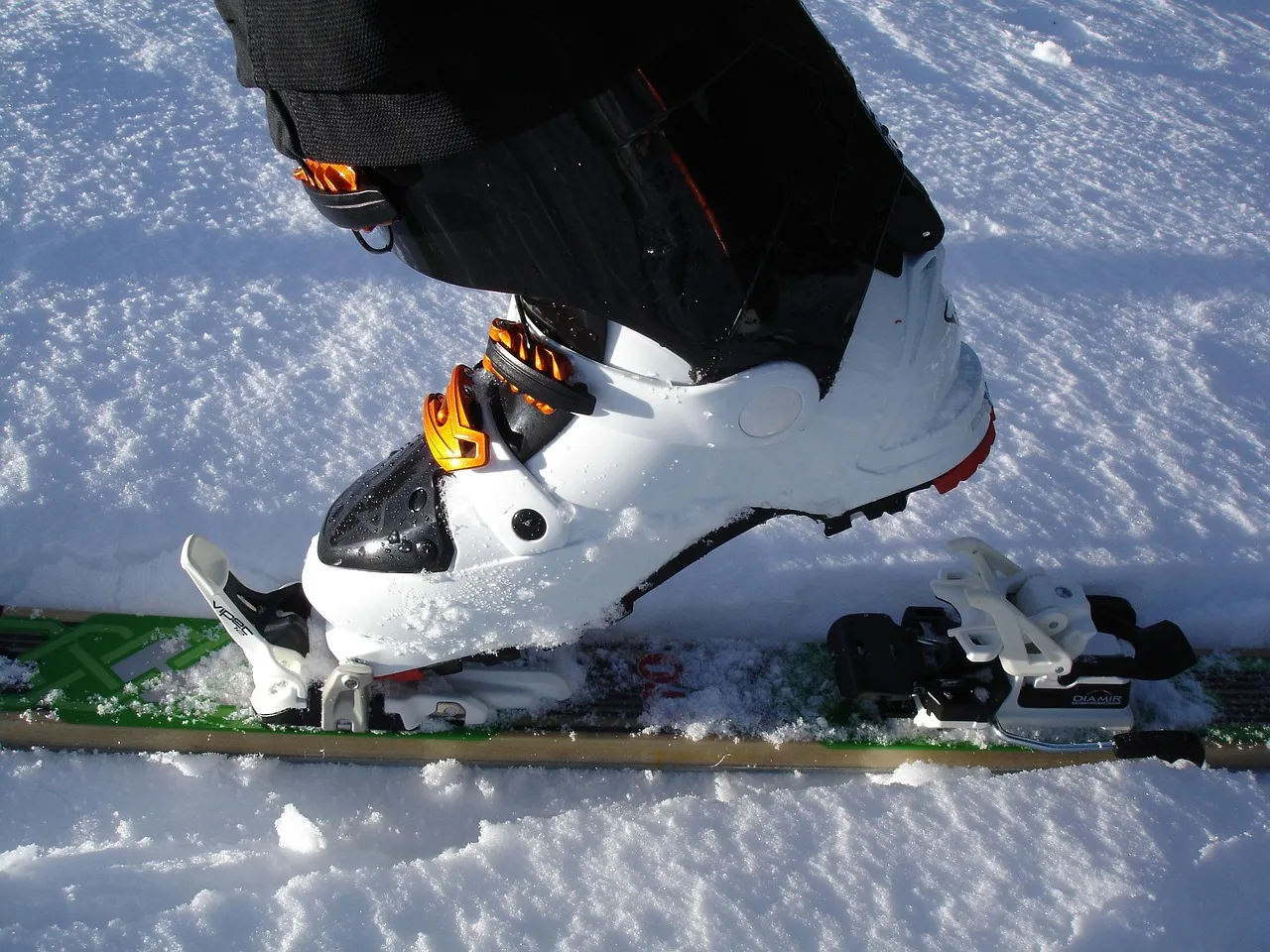
Strawberry Park Hot Springs is a gorgeous spot to relax and unwind after a day of skiing or hiking in Steamboat Springs. It sits several miles outside of town, and getting there in winter requires preparation. Snow tires or a four-wheel-drive vehicle are a firm requirement.
These rustic hot springs are a favorite among Coloradans, with three large pools set along a mountain creek and surrounded by aspen forest. There are also two smaller pools, one with a waterfall, and the pools have a natural look with stone masonry and sand bottoms, with temperatures starting at around 102°F.
The Old Town Hot Springs complex in Steamboat also touts geothermal pools, water slides, a fitness center, tennis courts, massage services, and childcare. You can even book a private cabana on the upper deck to make a full day of it. Old Town Hot Springs is the easier, more accessible option for families or visitors without four-wheel drive.
Why Winter Is Actually the Best Time to Go
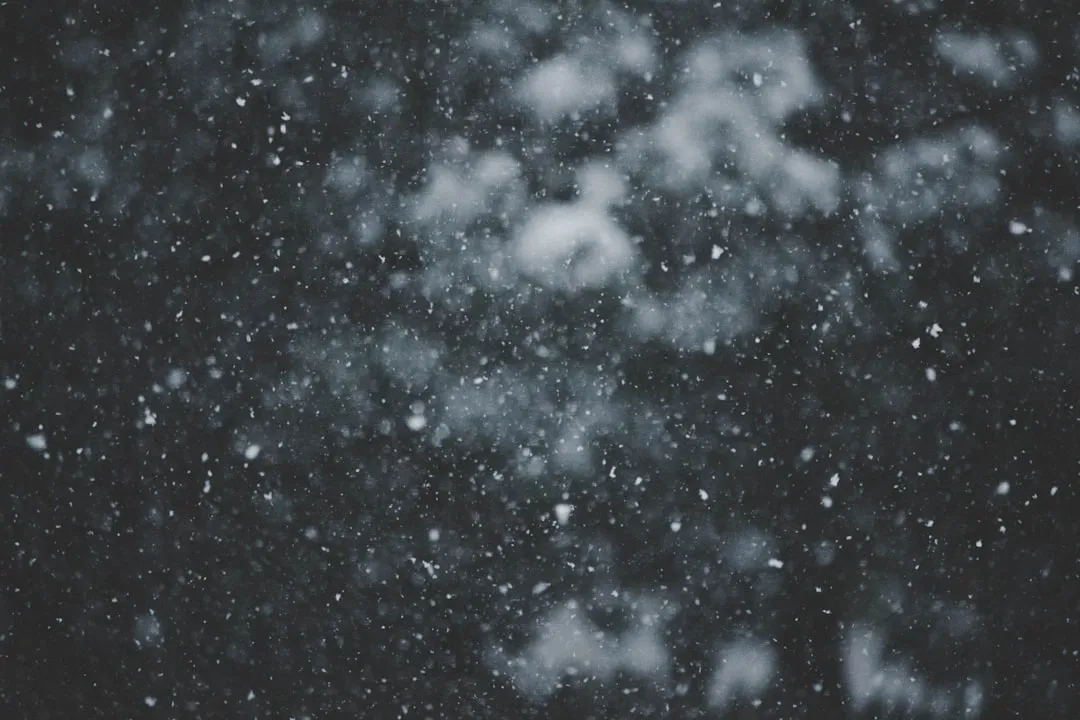
As snowflakes drift lazily downward, melting instantly as they touch the 104-degree water, the magic of cool mountain nights envelops Glenwood Springs, a beloved retreat where generations of Colorado families have found respite from everyday life. The winter setting is a large part of what makes these soaks feel restorative rather than recreational.
When cold weather settles into the Roaring Fork Valley, Glenwood Springs becomes one of Colorado’s most rewarding winter getaway destinations. Snowy mountain adventures pair perfectly with steamy mineral-water soaking, creating a balance of excitement and restoration you won’t find anywhere else.
The Lodge at Glenwood Hot Springs Resort completed a full refresh of all 107 guest rooms in March 2025, meaning accommodations are as updated as the town’s long reputation is storied. For anyone still planning their next cold-weather escape, both Glenwood Springs and Pagosa Springs offer something increasingly rare: a winter destination that doesn’t require you to chase adrenaline to justify the trip. The water does the work. You just have to show up.
The Quiet Ritual of the Colorado Winter Soak
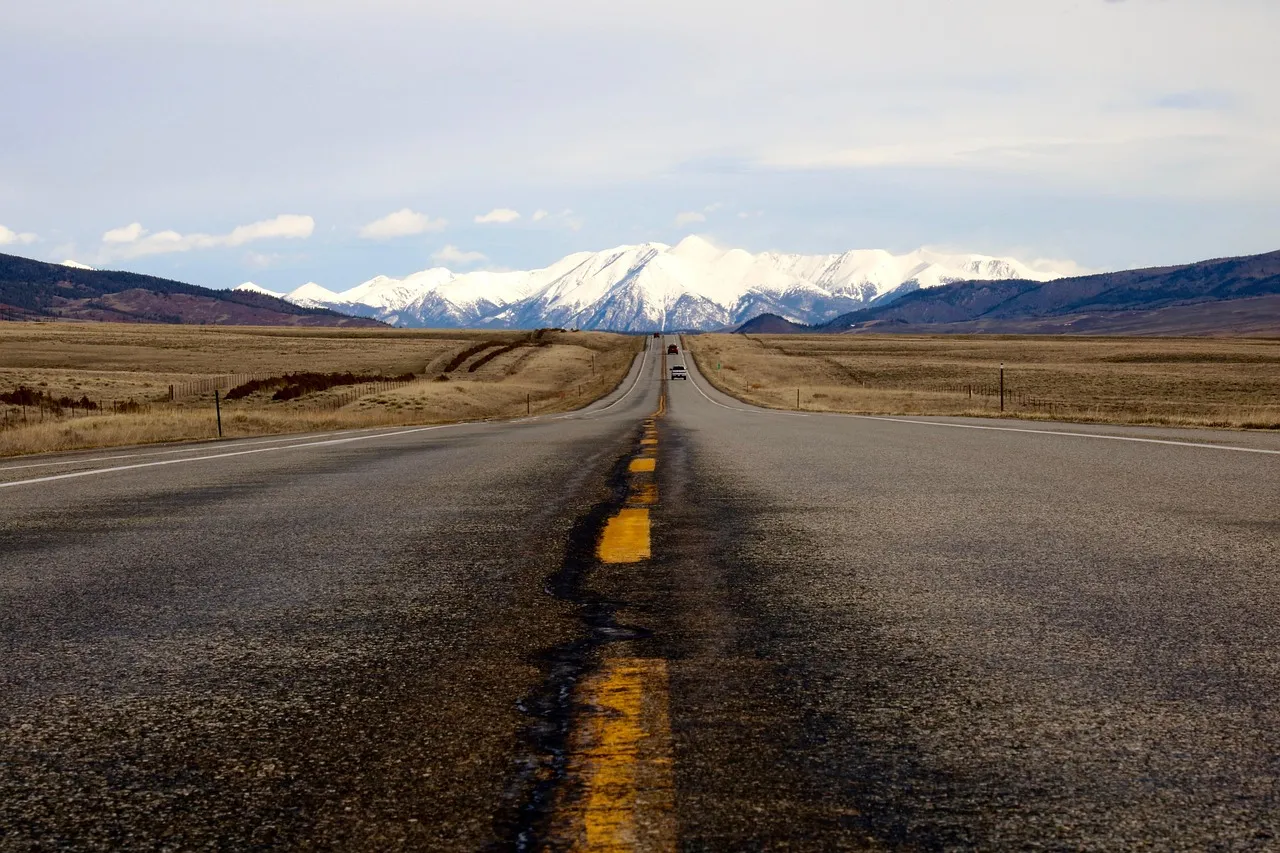
What’s genuinely striking about Colorado’s hot springs towns is how clearly they serve a local need rather than just a tourist one. One of the best and most unique attributes about Colorado hot springs is their history. These hot springs have been delighting guests for literally centuries, and there’s something to be said for places that so staunchly stand the test of time.
The Springs Resort in Pagosa Springs was named the number one spa resort in the USA and the number one hot springs destination in the USA by USA Today 10Best in 2025. Recognition like that tends to arrive well after locals have already known for years.
The winter ritual continues quietly: a car packed on Thursday evening, a thermos of coffee for the mountain drive, and the particular relief of sliding into water that’s nearly too warm to bear. Colorado has no shortage of dramatic landscapes or adrenaline-fueled destinations. These hot springs towns offer something different – the chance to stop moving entirely, let the minerals do their old work, and return home genuinely rested.
AI Disclaimer: This article was created with the assistance of AI tools and reviewed by a human editor.