

Few cities on earth carry the weight of Athens so lightly. It’s a place where a construction crew digging a metro tunnel can stumble upon an ancient road and simply pause, document the find, and continue. That’s not an exaggeration. It’s just a regular Tuesday in Athens. The Greek capital has spent millennia accumulating layers of civilization, and somehow the city keeps absorbing new ones without losing its essential character.
What makes a day here feel different from other European capitals is exactly that collision between the very old and the very new. Marble ruins sit between espresso bars. The language on ancient inscriptions is, with some effort, still recognizable. You can walk from a 5th-century BCE temple to a Michelin-starred kitchen in under ten minutes. Athens doesn’t ask you to choose between heritage and vitality. It simply offers both, all at once.
A City on the Rise: The Numbers Behind the Momentum
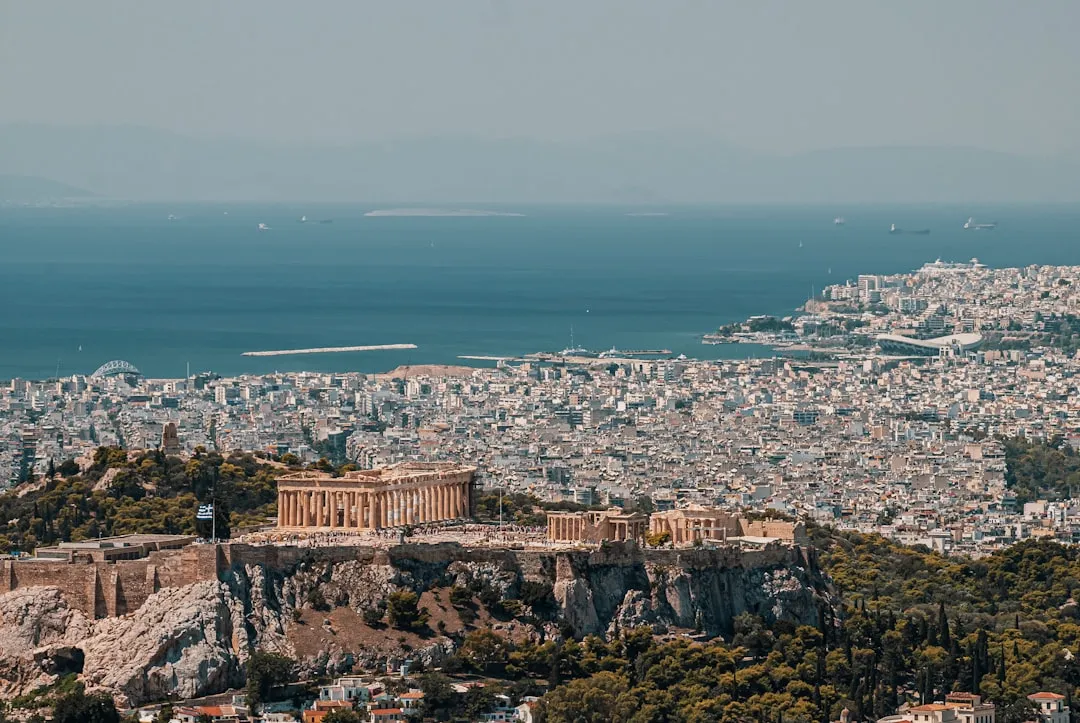
Athens is no longer just a stopover on the way to the Greek islands. The city welcomed nearly eight million foreign visitors in 2024, marking a record-breaking twelve percent increase from 2023 and a twenty-four percent rise compared to pre-pandemic levels in 2019. That kind of growth reflects a genuine shift in how travelers see the city.
Athens International Airport handled a record 33.99 million passengers in 2025, some thirty-three percent above pre-pandemic 2019 levels, while the Attica region generated €4.32 billion in tourism receipts through September, the fastest-growing of any Greek region. Those figures place Athens in a different league entirely.
Athens won both the World’s Leading City Break Destination and World’s Leading Cultural City Destination at the 2025 World Travel Awards, the first time it has held both global titles simultaneously. Recognition like that tends to be self-reinforcing.
The Acropolis: A Site That Still Stops You Cold
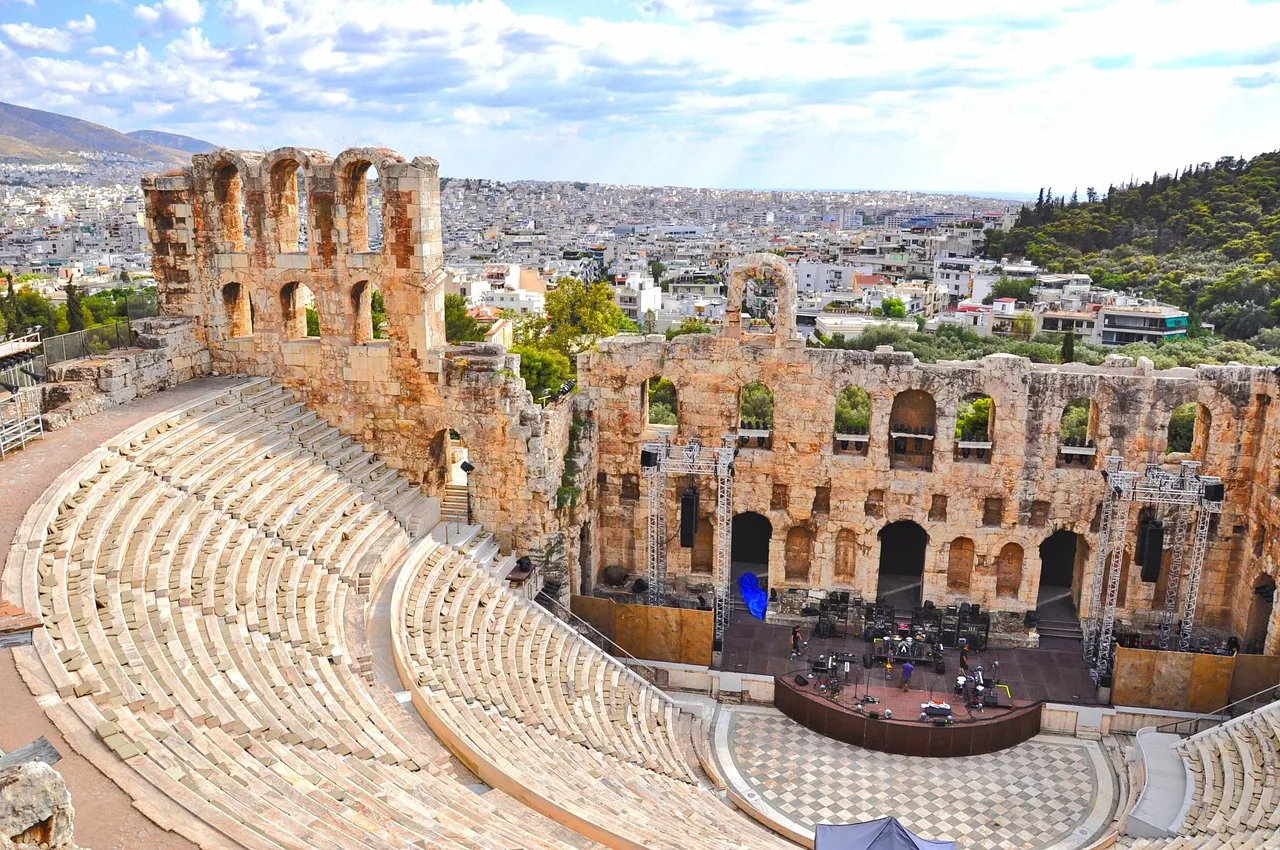
No amount of preparation fully readies you for the Parthenon. You round a corner, look up, and there it is. Standing on the Acropolis hill after more than two and a half thousand years, it remains one of the most forceful architectural statements ever made. The Parthenon was constructed during the height of the Athenian Empire in the mid-5th century BCE, with construction beginning in 447 BCE and completing in 438 BCE, though decorative work continued until 432 BCE.
Over 4.5 million people visited the Acropolis of Athens in 2024, making it Greece’s most visited archaeological site. The crowds are real, but the Greek government has worked to manage them thoughtfully. A permanent 20,000 daily visitor cap, implemented from April 2024, operates through timed entry with hourly quotas, and mandatory online booking is required for all admission.
The cap functions as designed. Peak summer days now average approximately 17,000 to 18,000 visitors rather than the previous unmanaged peaks, without creating the access bottlenecks that critics had feared. The early morning slots, particularly the 8 to 9 AM window, remain the quietest and most rewarding for those who plan ahead.
The Acropolis Museum: Ancient Artifacts in Modern Light
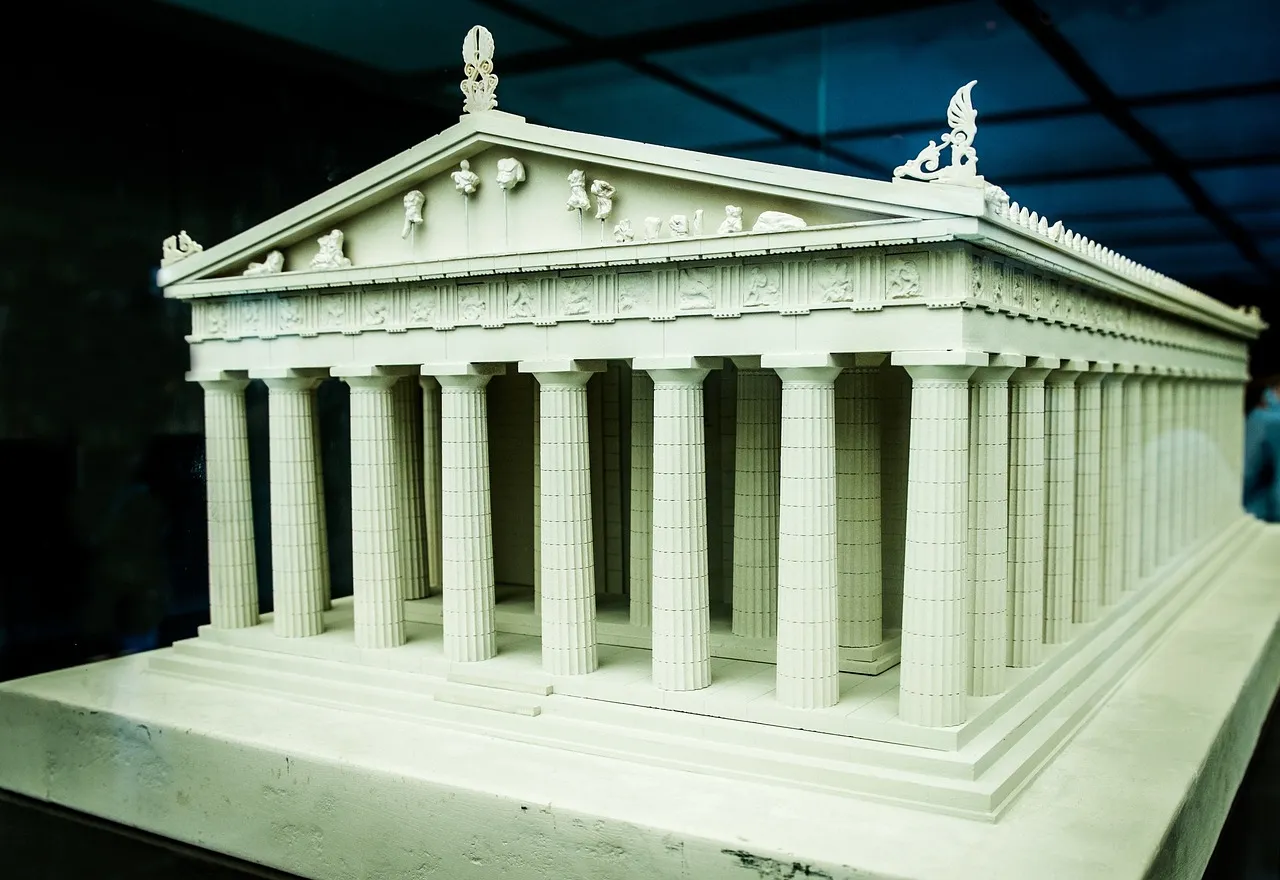
Just below the rock, the Acropolis Museum is a genuinely extraordinary building. Glass floors reveal excavated ruins beneath your feet as you walk through galleries filled with sculptures that once decorated the Parthenon itself. Since its opening in 2009, the Acropolis Museum has consistently ranked among the top 100 most-visited museums worldwide, and in 2024 it secured 33rd place globally with 2,000,312 visitors.
The museum consistently ranks among the world’s most popular museums, welcoming around two million visitors through its doors every year, according to figures covering 2023 to 2025. It is, remarkably, the only Greek museum and one of the few in Southeastern Europe included in this prestigious global list.
The programming extends well beyond the permanent collection. The ongoing Parthenon and Byron display, highlighting Lord Elgin’s removal of the marbles, is freely accessible in the museum’s foyer and was also digitally showcased at Athens International Airport from March to April 2025. The museum’s case for the return of the Parthenon sculptures remains one of the most compelling ongoing cultural conversations in Europe.
Plaka and Anafiotika: The Neighborhood That Time Braided
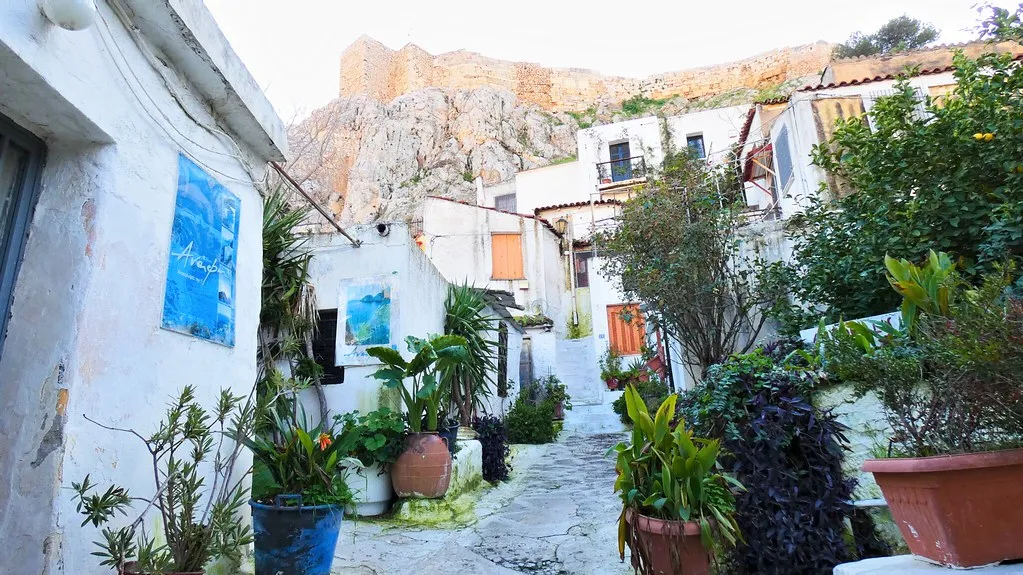
Winding downhill from the Acropolis brings you into Plaka, Athens’ oldest continuously inhabited neighborhood. The patch curls around the north and west areas of the Acropolis and has been occupied for a staggering 2,500 years, making it Athens’ oldest neighborhood and a goldmine of ancient sites and neoclassical architecture. It’s touristy, yes, but genuinely beautiful.
Tucked inside Plaka is Anafiotika, a sub-neighborhood that feels like a Cycladic island transplanted to a hillside. The cobbled, cat-prowled streets of Anafiotika, on the northeast side of the Acropolis hill, are lined with Cycladic-style white houses and quaint terracotta roofs. It’s one of the few corners of central Athens where things feel genuinely unhurried.
The Monument of Lysicrates sits amid an excavated square on the edge of Plaka, almost perpendicular to Hadrian’s Arch and directly below the Acropolis cliff, with shaded cafés that have drawn visitors for generations. Even Lord Byron reportedly spent time here writing, which says something about the square’s atmosphere.
Monastiraki: The Beating, Noisy, Brilliant Heart of the City
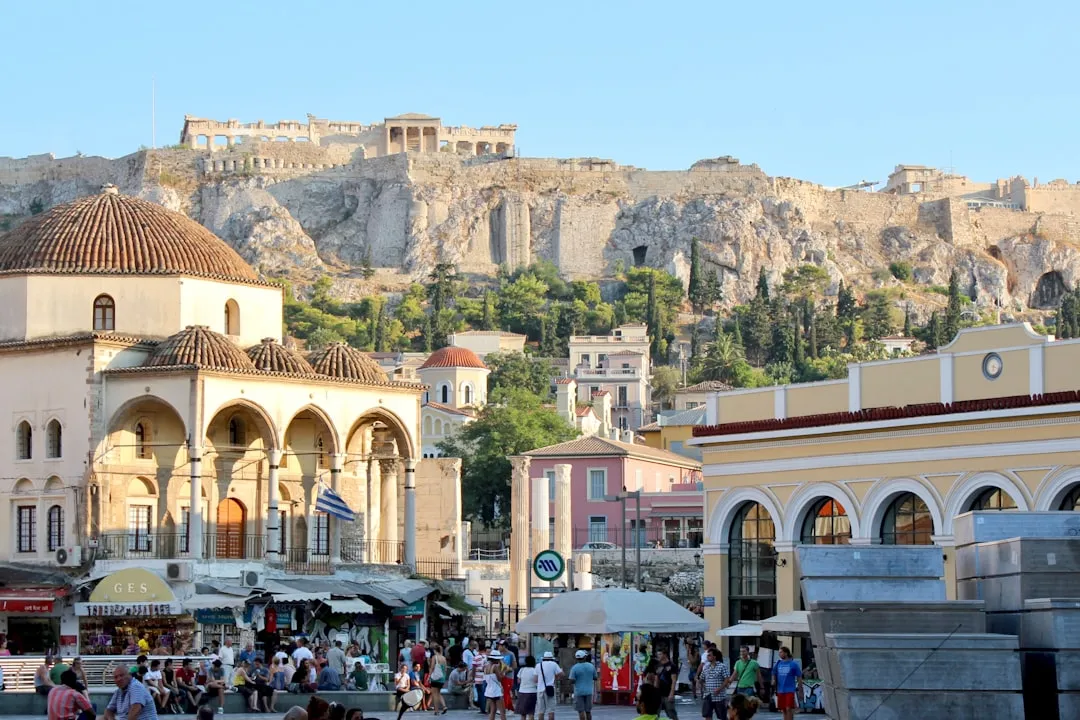
A short walk from Plaka brings you into Monastiraki, and the shift in energy is immediate. The streets get louder, the smells get better, the pace picks up. Located under the shadow of the Acropolis, Monastiraki is a unique neighborhood that has been inhabited for six thousand consecutive years and is among the oldest, most historic, and important neighborhoods in Western culture.
Monastiraki and Plaka are top spots for street food in Athens, offering souvlaki, moussaka, and more, and the Monastiraki Flea Market on Sundays draws visitors from across the city for a special shopping experience. The flea market alone is worth orienting your schedule around if you visit on a Sunday.
The rooftop bars overlooking the Acropolis from Monastiraki have become something of an institution. The rooftops of Monastiraki are famous for inspiring cocktails and unparalleled views. At sunset, with the Parthenon lit up against a deep blue sky, it’s hard to argue with the city’s self-confidence.
Athens at the Table: A Food Scene That Has Found Its Voice
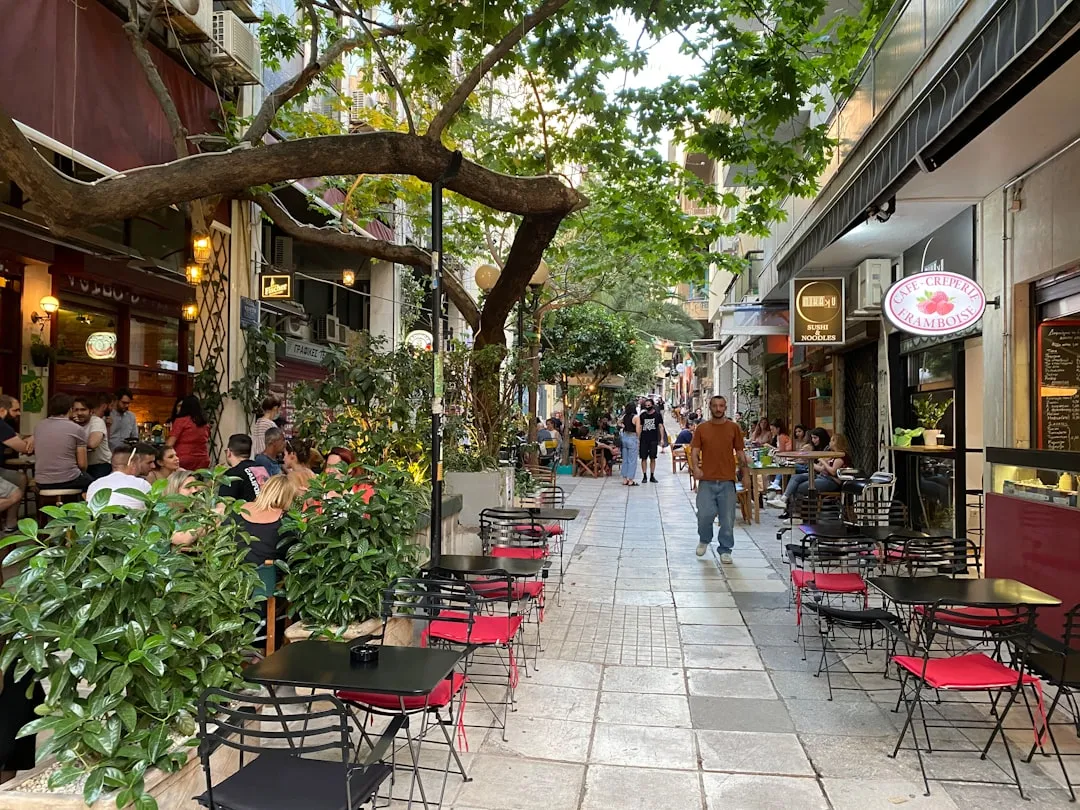
Greek food has always been excellent. What’s changed in Athens over the past decade is the confidence of its restaurants to do something inventive with that foundation. The Michelin Guide Athens 2024 recognized one two-star restaurant and eleven one-star restaurants, with thirty-six restaurants listed in total. That’s a credible fine-dining scene by any European measure.
This positions Athens as a serious gastronomic destination, not merely a cultural one. In 2025, Michelin expanded its Greece coverage to Santorini and Thessaloniki, but Athens remains the country’s undisputed center of fine dining. The city holds its own.
For most visitors, though, the real pleasure is simpler. A typical street food meal of souvlaki and gyro costs around €10 to €15, and the quality at an honest neighborhood joint rivals anything on a prix-fixe menu. Athens is a place where eating well doesn’t require a reservation three weeks in advance.
Overtourism and the Quiet Tension Beneath the Surface
Not everything about Athens’ tourism boom is uncomplicated. The city and the country are actively grappling with the pressures that come with record arrivals. A survey presented at the SETE conference revealed that nearly three-quarters of Greeks are concerned about overtourism. That’s a significant portion of the population, and the concern is understandable.
The challenge now lies in optimizing occupancy rates and maintaining a balance between tourism growth and quality of life in the city. Athens is still figuring out where the equilibrium sits between welcoming the world and protecting what makes the city worth visiting in the first place.
Despite record revenues, retaining the current tourism model is considered unsustainable according to the country’s ombudsman, who in a report published in June 2024 warned of growing environmental risks, particularly the added strain on water supplies, and called for urgent reform. Athens is a city that takes these warnings seriously, even if solutions are slow to materialize.
The Ancient Agora and the Streets of the Philosophers
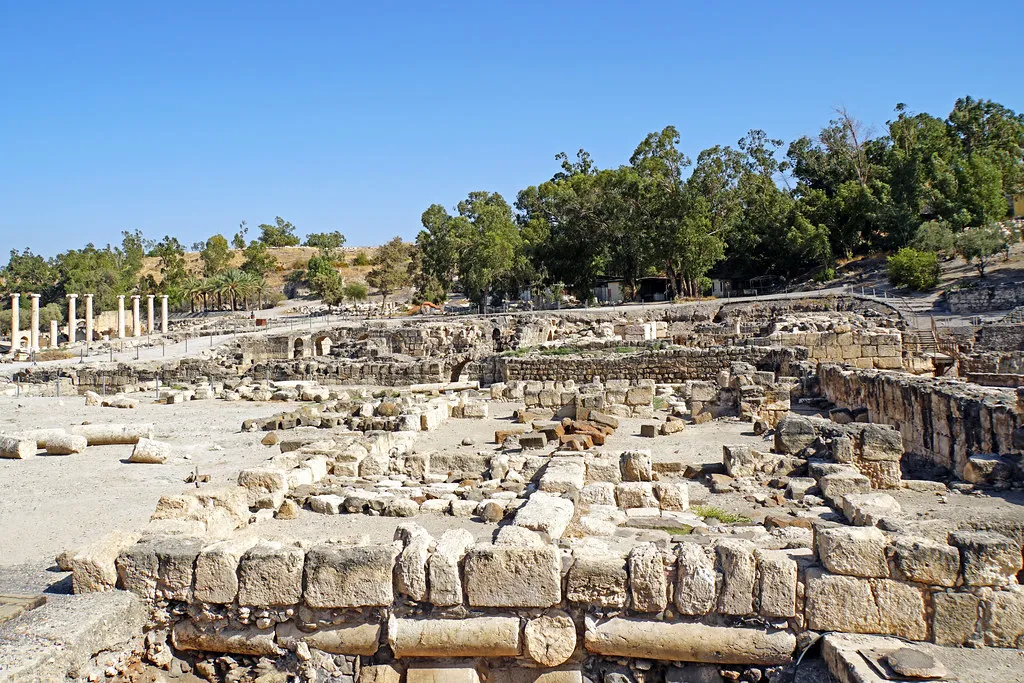
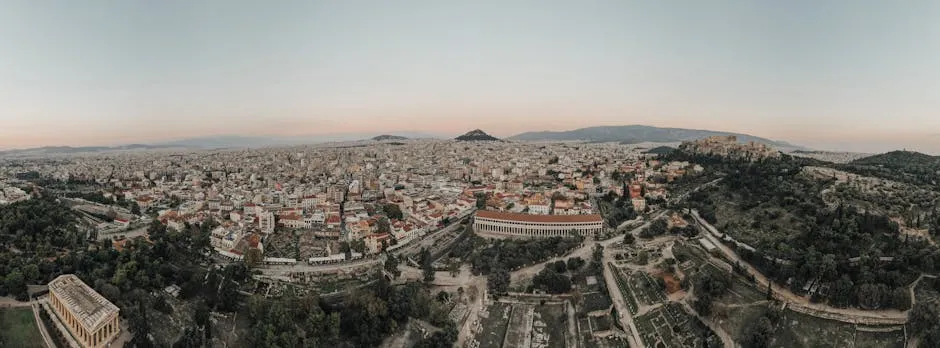
Most visitors climb the Acropolis and consider their ancient Athens experience complete. The Ancient Agora, just downhill from the hill’s western entrance, deserves equal attention. A short walk from the Plaka, the Ancient Agora was once the central marketplace and gathering spot for ancient Athens, where citizens went to discuss everything from town matters to politics while shopping for goods. Socrates walked here. So did Pericles.
The site holds the Temple of Hephaestus, one of the best-preserved classical temples in the world, often overlooked simply because the Parthenon casts such a long shadow. Walking through it on a quiet morning, with the city still waking up around you, gives a sense of daily ancient life that the Acropolis, spectacular as it is, cannot quite replicate.
More than 20 million people visited Greece’s museums and archaeological sites in 2024, marking a 7.6 percent increase over the previous year, with total visitors reaching 20.66 million, according to the Hellenic Statistical Authority. These numbers confirm that heritage tourism in Athens isn’t slowing down.
A City Being Rebuilt Beneath Itself: The Metro Expansion

Athens is undergoing significant underground transformation that will shape how the city moves for decades. The planned new metro Line 4 will extend over 38.2 kilometers and add thirty-five new stations to the Athens Metro system, with the total cost of the project estimated at 3.3 billion euros.
Work is progressing steadily on Line 4, with two tunnel boring machines currently operating from Goudi and Galatsi, both expected to meet at Evangelismos Station, with the Goudi-Evangelismos tunnel expected to be completed by late 2025 or early 2026. The project is both an engineering undertaking and an archaeological one, since digging under Athens inevitably turns up the past.
Together, the various planned projects aim to push the Athens metro network beyond 100 stations for the first time. As Athens reinvents itself, the metro is becoming more than a transport system – it is a backbone for sustainable growth and a key reason why the city is becoming increasingly attractive to international travelers and long-term residents alike.
Why Athens Stays With You
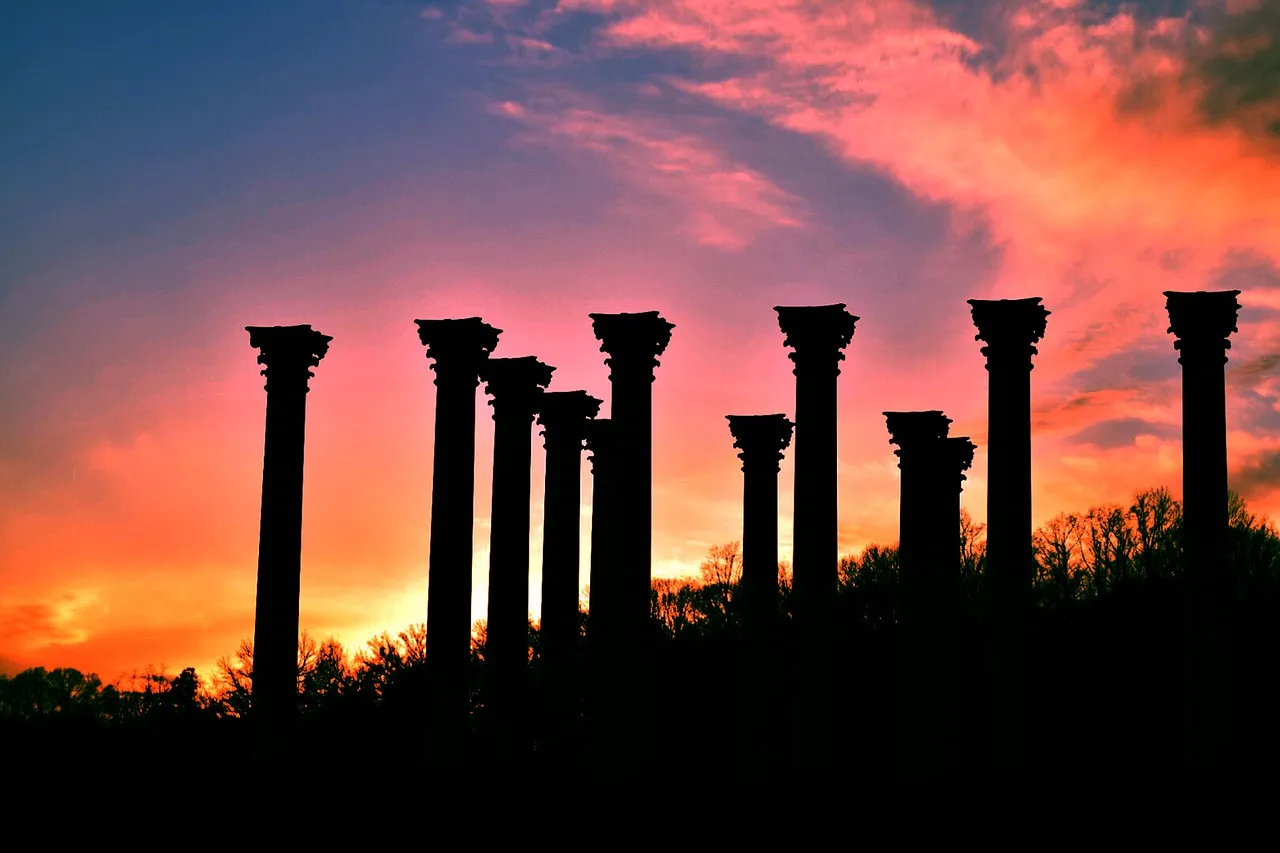
A single day in Athens rarely feels like enough. The city rewards slowness: the second espresso at a corner table, the detour down a side street you almost skipped, the moment when the late afternoon light hits the Parthenon from exactly the right angle. Hotel occupancy in Athens reached 77.1 percent in 2025, placing it among Europe’s top five city destinations, ahead of Madrid, Munich, and Istanbul. The city has clearly earned its place on that list.
What the numbers can’t capture is the particular quality of Athens’ atmosphere. It’s a living city, not a museum town. People argue on terraces, students spill out of university buildings, grandmothers carry groceries past Corinthian columns. The country that hosted 7.4 million visitors in 2020 and 40.7 million in 2024 did not simply rebuild what existed before – it built something structurally different: higher-spending, more distributed across the calendar, and more heavily invested than at any point in its history.
Athens doesn’t ask you to be reverent. It’s too alive for that. The history is everywhere, woven into the streets and embedded in the hillsides, but the city keeps moving forward regardless. That combination, of weight and lightness, of antiquity and appetite, is what makes a day here feel like no other city on earth.
AI Disclaimer: This article was created with the assistance of AI tools and reviewed by a human editor.