
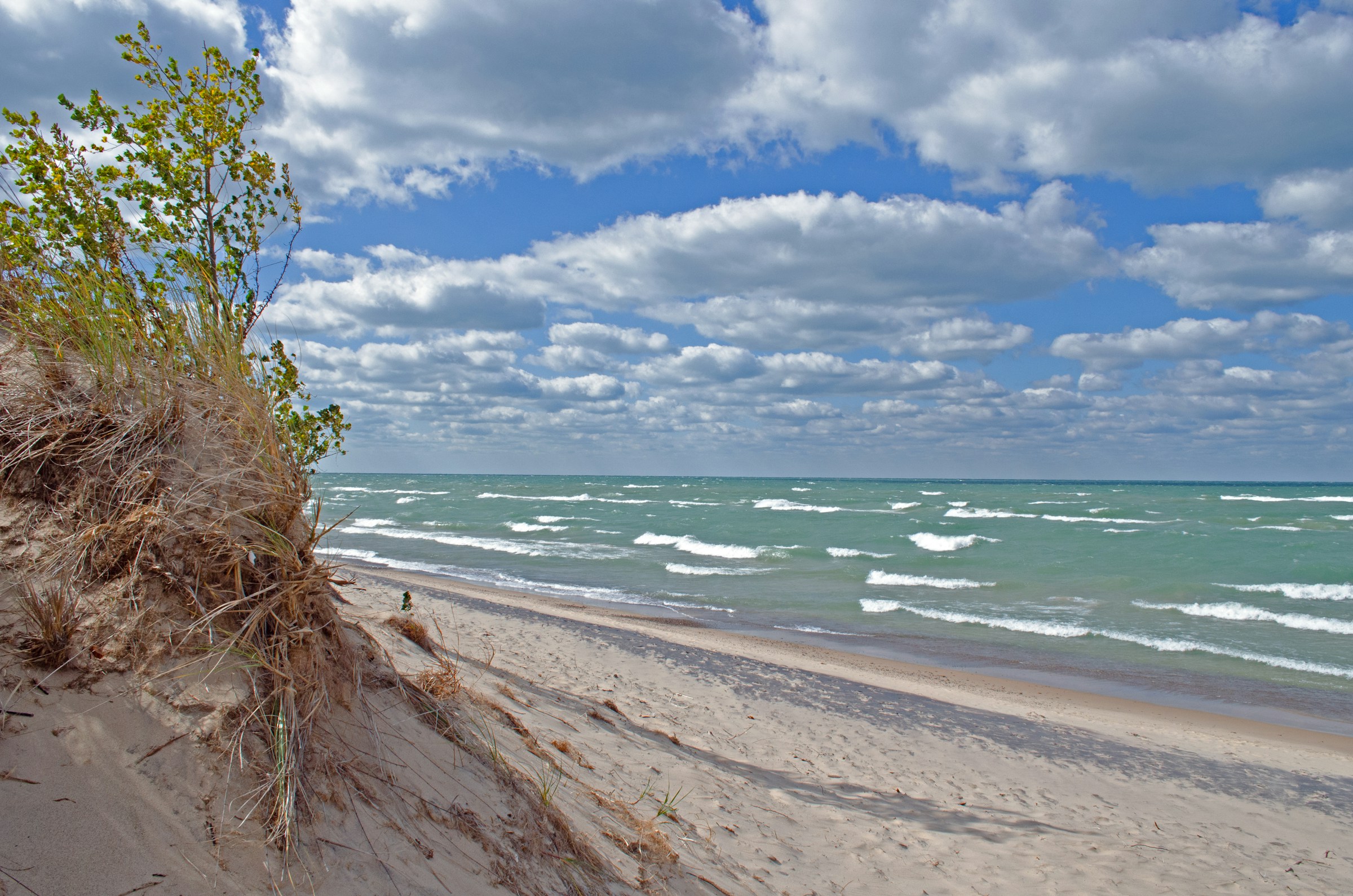

There’s something quietly magnetic about Michigan’s western shoreline in summer. The sky opens wide, the lake stretches to the horizon, and somewhere between the water and the treeline, massive hills of pale sand rise out of nowhere. For millions of state residents, this is not a bucket-list destination – it’s simply where they go every year.
About three million Michiganders travel to Michigan’s coastal dunes per year to play, visit, and experience all they have to offer. That number speaks to something deeper than tourism. These dunes are woven into the rhythm of Michigan life, showing up in family traditions, summer road trips, and childhood memories that span generations.
A Landscape Unlike Anything Else on Earth
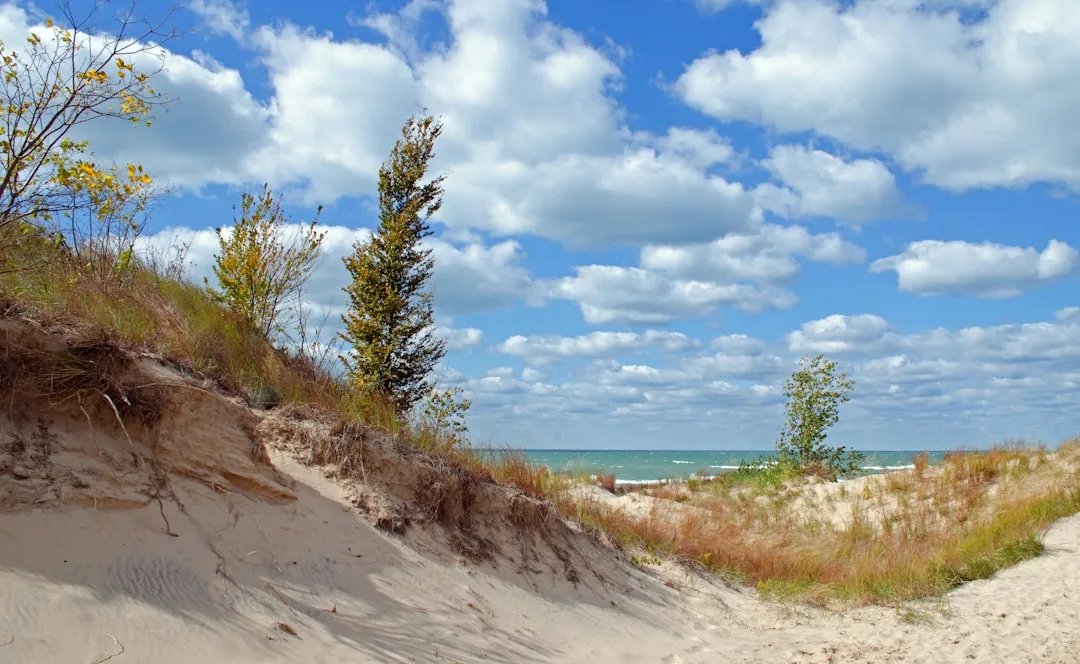
Michigan has the largest collection of dunes on a freshwater coast in the world, taking up more than 275,000 acres statewide – visible even from space. That’s not a casual superlative. It’s a geological reality shaped by millennia of glacial activity and persistent westerly winds off Lake Michigan.
At the end of the last ice age, melting glaciers left behind abundant sand across the Great Lakes region. Rivers carried this sand to the lakes where waves moved it to the beach, and the predominant wind out of the west blew the sand inland from the beach along Lakes Michigan and Superior. The result is one of the rarest coastal ecosystems on the planet, right in Michigan’s backyard.
They are the world’s largest assemblage of freshwater coastal dunes – a globally rare ecosystem – and they’ve become part of Michigan’s culture. Residents don’t just visit. Many feel a genuine sense of belonging there.
Sleeping Bear Dunes: The Crown of the Shoreline
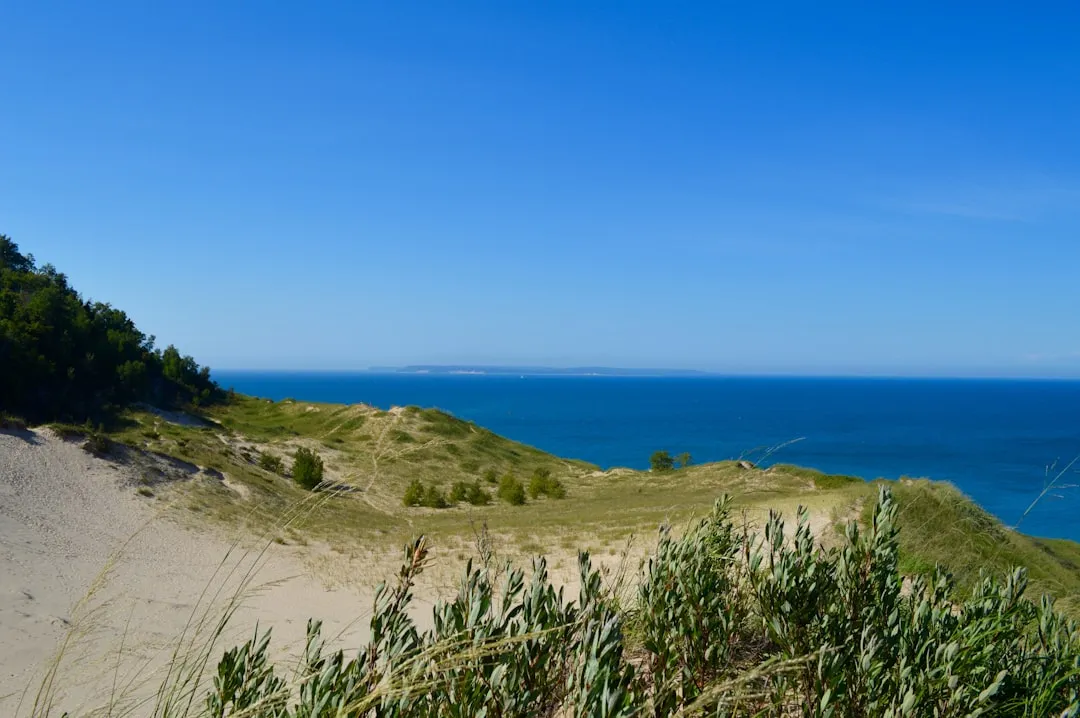
Named by Good Morning America as “The Most Beautiful Place in America” and voted one of America’s Top 10 Family Destinations by Family Fun magazine, the Sleeping Bear Dunes are a must-see destination. The recognition is well-earned, and the numbers back it up.
Sleeping Bear Dunes National Lakeshore drew 1,670,025 visitors in 2024, ranking it as the 55th most visited national park unit among 398 national park units tracked by the NPS. That’s a remarkable footprint for a park in the Upper Midwest. The park was expecting over 1.2 million people to visit during summer 2024 alone.
Miles of sand beach, bluffs that tower 450 feet above Lake Michigan, lush forests, clear inland lakes, and unique flora and fauna make up the natural world of Sleeping Bear Dunes. The park extends along a 35-mile stretch of Lake Michigan’s eastern coastline, as well as North and South Manitou Islands, preserving a total of 71,199 acres.
The Ojibwe Legend Behind the Name
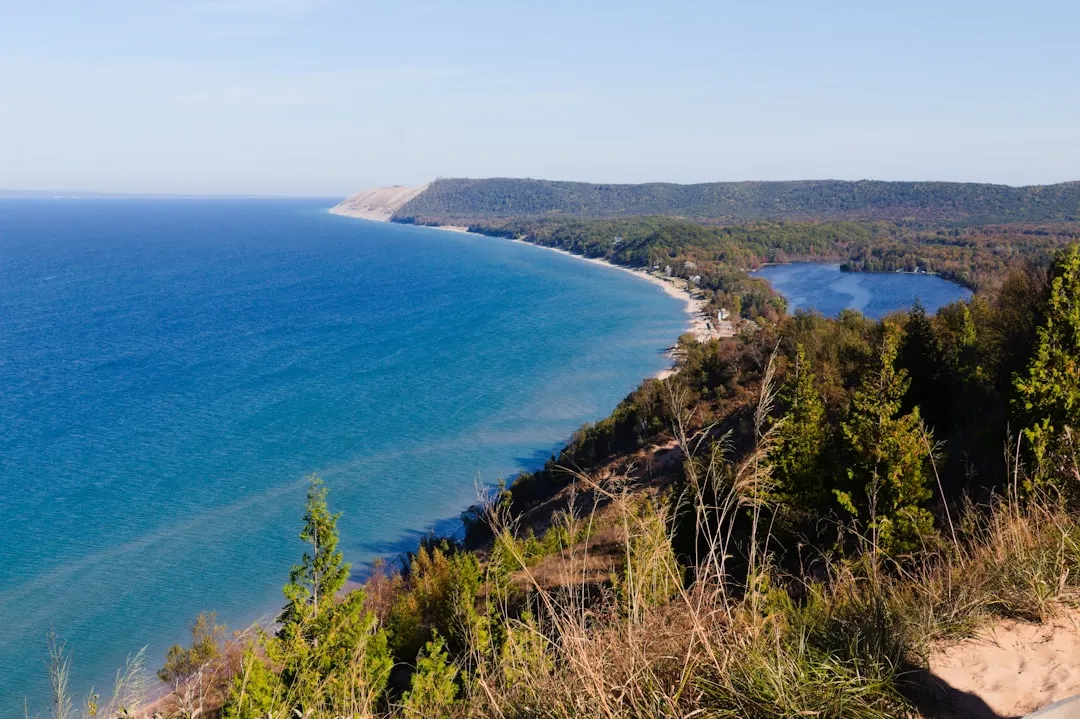
The dunes are named after the Sleeping Bear legend, an oral tradition of the Ojibwe peoples who were part of the Anishinaabek Tribe, which made its home along the lakeshore. The story carries real emotional weight and has been honored across generations.
The name derives from an Ojibwa Indian legend in which a mother bear and two cubs swam across the lake from Wisconsin to escape a forest fire; the cubs drowned and became the North and South Manitou islands, and the spot where the mother bear waited became Sleeping Bear Dune.
To this day, the names of bays, towns, and lakes indicate that the area was of great importance to the First Nations. Sleeping Bear National Park is the homeland of the indigenous Odawa and Ojibwe tribes. Understanding this history adds a layer of meaning to every visit.
Silver Lake State Park: The Off-Road Icon
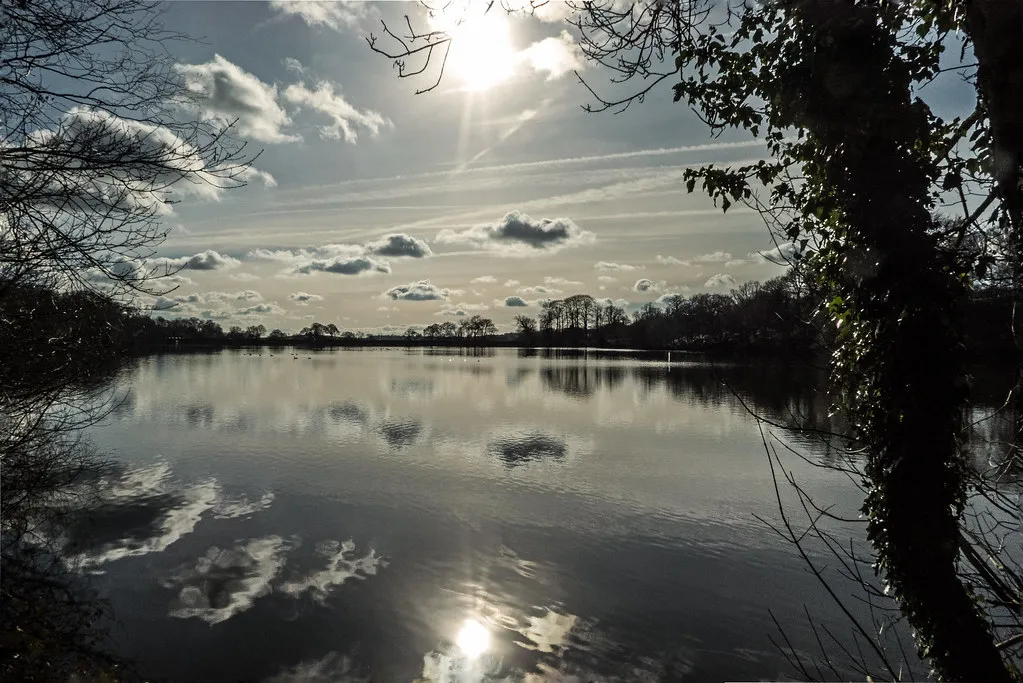
Silver Lake State Park is home to three miles of stunning Lake Michigan shoreline, a modern campground, nearly 2,000 acres of sand dunes, a day-use area on inland Silver Lake, and the 500-acre Silver Lake ORV Area – the only sand dune riding opportunity east of the Mississippi River. That distinction alone draws visitors from across the country.
The dunes feature three designated areas to ensure everyone can enjoy their visit: a Pedestrian Area for hiking and sightseeing, a designated ORV Area for ATVs and four-wheel-drive vehicles, and the area operated by Mac Wood’s Dune Rides, where guided tours provide a perfect introduction and history to the dunes.
The dunes are always changing with the wind, and visitors may see “ghost forests” – ancient trees buried by the shifting sands. The area is designated for four-wheel-drive vehicles, dirt bikes, and ATVs. For families who don’t own off-road vehicles, visitors can bring their own ORVs or rent one with permitted local businesses.
Warren Dunes: The Southern Gateway
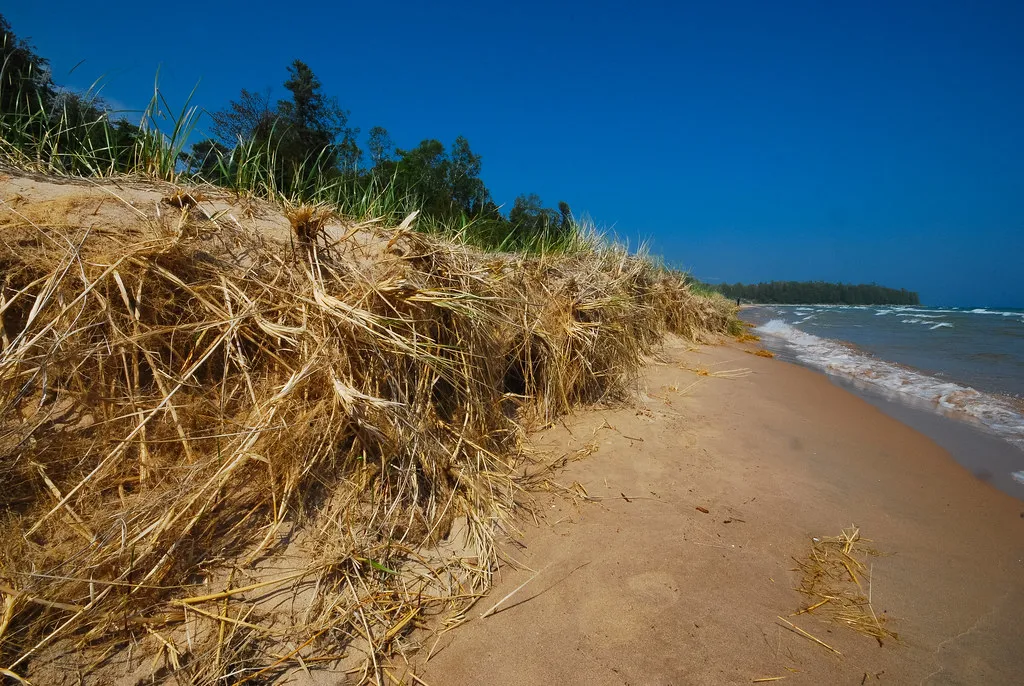
Warren Dunes State Park provides 1,952 acres of recreational opportunities along the beautiful shore of Lake Michigan. Its rugged dune formation rises 260 feet above the lake, offering spectacular views and excellent conditions for hang gliding with a permit. The park is home to three miles of shoreline and six miles of hiking trails.
The park’s proximity to the Chicago metropolitan area makes it one of the busiest beach parks in the Michigan state park system. The unofficial gateway to Michigan’s state park system from the west, the park features an extensive network of richly forested dunes, large open dunes, and interdunal wetlands. It also features significant bird diversity because it is a stopover location on a bird migration route.
These dunes along Lake Michigan formed after glacier ice disappeared nearly 10,000 years ago. Today, the giant mountains of soft sand continue to shift and reshape each day with the wind, waves, and visitors climbing, running, walking, and sliding down their tawny-gold sides.
Nordhouse Dunes: The Wilderness Choice
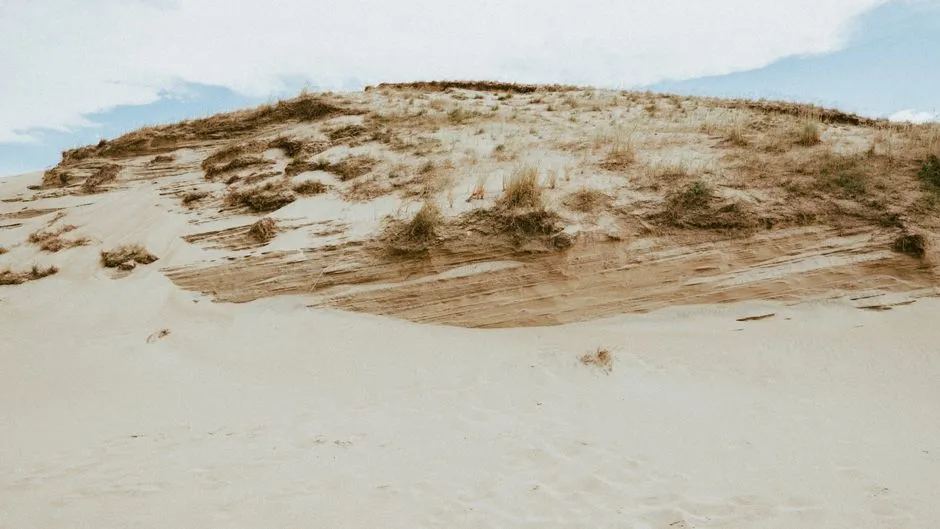
Nordhouse Dunes Wilderness Area offers an escape into nature’s splendor, encompassing over 3,500 acres of dunes, dense forests, and sparkling shoreline. Trails wind through the towering dunes and lush woodlands, providing opportunities for hiking, backpacking, photography, and observing wildlife.
Located within the Huron-Manistee National Forest, Nordhouse Dunes has dunes that are 4,000 years old. A unique feature is its “wilderness” status, the only one in the Lower Peninsula, which means no wheeled or motorized vehicles are allowed – keeping the area even more tranquil.
Nordhouse Dunes lost its signage, markings, and trail names after it was redesignated as a wilderness area – the only one in the Lower Peninsula – in 1987 under the Michigan Wilderness Act. Pack a compass. That’s not a figure of speech here.
Arcadia Dunes: The Hiker’s Reward
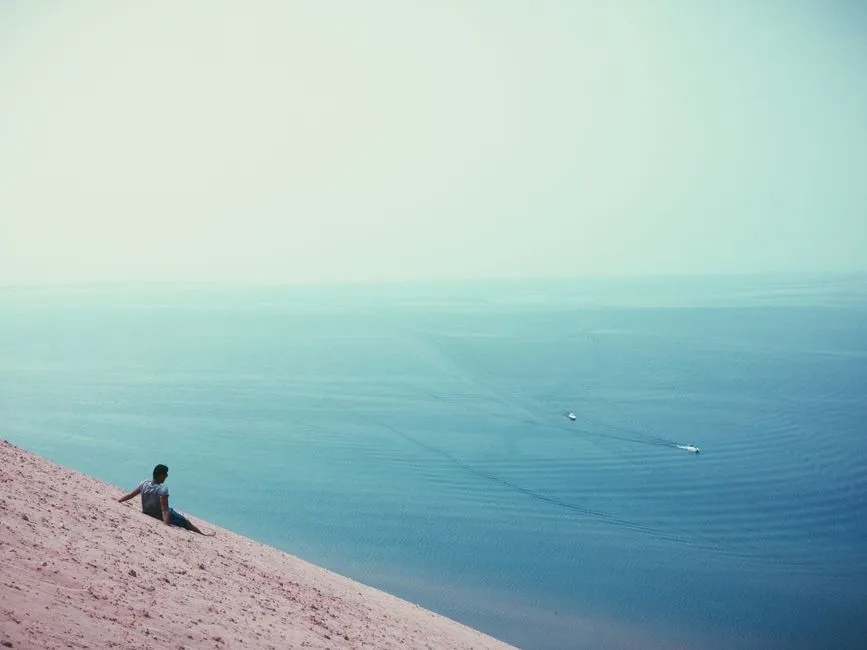
Arcadia Dunes in northwest Michigan features more than 15 miles of trails that wind through multiple landscapes and habitats. The most popular is the Overlook Trail, which is universally accessible via the Baldy parking lot.
Arcadia Dunes offers everything from beginner to more challenging trails for hiking and mountain biking. Arcadia Dunes Nature and Recreation Area includes the Old Baldy Trail. The views from the top looking out across Lake Michigan are the kind that make you stay longer than planned.
The Baldy Trails feature views of Lake Michigan below, rewarding even casual hikers with a panorama that stretches across the open water. Few overlooks anywhere on the Great Lakes coast feel quite this earned.
The Rare Ecology Living Between the Sand
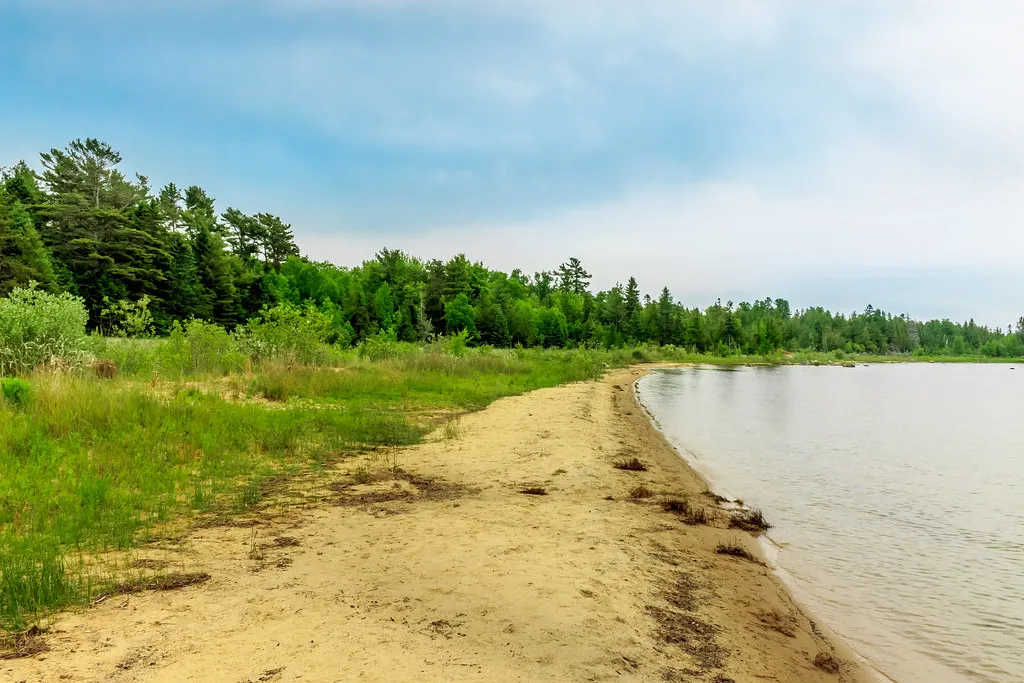
There are plants growing on Great Lakes-adjacent dunes that can’t be found anywhere else – for instance, the Pitcher’s thistle and the Lake Huron tansy. Both of these species are federally classified as “threatened.” The dunes aren’t just beautiful. They’re biologically irreplaceable.
Warren Dunes State Park preserves a complete example of Great Lakes dune ecology, from the actively shifting foredunes through successional stages to mature beech-maple forest. That kind of ecological continuity is increasingly rare on the American coastline.
Sleeping Bear Dunes is home to 908 species of plants, 246 species of birds, and four endangered species – all within a single national park unit. Visiting respectfully and staying on marked trails helps ensure these communities survive for future generations.
The Repeat Visit: Why Michiganders Keep Coming Back
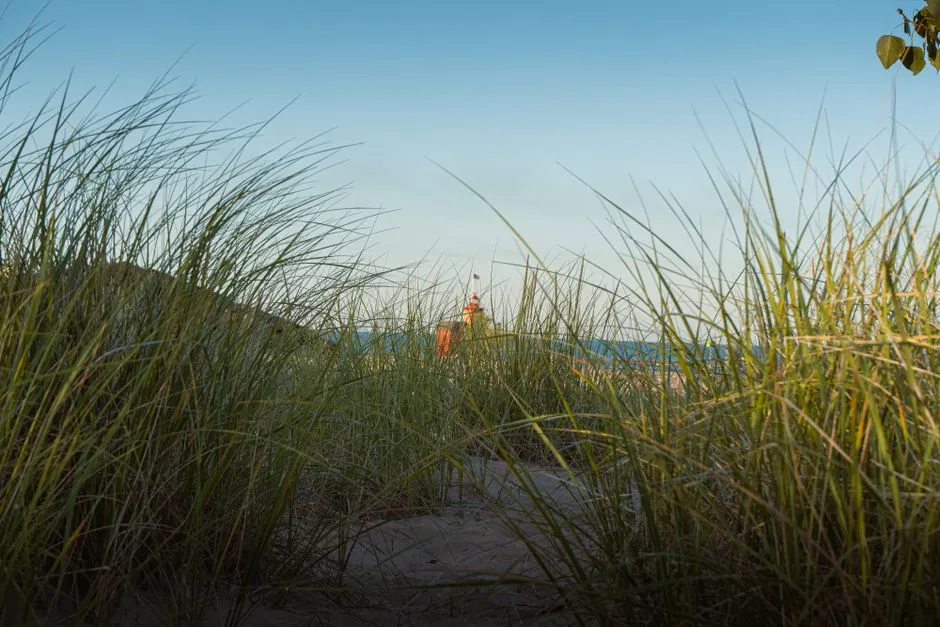
The 3,610 people surveyed in an MSU ecological economist study took an average of 6.7 trips to Michigan’s dunes in the past year. That’s not the pattern of a one-time tourist attraction. That’s a deeply embedded habit.
More than 80 percent of respondents to the online survey said access to coastal dunes in Michigan is extremely important to the quality of life for them and members of their household. The dunes aren’t a detour – they’re a necessity for a large portion of the state’s population.
Michiganders love dunes so much they want to live right next to them – or at least visit them often. West coast counties have some of the highest population growth in the state, and vacation rentals are so popular some communities are moving to limit them. Demand has real consequences, which is why mindful visitation matters more than ever.
Planning a Visit That Respects What Makes This Place Special
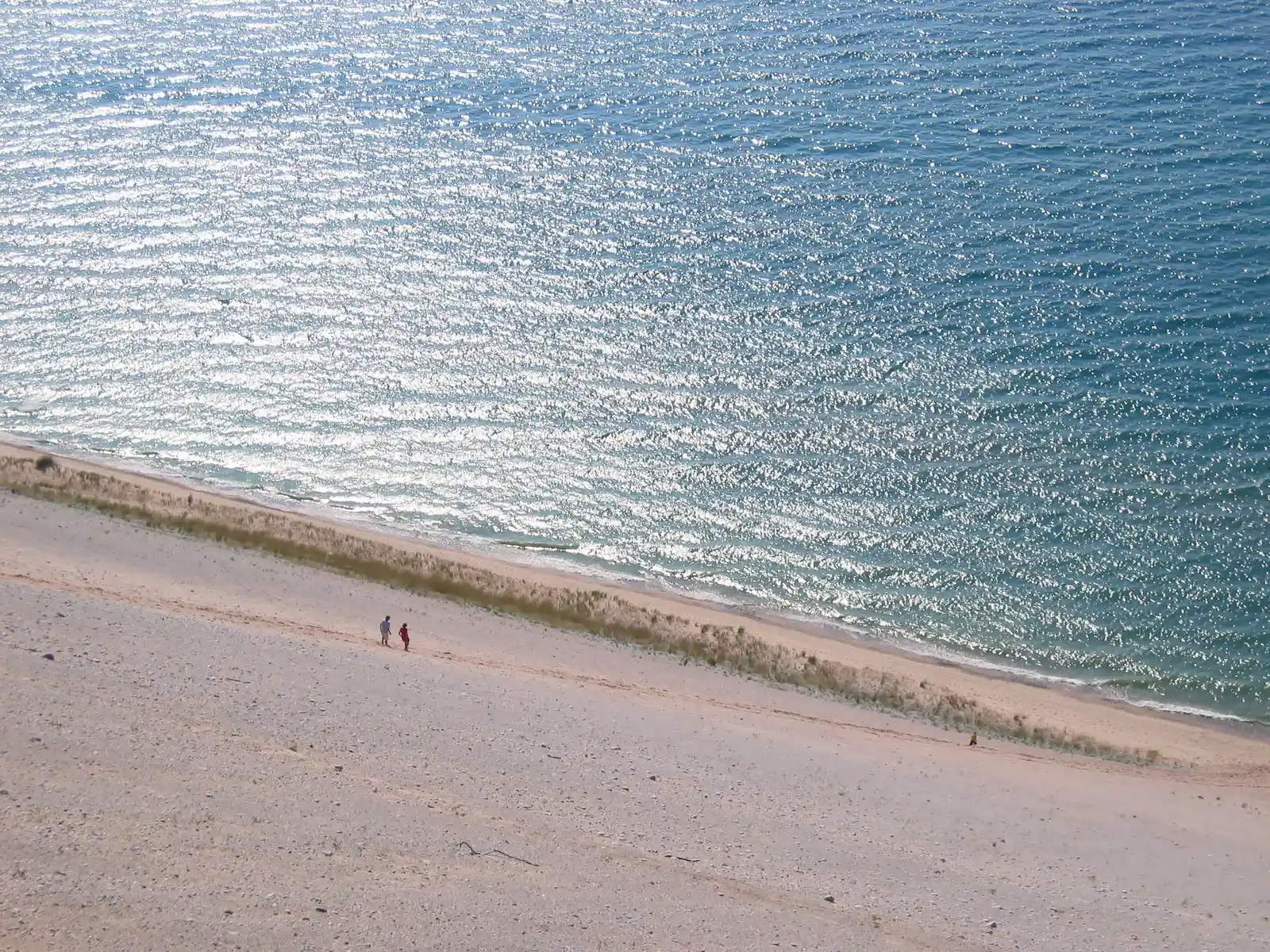
The naturally elevated dunes along Lake Michigan offer visitors spectacular views, all-season hiking trails, pristine rivers for paddling, and a wonderful array of wildlife to explore. The range of experience is genuinely broad – from quiet hiking to guided tours to watercraft adventures.
The most popular dunes, confirmed by survey data, are Sleeping Bear Dunes National Lakeshore, Silver Lake State Park, Ludington State Park, Warren Dunes State Park, and Holland State Park. Each has a different character, a different pace, a different crowd. Matching the park to the kind of experience you’re seeking makes a real difference.
The NPS encourages visitors to plan ahead, buy entrance passes in advance, and stay on established paths. The most fragile areas of Michigan’s dunes can be protected while balancing the benefits of economic development, multiple human uses and benefits of public access and enjoyment through protecting steep, erosive slopes and protecting dune vegetation essential to dune preservation and stability. Visiting thoughtfully keeps these landscapes alive for the next generation of Michiganders who will inevitably fall in love with the same stretch of sand.
The Takeaway
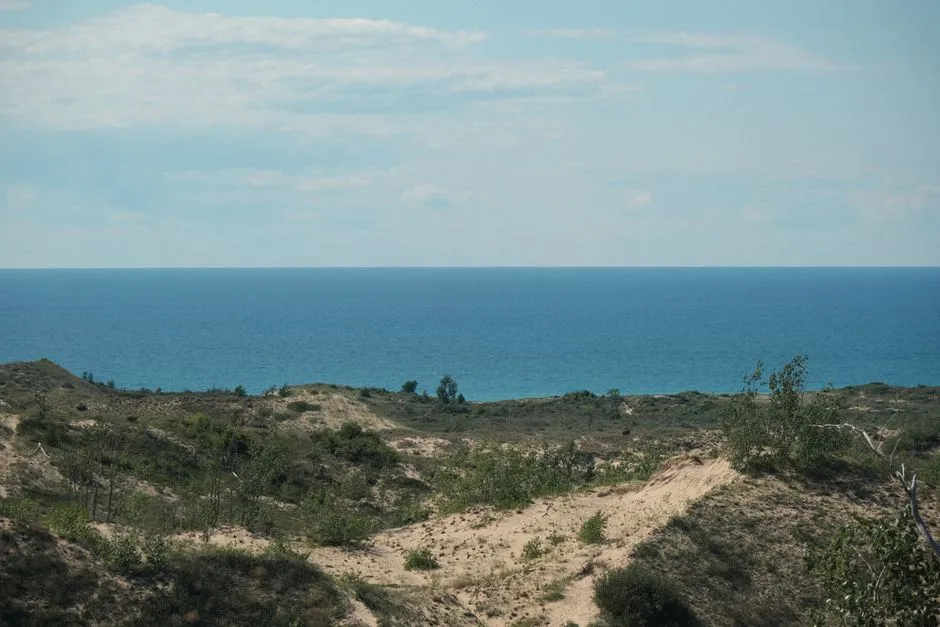
Michigan’s sand dunes endure as a return destination because they offer something that doesn’t require explanation to people who’ve been there. The scale of the landscape, the physical effort of the climb, the color of Lake Michigan from the top of a bluff – these are experiences that settle into memory and keep pulling people back.
Michigan’s sand draws in millions of visitors each year. They’re the places Michiganders race down, ride around, lounge about on, and daydream of in winter. That last part is telling. The dunes are something people think about when they can’t be there.
In a state shaped by water, the place where the land rises dramatically above the lake holds a particular kind of meaning. It’s not just scenery. It’s a ritual – one that Michiganders return to, year after year, without needing much of a reason beyond the fact that it’s time to go back.
AI Disclaimer: This article was created with the assistance of AI tools and reviewed by a human editor.