


Springtime in the Midwest is a complicated season. The warming air, the greening fields, the return of longer days – all welcome. The relentless wave of pollen that comes with it, less so. For millions of residents living across Kansas, Illinois, Wisconsin, and surrounding states, the stretch between March and July can feel less like seasonal renewal and more like six weeks of watery eyes and sleepless nights.
There’s a growing pattern among Midwestern families and solo travelers: heading to the water. Lakeside retreats have quietly become a seasonal ritual for people who need a genuine break from urban air and dense inland pollen, and the reasons behind this are more grounded in science than most people realize.
The Midwest Allergy Problem Is Getting Measurably Worse

For three years in a row, Wichita, Kansas has ranked as the most challenging city in the United States for pollen allergies. That’s not an opinion – it’s drawn from the Asthma and Allergy Foundation of America’s annual Allergy Capitals report, which tracks pollen levels, medication use, and specialist availability across the country’s largest metro areas.
If you think pollen allergies are getting worse, you’re not wrong. Longer, more intense pollen seasons caused by the impact of climate change mean allergy symptoms hit harder and last longer. Growing seasons now start earlier and last longer than they did just 30 years ago, and some parts of the United States now experience pollen from trees, grass, or weeds year-round.
An “intense and prolonged” grass pollen season has been forecast for the interior Northeast and Midwest, and the data consistently backs that up. Grass pollen in the summer is expected to surpass typical levels in the Midwest, Great Lakes, and Pacific Northwest.
Why Wichita and Kansas City Residents Flee First

Wichita is considered one of the worst cities for allergy sufferers due to its high levels of pollen from trees, grasses, and weeds. The region experiences significant seasonal variations, with particularly severe pollen counts in spring and fall. Additionally, Wichita’s location in the central United States exposes it to airborne allergens carried by winds, which exacerbates the allergy season for residents.
For those living in the Midwest, specifically in Kansas, Texas, and Oklahoma, pollen seasons may start as early as February, with tree pollen arriving first, grass pollen running from April to June, and weed pollen lasting well into autumn. That’s essentially an unbroken chain of airborne allergens stretching across most of the year.
It’s no mystery, then, that families and couples from these cities are among the most motivated to find relief at a distance. A lakeside escape isn’t just a vacation – it genuinely changes the air around them.
Madison and Milwaukee Rank Surprisingly Well – and That Matters
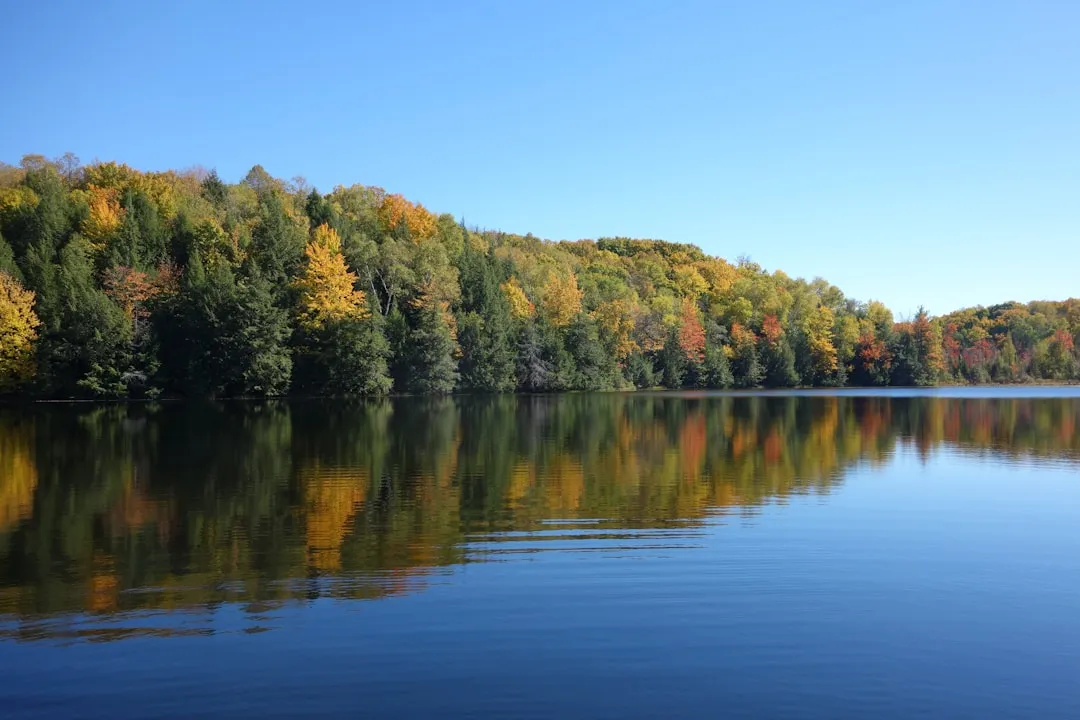
Out of the 100 metro areas in AAFA’s 2025 report, the Madison and Milwaukee areas ranked among the top fifteen best places to live for seasonal allergy sufferers, both earning an overall rating of “better than average.” Madison ranked 93rd out of 100 on AAFA’s list of the most challenging places to live with pollen allergies, and the report noted that Wisconsin’s capital city has better than average overall pollen levels.
Milwaukee finished close behind in 87th place. The city earned “better than average” ratings for overall pollen and medication use. Wisconsin’s comparatively cooler climate, later spring, and proximity to large bodies of water all play a role in that improved air quality picture.
This is part of what makes the Lake Geneva area and other Wisconsin lake communities so compelling for Midwesterners arriving from more pollen-dense states further south and west.
The Science of Why Water Helps

Coastal and waterside areas generally have lower pollen levels than inland areas. Sea breezes and lake breezes can blow pollen away, preventing it from concentrating in large volumes. The same principle applies at freshwater lakes, where prevailing breezes move off the water rather than across dry inland terrain.
Pollen is an airborne allergen, and it’s harder for pollen to get into your nose and eyes if it’s settled onto the water’s surface. According to the National Institute of Allergy and Infectious Diseases, pollen counts are usually lowest during chilly, wet periods. Lakeside mornings, especially in early summer, often deliver exactly those cooler, damp conditions.
Pollen allergy sufferers are increasingly confronted with longer pollen seasons and pollen with potentially increased allergenicity, resulting in an increased duration and severity of symptoms. Getting even a few days of reduced exposure can offer the body a meaningful break from that constant inflammatory response.
Lake Geneva, Wisconsin: The Classic Midwest Lakeside Retreat
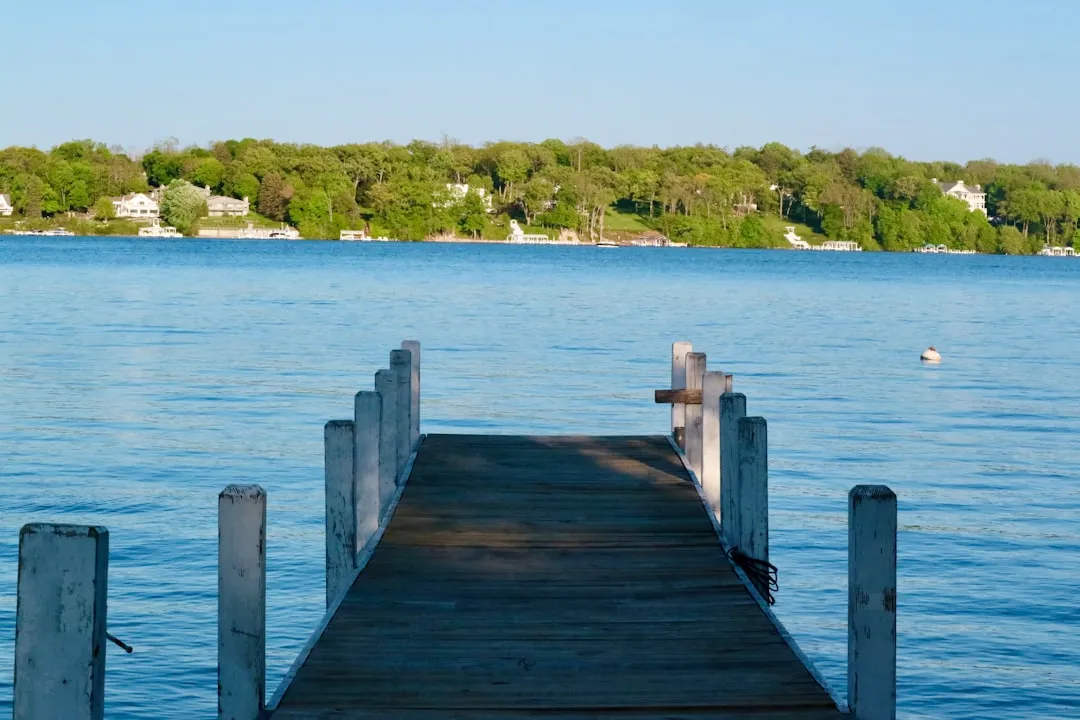
Lake Geneva has long been one of Wisconsin’s most beloved lake destinations, offering clear waters, charming lakeside towns, and year-round outdoor activities. From classic cottages to luxury lakefront estates, the region offers an incredible variety of stays for families, couples, and groups.
A timeless lakeside retreat with Midwestern charm, Lake Geneva is a beloved getaway known for its crystal-clear waters, classic resort-town ambiance, and all-season appeal. Located just a short drive from both Chicago and Milwaukee, this scenic destination offers the perfect mix of relaxation and recreation.
Visitors can enjoy boat tours and aquatic activities, or stroll the unique Geneva Lake Shore Path. History enthusiasts can tour Gilded Age estates and visit the Geneva Lake Museum. Lake Geneva’s charming downtown boasts distinctive shops, fine dining, and cozy accommodations.
Grand Geneva Resort and What It Offers the Spring Traveler
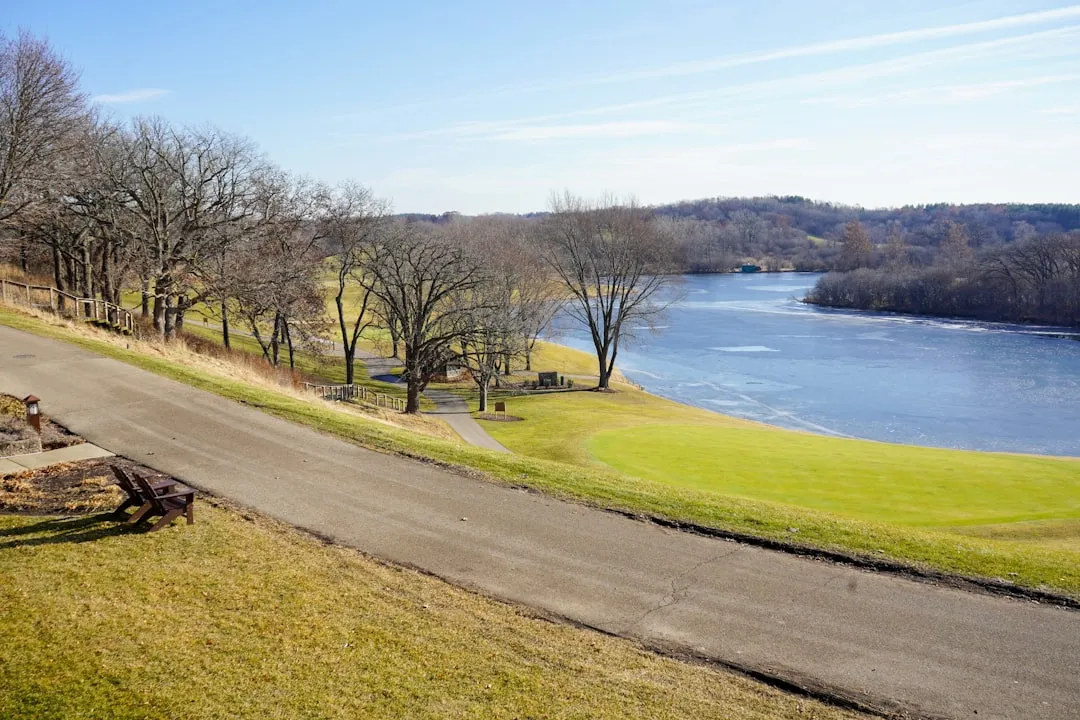
Grand Geneva Resort and Spa is a luxury resort nestled in the scenic countryside of Lake Geneva, Wisconsin, offering upscale accommodations, two championship golf courses, a world-class spa, and year-round outdoor activities. The resort also features elegant dining, a ski hill, and a full-service wellness center.
For allergy sufferers, the resort experience offers something extra: climate-controlled indoor amenities mean guests can retreat inside whenever pollen counts spike, without the trip feeling like a washout. Spa days and indoor pools become genuine therapeutic options rather than rainy-day fallbacks.
For lakeside access, The Abbey Resort has a beautiful harbor area, as well as indoor and outdoor pools located on 90 acres of beautifully landscaped grounds. Options like this allow guests to calibrate how much time they spend outdoors based on how they’re actually feeling each day.
Table Rock Lake and the Missouri Ozarks Option
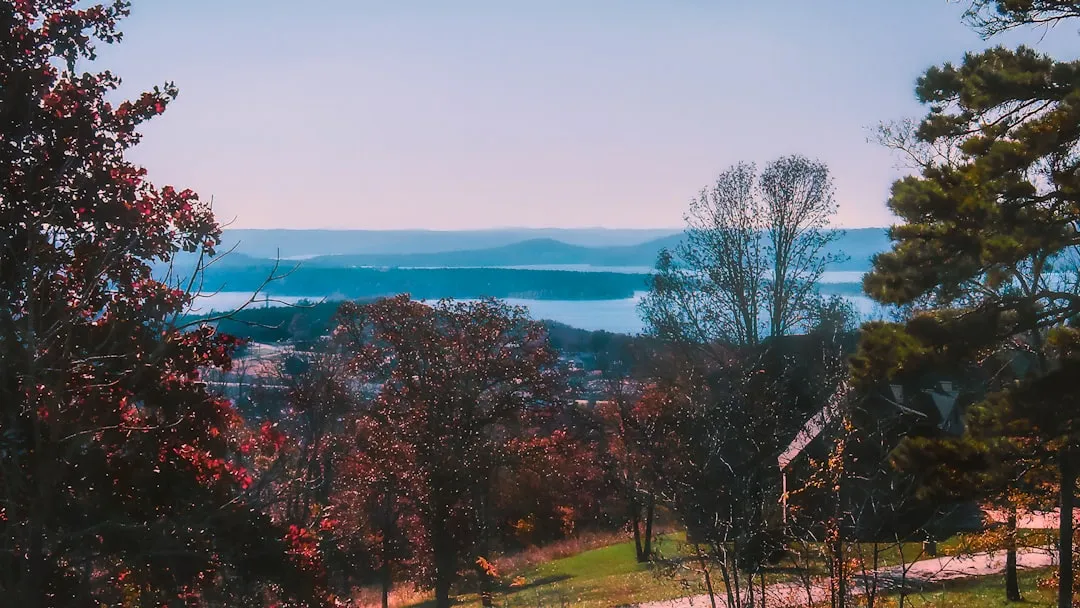
Table Rock Lake, located near Branson, Missouri, has clear waters and lush green surroundings and is particularly well-suited for nature lovers. It draws a steady stream of Midwestern visitors, especially from Kansas, Oklahoma, and Illinois, who want a longer drive that puts more distance between them and high-pollen urban centers.
Lake of the Ozarks in Missouri is a top choice for families seeking adventure and relaxation. Visitors can enjoy water sports, hiking, and cave exploration, then unwind at resort properties offering both family-friendly fun and upscale comfort.
The Ozarks landscape also tends to feature later-arriving tree pollen compared to the flat, wind-swept plains further west, meaning the arrival timing of peak allergen season is meaningfully different. That timing gap alone can make a spring trip feel almost symptom-free for visitors coming from the Kansas plains.
What to Actually Do at a Lakeside Retreat During Allergy Season

The rhythm of a well-planned allergy-season lake trip looks slightly different from a standard summer getaway. Morning hours – especially before 10 a.m. – tend to carry the highest airborne pollen counts, so most experienced allergy travelers plan indoor breakfasts and save the kayaking or dock-side reading for afternoon. Playing and spending time outdoors in the late morning and early afternoon helps avoid peak pollen times.
Sunglasses serve double duty at the waterside, keeping irritating pollen particles out of your eyes in addition to protecting them from the sun. Swimming in fresh water can also help rinse pollen and other allergens from your skin and nasal passages after time outdoors.
Checking daily pollen counts through apps like the AAFA’s monitoring tools or local weather services gives you a practical edge in deciding how to structure each day. Windy afternoons push pollen counts higher; calm, humid mornings over the water are generally more comfortable for sensitive travelers.
Climate Change Is Reshaping When to Book Your Escape

Some parts of the United States now experience pollen from trees, grass, or weeds essentially year-round. Warmer temperatures also trap heat in urban areas, increasing air pollution and stimulating pollen production.
With climate patterns shifting, seasons are starting earlier and lasting longer because of climate change. In some regions, tree, grass, or weed pollen is now present year-round. Warmer temperatures trap heat in urban areas, increasing air pollution and stimulating further pollen production.
The practical implication for travelers is that the traditional “safe” booking window from mid-July onward is shrinking. Peak grass pollen in the Midwest now frequently extends into late June or even early July in some years, so planning earlier and monitoring forecasts more carefully has become a real necessity for allergy-motivated travelers.
Traveling Mindfully: Pollen Isn’t the Only Lakeside Consideration

A lakeside retreat offers real relief from dense urban pollen, but it’s worth understanding the full picture. In warm, humid areas near water, mold and mildew allergies can become more pronounced. Dust mite allergies are also more likely in humid environments. Choosing well-maintained accommodations with good indoor air filtration matters if mold is a personal trigger.
Researchers at the University of Michigan are also studying how algae blooms on large lakes like Lake Erie may release aerosolized particles. Researchers with more than 20 years of experience studying natural aerosols such as pollen and mold spores note that climate change could spark more severe allergy seasons near waterways as well. For now, the science is still developing, but it’s a reasonable thing for sensitive travelers to keep an eye on.
The practical upshot: look for lake destinations with clean water quality records, fewer algae bloom issues, and well-rated accommodations that offer genuine filtration indoors. Lake Geneva, with its closely managed shoreline and strong tourism infrastructure, consistently fits that profile.
The Takeaway

There’s something deeply sensible about the instinct to head toward water when the air in your city turns hostile. Approximately one in four U.S. adults has seasonal allergies, and for many of them, a lakeside escape isn’t a luxury so much as a practical health decision dressed in the language of vacation.
The research is clear that Midwest pollen seasons are intensifying, and the window of comfortable outdoor living in cities like Wichita, Kansas City, and Chicago is getting narrower. Lakes like Geneva, Table Rock, and the Ozarks waterways offer a genuine change in air, geography, and pace.
The lake will be there when the pollen clears back home. Until then, there are worse decisions than watching evening light move across the water while breathing a little easier than you have in weeks.
AI Disclaimer: This article was created with the assistance of AI tools and reviewed by a human editor.