
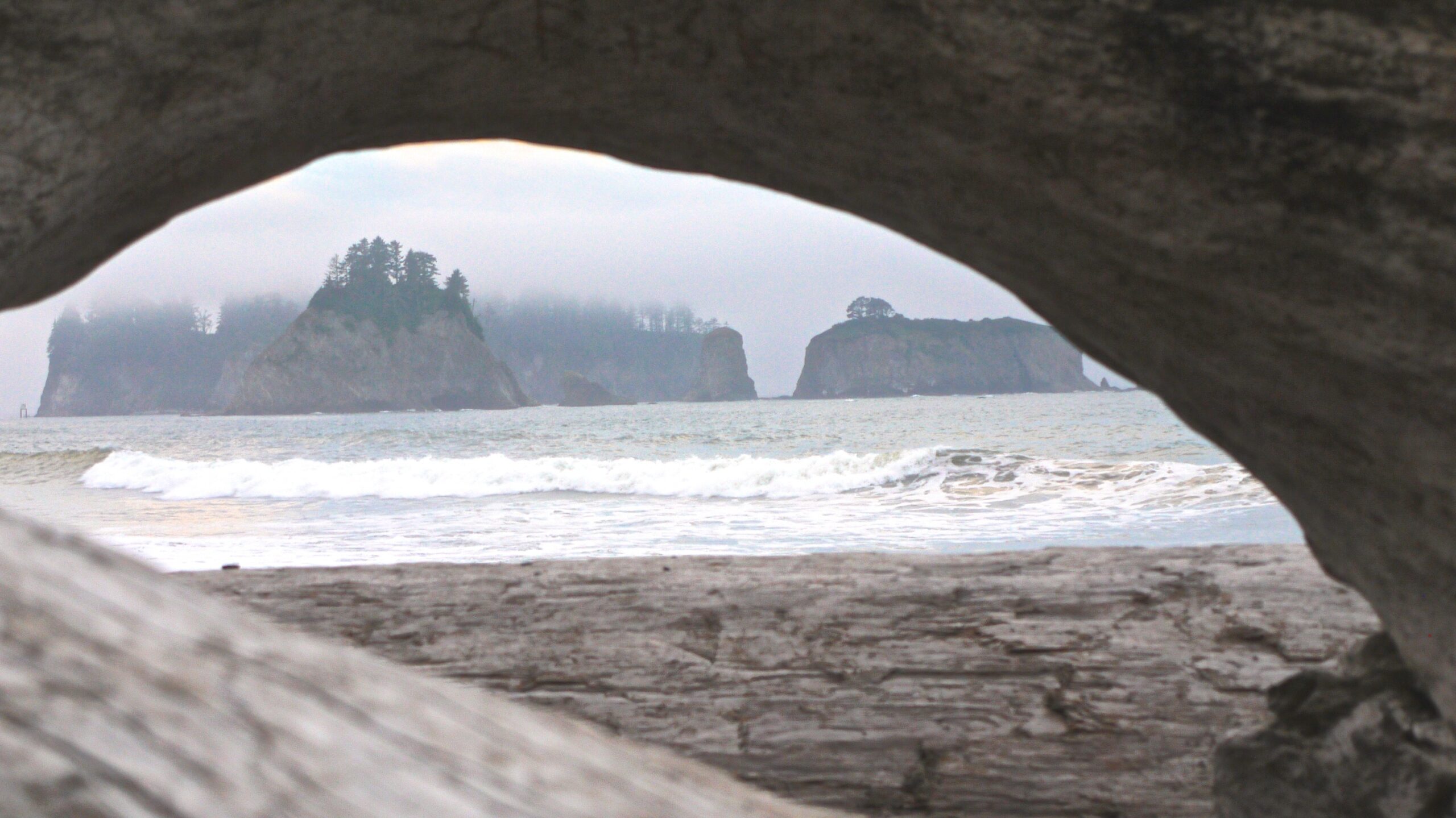

There’s a particular kind of quiet that settles over you the moment you step beneath a canopy of old-growth moss and Douglas fir. It’s not silence exactly – it’s the forest’s own sound, the soft drip of rain on fern fronds, the distant call of a Steller’s jay, the low rush of a river somewhere below the trail. For residents of Seattle, Portland, and the broader Pacific Northwest, that sound is a weekly pull.
The rainforest retreat has become something of a cultural ritual here, not a luxury escape but a regular, almost necessary rhythm. The Pacific Northwest attracts millions of visitors annually, contributing around $71.4 billion in visitor spending to the regional economy. A meaningful share of that comes from locals who simply know what the forest does for them.
The Hoh Rainforest: One of America’s Most Visited Temperate Rainforests
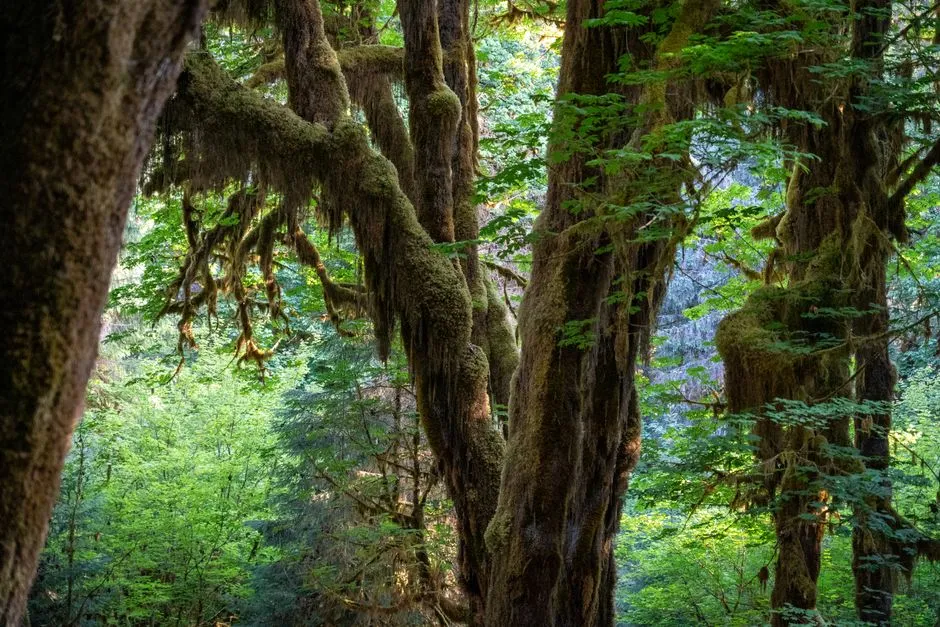
The Hoh Rainforest is one of the largest temperate rainforests in the U.S., located on the Olympic Peninsula in western Washington state. It is the anchor destination for countless weekend escapes from the Puget Sound region, and its draw has only grown stronger in recent years.
Olympic National Park attracted more than 3.7 million visitors in 2024 alone, making it one of the most popular destinations in Washington. Of those, approximately 460,000 people visited the Hoh District in 2024, according to the National Park Service, which includes the rainforest and its visitor center.
The rainforest receives an average of 140 inches of annual precipitation, among the rainiest places in the United States. That consistent rainfall is exactly what creates the extraordinary ecosystem that keeps drawing people back.
What Makes a Temperate Rainforest Different from Any Other Forest
Tucked within Olympic National Park, Hoh Rain Forest is a hidden treasure and one of the only temperate rainforests on the planet. Temperate rainforests differ from their tropical counterparts in that they thrive in cool, maritime climates rather than equatorial heat, which produces a distinct, almost otherworldly atmosphere.
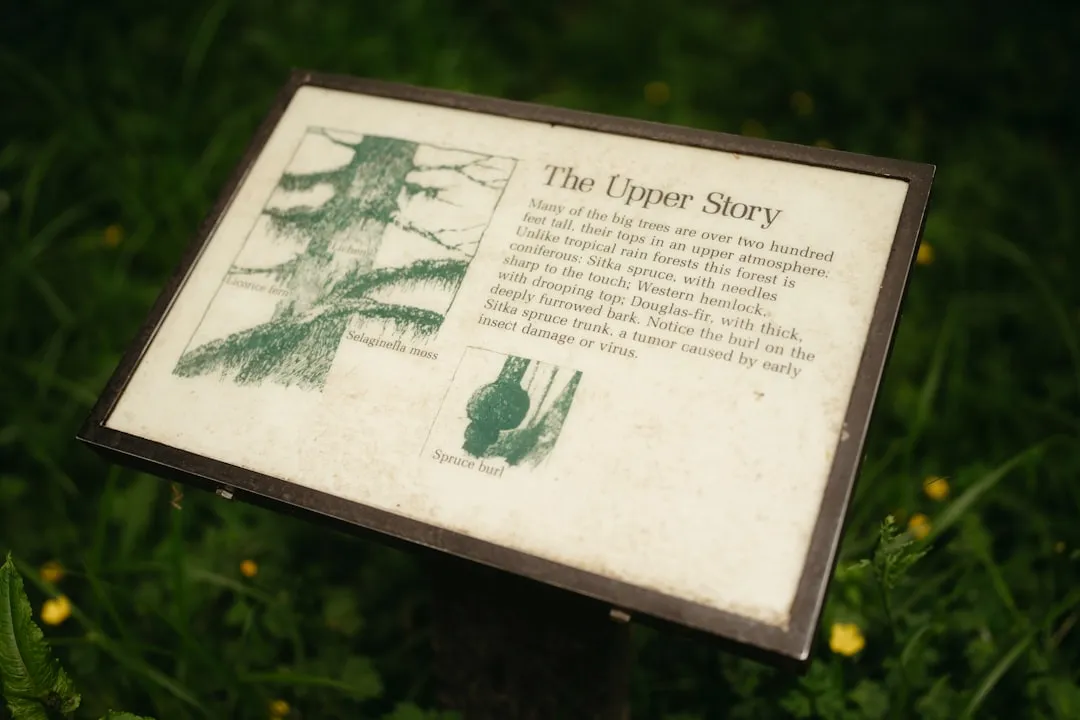
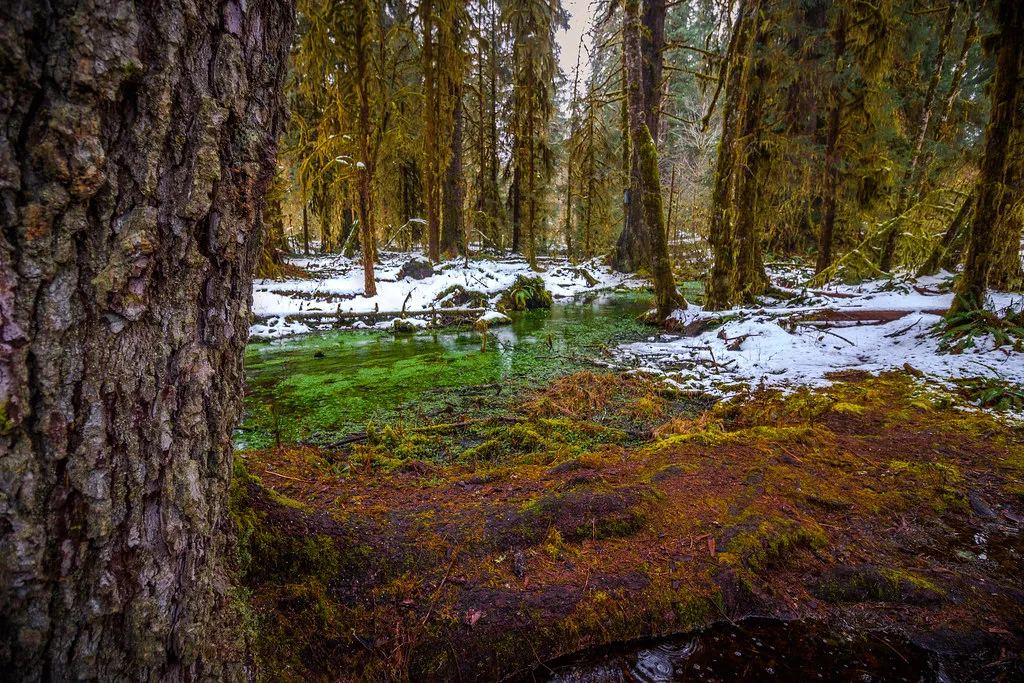
The Hoh Rain Forest is one of the best temperate rainforests in the US, with spectacular old-growth spruces, redwoods, and firs growing up to 300 feet. Mosses drape every surface, from fallen nurse logs to branches hanging overhead. The effect is immersive in a way that photographs genuinely fail to capture.
Herds of Roosevelt elk accompany your views, and world-class salmon and steelhead fishing beckons. The wildlife presence alone makes the Hoh feel like a living, breathing place rather than a scenic backdrop.
The Hall of Mosses: The Trail That Defines the Hoh Experience
Short, sweet, and amazing, the Hall of Mosses Trail in the Hoh Rainforest is a mile-long loop trail that is perfect for the entire family and offers impressive views of old-growth forests and mossy trees. It’s the kind of trail you can complete in under an hour but find yourself walking twice without meaning to.
The 0.8-mile Hall of Mosses Trail is the signature experience here, and the terrain is suitable for all ages. Weekend mornings on this loop have a meditative quality, particularly when morning mist still hangs between the bigleaf maples. The Hoh River Trail, for those wanting more, stretches considerably farther.
The Hoh River Trail is an 18.5-mile, out-and-back trail that winds right through the middle of the Olympic Peninsula, ending at the Blue Glacier moraine, culminating in a view of Mount Olympus. Most weekend visitors stick to the lower reaches, which are rewarding enough.
Forks, Washington: The Quiet Town at the Heart of the Retreat Culture
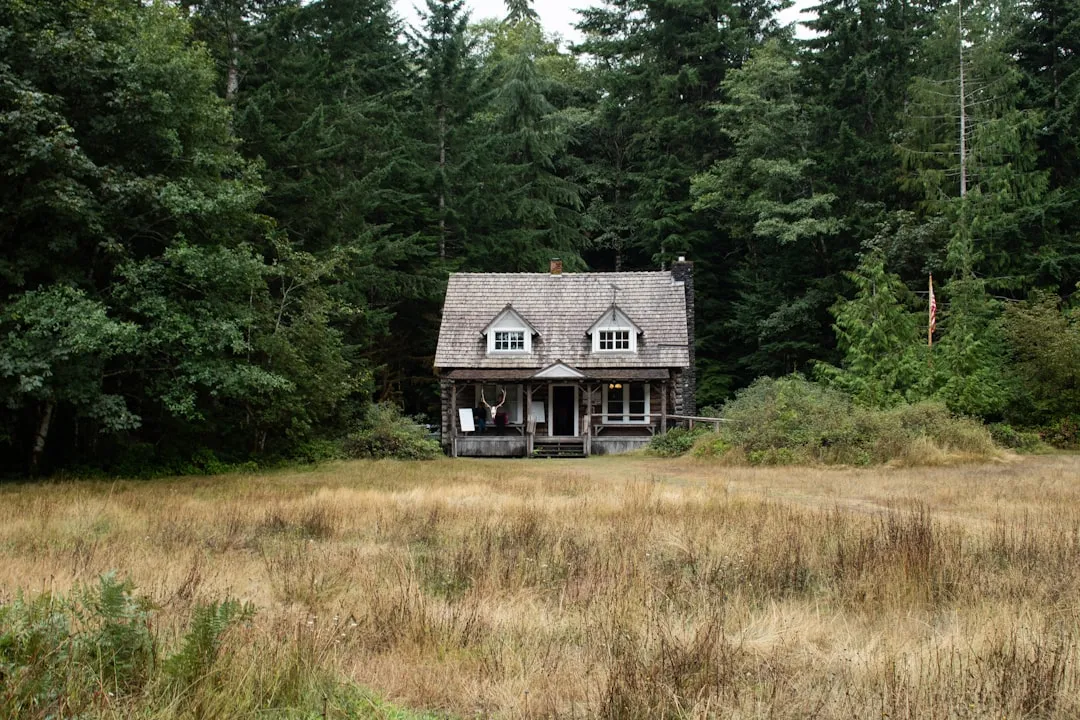
Most visitors use the small town of Forks, Washington as their base, and the lodging options there have evolved considerably to meet demand. Handcrafted cabin rentals near Olympic National Park capture the spirit of the Pacific Northwest, with each retreat combining rustic charm with unexpected comfort, creating the perfect launching pad for outdoor adventures.
Most visitors get to the Hoh Rainforest via private vehicle, with the forest under an hour from Forks, WA, and a two-hour drive from Port Angeles. That proximity makes it genuinely viable as a weekend trip from Seattle rather than a week-long commitment. You leave Friday evening and you’re under the canopy by Saturday morning.
Glamping in the Forest: Where Comfort Meets the Wild
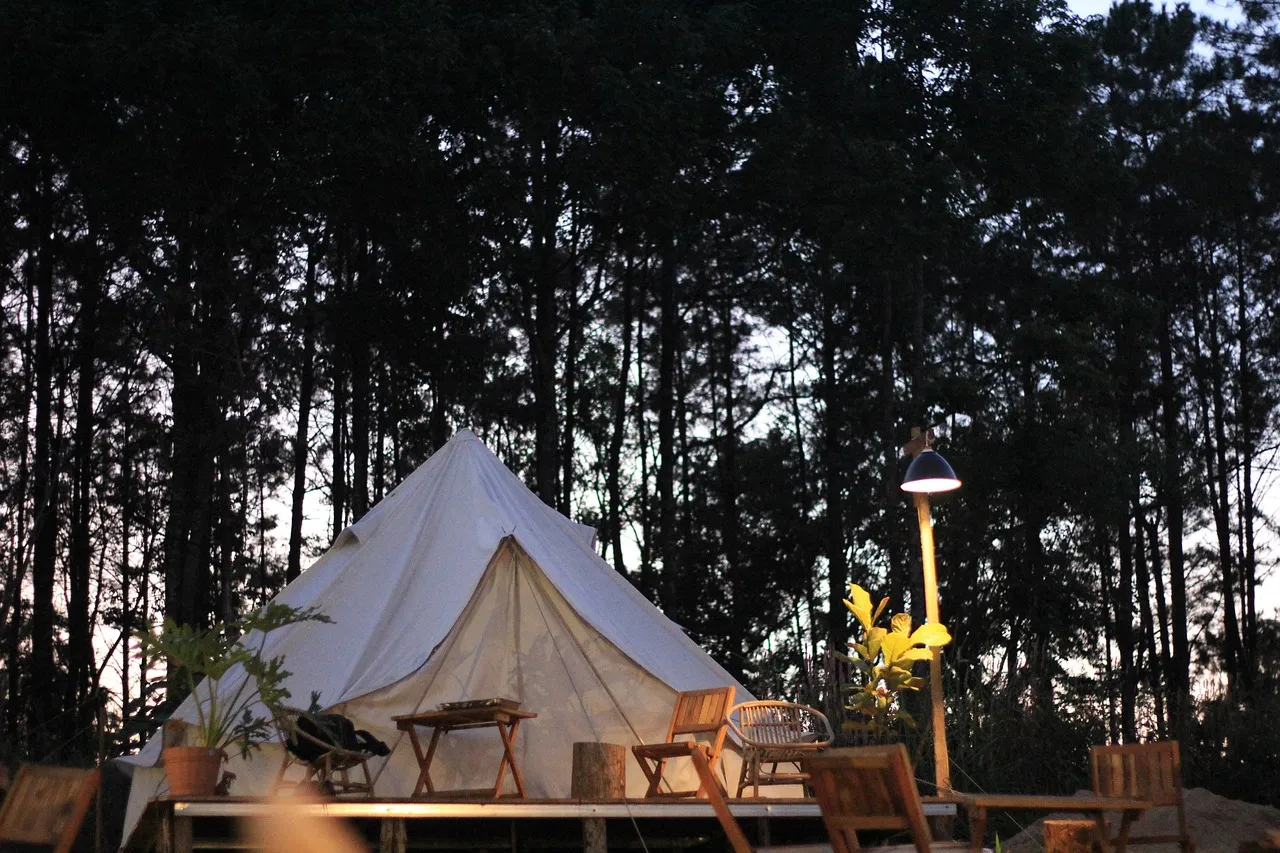
The style of rainforest retreat has shifted noticeably over the past few years. Tent camping remains beloved, but a new generation of glamping properties has arrived across the broader Pacific Northwest to meet growing demand for immersive comfort. Canvas glamping tents bolstered by wooden frames and set on elevated platforms offer king-size beds, gas fireplaces, and indoor and outdoor seating areas.
Some properties include an adjoining bathroom tent where guests can shower or sit in a stand-alone soaking tub with views of the surrounding Douglas Fir forest, while amenities can extend to hot tubs, indoor swimming pools, spas, and adventure parks with zip lines and sky bridges. The idea is not to hide from nature but to be fully surrounded by it without sacrificing rest.
Kalaloch and Ruby Beach: The Rainforest Meets the Sea
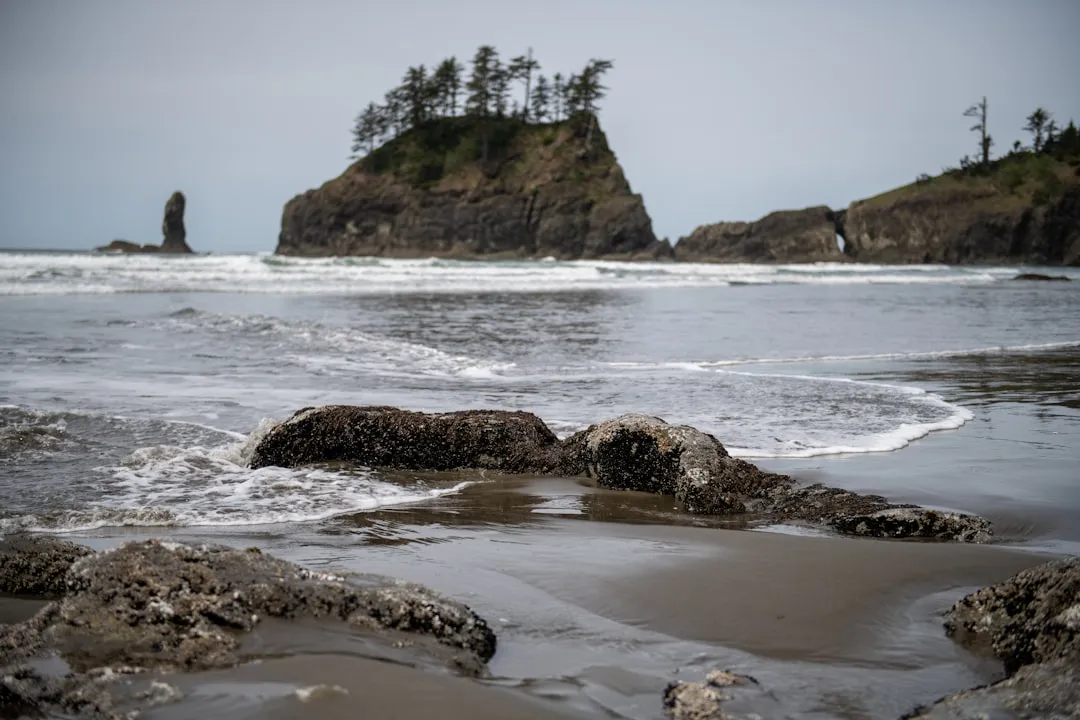
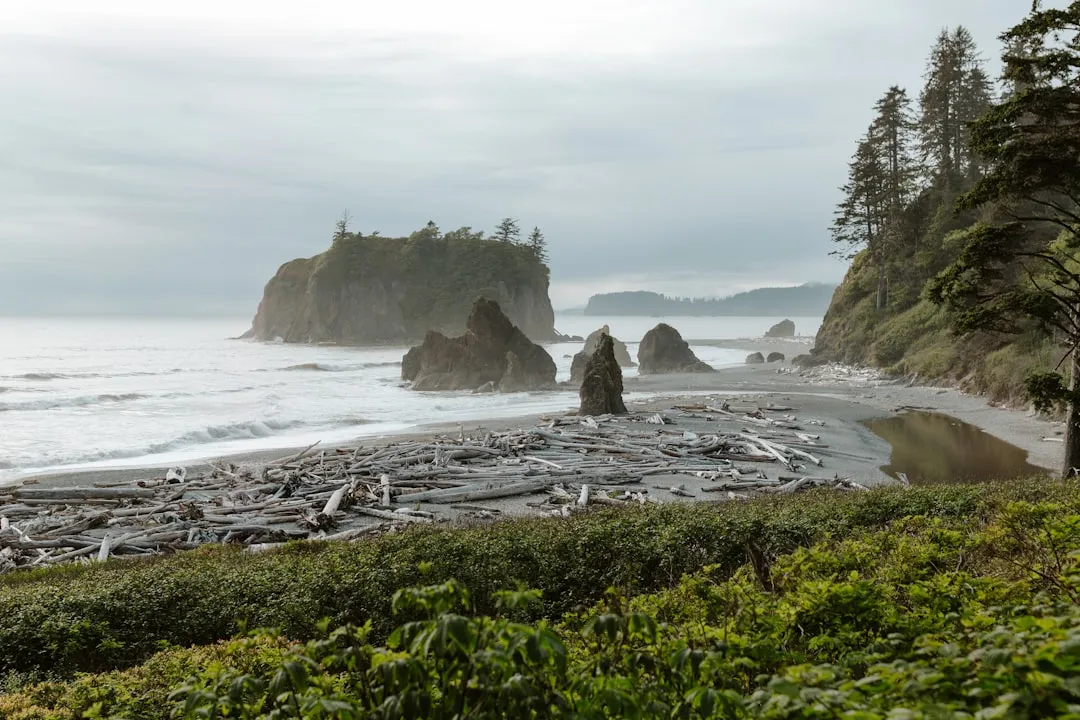
One of the genuinely surprising features of the Olympic Peninsula rainforest corridor is how quickly the forest gives way to raw Pacific coastline. Kalaloch and Ruby Beach are both very near the rain forests, and in the fall and winter months are all but deserted, making them perfect for quiet getaways in Washington state.
Perched dramatically on ocean bluffs, Kalaloch Lodge Cabins offer breathtaking views of the coast and easy access to rainforest hikes, with this rustic retreat placing nature above luxury and providing a wallet-friendly escape where the location is the true star. Watching the sun drop into the Pacific after a day walking beneath 200-year-old Sitka spruce is the kind of contrast that stays with you for weeks.
Tofino, British Columbia: The Rainforest Retreat That Crosses the Border
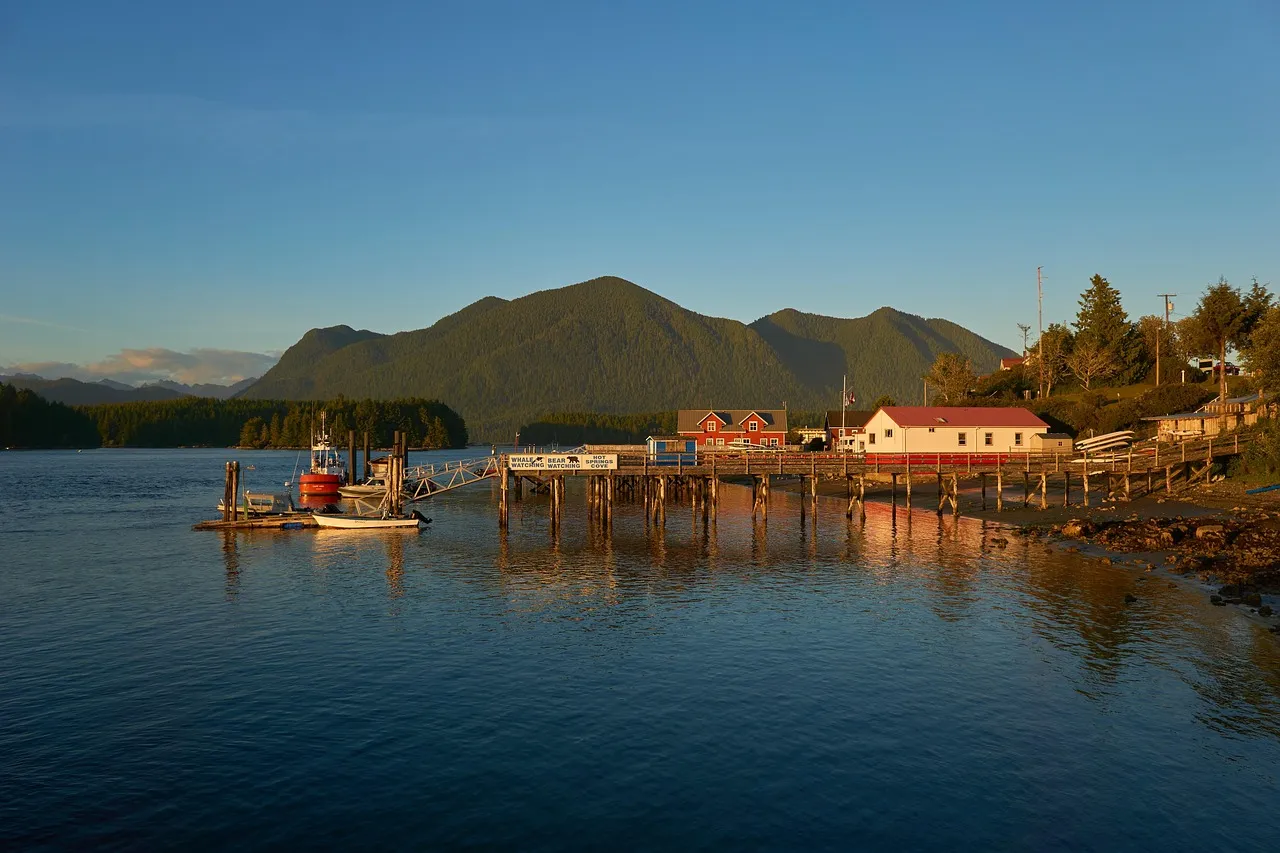
Just across the border on Vancouver Island, Tofino has become a beloved destination for Pacific Northwesterners willing to drive or fly a little farther for a more dramatic combination of ancient forest and surf coast. An ancient rainforest and the Pacific Ocean frame this remarkable destination, complete with the Ancient Cedars Spa and coastal dining, where visitors can watch the waves crash into shore during the stormy fall and winter months or during summer, when the town becomes one of the hottest surf destinations in the Pacific Northwest.
Tofino provides an entrance point to the Tonquin Trailhead, where you can slip through rainforest trails to find Tonquin Beach or hidden coves like Third Beach. The trails here feel decidedly less crowded than those on the American side, at least midweek. Weekends draw their own devoted crowd of locals from Victoria and Vancouver.
The Science Behind Why These Weekends Actually Work
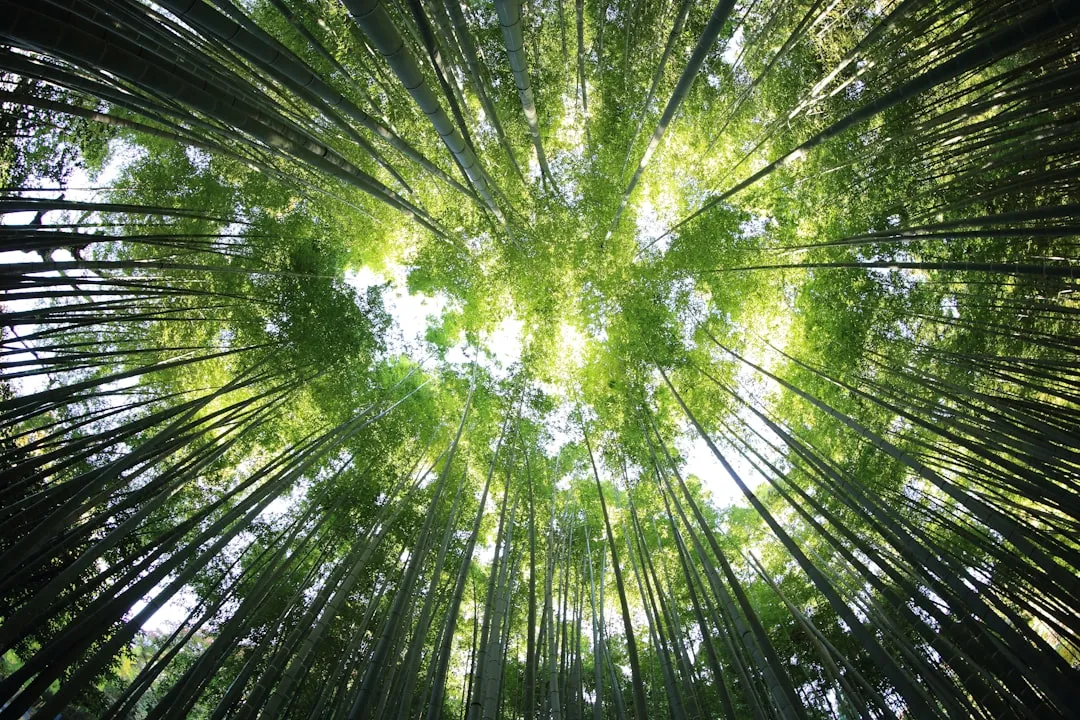
The appeal of a rainforest weekend is real and measurable, not just poetic. Research findings have revealed that forest bathing interventions might improve mental and physical health, reduce blood pressure, improve sleep quality, boost immunity, and alleviate depression, anxiety, and stress. This body of evidence has grown considerably through 2024 and 2025.
Research has demonstrated that forest bathing can considerably alleviate symptoms of depression and anxiety, eliminate negative emotions, and promote mental wellbeing. A 2025 review published in Frontiers in Public Health was noted at the American Psychiatric Association’s 2025 annual meeting, where experts observed that forest medicine is gaining acceptance as an additional lifestyle option for patients.
Shinrin-Yoku, a nature-based practice that originated in Japan, involves mindful immersion in forest environments, combining exposure to natural ecosystems with techniques such as mindfulness and guided relaxation. Pacific Northwesterners have been practicing their own version of this for generations, even without the clinical name for it.
Fall and Winter Retreats: The Seasons Most Outsiders Miss
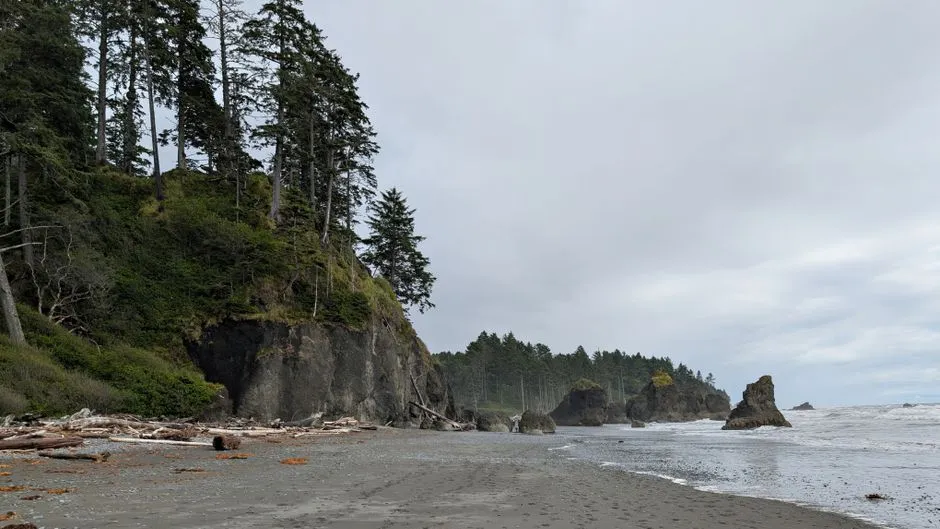
Many who visit the Pacific Northwest rainforest for the first time assume summer is the prime season. Long-time locals know better. Fall colors in Olympic National Park start to change in mid-to-late October and peak in early November, with the contrast of red, orange, yellow, and green creating overwhelmingly colorful scenes.
Olympic National Park’s temperate climate establishes it as one of the best fall getaways from Seattle or Portland, and hiking is good in the Hoh Rainforest year-round. Winter visits have their own appeal: fewer people, lower accommodation rates, and a forest so deeply saturated with color and moisture that it feels almost luminescent. The rain, rather than being an obstacle, becomes part of the experience itself.
The One Square Inch of Silence: A Landmark Worth Knowing
The protected portion of the Hoh Rainforest includes the “One Square Inch of Silence,” a one-square-inch monument marking what it deems the quietest place in the United States. It’s a small physical marker, but the idea behind it resonates deeply with why people keep returning to this forest on their weekends.
In a region of growing cities and constant connectivity, the Hoh has become a counterweight. The designation was placed in 2005 as part of a broader advocacy effort for noise control, but its symbolic meaning has only deepened. People travel specifically to stand near it and simply listen. That willingness to drive three or four hours for the sake of quiet says something honest about what modern life costs us.
The Takeaway
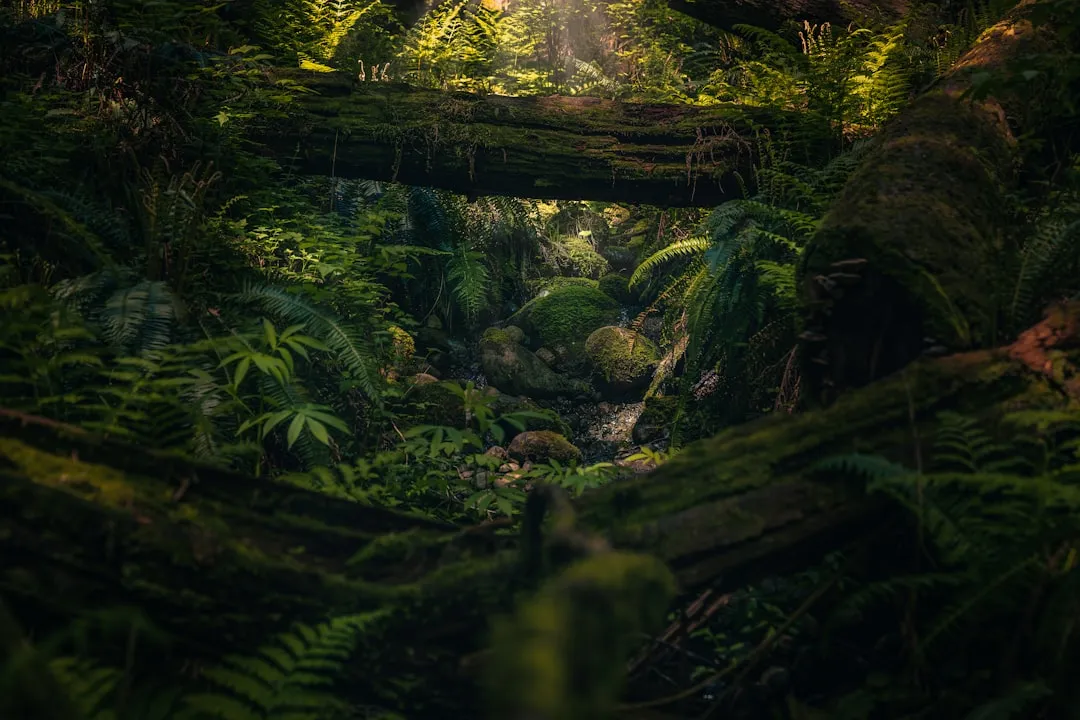
The Pacific Northwest rainforest retreat is not a trend in any fashionable sense. It predates wellness tourism, glamping platforms, and forest bathing research by several decades. What science has done is confirm what many people in this region already understood intuitively: time in an ancient, rain-soaked forest restores something that cities quietly take away.
The Hoh Rainforest is open year-round, and rain or shine, visitors can access this temperate rainforest. That accessibility is part of why it has become such a dependable weekly ritual for so many. The forest doesn’t close for bad weather. It doesn’t ask you to plan ahead. It simply waits, in its slow and patient way, for you to come back.
AI Disclaimer: This article was created with the assistance of AI tools and reviewed by a human editor.