

There’s something almost ritualistic about the way Southern Californians head for the coast each weekend. Not the wide, flat, crowded beaches of summer postcards, but the quieter pockets: the coves, the hidden stairwells, the tide-washed rock shelves that require a little effort to reach. These places don’t announce themselves. They reward those who seek them.
From Orange County to San Diego, a handful of coastal coves have become beloved refuges for locals looking to reset before the week begins again. Each one offers something a little different, whether that’s marine life, rugged cliffs, sea caves, or simply the sound of water against stone with nobody else around.
Crystal Cove State Park: Orange County’s Crown Jewel
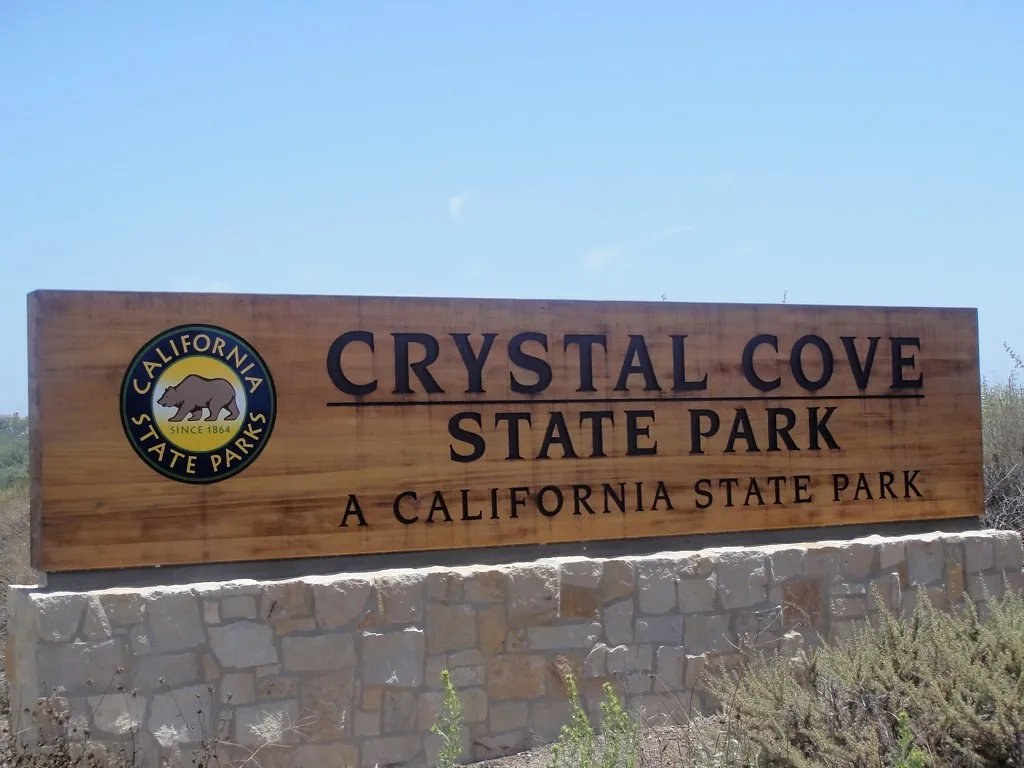
Crystal Cove State Park is one of Orange County’s largest remaining examples of open space and natural seashore, featuring 3.2 miles of beach, 2,400 acres of backcountry wilderness, and an offshore underwater area. It also includes the federally listed Historic District, an enclave of 46 vintage rustic coastal cottages originally built as a seaside colony in the 1930s and 40s.
It’s no wonder this park attracts over 2 million visitors yearly. Visitors can enjoy various activities, such as hiking, camping, scuba diving, and exploring tidepools. The scale of the place is genuinely surprising for somewhere so close to suburbia.
Crystal Cove State Park’s rolling surf, sandy beaches, tidepools, gently sloping hills, and deeply wooded canyons and ridges provide a delightful contrast to its urban surroundings. Arriving early on a weekend morning, before the PCH parking lots fill, is the single best piece of advice any local will give you.
La Jolla Cove: San Diego’s Most Famous Sheltered Shore
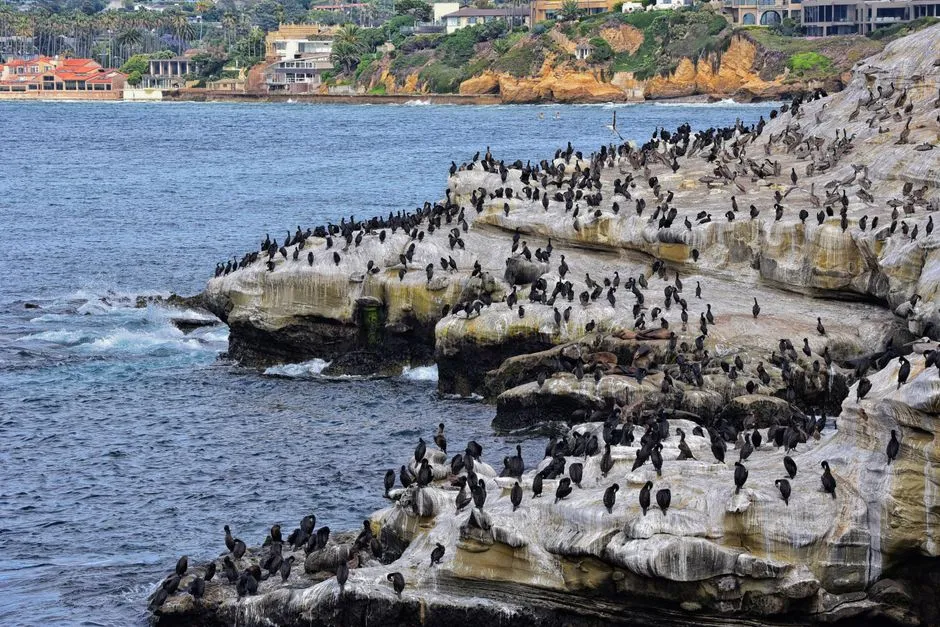
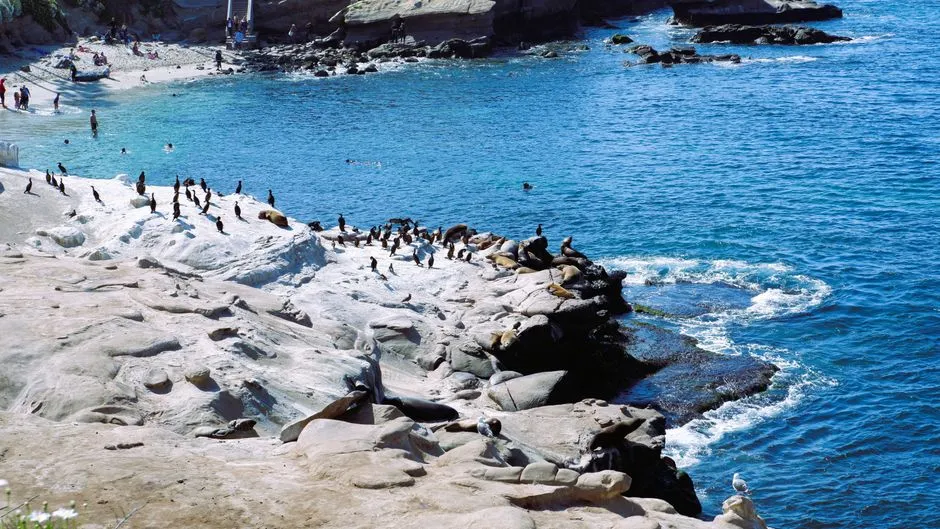
La Jolla Cove is one of the most popular attractions on the San Diego coastline and the heart of the La Jolla community. This small, beautiful beach is famous for its crystal-clear water, California sea lions, and world-class snorkeling.
La Jolla Cove Beach is popular for its access to the San Diego-La Jolla Underwater Park, a protected marine reserve. Snorkelers, divers, and swimmers enter the ocean here to exercise, sightsee, and explore sea life in this underwater park. The underwater visibility can reach up to 30 feet in the right conditions.
California sea lions are present at La Jolla Cove year-round. The primary colony rests on the rocks at the base of the cliffs on the cove’s south side, visible from the overlook path without any descent to water level. The animals are loud, active, and photogenic, a reliable wildlife experience that requires no gear, no preparation, and no entry fee.
Thousand Steps Beach: The Cove That Earns Its Name

Thousand Steps Beach is one of the largest beaches in south Laguna Beach, California. It’s a sandy beach with volleyball courts, restrooms, and tide pools and even sea caves to discover. The descent to it feels like a small commitment, and that’s part of the appeal.
The actual number of steps is 223. Laguna Beach attracts a lot of tourists in the summer, but Thousand Steps Beach has been one of the “locals only” places. The staircase is a natural filter, keeping casual visitors away and rewarding those willing to make the climb back up.
The main attractions of the beach are two human-made pools that collect water during high tide and warm it up during low tide. Watching the sunset at Thousand Steps Beach pool is a priceless experience. Reviewers consistently recommend timing visits for low tide, arriving early, and wearing proper footwear.
The Underwater World: What Draws Snorkelers Back Weekly
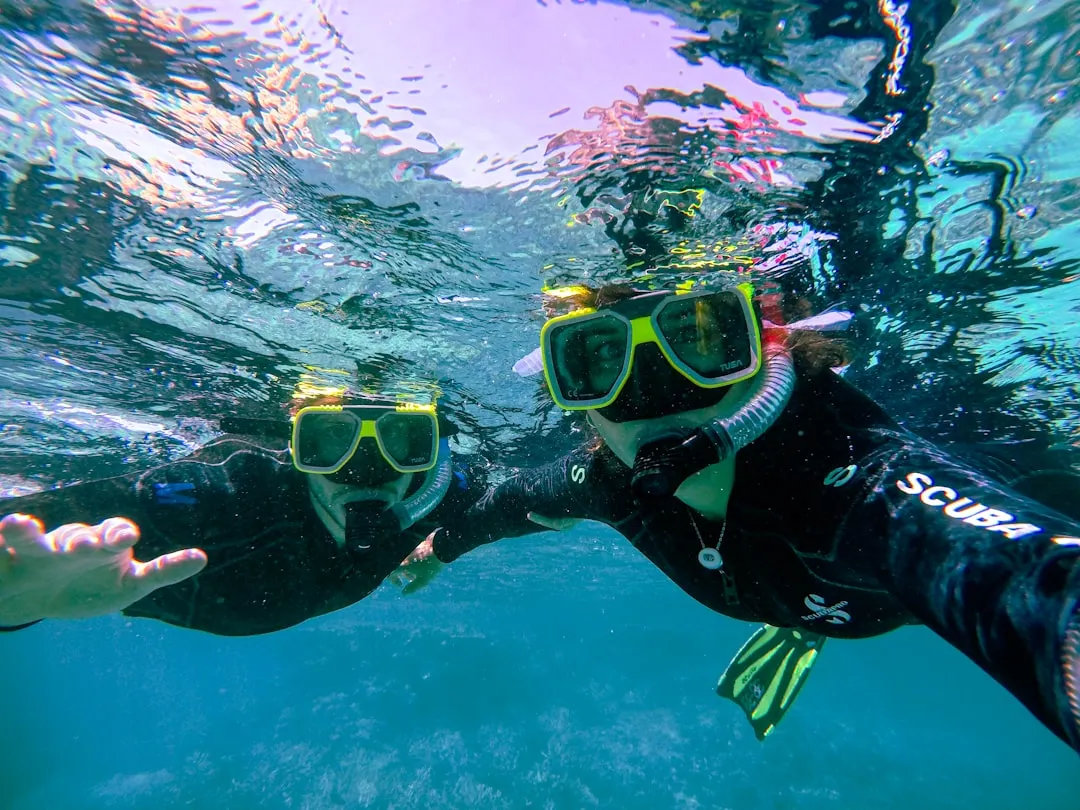
Good visibility lets divers and snorkelers see bright orange Garibaldi, California’s state fish, guitarfish, kelp bass, sea stars, anemones, and more amazing marine life that live in the kelp beds, sand flats, and submarine canyons. For many Southern Californians, this is the closest thing to a tropical diving experience without leaving the state.
The nearby submarine canyon brings deep-water species surprisingly close to shore. Leopard sharks gather in the shallow, warm sandy flats just offshore at La Jolla Shores seasonally, typically June through December, with peak aggregation in July and August when water temperatures are highest.
Protected since 1929, the La Jolla Cove Ecological Reserve is teeming with the most beautiful temperate water fish on the West coast. Sea lions and harbor seals have established a rookery inside the reserve. That kind of protected status is what keeps the marine life so consistently present and visible.
Laguna Beach’s Cove Culture: More Than One Hidden Pocket
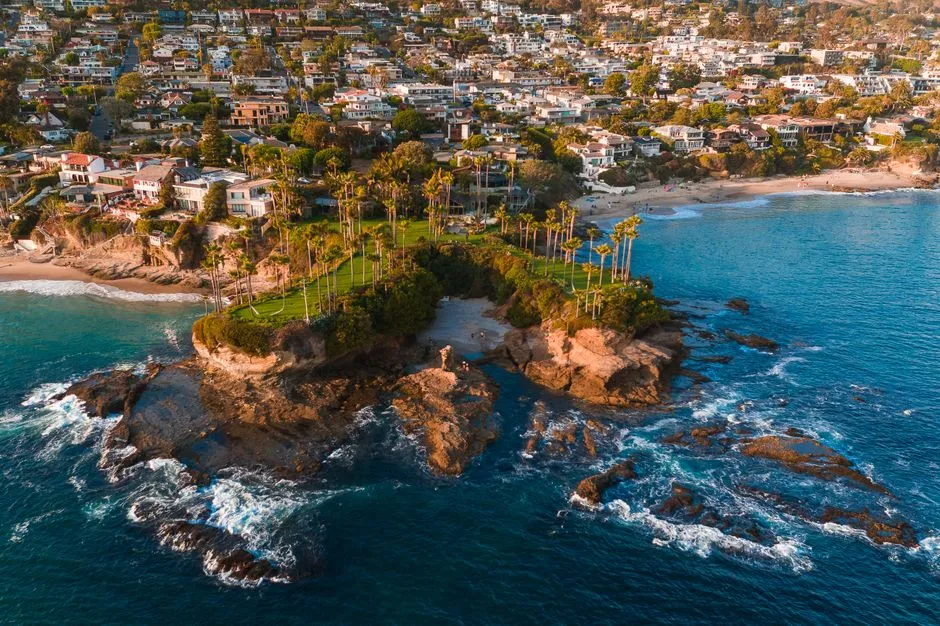
If you bypass the crowded Main Beach and discover the magic of Laguna, you’ll find it in the coves. Unlike LA’s beaches, the coastline here is jagged, broken up by cliffs and tide pools that force you to actually climb down stairs to reach the sand.
The best beaches in Laguna to visit include the Victoria Beach, which is more secluded and has a 60-foot concrete Pirate Tower, and the Thousand Steps Beach for those looking to explore caves and natural coves in the area. Each cove has its own character, its own crowd, and its own rhythm with the tides.
Planning your weekend in late September is a smart move, when the water is still warm but the summer tourists have cleared out. Many longtime locals treat this window as the best-kept seasonal secret on the Southern California coast.
The Backcountry Connection: Hiking Down to the Shore
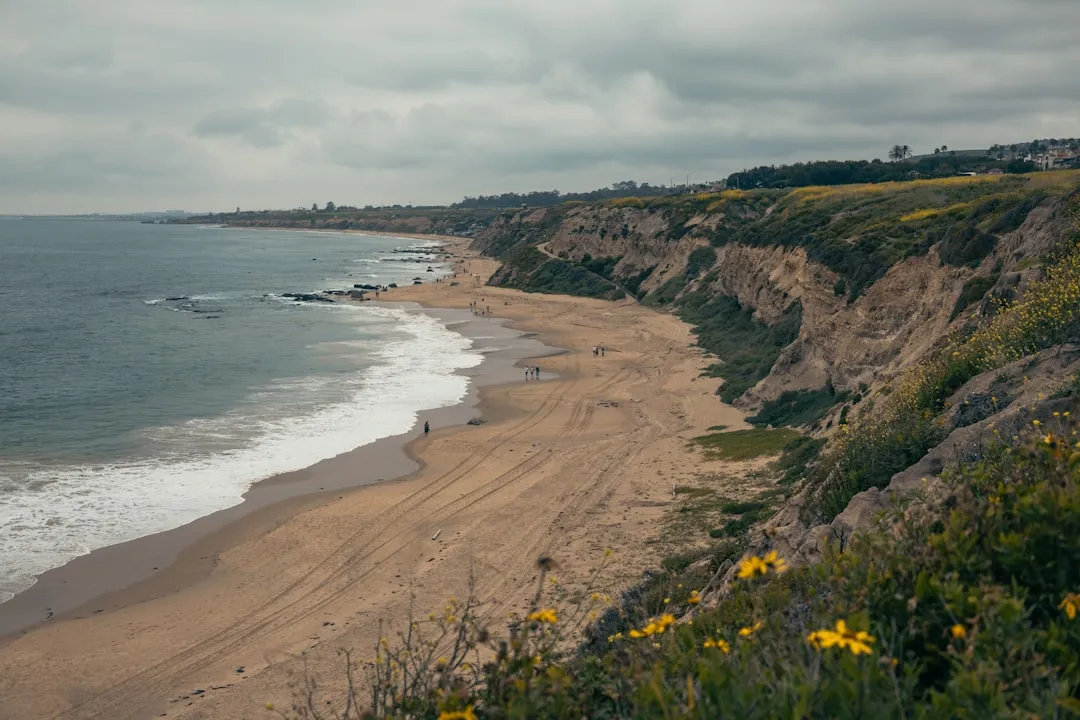
Crystal Cove’s inland portion is a perfect way for visitors to feel they are “away from it all,” despite being near one of the greatest population centers in the United States. Its backcountry consists of 2,400 undeveloped acres of land and over 15 total miles of trails.
Trails are open to hiking, biking, and equestrian use, with a variety of difficulties from quick and easy to long and strenuous. The experience of descending from a canyon ridge to arrive suddenly at the ocean’s edge is one that stays with you. The contrast is almost theatrical.
The park spans over 3 miles of coastline between Corona del Mar and Laguna Beach. It is easily accessible via the Pacific Coast Highway, which runs right through it and provides spectacular views of the ocean and surrounding cliffs. Most hikers are surprised to find themselves at a quiet sandy cove before they even realize they’ve reached the coast.
Sea Caves: The Most Dramatic Feature of the SoCal Coves

At the south end of Thousand Steps Beach there is a cave in the rock wall that you can enter when the tide is out and the entrance is exposed. You can walk all the way through this cave, which is actually a tunnel, to a tiny rocky cove on the other side.
At the end of the beach you’ll find the entrance to a massive 60-foot-tall sea cave. This area is only open at low tide, which is an important factor to check before attempting to visit the tide pools. They typically close the tide pools when the tide goes above roughly 0.7 feet.
You can swim to the La Jolla Caves in a few minutes from the cove, or take a kayak to explore the caves hidden in the rocky cliffs. Both options offer a sense of discovery that’s hard to replicate anywhere along a wide, open beach.
The Historic Cottages of Crystal Cove: A Weekend Ritual of a Different Kind
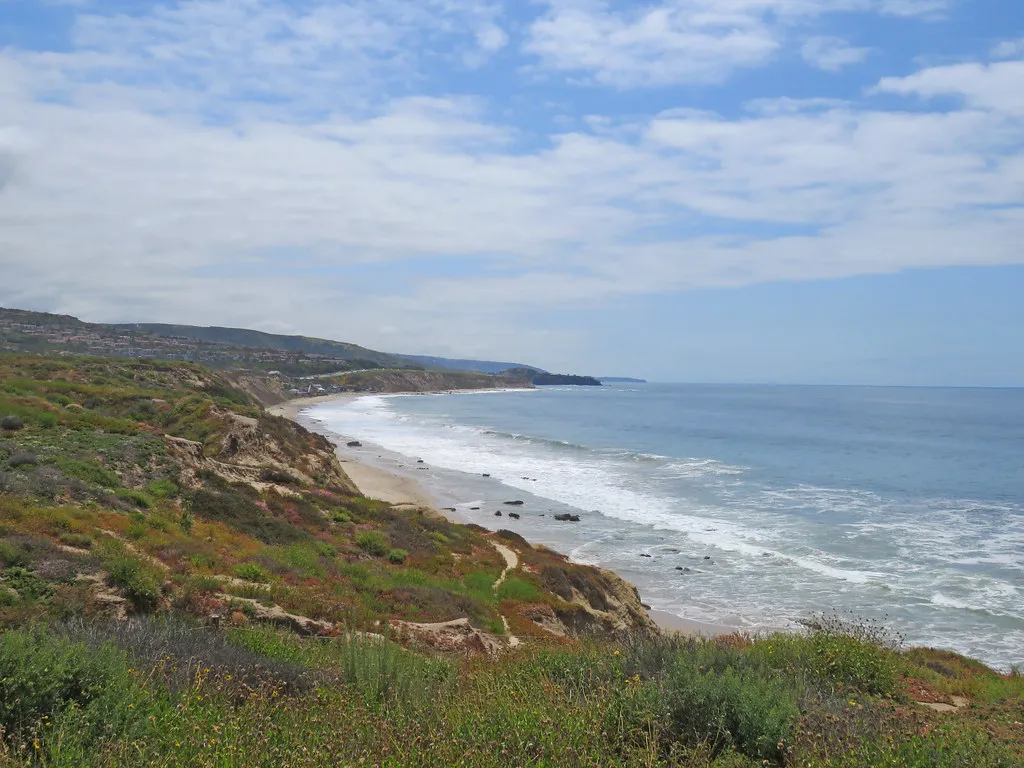
Crystal Cove State Park features the federally listed Historic District, an enclave of 46 vintage rustic coastal cottages originally built as a seaside colony in the 1930s and 40s. These cottages are available to rent, and they book up far in advance. For many Orange County families, securing one for a weekend is a yearly goal.
You can walk all the way to the Crystal Cove “village” of rental cabins, bar and restaurant, and visitor’s center. At the campground, there is also a visitor’s center with maps for the canyon hiking trails. Spending a night here rather than just a day completely changes the pace of the experience.
The sense of place inside the Historic District is genuine rather than manufactured. The cottages have been carefully preserved, and the sound of the surf at night, with no urban hum competing against it, is the kind of thing that brings people back season after season.
Responsible Cove Etiquette: What the Locals Know
Rocky areas of the beach may be closed based on conditions. The taking or collecting of rocks, shells, or marine life from tidepools is strictly prohibited. These rules exist not to restrict enjoyment but to make sure the ecosystems that draw visitors in the first place remain intact.
State and federal law requires humans to maintain distance from marine mammals. You should not approach or attempt to touch them. Sea lions at La Jolla Cove are wild animals, even if they seem accustomed to human presence. Respecting that boundary is non-negotiable.
There aren’t many facilities at some of these beaches, so visitors should bring what they need and take their trash with them when they leave to keep the beach nice. That ethic of leaving no trace is what separates the regulars from the day-trippers, and it’s what keeps these coves feeling like sanctuaries rather than tourist attractions.
Practical Tips: Making the Most of a Cove Weekend
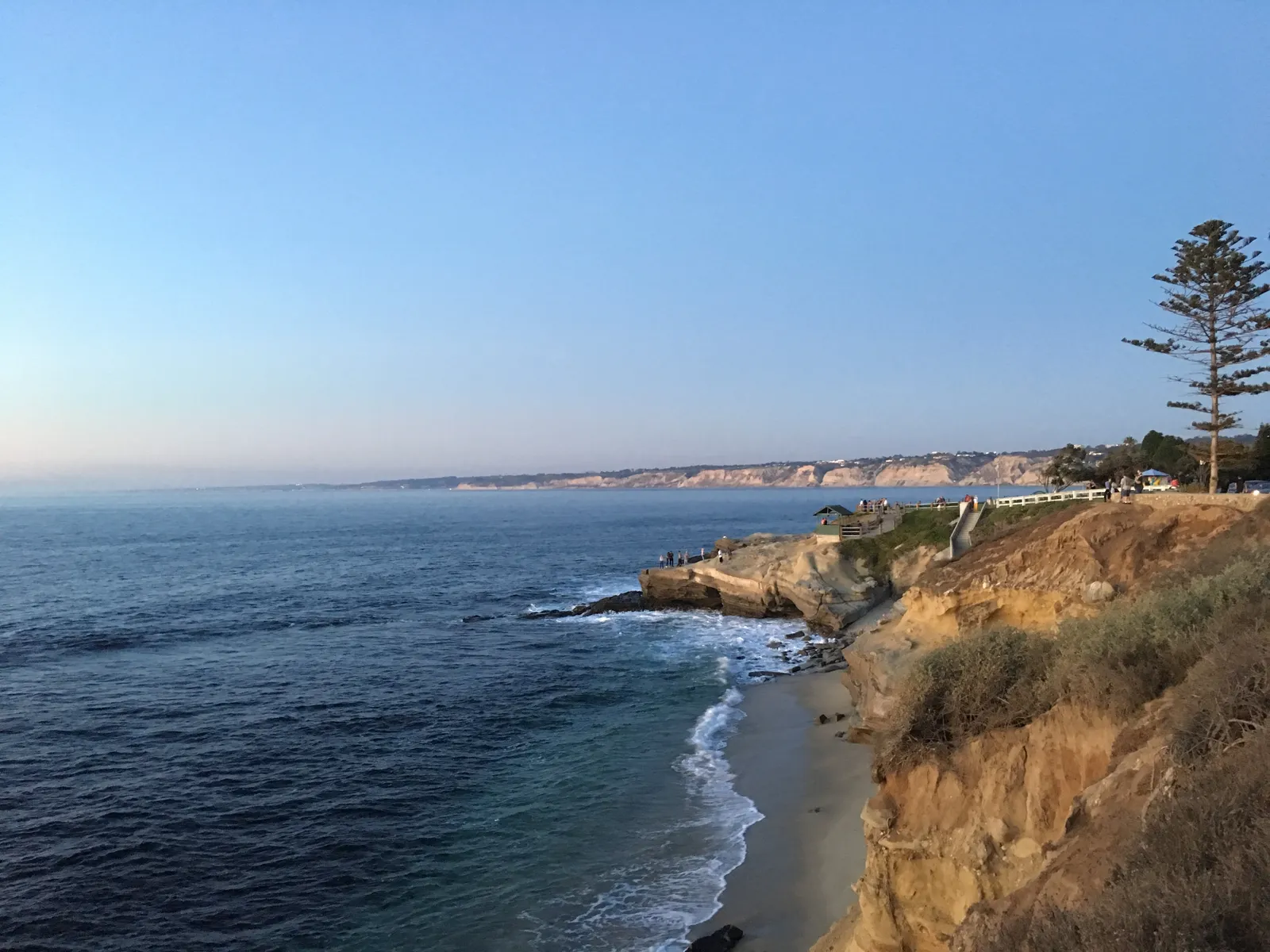
Southern California has over 200 miles of coastline stretching from Malibu to the Mexican border. With that much beach to choose from, picking the right one for your day trip or weekend getaway matters more than you might think. Water clarity, wave size, parking availability, crowd levels, and nearby amenities vary widely from beach to beach.
Parking at La Jolla Cove is metered along Coast Boulevard and Prospect Street. Expect to circle for 15 to 20 minutes on summer weekends. Arriving before 8 a.m. at almost any SoCal cove is the clearest, simplest strategy that actually works.
Spring, from March to May, and fall, from September to November, offer mild weather and fewer crowds at most of these destinations. For anyone flexible enough to visit outside of peak summer, the coves reveal a quieter, more intimate version of themselves that’s genuinely hard to beat.
The Takeaway
The coves of Southern California aren’t hidden in any mysterious sense. They’re on maps, they’re in guides, and they’ve been written about endlessly. What makes them feel like a secret is that reaching them still requires something: a willingness to time the tides, climb the stairs, or simply wake up early enough to get there before the parking fills.
That small amount of effort is, perhaps, the whole point. A cove that takes nothing to reach offers nothing to remember. The ones that make you work a little, that have you checking tide charts the night before and setting an alarm for sunrise, those are the ones you keep going back to. For Southern Californians, that loop of effort and reward, week after week, is what it means to recharge.
AI Disclaimer: This article was created with the assistance of AI tools and reviewed by a human editor.