

Few cocktails carry as much lore, legend, and flat-out contradiction as the margarita. It sits at the top of every bar order in the United States, yet the story of who actually it remains genuinely unsettled. Historians, bartenders, and rival Mexican cantinas have been arguing about it for decades.
What makes the question so fascinating is that the competing stories are not wild fabrications. Each claimant has at least some thread of plausibility, some witness, some partial documentation. The honest answer is that the margarita’s true birthplace may never be confirmed with certainty, but the journey through the evidence is worth taking.
America’s Most Ordered Cocktail Has a Blurry Passport
The margarita is the number one cocktail in the United States by sales volume, per NIQ on-premise data. According to Nielsen CGA’s Cocktail Sales Snapshot for 2023, the margarita accounted for roughly sixteen percent of all cocktail sales in the country. Something that popular deserves a clear origin story. Instead, what we have is a tangle of competing claims, none of them definitively proven.
Because cocktail history often relies on oral tradition, anecdotal evidence, and word-of-mouth stories, it is difficult to pin down exact dates and names. Recipes were rarely written down formally in the 1930s, and local bartenders improvised with available ingredients.
The Daisy Theory: Where the Name Actually Comes From
According to cocktail historian David Wondrich, the margarita is related to the brandy daisy, with “margarita” being the Spanish word for “daisy,” effectively a tequila-based remake of that older drink. It is probable that the margarita cocktail is simply a tequila-based daisy, a family of cocktails made with citrus juice, sweetened with syrup or a liqueur, and fortified with a base spirit that dates back to Victorian times.
The margarita may have evolved from other cocktails, most notably the daisy, which was popular in the early 20th century and has a variety of recipes, the most classic of which is made with ingredients characteristic of a “sour” cocktail. This lineage matters because it suggests the margarita was not so much a sudden invention as a gradual evolution.
The Earliest Documented Evidence: Tijuana, 1936
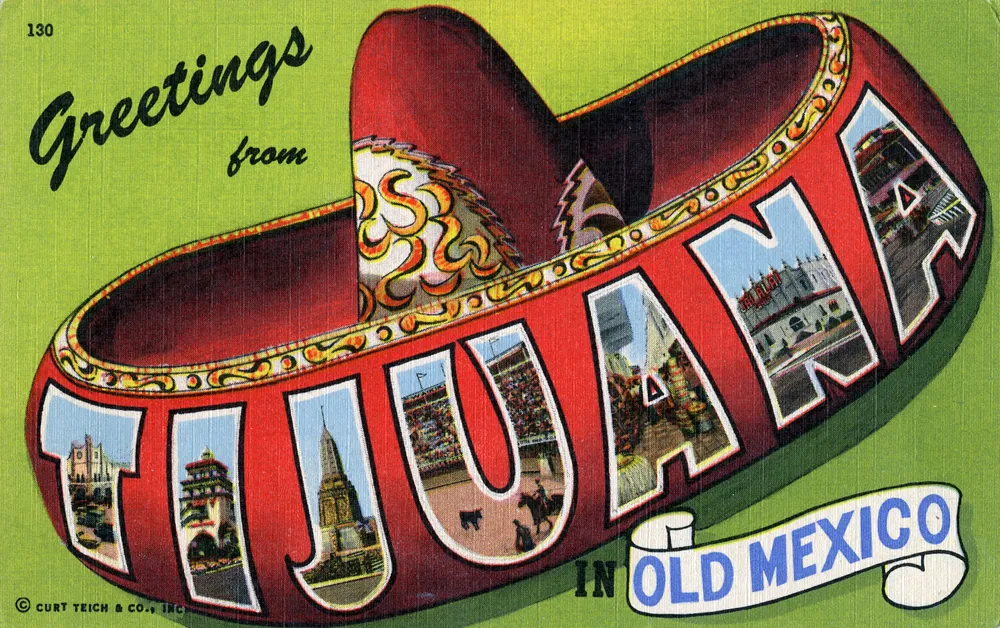
There is an account from 1936 of Iowa newspaper editor James Graham finding such a cocktail in Tijuana, years before any of the other margarita “creation myths.” Wondrich’s 1936 mention of the tequila daisy is considered evidence of an earlier margarita than those claimed by Hussong’s Cantina and Danny Herrera.
David Wondrich also uncovered evidence from 1925 of a tequila daisy at Tijuana’s Turf Bar, where a customer had reportedly ordered a gin daisy. This pushes the drink’s traceable lineage back even further, well before any of the named inventors were mixing at their respective bars. It points strongly toward Baja California as the region where the formula first crystallized.
The British Picador: A Documented Recipe from 1937
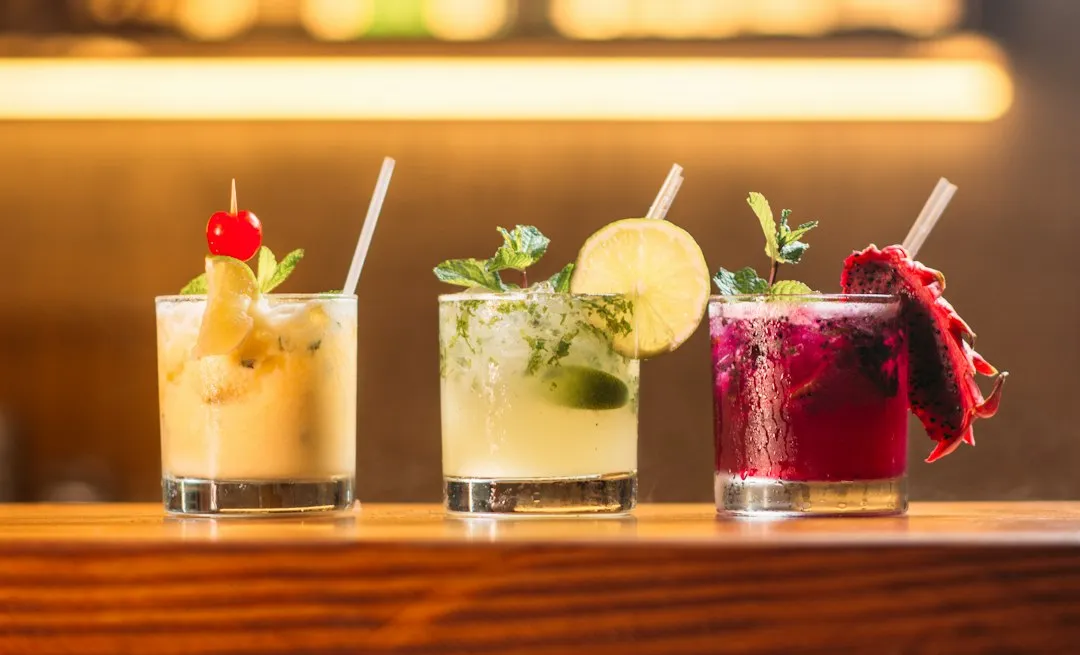
The 1937 Café Royal Cocktail Book by William James “Billy” Tarling includes what is considered a British ancestor of the margarita, called the Picador. This British cocktail was made with tequila, Cointreau, and citrus, and the recipe was published well before most of the named origin stories take place.
The 1937 Café Royal Cocktail Book’s documented evidence from England demonstrates that the specific combination of tequila, lime, and orange liqueur existed before many claimed origin dates. This is one of the few paper trails in the entire margarita debate, which makes it significant even if it complicates rather than resolves the question.
Danny Herrera and Rancho La Gloria
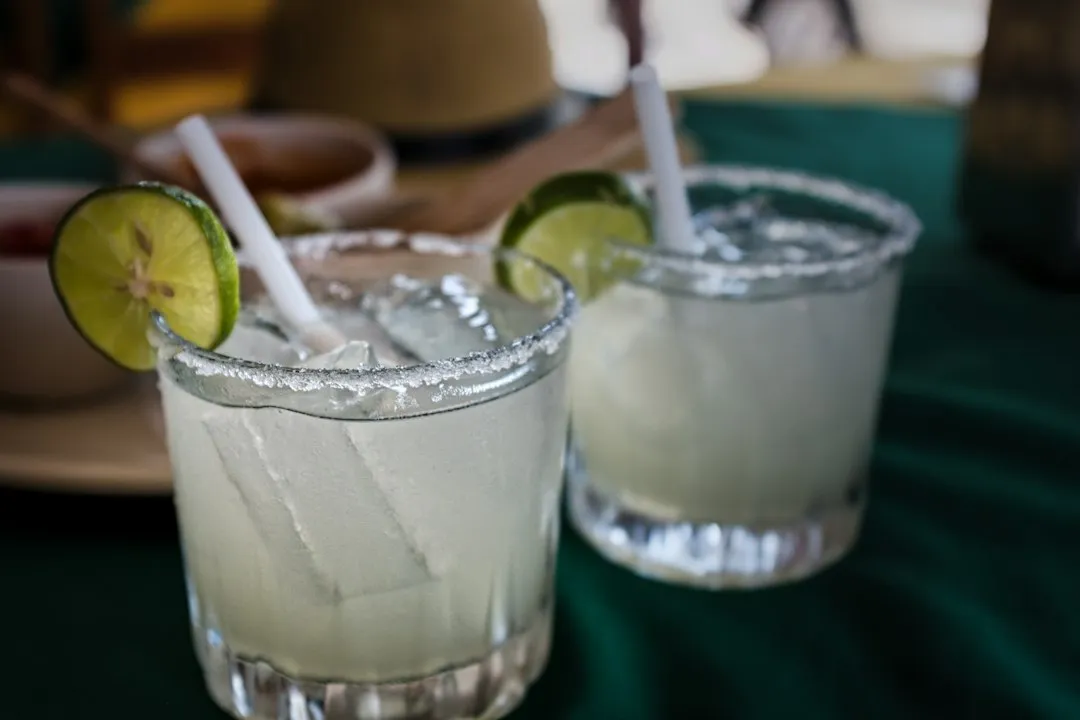
One of the famous origin stories attributes the cocktail’s invention to Danny Herrera, owner of Rancho La Gloria, located between Rosarito and Tijuana in Baja California. As the legend goes, Herrera dreamed up the cocktail for one of his customers, an aspiring actress named Marjorie King, who was allergic to all hard alcohol other than tequila.
The most commonly cited margarita origin story belongs to Carlos “Danny” Herrera, who reportedly created the drink in 1938 at his restaurant Rancho La Gloria. Cocktail historians like Dave Wondrich have examined this account carefully and find it among the more credible origin stories. The detail about Marjorie King’s tequila-only allergy is colorful, and probably too neat to be entirely literal, but the location and timeframe are at least consistent with what historians know about tequila’s growing presence in northern Mexico.
Hussong’s Cantina in Ensenada: A Legendary Rival Claim
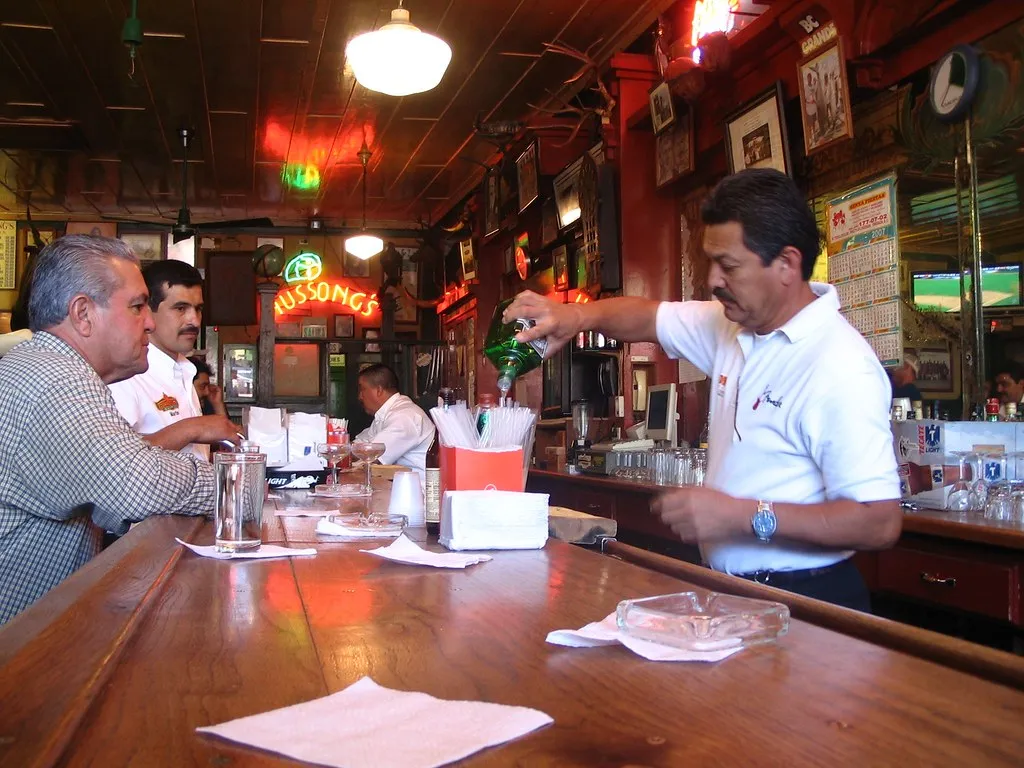
Perhaps the most oft-repeated alternative account links the cocktail to Hussong’s Cantina, a legendary saloon that has been open in Ensenada since 1892. According to this version, the drink originated in Ensenada in 1941, when a bartender named Carlos Orozco was experimenting with a new creation and Margarita Henkel, the daughter of the German ambassador to Mexico, walked in. He named the drink in her honor.
These two stories, involving Hussong’s Cantina and Danny Herrera, have received solid support from their respective communities. However, no incontrovertible evidence has been presented for either claim. Both remain plausible; neither is proven. Ensenada itself leans hard into the Hussong’s story, and the cantina still celebrates its alleged birthplace status to this day.
Pancho Morales and the Happy Accident in Ciudad Juárez
Francisco “Pancho” Morales claimed, with some supporting evidence, that he improvised the cocktail in 1942 at Tommy’s Place in Ciudad Juárez, when an American woman walked in and ordered a Magnolia, a recipe he had forgotten. In an interview, Morales said he invented the drink on the fly when the customer asked for something he didn’t know how to make. He mixed tequila, Cointreau, and lime juice, and the margarita was born.
Mexico’s official news agency Notimex and many experts have said Morales has the strongest claim to having invented the margarita. The spontaneous, improvised nature of his story is actually one reason some historians find it believable. Great cocktails often begin as accidents.
Margarita Sames and the Acapulco House Party
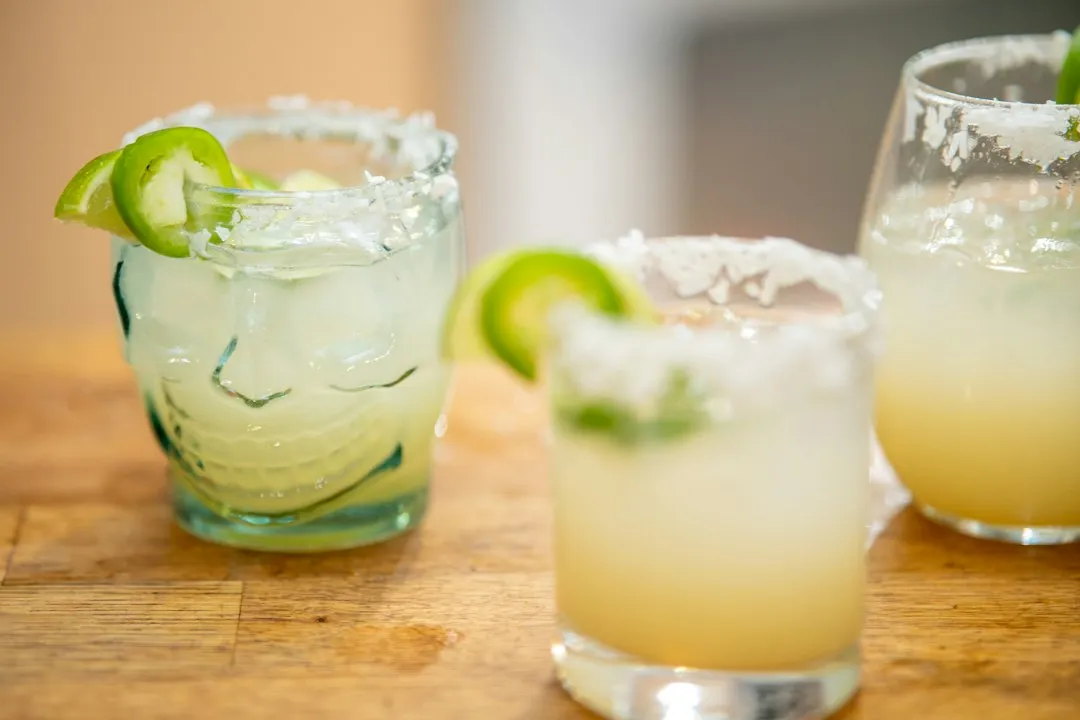
Another top contender for the inventor title is Margarita Sames, a wealthy Dallas socialite who claimed she whipped up the drink for friends at her Acapulco vacation home in 1948. She credited her guests, including hotel figures Conrad Hilton Jr. and Joseph Drown, for popularizing the drink at hotel bars across the country.
According to The Complete Book of Spirits by Anthony Dias Blue, the first importer of Jose Cuervo in the United States advertised with the tagline “Margarita: it’s more than a girl’s name” in 1945, three years before Sames claimed to have invented the drink. That advertising detail quietly undermines her timeline, though it doesn’t eliminate her role in spreading the drink among a certain American social class.
Danny Negrete and the Girlfriend Who Liked Salt
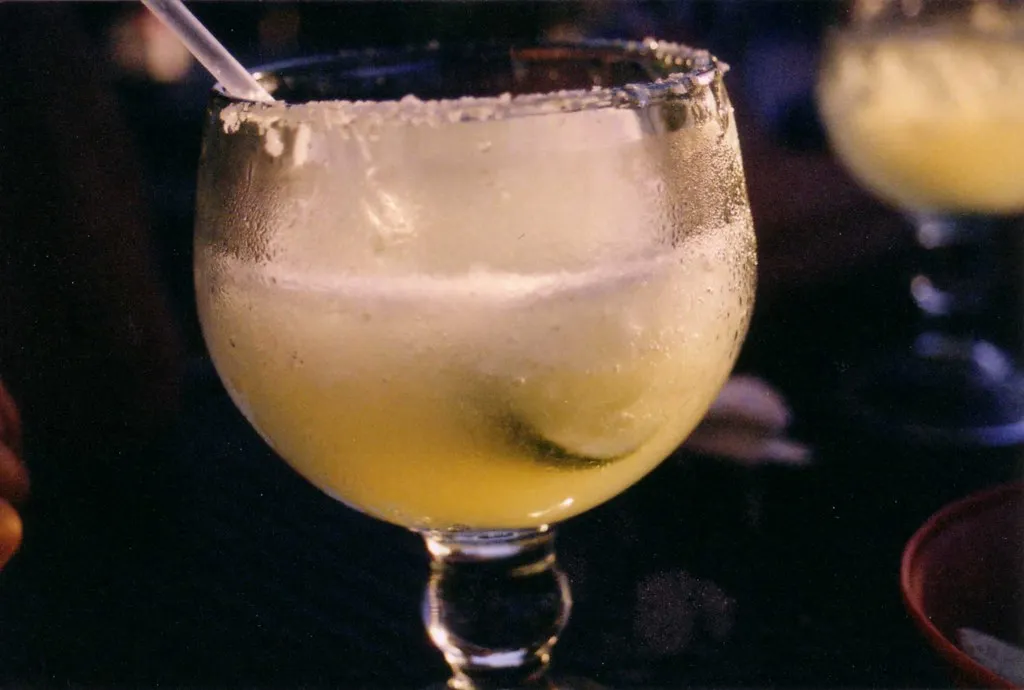
Among early accounts is that the margarita was created in 1936 by David Daniel “Danny” Negrete in Tehuacán, Mexico, where Negrete was managing Hotel Garci Crespo. He supposedly made the cocktail for his girlfriend, Margarita, who loved salty drinks. This version holds that Negrete was the manager of the Garci-Crespo Hotel and created the drink specifically to complement his girlfriend’s love of salt.
It’s a quieter story than some of the others, without celebrities or socialites, but it has a kind of practical ring to it. Someone wanted a salty drink, so a bartender built one around that preference. The salted rim, one of the margarita’s most recognizable features, might owe its existence to exactly this kind of personal accommodation.
The Frozen Margarita: The One Origin We Can Prove
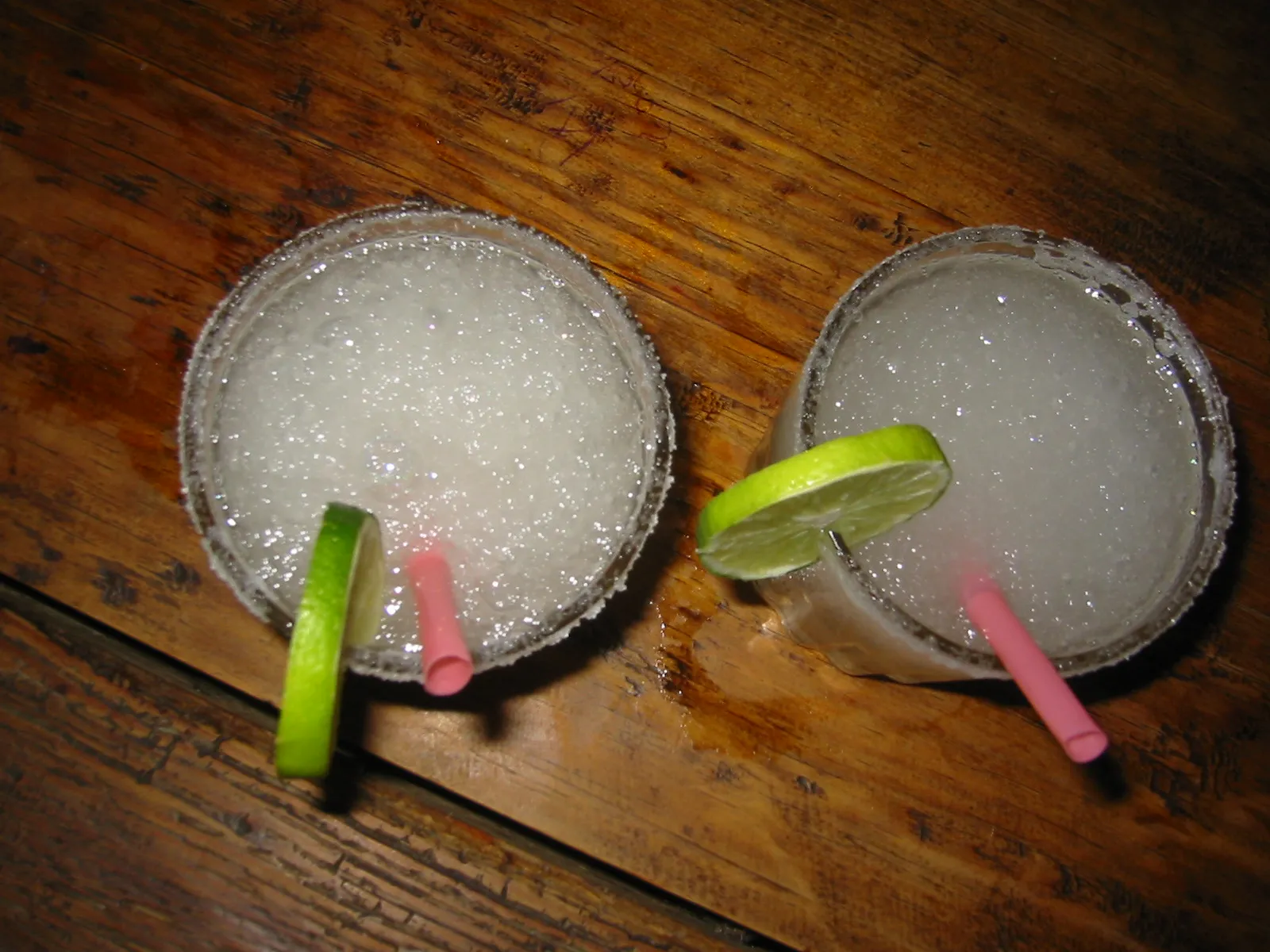
In contrast to the fuzzy genesis of the cocktail itself, the origin of the frozen margarita is well documented. In 2005, the Smithsonian’s National Museum of American History acquired the world’s first frozen margarita machine, invented in 1971 by Dallas restaurateur Mariano Martinez. Despite its early and possibly international origins, the margarita really took off with the invention of that frozen margarita machine. Today, Martinez’s original machine lives in the Smithsonian National Museum of American History.
Drinks International reports that in 2025 the margarita ranked as the most ordered cocktail in the United States and the third most ordered globally. The frozen version democratized the drink, turning it from a bartender’s craft item into a machine-made staple that restaurants could serve quickly and consistently. That 1971 invention arguably did more for the margarita’s mainstream reach than any cantina in Baja California ever could.
The Takeaway: Baja California Has the Best Case, But No Clear Winner
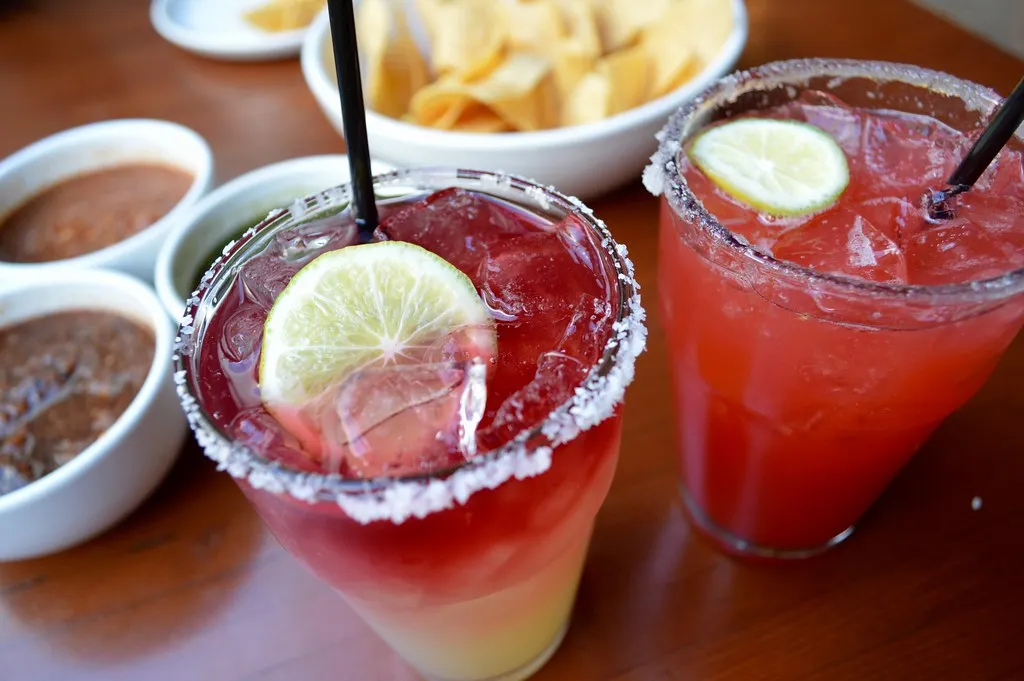
Most margarita origin stories take place in Mexico, with Baja California named in many of the most credible claims. Ensenada was identified as one of the first places where the new cocktail was encountered by outside observers. We may never truly know who invented the first margarita, and it’s entirely possible, probable even, that multiple bartenders recognized the enduring and delicious combination of lime juice, Cointreau, and tequila long before the drink was called a margarita at all.
While theories continue to swirl about which bartender first mixed lime juice, orange liqueur, and tequila, or which cantina can claim to have invented the margarita, the real origin of the cocktail is akin to the origin of the Caesar salad. It emerged from a particular time, a particular border region, and a particular culture of improvisation. The margarita wasn’t invented so much as it was discovered, repeatedly, by people who were simply paying attention to what tasted good.
Perhaps that’s the most honest thing to say about one of the world’s most beloved drinks. Its power was never in the paperwork.
AI Disclaimer: This article was created with the assistance of AI tools and reviewed by a human editor.