
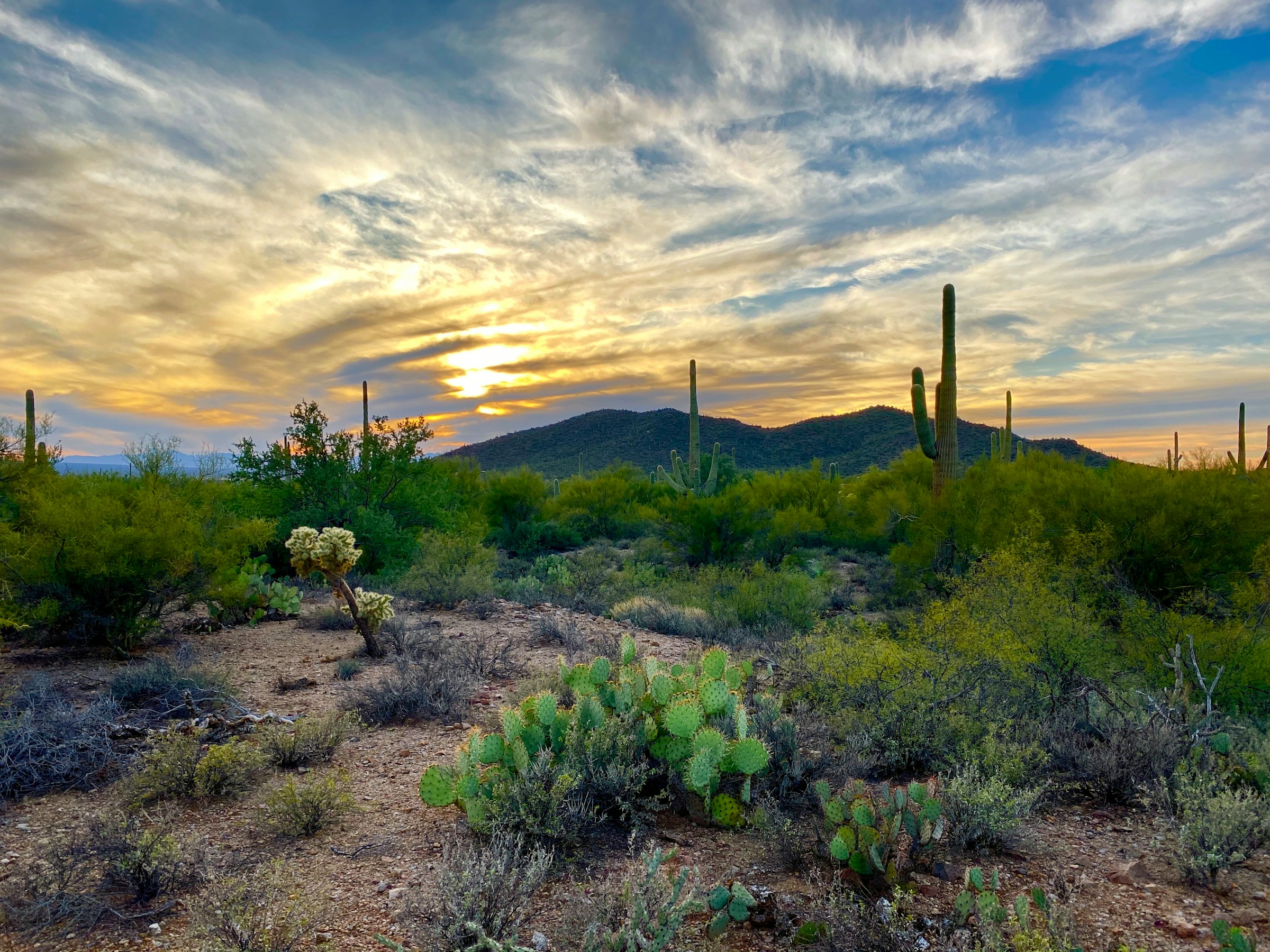
When June arrives in Tucson, the city doesn’t just get warm. It gets serious. In the summer of 2024, Tucson logged 78 days with temperatures reaching at least 100 degrees, a full 23 days more than normal. For families with kids underfoot and no tolerance for the kind of heat that bakes the sidewalk through your shoes, the canyon escapes ringing the city become something more than a nice idea. They become a quiet necessity.
Escaping the heat in Tucson can be as simple as taking a short drive to surrounding natural havens, where higher elevations mean cooler temperatures and lush scenery. The Santa Catalina Mountains, the Santa Rita Mountains, and the riparian corridors close to the city offer families a genuinely different world, often just 30 to 45 minutes from home.
Why Tucson Summers Push Families Out of the City
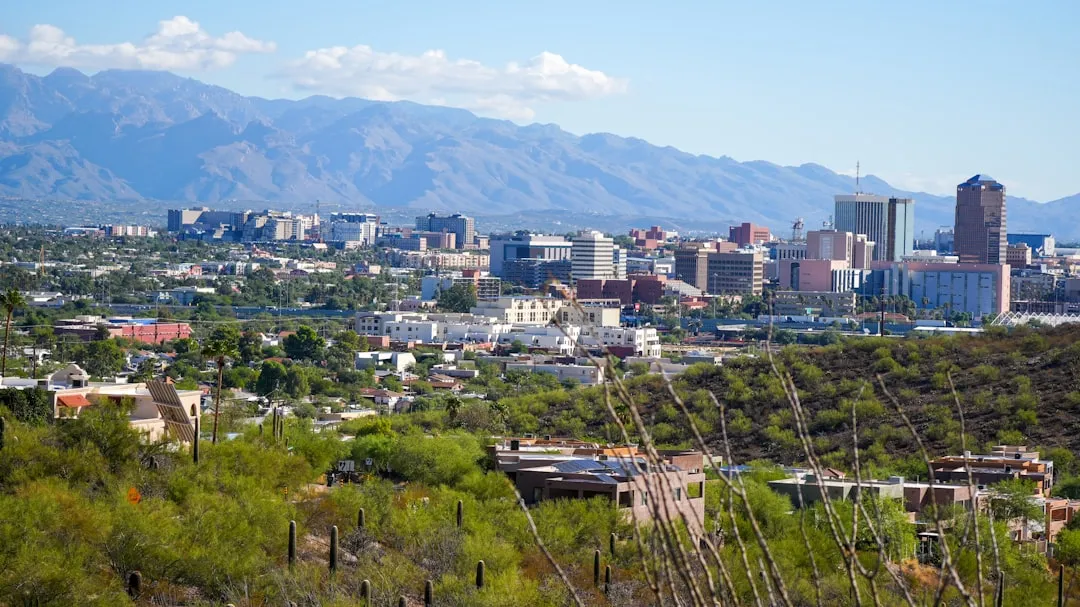
Summer 2024 tied 2020 as the hottest Tucson summer on record, according to the National Weather Service. That kind of heat changes family routines in fundamental ways. Playgrounds go untouched until dusk. School vacation weeks that used to mean outdoor adventure become exercises in staying cool indoors.
The city experienced 38 days in summer 2024 with at least 105 degrees, and a record 67 days where overnight low temperatures never fell below 75. Even evenings offer little comfort. So families who know Southern Arizona learn to go up, not just out.
Sabino Canyon: The Canyon That Became a Tucson Institution
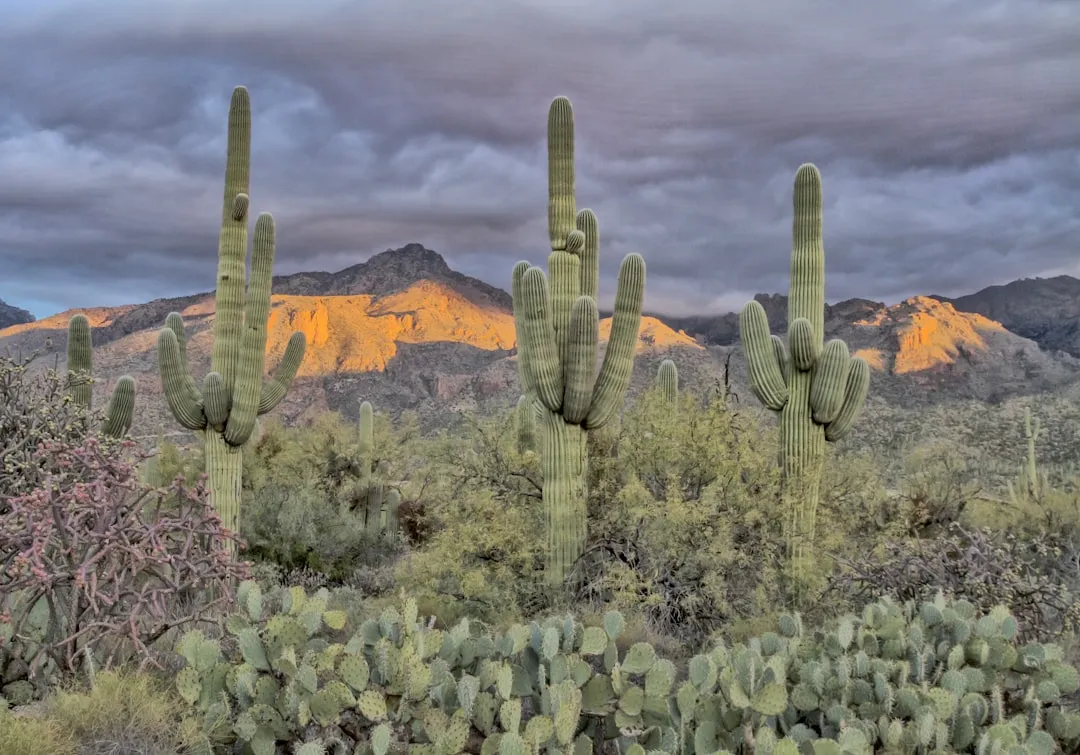
Sabino Canyon is one of the premier natural areas in southern Arizona, located at the base of the Santa Catalina Mountains. It sits at the northeastern edge of the city, close enough for a morning trip but wild enough to feel genuinely removed from urban life. Today, Sabino Canyon draws over one million visitors every year.
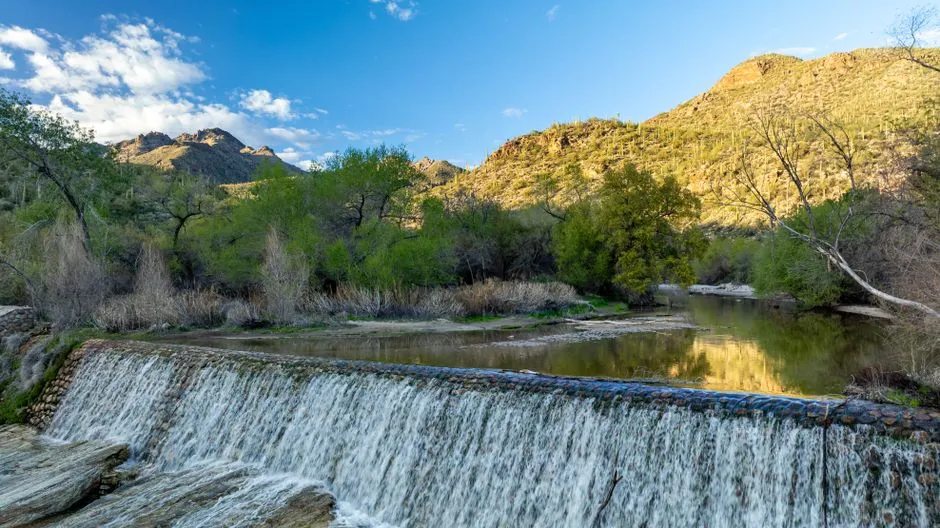
The Sonoran Desert has two rainy seasons: gentle winter rains and a dramatic summer monsoon. Due to winter snowmelt and summer lightning storms, Sabino Creek flows almost year-round. That flowing water is what makes summer visits genuinely rewarding for children. Families often take the tram to the end, walk down toward the creek where kids can play in the stream and natural pools. No matter the season, hiking Sabino Creek and Bear Canyon to Seven Falls is a delight.
The Tram, the Trails, and the Fourteen Ways to Explore
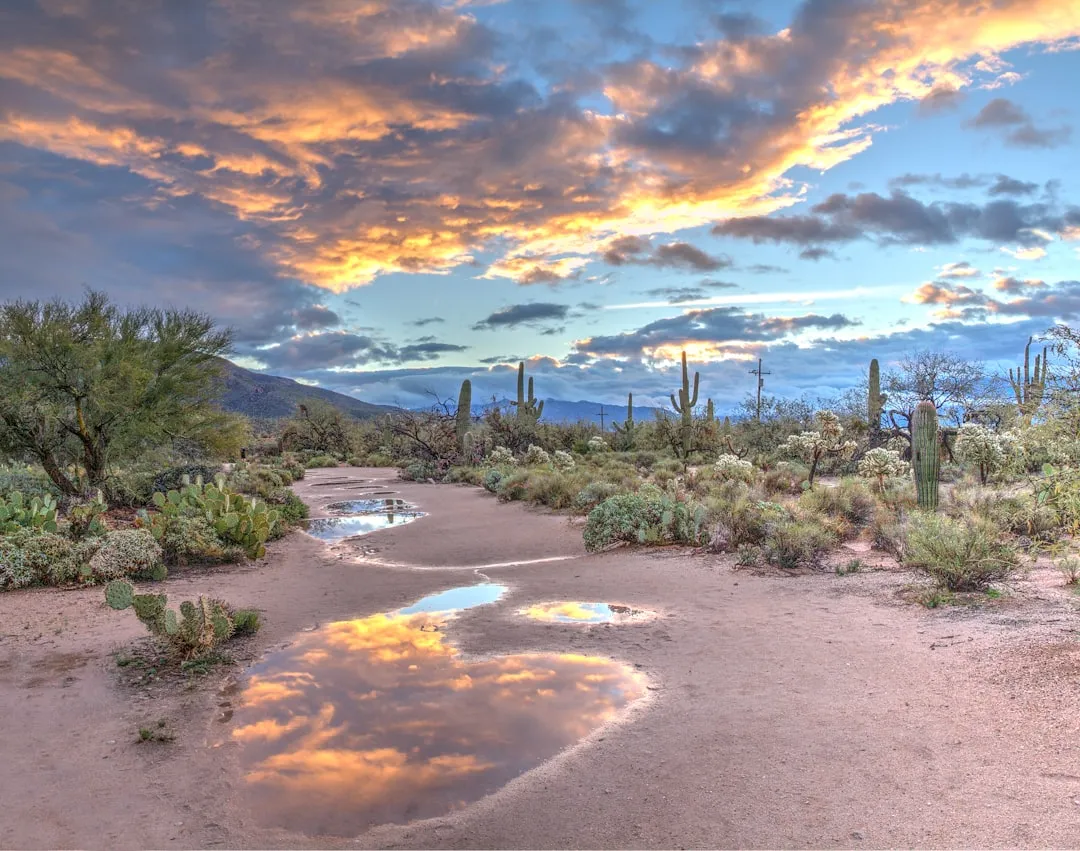
There are 14 trails at Sabino Canyon, a dam that visitors have called Tucson’s Niagara Falls, endless views of desert flora, picnic tables for a scenic lunch, and a shuttle that can carry you through the area. The trail variety is genuinely wide, and most paths are manageable for children of different ages. The canyon provides a diverse range of trails for walking, hiking, and biking for all ages and experience levels, giving visitors the chance to experience something new every time they enter.
The canyon itself has been closed to private vehicles since 1978, which keeps the atmosphere calm and the paths easy to navigate with strollers or young hikers. Bicycles are welcome during specific hours, adding another option for older kids and families who want a longer ride.
The Wildlife That Surprises Visitors Along the Way
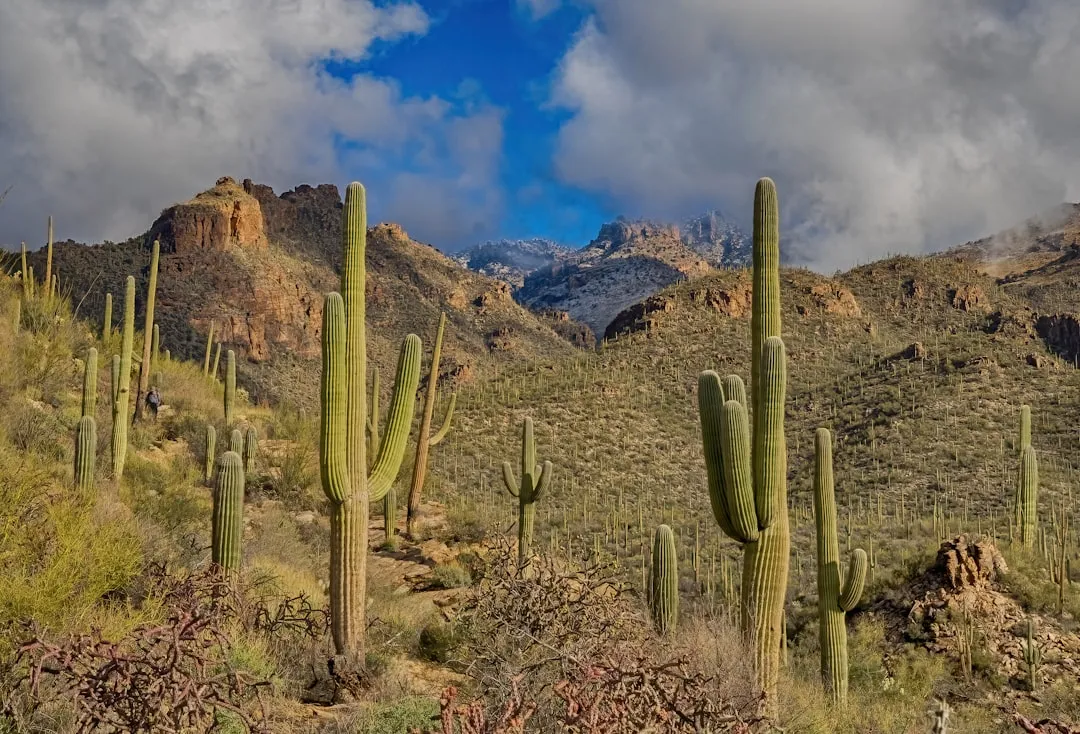
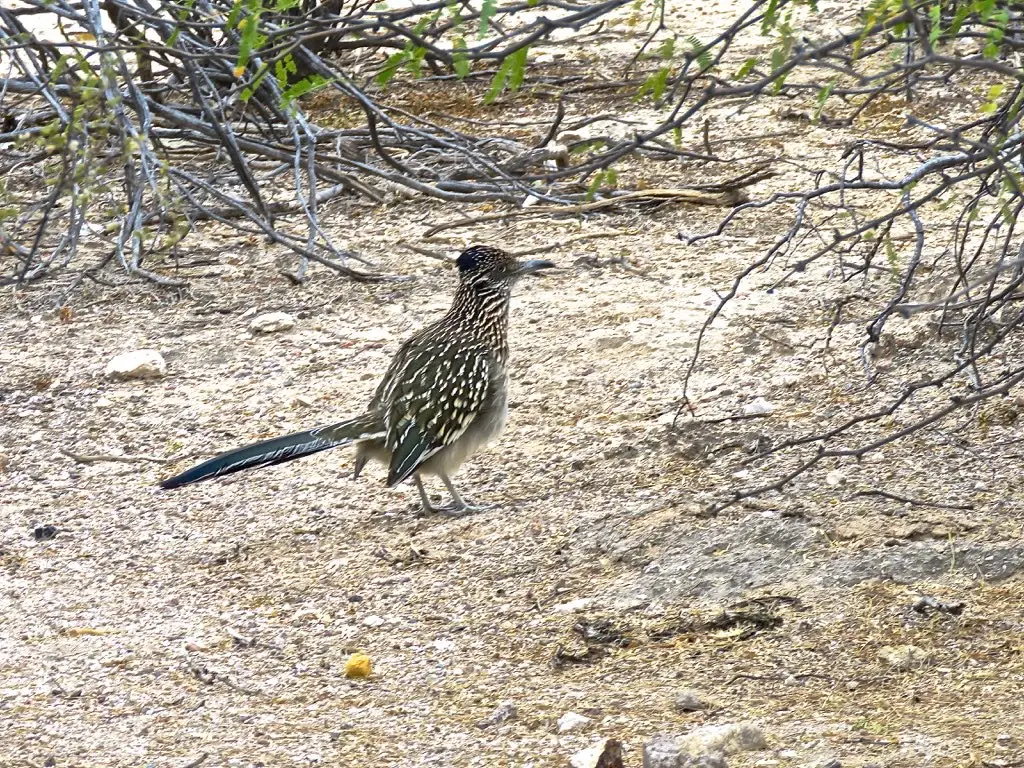
Depending on the time of year, you may see saguaro cacti, palo verde trees, mesquite trees, barrel cacti, rattlesnakes, javelina, jackrabbits, roadrunners, mountain lions, lizards, and hummingbirds. For children experiencing this kind of biodiversity for the first time, that list alone makes the trip feel like a field trip worth planning. Giant Saguaro cacti punctuate the rugged canyon slopes, overlooking a narrow ribbon of Fremont Cottonwoods and Arizona Sycamores along Sabino Creek, while bird species like Broad-billed Hummingbird and Scott’s Oriole join permanent residents in spring and summer.
Between steep rock cliffs and unique desert vegetation, visitors find riparian corridors, and may even encounter a Gila Monster, Bobcat, or other animals adapted to the intense Sonoran summers. Parents should prepare kids for these sightings with age-appropriate naturalist curiosity rather than alarm. The canyon rewards that kind of open attention.
Mount Lemmon and Summerhaven: Where the City Simply Disappears
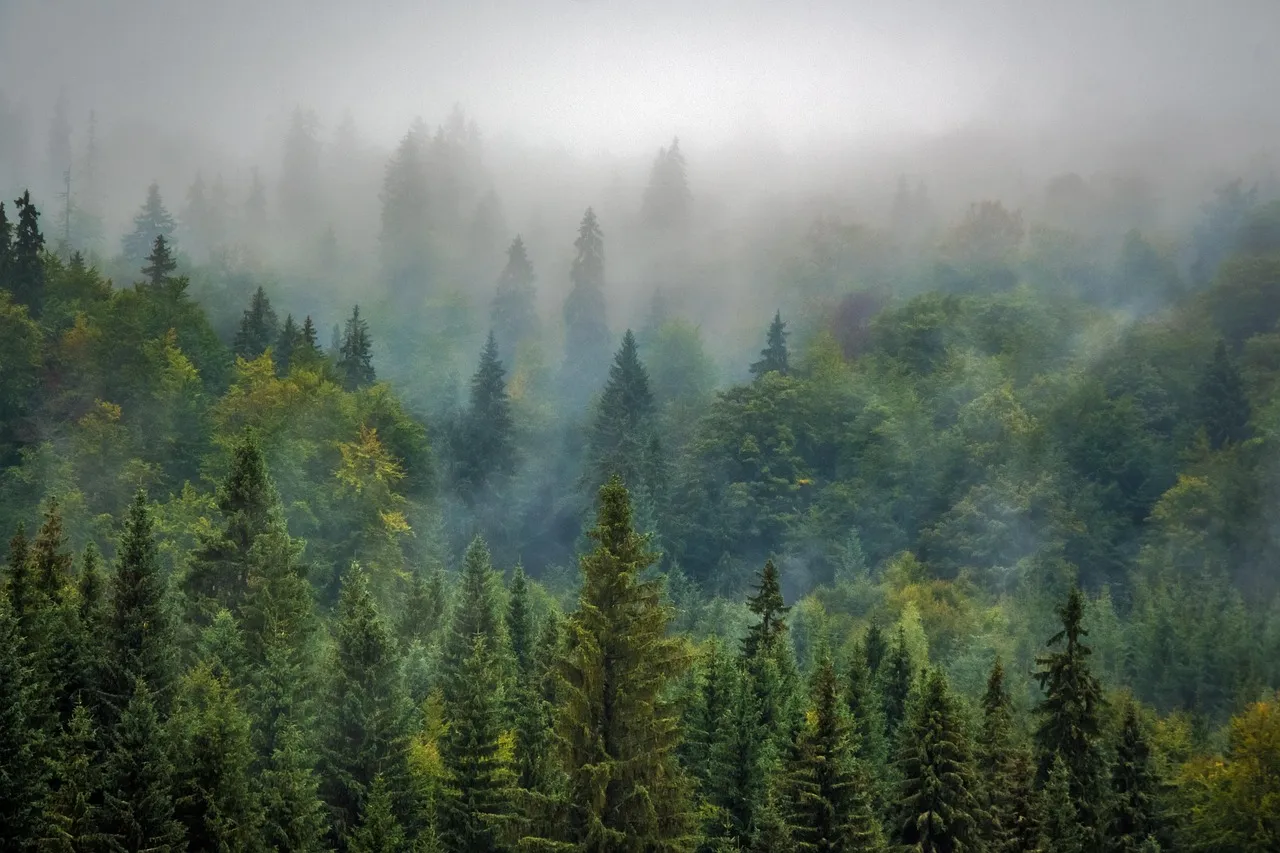
Compared to Tucson, which sits in the Sonoran Desert at about 2,400 feet elevation, Summerhaven is situated high on the 9,157-foot Mount Lemmon. Temperatures on the mountain are 30 to 40 degrees Fahrenheit cooler than Tucson’s. While Tucson was posting temperatures of about 105 degrees, Summerhaven has been measured at a wonderfully misty 67.
The Summerhaven subdivision of Mount Lemmon, Arizona is a community approximately 29 miles north of Tucson in the center of the Santa Catalina Mountains at an elevation of 8,000 feet. The drive up Catalina Highway is itself an attraction, passing through multiple ecological zones, from saguaro-dotted desert to fragrant pine forests. It is very impressive to see the giant cactus along the road, then suddenly they disappear and you find yourself in the midst of pine trees.
What Families Actually Do Once They’re Up the Mountain
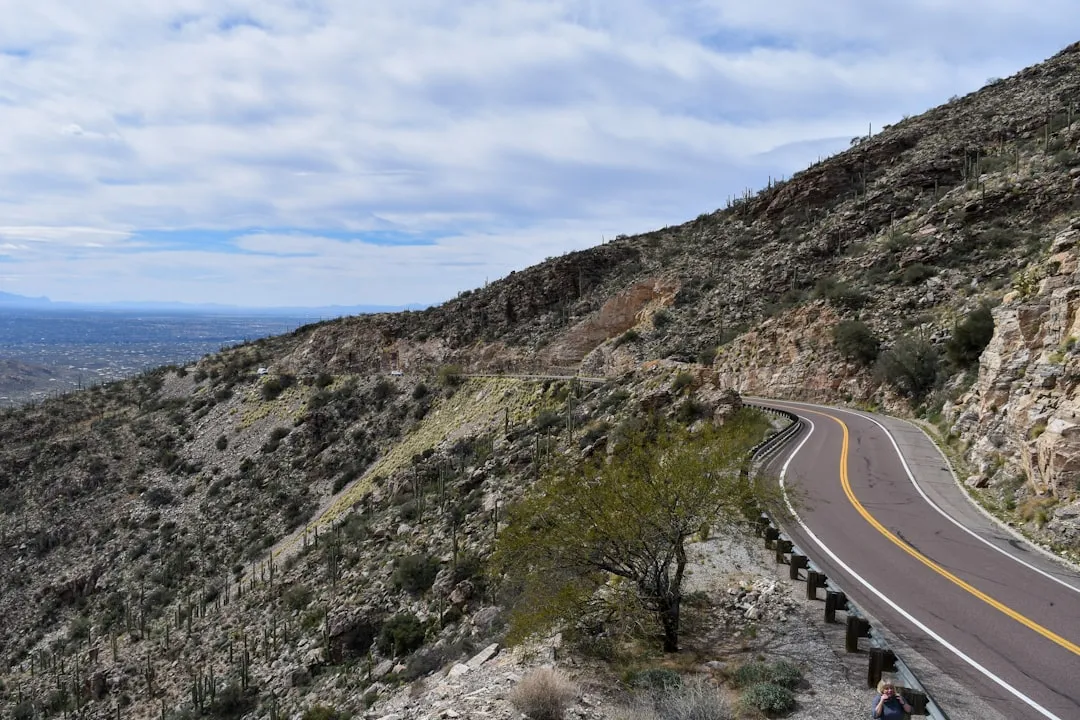
Nature-loving families can explore the cooler temperatures of Mount Lemmon with a scenic drive or by participating in numerous hiking trails. At higher elevation, the mountain provides a refreshing respite from the city’s summer heat and an opportunity for children to discover Tucson’s natural landscapes.
The ski lift runs year-round for panoramic views during the summer months, and the area is also ideal for camping, fishing, and hiking. The small village of Summerhaven has a general store, a handful of shops, and the kind of unhurried pace that most families are specifically looking for. Families wanting to stay overnight on the mountain can rent a cabin from private individuals or through local real estate services during the summer months.
Madera Canyon: The Southern Alternative With World-Class Birds
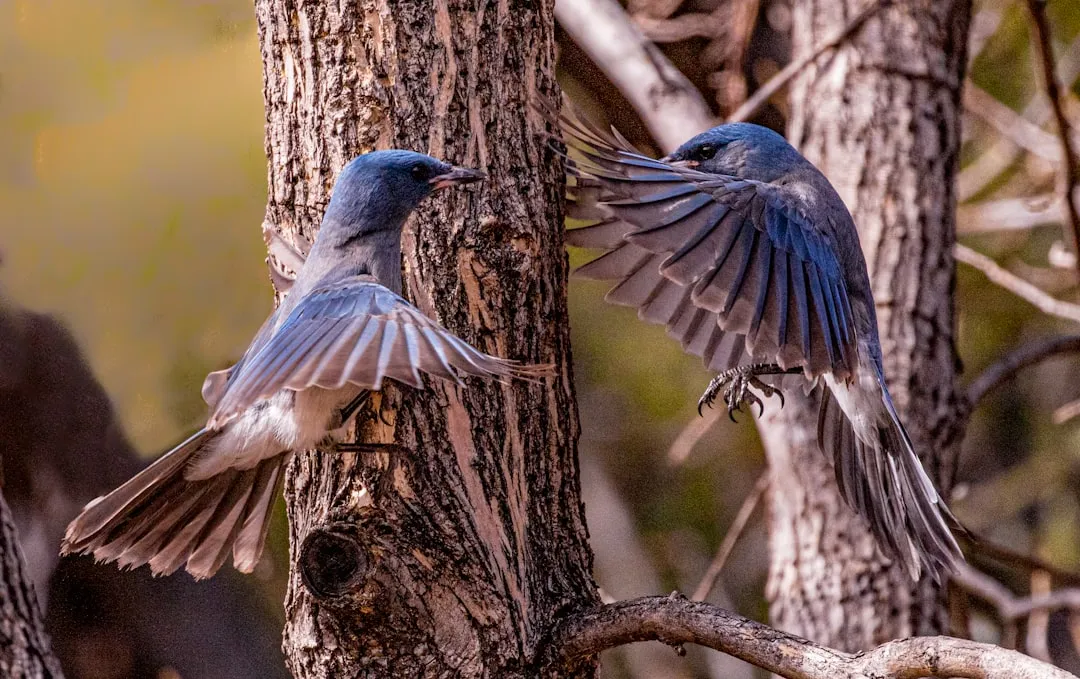
Just 30 miles south of Tucson, Madera Canyon feels a world apart. Located on the northwest face of the Santa Rita Mountains in the Coronado National Forest, this mesquite, juniper-oak and pine woodland offers some of the world’s best bird watching, plus ample hiking and picnicking opportunities.
Madera Canyon boasts a mostly temperate year-round climate and serves as a reprieve from Tucson’s warm summer days. The canyon’s elevation varies, beginning at 2,700 feet and climbing to almost 9,500 feet, offering more than 20 degrees cooler temperatures in the higher elevations. The area is a birdwatcher’s paradise with over 250 species identified. Families with curious children often find that this canyon sparks a lasting interest in the natural world.
Trails for Every Age and Pace in Madera Canyon

Hikers access more than 100 miles of trails from picnic areas and campgrounds throughout Madera Canyon. Shorter, shady trails with minimal elevation gain include the ADA-accessible Nature Trail and the waterside Madera Creek Trail. Tougher hikes like the Old Baldy Trail and the Super Trail test experienced hikers.
For families just looking for a short adventure, numerous picnic sites with tables, grills, and nearby facilities are available. Families can also stay overnight at one of three lodges: the Santa Rita Lodge, Madera Kubo Cabins, or the Chuparosa Inn B&B. The Bog Springs Campground also offers 13 campsites available for tents and RVs. Having overnight options turns a day trip into a proper summer memory.
Sabino Creek and the Monsoon: A Dynamic Summer Relationship
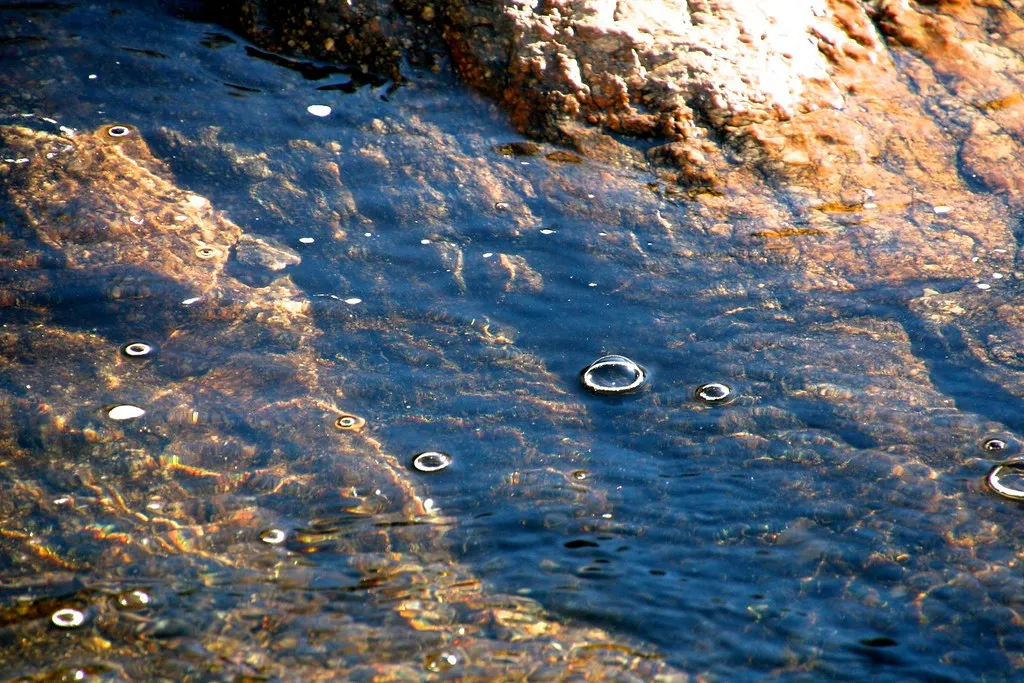
Summer monsoons can bring flash flooding, so it is important to check conditions and avoid creek crossings if storms are brewing. This is genuinely good advice and not just a formality. The same monsoon rains that make the canyon so lush and dramatic can fill dry washes very quickly. Checking the National Weather Service forecast before setting out is a practical family habit worth building.
Still, the monsoon is also part of what makes a summer visit to these canyons so alive. The smell after a desert rainstorm, the sudden rush of water in a creek bed, the electric pink light behind a storm cloud over a canyon wall: these are the kinds of sensory experiences that stay with children for years. The Sonoran Desert’s dramatic summer monsoon, combined with winter snowmelt, is precisely why Sabino Creek flows almost year-round, making summer visits reliably rewarding even in dry stretches.
Practical Things to Know Before You Pack the Car
The entrance to Sabino Canyon Recreation Area is located at Sunrise and Sabino Canyon Road in northeast Tucson, at 5700 N Sabino Canyon Rd. The recreation area is open 24 hours a day, though camping is not permitted. The Visitor Center is open from 8:00 a.m. to 4:30 p.m. daily.
An annual pass costs $40 at the visitor’s center, and holders of an America the Beautiful national parks pass or an Interagency Senior Pass can use those for admittance. Families with a fourth-grader can receive a free pass for the entire family. For Mount Lemmon, the drive alone requires no fee, though Coronado National Forest recreation passes apply at some trailhead stops. Whatever canyon you visit, be sure to wear sunscreen, hats, and sunglasses, and pack plenty of water and snacks.
The Lasting Habit That Canyon Summers Build
There’s something that happens when a family does this a few summers in a row. The canyon stops being a destination and becomes a rhythm. Many local people call Sabino Canyon their second home, and that sense of belonging, of returning to a place that is cool and familiar and alive, is genuinely worth cultivating.
Southern Arizona’s sky island ranges offer Tucson families something that no indoor cooling center quite replicates: the feeling that summer, for all its intensity, is still worth going outside for. The creek is still running. The birds are still moving through the pines. The temperature drops with every few hundred feet of elevation. The canyon has been waiting all week. Go find it.
AI Disclaimer: This article was created with the assistance of AI tools and reviewed by a human editor.