
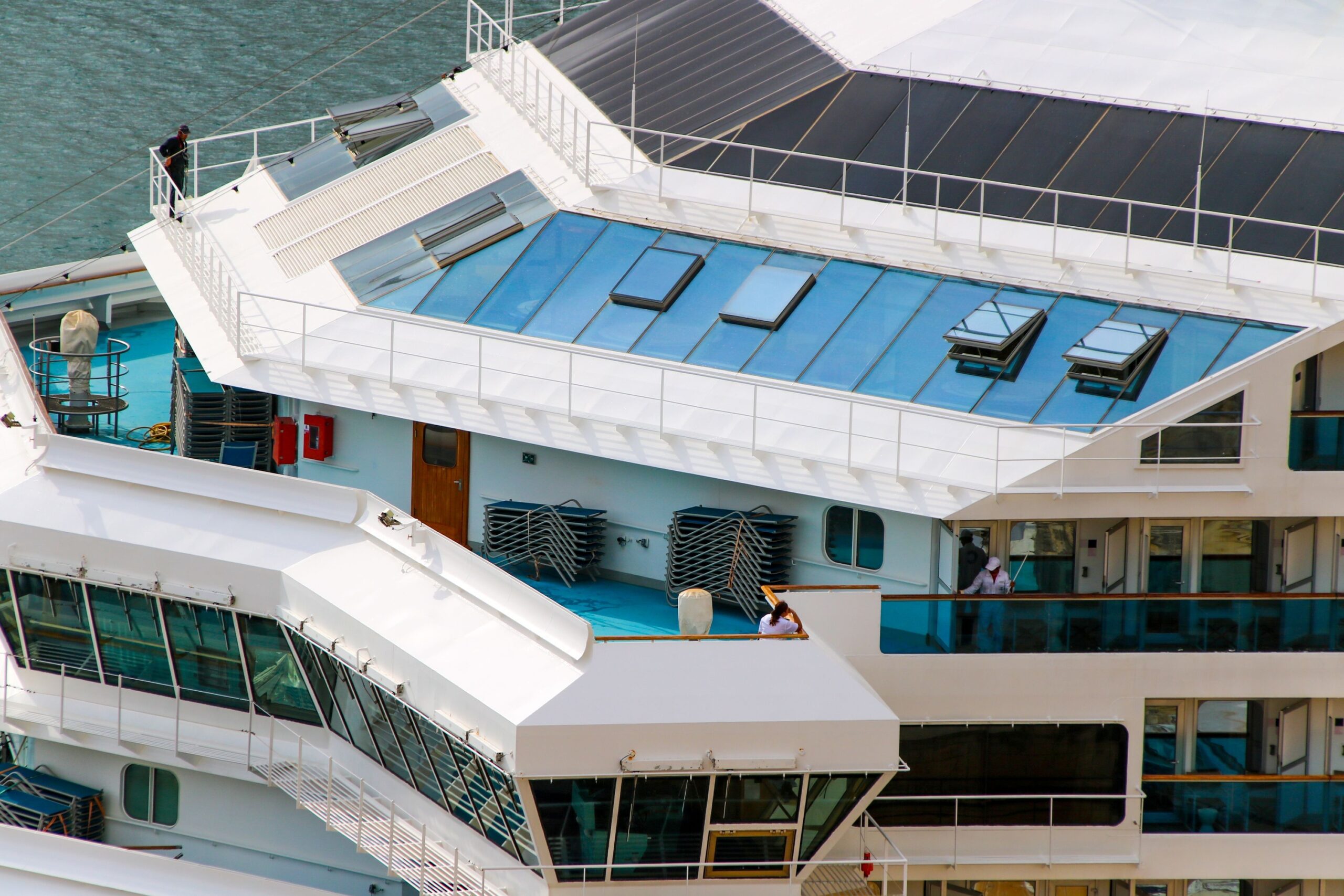
Most people use the word “galley” without thinking twice about where it came from. It rolls off the tongue easily, whether you’re aboard a naval frigate, a charter yacht in the Caribbean, or a commercial airliner somewhere over the Atlantic. The word has become so natural in maritime life that its origins rarely come up.
The story behind it, though, is genuinely fascinating. It stretches back more than two thousand years, crossing ancient civilizations, medieval sea battles, and a pivotal moment in 18th-century naval history. Understanding it means understanding how language itself evolves alongside human experience at sea.
The Ancient Warship That Started It All
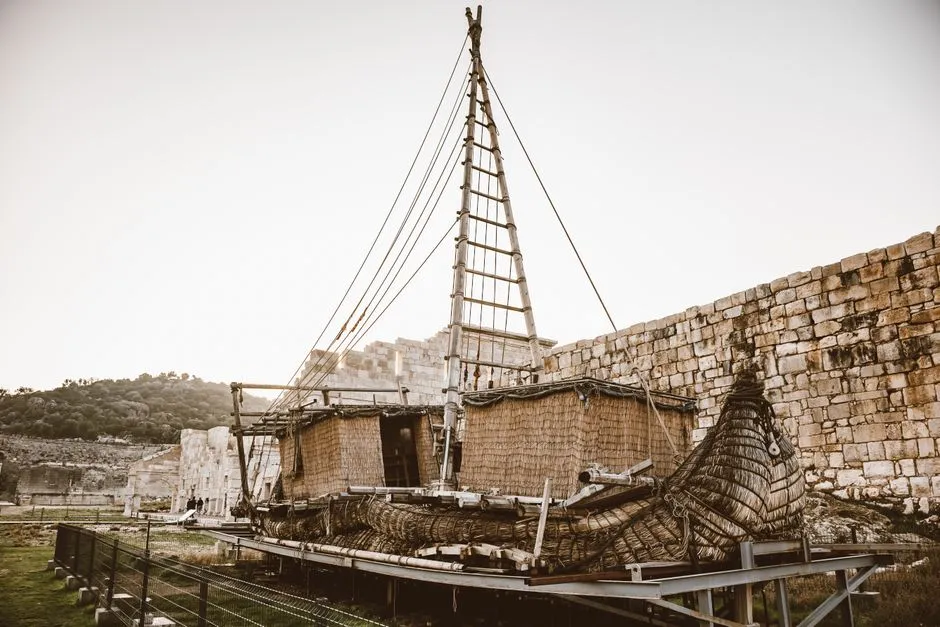
A galley was originally a type of ship optimized for propulsion by oars, historically used for warfare, trade, and piracy, mostly in the seas surrounding Europe. It developed in the Mediterranean world during antiquity and continued to exist in various forms until the early 19th century, typically featuring a long, slender hull and a shallow draft. These were serious, highly engineered vessels, built for speed and aggression, not comfort.
Galleys were the primary warships used by the ancient Mediterranean naval powers, including the Phoenicians, Greeks, and Romans. Their design demanded hundreds of oarsmen packed tightly into the hull, which left almost no space below deck for anything other than labor.
The Greek Root of a Familiar Word
The term “galley” originates from the Ancient Greek word “galea,” which was used to describe a narrow vessel with a resemblance to the shape of a dogfish, and the English form of the term came into use around 1300. The origin of the Greek word is unclear but could possibly be related to “galeos,” the Greek word for dogfish shark.
Originally, the word comes from the Byzantine Greek word “galea,” which referred to a low, swift type of warship. This evolved into the Old French “galie” and the Italian “galea,” which eventually gave us the English word “galley.” Each language borrowed and passed it on, the meaning gradually widening as maritime culture spread across Europe.
Cooking on an Ancient Warship Was Anything but Simple
For the low, flat, oared galleys used in the Mediterranean, the architectural reality was stark. These ships were narrow, sat incredibly low to the water, and the entire inside of the hull was crammed full of rowing slaves. There was simply no room below for a kitchen.
The cooking area therefore had to be strictly confined to the open air. The cooking stove, called the “focone” in the Mediterranean, was a reinforced metal or brick hearth built right up on the open deck, usually at the waist of the ship. Because this cooking area was physically located on top of the galley ship, sailors began referring to the cooking space simply as “the galley cook-room” or “the galley fireplace.”
How Northern European Ships Handled It Differently
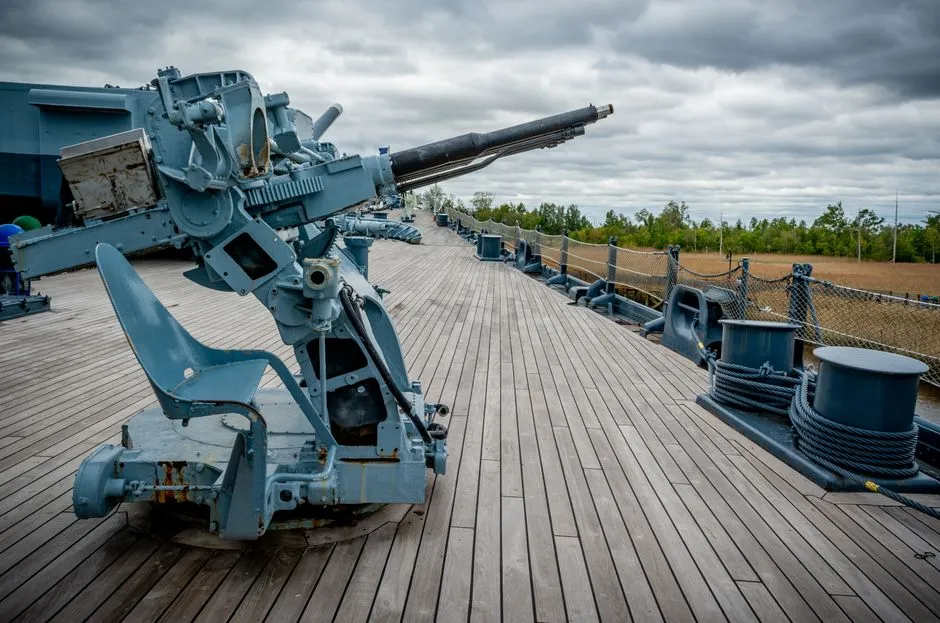
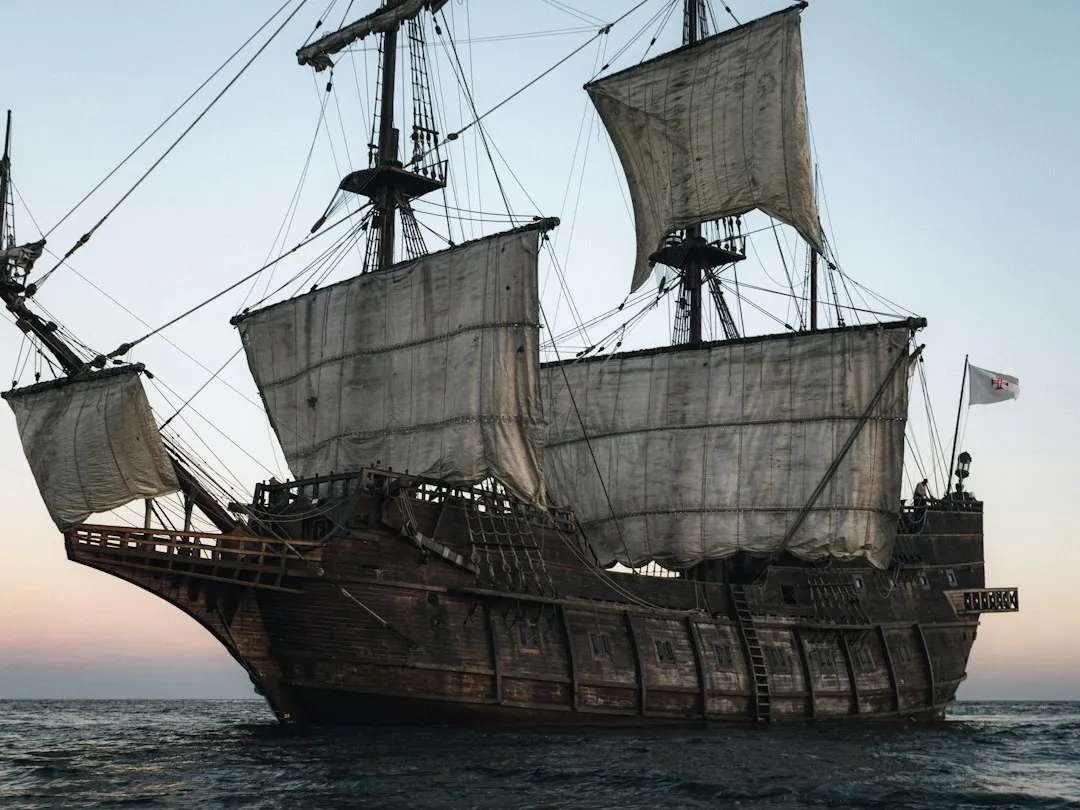
When looking at massive wooden sailing ships, like the British galleons, Spanish treasure ships, and eventually the great three-decker warships, these vessels sailed the rough, open waters of the Atlantic. Their kitchens were located deep down in the hold, built directly on top of the stone ballast. That approach kept fire contained, which mattered enormously on a wooden vessel.
The linguistic turning point came when Northern European sailing navies, like the British Royal Navy, finally decided that putting a kitchen in the deep, dark hold of a sailing ship was a terrible idea. The trapped heat routinely spoiled the nearby food rations, and the heavy smoke drifted upward, filling the crew’s sleeping quarters. Moving the kitchen up to the deck, closer to the open air, was a practical solution that also changed maritime vocabulary forever.
The Moment “Galley” Was Written Down for the First Time
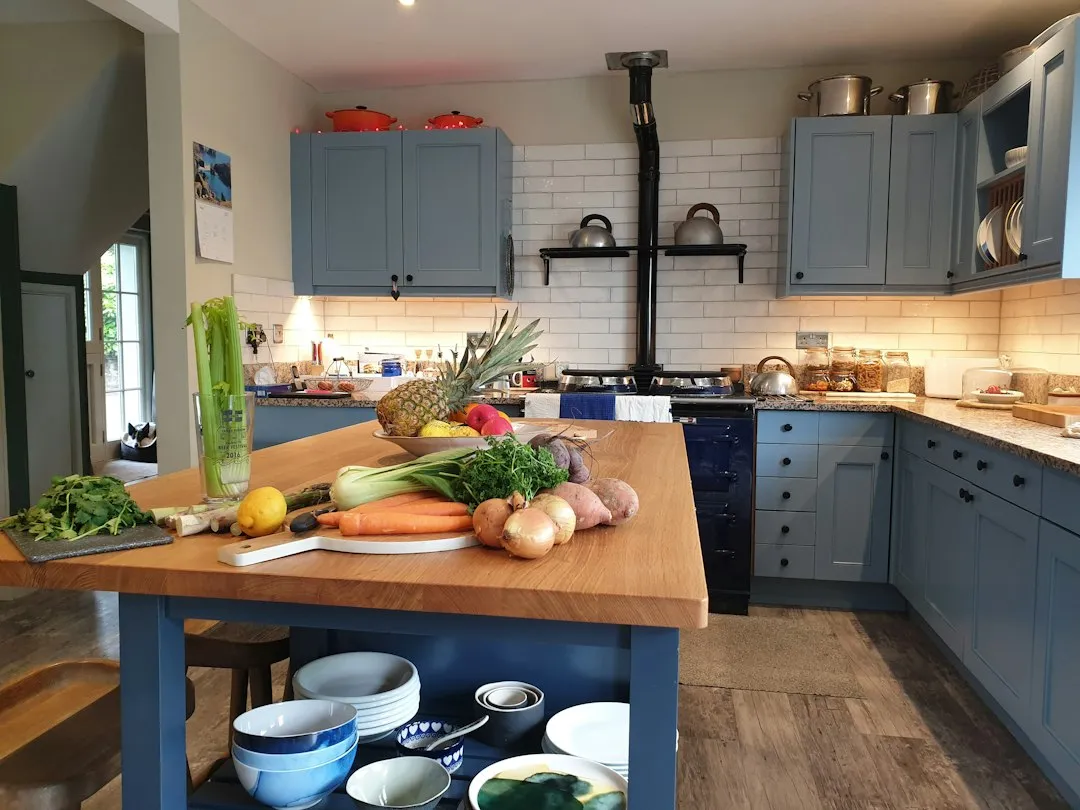
In 1750, a naval official named Thomas Blanckley published a definitive dictionary of sea terms called A Naval Expositor. This book contains the very first recorded use in world history of the word “galley” being used to define a cooking area. That single reference locked the word into the English nautical lexicon in a way it never left.
According to etymological records, the word “galley” derives from Old French “galie” or “galee,” denoting a low, flat seagoing vessel powered by sails and oars, borrowed from Medieval Latin “galea” and related to Italian “galea,” ultimately tracing to Late Greek “galea” of uncertain origin. By 1750, centuries of linguistic drift had connected the ship to the kitchen space aboard it.
The Caboose: A Rival Term That Didn’t Survive

A “caboose,” also spelled “camboose” or “coboose,” derived from the Middle Dutch “kombuis,” was a small ship’s kitchen, or galley, located on an open deck. At one time a small kitchen was called a caboose if aboard a merchantman, but a galley aboard a warship. The distinction was real and consistent across different maritime traditions.
William Falconer’s 1780 A Universal Dictionary of the Marine describes a caboose as “a sort of box or house to cover the chimney of some merchant-ships,” noting that it “somewhat resembles a sentry-box, and generally stands against the barricade on the fore part of the quarter-deck.” Eventually, “galley” won out as the universal term, and caboose drifted into railroad vocabulary instead.
Fire Hazard and Ship Design: Why the Kitchen’s Location Mattered
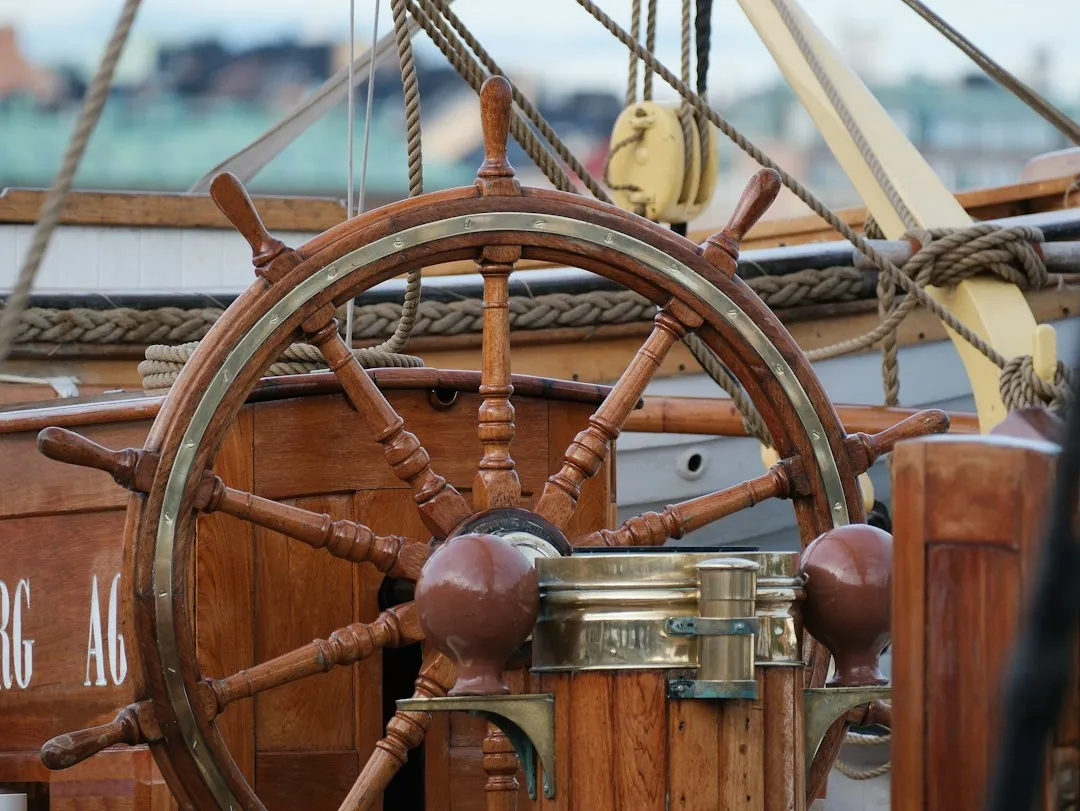
Back in the day, ships were made of wood. Cooking on board was a fire hazard. A smaller, more controlled structure called the galley was therefore formed to ensure crew safety on the ship. The placement and construction of the kitchen was never just a matter of convenience. It was a matter of survival.
These early ships had small cooking areas tucked away from the crew quarters to minimize fire hazards. Prior to the introduction of the caboose, the furnaces for cooking were, aboard three-deckers, placed on the middle deck, and aboard two-decked ships in the forecastle. Getting that balance right between accessible cooking and fire safety was one of the defining engineering challenges of early naval design.
The Physical Design of a Galley at Sea

A galley is typically laid out in an efficient style with longitudinal units and overhead cabinets, making the best use of the usually limited space aboard ships and catering to the rolling and heaving nature of vessels. For this reason, galley stoves are often gimballed so that liquid in pans does not spill out, and they are commonly equipped with bars preventing the cook from falling against the hot stove.
The ship’s galley was often located in the aft of the ship to minimize the effects of rough seas and provide stability for the crew working in the kitchen. The galley itself was long and narrow, optimized for efficiency in a confined space, allowing easy movement between workstations and ensuring that everything was within reach of the cook. That philosophy of radical spatial efficiency is something modern yacht designers still build around today.
From Ships to Aircraft: The Galley Goes Airborne

The galley is the compartment of a ship, train, or aircraft where food is cooked and prepared. The word’s journey from ancient oared warship to a narrow service module on a transatlantic Boeing is one of the more quietly remarkable word migrations in the English language. Airlines adopted the term deliberately, borrowing the nautical prestige that came with it.
Reliable food preparation under dynamic conditions is a necessity that originated in maritime contexts but extended to aviation and other transport modes. The core design challenge is the same whether you’re at 35,000 feet or 35 knots. Space is limited, movement is constant, and everything must be secured.
The Caloric Demands That Made the Galley Essential

Working on labor-intensive sailing ships meant crews burned more than 4,000 calories a day. That number puts the galley’s role in a completely different light. This wasn’t a convenience. It was a daily operational necessity without which a ship’s crew simply could not function.
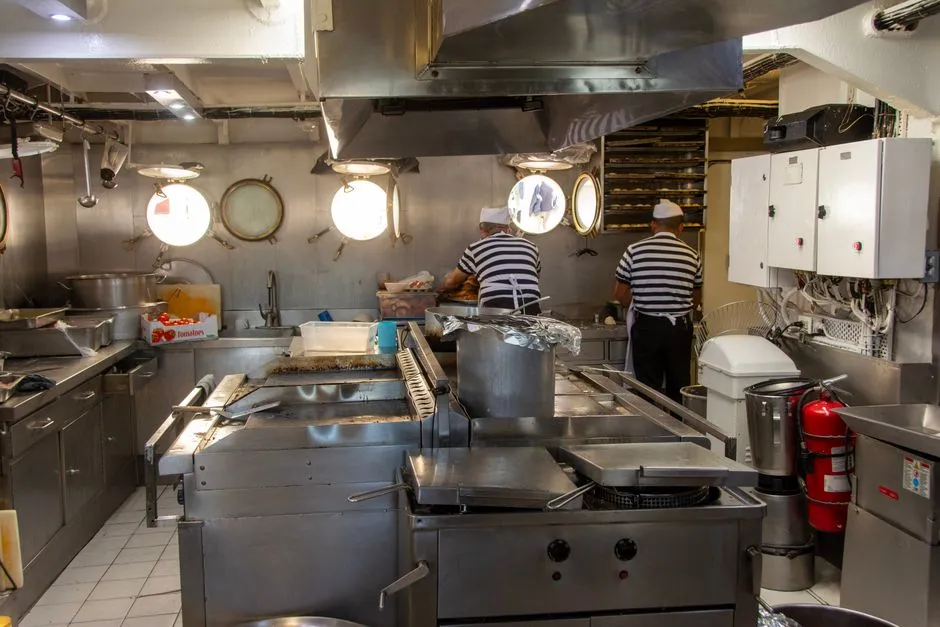
Galley staff varies depending on ship size and function but generally includes cooks and chefs responsible for meal preparation, menu planning, and food safety compliance. On large modern vessels and cruise ships, the galley has grown into a full professional kitchen operation. The word remains the same, even as the scale has changed almost beyond recognition.
The Galley’s Legacy in Land-Based Design
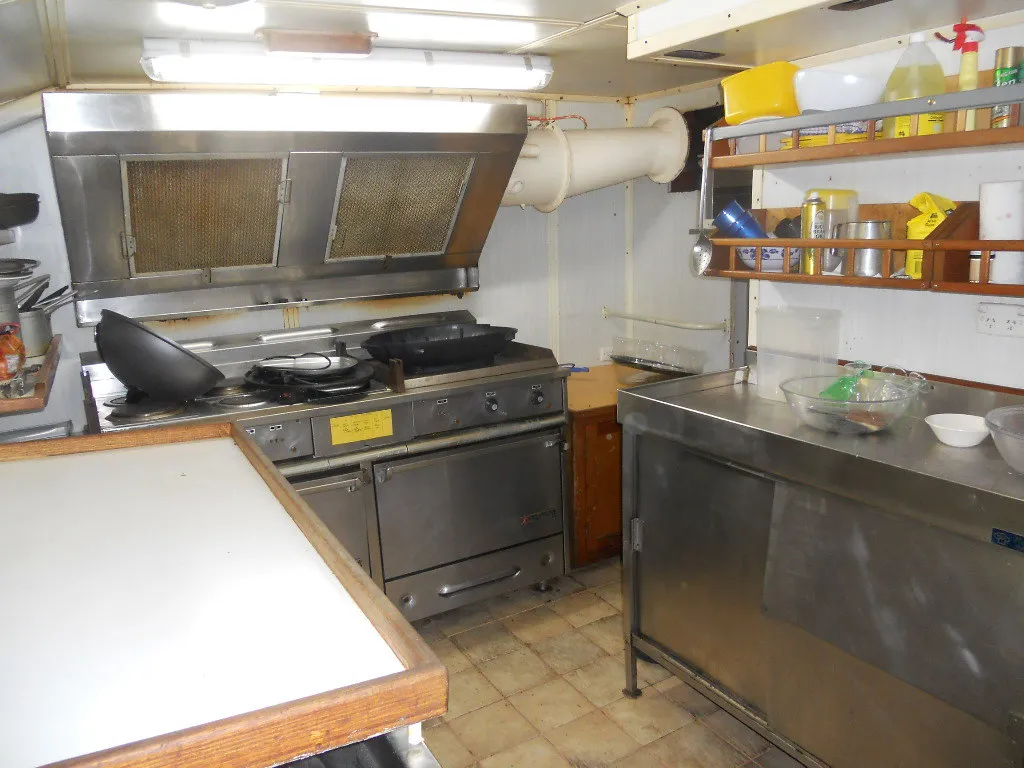
Today, the term “galley kitchen” is generally used to describe any kitchen that is long and narrow. The main feature of a galley kitchen is the two walls of cabinetry that come together to form a hallway effect. Architects and interior designers use the term constantly, often without realizing they’re borrowing from centuries of maritime history.
A galley kitchen is a narrow, elongated space with counters on two sides. Its history can be traced directly to seafaring days, when tight ship conditions required that every square inch of space was designed for maximum functionality. The principles that made cooking efficient on a rolling deck in the 1700s still make sense in a narrow city apartment today.
The Takeaway
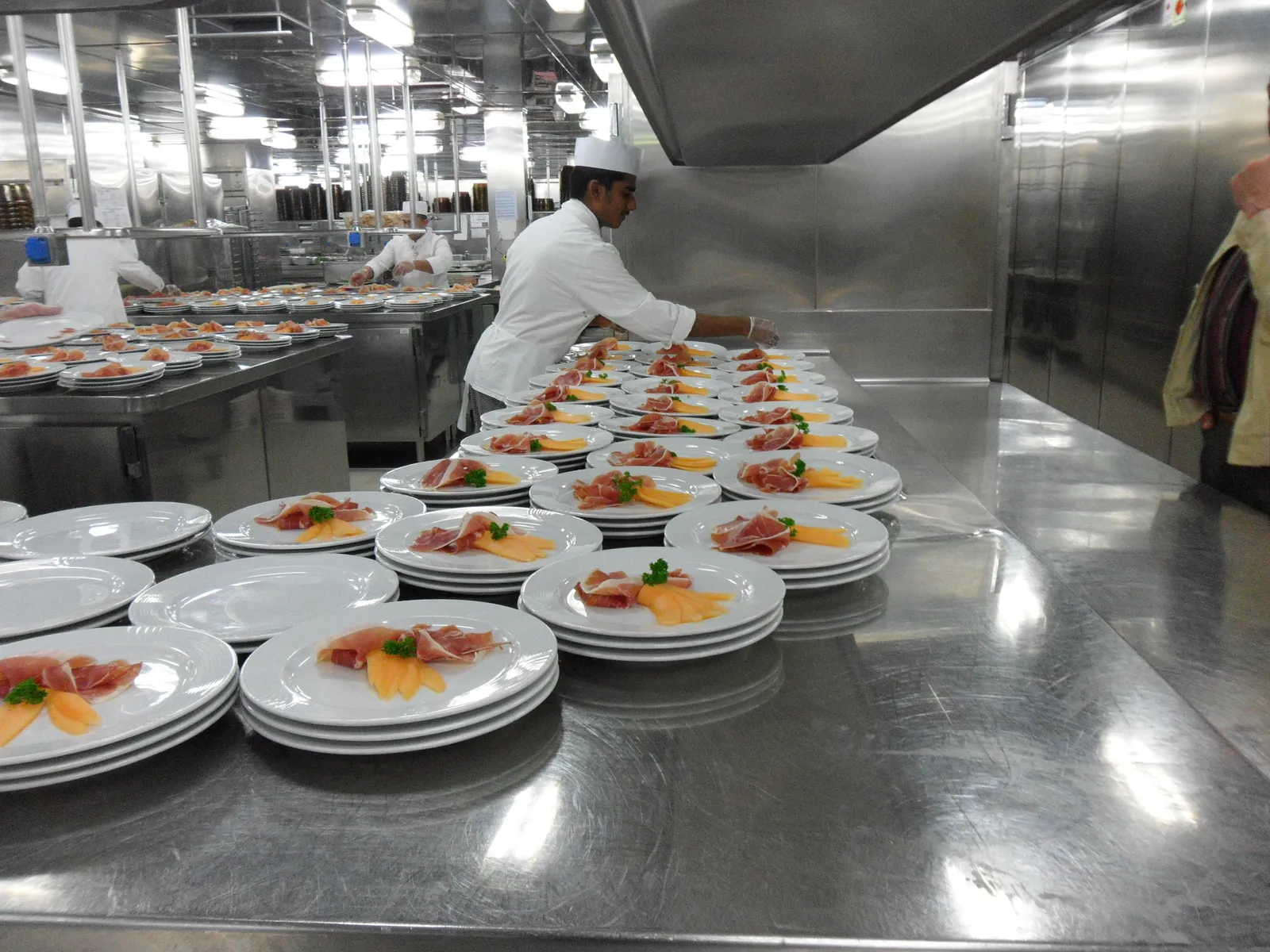
Language carries history in ways we rarely notice day to day. Every time a sailor walks into the ship’s kitchen and calls it the galley, they’re echoing a word that traveled from ancient Greek through medieval Latin, Old French, and centuries of maritime culture before landing in the English naval dictionaries of the 18th century.
Eventually, the archaic term “cook-room” was dropped entirely, and “galley” became the universal maritime term for any kitchen at sea, stretching from 18th-century naval frigates right through to the ultra-modern, high-spec kitchens found on luxury superyachts today. Few single words carry that much weight so quietly. The galley has earned its name, one long voyage at a time.
AI Disclaimer: This article was created with the assistance of AI tools and reviewed by a human editor.