


Most people picture Waikiki when they think of Hawaii. The crowded beach strip, the towering hotels, the resort menus priced for people on vacation budgets they’ll regret in January. Oahu delivers on all of it, and for millions of visitors each year, that’s exactly the point.
A smaller, quieter crowd has started making a different calculation. They’re looking past the brochure version of Hawaii toward Molokai, a compact and largely undeveloped island that sits between Maui and Oahu, almost overlooked by the tourism industry by design and by choice.
The Numbers Don’t Lie: Molokai Is Genuinely Uncrowded
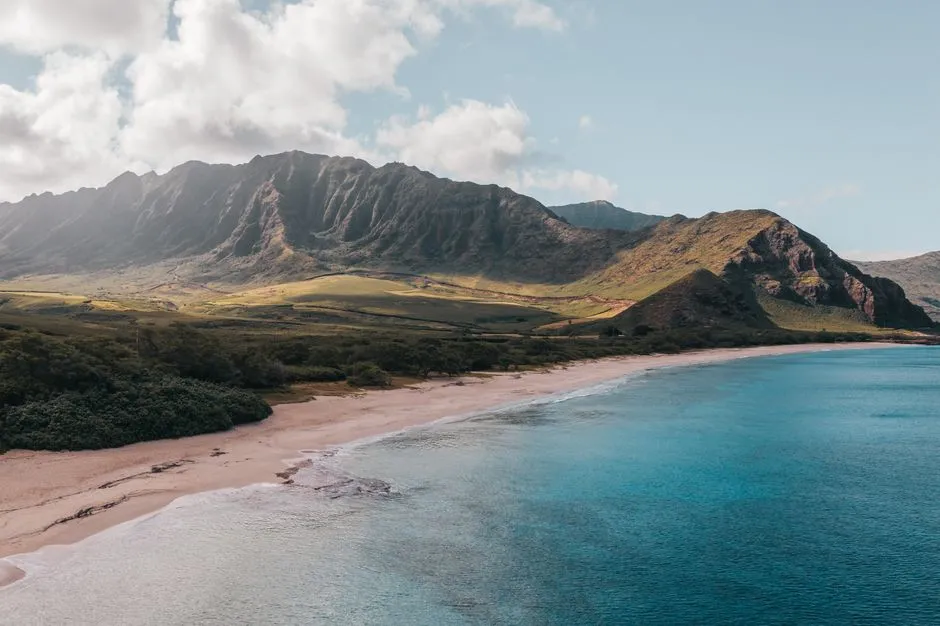
Molokai averaged just 468 visitors per day in 2024, down from 496 in 2023, making it the lowest visitor count of any island in the state. To put that in perspective, Kauai, which most travelers consider a relatively quiet island, drew more than 1.42 million total visitor arrivals in 2025.
Molokai is the fifth largest of Hawaii’s islands, and fewer than 8,000 people live on this lesser-known and less-visited isle. That combination of size and sparse foot traffic produces something genuinely rare in modern travel: space. Real, unscheduled, no-waiting-in-line space.
Why Travelers Are Quietly Losing Patience With Oahu
In recent months, Hawaii has experienced a significant surge in anti-tourist sentiment, which has caught the attention of both locals and travelers alike, with discussions growing across social media platforms about increasing tensions. This friction is most visible in the heavily visited spots, particularly on Oahu and in parts of Maui.
The change in attitude has roots in a broader frustration among locals driven in part by the pressures of overtourism, with tourists increasingly blamed for contributing to environmental damage, rising living costs, and the erosion of the islands’ cultural heritage. Thoughtful travelers are noticing this, and some are choosing destinations where their presence feels less like an imposition.
Molokai’s Identity: The Friendly Isle That Resists Development
For those seeking an escape from mass tourism, Lanai and Molokai both offer unique tranquility and authenticity, with Molokai’s unspoiled rural landscapes reflecting a glimpse of Hawaii’s past. Molokai has never built the resort infrastructure that defines most tourist destinations in the state, partly by community choice.
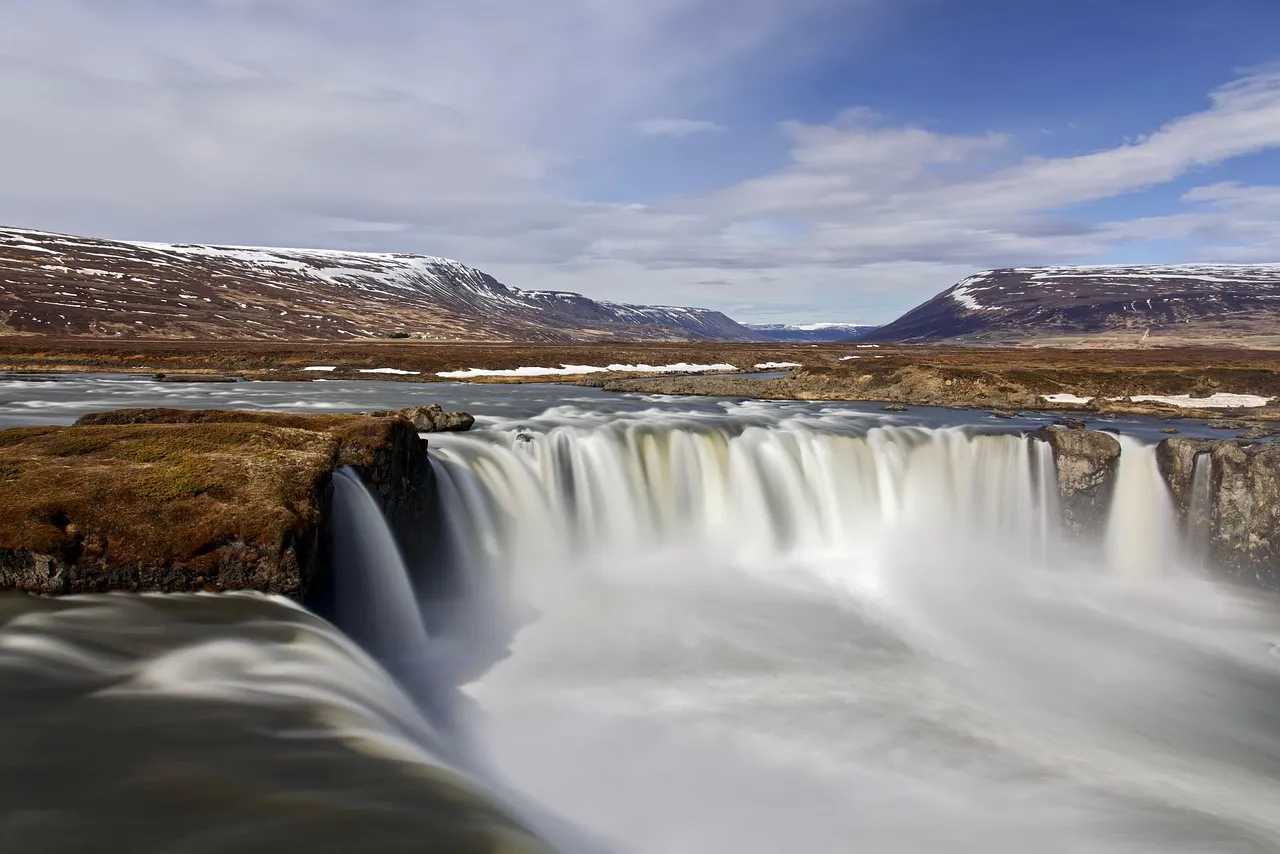
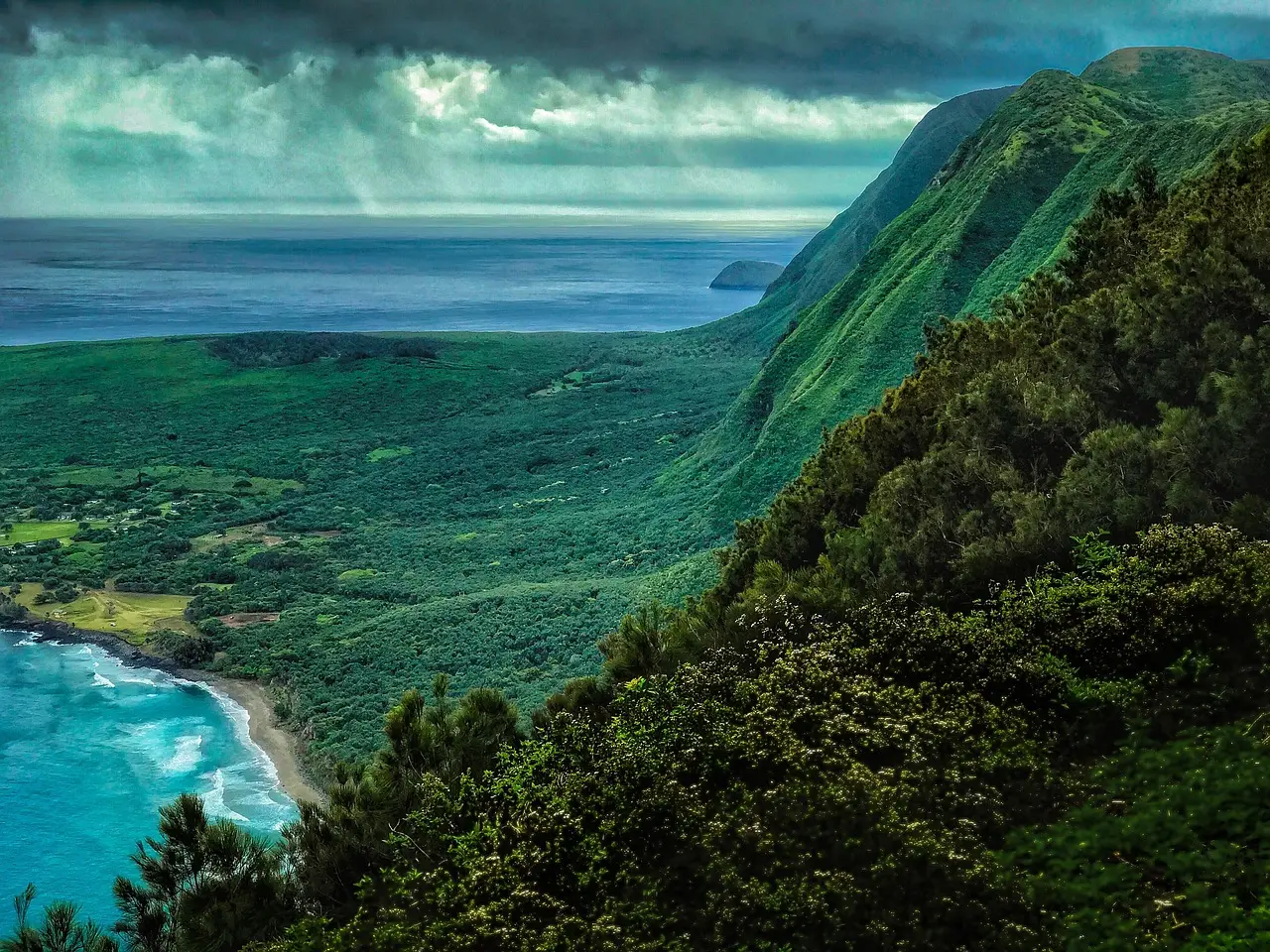
Molokai has little in common with the commercialized Hawaii in brochures except for a share of astounding natural attractions like its striking sea cliffs and the tallest waterfall in the U.S. That contrast is precisely what draws people who have already done the polished version of Hawaii and want something more honest.
The Kalaupapa Trail: One of Hawaii’s Most Historically Significant Hikes
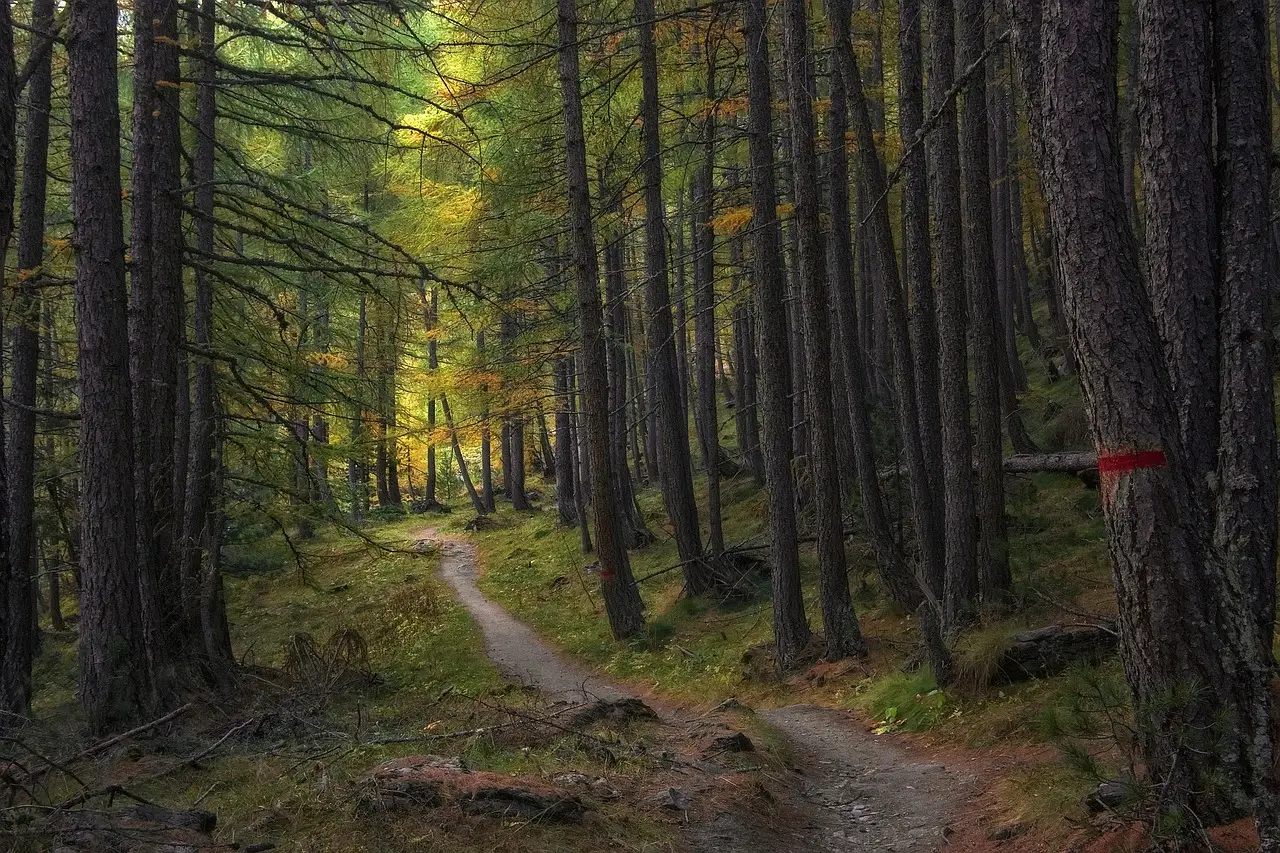
The Kalaupapa peninsula was a leprosy settlement for over 100 years, and the trail to reach it drops 1,700 vertical feet over 26 switchbacking turns, offering panoramic views throughout. It is not a casual afternoon walk. It demands preparation, a permit, and genuine effort.
Kalaupapa National Historical Park sits on the Kalaupapa Peninsula and tells the story of a former leprosy colony where people with Hansen’s disease lived away from others, and a permit is required to enter, making it all the more special. According to the National Park Service, since 1866 more than 8,000 people have called Kalaupapa their final home. For hikers and history lovers, there are few places in the Pacific that carry this kind of emotional and cultural weight.
Halawa Valley: Ancient Hawaii, Still Intact
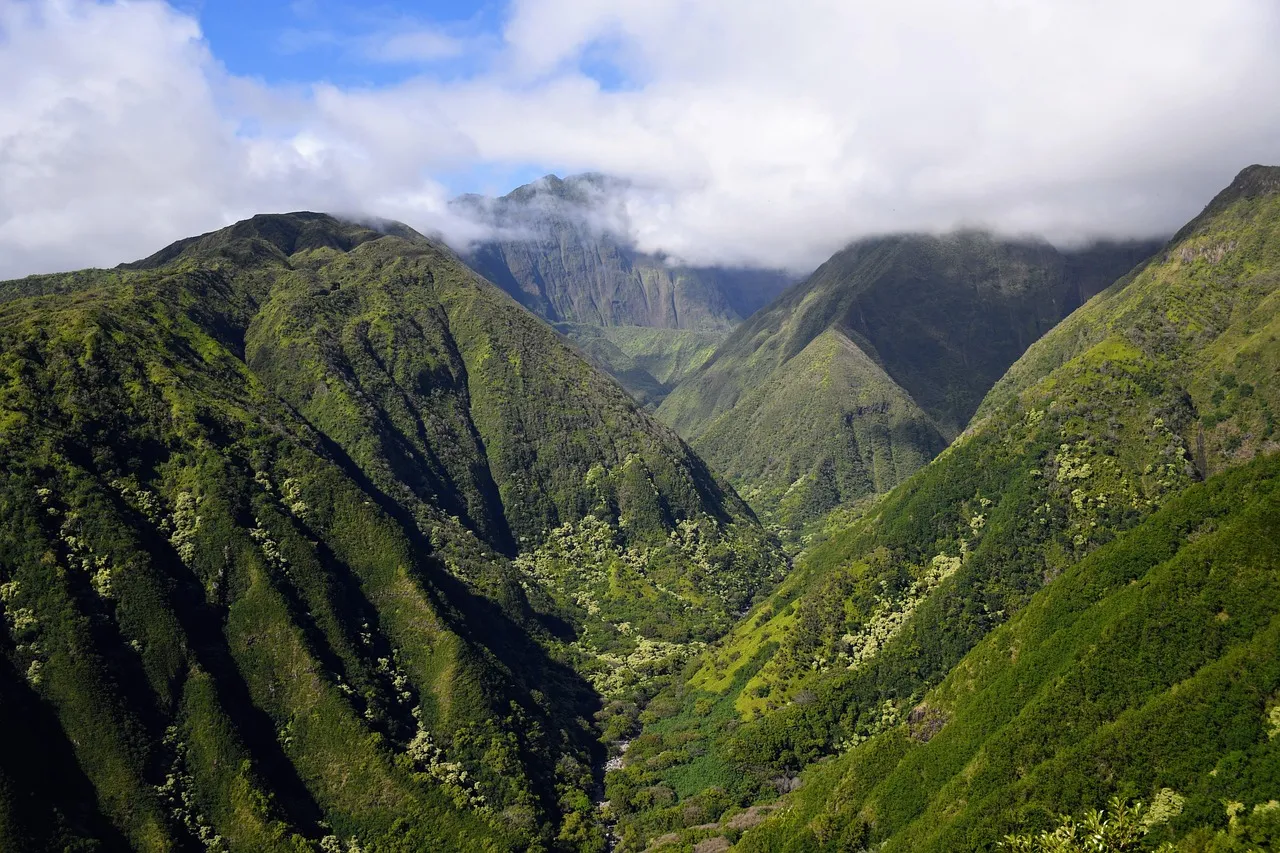
Halawa Valley on the island’s east end is believed to be Hawaii’s oldest continuously inhabited settlement, and guided cultural hikes of the valley teach visitors how Hawaiians lived off the land while offering the chance to swim at the base of thundering Mo’oula Falls. These are not staged experiences for tourists. They are living connections to a culture that has been present in this valley for centuries.
The valley is a place of genuine Hawaiian culture, where the family of Pilipo Solatorio keeps the patriarch’s legacy alive with guided hikes to the dramatic 250-foot Moaula Falls, with a three-mile route that is kid-friendly and offers insight into local flora, fauna, sacred temples, historical rock walls, and taro cultivation methods. Few places elsewhere in Hawaii offer this level of cultural access without a crowd.
Wildlife and Marine Life That You Won’t Be Sharing With a Tour Bus
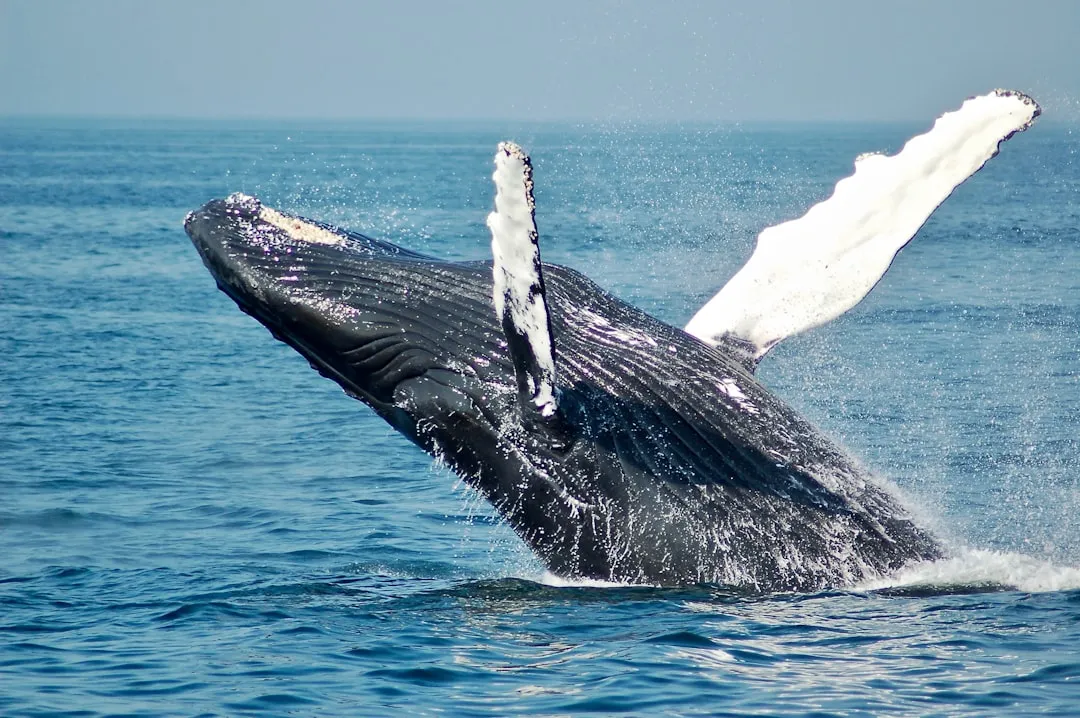
Humpback whales can be seen off the coast of Molokai during the winter months as they migrate from colder waters to warm Hawaiian waters to breed and give birth. Green sea turtles can be found year-round in the waters around Molokai, often seen basking on the beaches or swimming in the shallow reefs.
Spinner dolphins are frequently spotted near Molokai, known for their acrobatic displays and often seen leaping and spinning out of the water. Hawaiian monk seals, an endangered species, can also be found on the shores of Molokai, often resting on the beaches or swimming in the surrounding waters. On most days, you’ll have a long stretch of beach to yourself when any of this happens.
Papohaku Beach: The Longest White Sand Beach in Hawaii, Nearly Empty
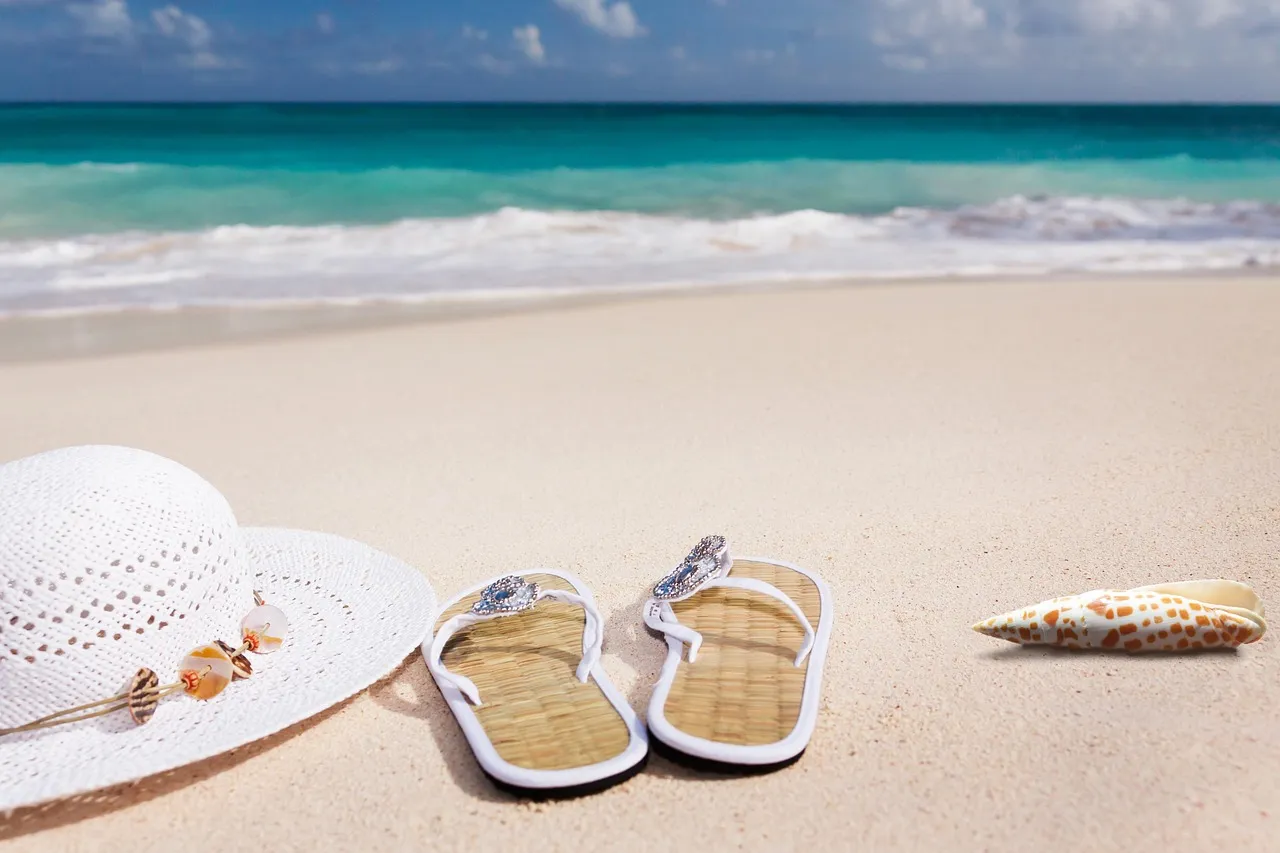
Papohaku Beach is renowned as one of the best places on the island to relax, offering stunning ocean views on the island’s west side. It stretches for about 2.0 miles and is considered by both locals and visitors as one of the best places on the island. On Oahu, a beach of that length would have thousands of sunbathers, vendors, and lifeguard towers every quarter mile.
With no towering hotels or busy streets, visitors get what many travelers miss: peace and a genuine taste of Hawaii away from crowds. Papohaku is the clearest illustration of that gap between what most of Hawaii has become and what this island still offers.
The Pepeʻopae Bog and Kamakou Preserve: Hawaii’s Wild Interior
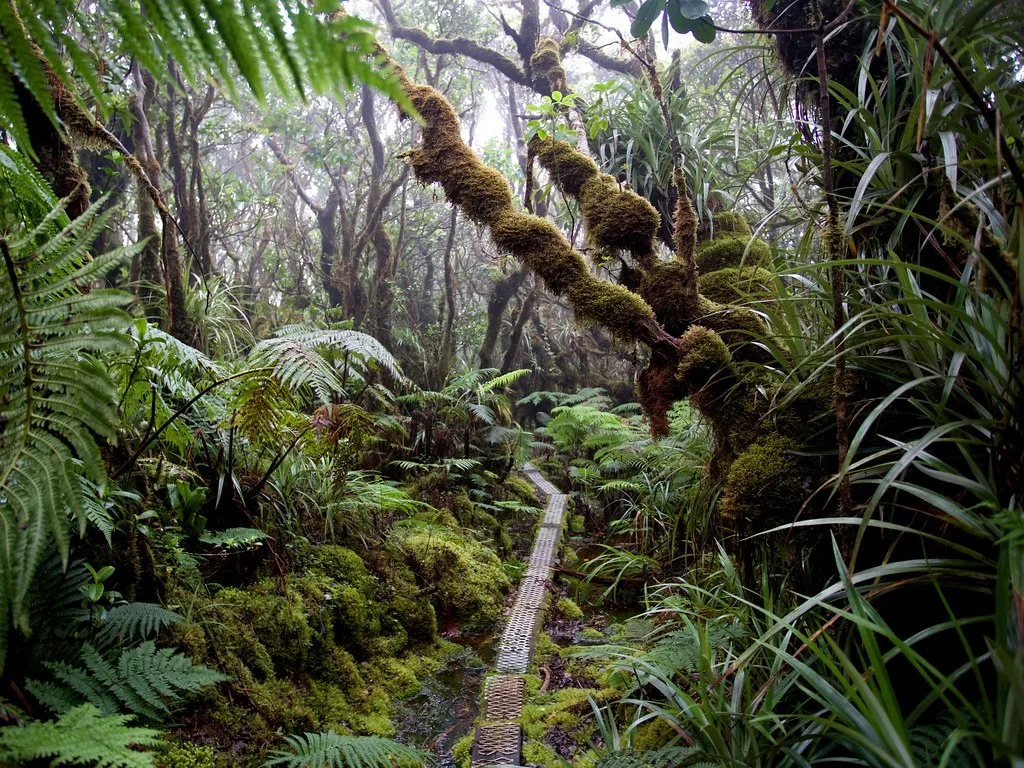
Kamakou Preserve is a wild garden on Molokai’s highest mountain covering 2,774 acres, home to rare plants and animals found nowhere else. Access requires a four-wheel-drive vehicle and some planning, which is exactly why most visitors never make it there.
Because cell reception is spotty and a four-wheel drive is required to reach the Pepeʻopae Trail, a 1.5-mile redwood boardwalk protects the bog, where visitors encounter creeping mosses, feathery Hawaiian ferns, and adaptable ohia lehua trees, and avid birdwatchers may even spot a critically endangered Molokai thrush. Molokai’s remote peaks and valleys are some of the most stunning across all the Hawaiian Islands, and the Pepeʻopae Bog is considered by some to be the single most beautiful hike across the entire state.
Getting There and Knowing What to Expect
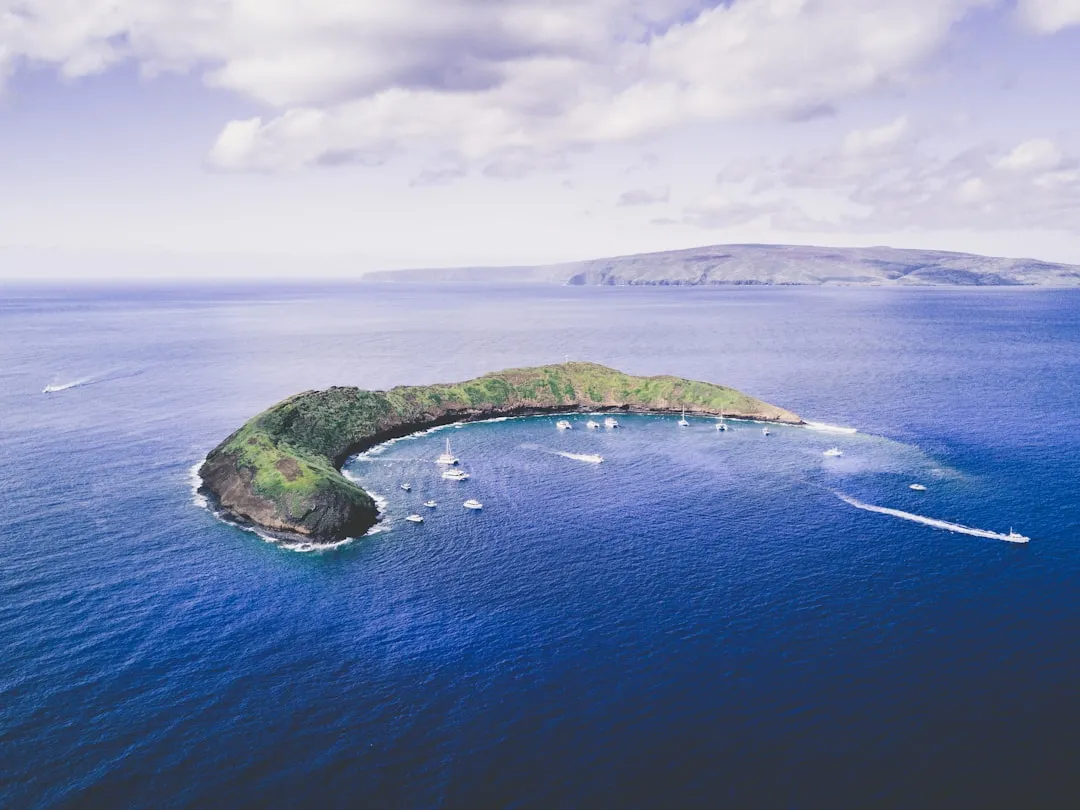
According to Hawaii’s Department of Business, Economic Development and Tourism, the drop in tourism numbers for Molokai can be attributed in part to the decrease in airline capacity, as Molokai shrank from three airlines to just one in 2021. That means flights require planning. Most visitors connect through Maui, about a 25-minute hop.
Molokai isn’t for everyone. It’s very slow-paced, with limited food and lodging options, and hiking is limited to only a handful of trails. However, it’s truly the slow, small-town local lifestyle that makes Molokai so appealing, and if you’re someone who doesn’t need nightlife, is comfortable making your own adventure, and prefers a quiet vacation, then Molokai may be for you. Understanding that upfront saves disappointment and sharpens the experience for the people it suits.
A New Travel Mindset Is Finding Its Island
Search interest and reader engagement suggest a slow but steady pivot among returning Hawaii visitors who say they’re looking for something that feels simpler or more welcoming. Molokai is not a destination for travelers who want a poolside cocktail and a reliable restaurant strip. It is a destination for travelers who have been to the polished islands and feel ready for something that asks more of them.
Hawaii is increasingly emphasizing sustainable tourism practices, encouraging visitors to engage in eco-friendly activities and supporting local communities, with a goal of preserving the islands’ natural beauty and cultural heritage for future generations. For now at least, Molokai is still quieter, and it’s still possible to arrive, wander, and end up somewhere unplanned. That kind of travel is harder to find than it used to be, which makes Molokai, in 2026, more valuable than ever.
AI Disclaimer: This article was created with the assistance of AI tools and reviewed by a human editor.