

There is something quietly remarkable happening across the cornfields and dairy pastures of the American heartland. Farms that once operated purely as commodity producers are welcoming city families, school groups, and curious travelers through their gates. They’re offering hayrides, corn mazes, farm-to-table dinners, and overnight stays, turning agriculture into an experience.
The Midwest, with its wide-open landscapes and proximity to major urban centers, has become one of the most fertile regions in the country for this shift. The numbers back it up, and the reasons behind the trend run deeper than simple nostalgia.
A Sector That Has Exploded in Just Two Decades
The growth of agritourism across the Midwest isn’t a soft trend. It’s a measurable surge. Indiana saw the largest growth in agritourism income from 2002 to 2022, a 1,300% increase. That’s not a misprint. Alongside Indiana, farmers in Michigan, Ohio, Iowa and Wisconsin each saw exponential growth of more than 1,000% over the same period.
In 2022, U.S. farms and ranches generated $1.26 billion in income from agritourism services, an increase of 12.4 percent from 2017 after adjusting for inflation, according to data from USDA’s 2022 Census of Agriculture. The foundation was always there. What changed was the appetite, both on the supply side and the demand side.
Ohio: A Blueprint for Midwestern Agritourism Growth
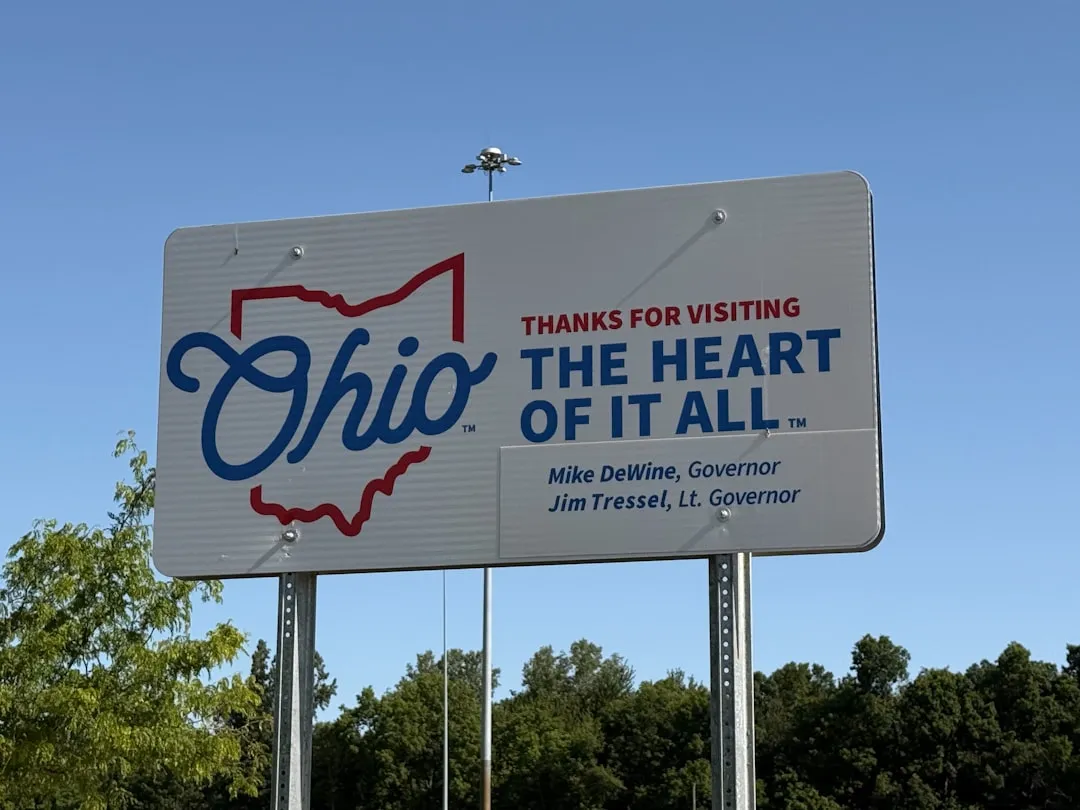
From 2002 to 2022, there was a fourteen-fold increase in income from USDA-defined agritourism activities in Ohio. Between 2017 and 2022, gross income doubled, the second fastest growth in the Midwest. Ohio’s story is instructive because it shows how geographic advantage compounds over time.
A lot of agritourism actually happens in places called peri-urban zones, according to Jason Entsminger, assistant professor and state extension specialist for small business at the University of Maine. “Michigan and Ohio and Indiana,” he noted, “have rural spaces that surround larger cities, and so that creates a lot of opportunity for people to get out of the city, build relationships with farms, and have experiences on farms, but still be able to go home.”
In 2022, farms participating in USDA-defined agritourism activities in Ohio earned $35,797 on average. For smaller operations working with tight margins, that supplemental income isn’t a luxury. It’s often a lifeline.
Michigan Leads the Region and Sets the National Pace
Michigan ranks fourth in the nation for agritourism, with experiences like farm tours, u-pick fruit, corn mazes, and overnight stays contributing more than $56 million to the state’s economy. The breadth of what’s offered there reflects just how mature the sector has become.
All told, 836 Michigan farms reported agritourism activities in 2022, an 11-percent jump from 2017, according to the Agriculture Census released in 2024. In 2024, Governor Gretchen Whitmer even proclaimed October as Michigan Agritourism Month, a sign of how seriously the state takes the industry’s economic role.
Traditionally, many farmers began with seasonal entertainment such as corn mazes and pumpkin patches and on-farm markets. One of the newest trends, however, is farm stays and glamping, along with entertainment including harvest and music festivals and concerts. The evolution from a pumpkin patch to a full hospitality destination has happened faster than most predicted.
Urban Disconnect Driving Rural Curiosity
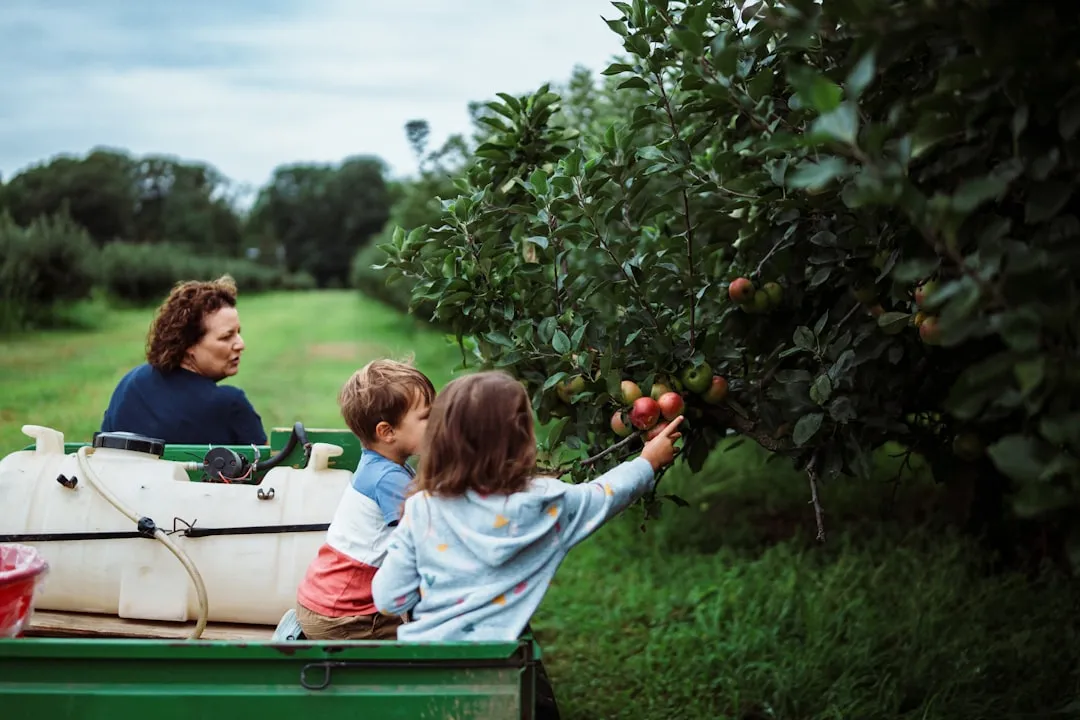
There’s a quiet irony at the center of the agritourism boom. The very thing that makes it necessary is the same thing that makes it so appealing. Many urban and suburban residents in the U.S. became increasingly disconnected from agriculture, as employment in the agricultural sector declined from approximately 8 million in 1950 to about 2.3 million at the end of 2024, according to the U.S. Bureau of Labor Statistics.
According to the 2020 census, about 80 percent of the U.S. population live in urban areas. Yet, despite this urban shift, the public’s interest in understanding where food comes from remains strong, given the growth in farm participation in agritourism over the years. People want to close a gap they sense but can’t always name.
Younger Travelers Are Fueling the Demand
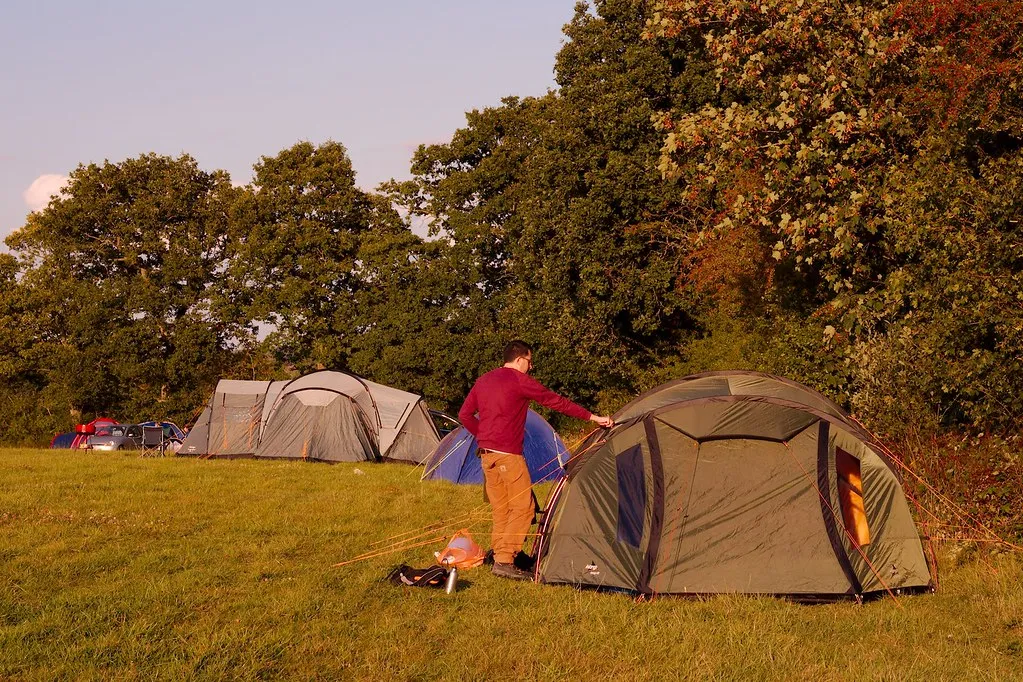
The demographic driving agritourism growth isn’t who you might expect. It isn’t retirees on scenic drives, though they participate too. Kampgrounds of America’s 2025 report revealed that Gen Z and Millennials accounted for 61% of new campers in 2024. Gen Z also emerged as the highest daily spenders, averaging $266, almost twice that of baby boomers.
According to Expedia’s Unpack 2026 report, 84 percent of travelers are interested in staying on or near a farm as the slow travel movement gains momentum. There has also been a 300 percent year-over-year spike in guest reviews mentioning farms on the VRBO platform. That kind of signal, from a major booking platform, reflects real behavioral change, not just stated preference.
These travelers increasingly seek immersive rural experiences such as farm stays, crop harvesting, cheese-making, or wine-tasting that allow them to connect with local cultures and sustainable practices. The Midwest, with its rich variety of farm types and accessible geography, is perfectly positioned to meet that demand.
Farm Diversification: More Than Just Extra Income
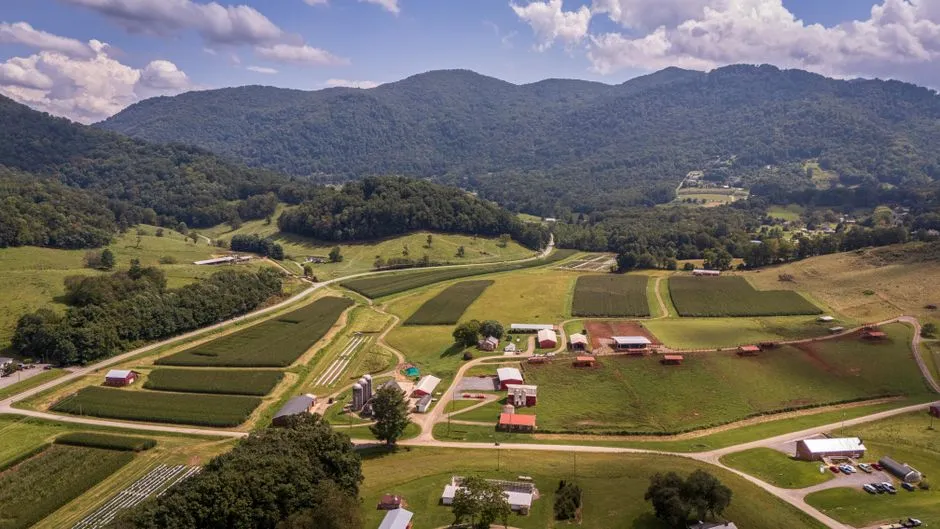
Agritourism serves as a critical farm diversification strategy, allowing producers to generate additional revenue streams while mitigating enterprise risks associated with a non-diversified income stream, such as market price fluctuations. In a region where commodity prices can swing dramatically from one season to the next, that stability matters enormously.
In 2022, farms and ranches engaged in agritourism and recreational services earned on average $44,004. That compares favorably to the earnings of operations relying solely on direct consumer food sales. The experiential premium is real, and Midwestern farmers are learning how to capture it.
The U.S. Market Is Growing Fast and Still Has Room
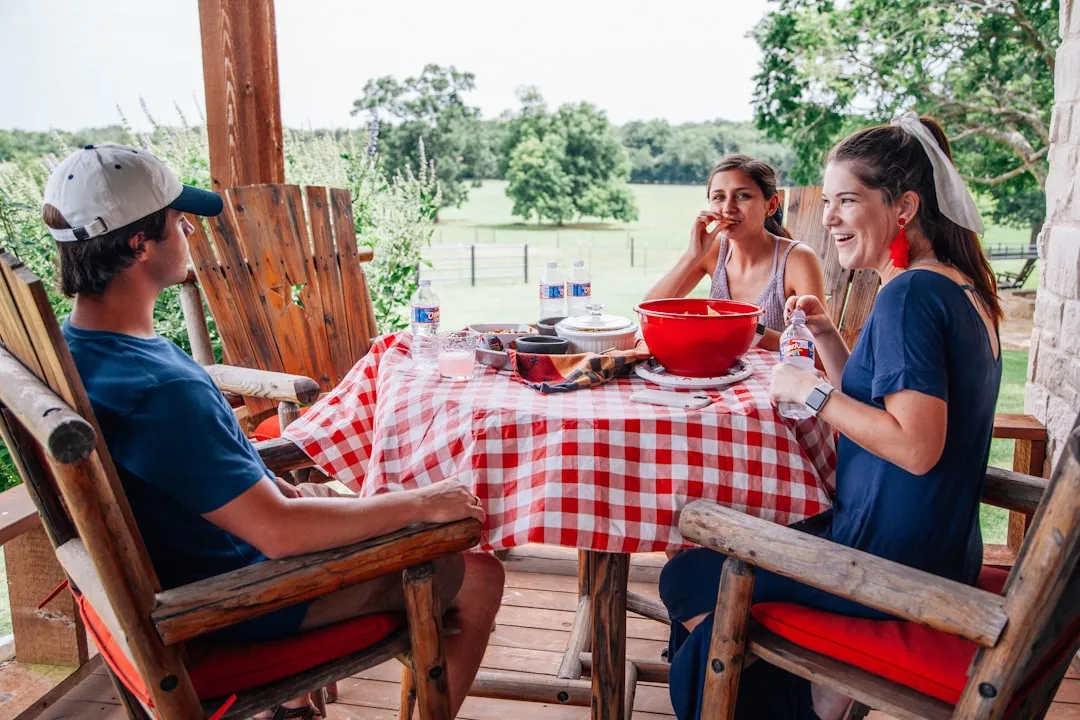
The U.S. agritourism market generated a revenue of $3.28 billion in 2024 and is expected to reach $6.2 billion by 2030. The U.S. agritourism market is expected to grow at a compound annual growth rate of 11.3% from 2025 to 2030, according to Grand View Research.
In terms of activity segments, outdoor recreation was the largest revenue-generating activity in 2024. Educational tourism is the most lucrative activity segment registering the fastest growth during the forecast period. For Midwest farms, which already offer both in abundance, this alignment is a meaningful structural advantage.
The Role of Government Support and Infrastructure
Government initiatives, such as the USDA’s support for rural development programs, have played a critical role in promoting agritourism by offering grants and resources to farmers looking to expand their tourism offerings. That support has helped lower the barrier to entry for smaller family farms that might otherwise lack the capital to pivot.
In June 2024, the Ohio Ecological Food and Farm Association, along with its partners, hosted its annual Farm Tour and Workshop Series. The program featured 24 events, including tours of organic and ecological farms in Ohio and Michigan, and educational workshops. Participants had the opportunity to explore farm fields, gardens, and pastures, while 14 workshops covered topics such as organic certification, farmland access, and farm employment law. Events like this show the institutional scaffolding that’s quietly supporting the sector’s growth.
Community and Economic Ripple Effects in Rural Towns
Agritourism fosters economic development through indirect channels, including job creation in hospitality and food retail sectors that support local foods and agricultural sectors. Visitor spending in agricultural communities bolsters rural economies, enhancing their economic resilience.
The growth of agritourism also encourages young people to stay or return to rural areas, as it offers a sustainable alternative to traditional agricultural work, providing a way to preserve local culture while supporting economic growth. That retention effect matters in communities where population decline has been a persistent concern for decades.
Beyond economic impacts, agritourism strengthens cultural heritage and reinforces rural identities. In the Midwest, where farm life is foundational to regional identity, that intangible value carries real weight.
The Honest Challenges That Still Remain
None of this growth comes without friction. Challenges remain. Barriers to developing agritourism in the United States include regulatory hurdles, limited access to capital, and the need for specialized training for farmers. Zoning laws in particular can present real obstacles, especially for operations hoping to add overnight accommodations or large-scale events.
Creating agritourism experiences is hard work, especially for an already busy farmer. The fall agritainment season is only around six weeks long, but the work extends far beyond the season. That seasonal compression is a genuine challenge. Operators are now providing retreats, wellness stays, and educational programs year-round. Investments in glamping, green infrastructure, and climate-resilient crops help lessen weather-related hazards.
What the Momentum Tells Us About Where This Is Heading
The agritourism boom in the Midwest isn’t a passing trend dressed up in flannel. It reflects something more durable: a broad renegotiation of how people want to spend their leisure time and where they want their food dollars to go. The agritourism industry continues to demonstrate remarkable resilience and growth, fueled by a rising global interest in sustainable and experiential travel. Millions of travelers are seeking authentic farm experiences, immersive agricultural activities, and a deeper connection to rural communities.
Agritourism promotes sustainable farming, supports local economies, and provides tourists with a unique opportunity to reconnect with nature and traditional agricultural practices while contributing to the preservation of rural heritage. For the Midwest, a region that has long been the engine of American agriculture, that framing feels both accurate and fitting.
The rolling hills haven’t changed. What has changed is how many people are driving out to spend a day on them, and how many farmers have learned to make those visits count.
AI Disclaimer: This article was created with the assistance of AI tools and reviewed by a human editor.