
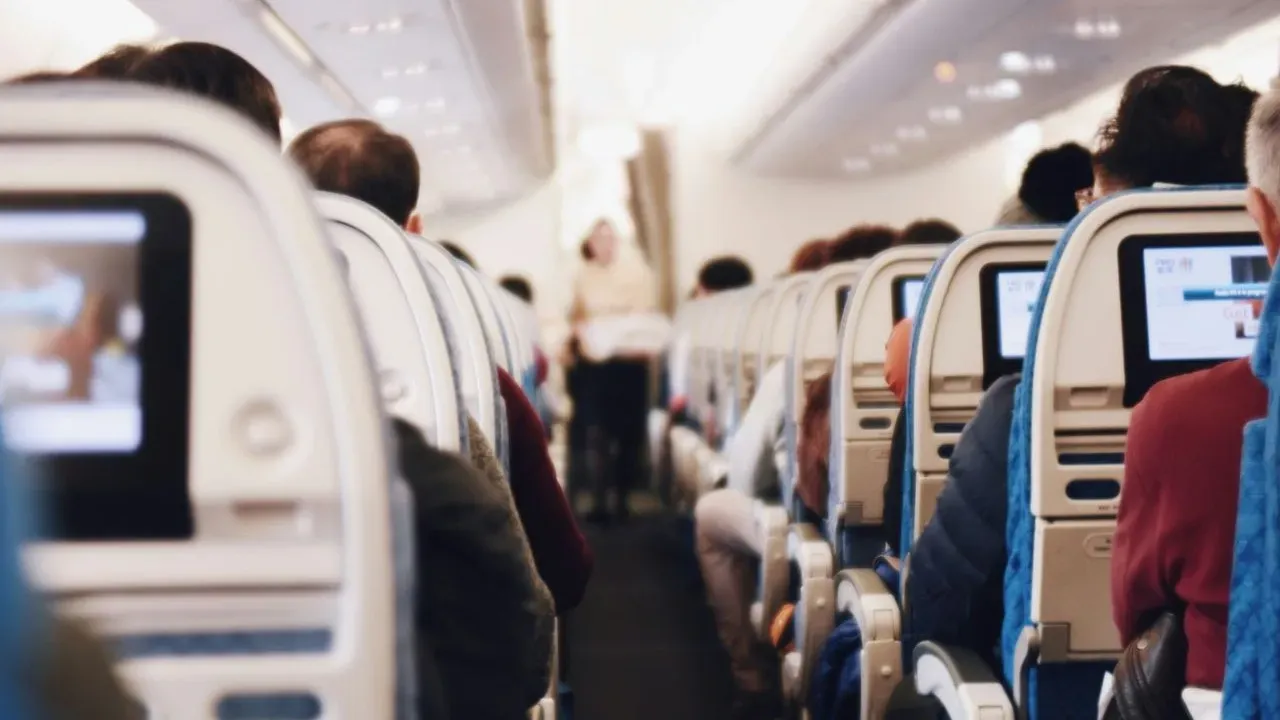

A recent flight cancellation in the United States drew attention to a straightforward but nonnegotiable requirement: every passenger on board must be secured before takeoff. The decision came after a toddler stood on a seat and declined to fasten a seatbelt, which the airline classified as an unsafe condition. While such disruptions remain rare, they illustrate how aviation safety standards apply uniformly, regardless of age.
The Regulatory Foundation for These Decisions
Federal Aviation Administration guidelines mandate that all individuals, including infants and young children, must be properly restrained during critical phases of flight. These rules exist to protect everyone in the cabin should turbulence or an emergency arise. Airlines operate under the same framework, which leaves little room for exceptions once boarding is complete.
Crew members receive extensive training to identify and address situations that could compromise safety. When a passenger cannot or will not comply, the only viable option often becomes delaying or canceling the departure. This approach prioritizes the well-being of the entire aircraft over individual convenience.
How Families Can Prepare Young Children in Advance
Thoughtful preparation begins well before arrival at the airport. Parents who introduce the idea of seatbelts through calm conversations or short practice sessions at home often find the actual boarding process smoother. Familiarity reduces anxiety for both the child and the adults traveling with them.
Selecting flights during typical nap times or carrying familiar comfort items can also help maintain a settled atmosphere once seated. Many families report success with small, age-appropriate distractions that keep little hands occupied without interfering with the restraint system. Airlines themselves provide guidance on approved child restraint devices that meet federal standards.
Clear communication with gate agents and flight attendants before boarding allows crews to offer additional support when needed. Early requests for assistance frequently result in more time and attention during the seating process.
The Ripple Effects on Fellow Travelers
When a departure is canceled for safety reasons, the consequences extend beyond the immediate family. Other passengers face rebooking challenges, potential overnight stays, and adjustments to tightly scheduled itineraries. Crew members must manage the logistics of an unplanned turnaround while maintaining their own duty limits.
These outcomes reinforce why proactive steps matter. A few extra minutes spent ensuring a child understands the expectation can prevent broader disruption for dozens or even hundreds of people. Airlines continue to refine their procedures to balance operational needs with passenger support during such events.
Building Confidence for Future Journeys
Air travel with young children becomes more manageable when families view safety protocols as shared responsibilities rather than obstacles. Resources from the FAA and major carriers outline age-specific recommendations that help parents anticipate what to expect at each stage of the trip. Reviewing these materials in advance equips families with practical knowledge.
Ultimately, the goal remains the same for everyone involved: a secure and efficient journey from gate to destination. By approaching each flight with preparation and respect for the rules that protect all passengers, families contribute to smoother experiences for the entire cabin.
AI Disclaimer: This article was created with the assistance of AI tools and reviewed by a human editor.