
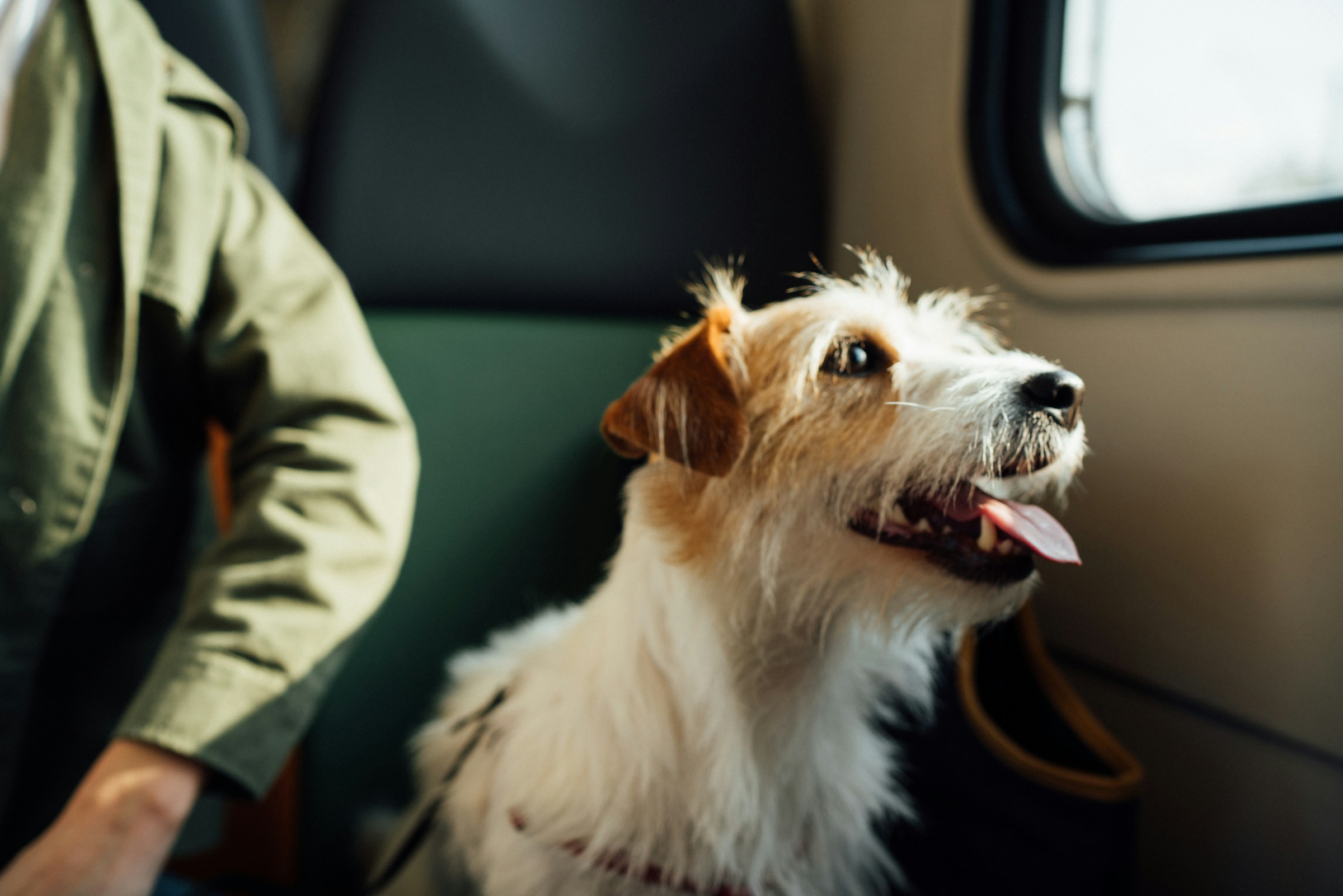

The 85°F Rule That Governs Most Airlines
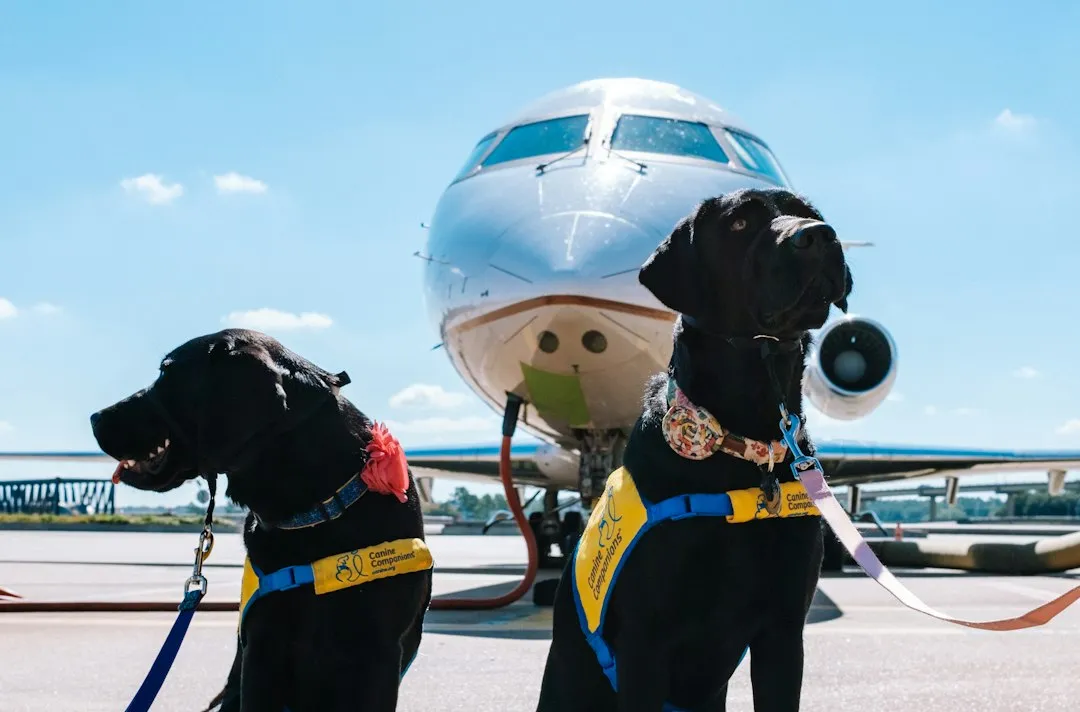
All commercial airlines impose temperature restrictions for pets flying in the cargo hold. Generally, if the temperature anywhere along the route, including the origination airport, layover airport, or destination airport, is above 85°F (29°C), the airline will refuse to fly your pet in the cargo hold.
The threshold does vary slightly by carrier. American and Alaska Air Cargo use 85°F as the upper temperature limit for pets in the hold, while Delta uses 80°F. That five-degree difference might seem minor on paper, but in practice it means a pet could be cleared on one airline and turned away on another for the exact same flight route.
American Airlines Cargo will not accept any warm-blooded pets that request to travel from, to, or through any airport with ground temperatures forecasted to be higher than 85°F. They prioritize pet safety when animals fly with them, and temperatures higher than 85°F are considered simply not safe. No exceptions are entertained.
The Tarmac Is the Real Danger Zone

The reason is straightforward: pets in cargo are exposed to outdoor temperatures during loading, unloading, and tarmac transfer. This is the moment that airlines, vets, and animal welfare organizations consistently flag as the most dangerous. The plane’s cabin can be climate-controlled, but the ground handling window is not.
The riskiest moments usually aren’t in the air; they’re on the ground, during check-in, ground handling, and the wait to load, when a hot tarmac can heat a cargo hold fast. A pet sitting in a dark plastic crate on black asphalt in July isn’t experiencing airplane travel. It’s experiencing something closer to a parked car in direct sunlight.
If a flight is delayed on the runway, or if a baggage handler leaves a pet crate sitting on the tarmac waiting to be loaded, the temperature inside that plastic crate can skyrocket to fatal levels in less than 15 minutes. Delays, which are common in summer thunderstorm season, dramatically compound this risk.
Cities Where the Heat Is Simply Too Predictable to Ignore

Weather is anything but predictable, but some cities are too hot to transport pets from, to, or through during the summer months. That’s why American Airlines Cargo embargoes all warm-blooded pet shipments from, to, or through certain stations from May 1 through September 30, including Las Vegas, Nevada; Phoenix, Arizona; Palm Springs, California; and Tucson, Arizona.
Many airports in areas historically seeing high temperatures in the summer, such as Texas and Arizona, will be banned by many airlines for all summer months. This isn’t a reactive decision triggered by a single hot day. For these cities, the heat is reliable enough that the restriction applies as a matter of policy regardless of the forecast on any given morning.
American Airlines Cargo’s summer safety policy blocks pets that are not traveling in the cabin from moving to, from, or through several desert hub cities during the hottest months of the year, independent of what the actual temperature happens to be on any given day. That firmness reflects how seriously the airline treats the risk.
Brachycephalic Breeds Face Even Stricter Limits

High temperatures can lead to heat stress in animals, especially those with limited ability to regulate their body temperature, such as brachycephalic breeds like bulldogs and pugs, or animals with thick coats. For these dogs and cats, the margin of safety at any temperature is considerably smaller than for other breeds.
Brachycephalic breeds including French Bulldogs, Pugs, Boston Terriers, and Persian cats face heightened concern. Their compressed airways make it harder to cool down through panting, which raises their risk in warm or humid conditions. Panting is the primary mechanism dogs use to regulate body temperature, and breeds with shortened snouts simply can’t do it effectively enough under stress.
Delta uses a lower threshold of 80°F for general cargo pets. American and Delta will not carry brachycephalic dogs and cats in the hold at all, and Alaska Air Cargo says it generally does not accept them there either. Due to this persistent risk, many major airlines have instituted permanent, year-round bans on flying brachycephalic breeds in the cargo hold.
What the Incident Data Actually Shows
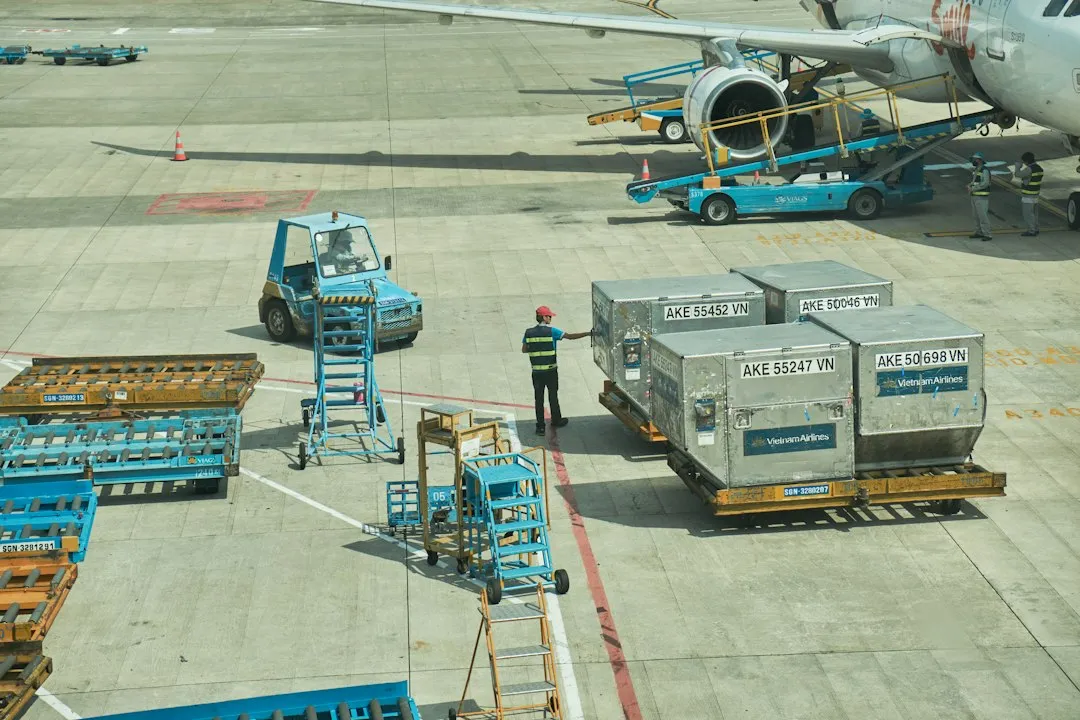
Animals carried in the plane’s cargo hold, where dozens die each year from heat and stress. Conditions in the cargo hold of commercial jets are not always friendly; temperatures can fluctuate wildly, noise can be tremendous, and air pressure can drop significantly.
According to U.S. Department of Transportation data, there were 3 deaths, 5 injuries, and 1 loss recorded in a recent reporting year, with an official rate of 0.76 incidents per 10,000 animals. That’s fewer deaths than in 2024, when there were 10 out of 161,335 animals transported, showing the numbers continue improving year over year.
According to the AVMA, roughly half of the recorded deaths involve flat-faced breeds, not the general conditions of the hold. That statistic helps explain why breed-specific bans have become so common, even beyond summer months. The anatomy of these animals is a compounding factor that exists independently of air temperature.
How Airlines Classify the Embargo Formally
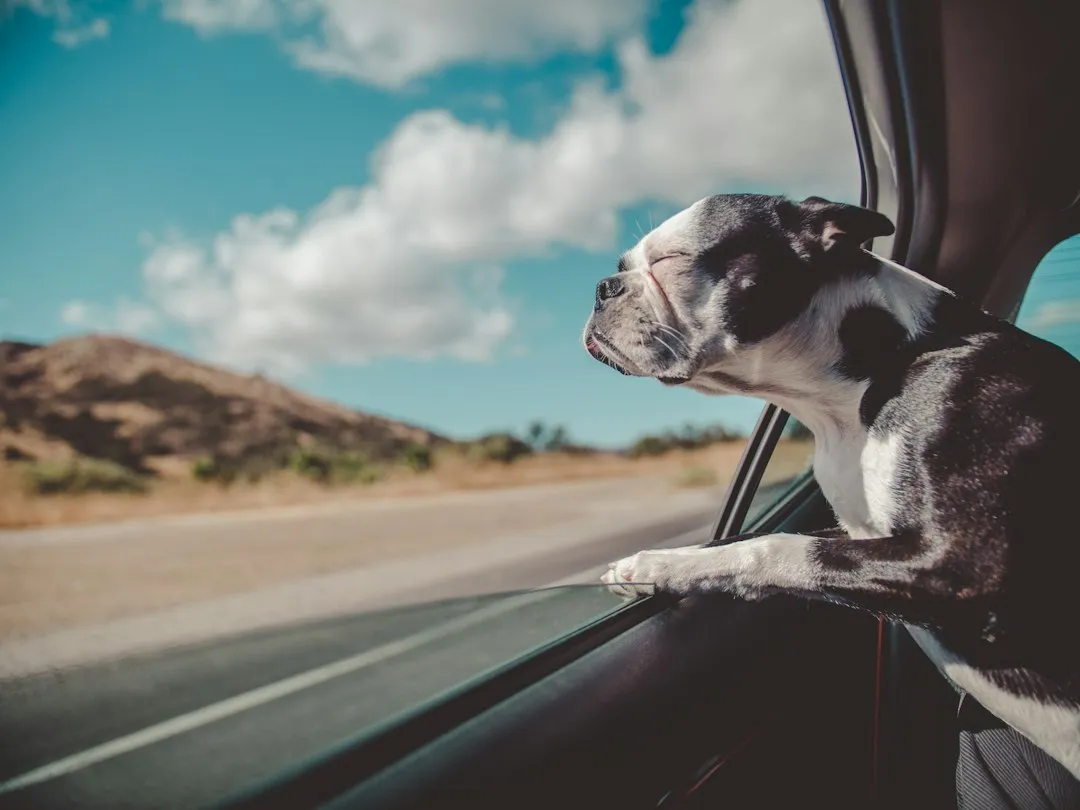
An airline pet travel embargo is a temporary restriction, usually tied to extreme temperatures, that prevents pets from being transported in cargo or checked baggage. The reason is straightforward: when ground temperatures exceed safe thresholds, the tarmac and baggage areas can become dangerously hot for animals waiting to be loaded.
Because of unusually high temperatures, airlines around the world have implemented heat embargoes that are impacting pet travel, with some flights cancelled and others rescheduled. While heat embargoes can be frustrating, they exist for the protection of pets. The inconvenience is real. So is the reason for it.
These embargoes exist to protect animals from heat-related illness, especially when flying in cargo holds or during long ground handling periods. When an embargo is triggered, it typically applies across every connecting airport on the itinerary, not just the departure or arrival city.
Major U.S. Airlines and Their Summer 2026 Positions

In the U.S., United, Delta, and American have all stopped hold and cargo pet travel for the general public; Alaska Airlines is the main exception. This represents a significant shift in how the major carriers approach pet transport, and it didn’t happen gradually. United discontinued its PetSafe program, and Delta’s restrictions have become effectively permanent for civilian pet transport.
United Airlines discontinued its PetSafe programme, the dedicated cargo service for pets, and has not replaced it with a civilian alternative. Delta does not accept pets as cargo year-round and applies additional summer limitations to reduce risk during heat waves. For travelers with large dogs who can’t fit in the cabin, this narrows the options considerably.
Alaska Airlines enforces seasonal temperature embargoes, typically from May 1 through October 1, and if temperatures are too high for pets to travel safely, they may place an embargo. Among the major U.S. carriers, Alaska remains one of the few still actively offering cargo pet transport to the general public in 2026.
The International Picture Is Just as Restrictive
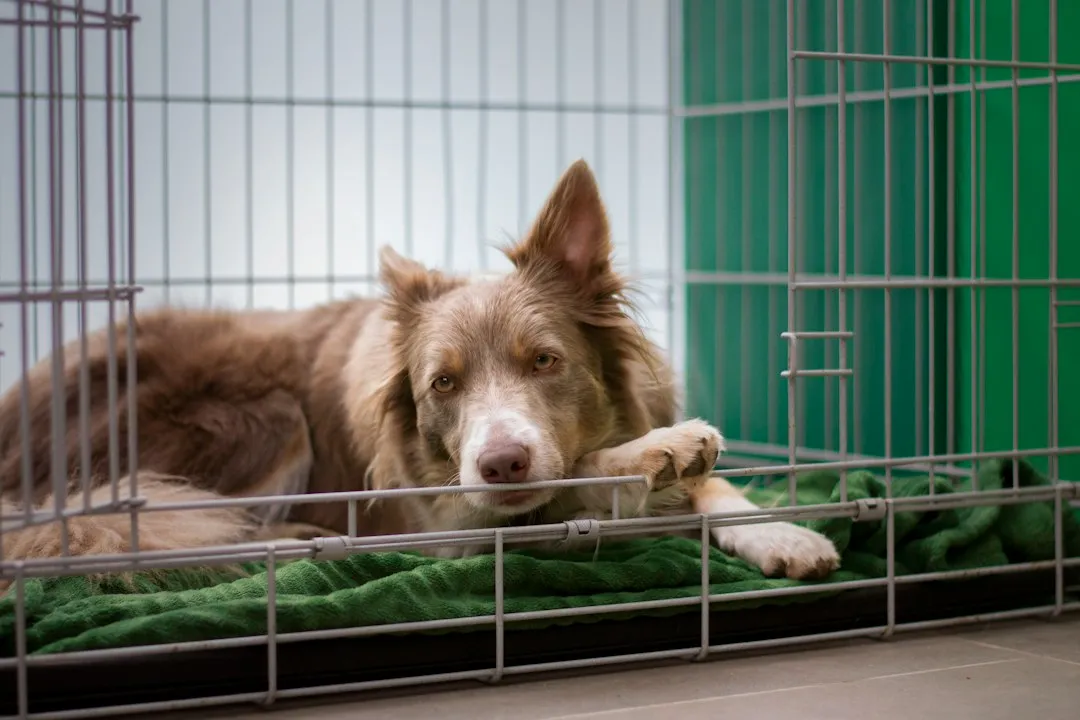
Lufthansa’s updated list as of January 2026 bans the English bulldog, French bulldog, Boston terrier, pug, boxer, shih tzu, Lhasa Apso, Persian, Himalayan, and Exotic Shorthair on all routes, all seasons. This goes beyond summer restrictions entirely, representing a year-round position based on breed anatomy alone.
Brachycephalic breeds including English bulldogs, French bulldogs, pugs, Persians, Himalayans, and Exotic Shorthairs are banned on Lufthansa, Air France, and KLM between May and September due to heat stroke risk. European carriers have moved in a notably stricter direction on this issue compared to some of their counterparts.
Qatar Airways explicitly warns that specific breeds face an elevated risk of heat stroke when ambient outside temperatures pass 21°C (69.8°F). While the aircraft cargo holds are fully air-conditioned and pressurized, the brief loading window across the outdoor concrete runways exposes crates to raw surface heat. That loading window, just minutes long, is enough to put a vulnerable animal at risk.
In-Cabin Pets Are Treated Very Differently
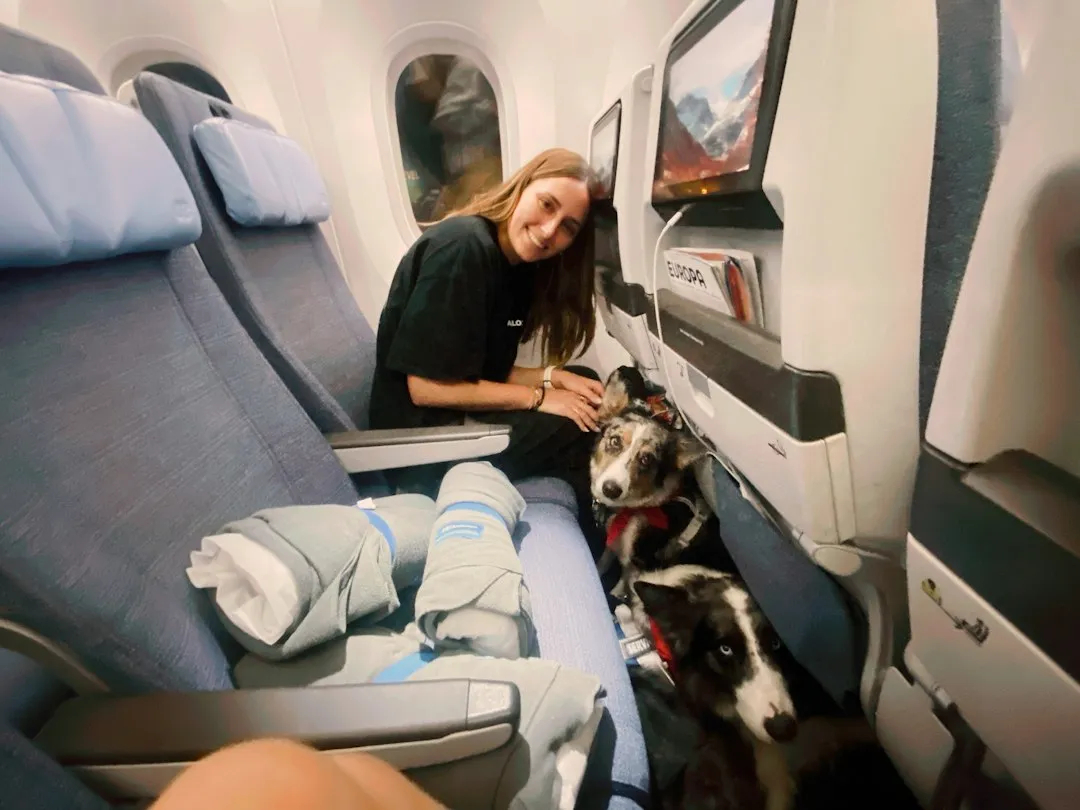
In-cabin pets are with their owners in the climate-controlled passenger cabin. Heat embargoes only apply to pets traveling in the cargo hold. This is a meaningful distinction. The controlled environment of the passenger cabin eliminates the tarmac exposure risk that makes summer cargo so dangerous.
In-cabin travel in a temperature-controlled aircraft cabin is generally safe. The primary risk is ground handling time in extreme heat before boarding and after landing. Even for cabin pets, the advice is to minimize time on the tarmac and to choose early morning flights when ground temperatures are lower.
Temperature embargoes primarily affect cargo and checked baggage pets. Smaller dogs and cats that fit in an approved carrier under the seat ahead travel in an environment that’s genuinely protected. The embargo rules are written specifically for the cargo hold environment, where that protection doesn’t consistently apply.
What Responsible Planning Looks Like in 2026
If temperatures at the origin, layover, or destination airports fall outside safe ranges, typically below 45°F (7°C) or above 85°F (29°C), a pet may not be allowed to travel. This means checking every city on the itinerary, not just the final destination. A layover in Phoenix or Las Vegas in July could trigger a refusal even if the origin and destination cities are mild.
Increased temperatures can accelerate dehydration, posing a risk to animals’ health, particularly if they are not provided with adequate water during travel. Hydration, crate acclimatization, and veterinary consultation before any summer journey are consistently recommended by animal transport professionals and vets alike.
For most pets in peak summer, a professional ground transporter runs a climate-controlled vehicle with continuous temperature management and supervised breaks, while a cargo hold is only conditioned intermittently and is exposed to tarmac heat during loading and delays. For pet owners facing a summer embargo, ground transport has become the practical and increasingly preferred alternative.
The Bigger Picture: Improving Safety Through Stricter Standards
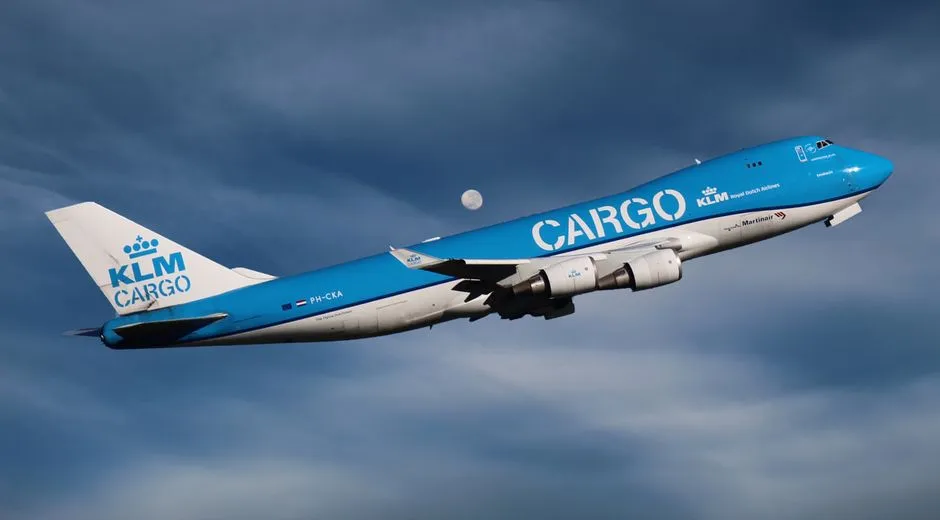
The trend across both U.S. and international aviation is clear. Restrictions have grown tighter, breed-specific bans have become more common, and several major carriers have exited the civilian cargo pet market entirely. This isn’t airlines making life difficult for pet owners. It’s an industry responding to real incidents, public pressure, and a growing understanding of just how vulnerable animals are during ground handling.
Cargo hold pet transportation has undergone strict safety improvements. Airlines now mandate temperature-controlled areas for pets following several incidents in 2024. The trajectory of reform has been consistent, even if the pace sometimes feels slow to pet owners navigating the rules each summer.
Ultimately, heat embargoes represent one of those situations where inconvenience and animal welfare are on the same side of the argument. A flight that can’t carry your pet during a heat wave isn’t failing you. It’s doing exactly what it should.
AI Disclaimer: This article was created with the assistance of AI tools and reviewed by a human editor.