
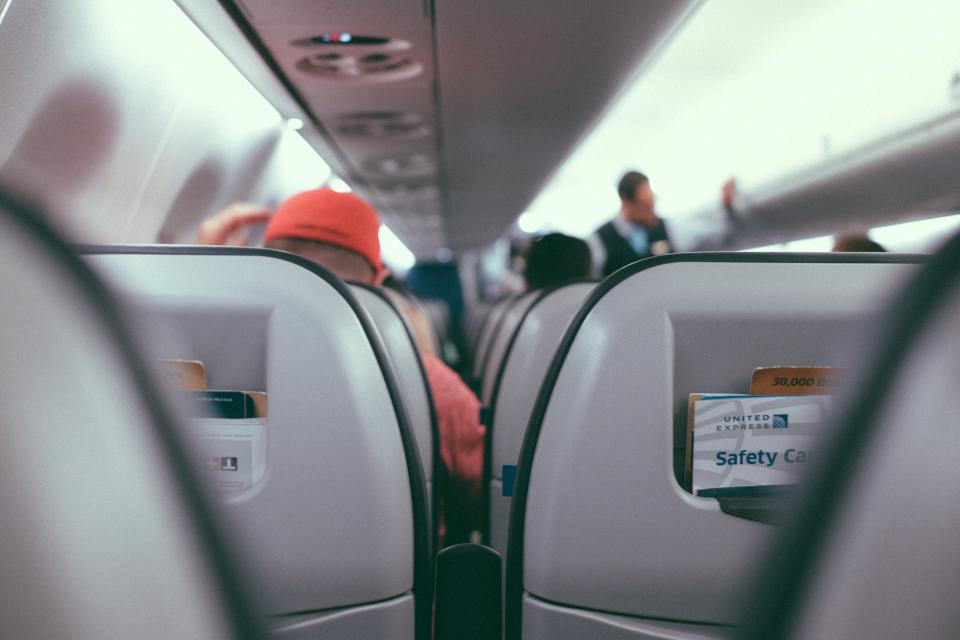

Most passengers settle into their seats, buckle up, and give little thought to the invisible engineering happening around them. The air they breathe at 38,000 feet feels ordinary enough. Yet it’s anything but ordinary, and the specific pressure chosen for that air is the result of decades of aeronautical compromise, physiological research, and structural physics.
The cabin you’re sitting in isn’t pressurized to match your living room. It’s pressurized to somewhere between the altitude of Denver and a modest mountain town. That choice is deliberate, calculated, and far more interesting than most travelers realize.
The World Outside Your Window Is Unlivable
Outside a cruising aircraft, the temperature sits at roughly minus 56 degrees Celsius, and the air pressure is so low that an unprotected human would lose consciousness in about 15 seconds. This isn’t a dramatic exaggeration – it’s simply the physical reality of cruising altitude. The pressurization system is the only thing standing between a comfortable flight and immediate physiological crisis.
As today’s commercial jets ascend to their cruising altitude of between 30,000 and 40,000 feet, the amount of oxygen in the air continually decreases. Without modern technology, passengers would quickly feel light-headed and may faint, since at 30,000 feet there is only 4.4 lbs of atmospheric pressure compared to the 14.7 lbs found at sea level.
The 6,000 to 8,000-Foot Sweet Spot
Commercial jets cruise where outside air is too thin to breathe, so pressurization systems maintain an internal environment equivalent to 6,000 to 8,000 feet above sea level. Commercial aircraft maintain this cabin altitude even at cruising altitudes above 35,000 feet, keeping passengers breathing normally throughout the flight.
On commercial aircraft, the cabin altitude must be maintained at 8,000 feet or less, according to aviation regulations. For the past several decades, 8,000 feet has been accepted as the maximum operational cabin pressure altitude in the airline industry. That ceiling exists because it keeps the body functional without placing excessive structural demands on the airframe.
Why Not Just Pressurize to Sea Level?
Pressurizing an aircraft too much could put its fuselage under too much stress from differential pressure as the plane climbs. To avoid that, airliners don’t try to duplicate the air pressure at sea level. The physics are straightforward: the greater the difference between inside and outside pressure, the harder the fuselage has to work to hold itself together.
If the cabin were pressurized to sea level, the fuselage would need to withstand a pressure differential of roughly 11.6 psi, meaning every square inch of fuselage skin would be pushing outward with 11.6 pounds of force. The cabin pressure in commercial passenger aircraft is therefore a compromise between the degree of hypoxia that passengers and crew are expected to be able to tolerate, and the strength and weight of the aircraft.
What Happens Inside the Body at Cabin Altitude
Physiological problems associated with reduced cabin pressure include hypoxia, altitude sickness, decompression sickness, and barotrauma. Hypoxia results from the reduced partial pressure of oxygen at high altitudes, which reduces oxygen tension in the lungs and subsequently in the brain, leading to sluggish thinking, dimmed vision, and potential loss of consciousness.
The partial pressure of oxygen inside an aircraft pressurized to the 8,000-foot standard is about 25 percent less than the corresponding pressure at sea level, and prolonged exposure to this lower partial pressure can still have an adverse effect on the health of passengers. For most healthy travelers, the body adapts. For those with respiratory conditions, the reduced oxygen environment can be genuinely taxing.
The Structural Engineering Behind the Numbers
Pressurization systems are designed to keep the interior cabin pressure between 12 and 11 psi at cruise altitude. On a typical flight, as the aircraft climbs to 36,000 feet, the interior of the plane effectively “climbs” to between 6,000 and 8,000 feet. The fuselage is engineered specifically to handle this differential – not more, not less.
The pressurization system controls the difference between cabin pressure and external pressure, keeping what’s called the differential pressure within a pre-established value. This difference is normally between 8 and 9 psi, which is less than the maximum the fuselage is able to support without structural damage. The airframe is essentially holding back a constant, enormous force every single flight.
How the Air Actually Gets Into the Cabin
The air passengers breathe was bled from the jet engines at over 200 degrees Celsius, cooled through heat exchangers, mixed with recirculated cabin air filtered through HEPA filters, and then delivered to seat rows at a comfortable temperature and a pressure equivalent to a mountain town. It’s a complex chain of thermal and mechanical processes, running continuously and silently from takeoff to landing.
One of the benefits of a pressurization system is the constant flow of clean, fresh air moving through the aircraft. The air inside the airplane is completely changed every two to three minutes, making it far cleaner than the air in a typical home or office. That refresh cycle is one reason aircraft cabins, despite their reputation, can have surprisingly good air quality.
Altitude Sickness and the Research That Changed Thinking
A study published in The New England Journal of Medicine in July 2007 suggested that aircraft cabin pressurization at 8,000 feet can affect passenger comfort, noting that acute mountain sickness occurs in some unacclimatized persons who travel to altitudes with barometric pressures equivalent to those found in commercial aircraft during flight. The sickness occurred in roughly 7.4 percent of the 502 study participants.
More recent research findings on the physiological and psycho-physiological effects of mild hypoxia have provided cause for renewed discussion of the acceptability of a maximum cabin cruise altitude of 8,000 feet, though researchers did not find sufficient scientific data to recommend a change in the cabin altitude of transport category aircraft. The debate continues quietly in aerospace medicine circles, but the standard has held.
The Boeing 787 and the Lower Cabin Revolution
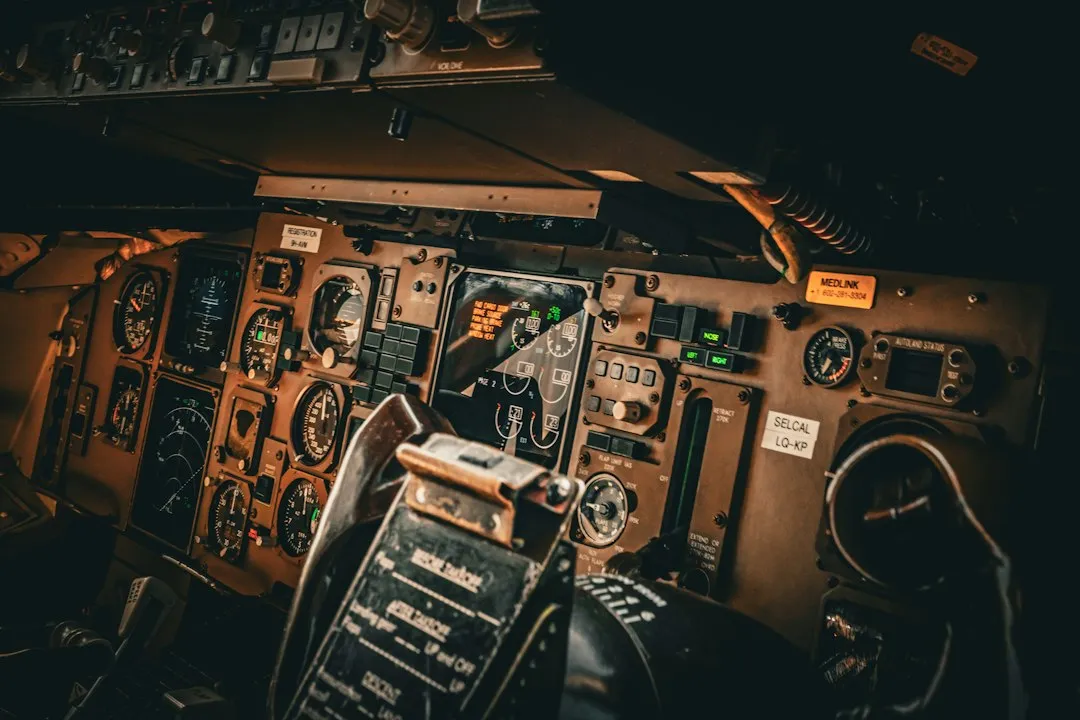
When Boeing designed the 787 Dreamliner, it made a structural choice that quietly improved the flying experience for millions of passengers. The 787’s fuselage is built from carbon-fiber reinforced polymer rather than traditional aluminum alloy. Composite materials are stronger in tension, resist fatigue better, and do not corrode – which means Boeing used that advantage to lower the 787’s cabin altitude to 6,000 feet, noticeably lower than the 7,000 to 8,000 feet typical of older aircraft.
Composites allow the 787 cabin to maintain pressurization at an altitude of 6,000 feet, which is 2,000 feet lower than conventional jets, reducing many physical symptoms common on long-haul flights like fatigue and jet lag. This approach was followed by the Airbus A350, which also makes extensive use of composite materials and is pressurized to 6,000 feet.
What Decompression Actually Looks Like
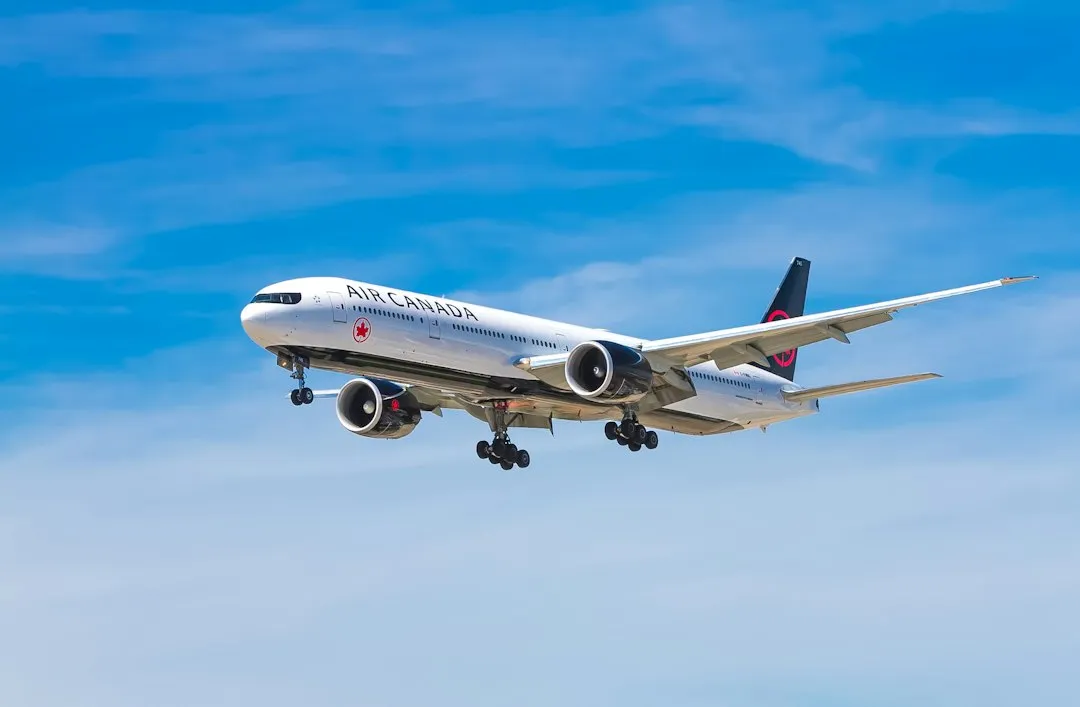
On rare occasions, aircraft pressurization can fail, resulting in decompression and even explosive decompression. This happened to Alaska Airlines Flight 1282, a Boeing 737 MAX 9 that suffered a door plug blowout in early 2024. When decompression happens, passengers cannot breathe enough oxygen and begin to succumb to hypoxia, while oxygen masks deploy automatically to keep passengers supplied.
It surprises many people that an aircraft fuselage is not fully airtight. Even with the outflow valve fully closed, air still leaks out, and window and door seals also leak small amounts. So if the pressurized air source is interrupted, the fuselage will slowly lose pressure – which is exactly why flight crews will immediately begin descending the aircraft if there is a serious pressurization problem.
Regulations That Keep the Limits in Place
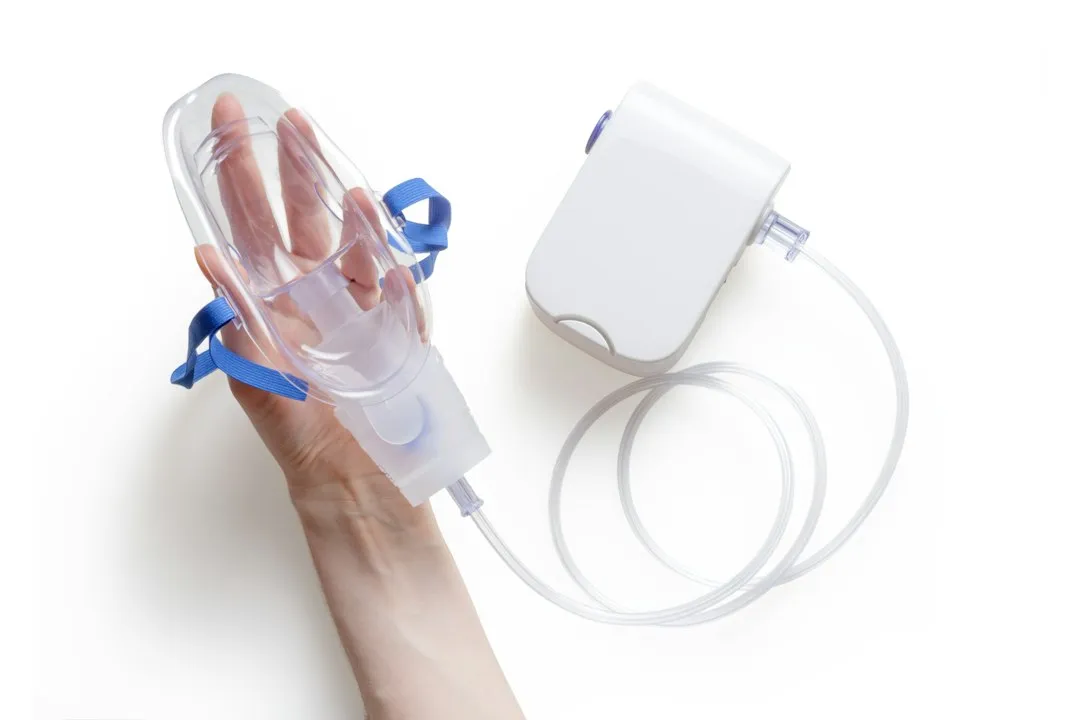
For private aircraft operating in the US, crew members are required to use oxygen masks if the cabin altitude stays above 12,500 feet for more than 30 minutes, or if the cabin altitude reaches 14,000 feet at any time. At altitudes above 15,000 feet, passengers are required to be provided oxygen masks as well. These thresholds reflect the point at which the body can no longer compensate safely on its own.
If cabin pressurization isn’t possible or oxygen isn’t available, pilots are limited to 30-minute flights at an altitude of 12,500 feet according to Federal Aviation Regulations. Aircraft flight crew and passengers must have supplemental oxygen for any flights at an altitude of 14,000 feet or higher. These rules don’t leave much room for interpretation, and they exist precisely because the consequences of getting it wrong are immediate.
The Takeaway: A Carefully Managed Compromise
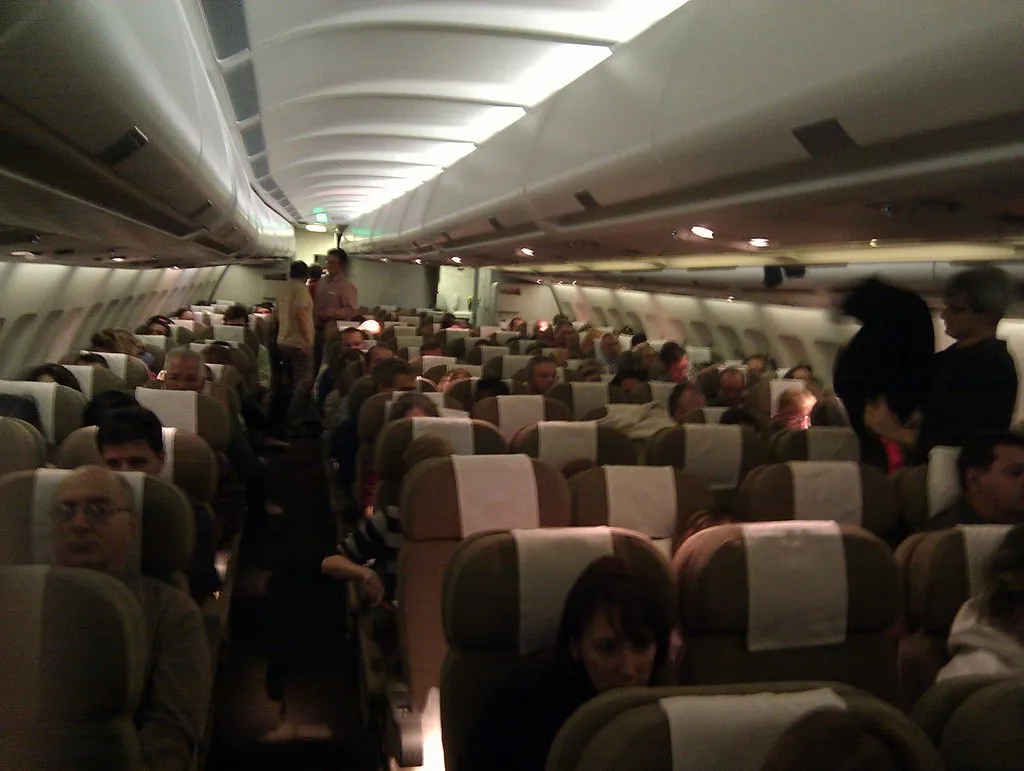
Every commercial flight is, at its core, a sustained negotiation between human physiology, materials science, and structural engineering. The choice to pressurize at 6,000 to 8,000 feet rather than sea level isn’t a cost-cutting shortcut – it’s a principled balance between what the body needs and what the airframe can safely deliver.
This range keeps blood oxygen saturation high enough for normal cognitive and physical function while managing the structural stress that higher pressurization would place on the fuselage. A lower cabin altitude reduces stress on the body, minimizes jet lag, and creates a noticeably more refreshing travel experience. As composite materials become more common across the industry, that altitude ceiling may gradually come down further – and passengers will feel the difference, even if they never know why.
AI Disclaimer: This article was created with the assistance of AI tools and reviewed by a human editor.