

The Basic Fact: What “15 Minutes” Actually Means
The oxygen masks that drop from airplane ceilings during emergencies contain enough breathable air for roughly 12 to 15 minutes. That range isn’t a marketing approximation. It reflects genuine variation across different aircraft types, generator sizes, and manufacturers. Some systems run a bit shorter, some considerably longer.
Some generators are rated notably higher, with Boeing 777 chemical generators rated for 22 minutes. So the “15-minute” figure is best understood as a minimum design benchmark, not a hard ceiling on every aircraft in service.
It’s Chemistry, Not a Tank of Air
The oxygen mask system operates through chemical oxygen generators rather than pressurized tanks. When masks deploy, pulling the mask toward your face activates these generators through a simple pin-pull mechanism. This is a genuinely clever piece of engineering. There’s no heavy pressurized cylinder overhead, no complex valve system, just chemistry doing the work.
Airplane oxygen masks run on a chemical generator that burns for 12 to 20 minutes at up to 500 degrees Fahrenheit, and cannot be switched off once you pull. That last point matters: once activated, the reaction runs its full course. There is no pause button.
Burning iron oxide and sodium perchlorate or a similar chemical blend that results in oxygen is the key to these potentially life-saving pieces of equipment. The warmth passengers occasionally notice from the mask housing is a direct byproduct of that chemical reaction.
Why the Masks Drop in the First Place
If cabin pressurization is lost while an aircraft is flying above approximately 14,000 feet, passenger oxygen masks are normally released automatically from compartments above the seats. Modern aircraft monitor cabin pressure continuously, and the deployment is automatic once pressure drops past a set threshold.
Passenger oxygen masks may also deploy unintentionally if a mask panel becomes dislodged, such as during severe turbulence or a hard landing. When this happens without an actual pressure loss, it can cause alarm, but no emergency descent is necessarily required. Flight crews are trained to assess exactly that kind of situation.
The Dangerous Physics of High Altitude Without Oxygen

Oxygen masks serve one critical purpose: keeping you conscious during rapid decompression events. When cabin pressure fails, the thin air at cruising altitude contains insufficient oxygen to sustain consciousness for more than 15 to 30 seconds. That is not a figure people tend to internalize until they see it written plainly.
At 35,000 feet, time of useful consciousness under normal ascent conditions is 30 to 60 seconds, dropping to just 15 to 30 seconds following rapid decompression. At 40,000 feet, it falls to 15 to 20 seconds, and after a rapid decompression, as little as 7 to 10 seconds. These are sobering numbers. At typical cruising altitude, a person without supplemental oxygen has perhaps half a minute before their ability to make decisions collapses.
Time of Useful Consciousness: The Clock That Really Matters

Time of useful consciousness, also called effective performance time, is defined as the amount of time an individual is able to function effectively. It is the period from the interruption of the oxygen supply to the time when useful function is lost and the individual is no longer capable of taking proper corrective and protective action.
FAA Advisory Circular 61-107B gives 30 seconds to 1 minute at 35,000 feet, falling to 15 to 30 seconds following a rapid decompression. The circular stresses that these are averages for a person at rest, and warns that time of useful consciousness is not the onset of unconsciousness: impaired performance may be immediate. In other words, passengers may feel fine right up until they aren’t, with very little warning in between.
The Emergency Descent: What the Pilots Are Doing
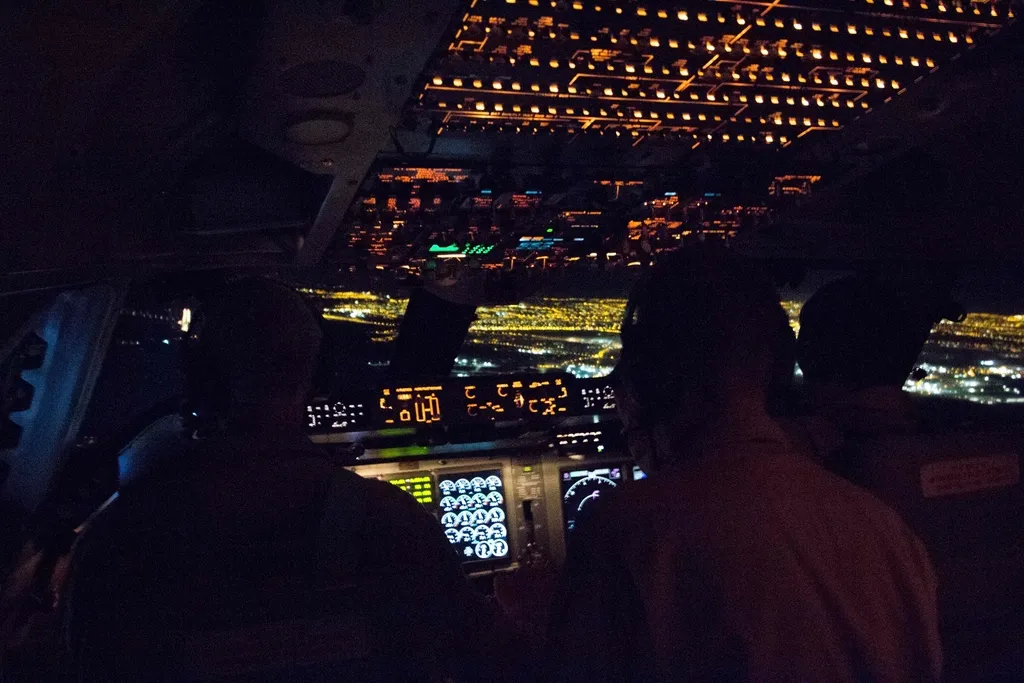
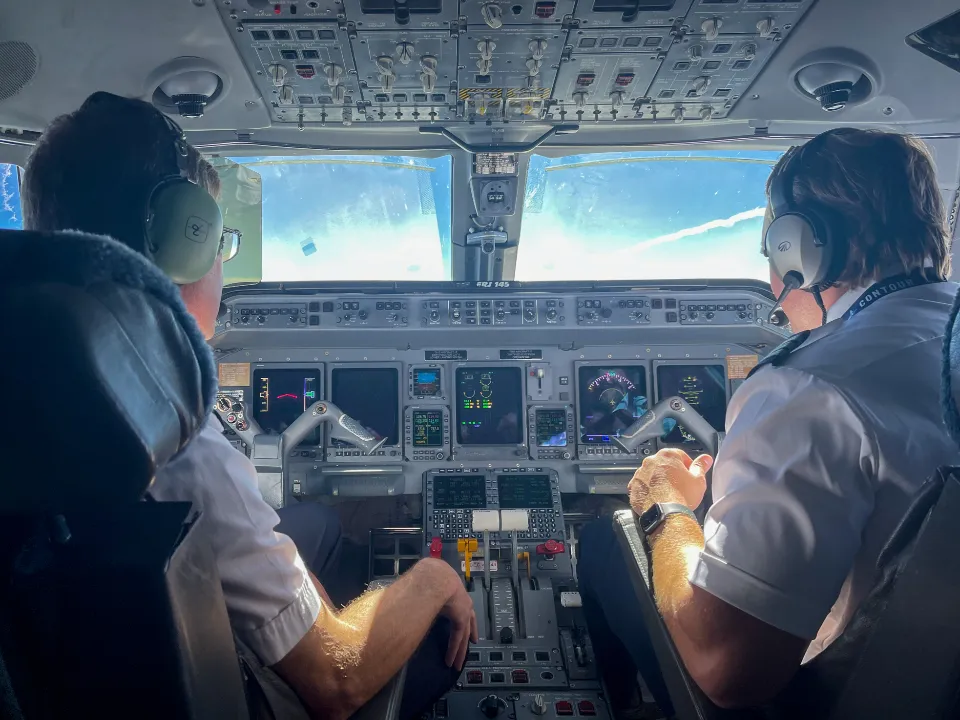
During those 15 minutes, pilots aim to descend the aircraft to 10,000 feet or below, where atmospheric oxygen levels are sufficient for humans to breathe normally without supplemental oxygen. This is the other half of the equation that passengers rarely hear about during safety briefings.
The regulation that sizes the flight crew’s own supply assumes exactly that profile: 14 CFR 121.333(b) defines the required supply as the oxygen needed for a constant rate of descent from the airplane’s maximum certificated operating altitude to 10,000 feet in ten minutes, followed by 110 minutes at 10,000 feet. So while passengers breathe from their short-duration chemical generators, pilots are equipped for a much longer operational window.
While everyone is fitting their masks and being supplied with oxygen, the aircraft will descend to an altitude at which it’s easier to breathe freely. Because it’s protocol to do so as soon as practical when a significant drop in pressure is detected, the oxygen masks may be required for only the briefest moment, if at all.
What FAA Regulations Actually Require
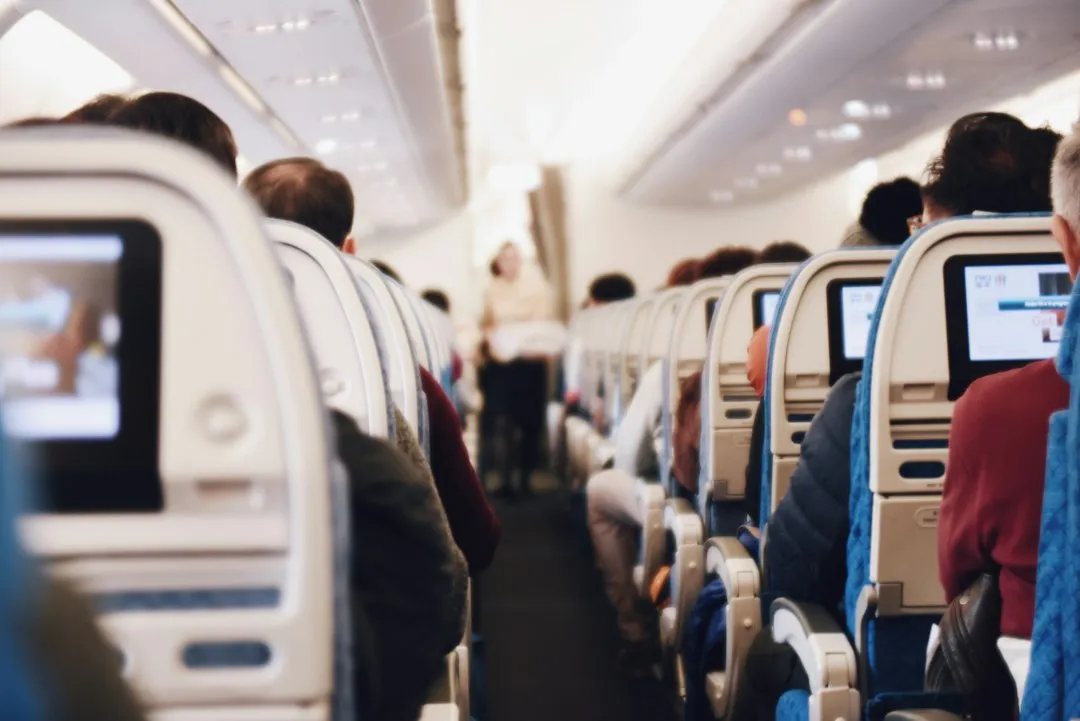
According to the FAA’s Code of Federal Regulations, every passenger should have at least 10 minutes of oxygen on any flight above flight level 250, which essentially means any flight that will travel 25,000 feet above average sea level. The 15-minute figure that most systems deliver is therefore already well above the regulatory minimum for passenger masks.
The FAA has long required certificate holders to furnish, and flight crewmembers to put on and use, oxygen masks during domestic, flag, or supplemental operations in which a turbine engine powered airplane with a pressurized cabin is used. The FAA established these requirements to mitigate the risk of an in-flight cabin pressurization failure. The regulatory framework is layered, with stricter requirements at higher altitudes and separate standards for pilots versus passengers.
Why Longer Masks Aren’t the Answer
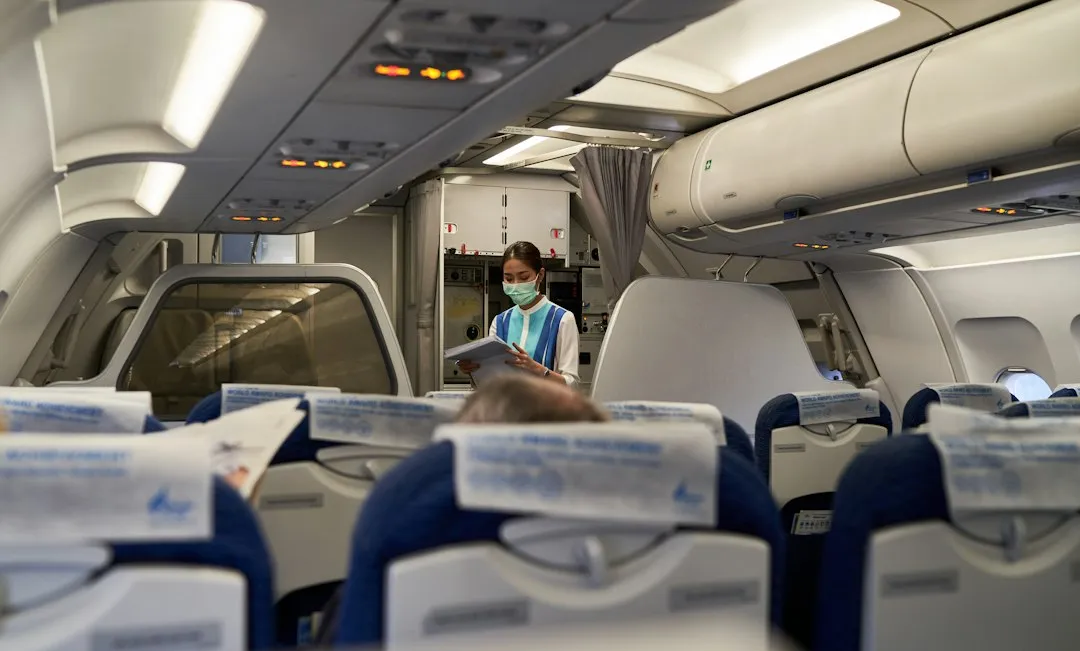
Designing oxygen systems with longer duration would require significantly more equipment, weight, and maintenance. Chemical oxygen generators are single-use devices that must be replaced after deployment, making longer-duration systems impractical and expensive. Airlines calculate that 15 minutes provides adequate time for emergency descent in virtually all scenarios while keeping the system lightweight and reliable.
Weight in aviation is never a trivial consideration. Every extra kilogram carried on every flight compounds into significant fuel costs and emissions across a fleet of aircraft. The 15-minute design target isn’t a compromise born of cost-cutting. It’s a genuinely well-calibrated solution to a specific physiological problem.
Cockpit Crew Get a Different System Entirely

Cockpit crew members generally use more substantial oxygen masks supplied by a gaseous cylinder. This is a meaningful distinction. Pilots need oxygen not just to stay conscious during a descent, but to actively fly and manage systems throughout what could be a complex emergency.
At flight levels above 350, at least one pilot must wear an oxygen mask that supplies oxygen continuously or automatically when cabin pressure exceeds 14,000 feet MSL. Flight crew masks also seal far more tightly than the passenger constant-flow versions, providing positive pressure oxygen to prevent any cabin air from mixing with the supply. It’s a more protective system designed for people who have critical tasks to perform during the emergency itself.
The Constant-Flow Design and Why It’s Intentional
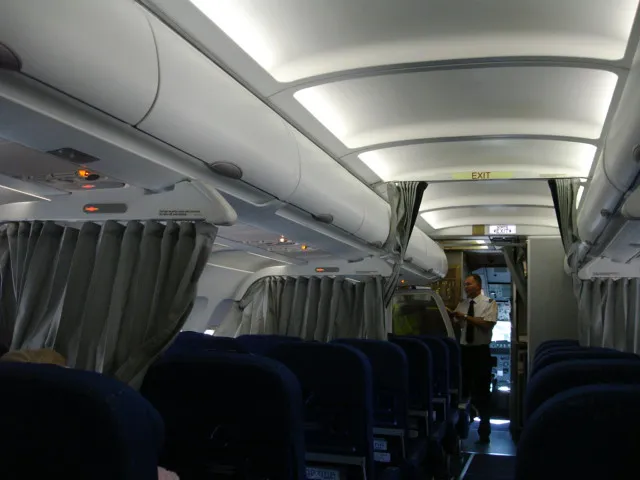
The masks are constant-flow masks, which, according to the Aircraft Owners and Pilots Association, automatically deliver an oxygen supply to the user once it’s put on. This design prioritizes simplicity and speed. In a stressful, potentially noisy emergency, passengers need a mask they can place over their face and immediately benefit from, without any adjustments or settings to manage.
They’re designed for quick and easy use by everyone on the aircraft, many of whom may have never used them before. The simplest, most practical solution for providing oxygen to everybody is via relatively simple masks like these. An elaborate system requiring user interaction would, in practice, be less safe, not more.
The Takeaway
The 15-minute oxygen window on passenger masks is a number that makes complete sense once you understand what it’s actually solving. It bridges the gap between the moment cabin pressure fails and the moment the aircraft reaches an altitude where passengers can breathe freely on their own. That window is defined by human physiology, governed by federal regulation, and sized precisely to match the emergency descent pilots are trained to execute immediately.
The masks aren’t a long-term life-support system. They were never meant to be. They’re a precisely engineered buffer, built to keep every passenger conscious and safe for exactly as long as the situation demands. In that sense, 15 minutes isn’t a limitation. It’s a feature.
AI Disclaimer: This article was created with the assistance of AI tools and reviewed by a human editor.