


It Starts Long Before the Automobile
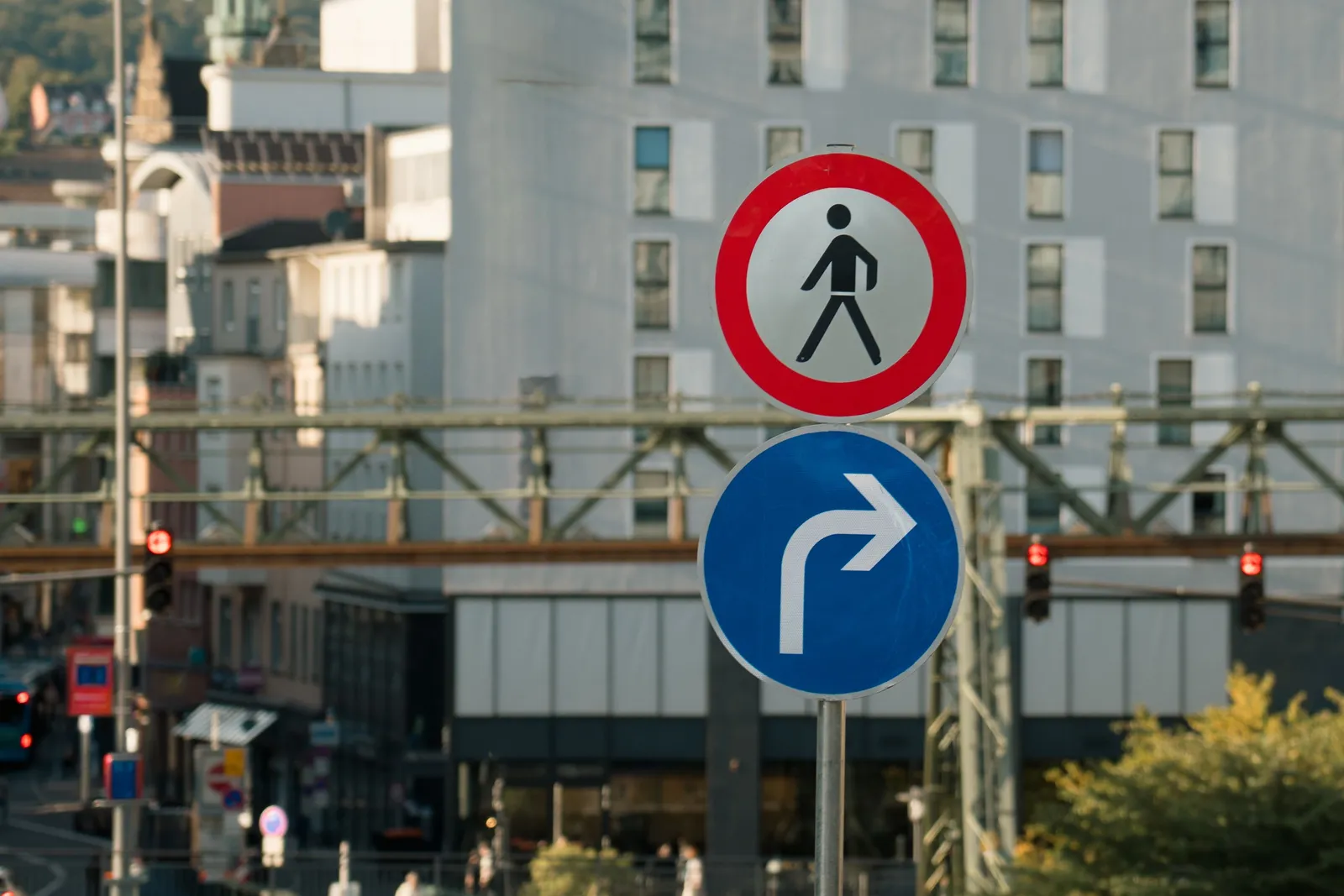
Traffic on the right not only pre-dates cars, it pre-dates the establishment of the United States itself. The customs that eventually became law were shaped by the very practical demands of daily life in colonial America, where surviving on rough terrain mattered far more than any formal rule.
According to the Federal Highway Administration, the practice of Americans driving on the right stretches back to Colonial America, where right-hand driving was the norm among horseback riders and pedestrians. It was not mandated by any governing body at first. It simply made sense.
The Role of Colonial Weapons and Self-Defense

Research by Albert C. Rose, a former unofficial historian at the U.S. Bureau of Public Roads, indicates that safety may have been a significant factor. Travelers often carried handguns under their left arms, making it easier to draw the weapons with their right hands when encountering threats.
According to historian Albert C. Rose, “All available evidence seems to indicate that the right-hand travel predominated in colonial America from the time of the earliest settlements.” This wasn’t a policy decision. It was instinct shaped by a dangerous environment.
The Conestoga Wagon: America’s Most Influential Vehicle

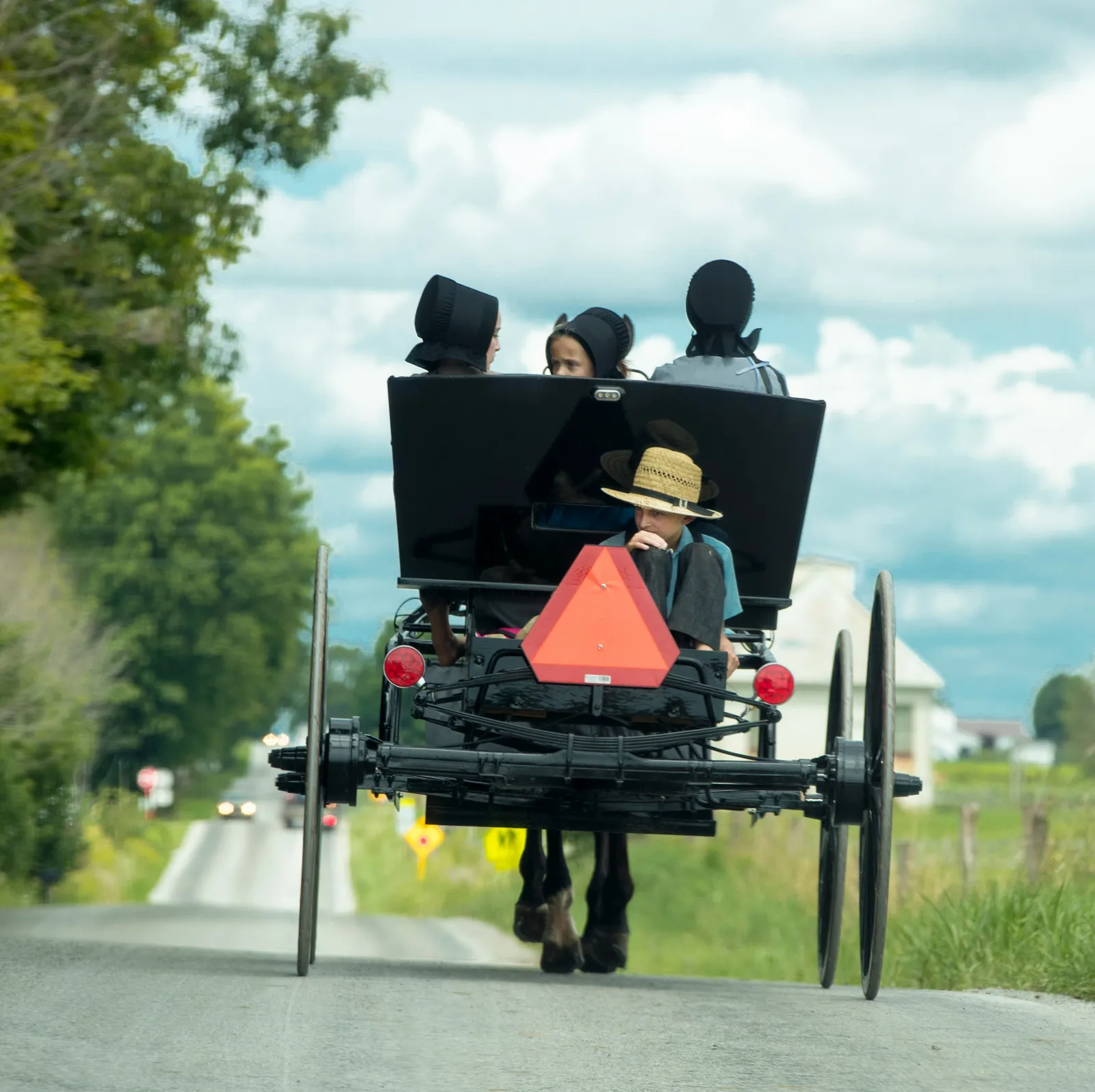
Historians tend to point to one particular colonial vehicle as the major impetus for right-side driving in the United States: the Conestoga wagon. Developed around 1750 in Pennsylvania, these large freight wagons, pulled by four to eight horses, were larger and more robust than most of the covered wagons of the time, and they soon became the main land transport vehicle for both goods and people.
The advent of the Conestoga wagon, introduced in Pennsylvania during the mid-18th century, further fueled the preference for right-sided driving. These hefty wagons lacked a traditional driver’s seat, so operators typically held the reins with their left hand and the whip with their right while riding on the rear left horse or a “lazy board” attached to the left side of the wagon.
Over time, wagon drivers naturally began to gravitate toward the right side so they would be positioned closer to the center of the road. This gave them a better view of oncoming traffic, reducing the likelihood of a collision.
Pennsylvania Writes It Into Law

Eventually, there was so much trade and traffic between Lancaster County, Pennsylvania, and Philadelphia that America’s first major highway was created. The Philadelphia and Lancaster Turnpike Road opened in 1795. With that road came one of the earliest formal traffic rules in the new nation.
Pennsylvania became the first to codify the rule of driving on the right in 1795, and New York passed the first official law in 1804. By the time of the Civil War, every U.S. state had made it a law. What began as a practical habit had fully transformed into enforceable legislation within just a few decades.
How Henry Ford Cemented the Pattern
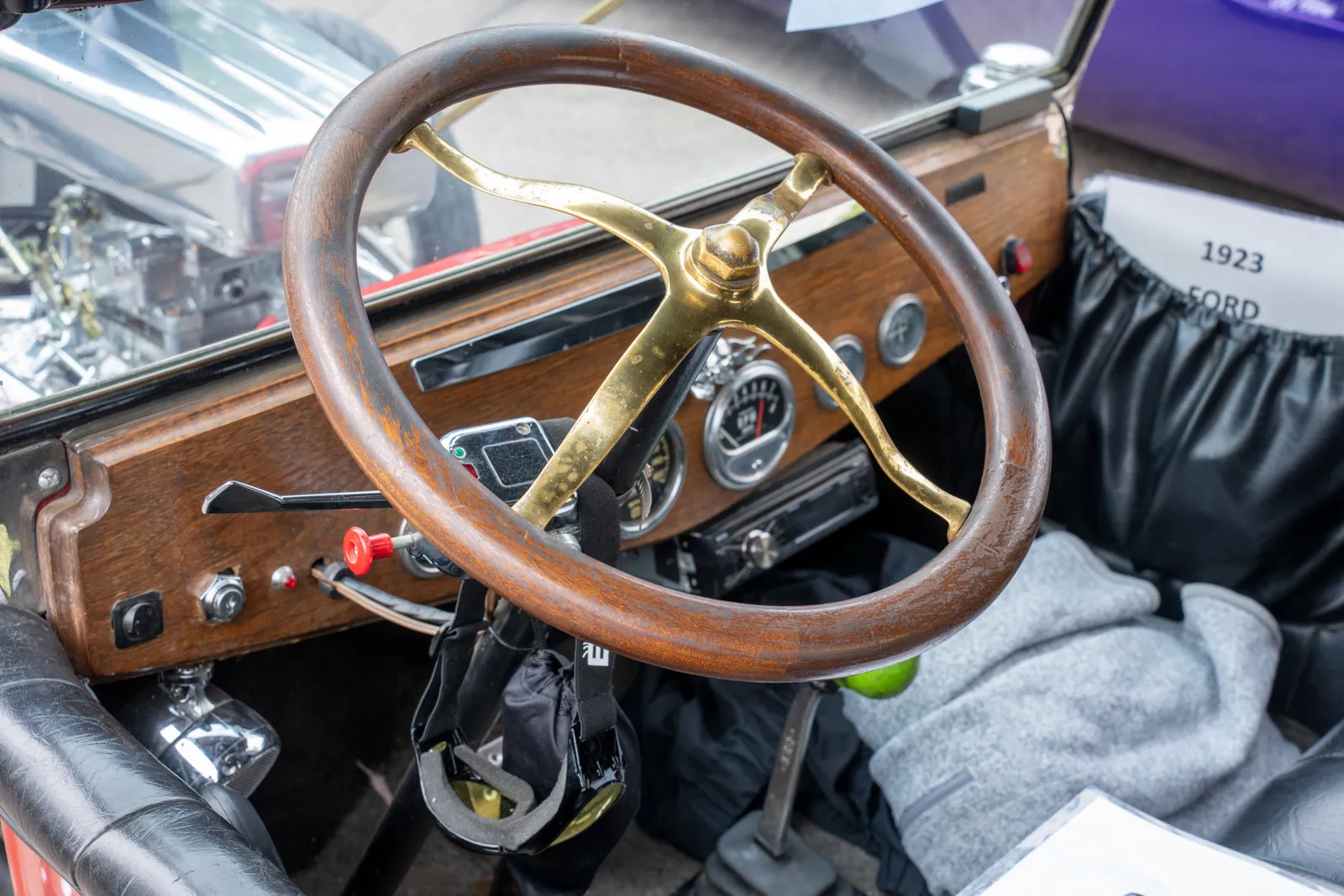
Some people credit Henry Ford with standardizing U.S. traffic on the right side of the road because, in 1908, Ford Motor Co. put the steering wheel on the left side of the hugely popular Model T. Really, though, Ford was just responding to driving habits that had been largely established long before.
That decision meant that cars would drive on the road’s right-hand side, so passengers in both the front and back seats could enter and exit the car onto a curb. “By 1915, the Model T had become so popular that the rest of the automakers followed Ford’s lead,” wrote Richard F. Weingroff, an information liaison specialist for the Federal Highway Administration.
Ford did not invent the rule. He reinforced it at exactly the right historical moment, when the automobile industry was still young enough to follow a leader.
Why Britain Went the Other Way
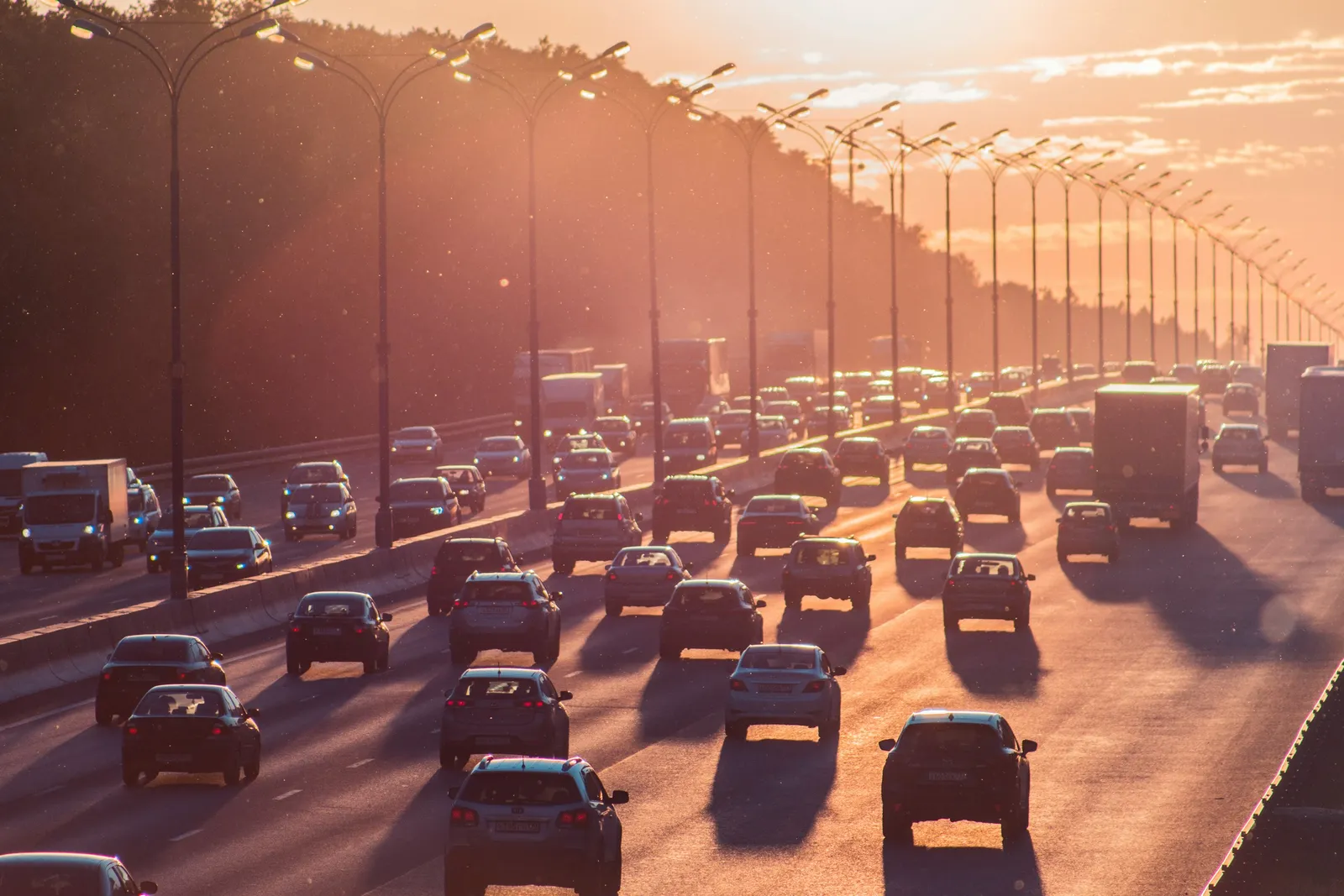
Long before freeways and turn signals, traffic rules were shaped by survival. In England, people on horseback preferred the left side so they could keep their right hand free for greetings or for pulling a weapon if needed. This became a deeply entrenched cultural norm rather than any formal directive.
Following the American Revolution, the fledgling country wanted to throw off any remaining ties with England. Keeping to the right became, in a quiet but meaningful way, a statement of independence from British custom.
Napoleon and the Spread of Right-Side Driving Across Europe
The French Revolution of 1789 gave a huge impetus to right-hand travel in Europe. Before the Revolution, the aristocracy travelled on the left of the road, forcing the peasantry over to the right, but after the storming of the Bastille, aristocrats preferred to keep a low profile and joined the peasants on the right. An official keep-right rule was introduced in Paris in 1794.
Napoleon’s conquests spread the new rightism to the Low Countries, Switzerland, Germany, Poland, and many parts of Spain and Italy. The states that had resisted Napoleon kept left – Britain, the Austro-Hungarian Empire and Portugal. This European division between the left- and right-hand nations would remain fixed for more than 100 years, until after the First World War.
The Global Split We Still Live With Today
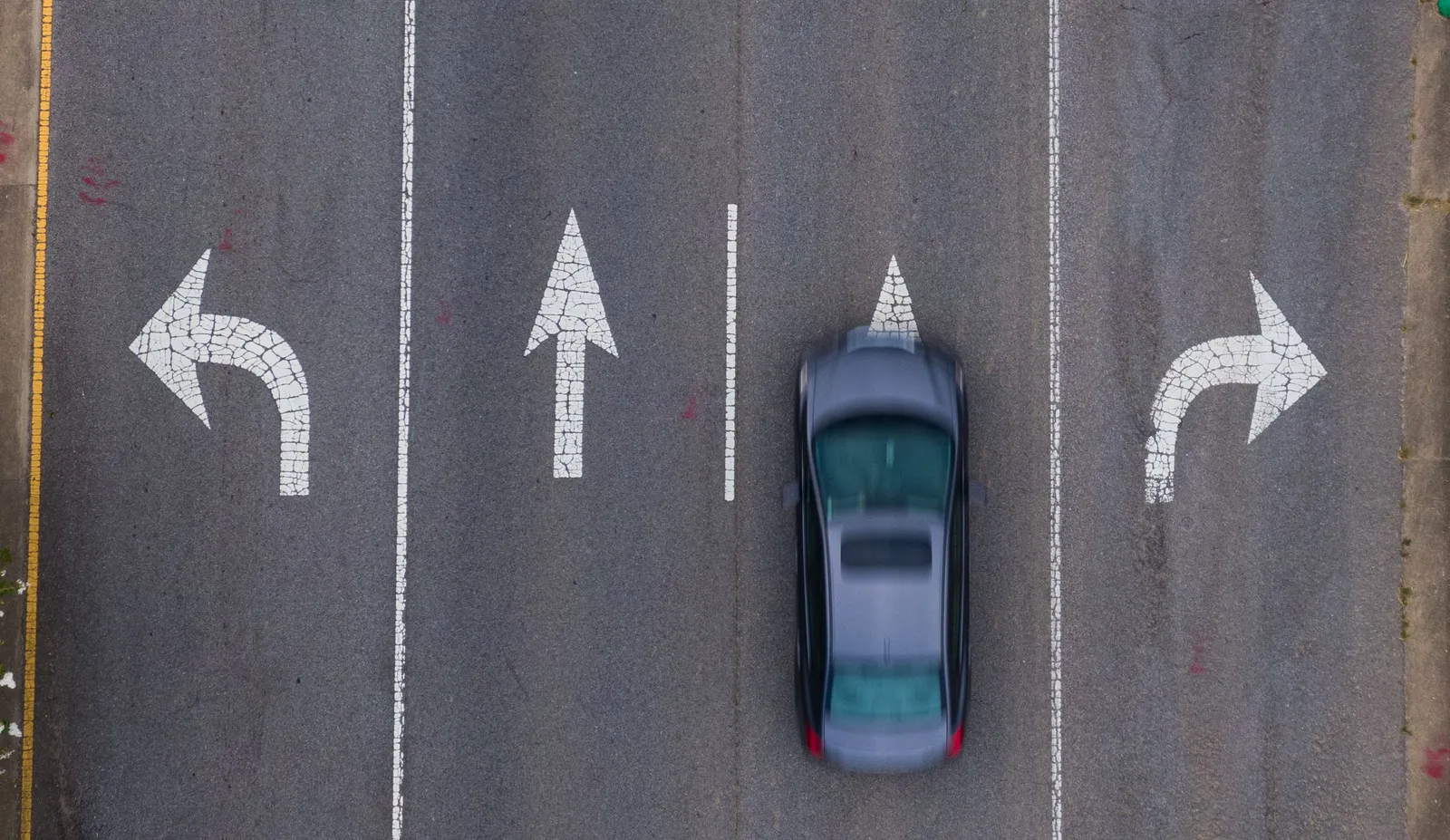
Approximately two-thirds of the global population drive on the right side of the street. All in all, 174 countries and territories have right-hand drive traffic, while vehicles use the left side in 78 countries. That is a striking global majority, though the minority is still enormous in population terms.
Today, only about a third of the world’s countries drive on the left side of the road, including Britain and many of its former colonies, such as Australia, India, Pakistan, Jamaica, and South Africa. The pattern maps almost perfectly onto colonial history.
In the early 20th century, approximately half of the world’s countries drove on the left side of the road. However, 34 of those countries transitioned to right-hand traffic systems between 1919 and 1986. The global shift rightward has been slow but unmistakable.
Sweden’s Dramatic Switch: A Cautionary Case Study

Sweden offers one of history’s most dramatic examples of what it takes to change a driving side. The country drove on the left for generations, despite being surrounded by right-driving neighbors. All neighboring countries drove on the right, including Norway and Finland, with which Sweden shares land borders, with around five million vehicles crossing annually. More than nine out of ten Swedes drove left-hand-drive vehicles, which led to many head-on collisions when passing on narrow two-lane highways.
The change was deeply unpopular. In a 1955 referendum, 83 percent of Swedes voted to keep driving on the left. The government switched sides anyway in 1967, and the transition cost the government the equivalent of USD 120 million. It worked, but it remains a lesson in how hard it is to undo a century of habit.
Is One Side Actually Safer Than the Other?

It is a question that comes up often, and the data offers a nuanced answer. Across all countries with left-hand traffic, the annual fatality rate was 16.04 deaths per 100,000 inhabitants. In the countries with right-hand traffic, it was 17.59 deaths. That difference is modest, and researchers caution against drawing simple conclusions from it, since road infrastructure, vehicle safety standards, and speed limits vary enormously between countries.
Over 3,000 years of road history later, transportation historian M.G. Lay concluded, “there are no technical reasons for preferring driving on either the left or the right side of the road.” The choice was never really about which side is objectively better. It was always about history, habit, and the momentum of decisions made long before anyone thought to question them.
Why It Probably Won’t Change Anytime Soon
Switching driving sides is enormously expensive, logistically complex, and politically unpopular. Sweden’s 1967 switch required years of planning, public education campaigns, and massive infrastructure changes. For a country the size of the United States, with hundreds of millions of registered drivers and decades of car design built around left-side steering, the case for change is essentially nonexistent.
All of mainland Europe, the United States, Canada, China, Russia, Brazil, and nearly all of the Middle East, North Africa, and Latin America drive on the right. About two-thirds of the world’s countries keep right, and they hold roughly two-thirds of its people and road traffic. At this scale, the right side of the road is not just an American norm. It is the global default.
The Takeaway

Americans drive on the right not because of a single brilliant decision or deliberate national policy, but because of a long accumulation of practical choices: wagon drivers who needed to see oncoming traffic, travelers who drew their weapons with their right hands, and a young nation that quietly but deliberately chose to do things differently from its former colonial ruler.
Henry Ford gave that tradition mechanical permanence, and the rest of the world eventually caught up. The right side of the road feels automatic precisely because it has been reinforced by centuries of habit, law, and engineering. That is the kind of history that does not announce itself. It just steers.
AI Disclaimer: This article was created with the assistance of AI tools and reviewed by a human editor.