
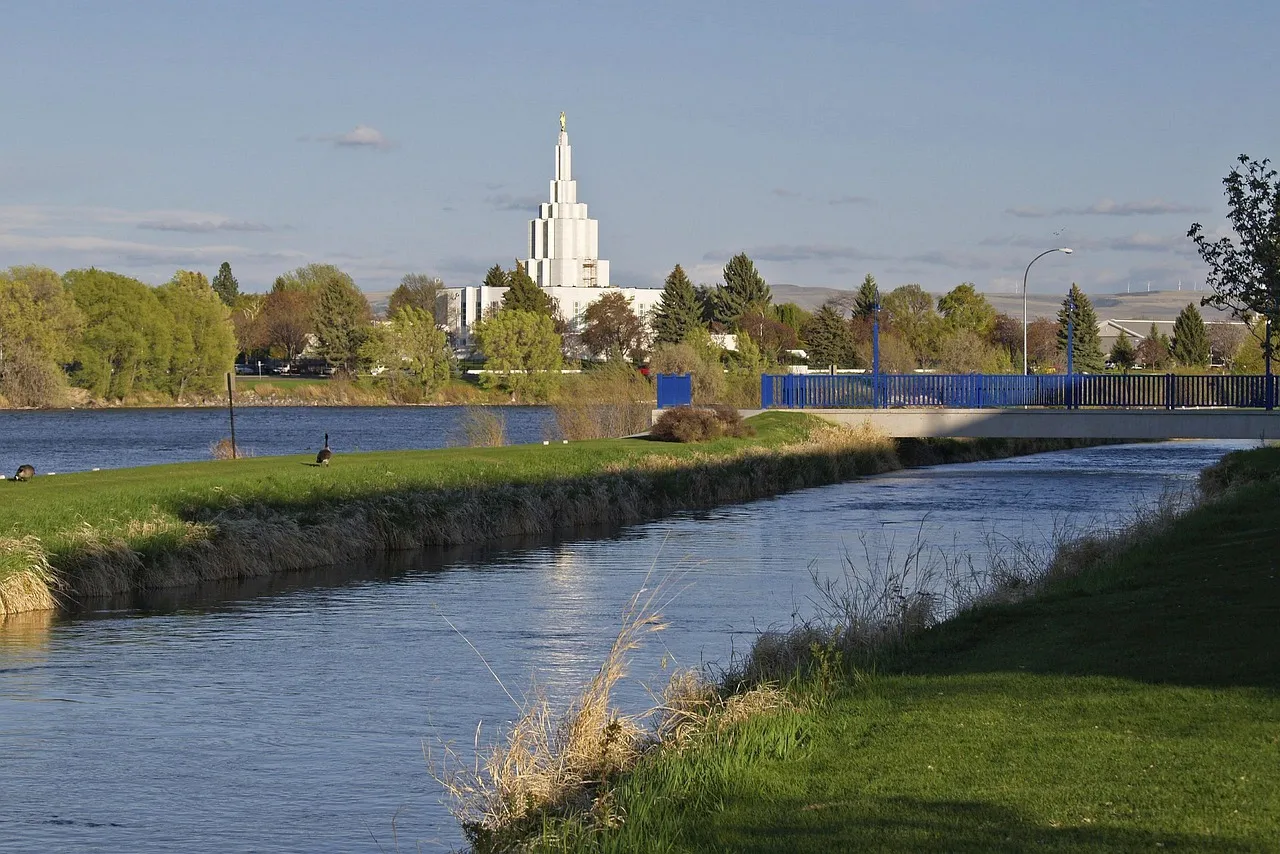

Something shifted quietly around 2020, and it hasn’t shifted back. Millions of Americans, particularly those in their late twenties and thirties, started trading their city apartments for something they hadn’t seriously considered before: life in a small mountain town. The skyline swapped for a ridgeline. The subway noise replaced by wind through pines.
It isn’t just a post-pandemic fluke either. The data keeps telling the same story, year after year, well into 2026. What’s driving it is a tangle of economics, technology, wellbeing research, and a generation quietly rethinking what a good life actually looks like.
The Numbers Behind the Move

The scale of this shift is hard to overstate. More than 7.7 million millennials moved in 2024, that’s one in every ten millennials in the United States, and Colorado led the nation with the highest millennial migration rate at plus 34.8 percent. That isn’t a small trend in a niche market. That’s a generational realignment playing out in real time.
In 2021, America’s largest metro areas lost a net 900,000 people to out-migration, while the biggest winners were the smallest regions: places with fewer than 30,000 residents went from a net loss of 25,000 in 2019 to a net gain of more than 125,000 in 2021. The pull toward small mountain communities wasn’t random. It was structural.
For the three years before the pandemic, rural counties collectively lost around 100,000 people via domestic net out-migration. Between 2021 and 2024, that flipped to a net gain of 670,000 via domestic migration, a swing of 770,000 people driven primarily by pandemic-era remote work, early retirements, and urban housing costs.
Remote Work Changed Everything

While the growth of remote work during the 2010s already appeared to be influencing where people moved, its explosion in 2020 made it a key driver of domestic migration trends since then. With roughly a third of workdays being done remotely in 2023, Americans gained more geographic flexibility and became increasingly willing to move far from large population centers.
The “work-from-anywhere” revolution has been a decisive force in reshaping the housing market. No longer tethered to a downtown office, millennials are prioritizing proximity to trailheads over proximity to transit lines. That’s not a marketing slogan. It’s a documented behavioral change backed by relocation data from multiple sources.
Professionals with a higher skill level, a higher income, and an advanced education have a greater likelihood of engaging in remote work. Statistics from the U.S. Bureau of Labor Statistics indicate that individuals with a bachelor’s or higher degree had a telework rate of nearly 40 percent in the first quarter of 2024. Mountain towns are drawing precisely this demographic.
The Towns Themselves: Boise, Asheville, and Beyond
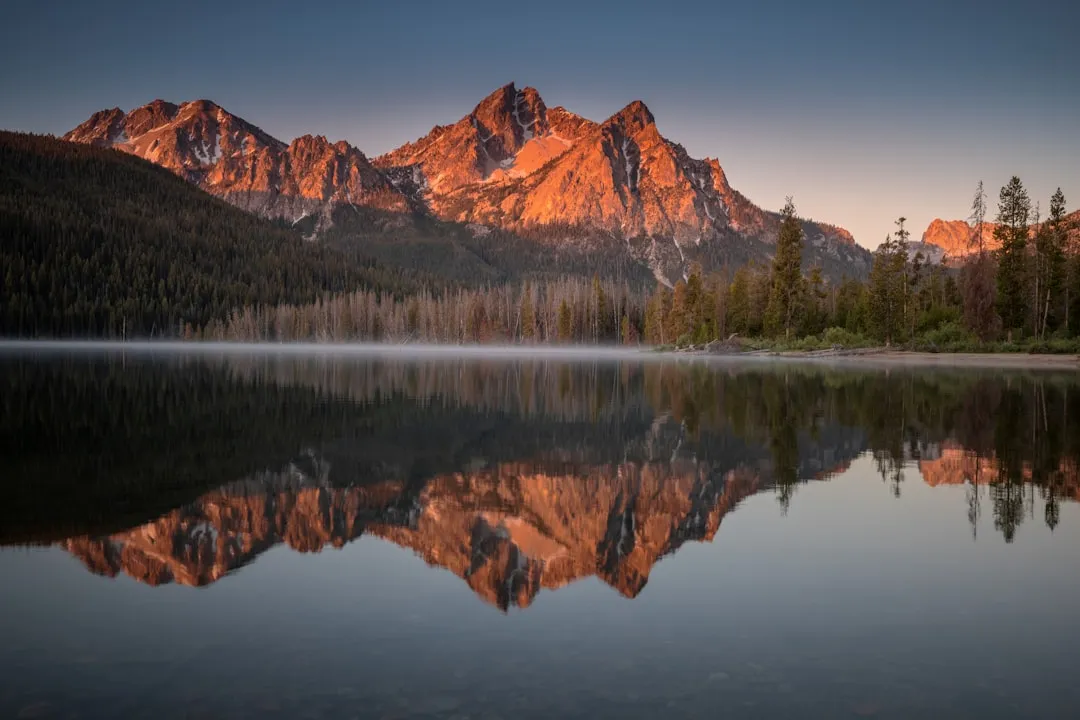
Boise, the capital of Idaho, is a vibrant city known for its outdoor recreation, cultural attractions, and growing economy. It was ranked the second-best place to live in the U.S. in 2024 and 2025 by U.S. News and World Report, boasting a hip restaurant scene, hundreds of miles of trails, and a mountain-fed river running through the center of town.
Boise became a poster child for remote work migration during the early pandemic years. Its affordable housing, mountain lifestyle, and expanding job opportunities made it one of the most searched relocation destinations on Redfin and Zillow. Although growth has moderated since the initial surge, the city continues to attract newcomers at rates above pre-pandemic norms and above national averages.
Asheville, North Carolina, remains a major tourist destination, attracting visitors with its majestic mountains, pleasant climate, and peaceful environment. Tourism alone is a significant economic driver, generating roughly $3.1 billion annually for the local economy, supporting over 27,000 jobs and contributing nearly $200 million in state and local taxes.
Mountain Town Real Estate: The Price of Popularity
For a few years, high country home prices surged as the pandemic lured people into the mountains. From 2016 to 2020, home prices in the five Colorado resort counties were increasing around five to ten percent a year. From 2020 through 2025, the median price for a home in Eagle County alone increased by 111 percent.
The Boise metro area experienced a surge in house prices over the past several years. The median home values in the city of Boise rose from around $326,000 in early 2020 to an all-time record high of $524,000 by the summer of 2022, an increase of nearly $200,000 in just two and a half years.
Boise offers proximity to world-class outdoor recreation like skiing and hiking, and is generally more affordable than most big cities in the American West. That long-standing affordability may not be sustainable, though, as Boise’s population continues to surge and a severe housing shortage drives up rent prices. Wages in Boise and Idaho as a whole have remained relatively low amid the boom, quickly pricing middle-class families out of this once budget-friendly city.
The “Zoom Town” Effect

Small resort communities like Jackson Hole, Wyoming; Bend, Oregon; and Asheville, North Carolina have become “Zoom towns,” places where remote workers can live in outdoor paradises while maintaining big-city careers. The phrase caught on precisely because it captures something real: geography no longer determines career opportunity the way it used to.
When the commute disappears, proximity to outdoor recreation, better weather, or family becomes more valuable than proximity to headquarters. People are choosing mountain views over subway stops. That value reordering explains a lot about why certain small towns are booming while others stay quiet.
Communities with easy access to outdoor recreation opportunities have seen a spike in the number of people moving to them. Areas that attracted new residents at high rates in 2023 were those near mountains, particularly the Northern Rockies, the Ozarks, and the Southern Appalachians.
What the Science Says About Nature and Wellbeing

The migration isn’t just about aesthetics or Instagram-worthy backdrops. There’s a growing body of research backing up what many people seem to already feel intuitively. A 2025 meta-analysis in Nature Cities found that spending just 15 minutes outside, even in a city, is enough to make a meaningful difference. Researchers noted that nature disconnects people from the things they’ve been stressing about and puts them in the present moment.
Among the study’s findings, exposure to urban nature reliably brought down anxiety, depression, stress, anger, and fatigue, while increasing vitality, vigor, positive mood, and restorative effect. For millennials who’ve spent years grinding through high-stress urban environments, that kind of evidence carries real weight.
Outdoor recreation provided a crucial way to maintain physical activity, reduce stress, and preserve a sense of normalcy during the COVID-19 pandemic, and that connection between nature access and mental wellbeing has only deepened as a cultural value in the years since. Living in a mountain town puts that resource directly outside the front door.
The Community Factor That Often Goes Unnoticed
The allure of mountain communities has captivated the hearts and minds of people seeking a change in lifestyle, a stronger connection with nature, and an improved sense of well-being. The events of 2020, particularly the pandemic and the rise of remote work, accelerated the movement towards mountain living.
In small towns, there is often a strong sense of community and close-knit relationships. People tend to know their neighbors and actively engage in community events, gatherings, and volunteer work. This fosters a sense of belonging and support that is often harder to find in larger urban areas. For a generation that consistently ranks loneliness among its top concerns, that matters.
In a small town, you’re more likely to experience personalized services and build meaningful relationships with local business owners, doctors, teachers, and other professionals. The smaller scale of the community enables stronger connections and personalized attention, creating a sense of familiarity and trust.
The “Lifestyle-First” Shift in Millennial Priorities
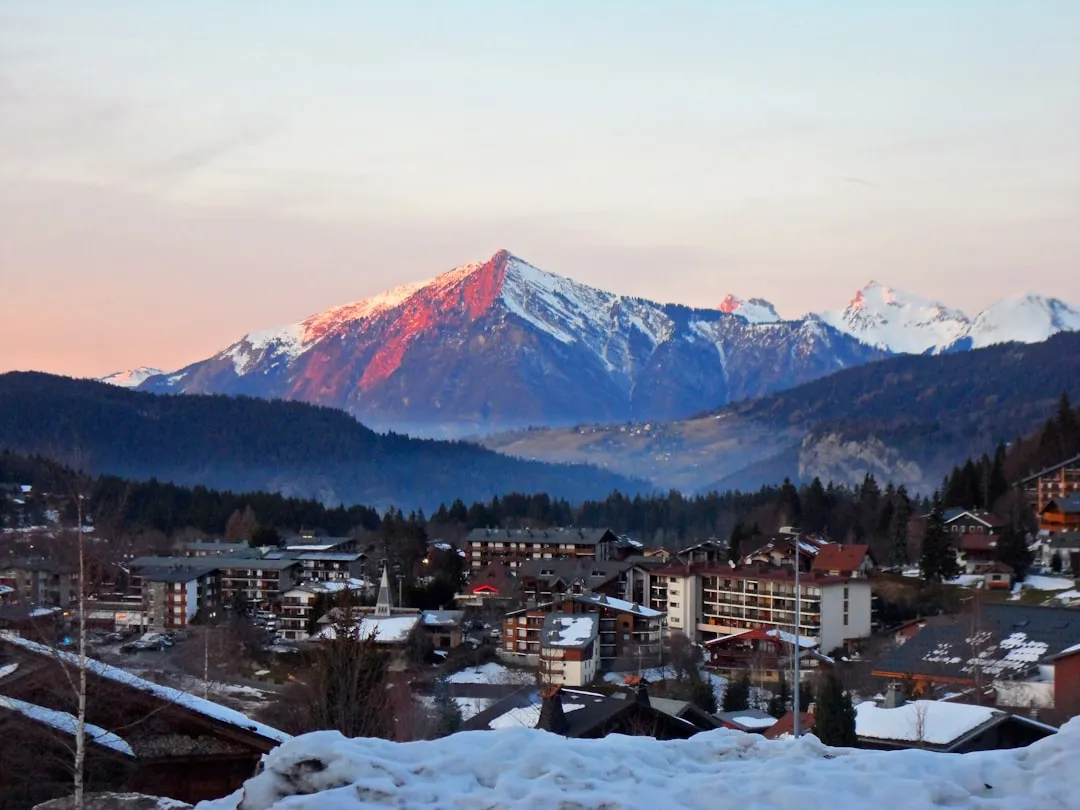
The top drivers of millennial moves in 2024 were seeking new or better housing, cited by roughly one in six movers, and job opportunities, cited by roughly one in eight. Housing and career are still the practical levers. Yet what’s changed is the broader context around those decisions, specifically, what kind of environment people want those homes and jobs to sit within.
As of March 2026, the trend of young professionals migrating to the Mountain West shows no signs of slowing down. While the initial surge was sparked years ago, real estate trends now reflect a permanent preference for “lifestyle-first” living, with millennials now the largest cohort of homebuyers.
Remote workers are seeking cities that are “just right,” big enough for good restaurants, cultural amenities, and airport access, but small enough to afford space and avoid soul-crushing traffic. Cities and towns in the 200,000 to 800,000 resident range are hitting this sweet spot. The small mountain town fits neatly into that mental model for a growing number of people.
The Growing Pains: Housing, Locals, and Affordability

Not everyone in these towns is celebrating the influx. Idaho saw a surge in residents from states like California, Washington, and Oregon, especially during the pandemic. This sudden influx, paired with limited housing inventory, led to higher prices as locals struggled to compete with out-of-state cash buyers.
Advocacy groups in Buncombe County, home to Asheville, have argued that current tourism policy can deepen housing and income inequities if revenue is not more directly invested in affordable housing, transit, and services for lower-wage workers. Many of the people staffing hotels, restaurants, and attractions struggle to secure stable housing within a reasonable distance.
The counties that had positive net migration between 2020 and 2024 were concentrated in recreation-economy counties like mountain towns, lake districts, and coastal communities. Counties that did not fit any of these categories, the remote rural, the agricultural interior, the manufacturing small towns of the Midwest and Appalachia, mostly continued to lose people even during the pandemic-era urban exodus. The gains are uneven, and the pressures on local workers are real.
What Comes Next for Mountain Town Migration
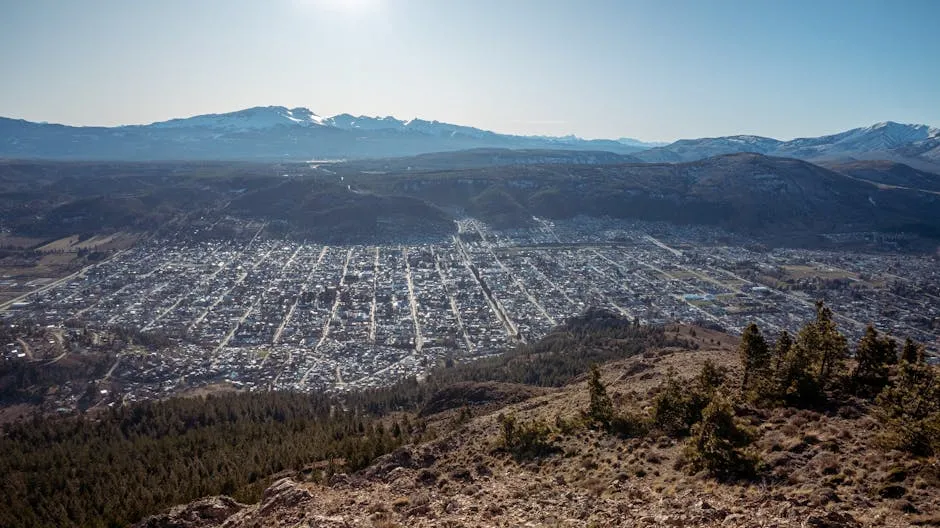
More recent data show that the trend of migration toward small towns continued through 2024 and included prime-age workers and their families. Some of the nation’s smallest metro areas, those with under 250,000 residents including many classified as rural, have reversed years of population loss among workers aged 25 to 49.
The latest survey data reveals that roughly one in five remote workers plans to relocate in 2025, signaling a continued reshaping of America’s residential landscape to a more dispersed, less concentrated model. That pipeline of potential movers keeps feeding mountain town markets even as some of the pandemic-era froth has cooled.
As a University of Virginia report observed, “This convergence helped create the conditions that made millions of Americans more willing, in recent years, to move to small cities, towns, and rural counties across the country.” The infrastructure, the broadband, the cultural amenities that used to require a big city are increasingly available almost everywhere. The mountains just happen to come with better scenery.
The millennial move to small mountain towns isn’t a passing mood. It’s the result of several forces arriving at the same moment: remote work, burnout, rising urban costs, and a mounting pile of research showing that access to nature is genuinely good for people. Whether the towns themselves can absorb that energy without losing the very character that drew people there in the first place, that’s the harder question, and the one these communities are still working out.
AI Disclaimer: This article was created with the assistance of AI tools and reviewed by a human editor.