


Something shifted in the travel blogging world over the past couple of years. The usual circuit of Paris, Santorini, and the Croatian coast started giving way to somewhere less expected. A small Balkan country with Ottoman-era towns, crystalline coastlines, and daily costs that make Western Europe feel almost absurd by comparison began filling up social feeds and blog rolls alike. That country is Albania.
The Numbers Behind the Hype
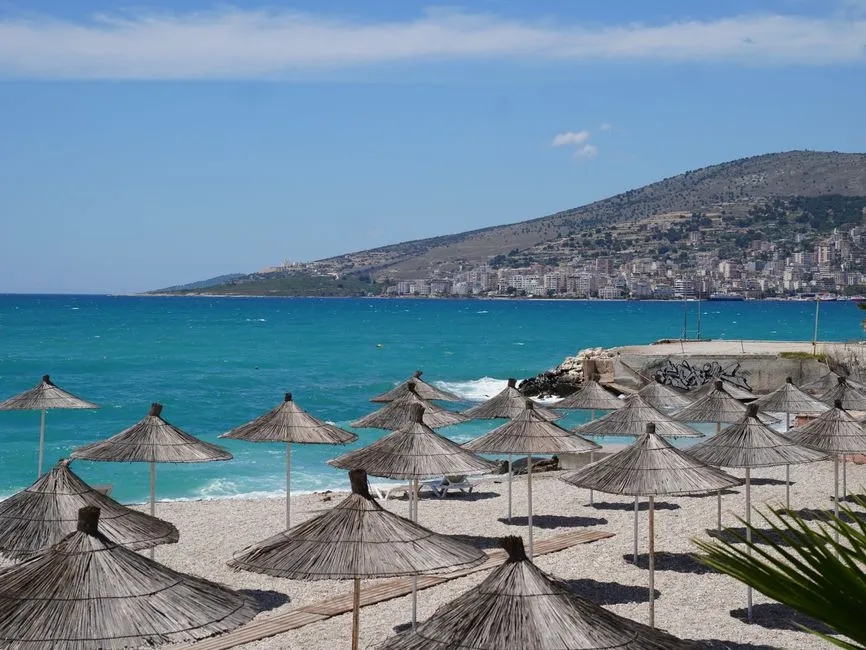
The story isn’t just anecdotal. In 2024, Albania recorded 11.7 million foreign visitors, up from 6.4 million in 2019 – a staggering 82% increase. The momentum continued into 2025, with arrivals rising another 7%, and tourism revenue reaching €4.4 billion in the first nine months of 2024 alone. Non-resident visitor arrivals reached 12.466 million in 2025, a historic peak marking a moderate increase of 6.6% compared to 2024.
Among the source markets, Italians formed one of the biggest visitor groups, while significant increases came from Germany, the UK, France, Switzerland, and the USA. The shift from a regional curiosity to a genuinely international destination has been rapid, and the travel blogging community was among the first to notice.
The Affordability Factor That Actually Checks Out
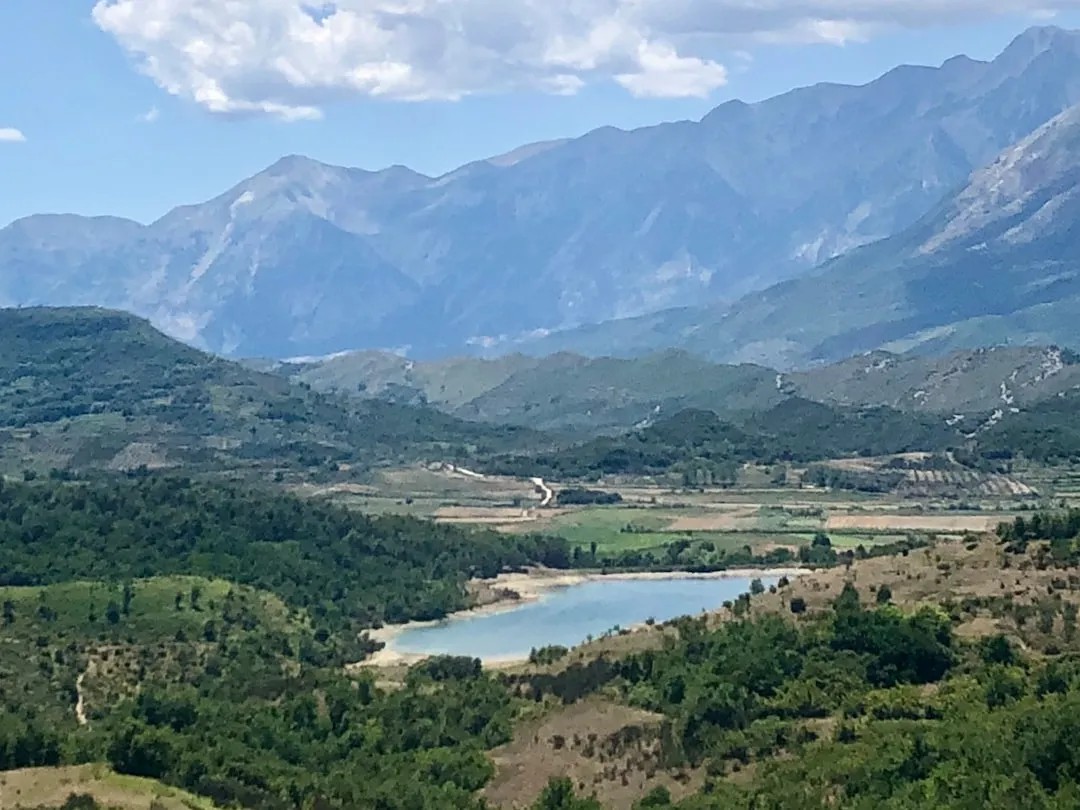
While travelers spend around €180 per night for mediocre hotels in Greece and battle crowds on Croatian beaches, Albania offers daily costs 40 to 60% lower than its famous neighbors. In 2025, basic local meals ran around $5, a traditional meal in a tourist restaurant around $10, and a simple apartment or room around $35 a night, with hostel dorm beds costing roughly $11 to $14 per night.
When compared to countries like Greece, Italy, or Croatia, Albania remains 30 to 40% cheaper in most daily expenses, while offering similar coastal views, Mediterranean cuisine, and cultural depth with far smaller crowds and friendlier prices. For a blogger whose audience is constantly asking “how do I travel Europe without emptying my bank account,” that’s a compelling case to make.
Tirana: The Capital Nobody Expected to Love
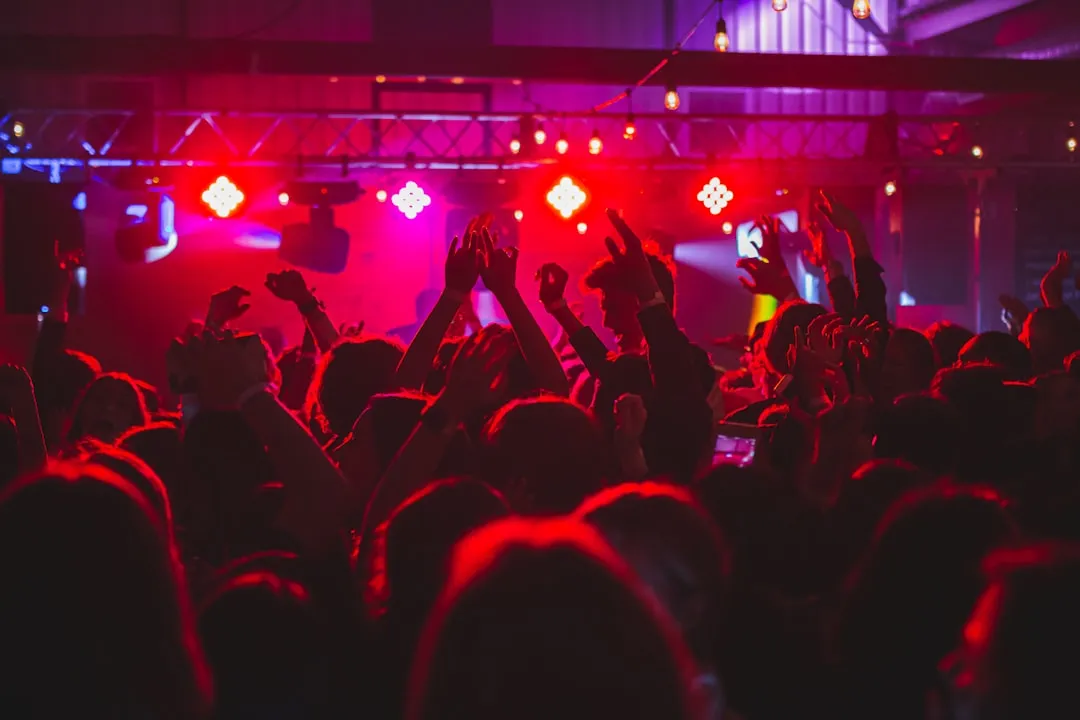
Tirana is described by many as Europe’s most affordable capital, once infamous for communist-era grey concrete but transformed by investment, urban art, and an explosion of café culture centered on Blloku – a neighbourhood whose name literally means “the Block” because it was once sealed off for the communist elite. Today it’s the beating heart of Tirana’s nightlife and food scene, while landmarks like the repurposed Pyramid – Enver Hoxha’s bizarre mausoleum, now a youth and tech centre – give the city a genuinely eccentric edge.
These days, it feels like every travel publication is singing Albania’s praises, with travel writers declaring it the most underrated country in Europe, comparing it to a blend of Croatia’s beaches, Greece’s cuisine, and Montenegro’s landscapes, all with an inexpensive price tag. That kind of summary travels fast on social media.
The Albanian Riviera vs. the Greek Islands
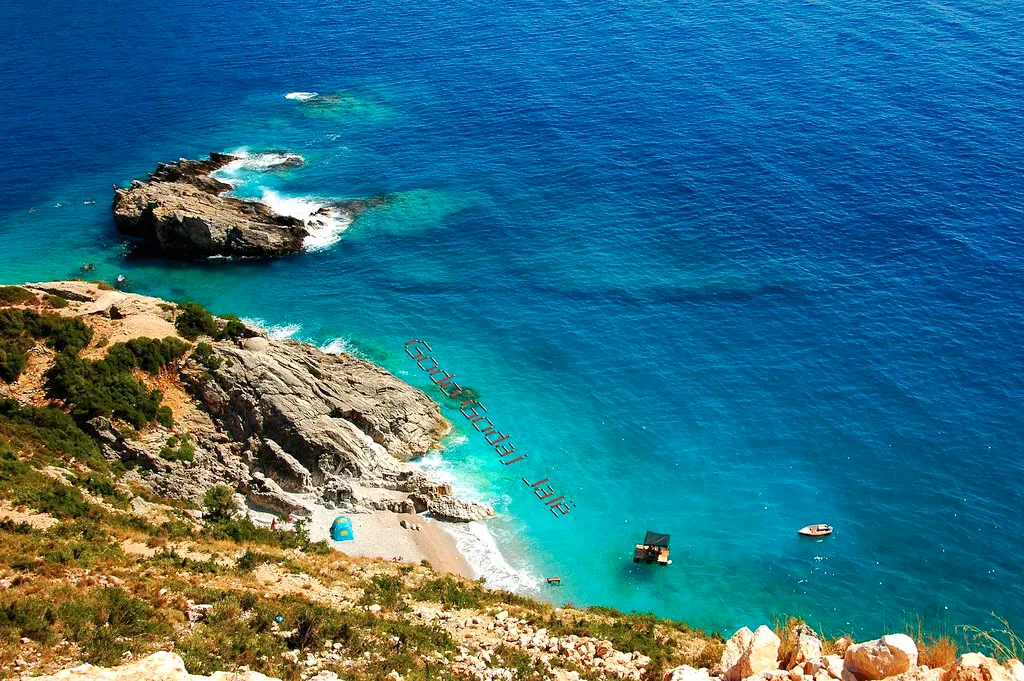
Situated on the Adriatic Sea, Albania offers a stunning coastline with breathtaking views and crystal-clear waters, making it a budget-friendly alternative to pricier coastal countries like Greece or Croatia. TikTok has racked up millions of views under the hashtag #AlbanianRiviera, and travel bloggers are pivoting from the overcrowded Croatian coast to Albania’s pristine beaches.
September and October in particular offer around 26°C temperatures, warm seawater, and cost savings of 30 to 40% compared to the peak summer period. Albania’s time in the spotlight might raise concerns about overtourism, but apart from a few Instagram-famous places, it remains largely underexplored – a blogger who revisited in summer 2025 found almost no tourist crowds.
UNESCO Towns That Look Like a Film Set
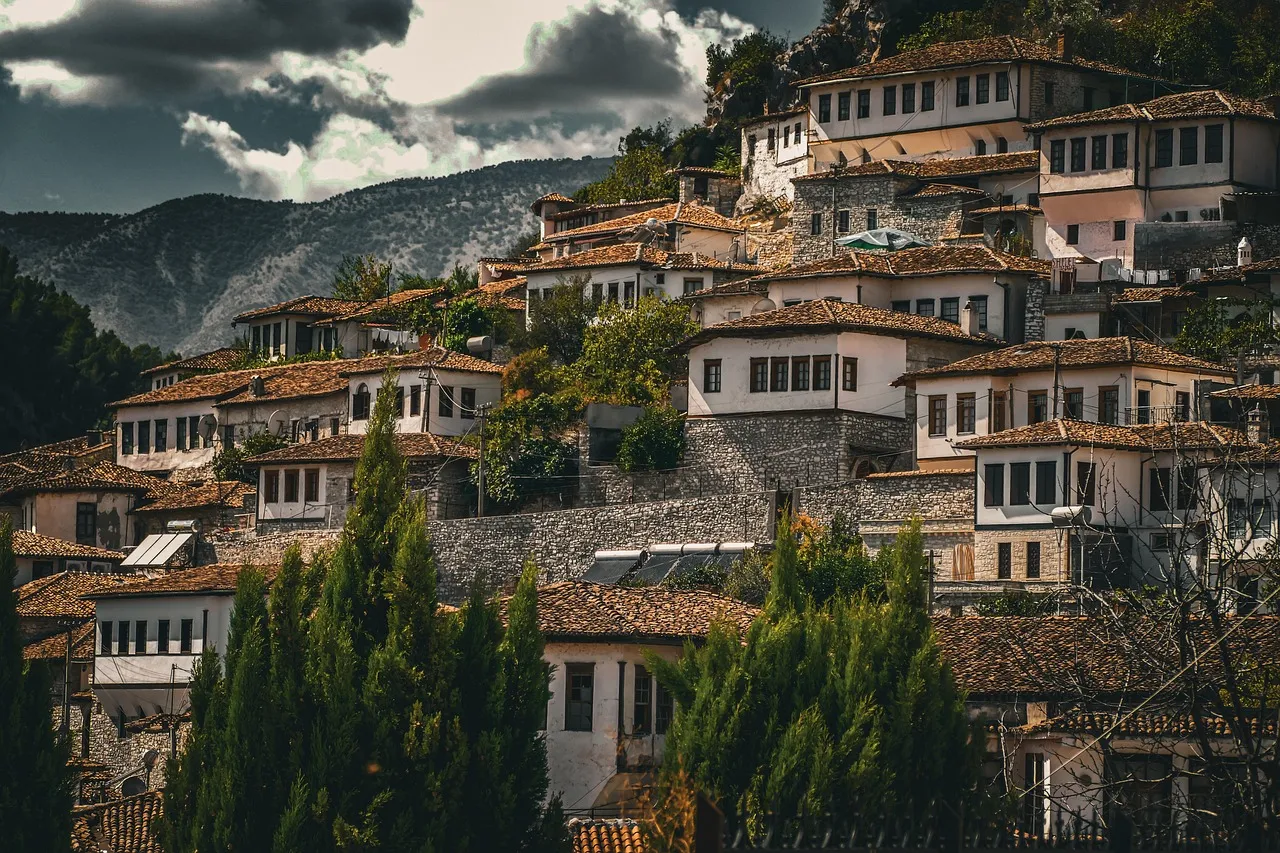
Beyond the viral appeal of Ksamil, Albania’s real secrets include its quirky capital, well-preserved Ottoman-era towns, and beautiful Alps. UNESCO towns like Berat and Gjirokastër, alongside the Vjosa Wild River National Park, are helping to expand the country’s appeal well beyond the beaches. More than 125,000 tourists visited Gjirokastër in the first six months of 2025 alone, driven largely by foreign interest in its UNESCO World Heritage status.
Berat, known as the “City of a Thousand Windows” for its whitewashed Ottoman houses stacked up a hillside, has become one of the most photographed locations in the Balkans. For content creators, it’s an almost effortless backdrop.
A Dream Setup for Digital Nomads
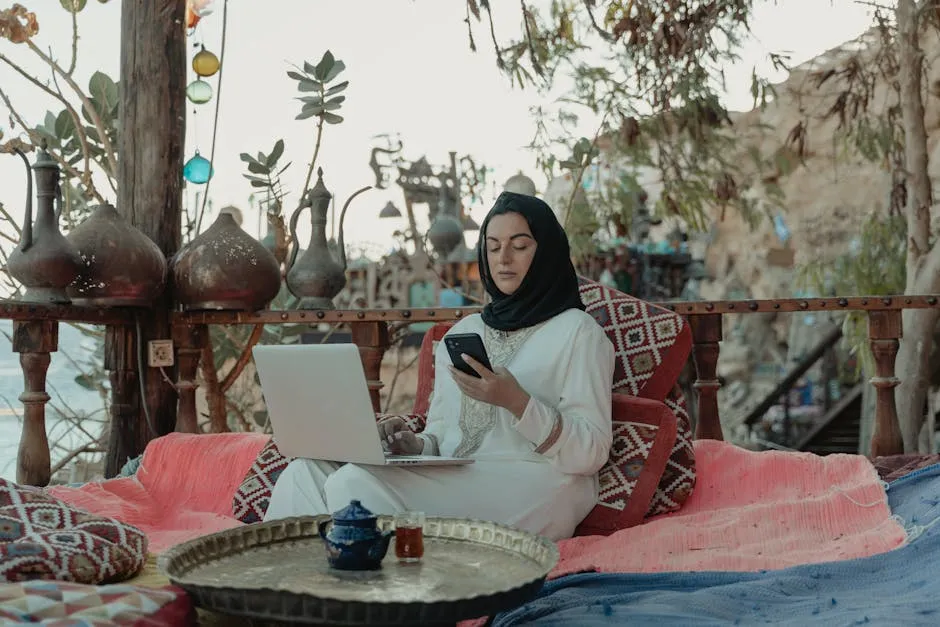
The main reasons remote workers are choosing Tirana include affordability, safety, fast internet, enough to do without being overwhelming, and the fact that it’s not part of the Schengen zone. Internet speeds of 50 to 100 Mbps fibre are standard and cost just $15 to $30 per month, and Albania’s Digital Mobile Worker Unique Permit requires only $9,800 per year in income and includes a 12-month tax exemption.
Overall, digital nomads can expect a cost of living in Albania of around $600 to $900 per month. Canadians and Europeans can stay for 90 days without a visa, while Americans can stay for up to one year. That kind of flexibility is hard to find anywhere else in Europe right now.
Food Culture Worth Writing About
Even the capital, Tirana, is full of life with trendy cafés and cultural landmarks while maintaining low prices; a budget traveler can enjoy a unique experience with a local lunch costing just about 4 to 6 euros. Everyday essentials like espresso cost between €0.90 and €1.40, a local beer runs €1.40 to €2.30, and a main course at a traditional eatery sits between €4 and €10.
Local food prices in Albania remain remarkably steady whether visiting in summer or off-season – unless you opt for resort restaurants that open only in peak months, and even those remain quite affordable. For food bloggers especially, this combination of novelty and value is a genuine draw. Albanian cuisine blends Balkan, Ottoman, and Mediterranean influences into something that genuinely stands apart.
Infrastructure Is Actually Improving
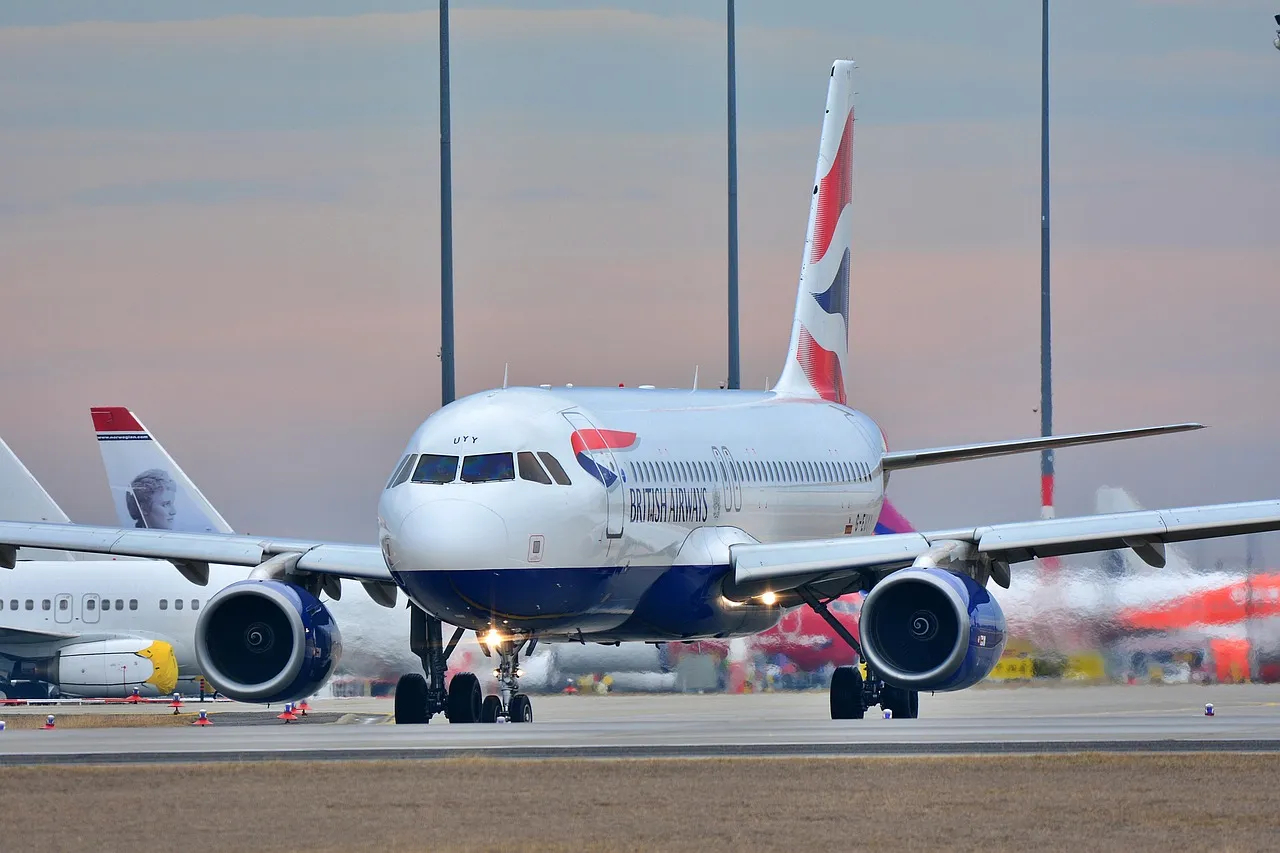
In summer 2025, Albania opened the Vlora International Airport, a $170 million project with capacity for 2 million passengers annually, aiming to ease pressure on Tirana’s airport which handled 10.7 million passengers in 2024. The opening of the Llogara Tunnel in July 2024 reduced the drive time to the south of the country by approximately 45 minutes, significantly improving connections between Vlorë and the Albanian Riviera.
Tirana airport connections from major European hubs are available for €30 to €80 with budget airlines. Getting there has become far less of an obstacle than it once was, which matters enormously for a blogging audience that wants inspiration they can actually act on.
The Honest Side: Growing Pains Are Real
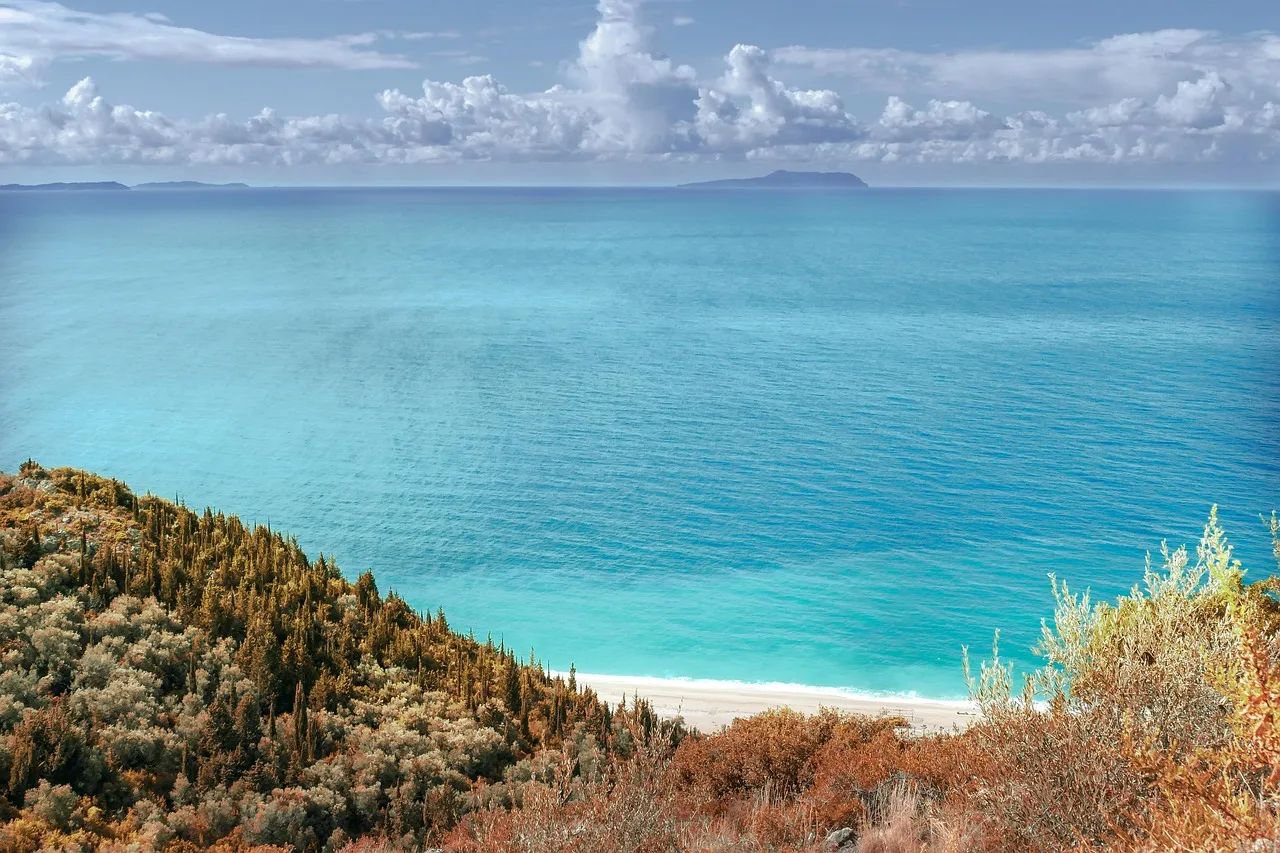
It wouldn’t be a fair picture without noting the friction. While Albania is cheaper than tourist-filled spots in neighboring Greece and Croatia, prices have been steadily increasing over the past couple of years with little sign of slowing down, and it may not be as cheap as some travelers expect. In popular coastal areas, prices are already rising 10 to 15% annually.
The influx of tourists is also exposing infrastructure gaps, with water shortages now routine in coastal areas during peak season. The newly established Vjosa Wild River National Park, which now fully protects one of the last wild rivers in Europe, faces environmental pressure from nearby development. Bloggers who visit honestly are flagging these issues alongside the highlights, and readers generally respect that balance.
Why the Obsession Isn’t Going Away
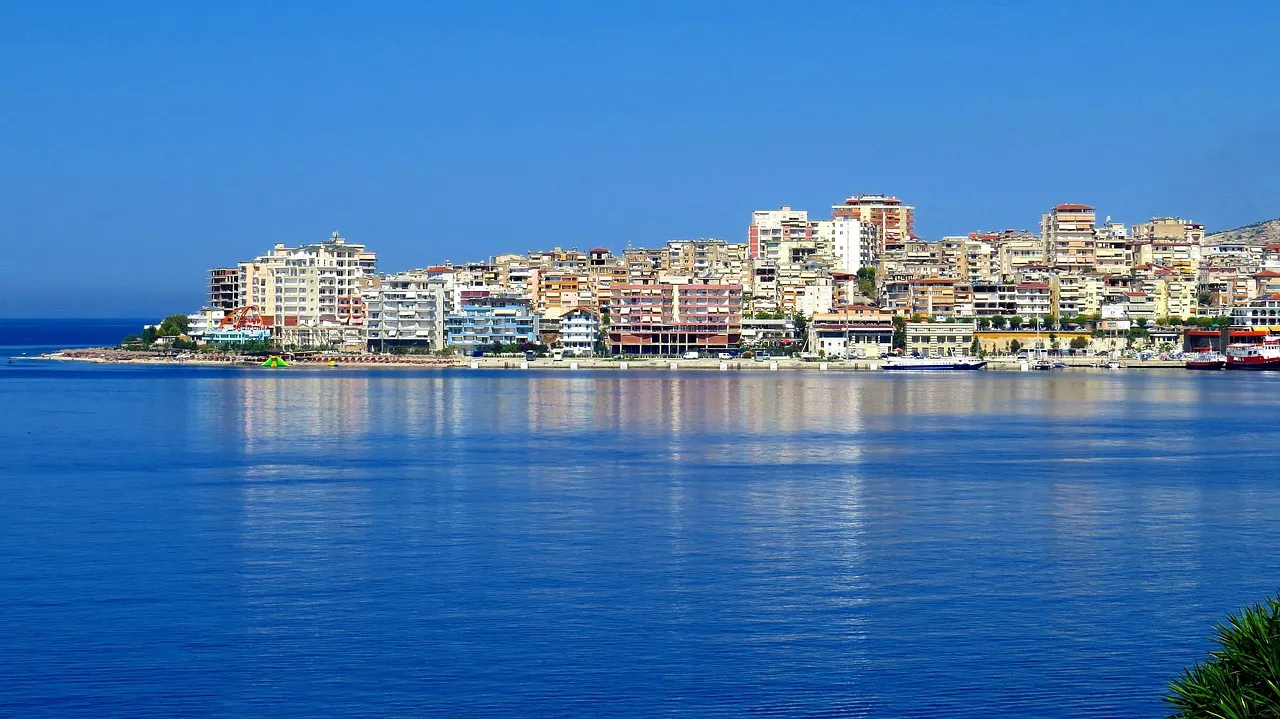
Albania’s Prime Minister has set an ambitious target of 30 million tourists annually by 2030 – more than 12 times the country’s population. Having turned Albania into a viral destination with nearly 50% visitor growth in 2023 alone, the focus is now shifting toward extending stays, increasing spending, and encouraging repeat visits to build long-term sustainable tourism.
With its turquoise coastline, affordable cost of living, welcoming culture, and growing digital infrastructure, Albania has quickly become one of Europe’s most intriguing destinations for remote workers, positioning itself as an accessible base for digital nomads who want Europe without the Schengen price tag. Travel bloggers tend to move toward what their audiences want most: something real, relatively undiscovered, and worth the trip before everyone else gets there.
The Window Is Open, But It Won’t Stay That Way Forever
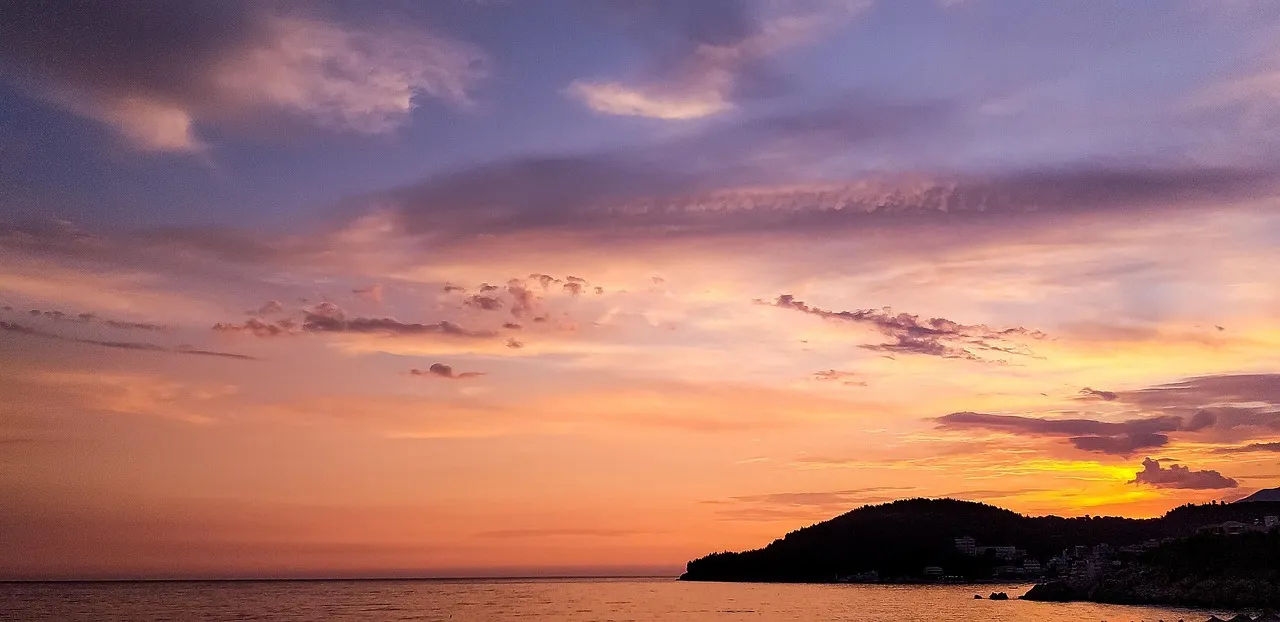
Albania won’t stay Europe’s best-kept secret much longer. The combination of genuine affordability, striking landscapes, rich history, and improving access has created exactly the kind of destination that dominates blog content cycles. A side effect of every traveler announcing that Albania is cheap and uncrowded is that it rapidly becomes more expensive and more crowded.
The travel bloggers obsessing over Albania in 2025 and 2026 are, in a way, describing a version of it that already exists on a timer. Several countries within Europe are as beautiful as France or the Netherlands, some even more so, but cost half as much – and Albania is currently near the top of that list. Whether the country manages its growth carefully or gets overwhelmed by it is the bigger story still unfolding. For now, the obsession makes complete sense.
AI Disclaimer: This article was created with the assistance of AI tools and reviewed by a human editor.