
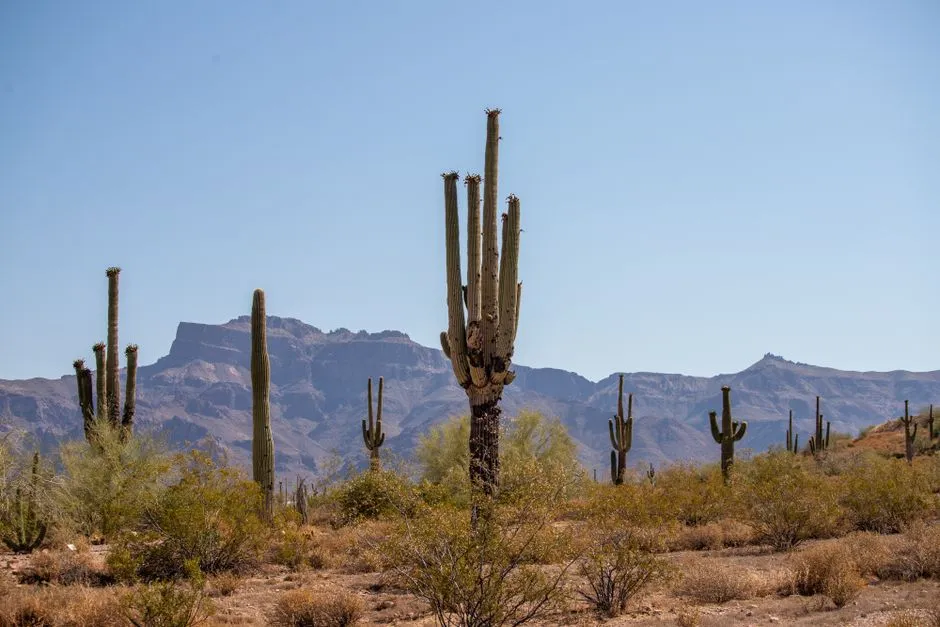

When the desert floor turns into a furnace in late June, a quiet migration begins across Arizona. Phoenicians load up their cars before sunrise. Tucsonans book the same cabin they reserved the year before. Families from the East Valley start the familiar two-hour drive north, kids already counting down.
The destination is Flagstaff. Sitting quietly at the edge of the Colorado Plateau, this mountain city has been Arizona’s worst-kept summer secret for decades. It doesn’t feel like a resort or a tourist destination – it feels like relief.
The Temperature Gap That Changes Everything

Numbers tell part of the story. On average in July, afternoon high temperatures in Flagstaff run about 25 degrees cooler than Phoenix. To put that in real terms: Phoenix averages around 106 degrees in July, while Flagstaff sits at a cool 81 degrees.
July is actually Flagstaff’s warmest month, with average highs reaching around 80 to 82 degrees Fahrenheit. Even so, the city’s 7,000-foot elevation keeps it far cooler than most other Arizona cities.
Daily temperatures average in the mid-70s and nights are often enjoyed with a light sweater. Monsoons roll in nearly every afternoon in late July and August, those intense rainstorms that disappear as quickly as they arrive.
Altitude Is the Whole Secret
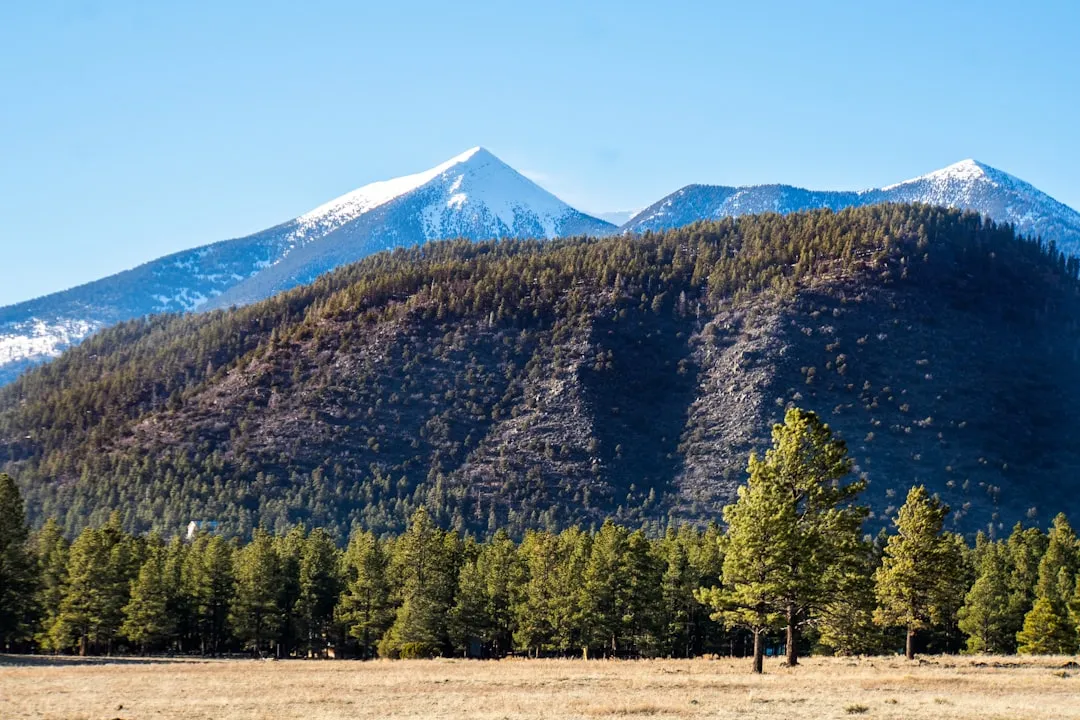
When temperatures across Arizona soar to triple digits, one city stays remarkably cool: Flagstaff. Perched at more than 7,000 feet in elevation, the mountain city offers a summer experience unlike anywhere else in the Southwest.
Located along the western edge of the largest contiguous ponderosa pine forest in the continental United States, Flagstaff’s unique high-elevation setting provides a striking contrast to the desert environment that dominates much of Arizona.
That altitude gives you a different version of Arizona entirely: ponderosa pine forests, aspen groves, alpine meadows, and four full seasons. The city sits inside the 1.8-million-acre Coconino National Forest, which means trails, lakes, and volcanic landscapes are minutes away rather than a long drive.
The Drive Is Part of the Deal
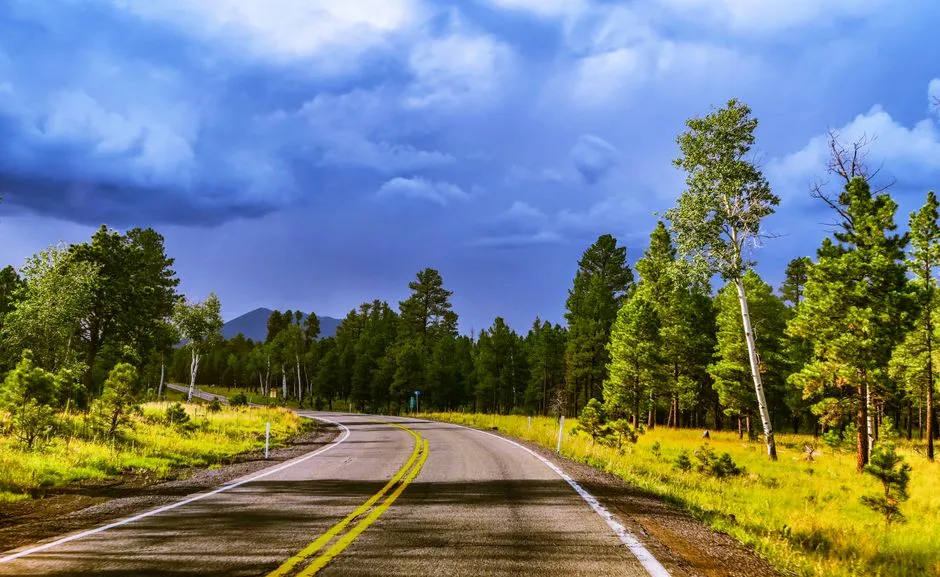
Flagstaff is about 140 miles north of Phoenix, a drive of roughly two hours up Interstate 17. That proximity is exactly what makes it such a popular weekend escape from the Valley.
Flagstaff sits about two hours north of Phoenix at 7,000 feet of elevation, where summer highs average in the low-to-mid 80s. On an average afternoon, that makes it roughly 20 to 25 degrees cooler than the Valley, and 30 degrees or more on the hottest days.
The drive itself transitions through striking terrain, from saguaro-dotted desert through juniper scrubland and finally into tall pines as you climb elevation. It’s one of the more dramatic two-hour drives in the American Southwest.
Trails for Every Level of Ambition
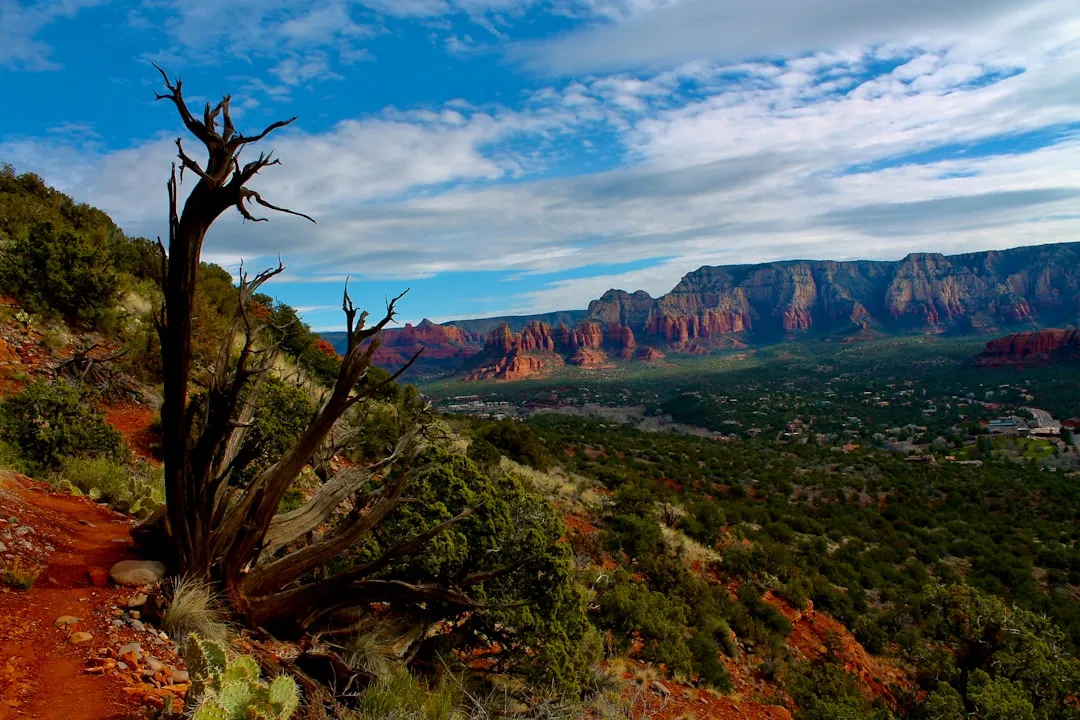
Flagstaff is surrounded by the Coconino National Forest, which offers endless opportunities for hiking, mountain biking, and camping. In July, that forest functions as a natural air conditioner, its canopy of pines shading nearly every trailhead.
The Coconino National Forest offers trails for all skill levels, with over 1.8 million acres to explore. The Fatman’s Loop Trail is a local favorite for a moderate hike with beautiful views of the San Francisco Peaks.
The Arizona Trail, an 800-mile route, passes through Flagstaff and offers scenic paths through pine forests and meadows. The Humphreys Peak Trail leads to Arizona’s highest point at 12,633 feet. For a uniquely different experience, the Lava Flow Trail at Sunset Crater Volcano National Monument winds through volcanic landscapes.
The Summit That Looks Down on Everything
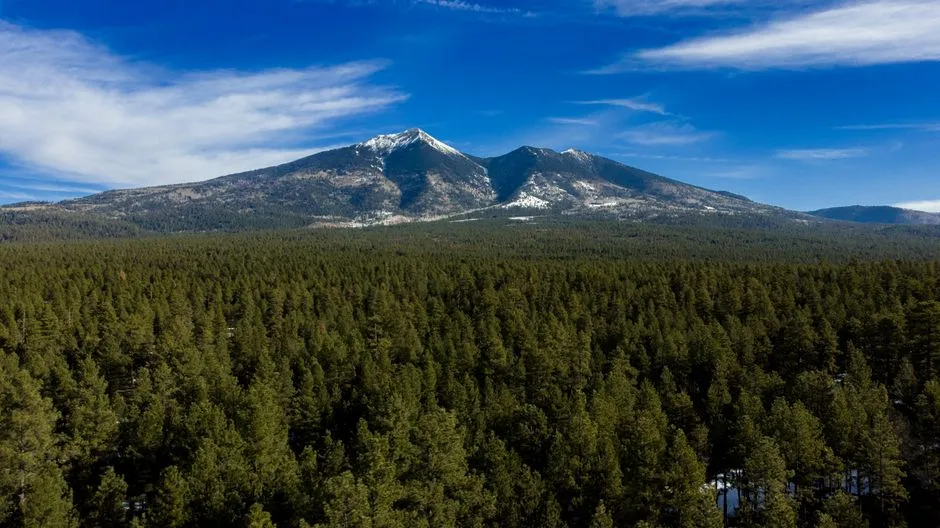
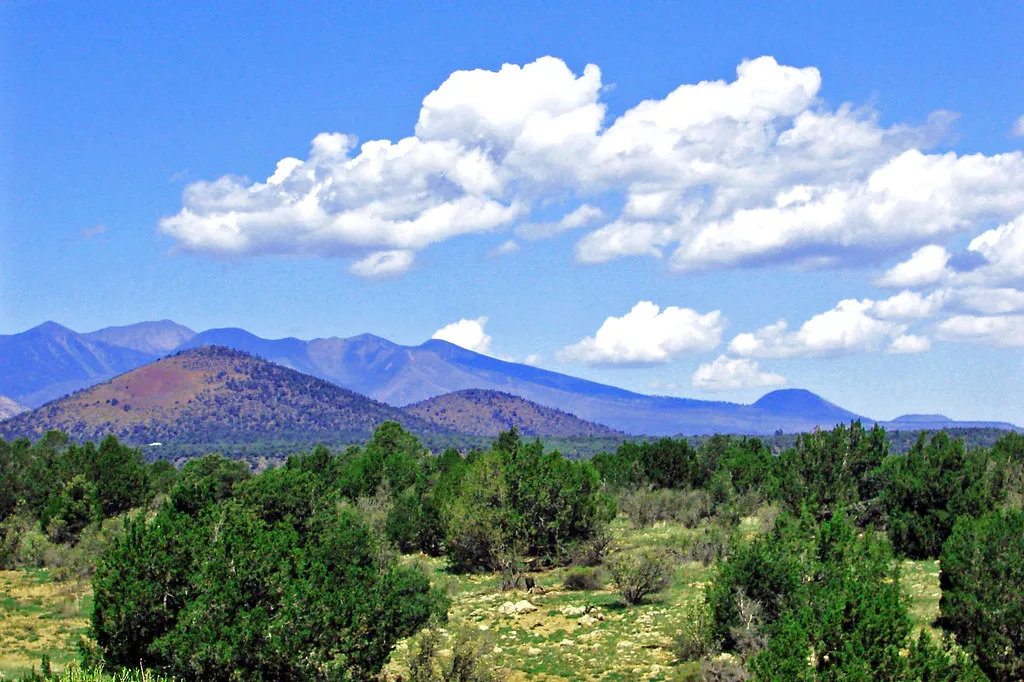
The San Francisco Peaks dominate Flagstaff’s skyline and spiritual landscape. Rising to 12,637 feet at Humphreys Peak, these mountains hold the distinction of being Arizona’s highest point.
These mountains hold sacred significance for numerous Native American tribes. For the Hopi, they represent the home of the kachinas, spiritual beings who bring rain and guidance. This indigenous connection to the landscape continues to influence conservation ethics throughout the region.
Arizona Snowbowl, best known as a ski resort in winter, transforms in summer. Visitors can ride the gondola to take in sweeping, sunny views from the upper mountain. The perspective from those upper elevations, looking out over pine forests that stretch in every direction, is something that’s genuinely hard to describe.
Water, Swimming, and the Oak Creek Secret
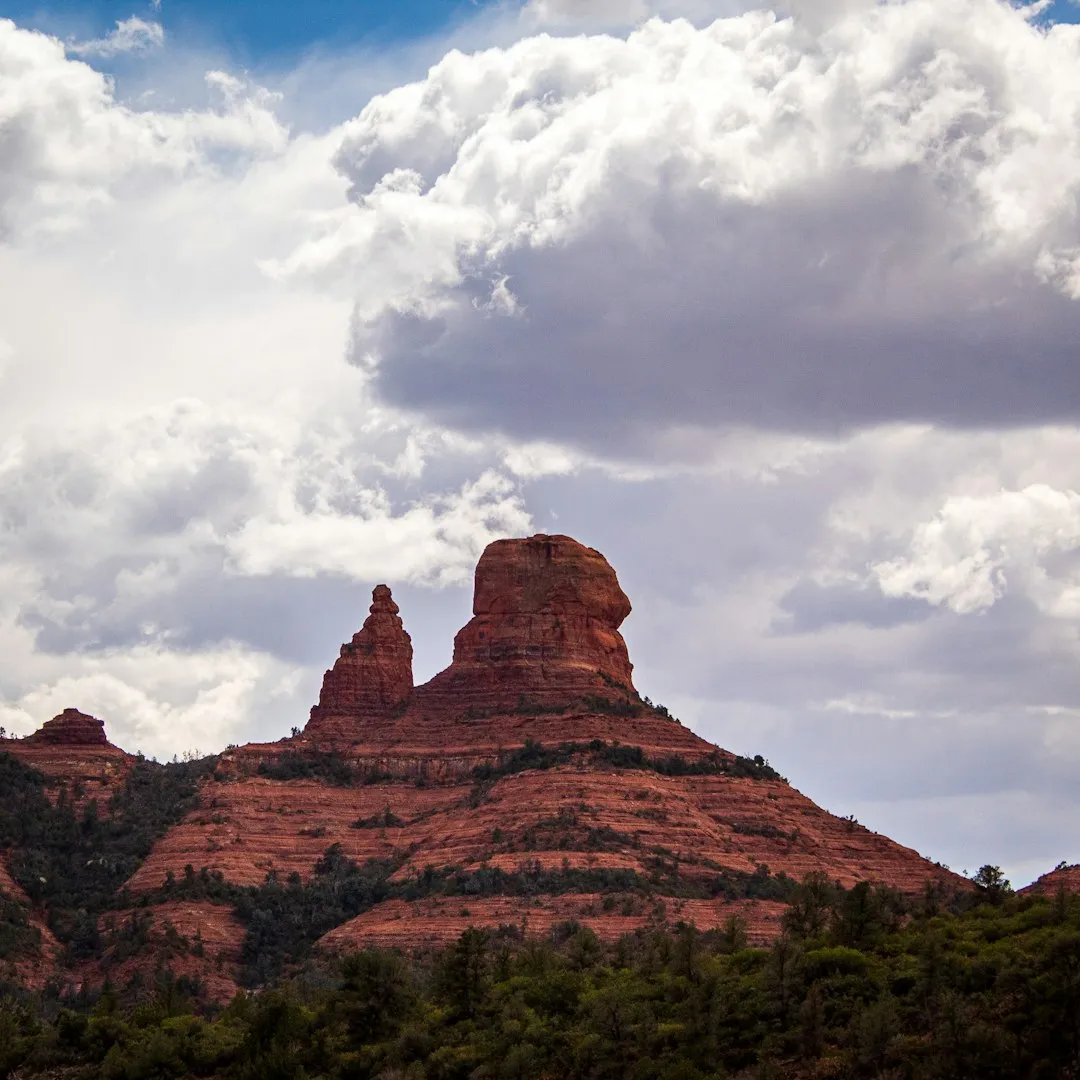
Slide Rock State Park in nearby Oak Creek Canyon offers one of Arizona’s most beloved natural swimming spots, just a 23-mile drive through some of the most scenic canyon country in the Southwest.
Nearby lakes like Lake Mary also offer opportunities for kayaking, paddleboarding, and fishing – all within a short drive of downtown Flagstaff. On a hot July afternoon, these options feel almost absurdly good.
Oak Creek Canyon is especially popular in July because the natural rock slides and cold water make it feel like a theme park that nature built. Arrive early on weekends if you want a parking spot; it’s no longer a secret.
A July Calendar Packed With Festivals
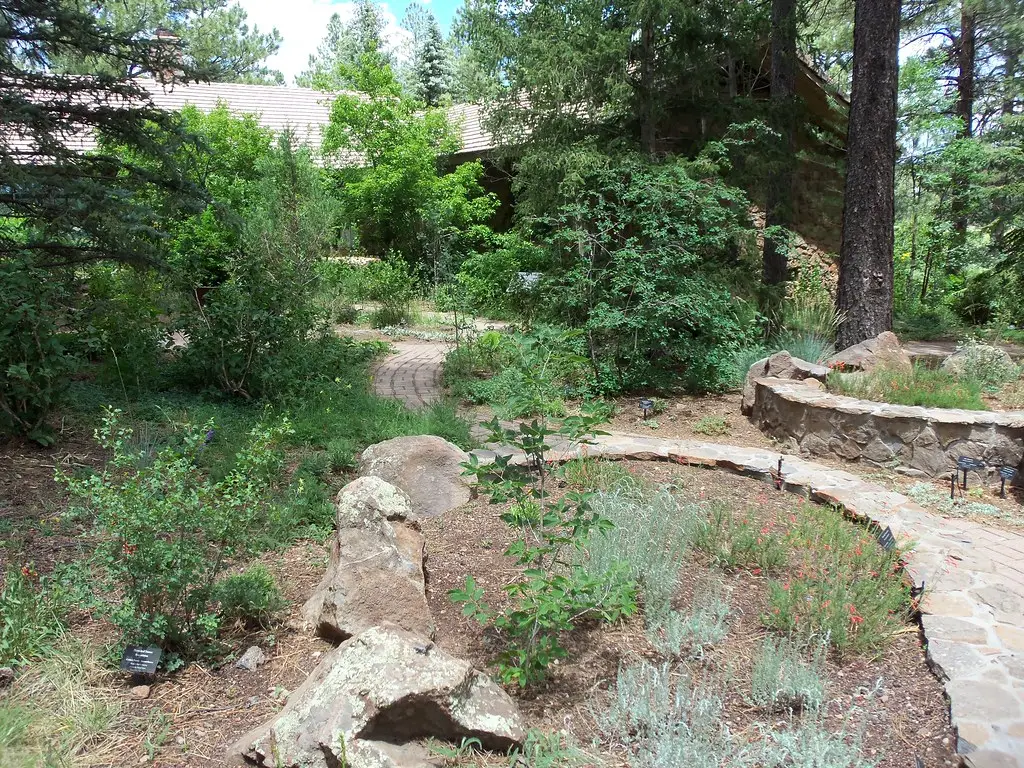
Flagstaff’s summer festival season brings a refreshing mix of live music, cultural celebrations, art markets, and community events, all providing a welcome respite from the heat of the Valley. From long-running traditions to newer creative gatherings, the city’s calendar is packed with ways to explore local talent, global influences, and outdoor experiences in the mountain air.
Flagstaff Art in the Park is a locally owned arts and crafts festival featuring tightly juried one-of-a-kind fine art and fine crafts. These shows take place over the Fourth of July and Labor Day weekends in Wheeler Park in Downtown Flagstaff. In addition to artists from across the Southwest, the shows feature nonstop live music throughout the three days of each event and a Shady Beer Garden featuring local and regional breweries.
In 2026, this high-elevation mountain town near the Grand Canyon is offering dozens of festivals featuring arts, music, cultural performances and more. Highlights include the Centennial of Route 66, the 30th Flagstaff Pride in the Pines, and the 25th anniversary of Flagstaff becoming the first International Dark Sky City.
The Skies After Dark Are Genuinely Otherworldly
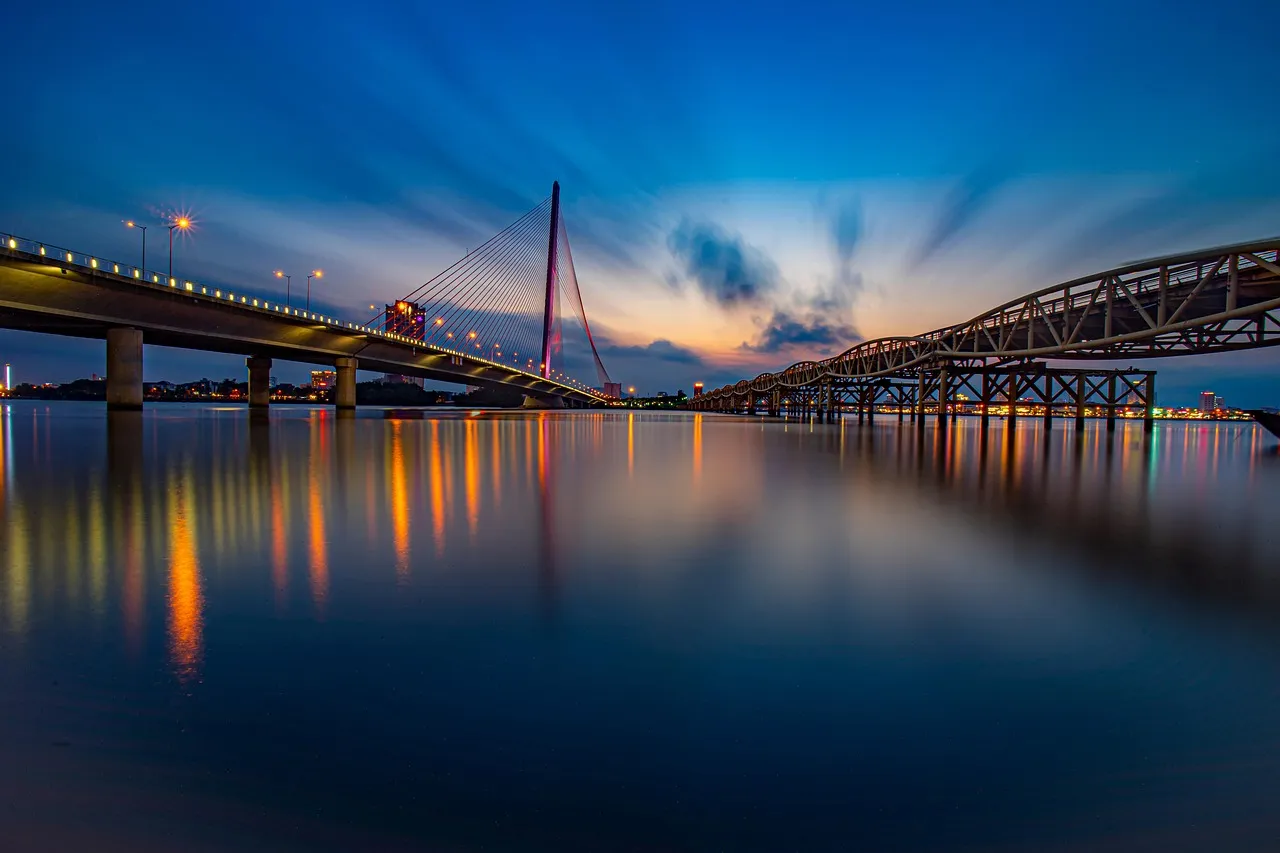
Flagstaff was the first dark sky community on the planet designated by DarkSky International. The city’s 7,000-foot elevation and Lowell Observatory put it firmly on the international celestial map.
As one of the world’s first International Dark Sky Cities, Flagstaff takes its stargazing seriously. At over 7,000 feet in elevation, surrounded by the sweeping ponderosa pine forests of the Coconino National Forest, the skies here are exceptionally clear, remarkably dark, and endlessly worth looking up at.
Lowell Observatory is a must for astronomy lovers. It hosts guided stargazing experiences, including public star parties, rooftop stargazing tours, and viewing of the Pluto discovery telescope. On a clear July night, the Milky Way is visible to the naked eye in a way that no Arizona city comes close to matching.
A Base Camp for the Grand Canyon
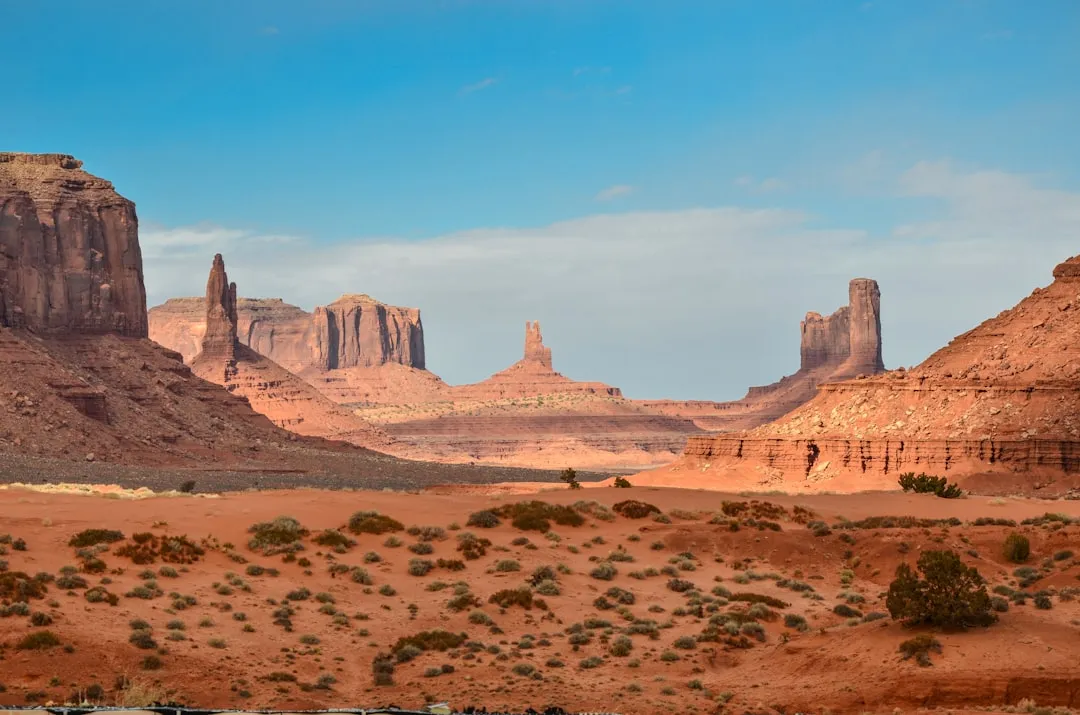
Flagstaff sits approximately 80 miles from Grand Canyon National Park, one of the most visited national parks in the United States. That proximity makes July visits unusually practical – cool nights in Flagstaff, then a morning drive to the rim before the crowds build.
Flagstaff’s summer calendar runs full, with iconic destinations like Sedona and the Grand Canyon each less than two hours away. Many Arizona families plan their entire summer around using Flagstaff as home base for exploring the entire northern region of the state.
No Flagstaff getaway feels complete without a visit to the Grand Canyon, just 80 miles away. A day trip to the South Rim offers breathtaking views and hiking opportunities. That proximity, combined with Flagstaff’s cooler nights, is a combination that’s genuinely hard to beat anywhere in the state.
Accommodation Books Out Fast – Here’s Why
Summer in Flagstaff has grown dramatically in popularity, and the best sites book out weeks, sometimes months, ahead for peak dates. June fills quickly, the July Fourth weekend historically sells out completely, and August stays busy straight through Labor Day.
In stark contrast to the blistering temperatures found in other parts of Arizona, Northern Arizona boasts a cooler climate during the summer months. July sees highs around 82 degrees and lows dipping to 52 degrees, while August maintains highs around 79 degrees. Even on hotter days, the low humidity ensures a noticeably more comfortable experience.
That combination of low humidity, mild daytime highs, and cool evenings is rare in the American Southwest during July. It’s the kind of weather that makes outdoor dining feel like a pleasure rather than an endurance event, and it’s precisely why Flagstaff’s hotels and cabins fill so reliably every single summer.
Conclusion
Flagstaff doesn’t need to market itself hard. Arizona’s own geography does the work. Every July, when the desert cities push past 110 degrees, the same mountain town quietly fills with grateful locals who already know what they’re coming for: pine shade, cool trail air, a sky full of stars, and the particular satisfaction of a cold evening that genuinely requires a jacket.
Some places get discovered and then change. Flagstaff has been a summer refuge for generations of Arizonans and somehow still manages to feel like a local secret. That’s not an accident. It’s just altitude doing what altitude does.
AI Disclaimer: This article was created with the assistance of AI tools and reviewed by a human editor.