
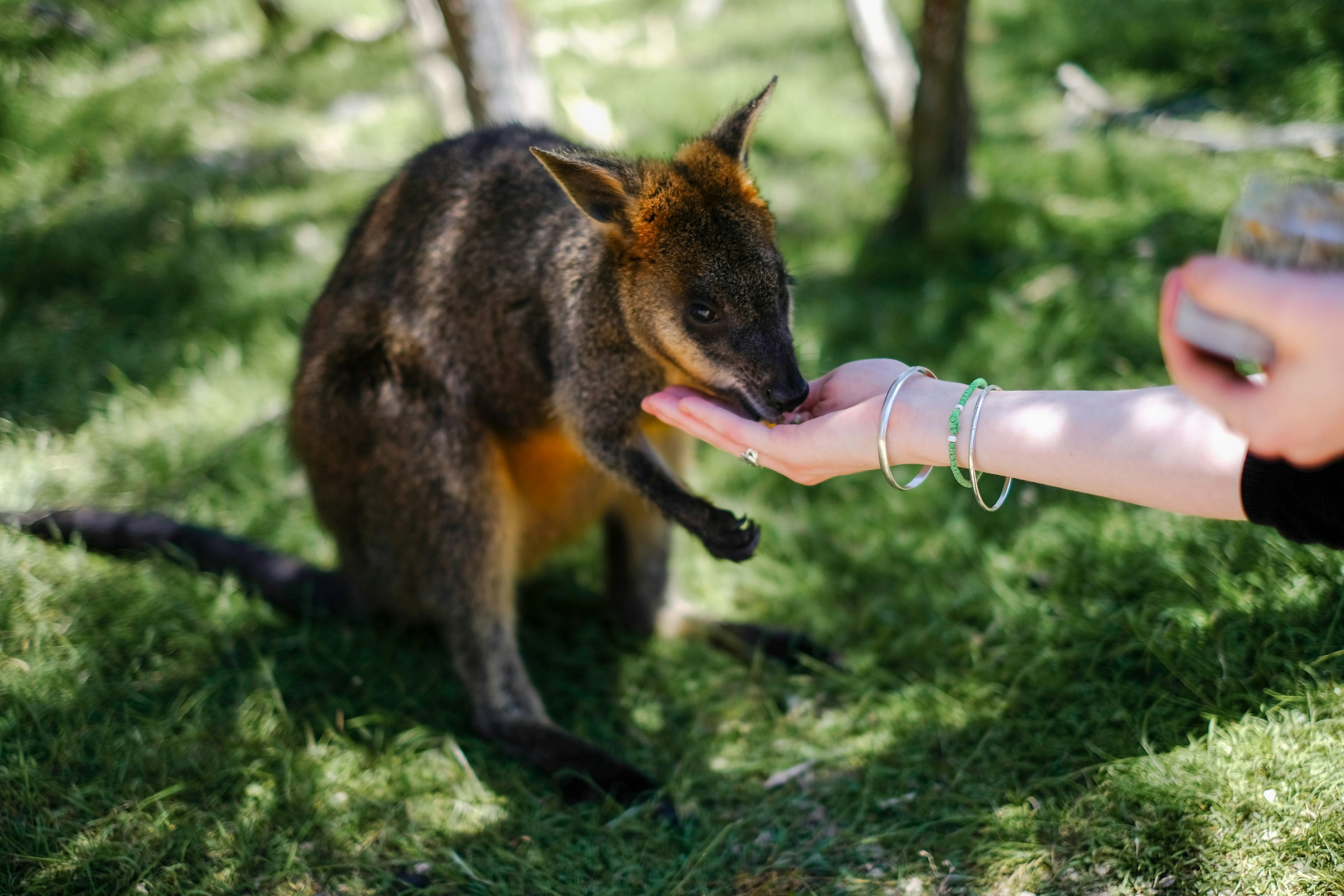

Australia Is One of the Last Truly Rabies-Free Nations
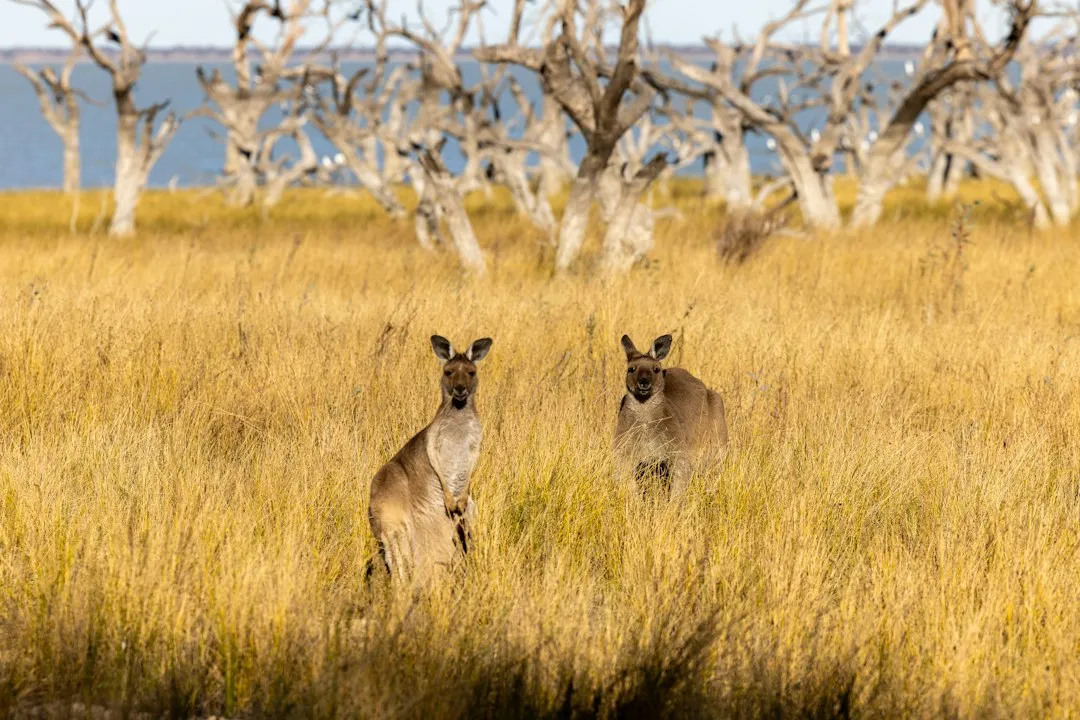
Australia is one of the few large countries in the world that is genuinely free of rabies, and it has remained free of many other animal diseases that are routine elsewhere, including canine ehrlichiosis, screw-worm fly, and several tick-borne illnesses. That status is not an accident of geography alone. It has been actively maintained through decades of strict border control.
Australia is free from rabies virus, and the last reported suspected case of rabies in animals was in 1867. Keeping it that way is a conscious, ongoing national commitment rather than a passive condition.
The introduction of rabies could devastate Australia’s native wildlife, which lacks evolutionary defenses against many placental mammal diseases, and cause catastrophic losses to the livestock industry. Pet quarantine is, at its core, the most visible front line of that defense.
The Legal Foundation: The Biosecurity Act 2015

Australia’s pet import and quarantine regime is shaped by a combination of federal, state, and territory legislation, with the Biosecurity Act 2015 being the primary law governing animal imports and quarantine. This legislation gives the federal government broad authority to set and enforce the conditions under which any animal may enter the country.
The Department of Agriculture, Fisheries and Forestry (DAFF) oversees all animal imports through strict biosecurity protocols governed by this Act. There is no workaround and no appeals process that bypasses the science-backed requirements.
DAFF regulates the import of cats and dogs into Australia to protect agriculture and the environment from biosecurity risks, and to protect the health of humans, cats, dogs, and other animals. The scope is deliberately broad because the risks are not narrow.
The Mickleham Facility: Australia’s Only Pet Quarantine Station
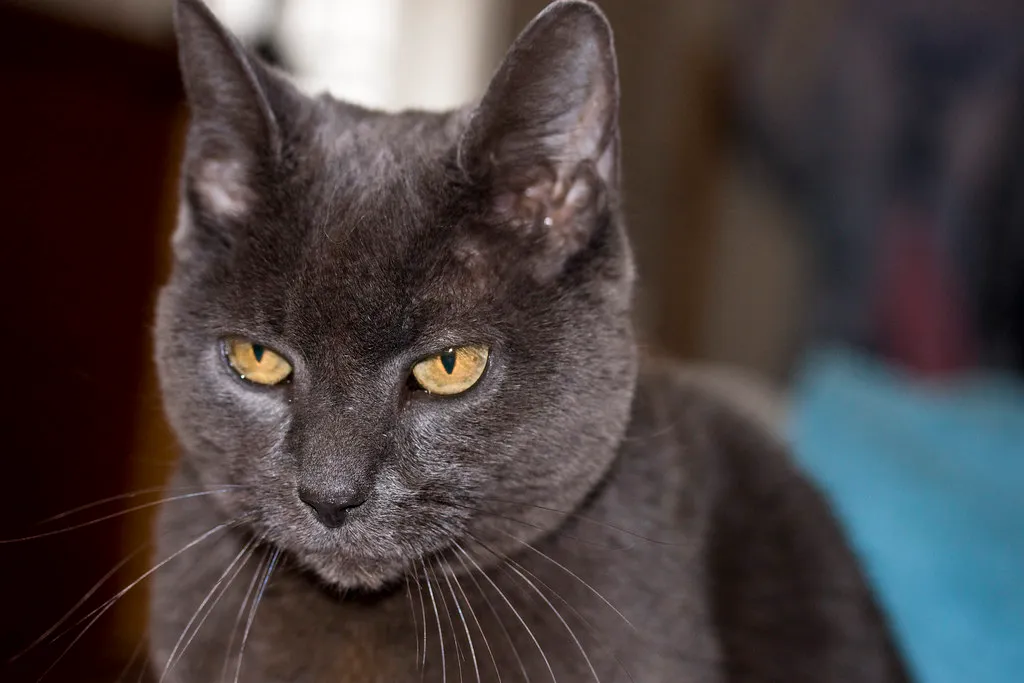
Every dog and cat entering Australia must complete a mandatory stay at the government-run Mickleham Post Entry Quarantine (PEQ) facility near Melbourne. There is no at-home quarantine option in Australia. This single point of entry makes it far easier to maintain consistent health monitoring.
All eligible cats and dogs from Group 2 and Group 3 countries must enter Australia through Melbourne Airport and complete quarantine at the Mickleham PEQ facility, located about 30 minutes north of Melbourne’s CBD. Mickleham is a purpose-built government facility with strict biosecurity protocols.
The quarantine period allows the Australian Department of Agriculture and Water Resources to monitor the animal’s health and become aware of any disease concerns prior to the animal’s release into Australia. Owners should also know that physical visits are not permitted for biosecurity reasons.
How Long Does Quarantine Actually Last?
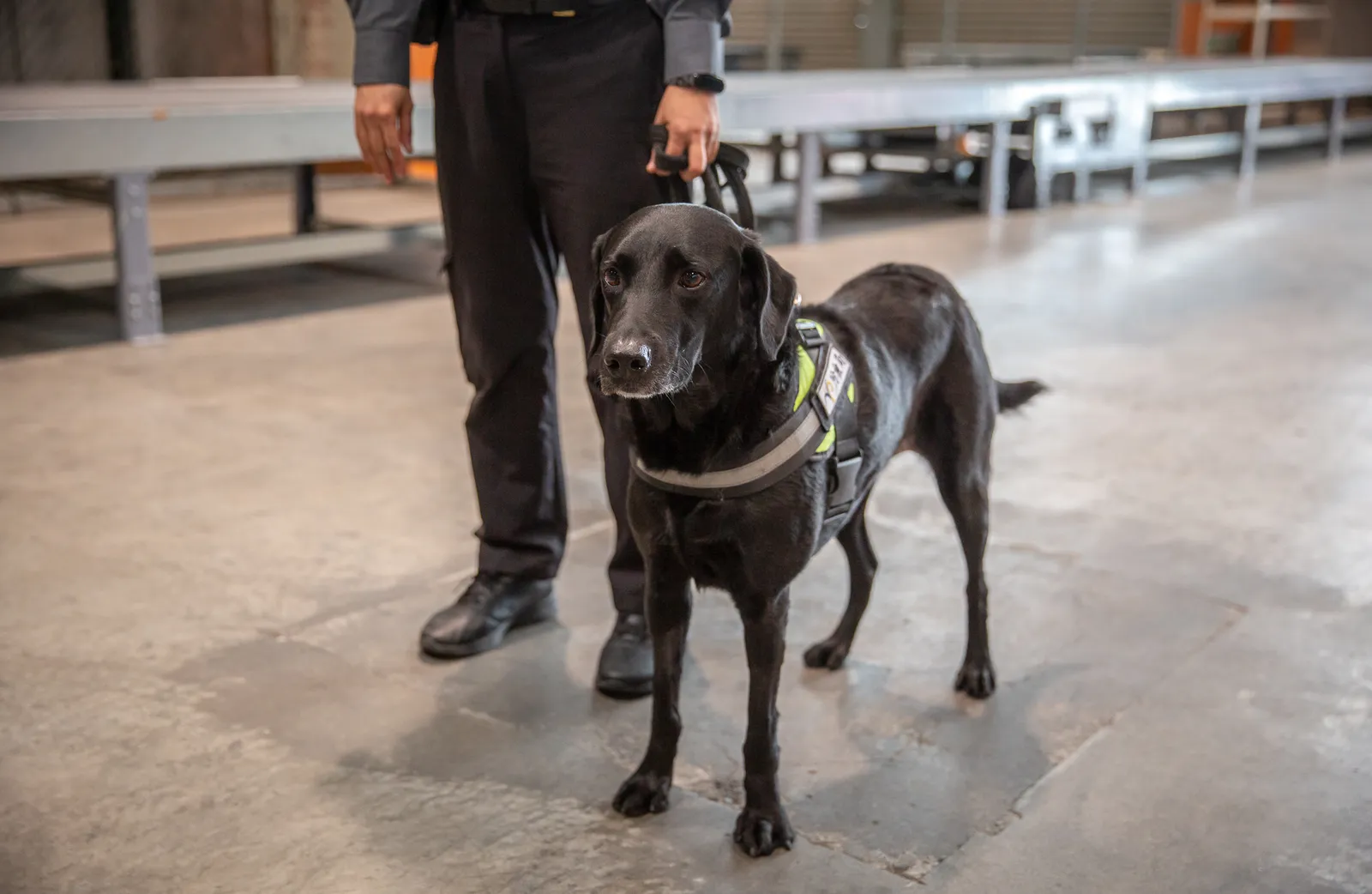
Mandatory pet quarantine in Australia is 10 to 30 days. The exact duration depends on which country the pet is traveling from and how thoroughly the pre-export steps were completed before departure.
Pet dogs and cats from Group 2 countries may need to quarantine for at least 10 days, while pets from Group 3 countries may need to remain at the quarantine centre for 30 days. Getting the preparation steps right, including identity verification and the rabies titer test, can be the deciding factor between the shorter and longer stay.
The minimum quarantine period is 10 days, but it can be extended if there are any biosecurity concerns, such as ticks found on your pet or issues with their documentation. Attention to detail in the months before travel is what keeps quarantine as short as possible.
Country Categories and Who Gets a Pass

DAFF sorts every approved country into one of three groups, and which group your pet is traveling from determines both the pre-export requirements and the quarantine minimum. Group 1 countries, which are considered to have equivalent biosecurity standards to Australia, face the fewest conditions.
Pets traveling from New Zealand are exempt from quarantine and can fly directly to any international airport within Australia. New Zealand’s long-standing rabies-free status and close biosecurity relationship with Australia make this the one meaningful exception to the quarantine rule.
Australia requires that pets from non-approved countries must first spend 180 days in an approved country and meet that country’s import conditions before export to Australia. This staging requirement ensures that animals from higher-risk regions cannot simply transit through a third country without genuine health clearance.
The Rabies Titer Test: A 180-Day Commitment

Australia is rabies-free and has extremely strict import biosecurity. Dogs must have a valid rabies neutralising antibody titre test (RNATT) with a result of 0.5 IU/ml or above, performed at an approved laboratory at least 180 days before export. Cats traveling from most countries face the same requirement.
The 180-day rabies waiting period is separate and cannot be shortened. It only affects the quarantine length once the pet lands. This is one reason why pet owners relocating to Australia are routinely advised to start the process at least seven or eight months before their planned travel date.
The test itself is not simply a formality. It confirms that the animal has mounted an immune response to the rabies vaccine at a level that meets Australian standards. A failed or borderline result resets the clock entirely.
What Else Must Be Done Before a Pet Can Travel?

Microchipping is compulsory for all animals before entering the pet quarantine facility in Australia, and all dogs and cats must be treated for internal and external parasites prior to entering a pet quarantine facility. These are non-negotiable baseline requirements regardless of the country of origin.
Microchipping with an ISO 11784/11785 compliant chip is mandatory. The chip must also be implanted before any vaccinations or tests are carried out, otherwise the identity verification process is invalidated and the entire preparation sequence may need to restart.
A veterinary health certificate endorsed by the government vet of the exporting country is also required. All of these documents need to be carefully timed and sequenced. Missing one step at the wrong point in the process typically means starting over rather than simply catching up.
Which Animals Are Not Allowed In at All?
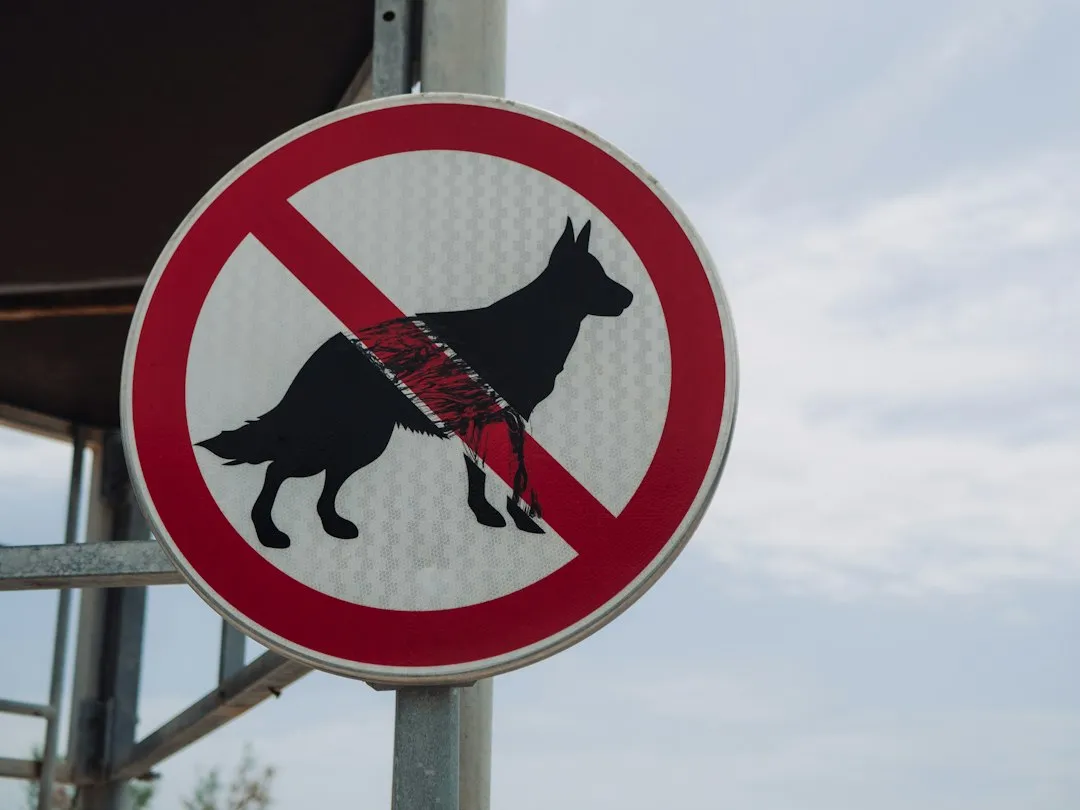
Some kinds of dogs and cats cannot be brought to Australia. This includes crossbreeds with wild animals, such as the Asian leopard cat. These restrictions exist because certain hybrid breeds carry unpredictable disease risks or ecological concerns that standard quarantine cannot adequately address.
Reptiles, amphibians, birds other than a small number of approved species under strict permits, rabbits banned in Queensland, ferrets banned in Queensland and the Northern Territory, guinea pigs, hamsters, and most exotic mammals fall outside the private pet pathway. In practice, the only animals that can realistically travel with an owner to Australia under the standard import program are domestic dogs and cats.
Effective 1 March 2025, Bengal cats are effectively banned from importation into Australia, which represents the most recent significant policy change in the country’s pet import framework. The restriction reflects ongoing review of which breeds meet Australia’s ecological risk standards.
The Real Cost of Bringing a Pet Into Australia
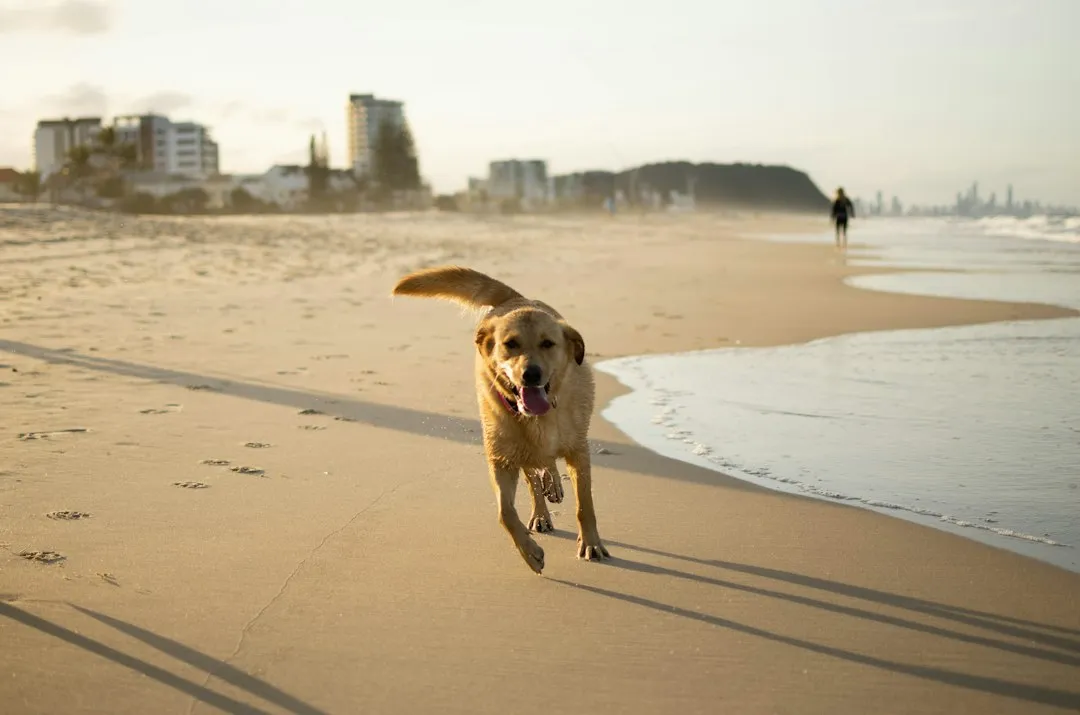
Post-entry quarantine at Mickleham costs from about $1,877 AUD for the 10-day minimum. Add an import permit of roughly $480 to $1,200, veterinary fees, rabies testing, an IATA crate, and flights. Expect several thousand dollars total, and potentially over $10,000 for long-haul moves.
The total realistic cost for a single dog or cat from a Group 3 country typically lands between $6,000 and $12,000 AUD, depending on size, origin city, airline, and whether a professional pet relocation service is used. It is a significant investment, and that price reflects the genuine complexity of the process.
For many families, especially those relocating permanently, the cost is simply part of the move. Professional pet relocation services exist specifically to manage the paperwork, timing, and logistics so that owners do not inadvertently trigger a step out of sequence and face a 30-day quarantine instead of 10.
Why the Strictness Is Worth Defending

Australia’s strict pet import and quarantine rules are essential for its biosecurity, protecting its unique native wildlife and major agricultural industries from exotic pests and diseases. This is not an abstract concern. Australia’s native fauna, from marsupials to endemic bird species, evolved in long isolation and has no natural immunity to diseases common elsewhere.
Quarantine controls at Australia’s borders minimise the risk of exotic pests and diseases to protect Australia’s agriculture industries and environment. Agriculture is one of the country’s largest economic sectors, and a single introduced disease could affect export markets with consequences that ripple far beyond the farm gate.
A single rabid animal slipping through could cost the public health system hundreds of millions of dollars and threaten native wildlife. Framed that way, 10 days in a well-staffed facility near Melbourne starts to look less like an inconvenience and more like a reasonable ask.
The Takeaway
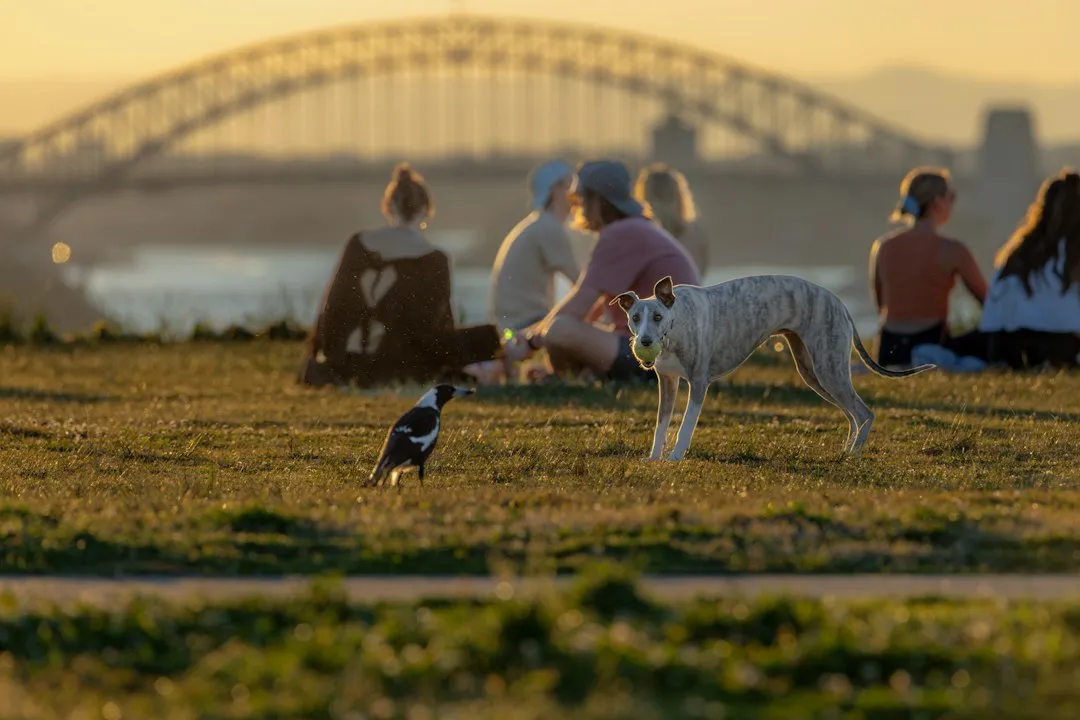
Australia’s pet quarantine system is demanding by design, not by bureaucratic habit. The country has spent over a century keeping diseases out that are simply ordinary elsewhere, and the quarantine rules are the mechanism that makes that possible. For anyone relocating with a dog or cat, the process rewards early planning above everything else.
Start seven to eight months out, follow the steps in sequence, and work with a vet familiar with Australian requirements. The paperwork is real, the costs are real, and the wait is real. So is the country on the other side of it, which remains one of the most disease-free environments for both people and animals anywhere in the world.
AI Disclaimer: This article was created with the assistance of AI tools and reviewed by a human editor.