


Every traveler has heard a version of the same tip at some point: book on a Tuesday, preferably at midnight, and you’ll find the cheapest fare. It sounds so specific it must be true. The reality is more complicated, more interesting, and in some ways more useful.
Airfare pricing has changed dramatically over the past decade, and the rules that once guided savvy travelers have largely been rewritten by algorithms. Still, patterns exist. Some days do tend to be cheaper than others, both for booking and for flying, and knowing the difference between the two can quietly reshape how you plan your next trip.
The Tuesday Myth: Where It Came From

The idea that Tuesdays were the golden day to book wasn’t invented out of thin air. Airlines once updated fares on a set weekly cadence, and competitors would match or undercut those prices shortly afterward, creating a brief window, late Tuesday into Wednesday, when savvy travelers could find deals.
The old “book on Tuesday” tip originated back when airlines released new fare inventory on Monday nights, which made Tuesday morning a brief window of opportunity. That world no longer exists. Pricing systems are now automated, continuous, and deeply responsive to real-time demand signals.
The Tuesday tip that travelers have long repeated is a convenient but outdated myth that ignores the fact that airfare pricing is incredibly dynamic and constantly changing. Airlines tweak their pricing all the time to try to win over more customers and undercut their competitors.
Friday Has Become the New Frontrunner for Booking

Expedia’s recently released Air Hacks report for 2026, which considered “millions” of its flight data points, found that Fridays are now the best day to book both domestic and international flights, being roughly 14% and 8% cheaper, respectively, than Sunday, the most expensive day.
Changes in demand are helping push Friday flight prices down. The report tracked patterns throughout a year of Expedia’s Flight Deals tool, which highlights fares priced at least 20% below normal. Fewer business travelers are flying on Friday, and that opens up cheaper inventory for leisure travelers heading into the weekend.
Data provided to NerdWallet by Expedia indicates that, if you have flexibility on when to book, Fridays are generally best. That said, this is a trend observed over large data sets, not a guarantee on any individual route.
Sunday Was the Cheapest Booking Day for Three Consecutive Years
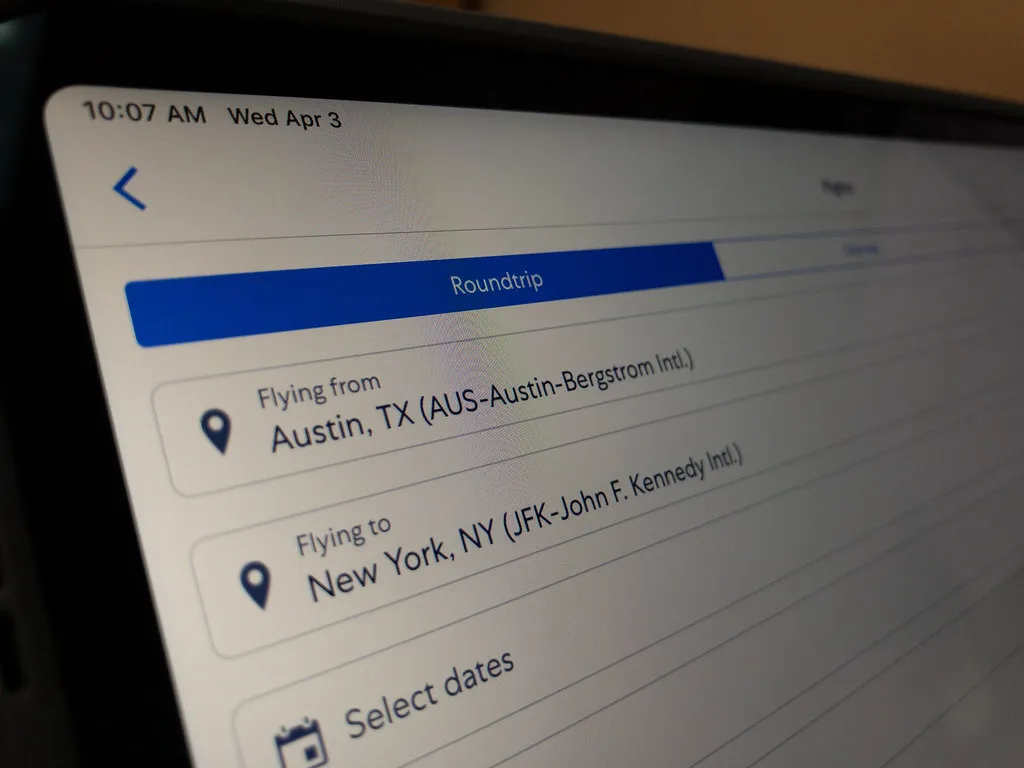
For the third year in a row, data had shown Sunday as the cheapest day to book flights. The 2026 Expedia findings shifted that top spot to Friday, but Sunday remains a genuinely competitive day for certain travelers, especially those booking internationally.
A 2025 study by Expedia found the cheapest day to book flights was Sunday. The savings aren’t as significant as one might hope: booking Sunday rather than Monday or Friday saves travelers an average of 6% on domestic flights. International tickets, however, saw greater savings of up to 17%.
Sunday emerged as a strong contender for the third consecutive year, with Expedia’s 2025 Air Travel Hacks Report showing that domestic travelers can save 6% while international travelers can save 17% compared to booking on a Monday or Friday. That’s not a trivial margin on a transatlantic ticket.
The Day You Fly Matters Just as Much as When You Book

Here’s a distinction that often gets lost in the conversation: when you book and when you depart are two completely separate levers. Moving either one can affect your price, but the day of travel tends to have a more consistent impact.
Tuesday is the cheapest day to fly in terms of raw average cost, coming in at about 14% less than Sunday departures. Expedia also reports that Tuesdays are the least busy day of the week to fly, based on bookings.
Regardless of fare class and destination, flying on Thursday instead of Sunday can save travelers 17%. Domestic travelers should depart on Saturday instead of Sunday to save 17%. The cheapest day to travel internationally is actually Thursday, and Sunday is the most expensive, a difference that can save you up to 8%.
Midweek Travel Consistently Delivers Savings

According to a 2025 Google report, the cheapest days to travel are Monday through Wednesday, about 13% cheaper than flying over the weekend. That kind of saving, applied to a family of four, adds up quickly.
Travelers who fly midweek, usually Wednesday, can save an average of $56 per ticket on domestic airfare throughout the year. Midweek savings spike over $60 per ticket during busy spring break and summer vacation months, while flying midweek over the holidays can save $100 or more.
A 2024 Hopper study also found midweek departures are a good way to save, with tickets on Tuesdays through Thursdays generally a better deal, especially within the United States. By focusing on the cheapest days of the week to fly, travelers could save approximately 15% on their tickets.
Sunday and Monday Are Consistently the Most Expensive Days

Sunday and Monday remain the most expensive days to fly domestically. The pattern holds across multiple data sources and years of analysis. Weekend departures, especially Sunday evening, tend to reflect peak leisure travel demand, which pushes prices up reliably.
The most expensive flight day is Sunday, for both domestic and international travel. If you can shift even a single day in either direction, the financial case for doing so is real and well-documented across multiple platforms and reports.
Analysis from Skyscanner has shown that flight prices often follow a weekly cycle. Typically, the lowest fares appear earlier in the week, while higher prices are more common toward the weekend. That cycle isn’t perfectly predictable, but it’s consistent enough to inform smart planning.
How Far in Advance You Book Matters More Than the Day

All the day-of-week data is genuinely useful, but it shouldn’t overshadow a more powerful variable: your booking window. Multiple studies across platforms consistently show that lead time has a larger impact on price than which day of the week you open your browser.
The Expedia Air Hacks report found that for the best price, travelers should book flights within the U.S. 34 to 86 days prior to departure, or about one to three months’ notice. By doing so, travelers could save an average of 25% off the price of their ticket.
Expedia recommends booking about 31 to 45 days ahead of time. Although, if you don’t mind living life on the edge and maybe missing out on picking your preferred seat, waiting until eight days to two weeks before your flight can save you, on average, $225.
Pricing Algorithms Have Replaced the Old Weekly Cadence
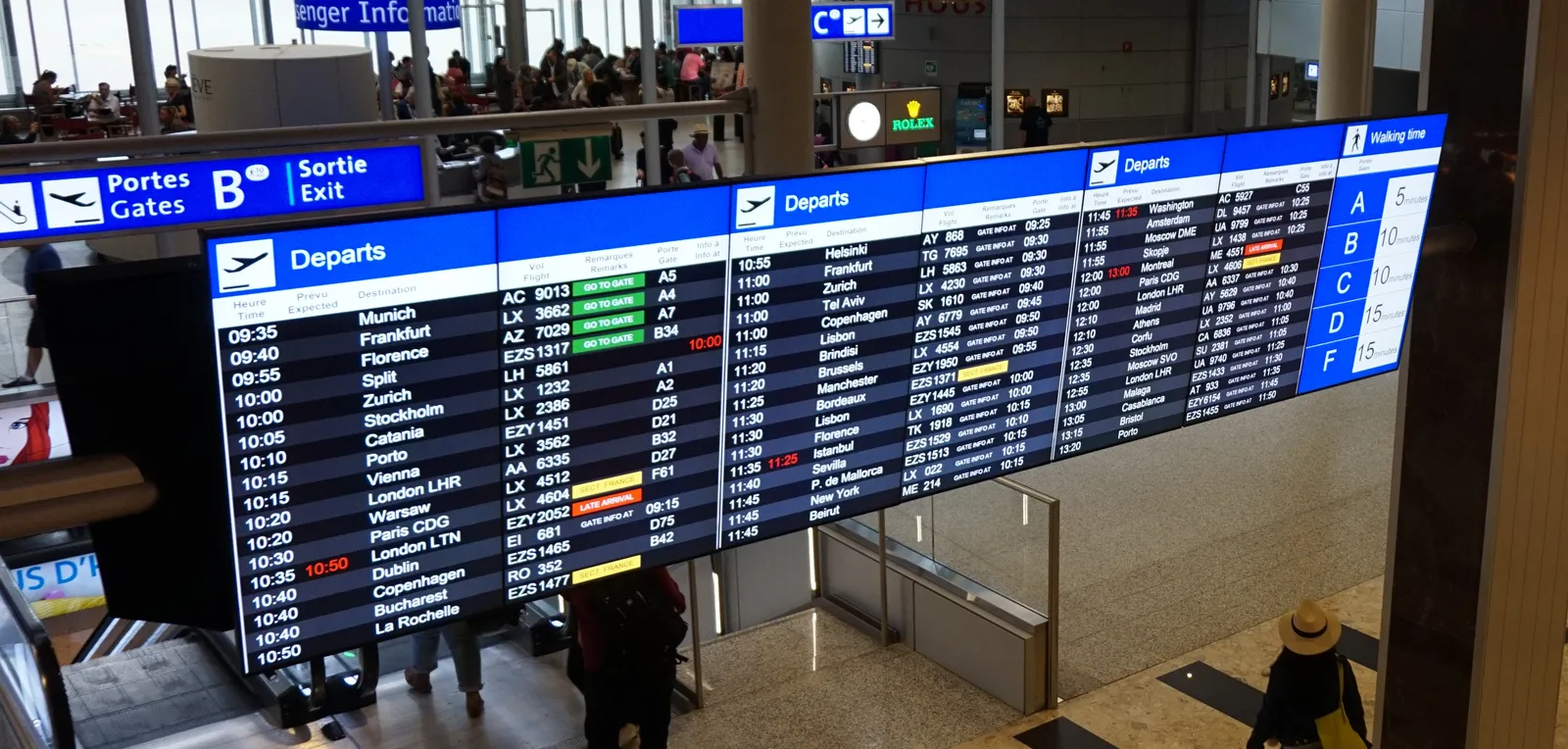
Airlines adjust prices all the time, sometimes hourly, based on demand, supply, and predictive models. There’s no longer a single weekly reset that creates predictable windows. The pricing environment is fluid in a way it simply wasn’t ten or fifteen years ago.
Real-time data means airlines use algorithms that react instantly to cancellations and new bookings. A few cancellations could trigger a sudden price drop. That kind of immediacy makes blanket rules about specific days more of a starting point than a reliable formula.
According to an analysis from the team behind Google Flights, there has been a negligible, 1.9% savings when booking flights on Tuesdays, Wednesdays, or Thursdays instead of Saturday or Sunday over the past few years. The margin is real, but modest, and it underlines why flexibility across multiple factors matters more than fixating on one.
Price Alert Tools Are More Reliable Than Any Single Day Rule

Given how frequently fares move, the most practical approach to saving money isn’t watching a clock or a calendar. It’s setting up automated alerts that do the watching for you, across every day of the week.
Expedia’s Flight Deals tool lets travelers browse current flight deals from their home airport, filter by destination and travel date, and create custom alerts. The tool only surfaces fares that are at least 20% lower than the typical predicted price.
Focus on booking within the right window for your trip, and set up price alerts so you’re notified when fares dip rather than trying to time the day of purchase. That approach works every day of the week, not just the ones circled in old travel guides.
The Real Takeaway: Flexibility Beats Any Single Day

Flight prices change constantly and at all hours of the day, adjusting to real-time demand. Airlines don’t restock on the same day every week like a grocery store, so you won’t find deals by waiting until Tuesdays to book.
The day you book matters less than how far in advance you book. Airlines adjust prices constantly based on demand, competitor pricing, and available inventory. Flexibility and lead time will always matter more than which day of the week you open your browser.
Flying on off-peak days, with Tuesdays, Wednesdays, and Saturdays often among the cheaper options, can yield real savings. Shifting your departure and return dates by just a day or two can save you hundreds of dollars. The smartest move is treating day-of-week data as one useful signal among several, rather than a silver bullet. Book at the right window, use alerts, stay flexible on travel dates, and the savings tend to follow.
AI Disclaimer: This article was created with the assistance of AI tools and reviewed by a human editor.