
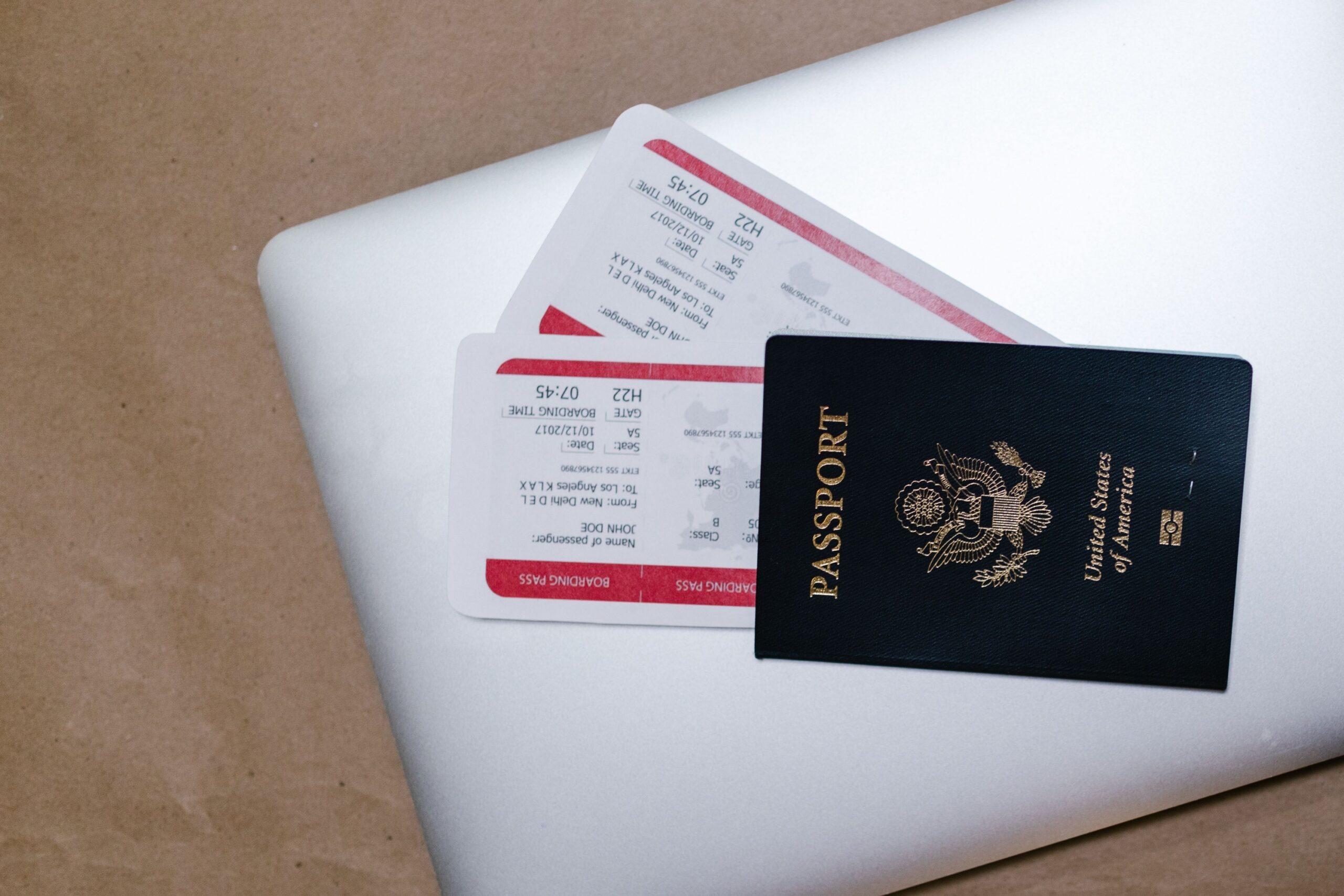

Most travelers default to a round-trip ticket without a second thought. It feels tidy, familiar, and safe. The reality, though, is more nuanced. There are specific situations where splitting your journey into two separate one-way bookings gives you a clear edge over a single round-trip purchase, whether in price, flexibility, or travel design. It comes down to knowing when to use each strategy.
The Default Assumption Is Not Always Right
The majority of travelers simply book a round-trip ticket by default. It’s easy, and people typically assume it’s cheaper, but that’s not always the case. The real picture is more context-dependent than most booking guides suggest.
The truth is that both can be the right choice depending on the situation. Understanding when one strategy outperforms the other is worth far more than any blanket rule.
What the Data Actually Shows for Domestic U.S. Routes
Upgraded Points analyzed airfare data across five of the busiest domestic routes in the U.S., comparing prices for round-trip tickets versus two one-ways over a one-week period. The results leaned heavily in one direction for most mainstream bookings.
A round-trip flight was roughly a third cheaper on average than booking two one-way tickets on identical U.S. routes over the same week. That’s a meaningful gap, and it shouldn’t be ignored when you’re planning a straightforward there-and-back domestic trip.
The average U.S. domestic air fare in the second quarter of 2024 stood at $382, with round-trip itineraries averaging $470 while one-way fares averaged $271. Seen in this light, the round-trip advantage on domestic routes is real and consistent.
Where the Gap Shrinks: Budget Carriers Change the Math
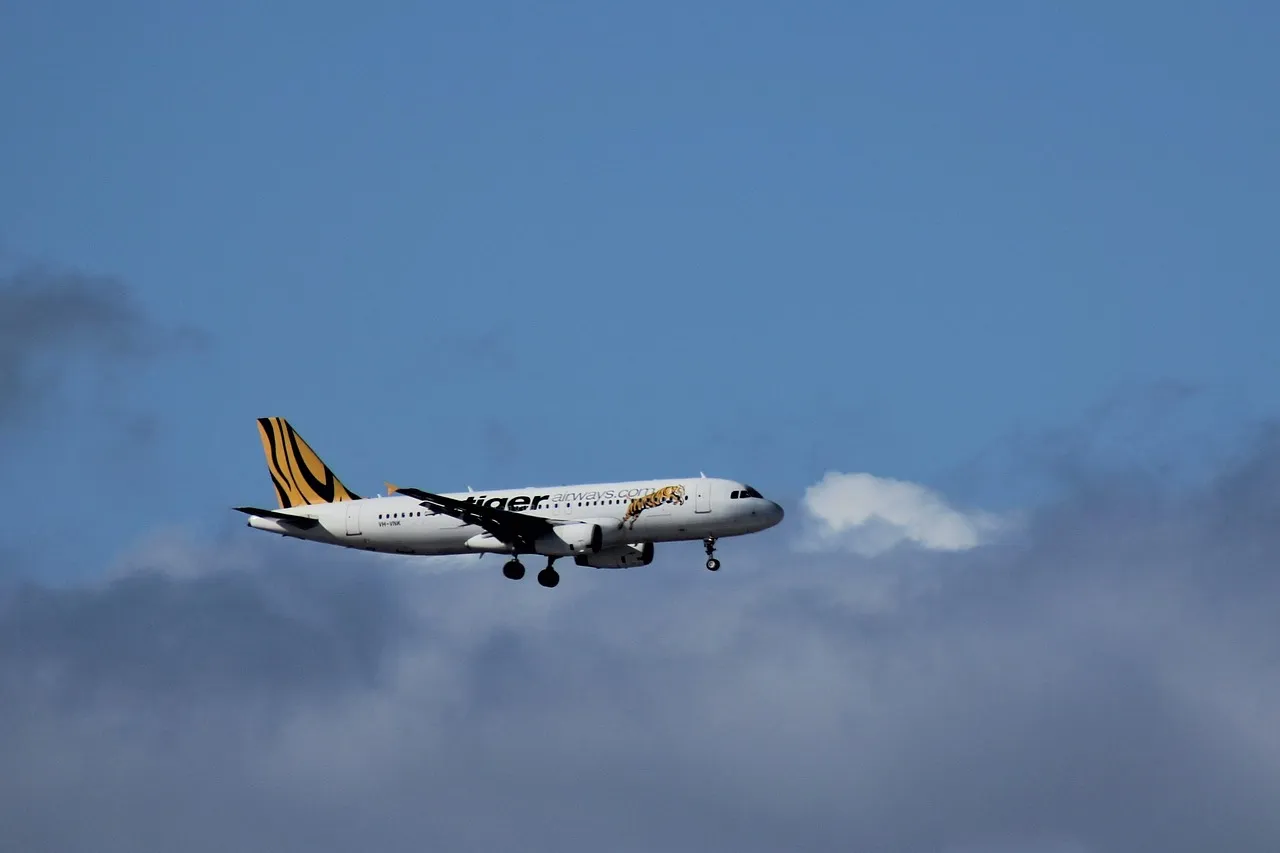
On JetBlue, round-trip fares saved passengers only around four percent, or about $20. Other carriers with modest savings on round-trips included Frontier at roughly twelve percent and Spirit at under nine percent. On these carriers, the pricing gap between two one-ways and a round trip essentially disappears.
One-way tickets on low-cost carriers are often priced at exactly half of the round-trip fare or even less, providing significant savings for travelers with flexible schedules. That’s the sweet spot where the two-one-way strategy starts to make genuine sense.
The airline industry has been witnessing a fascinating interplay between traditional carriers and budget airlines, leading to noticeable price disparities. Legacy airlines historically have relied on strategies that promote round-trip bookings, offering discounts to fill return flights. However, the emergence of budget carriers has disrupted this dynamic, with low-cost carriers increasingly pricing one-way tickets at levels comparable to round-trip fares.
Mixing Airlines to Unlock Better Fares

If you have points accumulated across a few airlines, you can book one-way on Airline A and one-way on Airline B. This works well when you don’t have enough points to book a round-trip on a single airline’s points program, but can combine carriers to use points for the entire trip.
Flying into one city with one airline and departing with another can save money. Considering different carriers instead of booking everything with the same airline is a practical way to reduce costs.
This approach requires a bit more research upfront, but for flexible travelers, it opens up combinations that simply don’t exist within a single airline’s round-trip inventory.
The Points and Miles Advantage

If you’re planning to use points and miles to book award flights, you have a different set of factors to consider. In the case of award travel, it can make sense to book two one-way flights instead of a round-trip award.
By booking two one-way tickets, it’s often significantly easier to change or cancel should you decide to stay longer or leave earlier. JetBlue specifically recommends booking one-way fares when dealing with points because it’s easier to update booking dates after the fact.
Most U.S. airlines have dropped change fees on both award and paid flights. So, if the price is the same, consider booking two one-way awards instead of a round-trip award to gain extra flexibility. For award travelers, this is arguably the most compelling reason to split the booking.
Flexibility When Plans Are Uncertain

There are a few scenarios where booking one-way travel will help save you money and make your booking more flexible. Chief among them is any trip where your return date is genuinely unknown.
If you’re traveling for work with an unpredictable end date, visiting family where your stay might extend, or exploring a region without a fixed departure plan, locking yourself into a round-trip return leg can cost you more in change fees or missed fares than simply booking two one-ways from the start.
One-way tickets remain the more convenient choice for those with flexible travel plans. The ability to modify or swap one leg of a journey without disturbing the other is a genuine practical advantage that a bundled round-trip can’t match.
International Routes: A Different Calculation

One-way international tickets are typically significantly more expensive on most airlines. This is where the two-one-way strategy can work against you if you’re not careful about the route and carrier combination.
Booking two one-way tickets on a Washington Dulles to Frankfurt route on United Airlines, for example, would cost $3,110, while the same flights as a round-trip come to $1,783. That’s a difference no amount of scheduling flexibility can justify on its own.
One-way tickets, especially from Europe to North America, are often exorbitantly expensive, so booking a ticket as a round-trip or multi-city itinerary could save you money. On long-haul routes, the default assumption of booking round-trip is well-founded.
How Day of Week Affects the Equation

Wednesday departures provide the biggest savings for round-trip bookings at roughly forty-three percent cheaper, while Friday departures save the least at around thirty-five percent cheaper. This tells you that the potential loss from booking two one-ways is not fixed. It shifts meaningfully based on when you fly.
Flying on a Tuesday or Wednesday is often cheaper than traveling on weekends. When you control each leg independently with two one-way bookings, you can chase those mid-week discounts on both directions of your journey, something a pre-packaged round trip may not allow.
The Open-Jaw Alternative Worth Knowing
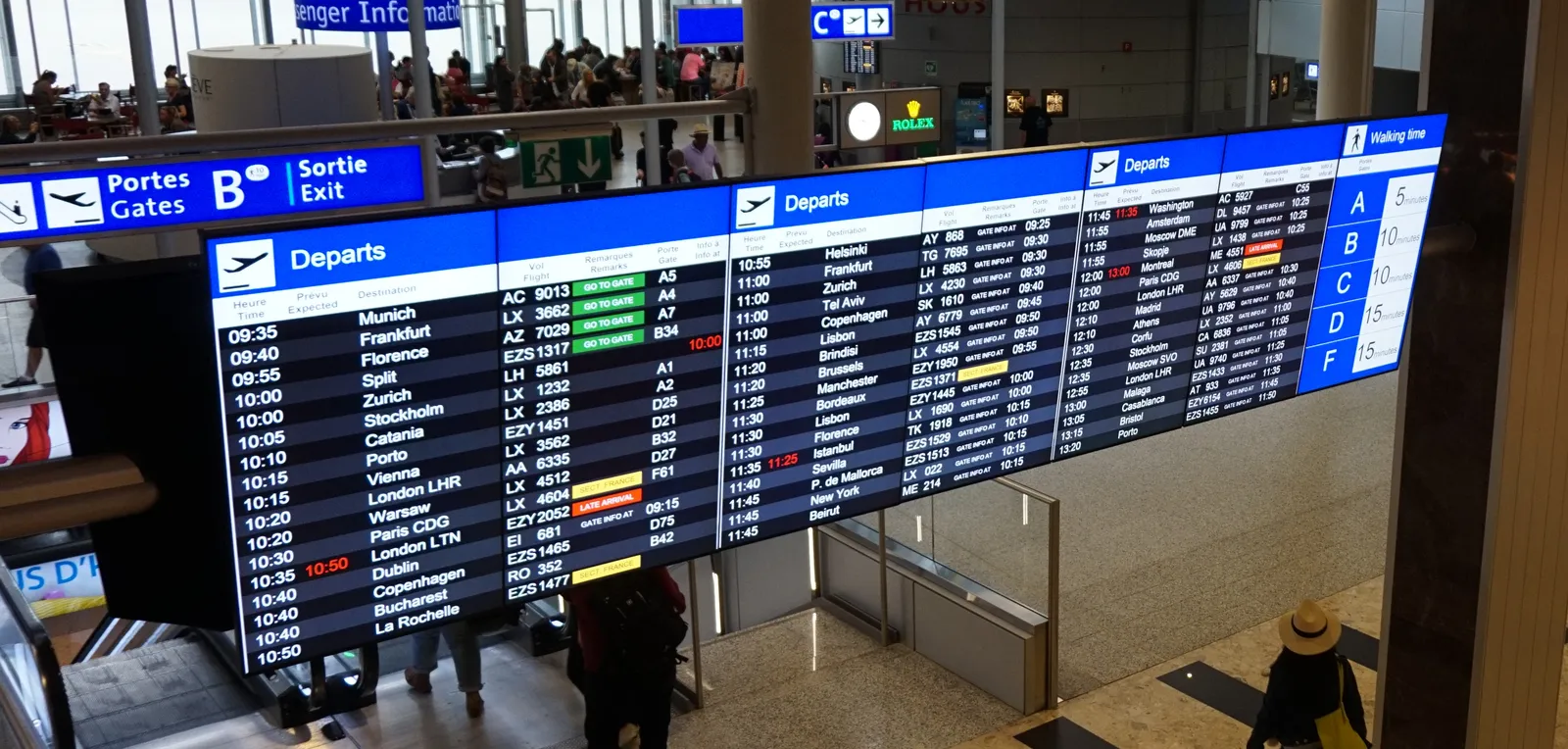
An open-jaw flight is a round-trip ticket where your departure city and return city don’t match. You fly into one city, travel between destinations on the ground, and fly home from a different city. The gap is filled yourself with a train, rental car, or rideshare.
Open-jaw flights are booked as a round-trip itinerary, but they don’t follow the typical there-and-back pattern. Because international one-way flights are often nearly as expensive as round-trips, this allows a bit more flexibility in travel without added expense. In fact, open-jaws can even save money in some instances.
For multi-city trips, especially in Europe, this approach deserves serious consideration before you reach for two separate one-way bookings. It combines the pricing logic of a round trip with the routing freedom of independent segments.
How Airline Pricing Algorithms Shape Your Options
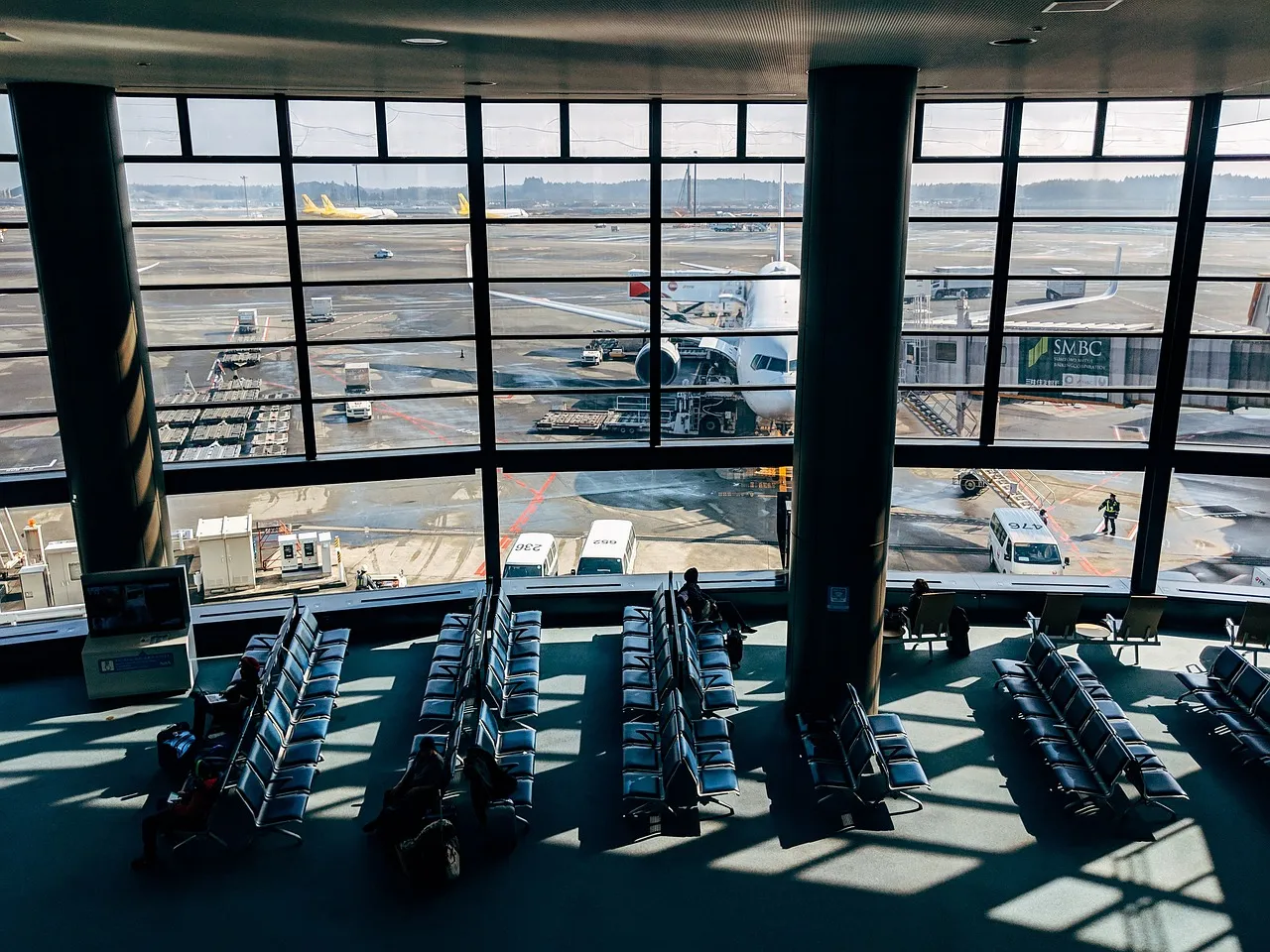
Advanced algorithms now play a key role in this pricing environment, dynamically adjusting prices based on factors like fluctuating demand, seat availability, and travel patterns. This means the “right” answer between round-trip and two one-ways can change literally within hours.
Some airlines may offer better deals on one-way tickets for specific routes or travel dates, so it’s important to compare prices and options before booking, as the trends can vary depending on the airline and the route.
Improved price targeting, AI-driven techniques, and a focus on total revenue management are key to airlines’ evolving pricing approaches. The practical implication for travelers is simple: always run both searches before you commit. The gap between strategies can be dramatic, and it almost never favors one approach universally.
The Smarter Way to Approach Every Booking

No strategy wins every time. The research consistently shows that for straightforward domestic travel on major U.S. carriers, round-trip is typically the more cost-effective choice. United stands out as the most cost-effective airline for round trips, with those tickets averaging thirty-nine percent cheaper than two one-way fares. Alaska and American also showed substantial savings on round-trip bookings.
For budget carriers, points travelers, open-ended itineraries, or routes where you want to mix airlines, two one-way tickets can genuinely win. If you don’t think your plans will change, it can make sense to book with two one-ways, especially if you need the added flexibility of booking through two different loyalty programs.
The key discipline is to search both ways, every time. Given how rapidly airline pricing algorithms adjust, the difference between the two options is always specific to your route, dates, and carrier. Treating it as a habit rather than a one-time check is what separates a savvy traveler from a fortunate one.
Final Thoughts
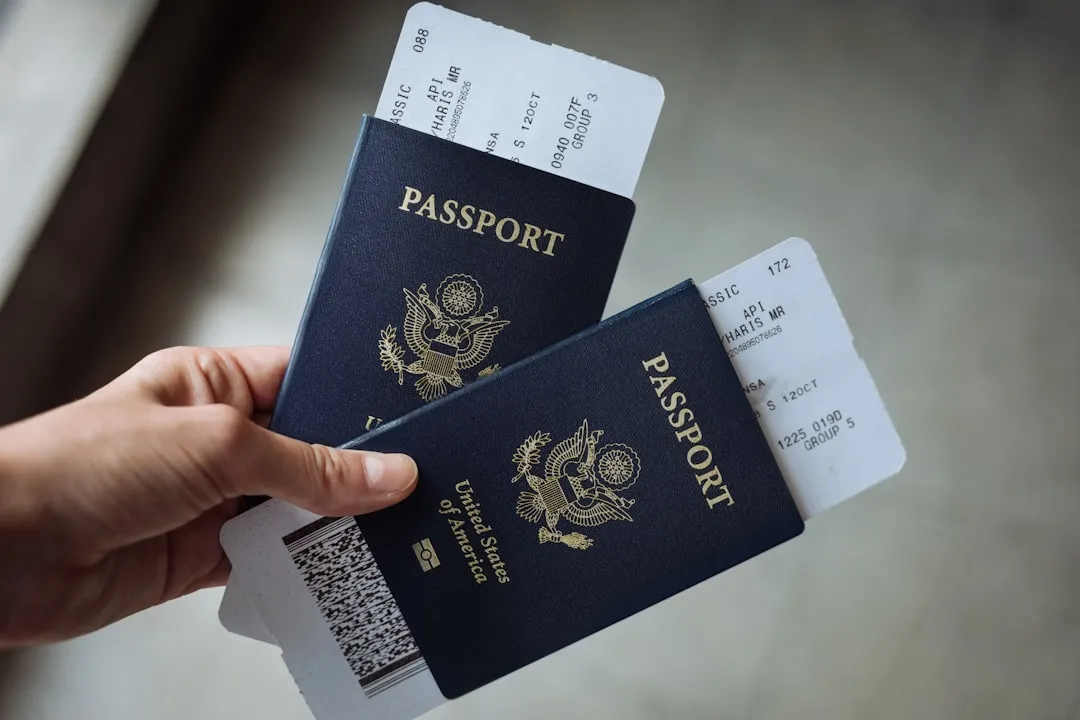
The two-one-way strategy isn’t a universal hack, and it isn’t outdated wisdom either. It’s a tool. Like any good tool, its value depends entirely on the job at hand. Used in the right context, it can unlock real savings, genuine flexibility, and routing options a round-trip ticket simply can’t offer.
The most important takeaway from the data is that neither approach is inherently superior. Two one-way tickets can sometimes unlock cheaper fares and help travelers maximize points and miles, if you know when to use the strategy and how to avoid the risks.
Search thoroughly, compare both options on every booking, and let the actual numbers guide your decision. That single habit, repeated consistently, will serve you far better than any fixed rule about which ticket type to always buy.
AI Disclaimer: This article was created with the assistance of AI tools and reviewed by a human editor.