


Most people picture Cape Cod in full summer mode: beach towels packed shoulder to shoulder, Route 6 reduced to a slow crawl, and parking lots that require the patience of a saint. That version is real, and it draws millions every year. What fewer people talk about is what happens after Labor Day, or before Memorial Day, when the peninsula quiets down and reveals something altogether different.
For Bostonians, who are barely ninety minutes away by car, the off-season Cape isn’t a compromise. It’s the point. Towns like Provincetown, Chatham, and Wellfleet take on a slower, more honest character when the summer crowds thin out, and locals who know the Cape well tend to prefer it that way.
The Numbers Tell a Surprisingly Rich Story

Cape Cod’s tourism economy is enormous by any measure. In 2024, Cape Cod generated $2.776 billion in direct visitor spending, up from $2.699 billion in 2023, while supporting 14,080 jobs and generating $259.1 million in state and local tax revenue. That is a staggering figure for a seasonal peninsula.
A 2024 National Park Service report shows that 3.8 million visitors to Cape Cod National Seashore spent $598 million in communities near the park, with a cumulative benefit to the local economy of $754 million. The vast majority of that activity is compressed into a few summer months, which is precisely why the off-season feels so different.
The four million visitor range at the Seashore is mostly compressed into the Memorial Day to Labor Day season, meaning the rest of the year is wide open for those willing to trade beach umbrellas for open trails and quiet harbor views.
When Off-Season Actually Begins

Even during the off-season, Cape Cod doesn’t fully close down, with the period typically running from late November to early April. Towns such as Falmouth remain open year-round. Further up the Outer Cape, the shift is more pronounced.
Late fall through April is off-season for Cape Cod, and when you’ll find the cheapest prices. Since Cape Cod is also a residential area, many businesses like shops, restaurants, and hotels are still open, however some are closed down during this time of the year.
The shoulder months of October and November sit in a particularly sweet spot. The air is cool, the light turns golden over the dunes, and there’s still enough open to make a weekend feel full. It’s genuinely one of New England’s quieter pleasures.
The Real Cost Difference
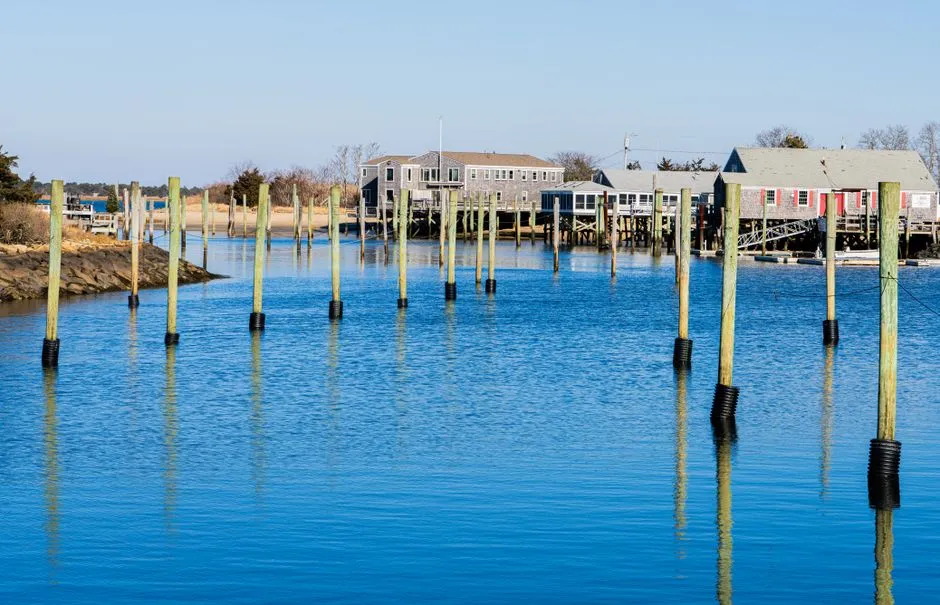
November through April is the cheapest time to visit Cape Cod, and you’ll find the best rates during the colder winter months like January, February, and March. For Bostonians looking to stretch a weekend budget, those savings are tangible.
Early fall is an excellent time to visit the Cape because it’s the off-season, which means that accommodation prices go down. Flights to Cape Cod in September are at the lowest cost, roughly 80% cheaper than in April and December.
Finding accommodations for a Cape Cod winter getaway is certainly an easier task than booking summer reservations. Most hotels and inns will have ample rooms and you will benefit from off-season rates, including the opportunity to splurge on a waterfront property to enjoy scenic views and a tranquil atmosphere. That waterfront room that costs a small fortune in July becomes genuinely affordable by November.
Off-Season Bookings Are Actually Growing

There’s been a quiet but consistent shift in how visitors are approaching the Cape calendar. Off-season bookings, especially in fall, are up. This is good news for owners looking to maximize their rental’s potential and for small businesses looking to extend their seasons.
This trend has been fairly consistent, with gains in fall bookings since the pandemic. September, and increasingly October, are wonderful times to visit the Cape, and that message is getting out.
It isn’t just a niche preference anymore. More travelers, Bostonians especially, are genuinely discovering what year-round residents have known for decades: the Cape off-season rewards patience and curiosity in equal measure.
Provincetown: The Outer Cape’s Year-Round Anchor

Dining out in Provincetown during the winter is a cozy and intimate experience, offering a unique charm far from the summer crowds. While many seasonal spots close for the off-season, several beloved restaurants remain open, serving up fresh seafood, hearty comfort food, and creative dishes with a welcoming, locals’ vibe, including the feeling of having this vibrant seaside town almost to yourself.
The Provincetown Theater hosts shows throughout the year at its venerable space on Bradford Street, their home stage for six decades. For a town so tied to the arts, the winter calendar is more active than most outsiders expect.
Winter in Cape Cod can be chilly and gray, but there’s still plenty to see and do, including beach walks, Christmas celebrations, and museums that are blissfully free of crowds. Provincetown, in particular, leans into that quieter energy with real character.
Chatham’s Slower, Warmer Side

Chatham is one of the Cape’s most architecturally preserved towns, and it reads very differently without the summer crowds pressing through it. Chatham’s population is about 6,500; in summer, it is nearly five times that. When those extra visitors leave, the town settles back into something more genuine.
The Chatham Bars Inn offers fireside dining, spa treatments, and ocean views even in the colder months, and its off-season rates reflect the quieter season without sacrificing the quality of the experience. The Atwood Museum offers a chance to explore local maritime history and early Cape Cod life, and it tends to feel more personal with fewer people inside.
Main Street Chatham is entirely walkable with ample free parking in the off-season, which, for anyone who has circled the town fruitlessly on a July Saturday, sounds like a small miracle.
Wildlife and Nature Come Into Their Own

Winter is Cape Cod’s quiet and spectacular birding season. Monomoy National Wildlife Refuge in Chatham is a hotspot for snowy owls returning from the Arctic, while Cape Cod ponds and estuaries offer sea ducks, loons, and occasional rare winter migrants. With fewer visitors, wildlife is easier to observe, making this a must-try experience for nature lovers.
The Wellfleet Bay Wildlife Sanctuary and the Salt Pond Visitor Center in Eastham attract snow buntings, horned larks, sea ducks, loons, and snowy owls during the winter. For anyone who spends summer on the Cape without ever noticing its ecological richness, the off-season is a genuine revelation.
Visitors adore the stunning walks at the Mass Audubon Wellfleet Bay Wildlife Sanctuary, from the Atlantic White Cedar Swamp Trail to the more challenging Great Island Trail. The Morris Island Loop Trail within the Monomoy National Wildlife Refuge in Chatham is another rewarding hike, and all of these trails feel entirely different, and significantly emptier, from October through April.
The Dining Scene Without the Wait

Anyone who has stood in line for forty-five minutes at a Cape seafood shack in August will understand the appeal of off-season dining on a deep, instinctive level. Cape Cod dining is better without crowds, and service is notably better too.
The iconic Wellfleet OysterFest in October celebrates the region’s world-class shellfish, drawing a festive but far more manageable crowd than any midsummer weekend. It’s the kind of event that feels genuinely local rather than tourist-facing.
Dennis Port has a James Beard Award semifinalist for best new restaurant in 2025, LUNE. The restaurant is a seasonal business and closes during February and March, but a visit to LUNE, situated in a converted filling station, is a treat for any food lover. Finding a table there in the off-season shoulder months is far more realistic than in peak summer.
Getting There From Boston Is Straightforward

The CapeFLYER seasonal train operates on Fridays through Sundays between Memorial Day and Labor Day, traveling from Boston to Hyannis, with ridership reaching about 13,600 passengers in summer 2024. Outside the train’s seasonal window, the drive from Boston remains manageable, especially without the summer bridge backups on Route 6.
With such high demand, staying on the Cape during summer can get expensive and difficult to book. One travel secret that many people don’t know is that you can save money by staying in Boston and taking the ferry over to the Cape. In the off-season, that logic flips: the Cape itself is affordable enough that staying there directly makes far more sense.
The relative ease of reaching the Cape from Boston is part of what makes it such a natural off-season escape. It doesn’t require a long flight or elaborate logistics, just the willingness to go when most people aren’t.
The Tourism Economy Benefits From Spreading the Season

In 2024, Cape Cod generated nearly $250 million in local and state rooms and meals tax, helping fund vital initiatives like public safety, environmental preservation, and local schools. That revenue base is heavily dependent on visitor activity, which makes off-season travel genuinely meaningful for the communities that host it.
This past summer, visitors accounted for 43% of total restaurant spending and 36% of retail spending, with visitors making up almost half of spending at local businesses. Without this influx of visitor revenue, the financial burden on Cape Cod’s year-round residents would be significantly greater.
It’s easy to see tourism as a summer phenomenon, but its impact stretches well beyond the peak season. When Bostonians and other nearby visitors make the trip in October or February, they’re not just enjoying a quieter version of the Cape; they’re supporting the businesses and people who keep it alive year-round.
A Different Kind of Travel

AI Disclaimer: This article was created with the assistance of AI tools and reviewed by a human editor.