
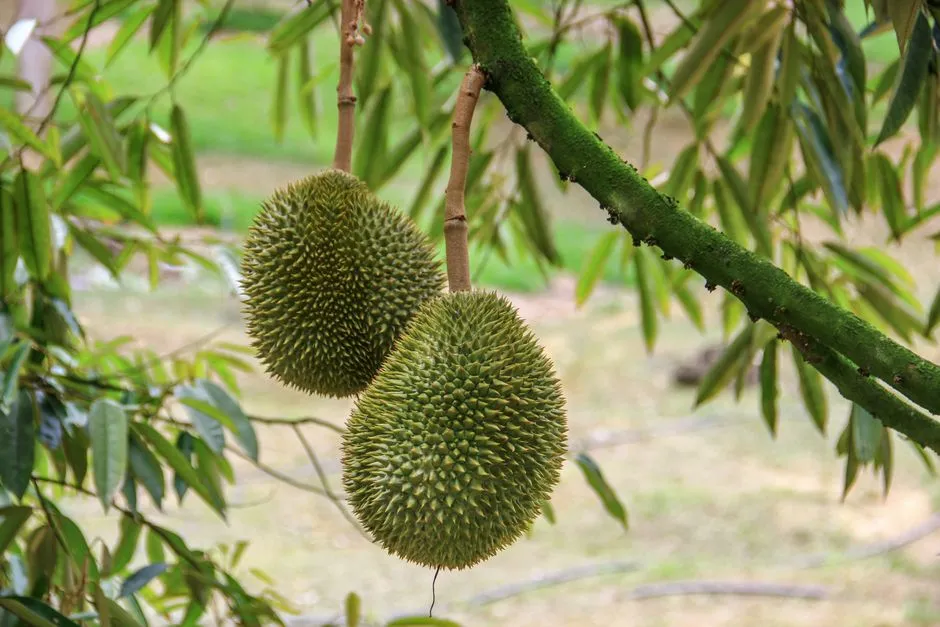
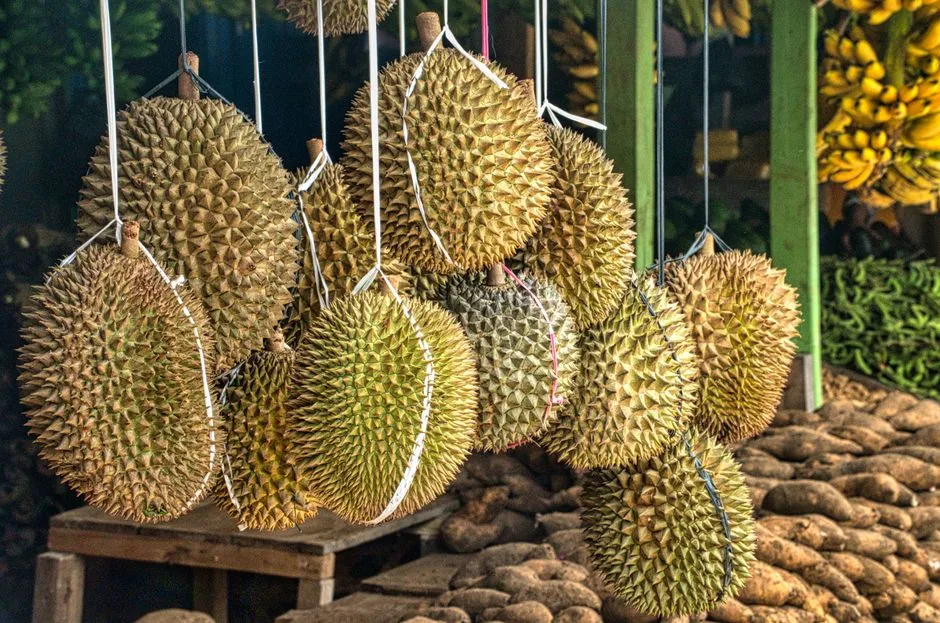
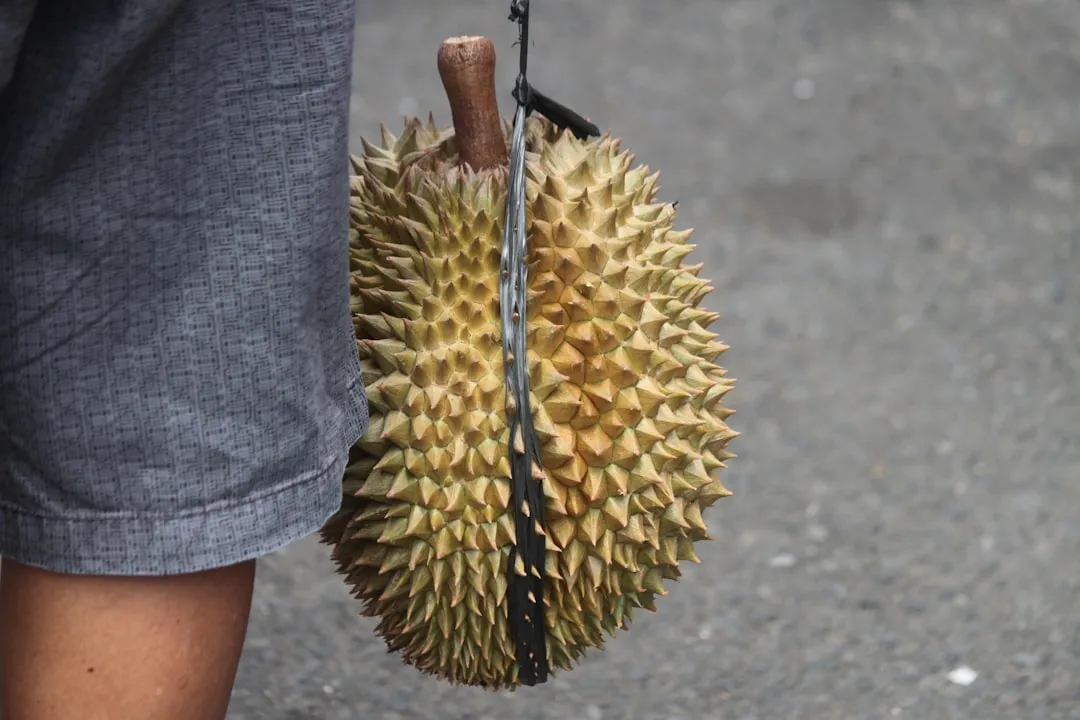
There’s one food that has been thrown off flights, caused airplanes to turn back mid-journey, and earned its own pictogram in airline rule books alongside flammable liquids and sharp objects. It’s not a weapon. It’s not even remotely dangerous-looking. It’s a fruit. Specifically, it’s durian, a large, spiky, Southeast Asian delicacy that devotees call the “king of fruits” and everyone else politely describes using words like “raw sewage” and “gym socks.”
The durian debate has been running for decades in airports, hotels, and subway systems across Asia, but the rules around flying with it have tightened considerably in recent years. Understanding why requires a quick look at aircraft ventilation, aviation incidents, international biosecurity law, and the basic chemistry of sulfur. Let’s get into it.
The Fruit That Needs Its Own Warning Sign
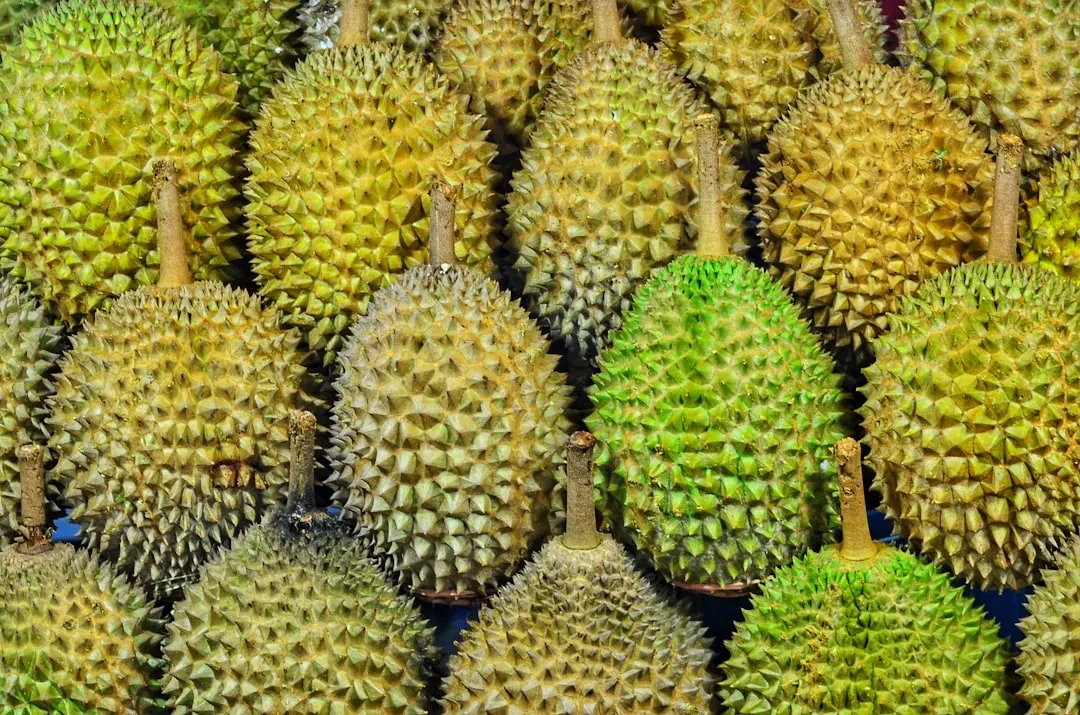
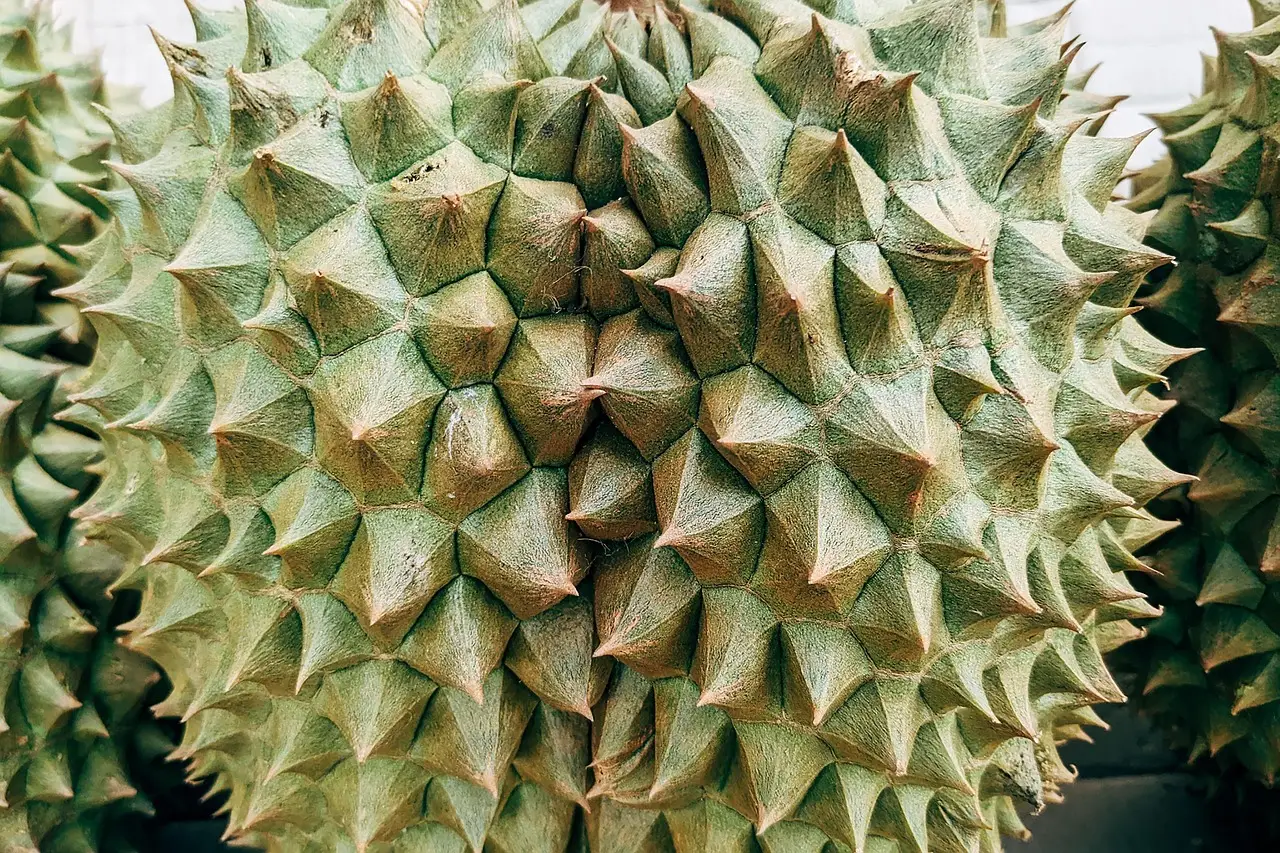
Durian has an extraordinarily powerful smell, often described as a combination of rotten onions, turpentine, and gym socks, though devotees would argue it’s closer to rich custard with a hint of almond. That contradiction is part of what makes the fruit so fascinating: people who grew up with it often adore it, while newcomers can feel physically overwhelmed by the odor alone.
The smell is so intense that the fruit is banned in hotels, public transport, and shopping malls across much of Southeast Asia. The Singapore metro system (SMRT) bans it outright with a SGD 500 fine. That kind of institutional response tells you something about the scale of the problem.
Scientists believe durian fruit’s nauseating aroma comes from a higher-than-usual number of genes for volatile sulfur compounds, which become “turbocharged” as the fruit ripens. It’s not just pungent. It’s chemically engineered by nature to be impossible to ignore.
No Universal Ban, But a Very Clear Consensus
It depends entirely on the airline and the route. There is no universal aviation rule banning durian from flights. Instead, individual airlines set their own policies, and those policies vary significantly. That might sound like good news if you’re a durian lover, but the practical reality is far less forgiving.
Durian is banned on most major Southeast Asian airlines, including Singapore Airlines, Thai Airways, AirAsia, and others. This is not a recent policy. The bans have been in place for decades, and some airlines display explicit durian pictograms in the no-carry-on section of their published guidelines.
These airlines are serious about enforcement. Ground staff are trained to identify durian by smell if nothing else, and passengers found attempting to smuggle it on board may be asked to dispose of it before boarding. The fruit doesn’t need to be opened. Simply being in the vicinity is enough.
Why Aircraft Ventilation Makes Everything Worse
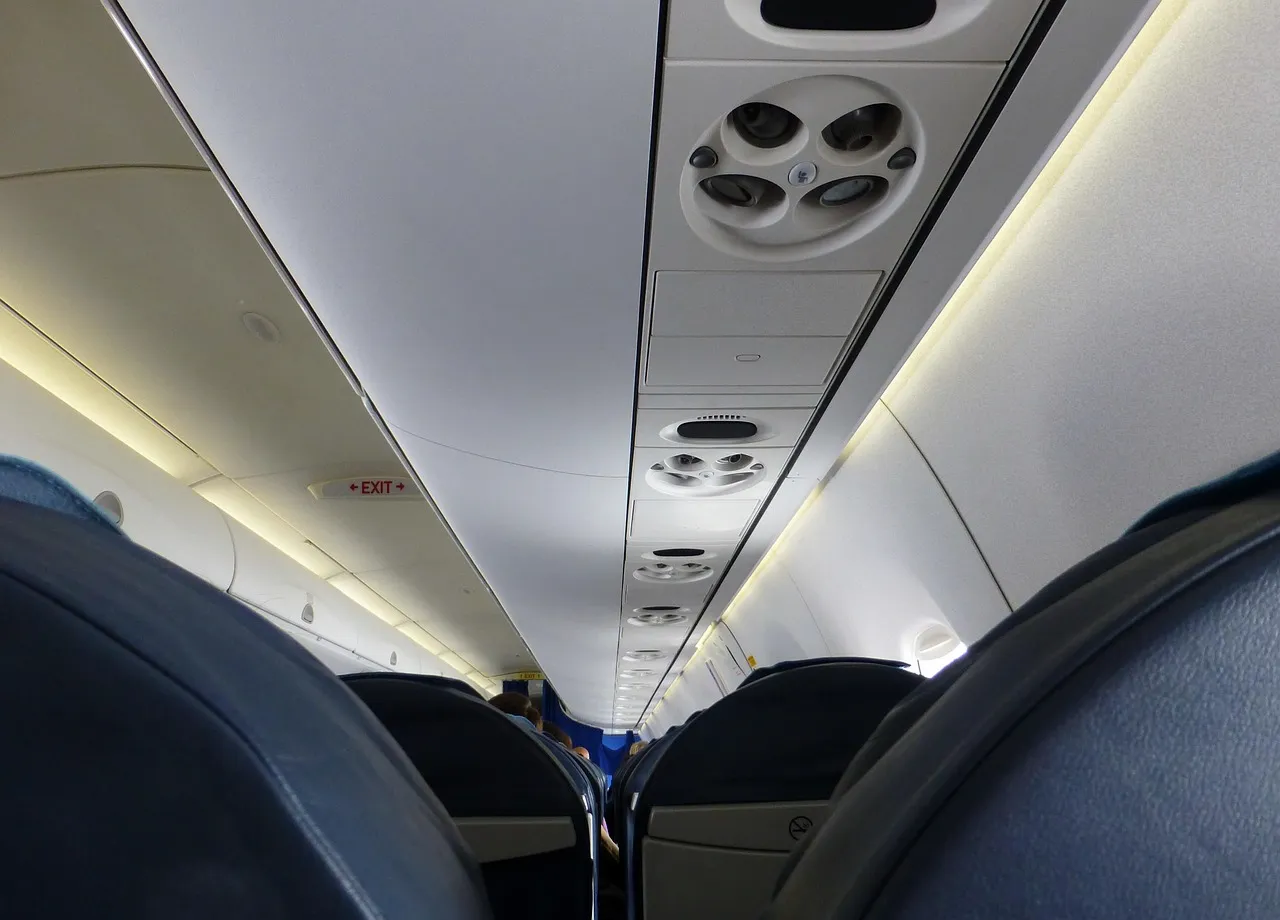
Commercial aircraft recirculate roughly 40 to 50 percent of cabin air through HEPA filters. The filters trap bacteria, viruses, and particulates. They do not remove volatile sulfur compounds. Sulfurous molecules, the ones responsible for durian’s smell, pass through HEPA filters and recirculate through the cabin for the duration of the flight.
Aircraft recirculate approximately 50 percent of their cabin air through HEPA filters, while the other 50 percent is fresh outside air. The recirculated component can carry odors through the entire cabin within minutes. In a sealed cabin at cruising altitude, there is nowhere for that smell to go.
On a four-hour flight from Kuala Lumpur to Singapore, one undeclared durian in the overhead bin will make the smell pervasive within 30 to 45 minutes. Passengers complain. The aircraft can’t be ventilated in flight. The cabin crew can’t remove the odor. It simply circulates, grows stronger, and becomes the only topic of conversation on board.
The Incident That Changed the Conversation
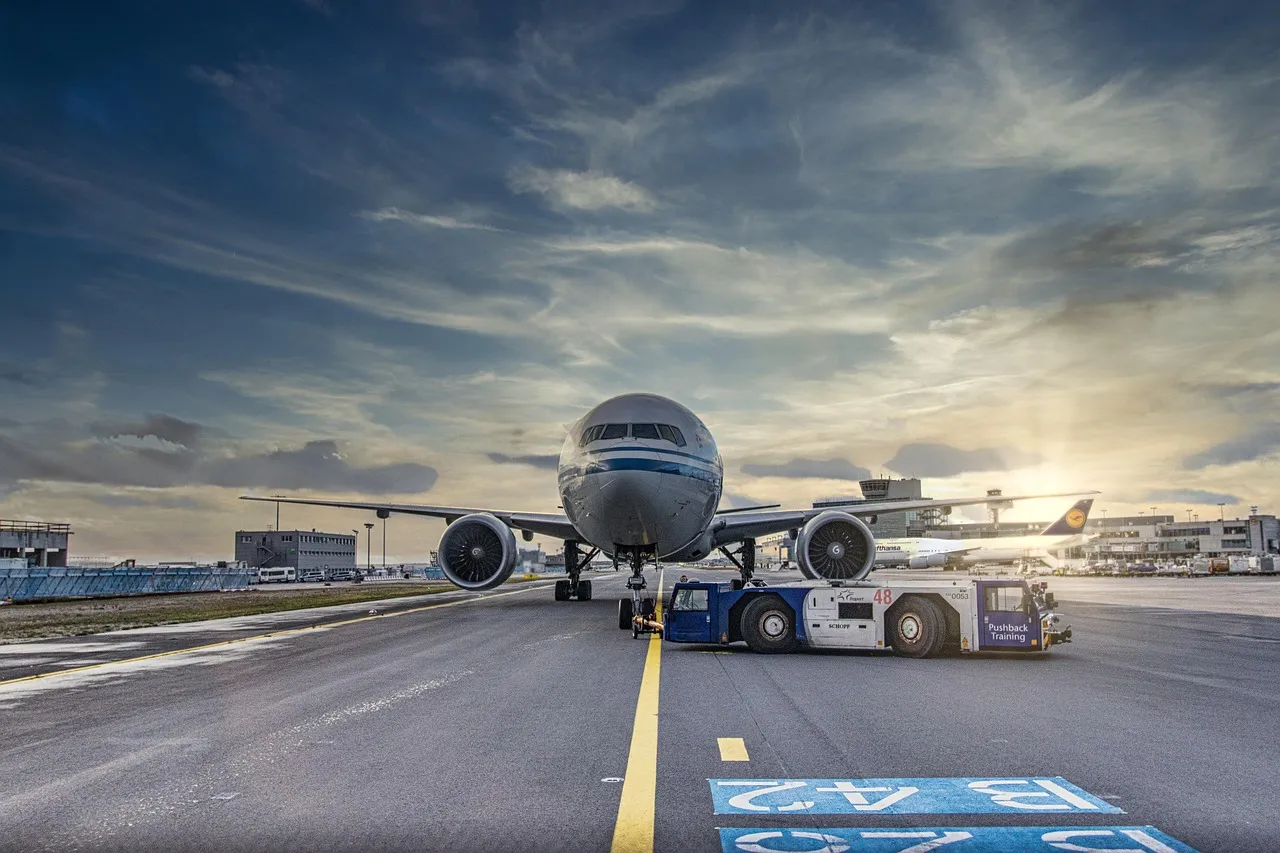
On March 5th, 2023, a Turkish Airlines Airbus A330-200 was flying from Istanbul to Barcelona as flight TK1855. According to The Aviation Herald, the jet was at an altitude of FL380, positioned about 300 nautical miles northwest of Istanbul, when the decision was made to turn around. The reason for diverting was due to a pungent odor onboard the A330 followed by a cargo smoke indication. Not knowing the exact cause of the smell or the alarm, the crew descended before safely landing at Istanbul airport. From takeoff to landing, the aborted flight took two hours.
The reason for concern in the cargo hold is that durian’s smell is caused by the production of Volatile Sulfur Compounds (VSCs), sulfur-containing compounds that evaporate easily. Durian also contains other organic compounds, such as sugars and amino acids, that undergo chemical changes as the fruit ripens. This intensifies the pungent odor to the point where it can potentially interfere with the functioning of the aircraft’s smoke detector, causing an alarm.
According to the American Chemical Society, the smell of durian can be replicated by combining two compounds named ethyl (2S)-2-methylbutanoate and 1-(ethylsulfanyl)ethane-1-thiol. A safety data sheet from ThermoFisher Scientific notes that ethyl 2-methylbutanoate in either liquid or vapor form is considered flammable. That detail alone explains why cargo sensors react to a ripening durian the way they would to an actual hazard.
Real Incidents on Passenger Flights
An Indonesian plane was temporarily grounded after passengers complained about the smell of a two-tonne load of the world’s stinkiest fruit that had been placed in the cargo hold. The fruit had not been brought aboard by a passenger acting in bad faith. It was legitimate freight. The smell still cleared the plane.
In 2018, a Sriwijaya Air flight departing from Bengkulu, located in the southwest of Sumatra Island, had passengers secretly bringing durian on board. Staff decided to unload the fruit after passengers who had boarded the flight decided to get off the plane, which took off an hour later and landed safely in Jakarta. That’s a full-scale passenger revolt over a piece of fruit.
In a sealed tube with 200 people, the smell would be inescapable and would persist for the duration of the flight and potentially through the aircraft’s subsequent flights. Crew members cleaning the plane between rotations would also be dealing with the aftermath. The disruption doesn’t end when the plane lands.
The Liability Problem Airlines Are Very Aware Of
Airlines have documented passenger complaints about durian. When smell-related complaints lead to gate returns, diversions, or significant service interruptions, there are real costs. Banning the fruit eliminates the liability cleanly. From a purely business perspective, the math is simple.
A single durian in the cabin could result in widespread complaints, particularly on long-haul flights. Airlines are also concerned about air quality inside the plane, as the air is recirculated during the flight, meaning any strong odors can linger. The airline takes the blame regardless of who brought the fruit.
According to a survey conducted by airline staff, the vast majority of travelers expressed discomfort with strong odors in the cabin, and durian frequently tops the list of complaints. This makes the restrictions not just a policy, but a necessity for maintaining an enjoyable travel experience for all passengers.
What Happens at the Gate if You Try Anyway
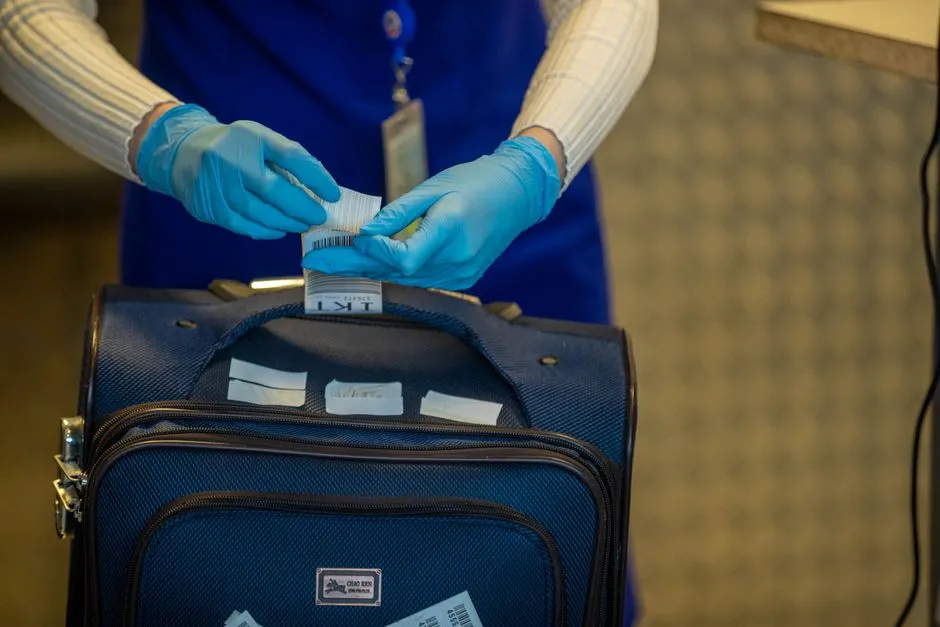
Practically speaking, airport security staff may also intervene. While durian isn’t a security threat in the traditional sense, some airports, particularly in Singapore’s Changi, Kuala Lumpur’s KLIA, and Bangkok’s Suvarnabhumi, have their own rules about strong-smelling foods on the premises, and you may be asked to dispose of it before you even reach the gate.
There was an incident where a Chinese passenger wanted to bring durian back to their country as carry-on baggage but was refused by the airline. The airline has a policy against bringing pungent fruits on board. Even if the durian was tightly and securely packed, the airline still did not permit it to be carried on, nor was it allowed to be checked as baggage. As a result, the passenger had to discard all the durian.
This is an increasingly common scene at departure halls across Southeast Asia. The fruit gets confiscated. The passenger is out the money. The durian ends up in the bin.
International Customs and Biosecurity Add Another Layer
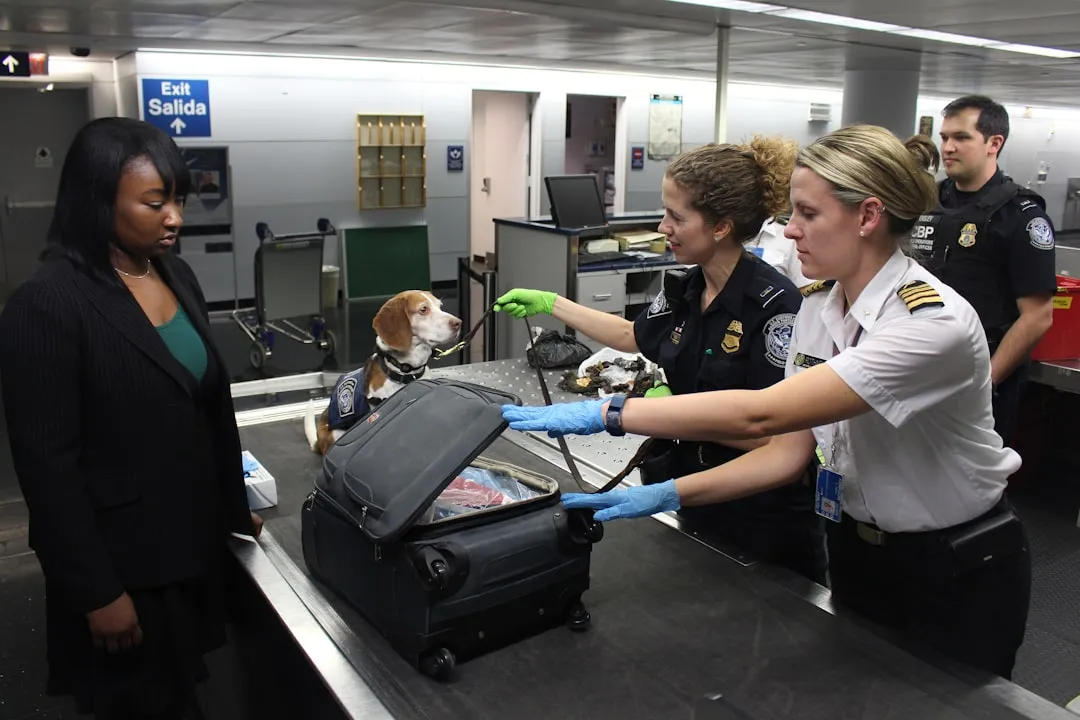
If you’re flying back to Europe with durian, the rules are clear: fresh durian from outside the EU is not permitted under EU phytosanitary, or plant health, regulations. It doesn’t matter how well it’s packed or how beloved it is by the person carrying it. Fresh fruit crossing those borders is restricted outright.
Biosecurity regulations in Australia dictate that any imported durian must be frozen, which means the only fresh durians available in the country come from a handful of farms in northern Australia. Fresh durian is generally not permitted, and failure to declare it can result in heavy fines.
The United States has USDA restrictions on many fresh fruits from Southeast Asia, including fresh durian in some cases. Travelers who assume that domestic airline rules are the only consideration often find themselves surprised by what happens at customs on the other end.
Is There Any Legal Way to Fly With Durian?
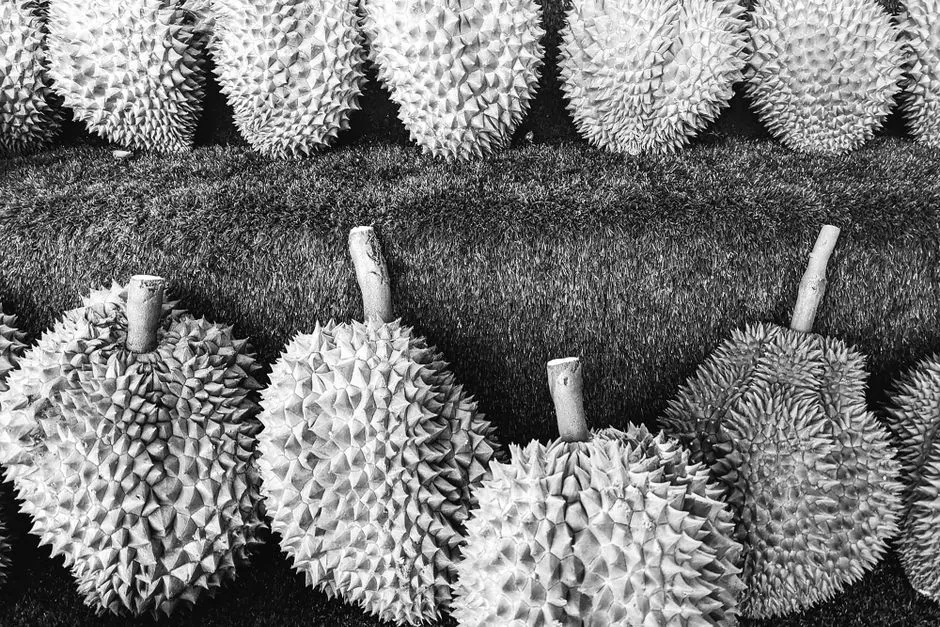
Some carriers allow durian, but only in checked baggage and only when it is vacuum-sealed or packaged in airtight containers. This includes several full-service carriers on certain routes. The logic is simple: if the smell can’t escape, the problem largely disappears.
Most airlines allow properly packed frozen durian pulp or sealed durian products in checked baggage. The hold is pressurized and temperature-controlled but not connected to cabin air circulation. A vacuum-sealed, frozen durian product in the hold is generally acceptable. It’s not a perfect solution, but it’s the most viable one for committed durian fans.
Durian chips, durian powder, and freeze-dried durian in sealed retail packaging are treated as packaged food and are generally permitted in both cabin and checked baggage. That’s your best workaround if you want to bring a taste of the fruit home without triggering an international incident.
Beyond Durian: Other Foods That Push the Limits
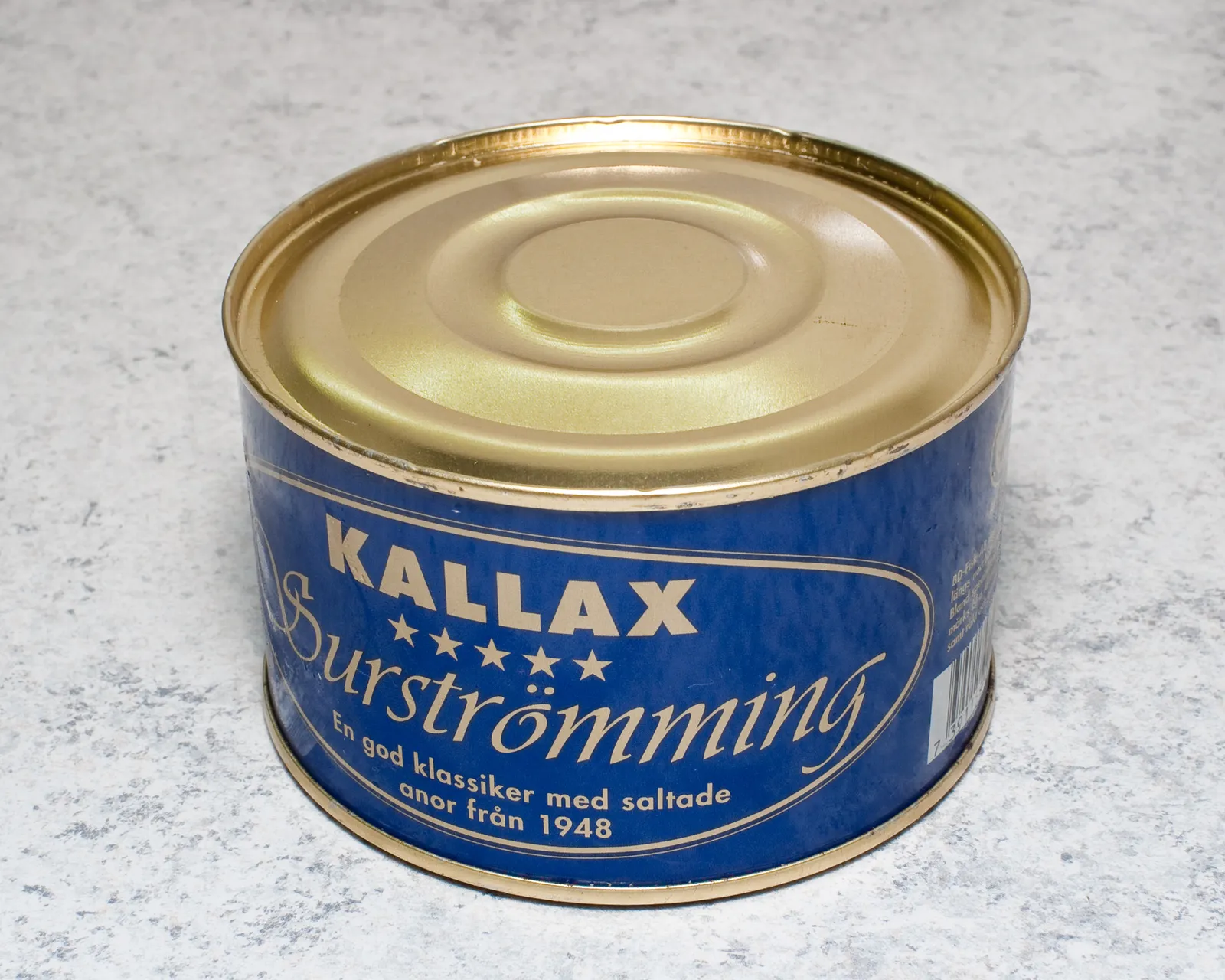
Surströmming, Swedish fermented herring, has been explicitly banned by several European airlines including British Airways, Air France, and Finnair. The ban is driven by two separate concerns. The first is the smell: surströmming releases a combination of hydrogen sulfide, propionic acid, and butyric acid that is described by most people as one of the most unpleasant odors in existence. The second is a safety concern: surströmming is a pressurized can of fermenting fish.
Bangkok Airways has implemented a strict no-tolerance policy on pungent-odor foods, fruits, and flowers, which applies to both carry-on and hold luggage. According to flight attendants, the worst food items you could bring on a plane have a strong odor or create a complete mess. These food items test flight attendants’ patience, as they are the ones who handle passenger complaints about pungent foods and clean up any spills that occur mid-flight.
No airline has formally banned strong cheese unlike durian, but there is a recurring debate about whether they should. Époisses de Bourgogne, a washed-rind French cheese with a famously powerful smell, is reportedly prohibited on public transport in France, though this appears to be informal rather than regulatory. Limburger, Taleggio, Stinking Bishop, and other high-bacteria-surface cheeses can release smell profiles in a warm environment like a cabin that passengers in proximity find difficult to endure.
The Cultural Tension Behind the Rules
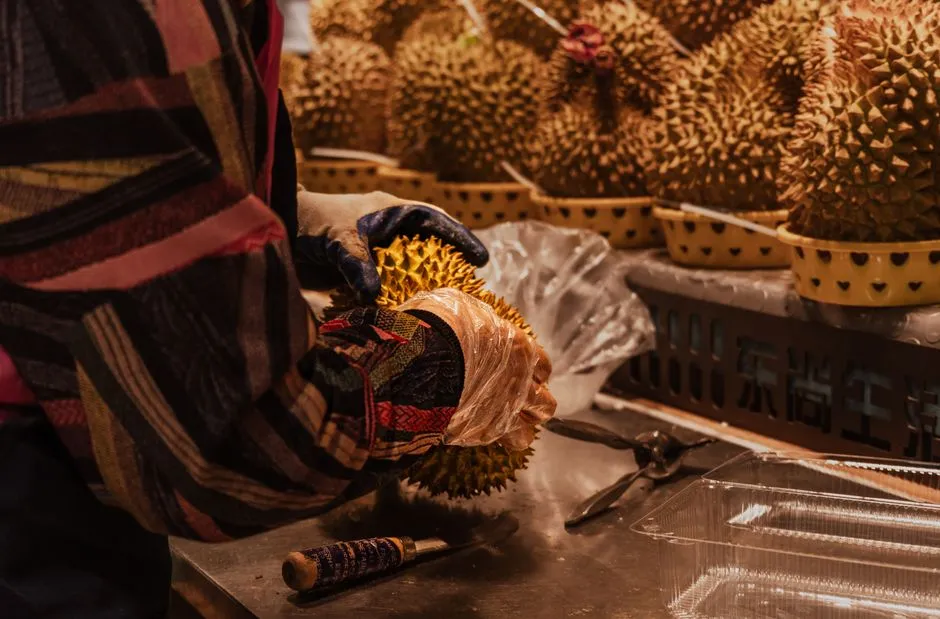
It would be too easy to frame the durian ban as an example of cultural bias, a Western or institutional preference dismissing a beloved regional food. The reality is more nuanced. Durian is very popular in Southeast Asia but very divisive. While some consider it the “king of fruits,” likening its creamy texture and intense aroma to blue cheese, detractors consider its odour to be closer to sewage, stale vomit, or damp socks.
Durian’s odor is so pervasive that it’s banned on public transportation and in some hotels throughout Southeast Asia, including in Japan, Hong Kong, Thailand, and Singapore. The people enforcing these rules are overwhelmingly from the same cultural context that produced the fruit’s most devoted fans. This isn’t about disrespect. It’s about shared space.
Singapore’s transport rules reflect a balance between cultural appreciation and public courtesy. While durian is a cherished part of local cuisine, its transport is regulated to ensure that everyone’s journey remains comfortable. That framing captures the spirit of the restriction better than any argument about national identity or culinary tourism ever could.
The Takeaway for Travelers
Durian isn’t being singled out arbitrarily. The restrictions exist because of measurable, well-documented problems: aircraft ventilation that distributes odor across entire cabins, chemical compounds that trigger safety sensors, passenger walkoffs, flight delays, and a 2023 Turkish Airlines diversion that cost two hours and untold resources. These are real events, not hypothetical concerns.
If you’re flying with an airline not listed in the known ban categories, always check directly with the carrier before travelling. Policies can change, and the consequences of getting it wrong, losing your durian at the gate or causing a scene on board, aren’t worth the risk.
The most respectful approach to traveling with any strong-smelling food is to consider what it’s like for the 200 other people who can’t open a window or change seats. Durian is extraordinary in many ways. Its chemistry, its cultural significance, its devoted following across Southeast Asia are all worth understanding and appreciating. Its place in your carry-on, though, is a different story entirely.
AI Disclaimer: This article was created with the assistance of AI tools and reviewed by a human editor.