
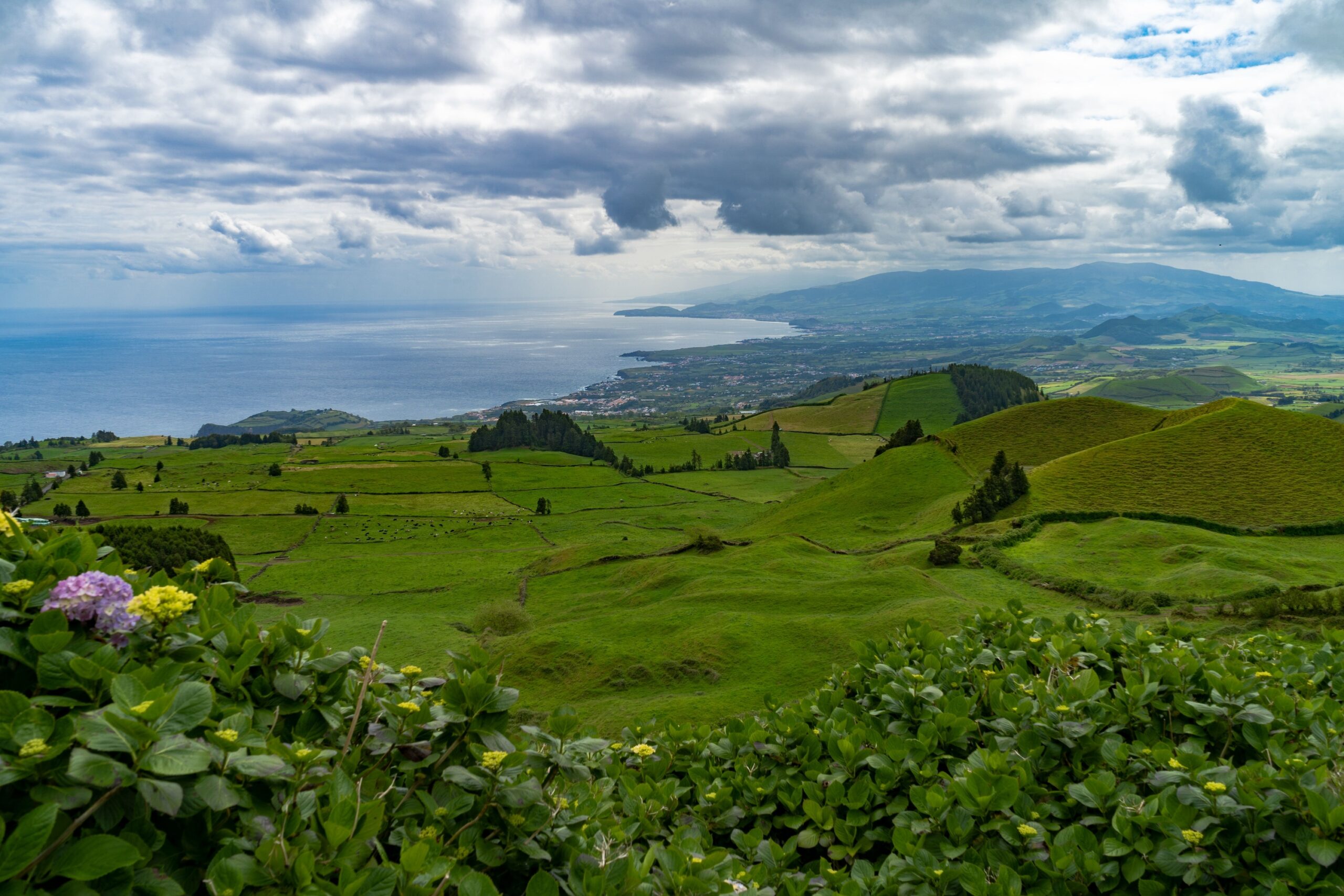

There’s a cluster of nine volcanic islands sitting in the middle of the Atlantic, roughly a third of the way between Lisbon and New York City, that most people couldn’t place on a map five years ago. Today, those same islands are quietly turning into one of Europe’s most talked-about destinations among travelers who know how to stretch a euro. The Azores haven’t been a secret for long, and based on the numbers, the word is clearly getting out.
What’s remarkable is how the archipelago manages to offer dramatic landscapes, genuine local culture, and Atlantic freshness without the price tag that typically comes attached to comparable island experiences elsewhere in the world. Frugal travelers, in particular, are starting to take notice.
A Record-Breaking Rise That Tells Its Own Story
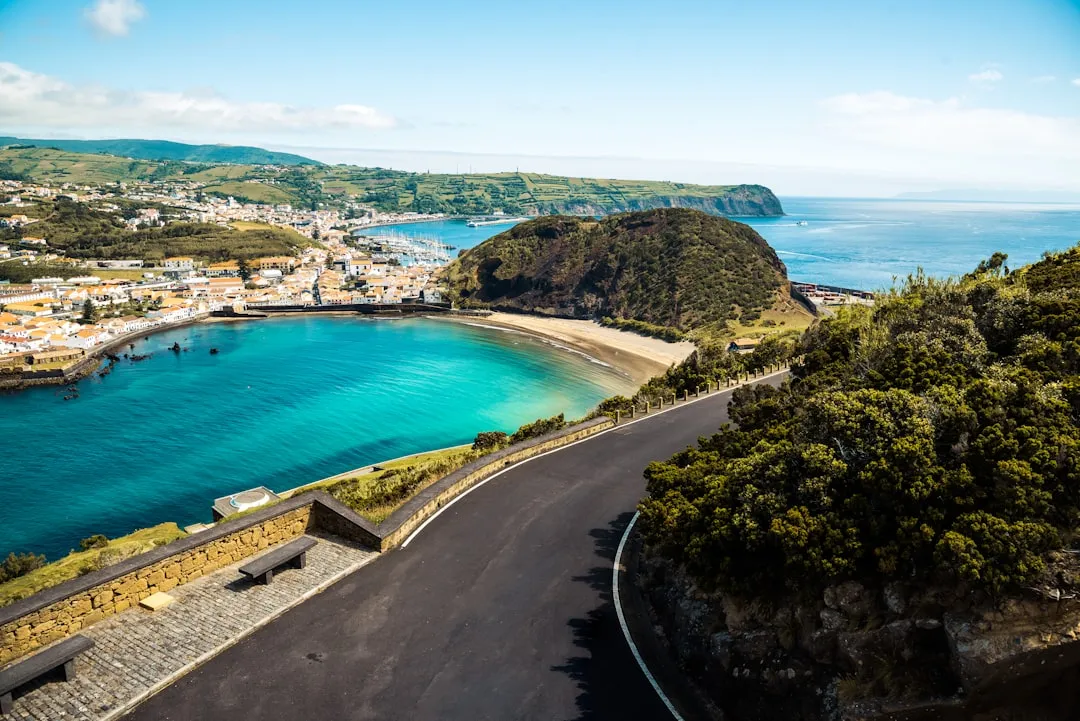
Tourism in the Azores reached a new historic high in 2025, recording 4.5 million overnight stays, which marks the fourth consecutive year in which the archipelago has set a new record. That kind of sustained momentum is rare for any destination, let alone one that remains off the radar for so many mainstream travelers.
The Azores outperformed the national tourism trend, where overnight stays grew by an average of just over two percent, making the region one of Portugal’s strongest-performing destinations in 2025. Growth at that rate suggests something more than seasonal curiosity. People are going, they’re telling others, and they’re going back.
Notably, nearly three quarters of visitors showed interest in returning to the destination, which is a meaningful signal. Repeat interest at that scale usually points to value: visitors feeling that what they received was worth what they paid, and more.
Nine Islands, One Archipelago, and Almost No Mass Tourism Infrastructure
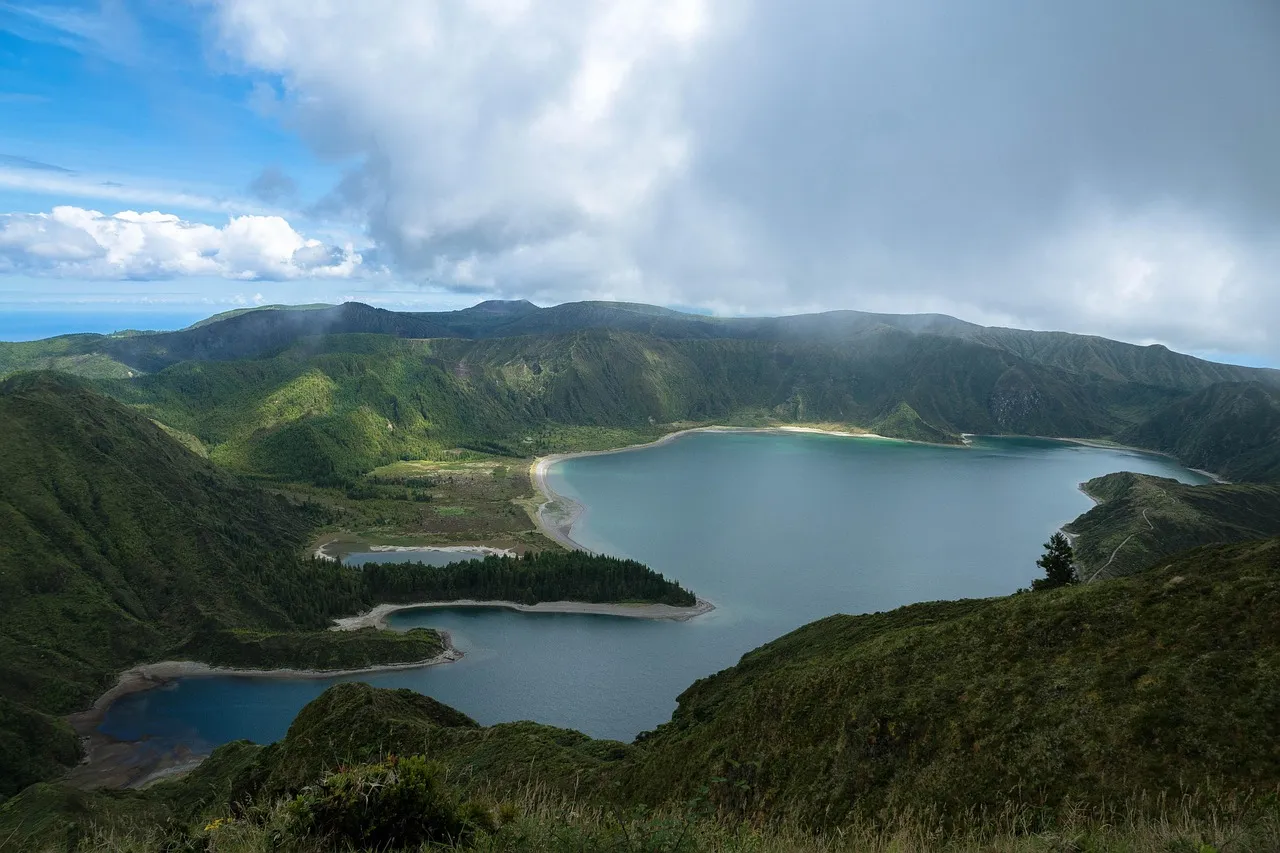
The Azores archipelago, located in the Atlantic Ocean, is made up of nine volcanic islands: São Miguel, Terceira, São Jorge, Pico, Faial, Flores, Graciosa, Corvo, and Santa Maria. These islands are of volcanic origin, wild, very green, and largely uncontaminated – a genuine paradise for nature lovers and adventurous travelers.
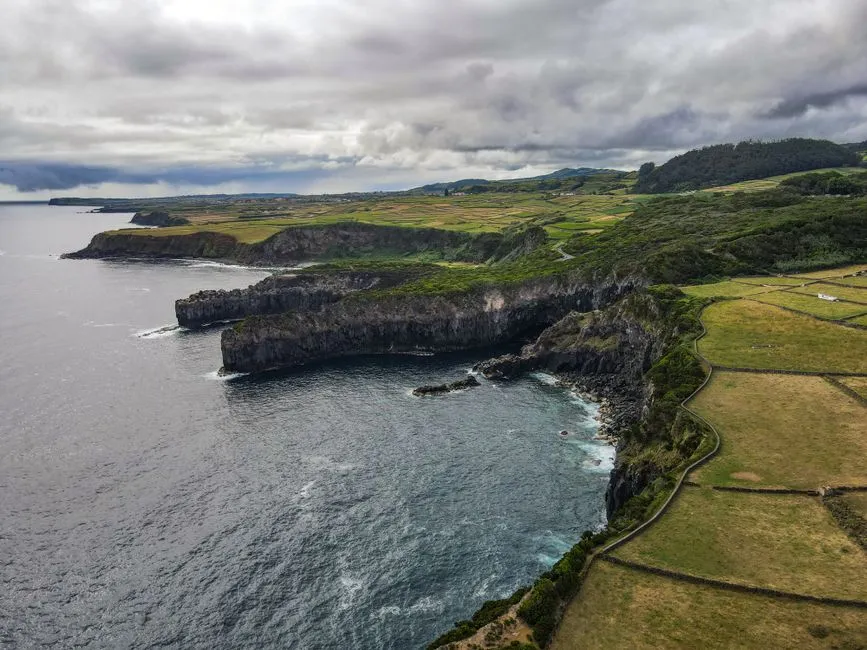
The geography itself is part of the appeal. Crater lakes sit inside dormant volcanoes, geothermal vents heat natural pools, and the coastline shifts dramatically from towering basalt cliffs to sheltered coves. None of this costs money to witness.
One of the most exciting and biodiverse groups of islands in the world, the Azores make for a walking destination like no other. Located in the Atlantic Ocean, these islands offer lush green landscapes, turquoise volcanic lakes, towering peaks, and crystal-clear waters abundant in remarkable sea life. The sheer variety of natural experiences available here, most of them free, is a central reason budget travelers find it so appealing.
What a Trip Actually Costs: Real Numbers, Not Estimates
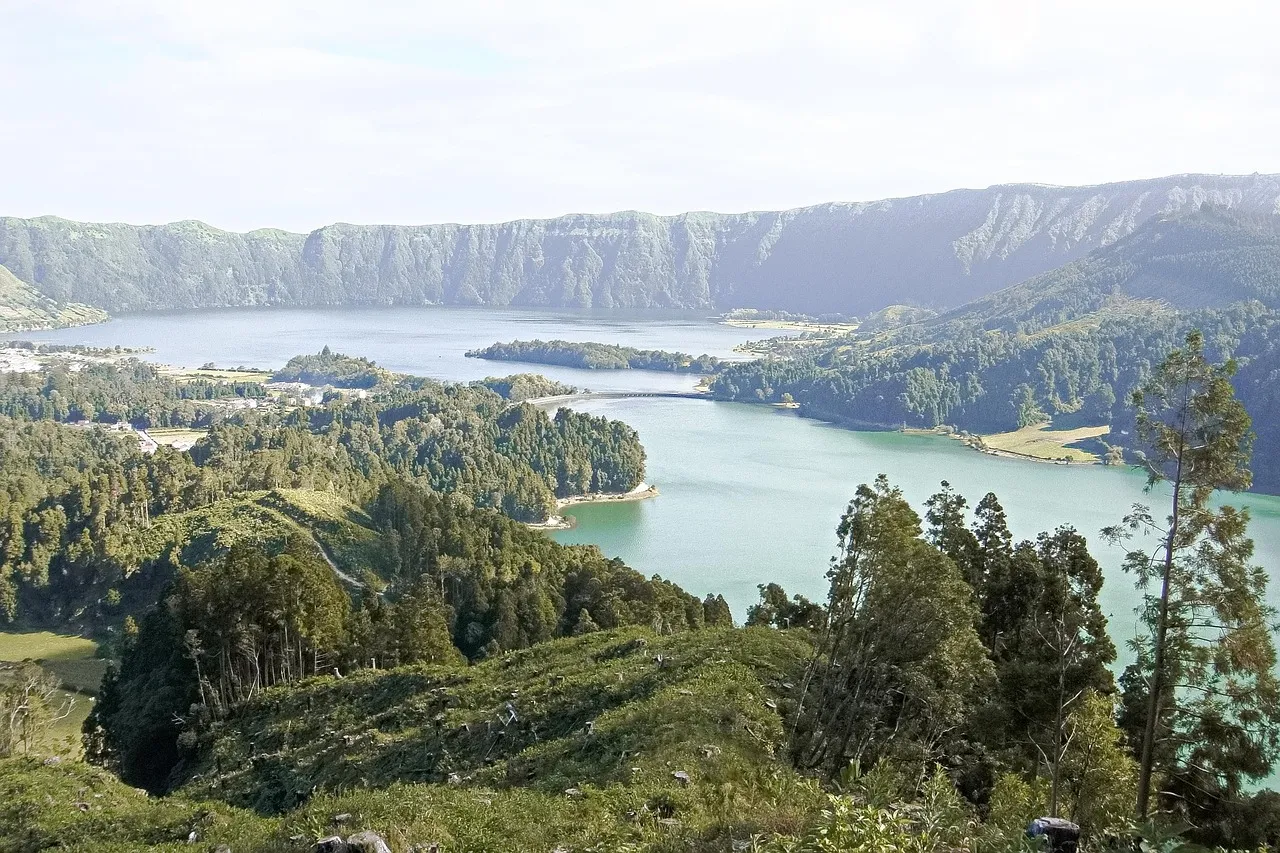
Ponta Delgada, the main city on São Miguel, has several hostels with dorm beds at around 20 to 25 euros per night, and private rooms in hostels typically cost between 40 and 55 euros. For solo travelers especially, that’s a strong starting point for an Atlantic island trip.
Accommodation prices drop by roughly 20 to 30 percent in the off-season, which runs from November through March. Traveling outside the summer rush makes a genuine difference to the overall trip budget, and the islands are far from empty during those months.
A realistic total for a seven-day trip for two people at mid-range comfort – including flights from Lisbon, accommodation, a rental car, food, and activities – lands somewhere between about 1,200 and 1,800 euros for two, or roughly 600 to 900 euros per person for a full week. Measured against comparable island destinations in the Mediterranean or the Canaries, that figure holds up well.
Food That Doesn’t Drain the Wallet

Food and drink in the Azores are much more affordable than in mainland Europe or other Western nations. Beers cost around one euro at a bar, and you can get the fresh catch of the day for around ten euros. For a seafood destination with this quality of product, those prices are genuinely hard to find elsewhere in Europe.
Eating out doesn’t have to be expensive here. The islands are known for their fresh seafood and locally sourced ingredients, which means you can enjoy delicious meals without spending a fortune. Many local restaurants offer affordable daily specials.
One dish worth mentioning is the Cozido das Furnas, a slow-cooked volcanic stew prepared in pots buried in geothermal soil near Furnas village on São Miguel. It’s a local specialty – a versatile stew slowly cooked for several hours in the hot volcanic earth. It’s both a meal and an experience, often priced modestly at local restaurants that have been serving it for generations.
Flights: Budget Airlines Have Changed the Equation

Airlines like Ryanair and EasyJet frequently offer budget-friendly fares to the Azores, especially for travelers who book in advance or catch a deal during promotional periods. From much of Western Europe, getting there no longer requires a major airline outlay.
While the Azores is more affordable than many other European destinations, the total cost of any trip will depend on factors like travel style, accommodation preferences, and chosen activities. Flights are often the single variable that shapes the budget most dramatically, which is why timing and flexibility matter.
Traveling during the off-peak season, typically January through February and November, generally offers the most affordable packages. Those shoulder months also come with shorter queues at popular viewpoints and a more genuinely local atmosphere across most of the islands.
Free and Low-Cost Activities That Feel Anything But Cheap

The landscape is, in many ways, the main attraction, and most of it is completely free to access. Hiking trails wind through volcanic calderas, past crater lakes, and along coastal cliffs that would look at home on a postcard. Many of the most celebrated viewpoints on São Miguel and Terceira require nothing more than a drive and a short walk.
Entry to the Parque Terra Nostra botanical garden costs about twenty dollars, which also includes access to the famous thermal pools. For a natural geothermal bathing experience in a stunning garden setting, that’s exceptional value by any measure.
Whatever island you choose, the opportunities are various: from trekking to the sea, and then the splendid lakes, natural hot springs, and a vast choice of marine activities. Much of this activity mix sits at the lower end of the cost spectrum, or at no cost at all.
Accommodation Options Across Every Budget Level
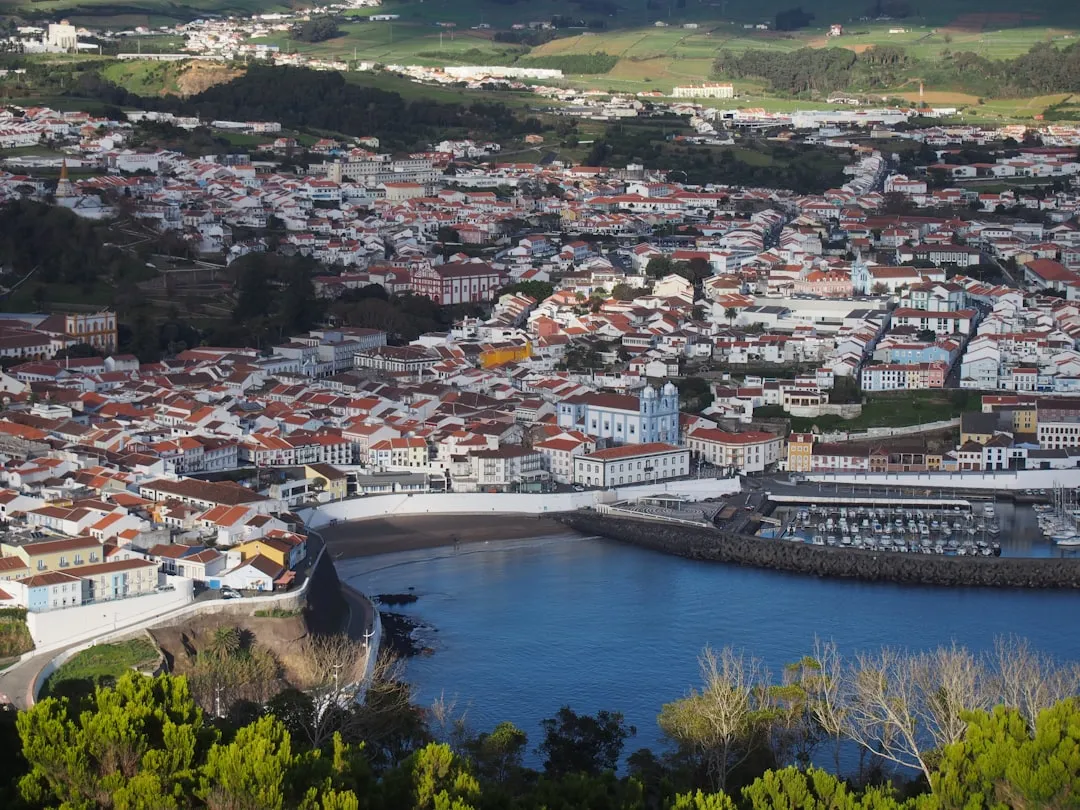
Once you arrive, the Azores offer a range of accommodations to fit every budget. From charming hostels and budget-friendly guesthouses to apartment rentals and cozy bed-and-breakfasts, there’s something for every type of traveler.
For couples or groups, renting an apartment with a kitchen is one of the strongest budget moves – you can cook breakfast and pack picnic lunches, cutting food costs significantly. The abundance of local markets selling fresh produce and regional cheeses makes self-catering both practical and genuinely enjoyable.
Beyond hotel chains, travelers can also book vacation homes, guesthouses, or traditional accommodations such as quintas – typically located in the countryside and offering a quiet retreat away from the busier towns. These rural stays often deliver some of the warmest hospitality on the islands.
The Visitor Mix: Who Is Actually Going There
According to the Azores Sustainable Tourism Observatory’s Survey on Tourist Satisfaction for the high season of 2024, the United States accounted for about 21 percent of foreign visitors, followed closely by Spain at nearly 21 percent and Germany at just over 20 percent. That kind of transatlantic interest from American travelers is particularly striking.
That survey covered a universe of nearly 470,000 tourists, based on the number of guests in traditional hospitality across São Miguel, Terceira, and Faial during the 2024 high season. It’s a meaningful sample, and it confirms that the Azores are drawing from a genuinely diverse international base rather than relying on any single feeder market.
Among emerging markets in 2025, Hungary, Poland, and Austria showed particularly strong year-on-year growth in overnight stays. Eastern European interest is a newer thread in the visitor story, and it suggests the archipelago’s reputation is still spreading outward.
Sustainable Travel and Responsible Tourism
The Azores has placed environmental stewardship at the center of how it approaches tourism development. The archipelago was certified as a sustainable tourism destination by EarthCheck years ago, and local authorities continue to manage visitor numbers and infrastructure with that designation in mind. The result is an environment that still feels genuinely wild.
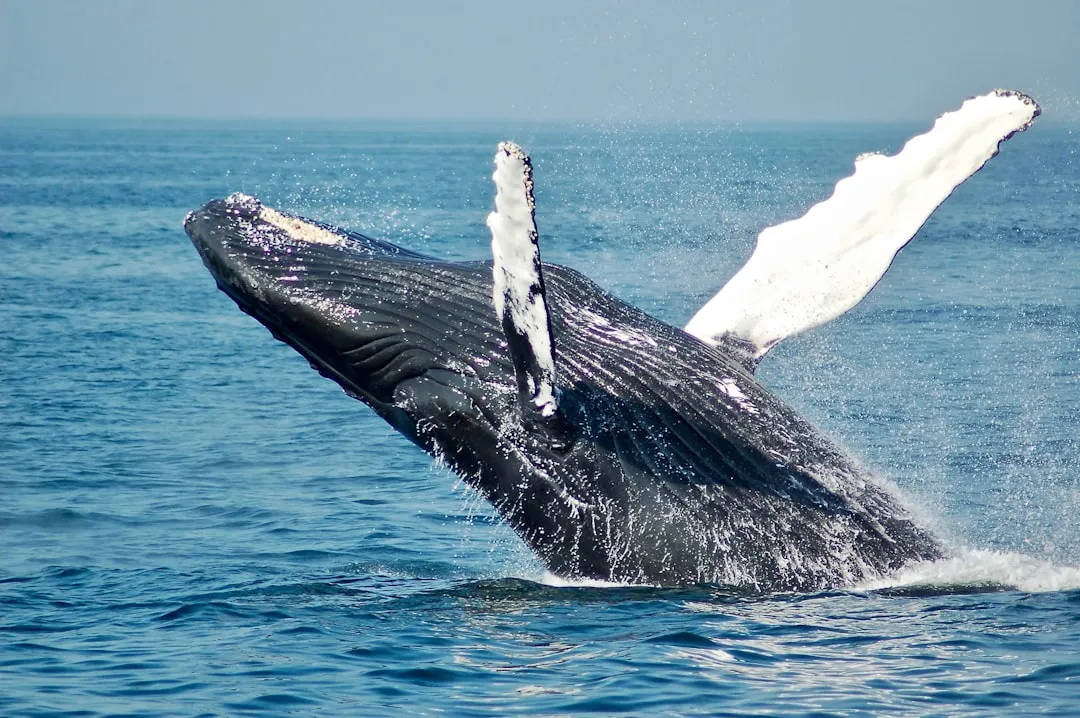
Whale watching, one of the most popular paid activities, is conducted under strict ethical guidelines. Some whale watching operations on São Miguel combine ethical observation with marine education, guided by experienced naturalists. Travelers who care about responsible wildlife tourism will find the standards here comparatively high.
The relative scarcity of mass tourism infrastructure – the limited number of chain hotels, the absence of resort strips – also means that money spent on the islands tends to stay within local communities. Guesthouse owners, local restaurants, and independent tour guides capture a much larger share of visitor spending than in heavily commercialized destinations.
The Practical Side: Getting Around Without Spending Too Much

The Azores doesn’t cater particularly to backpackers in the conventional sense – it’s not a party destination, and outside the main cities there aren’t many hostels. Public transportation isn’t especially reliable either, so having access to your own wheels makes a significant difference.
São Miguel isn’t very large, so staying in one location and making day trips across the island is entirely practical. Parking is generally free, which saves considerably compared to many other European destinations. For budget travelers with a rental car, that free parking detail compounds over a full week.
Visiting the Azores on a budget works best as a couple, or with friends or family, since car rental and accommodation costs are easier to share and touristic facilities tend to run on the higher end for solo travelers. Traveling with even one other person shifts the economics meaningfully in your favor.
A Destination That Rewards the Curious Traveler

What makes the Azores genuinely interesting from a budget travel perspective isn’t just the price point. It’s the ratio of experience to expenditure. Volcanic landscapes, geothermal bathing, whale watching, ocean swimming, hiking through cloud forest, and eating extraordinarily fresh seafood – all within a compact archipelago that still feels, in places, quietly unhurried.
The Azores welcomed 1.4 million guests in 2025, up nearly four percent year over year, with the average length of stay edging up to 3.32 nights. Demand remained strong throughout most of the year, and by November, cumulative overnight stays had already surpassed the total recorded for all of 2024. That trajectory shows no sign of reversing.
The archipelago sits in a particular moment: well-discovered enough that infrastructure is solid, but not yet so crowded that the experience has been diluted. For travelers who value that balance – somewhere between undiscovered and overrun – the Azores in 2026 may represent a window that won’t stay open indefinitely. The quiet discovery is happening now, and the numbers are beginning to reflect it.
AI Disclaimer: This article was created with the assistance of AI tools and reviewed by a human editor.