


Something has shifted quietly but unmistakably in how Americans choose to move through the world. The flight app, once an obligatory first stop when planning a vacation, is being closed out in favor of something older, slower, and far more personal: the open road. Specifically, the two-lane kind, where diners appear without warning, where a water tower might be the tallest thing for miles, and where the journey itself starts mattering again.
This isn’t just sentiment. The numbers tell a real story, and the motivations run deeper than budget. Burned-out travelers who once chased gate changes and boarding groups are now packing the car and pointing it somewhere they can actually breathe.
The Numbers Behind the Road Trip Revival
Bank of America’s 2025 Summer Travel and Entertainment Outlook combined real credit card spending data with a national survey of more than 2,000 Americans, giving a clear picture of how travelers are reshaping their summer plans. The results were striking. Roughly seven in ten Americans plan to stay domestic, a three percent increase from the prior year, while consumer credit card spending on airfare dropped by three percent year-over-year through April 2025.
This summer, nearly two-thirds of travelers said they’d rather drive than fly, whether in their own car or a rental. Over three-quarters of American adults intend to take a road trip, a figure that accounts for nearly 196 million people across the country. These aren’t marginal preference shifts. They represent a genuine reordering of how people think about getting away.
Airfare Costs That Push People Toward the Driver’s Seat
Airfare costs are up nearly 27 percent over the past year, according to NerdWallet’s June 2026 Travel Inflation Report, while the cost of eating out and entertainment have risen far more modestly. That gap is impossible to ignore when planning a family vacation. For fares sold through travel agency channels, the average round-trip domestic ticket price reached $561 in late 2024, and Hopper predicted that discount hunters would encounter significantly elevated domestic ticket prices throughout the first half of 2025.
A tight aircraft supply, lingering engine maintenance visits, and shifting airspace risks are colliding with record demand, a combination that analysts say produces higher fares on many routes. What makes road trips especially appealing in this environment is that they offer more control at a time when travelers are seeking stability. Unlike air travel, which can involve long lines, changing schedules, and added costs, road trips allow vacationers to stay in control of their time and spending.
Travel Disruptions Are Exhausting People Out of the Sky
In 2023, about three-quarters of business travelers said they experienced disruptions while traveling for work. By 2025, that number grew to 89 percent. More than half of business travelers experienced delays of more than an hour in the past 12 months, a third suffered cancellations, and about a quarter missed connections. Even leisure travelers have absorbed the psychological toll.
Two-thirds of travelers report higher stress, and more than half say disruptions negatively impact their work-life balance, leading to burnout risk. A 2025 Road Runner Auto Transport survey of 1,000 Americans found that nearly half said recent airline crash and malfunction news coverage pushed them to choose road trips over flights this summer. When flying stops feeling like freedom and starts feeling like a gamble, the car keys start to look appealing.
Burnout Is the Quiet Engine Driving This Trend
According to the same Road Runner survey, nearly four in ten Americans are road-tripping specifically to relieve stress and burnout. That’s a notable admission, and a fairly direct one. With mental health and wellbeing becoming a priority for many, a Scott Dunn survey of 2,000 US adults revealed that a significant share of travelers were planning their vacations with the main intention of slowing down and switching off.
Slow travel is shaping up to be one of 2026’s defining travel trends, and according to Vrbo, an extraordinary 91 percent of travelers say they’re interested in slower, simpler trips built around rest, reading, nature, and meaningful experiences. There’s something telling in that figure. A road trip along a quiet two-lane highway fits that description almost perfectly. Slow travel not only gives people time to recharge, but it also lets them experience a destination more deeply, connecting with its culture, people, and hidden gems they might not have discovered otherwise.
The Two-Lane Highway as an Antidote to Algorithm Life
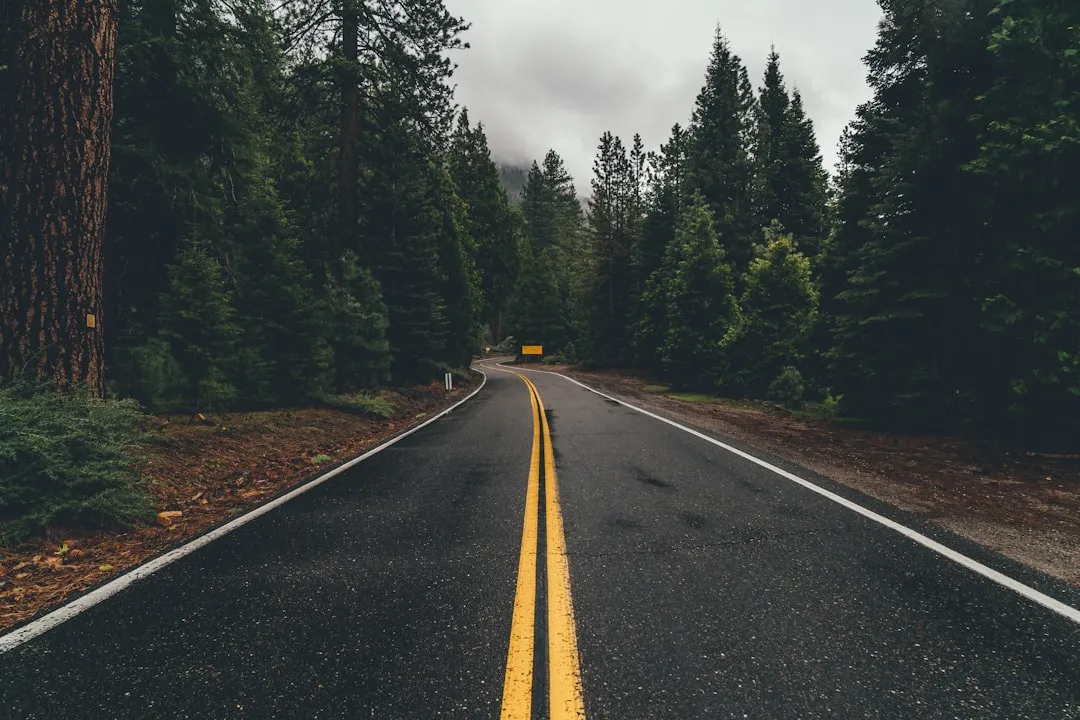
The later interstate system made journeys faster and more efficient, but it is the older roads that haunt the imagination. The two-lane blacktop that dips and rises and pulls you into places you never meant to stop. That pull is real, and it’s different from anything a travel app can offer. No algorithm can replicate the feeling of following a road that curves into fog with no arrival time counting down on a screen.
In 2025, it’s no longer about the classic “see it all” approach. The new American road trip encourages travelers to slow down, savor each stop, and venture off the beaten track. Having control over the wheel means travelers have more control over their itinerary and plans, and that feeling of autonomy has become genuinely rare in an era of curated feeds and optimized booking funnels.
Small Towns Are Winning Back Curious Travelers
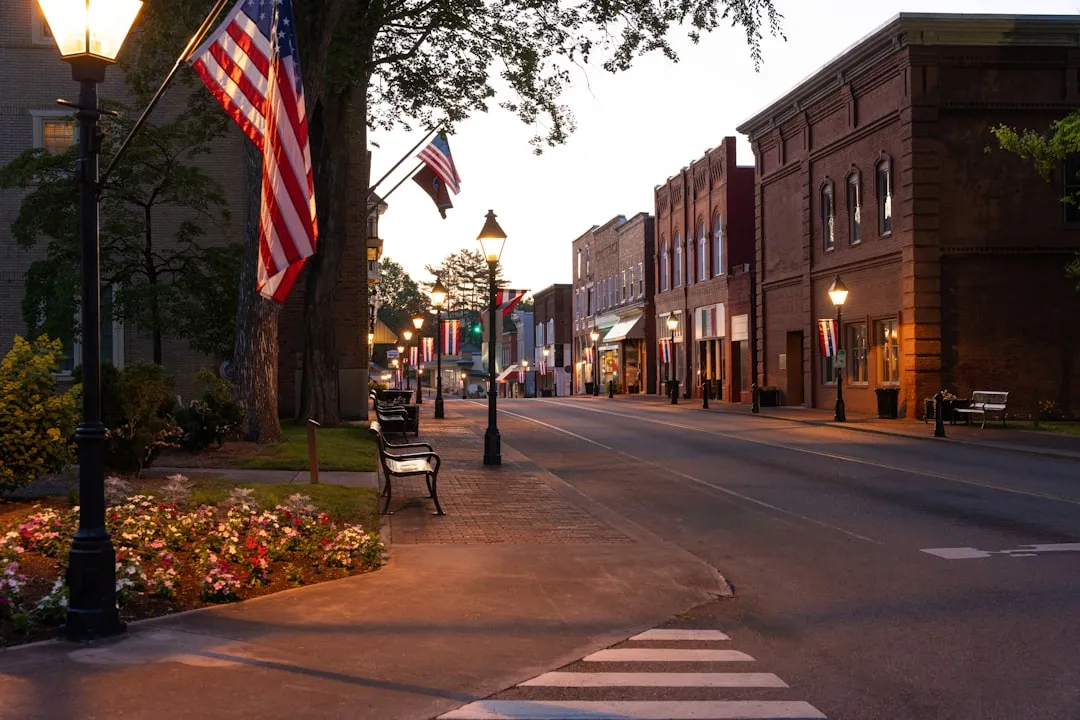
In 2025, many Americans are seeking small-town escapes that offer unique attractions, a relaxed pace, and better value. This latest travel industry trend has travelers moving toward quaint, quiet small towns that feel like stepping into a storybook. Think cobblestone streets, vintage bookstores, and welcoming diners. It’s all about going at a leisurely pace, living like locals, and taking time to take in the surroundings.
According to hotel booking data from HotelPlanner, 4th of July getaways are morphing into something more personal, with more than half of the top 25 booked cities in 2025, like Rochester, New York and Madison, Wisconsin, not even on travelers’ radars the prior year, suggesting road trippers are swapping the usual big-name cities for offbeat locales. Smaller towns offer a slower way of life with no packed itineraries, and money tends to stretch farther there, meaning more resources for the experiences that actually matter.
National Parks Are Feeling the Surge
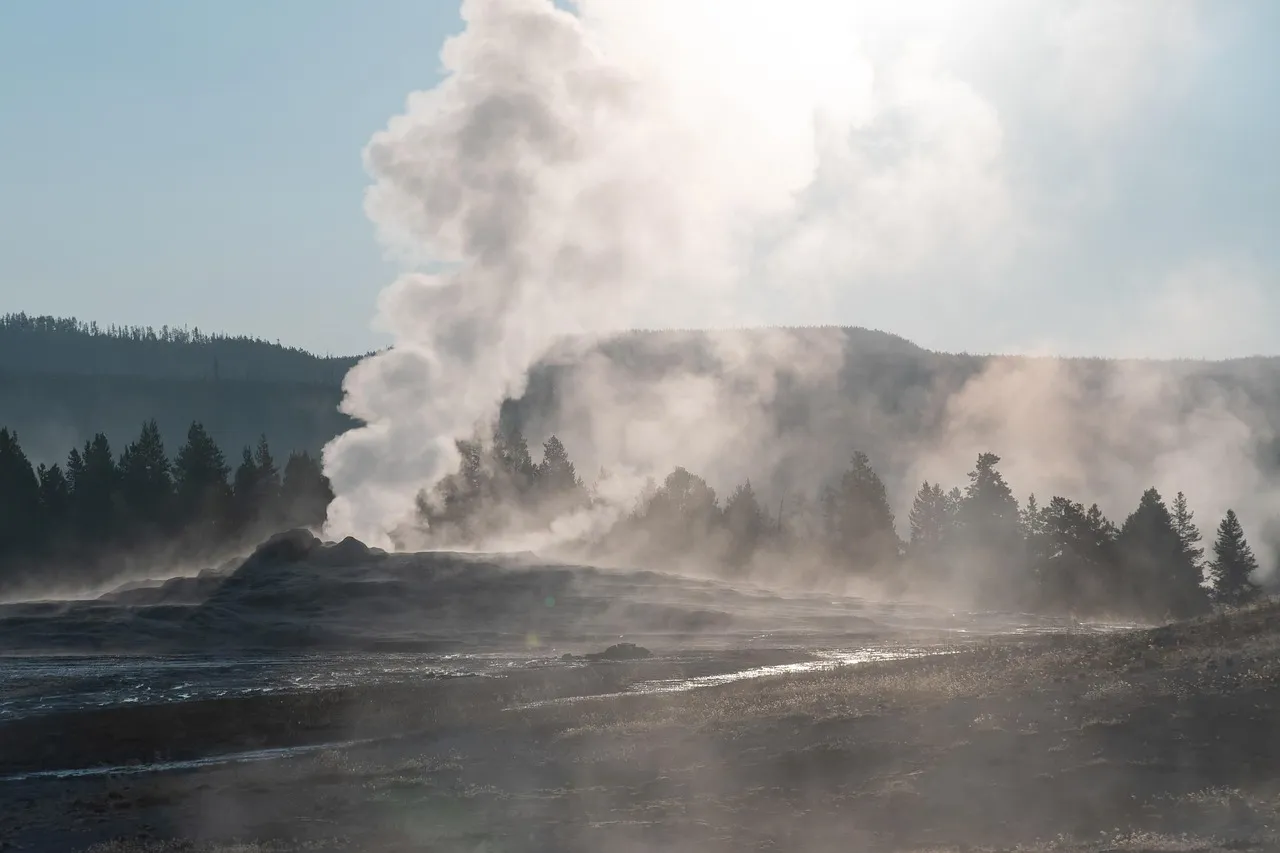
Yellowstone saw a six percent increase in visitation between May 2024 and May 2025, from 719,127 to 762,672 visitors. Similar trends appeared across Glacier National Park, Zion National Park, and Yosemite National Park, all of which saw as much as an eight percent increase in visitation. These aren’t casual figures. They reflect a sustained shift in where Americans are choosing to spend their time and money.
About four in ten Americans are planning to visit national parks this summer, with one in five saying they’re doing so in response to federal funding cuts, showing that concern for these landscapes is itself part of the motivation. These parks, easily accessible by car, offer outdoor adventures like hiking, camping, and scenic drives, making them ideal destinations for those looking to travel by road. Driving there, rather than flying into the nearest hub, lets you arrive already settled into the pace.
The Nostalgia Factor: Heritage Roads and Roadside Culture
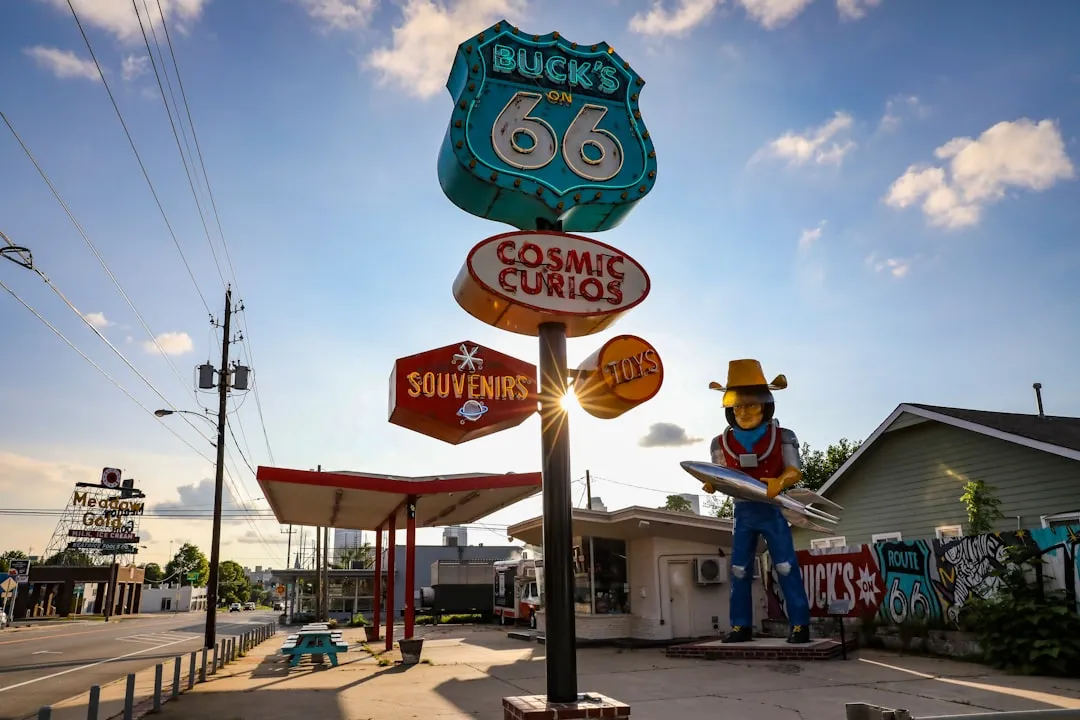
Over 250 vintage motor courts remain operational along the 2,448-mile Route 66, many featuring original neon signs, period architecture, and restored interiors that provide authentic travel experiences from the 1940s and 1950s. Properties like the Blue Swallow Motel in Tucumcari, New Mexico and the Wigwam Motel in Holbrook, Arizona have achieved iconic status. While these properties can’t match modern hotel amenities, they offer character and nostalgia that appeal to heritage tourists.
There’s something intentional about choosing the road that the interstate bypassed. Route 66, the Lincoln Highway, the Pacific Coast Highway. They weren’t just practical routes; they were promises. They knitted the country together and brought with them the idea that you could reinvent yourself simply by heading west, following the painted lines. That mythology has aged surprisingly well. The National Park Service Route 66 Corridor Preservation Program has invested in rehabilitating these properties, recognizing their role as functional historic resources that support tourism while preserving cultural landscapes.
Keeping It Close to Home: The Rise of the Micro-Road Trip
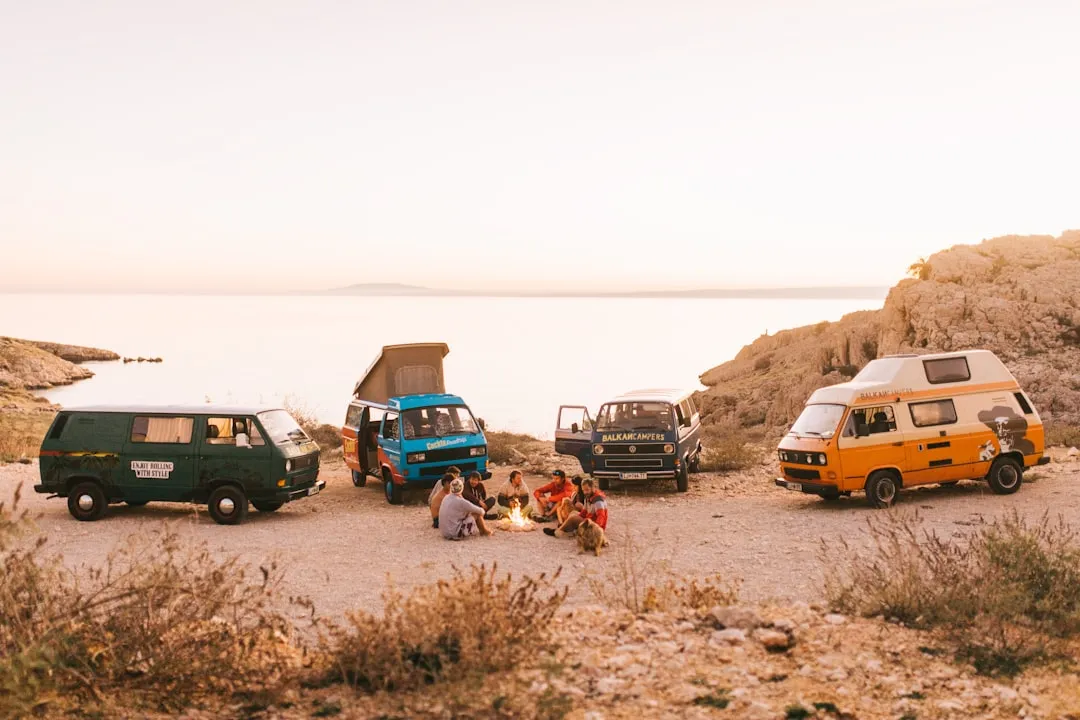
Three in five road-tripping Americans are keeping their destinations within 500 miles of home, and packing meals is the top way they’re cutting costs, with about four in ten skipping restaurants entirely to save money. This is a meaningful shift in scale. The cross-country epic still happens, but the more dominant pattern now is something shorter, quieter, and deliberately uncomplicated.
There has been a noticeable uptick in specific travel styles like micro-tripping, passion-tripping, and gig-tripping, each of which suits a two-lane road better than a boarding gate. Travelers are choosing weekend getaways to smaller, regional destinations. Scenic drives like the Pacific Coast Highway or the Great River Road are drawing particular attention, allowing travelers to enjoy breathtaking landscapes while keeping costs low. The definition of a proper trip is quietly being renegotiated.
Slow Travel and the Deeper Meaning Behind the Shift
The European Travel Commission’s Long-Haul Travel Barometer found that slow travel is gaining momentum, increasing from 22 percent in 2025 to 26 percent in 2026 among long-haul visitors to Europe. Market research firm Euromonitor observed a broader mindset change at the industry level, noting that “revenge travel” is now a thing of the past, with consumers slowing down and traveling more meaningfully, even if that means traveling less often.
The traveler of 2026 seeks connection over consumption. They want to understand the soul of a destination, not just its statistics. This pivot is driven by collective introspection and increased awareness of mental health, ethical consumption, and sustainability. On a 200-mile trip, a flight would emit around 109 pounds of CO2 per passenger, while the same trip by road emits just 26 pounds per passenger. The environmental arithmetic is hard to ignore. Choosing the highway, it turns out, can be a values statement as much as a practical one.
The Road Ahead
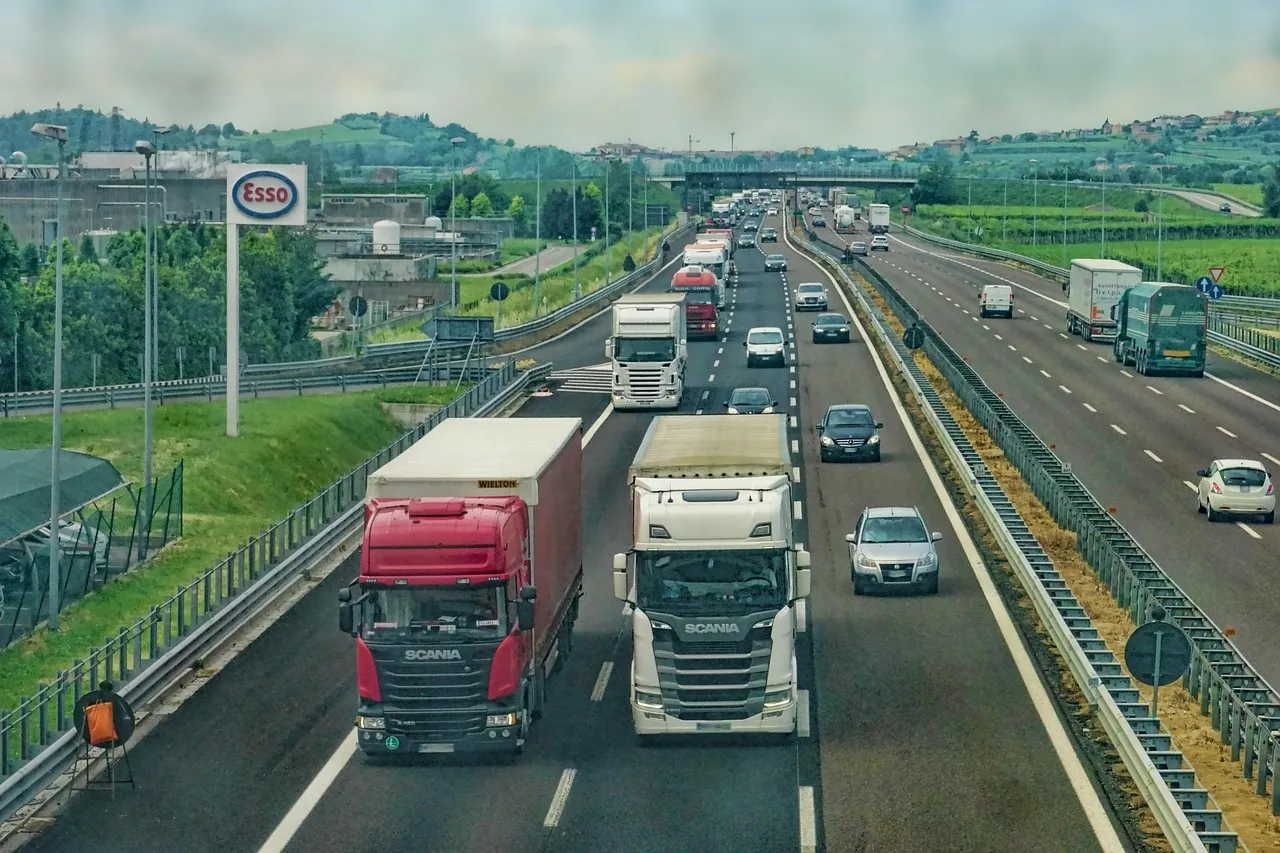
What’s happening here isn’t really about nostalgia for its own sake. It’s about a very understandable desire to feel like a person moving through the world rather than a passenger being processed through it. Driving allows for unplanned scenic stops, pet-friendly plans, and the ability to avoid unpredictable flight delays and rising ticket prices. Those aren’t small things. They’re actually central to what a good trip feels like.
Given how the data trends, from search interest to industry forecasts to visible strain on famous destinations, slowing down looks less like a fleeting preference and more like where travel is genuinely heading. The two-lane highway has always been there. What’s changed is that more people are finally looking up from their phone screens long enough to notice it. Sometimes the most restorative route is the one that isn’t optimized at all.
AI Disclaimer: This article was created with the assistance of AI tools and reviewed by a human editor.